10 Ways Food Brands Reduced Quality Without Changing the Label

Many packaged foods look identical to the products shoppers have trusted for years, yet subtle changes often happen behind the scenes. Rising ingredient and production costs push manufacturers to modify recipes, reduce portions, or substitute cheaper components while keeping labels and packaging familiar. Because branding remains unchanged, most customers never realize quality has shifted. These quiet adjustments reveal how modern food production balances cost control with maintaining consumer loyalty.
1. Cheaper Ingredients Replace Premium Ones
Food products often maintain familiar packaging while quietly swapping premium ingredients for cheaper alternatives. Cocoa butter may be partially replaced with vegetable fats, real fruit content reduced, or higher-grade grains exchanged for lower-cost substitutes, all without altering product branding.
Labels may technically remain accurate, yet the quality difference becomes noticeable through altered flavor, texture, or cooking performance compared with earlier versions.
Consumers frequently notice taste differences without realizing that recipes changed. Because packaging remains consistent, many assume personal preference shifted rather than recognizing ingredient downgrades that subtly transformed products once known for dependable quality.
2. Real Ingredient Portions Get Smaller

Another common adjustment involves reducing the amount of expensive ingredients while keeping product names unchanged. Foods labeled with nuts, fruit pieces, or meat may still include them, but in smaller proportions than earlier formulations.
Cost pressures encourage brands to limit high-value components while preserving visual cues on packaging. As long as ingredients remain present, labeling regulations allow descriptions to continue unchanged despite reduced quantities.
Shoppers sometimes sense diminished flavor intensity or texture changes, though the cause often remains unclear. Products appear familiar on shelves, yet the eating experience gradually shifts as manufacturers stretch premium components further to control expenses.
3. Fillers Replace Substance in Recipes
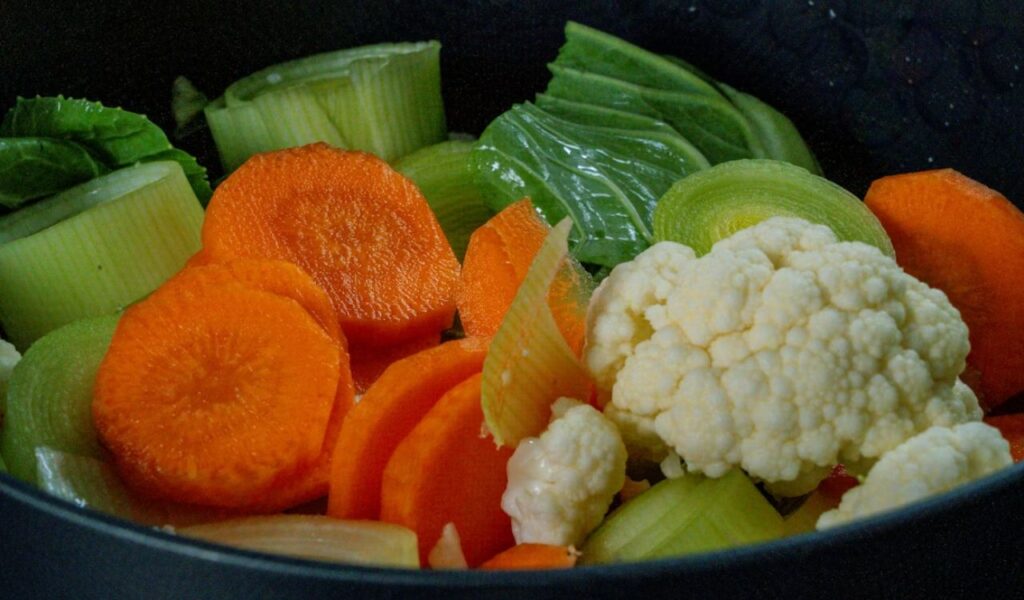
To offset ingredient costs, manufacturers sometimes incorporate fillers such as starches, gums, or textured vegetable proteins that mimic original ingredients. These additions maintain structure and appearance while lowering production expenses.
Fillers often perform technical roles in stabilizing foods or improving shelf life, yet they dilute original formulations. Consumers may find textures slightly different, with sauces thicker or processed meats softer than earlier versions.
Such changes rarely appear obvious on packaging because fillers are standard ingredients in many processed foods. However, flavor and mouthfeel differences become noticeable over time as authentic components give way to economical substitutes.
4. Lower-Quality Oils Quietly Take Over

Oils and fats play a crucial role in flavor and texture, yet manufacturers sometimes replace premium fats with cheaper alternatives when ingredient prices climb. Products that once used butter or specialty oils may shift toward more economical blends.
While labels still list vegetable oils or fats accurately, differences in quality influence taste, shelf stability, and nutritional profile. Subtle flavor changes or altered textures often accompany these cost-saving decisions.
Consumers rarely detect such swaps immediately, yet repeat purchases sometimes reveal products tasting flatter or feeling greasier. These adjustments allow brands to control costs while maintaining outward packaging consistency that shoppers recognize.
5. Packages Shrink While Labels Stay Familiar
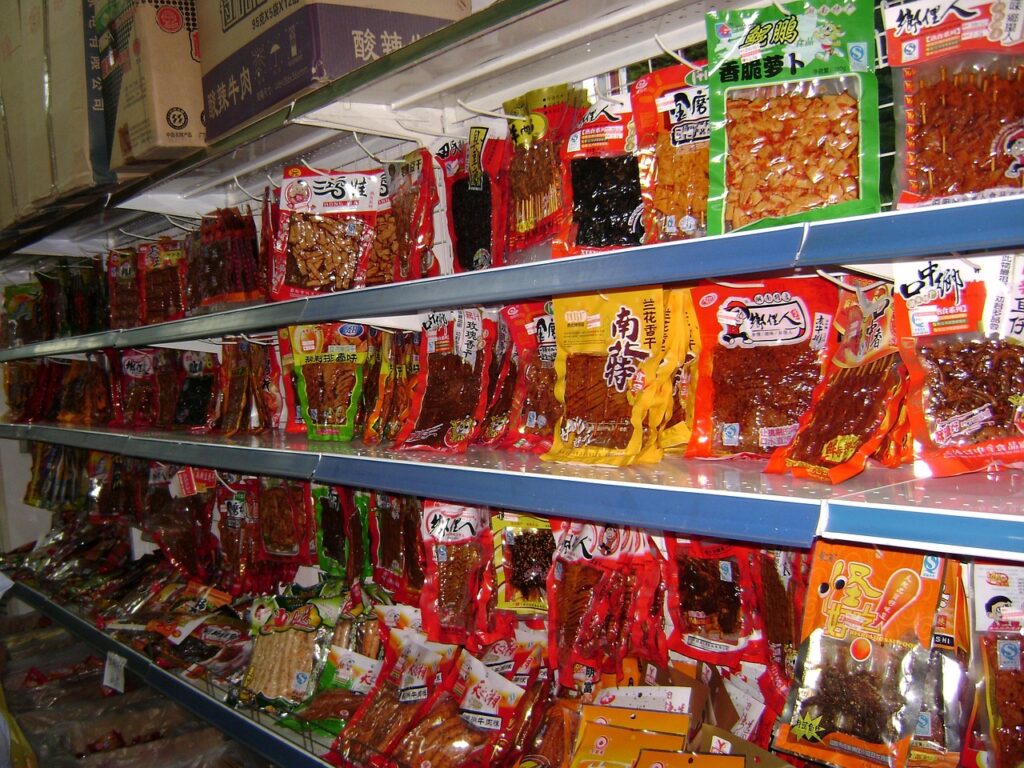
Many shoppers have noticed favorite products shrinking while packaging design remains almost identical. Known as shrinkflation, this strategy reduces product weight or volume without dramatically altering label appearance or branding.
Smaller portions allow companies to manage rising production costs while avoiding price increases that might deter buyers. Labels update weights legally, yet visual presentation often minimizes noticeable size changes.
Customers continue buying trusted brands, sometimes unaware that quantities have shifted. Familiar packaging masks reductions that quietly change value perception without formally altering product identity on store shelves.
6. Flavor Components Get Reduced
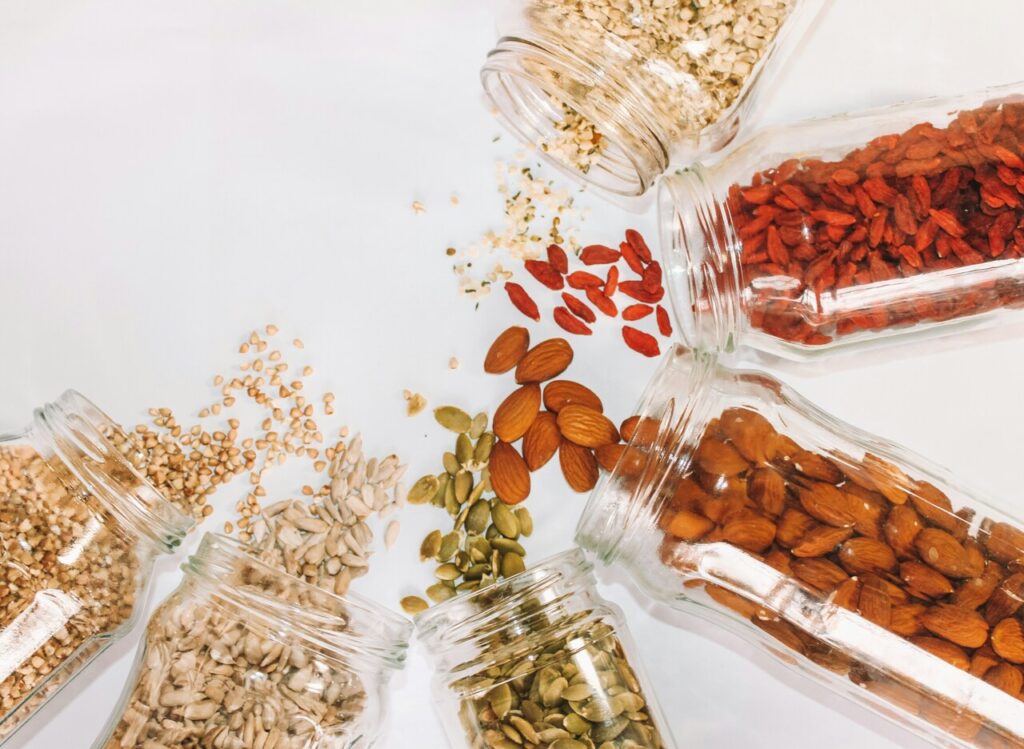
Seasonings and flavor-enhancing ingredients sometimes decrease in formulations when companies seek cost efficiencies. Reduced spice blends, lower salt usage, or fewer herbs can change taste while labels remain technically accurate.
Adjustments may also respond to health trends encouraging lower sodium or sugar content, though results sometimes produce milder or less satisfying flavor profiles. Consumers notice changes without realizing that recipes evolved.
Because ingredient names remain present, packaging still reflects familiar products. However, longtime customers occasionally sense missing richness or depth once associated with earlier versions that included stronger seasoning balances.
7. Recipes Become Simplified for Cost Control

Complex recipes often require multiple processing steps and diverse ingredients, increasing manufacturing expense. Simplifying formulas allows companies to reduce production time while keeping ingredient lists manageable and costs predictable.
Simplification might remove specialty components or combine steps that once enhanced flavor or texture. Products remain recognizable, yet subtle qualities fade as manufacturing prioritizes efficiency over culinary complexity.
Consumers may perceive these foods as slightly different without connecting changes to revised recipes. Packaging and branding continue to present familiar items, even as streamlined formulations reshape taste and texture experiences.
8. Artificial Flavors Replace Natural Ones

Natural flavor extracts often cost significantly more than artificial alternatives. To manage expenses, manufacturers sometimes replace natural flavoring components with laboratory-created substitutes that mimic original taste profiles.
While artificial flavors pass regulatory standards and maintain product consistency, subtle differences in aroma and aftertaste sometimes emerge. Longtime customers may sense slight changes without identifying underlying causes.
Labels typically still describe flavors similarly, preserving consumer recognition. Yet recipe changes relying on synthetic compounds can gradually alter sensory experience compared with products once flavored using natural ingredients.
9. Quality Control Standards Get Looser
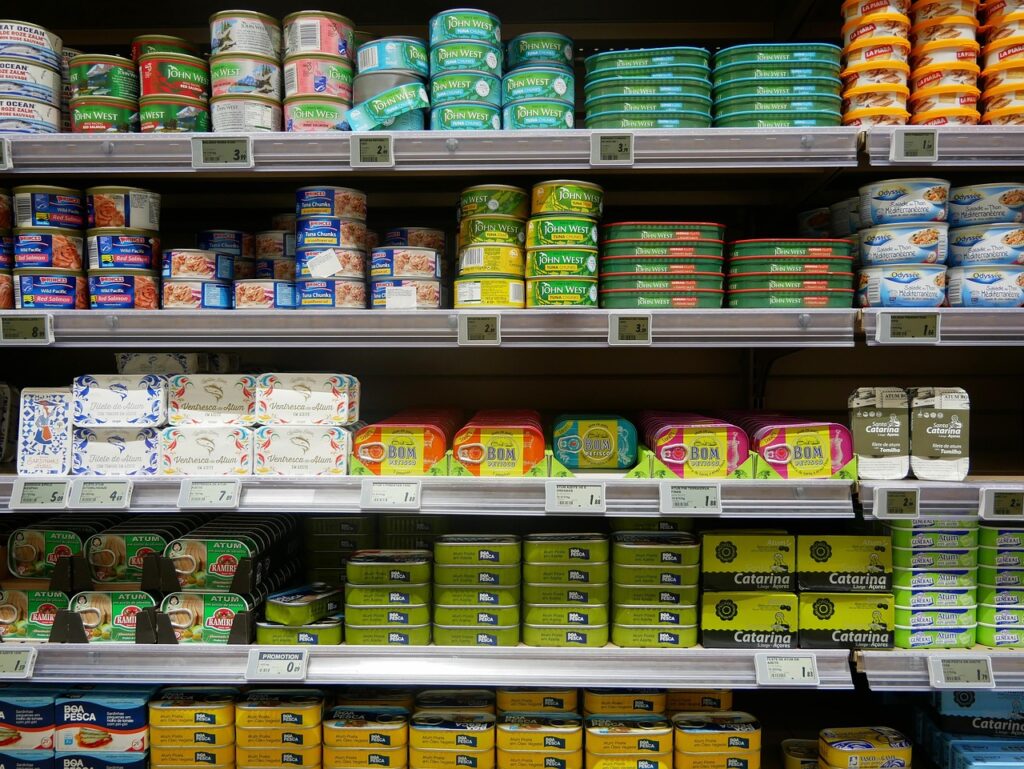
Economic pressure occasionally leads companies to reduce oversight intensity within manufacturing processes. Slightly broader tolerance ranges allow more batches to meet distribution standards even if quality varies slightly.
Products still meet safety regulations, yet differences in texture, consistency, or flavor can emerge between batches. Customers sometimes encounter unexpected variation while packaging and labeling remain unchanged.
Such shifts rarely attract public attention, but gradual inconsistency influences brand perception over time. Packaging familiarity hides small fluctuations that reflect production adjustments designed to maintain profitability.
10. Packaging Masks Product Changes
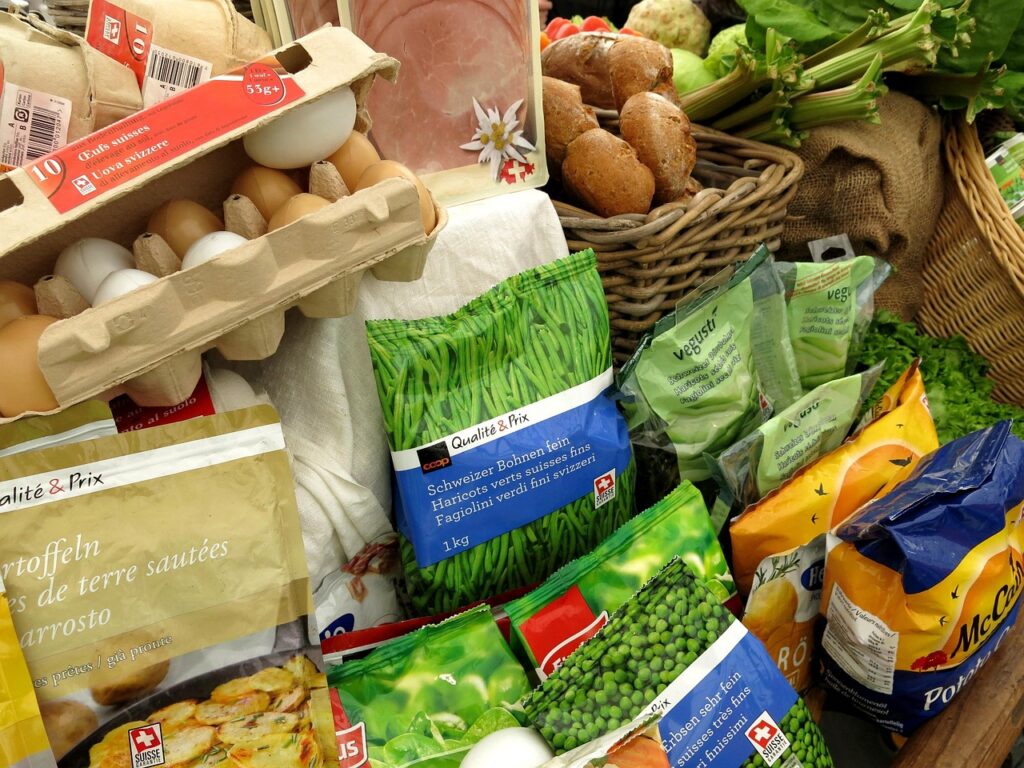
Packaging design sometimes evolves to maintain consumer perception even when internal changes occur. Larger containers with inserts or thicker packaging materials can create the impression of full portions despite reduced contents.
Bright graphics and appealing imagery also help sustain expectations around freshness or quality, even when recipes or portion sizes shift. Packaging becomes a strategic tool shaping consumer perception at the point of purchase.
Because shoppers often judge products quickly by appearance, packaging helps preserve trust despite subtle internal differences. Quality reductions remain less visible when visual presentation continues to reinforce familiar brand identity.