8 Grocery Store Bakery Items That Are Mostly Factory-Made Now

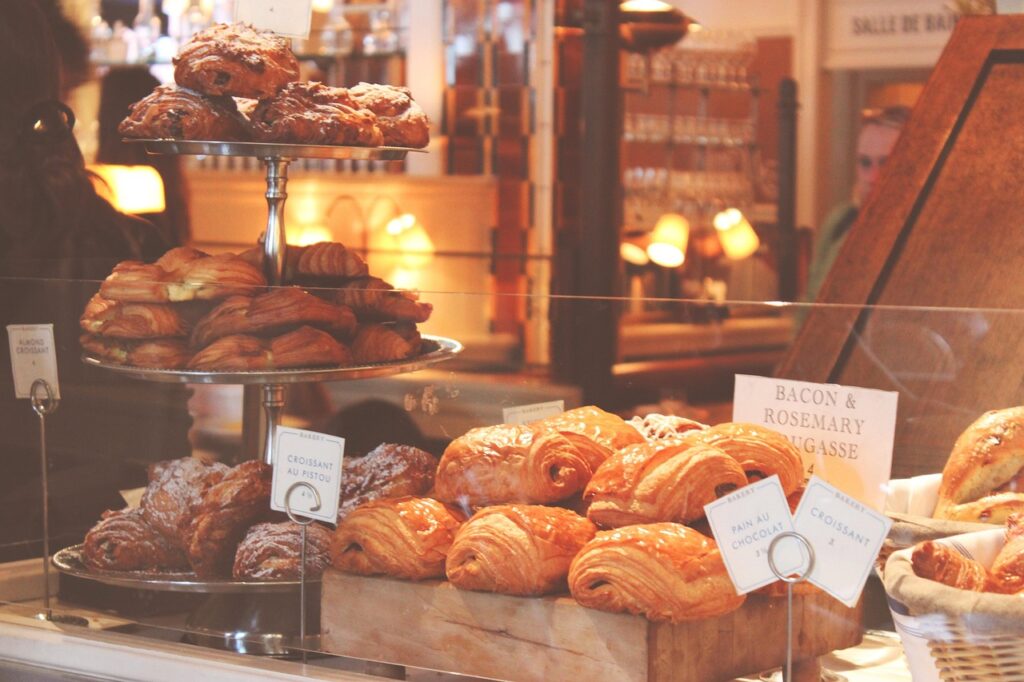
Bakery sections often smell like fresh bread and pastries, creating the impression that everything is baked on site. In reality, many popular grocery store bakery items now come from large factory facilities where products are prepared in bulk before being shipped frozen or fully finished to stores. Final glazing or reheating may happen locally, but the real baking usually occurs far from the supermarket. These changes help stores control costs and reduce waste while quietly reshaping what shoppers think of as freshly baked goods.
1. Sandwich Bread
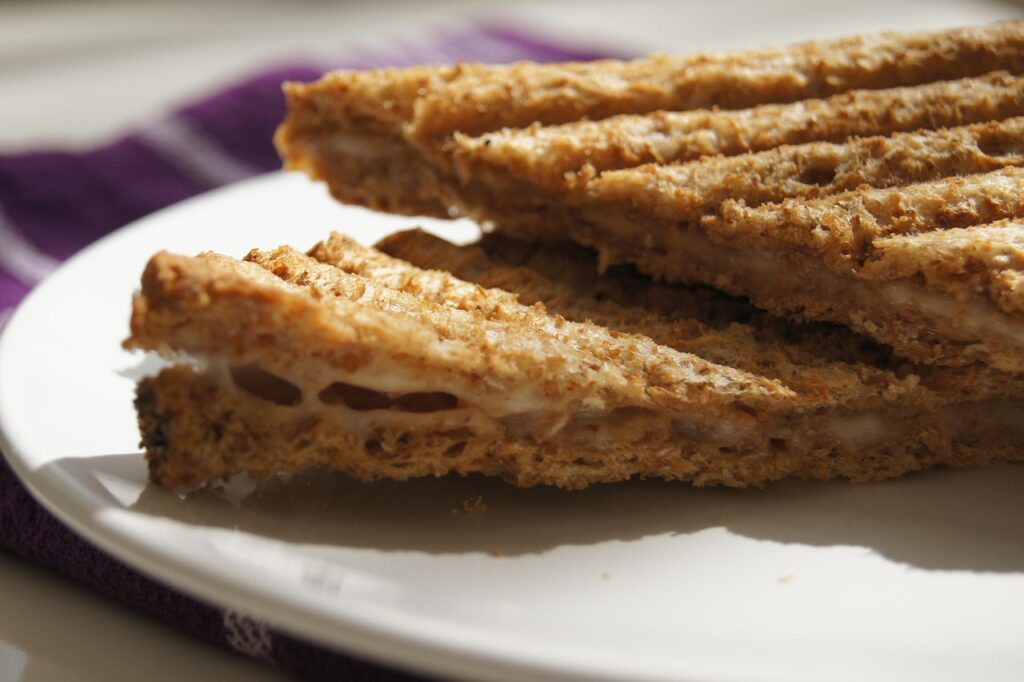
Shoppers often assume bakery loaves stacked in supermarket displays were baked that morning, yet most sandwich breads now arrive from large regional factories. Centralized production allows stores to stock consistent loaves daily.
Factory baking relies on automated mixing, proofing, and slicing equipment that produces thousands of identical loaves per hour. Preservatives and stabilizers help bread remain soft during shipping and storage, ensuring products survive transport and shelf time.
While convenient and affordable, this system reduces the need for in-store baking, meaning many bakery loaves are simply unpacked and displayed. The familiar smell of bread in stores often comes from reheating or packaging rather than on-site baking.
2. Donuts
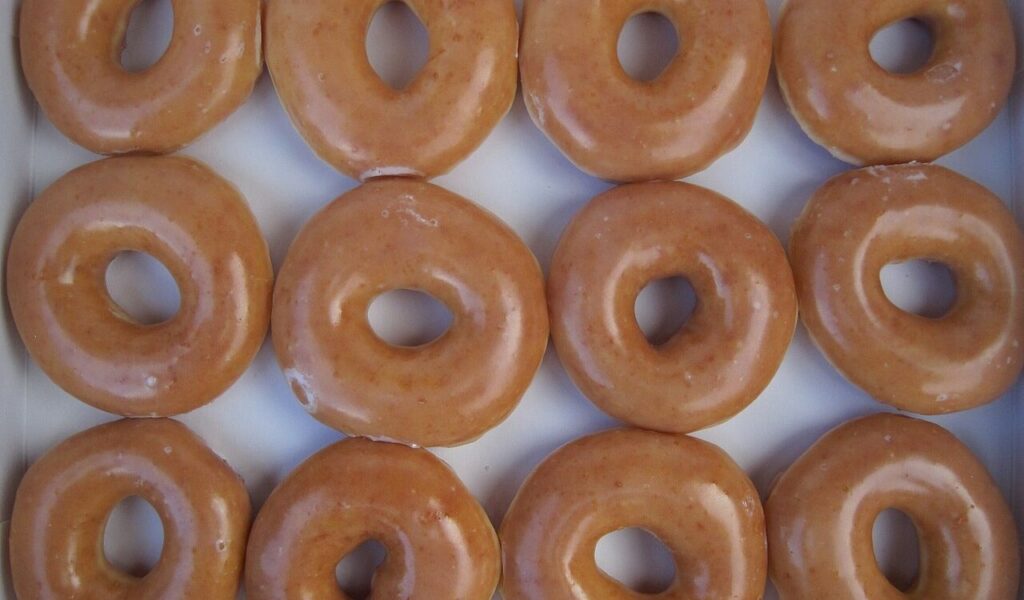
Colorful donuts displayed behind bakery glass often give the impression of fresh preparation, yet many grocery stores now receive them fully finished or partially baked from centralized suppliers. Stores simply glaze or decorate them before placing them on shelves.
Mass production allows suppliers to ship consistent products nationwide while keeping prices competitive. Freezing and reheating techniques preserve texture long enough for store display, reducing waste and staffing needs within individual locations.
Customers still enjoy the convenience, but the baking frequently occurs miles away rather than in-store kitchens. Decorative finishing may happen locally, yet the dough preparation and frying usually take place in factory environments.
3. Muffins
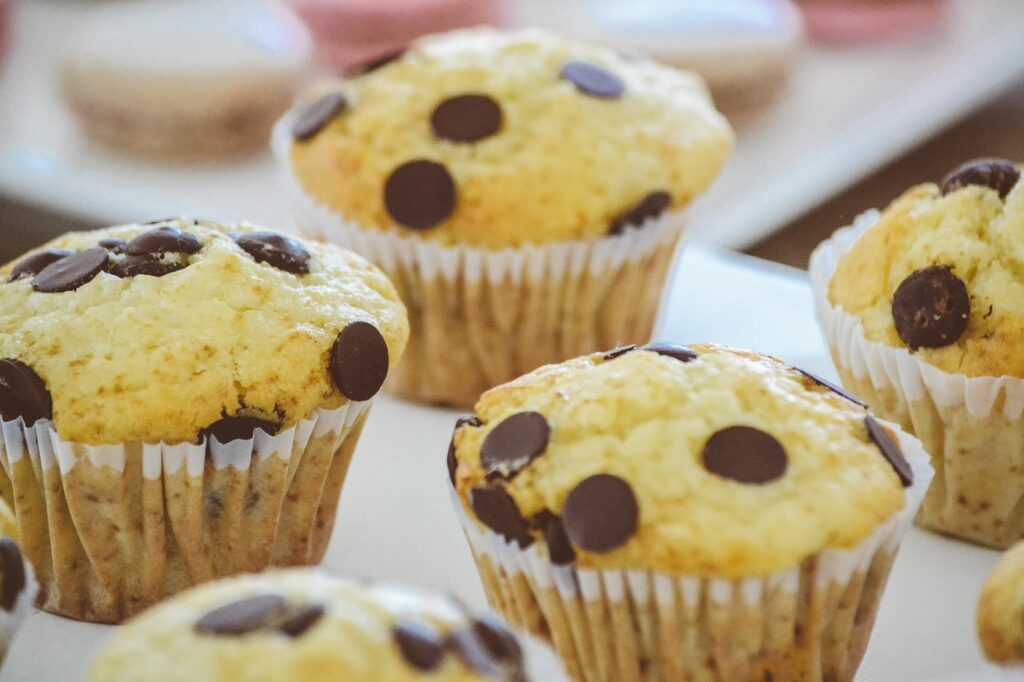
Oversized muffins in bakery cases often appear handmade, yet many arrive already baked from industrial facilities specializing in large batch production. Stores typically thaw or warm these items before presenting them as fresh offerings.
Central production allows manufacturers to standardize flavor, size, and texture while controlling costs. Additives maintain moisture and shelf stability, ensuring muffins survive shipping and display without drying out quickly.
Although still satisfying, the baking step rarely occurs inside the supermarket. What customers see as fresh muffins often began their journey days earlier inside automated bakeries designed for large-scale distribution.
4. Cinnamon Rolls
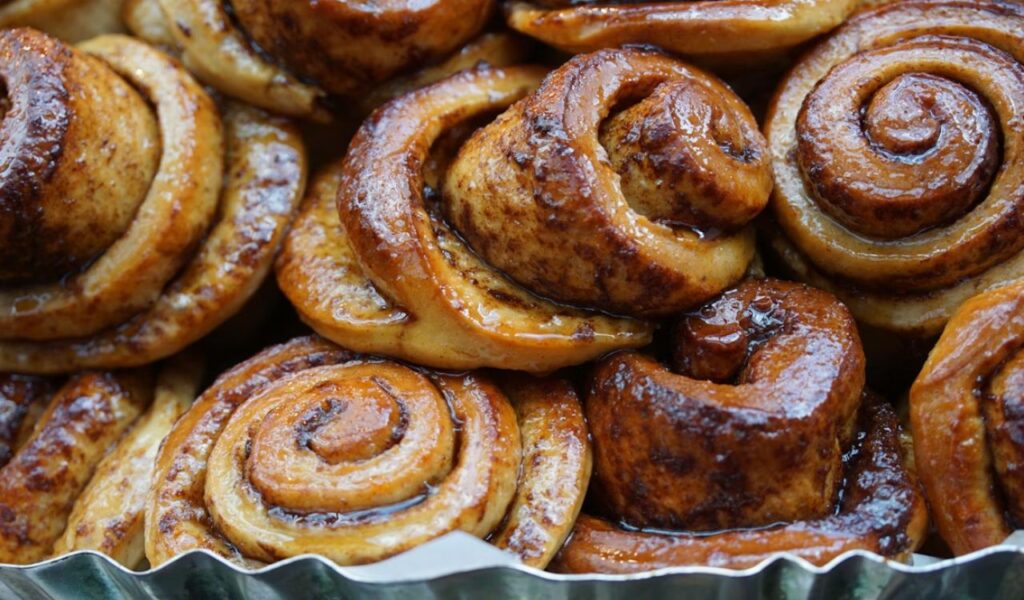
Sticky cinnamon rolls suggest slow preparation involving fresh dough, butter, and cinnamon fillings, yet supermarket versions frequently originate from factory kitchens. Many arrive frozen or par-baked and only require reheating or glazing on site.
Factories streamline preparation through automated rolling and portioning systems that produce thousands of identical pastries quickly. This efficiency allows stores to offer consistent products without dedicating staff to lengthy dough preparation.
The comforting appearance remains, but preparation often happens far from store ovens. Final touches added in-store maintain appeal while hiding how much of the baking occurred earlier in centralized facilities.
5. Bagels
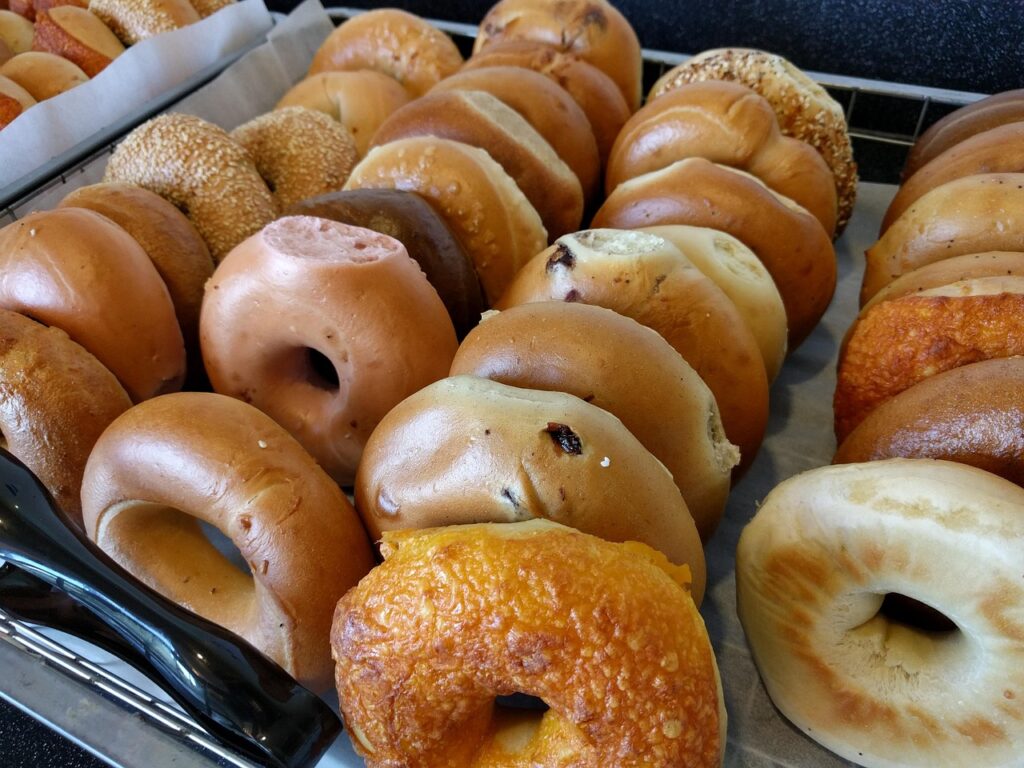
Bagels traditionally require boiling before baking, a labor-intensive method that many supermarkets no longer perform on site. Instead, stores often receive bagels pre-baked or frozen from large commercial producers.
Factory operations simplify the process through mechanized shaping and baking, allowing mass production at lower cost. Freezing helps preserve freshness until stores thaw and display them for customers.
While some specialty bakeries still make bagels traditionally, many supermarket options come from distant facilities. The finished product looks fresh, but most preparation happens well before reaching bakery shelves.
6. Bakery Cookies
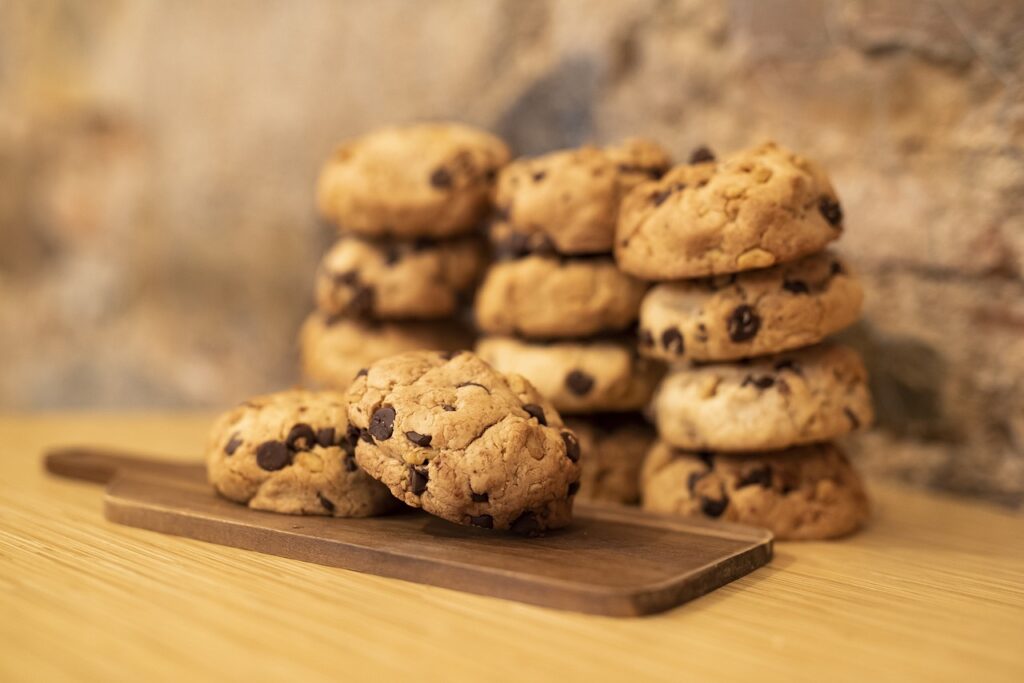
Soft bakery cookies piled high in supermarket displays suggest fresh batches coming straight from ovens, yet many originate in industrial bakeries. Stores commonly receive cookies baked off-site and simply package or reheat them for sale.
Large facilities produce consistent cookies using automated portioning and baking equipment, ensuring uniform texture and flavor. Preservatives extend shelf life so cookies maintain softness during transportation and display.
Customers still enjoy convenient treats, but the baking process often takes place elsewhere. Warm cookies may be reheated locally, though the actual mixing and baking frequently happen in centralized production plants.
7. Cake Slices
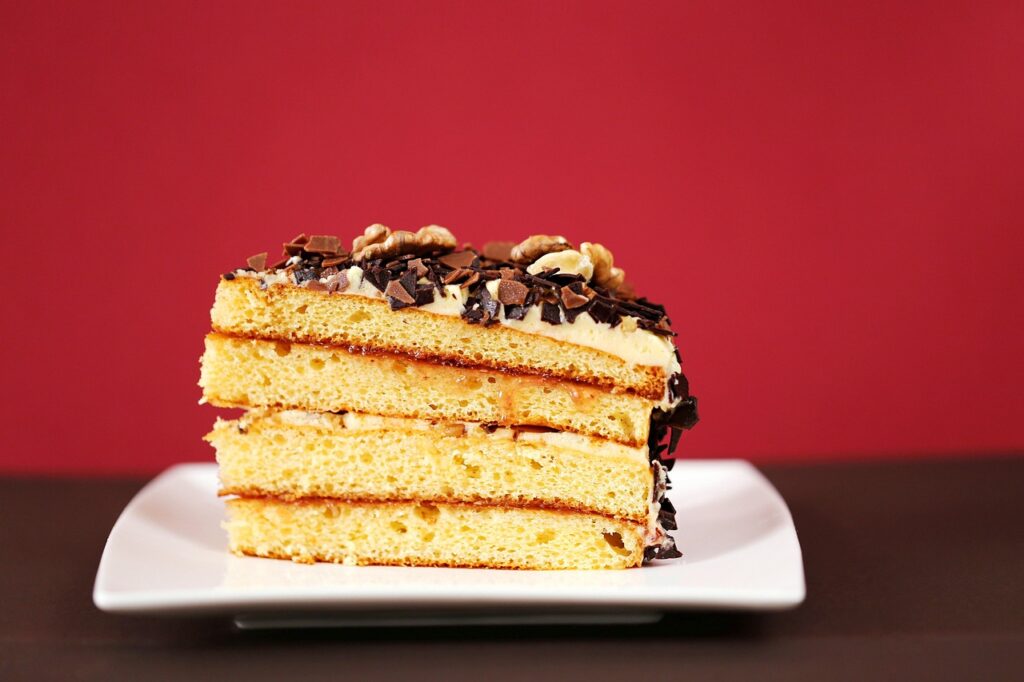
Individual cake slices displayed in clear containers often appear freshly cut in store bakeries, yet many originate from factory-produced sheet cakes shipped frozen or pre-assembled. Stores thaw and portion them before placing them in the display cases.
Industrial cake production ensures uniform layers and icing consistency while reducing preparation time for supermarket staff. Stabilizers help cakes maintain structure during freezing and transportation without losing visual appeal.
While convenient for shoppers seeking single servings, many slices were baked long before arriving in stores. Final presentation occurs locally, but the real baking often happens within large commercial kitchens.
8. Brownies and Dessert Bars
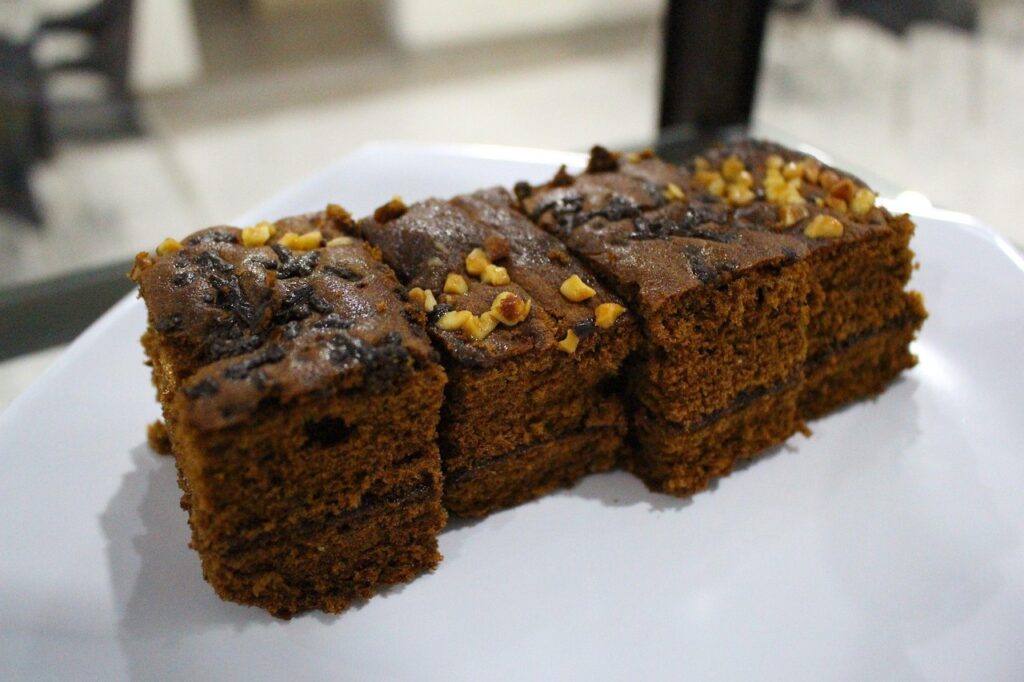
Dense brownies and dessert bars stocked in bakery cases often look homemade, yet many are prepared in commercial bakeries specializing in bulk dessert production. These items travel well and maintain texture during shipping.
Factories use automated mixing and baking equipment to produce large quantities efficiently, allowing stores to stock consistent dessert options year-round. Packaging and freezing help extend shelf life without compromising appearance.
Customers still enjoy familiar flavors, but much of the baking happens off-site. What appears to be freshly made in-store treats frequently began as factory-produced goods finished or packaged locally for convenience.