Beef vs. Bugs: Why 2026 is the Year the Synthetic Protein Market Collapsed

For years, synthetic protein was sold as the unavoidable future of food. Lab-grown beef, insect flour, and fermentation-made meat promised to save the planet, feed billions, and make traditional livestock obsolete. Investors poured in billions, headlines followed, and early adopters lined up to taste what was billed as progress on a plate. The narrative was bold, urgent, and everywhere. Governments, climate advocates, and food-tech leaders framed it as a moral and environmental necessity. Marketing focused on disruption rather than tradition, positioning alternatives as smarter and more responsible. For a time, questioning the movement felt like resisting the future itself.
By 2026, that story began to fall apart. Consumer enthusiasm cooled, funding dried up, and many once-celebrated companies quietly retreated or shut down. What was framed as a revolution revealed deep cracks in cost, taste, trust, and scalability. The collapse of the synthetic protein market wasn’t sudden; it was the result of expectations colliding with reality. Products struggled to move beyond niche appeal and into everyday shopping carts. Rising economic pressure made price sensitivity unavoidable for consumers. In the end, ambition alone proved insufficient to change how people choose their food.
The Market Unravels
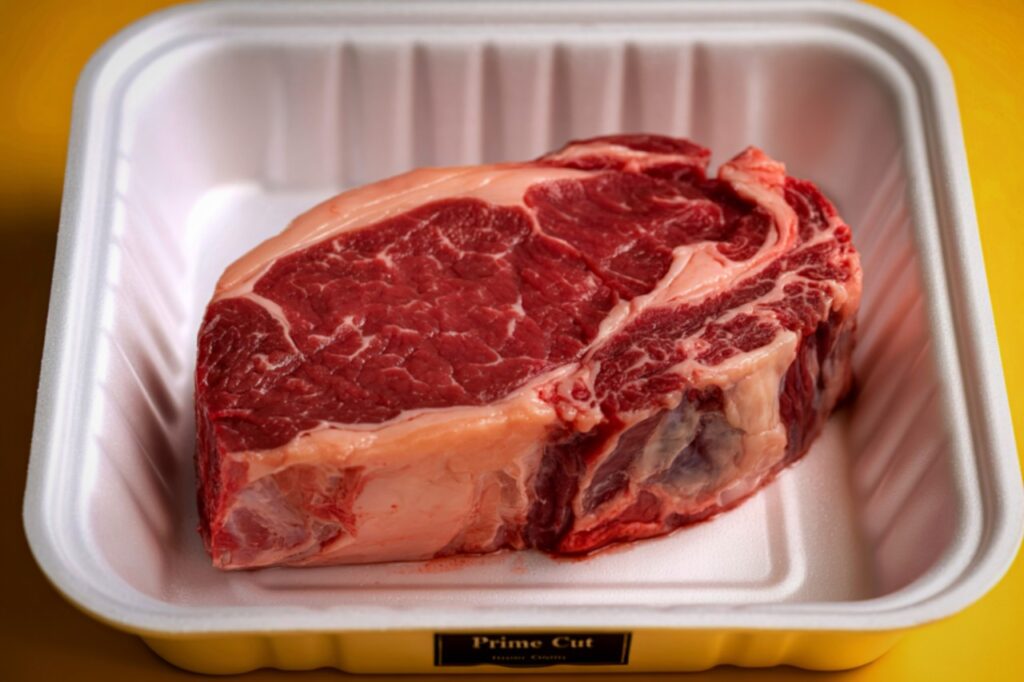
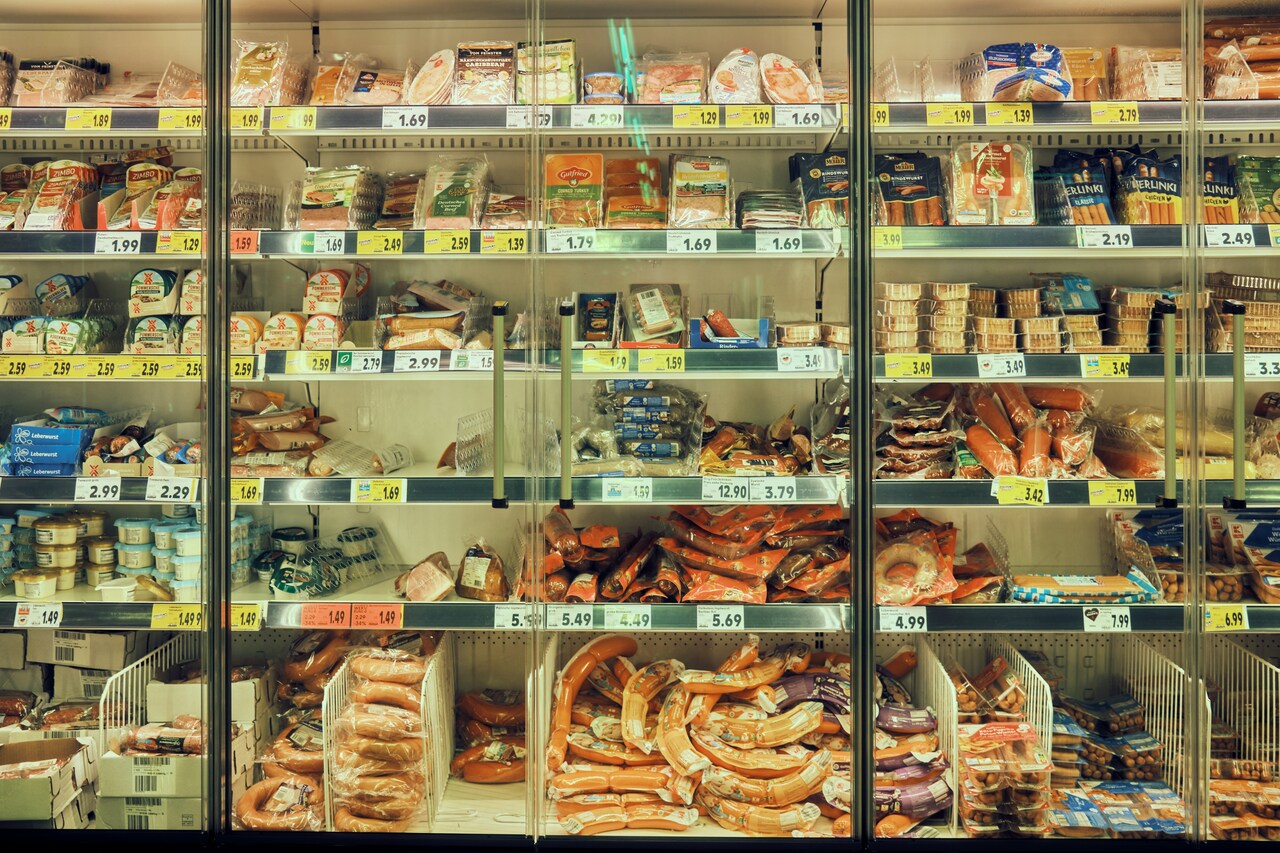
For years, synthetic protein was framed as inevitable. Lab-grown meat, precision-fermented dairy, and insect-based alternatives were pitched as the future solution to climate strain, food security, and rising meat demand. By 2026, that narrative cracked. Sales plateaued, then fell, as many of the biggest players failed to convert early curiosity into repeat purchasing. Retailers quietly reduced shelf space, and restaurants that once showcased alternative proteins began removing them from menus due to low turnover and high costs. Consumer trial failed to translate into long-term loyalty. What had once been treated as a novelty struggled to earn a permanent place in everyday meals.
What ultimately unraveled the market was the gap between promise and performance. Synthetic proteins struggled to compete on price with conventional meat, especially as global beef and poultry supply stabilized. Production costs remained high, scaling proved slower than forecast, and profitability stayed elusive. As consumer adoption lagged, the market momentum that once felt unstoppable gave way to contraction, revealing an industry built more on future expectations than present demand. Many companies discovered that technological success did not guarantee market acceptance. Without strong repeat sales, growth projections quickly lost credibility.
Taste and Trust Problems
Synthetic protein’s biggest obstacle wasn’t ideology, it was experience. Many consumers tried these products once and didn’t return. Texture inconsistencies, off-notes in flavor, and unfamiliar cooking behavior made alternatives feel more like experiments than food staples. While improvements were made over time, they often failed to match the sensory expectations set by traditional meat, especially in markets where beef and poultry are cultural mainstays rather than occasional indulgences. Even small differences in mouthfeel or aroma proved enough to deter repeat purchases. For everyday meals, consumers showed little tolerance for compromise.
Trust also eroded. Highly processed ingredient lists, unfamiliar production methods, and confusion around nutritional value raised skepticism. Shoppers questioned whether lab-grown or insect-based proteins were truly healthier or more sustainable, particularly when messaging shifted or claims were walked back. As transparency concerns grew, consumers leaned toward foods they understood. In an industry built on confidence in innovation, doubt proved far more powerful than novelty. Clear labeling and consistent messaging failed to keep pace with public concern. Once uncertainty set in, regaining trust became increasingly difficult.
The Funding Freeze
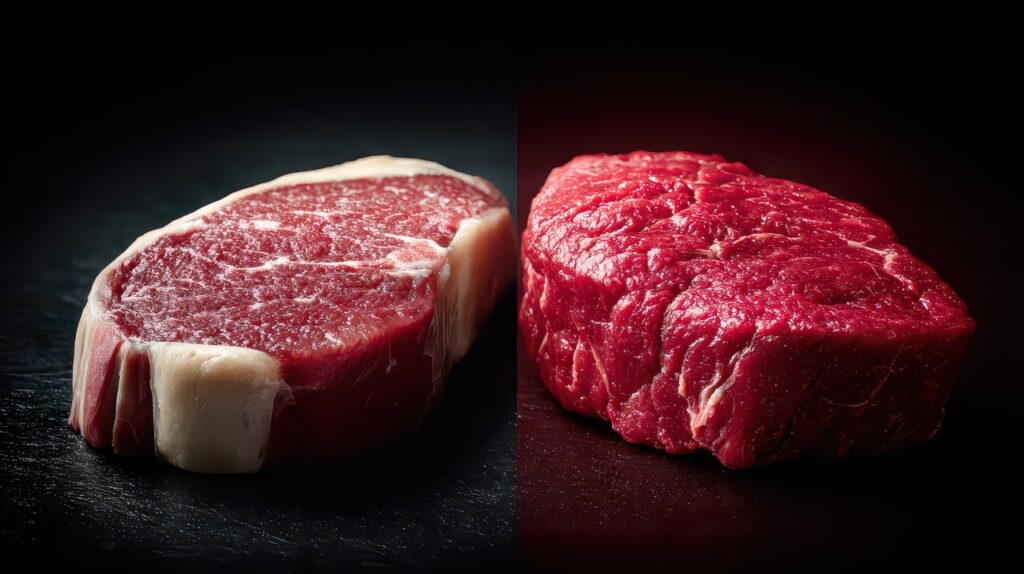
The synthetic protein boom was fueled by venture capital, not consumer revenue. When interest rates rose and investors became more risk-averse, funding tightened sharply. Startups that depended on continuous cash infusions suddenly faced hard questions about margins, timelines, and real-world scalability. By 2026, several high-profile companies downsized, merged, or shut down entirely after failing to secure additional funding. Investor enthusiasm faded as delays mounted and costs remained high. Many funding rounds were postponed or canceled altogether. What once felt like a race to lead the future of food became a struggle to simply stay solvent.
This funding freeze exposed structural weaknesses. Many firms had focused on growth projections rather than operational efficiency, assuming future adoption would solve present losses. Once the capital dried up, those assumptions collapsed. Without sustained investment, expensive research facilities, pilot plants, and regulatory processes became liabilities instead of assets. Companies were forced to cut staff, pause research, or abandon expansion plans. Strategic partnerships dissolved as financial pressure intensified. The pullback wasn’t just financial; it signaled a broader loss of confidence in the sector’s near-term viability.
Supply and Regulatory Strains
Scaling the synthetic protein proved far more complex than anticipated. Lab-grown meat required specialized equipment, strict sterility, and energy-intensive processes that limited output and increased costs. Insect protein faced its own hurdles, including inconsistent supply chains and limited processing infrastructure. These challenges made it difficult to deliver consistent volumes at prices competitive with conventional protein sources. Even minor disruptions could halt production entirely. Facilities designed for pilot output struggled to transition to commercial scale. As a result, supply reliability remained unpredictable for retailers and foodservice partners.
Regulatory uncertainty added further strain. Approval timelines varied widely by region, labeling rules remained contested, and public acceptance influenced policy decisions. Delays slowed market entry and increased compliance costs, particularly for smaller companies. As regulations tightened and scrutiny increased, the burden of proving safety, sustainability, and transparency grew heavier. Companies were often forced to revise formulations or marketing claims mid-process. These changes increased time-to-market and strained already limited budgets. Instead of accelerating adoption, regulation became another brake on an already struggling industry.
What Comes After Protein Hype
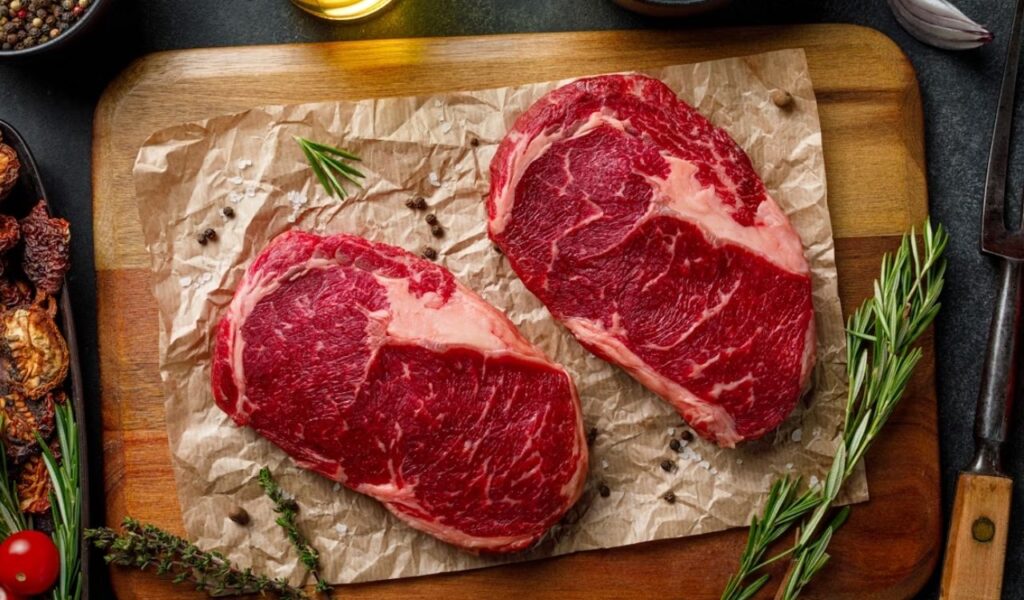
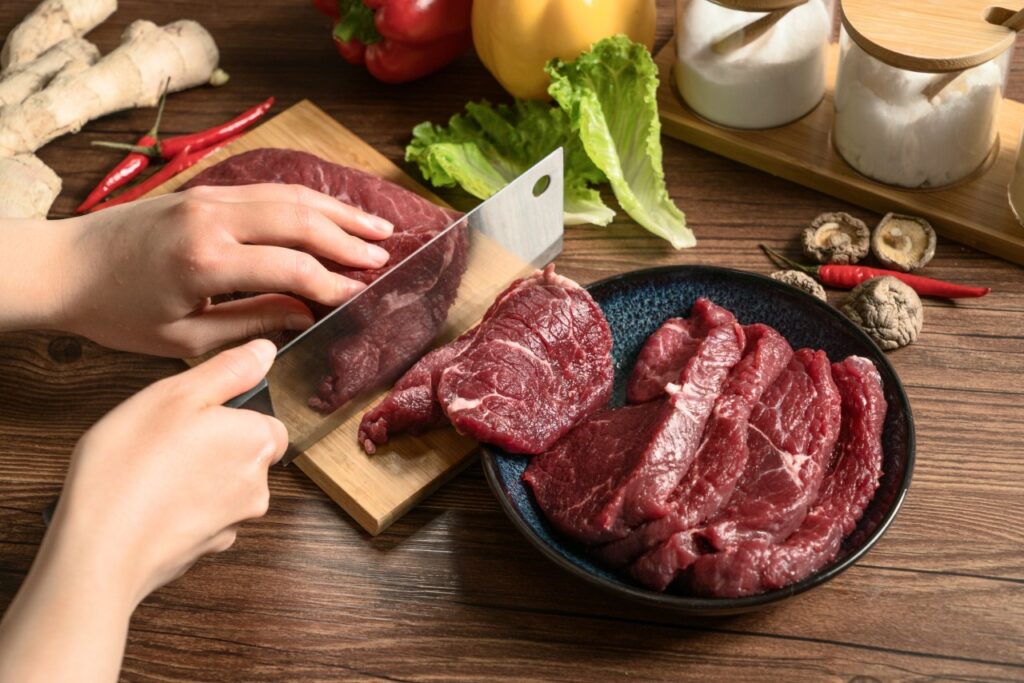
The collapse of the synthetic protein market in 2026 doesn’t signal the end of innovation; it marks a reset. Consumers didn’t reject alternatives outright; they rejected products that failed to meet expectations around taste, price, and clarity. Traditional meat regained ground not because it changed, but because it remained familiar, accessible, and dependable during a period of economic and cultural uncertainty. Shoppers gravitated toward foods they trusted during tighter household budgets. Familiar cooking methods and predictable results mattered more than experimentation. In many cases, conventional protein simply felt like the safer choice.
What follows is likely a quieter phase of development. Fewer companies, slower timelines, and more realistic goals will replace the era of hype-driven expansion. Incremental improvements, hybrid products, and clearer communication may find niches where synthetic proteins can coexist with conventional meat rather than replace it. The lesson of 2026 is simple: food revolutions don’t succeed on vision alone, they succeed when people actually want what’s on the plate. Future progress will likely be measured in small gains rather than sweeping disruption. Credibility will matter more than bold promises. The market is shifting from ambition-driven storytelling to results-driven acceptance.
Reference
- Global beef production to decline for first time in six years in 2026 – Rabobank – tridge.com
- The global beef market begins 2026 in a scenario of lower supply and greater volatility – euromeatnews.com
- Global beef production to decline in 2026: Rabobank – argusmedia.com