11 Recipes That Are Perfect for Cooking in January

January is the month when cooking slows down, and comfort takes the lead. Cold days call for meals that warm the kitchen, fill the house with familiar aromas, and deliver steady nourishment without excess. The best January recipes lean on techniques that make sense for winter, such as slow simmering, gentle baking, and roasting that brings out natural sweetness. These dishes are designed to hold heat, reheat well, and leave you satisfied long after the plates are cleared. Each recipe in this collection fits the rhythm of the season, offering warmth, balance, and a sense of calm that feels especially welcome at the start of the year.
1. Hearty Lentil Soup
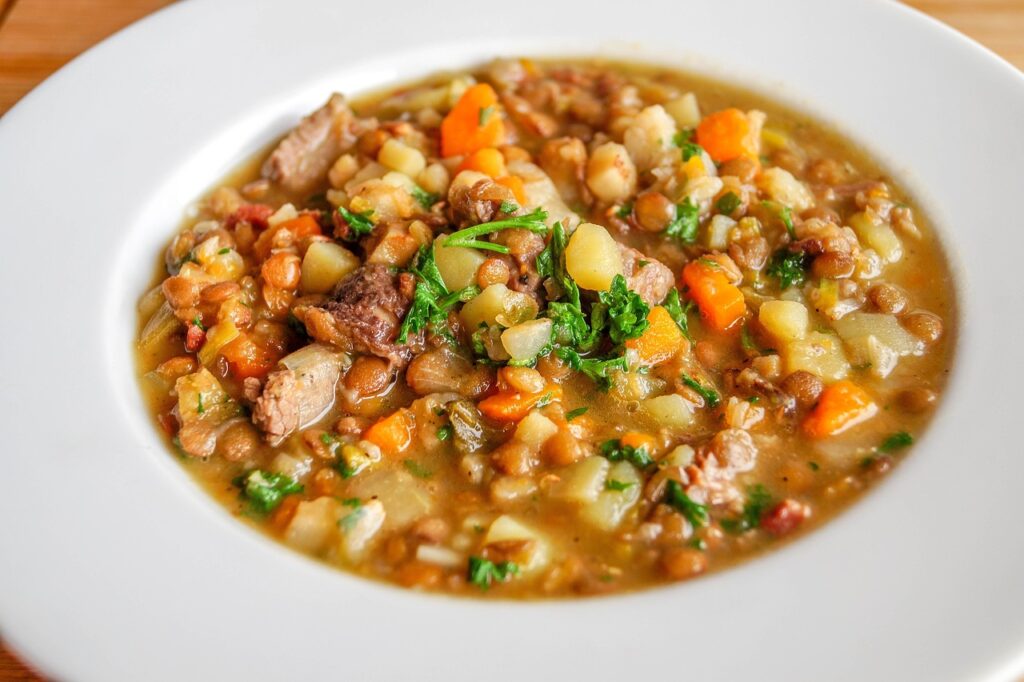
January cooking calls for meals that provide warmth, nourishment, and steady energy, and hearty lentil soup delivers all three without unnecessary heaviness. Lentils are ideal for winter because they cook slowly, absorb flavor deeply, and naturally thicken broth as they soften. This creates a soup that holds heat well and feels substantial with every spoonful. Onions, carrots, and celery form a savory base, while garlic and mild spices add warmth without overpowering the dish. Lentils are rich in plant protein, iron, and fiber, which help support fullness and stable energy during colder days when the body works harder to stay warm.
2. Slow-Simmered Beef Stew
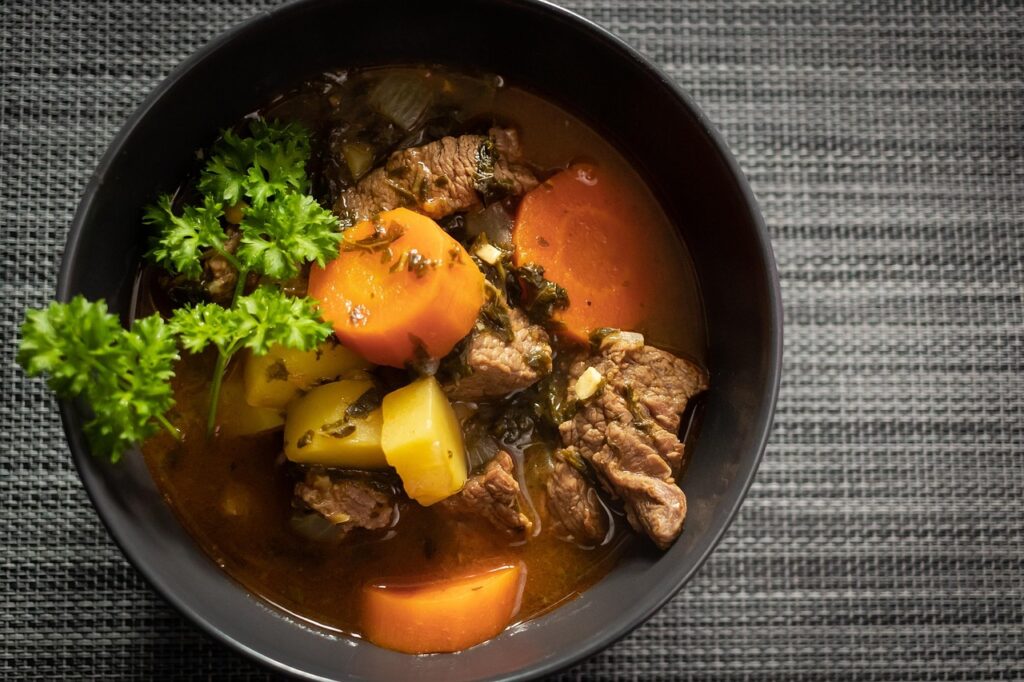
Slow-simmered beef stew belongs in January kitchens because cold weather favors long, gentle cooking. Tougher cuts of beef break down slowly, becoming tender while releasing richness into the broth. Root vegetables such as potatoes, carrots, and parsnips absorb this flavor, creating a cohesive dish that feels grounding and deeply warming. The extended simmer allows collagen in the meat to soften, resulting in a thicker, satisfying texture without the need for added thickeners. Herbs and aromatics develop gradually, producing depth rather than sharpness. This type of stew provides protein, carbohydrates, and fat in balanced proportions, which helps keep you full during long winter evenings.
3. Roasted Root Vegetables
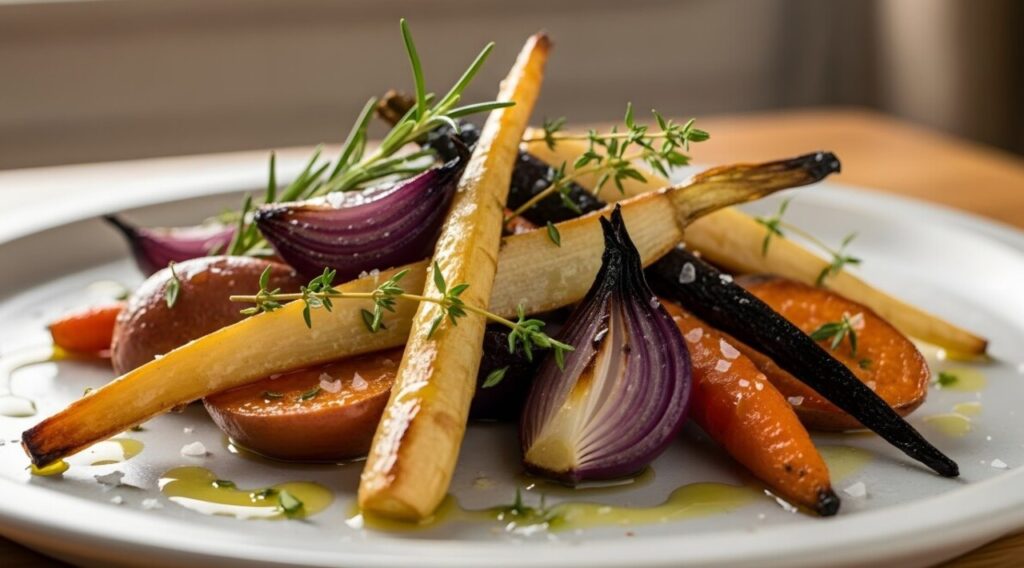
Root vegetables are at their best in January, both in flavor and availability. Roasting uses high heat to evaporate excess moisture, allowing natural sugars in vegetables like carrots, potatoes, beets, and parsnips to caramelize. This process intensifies flavor and creates crisp edges with tender interiors, making the dish satisfying without sauces or heavy fats. Olive oil helps promote browning while supporting nutrient absorption. Root vegetables provide complex carbohydrates and fiber, which are digested slowly and help maintain warmth and energy. Their sturdy texture holds up well after cooking, making them suitable for reheating or repurposing.
4. Creamy Baked Pasta
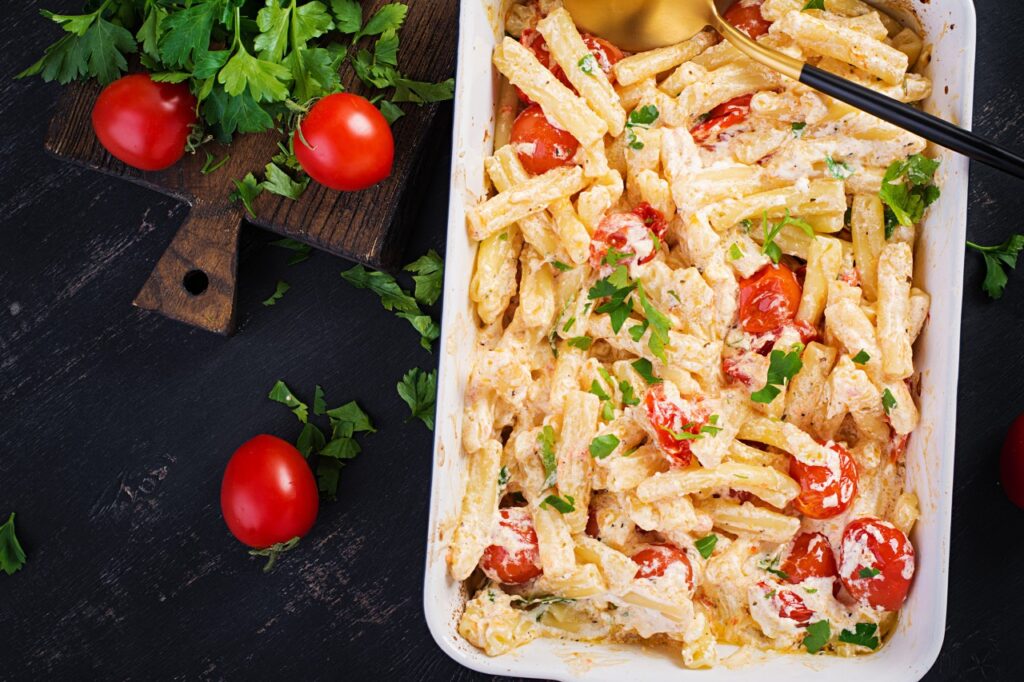
Baked pasta is especially comforting in January because it retains heat and develops structure as it cooks. Pasta absorbs sauce while baking, creating a unified texture that feels filling without being greasy. Creamy does not have to mean heavy. When balanced properly, dairy or plant-based sauces coat the pasta rather than pool beneath it. Vegetables or light proteins add volume and nutrients, preventing the dish from feeling dense. Baking also allows starches to set, which helps the dish slice cleanly and reheat evenly. This makes baked pasta ideal for cold nights when you want a meal that feels complete and dependable. Its ability to improve after resting adds to its winter appeal.
5. Vegetable and Bean Chili

Vegetable and bean chili is well-suited to January because it delivers warmth through spice and thickness rather than fat. Beans release starch as they simmer, naturally thickening the chili and creating a hearty texture. Vegetables such as tomatoes, peppers, and onions build flavor slowly, while spices provide gentle heat that warms the body. Chili improves with time, as flavors meld and deepen overnight. Beans provide protein and fiber that support fullness and steady digestion. This dish holds heat well and reheats evenly, making it practical during cold stretches. It offers comfort and nourishment without relying on heavy ingredients.
6. Chicken and Rice Casserole
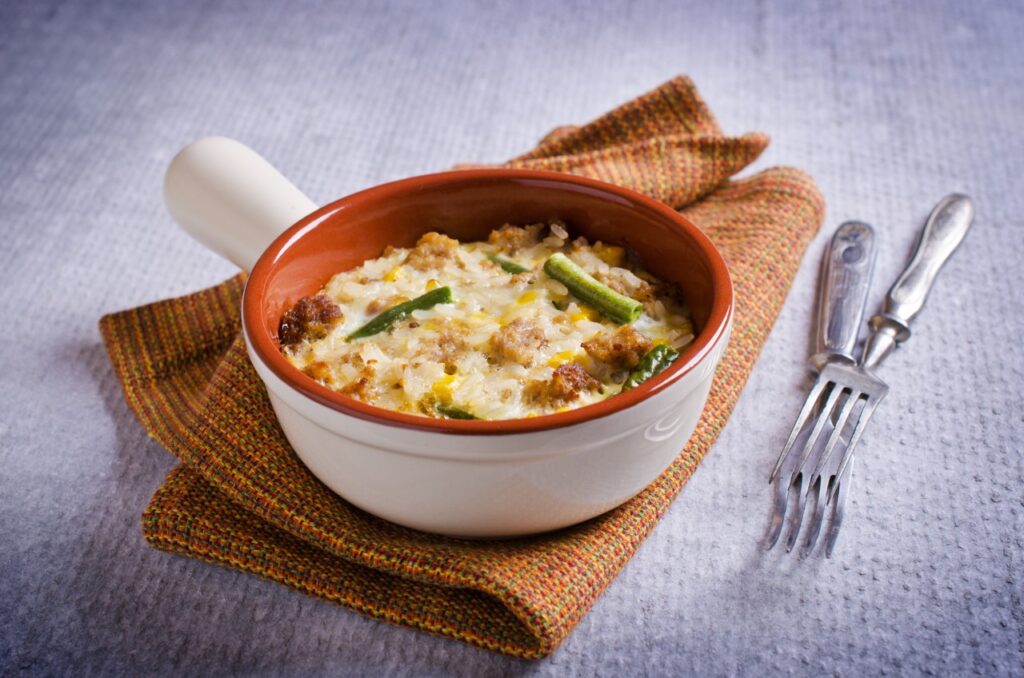
January favors dishes that cook into a single, cohesive meal, and chicken and rice casserole fits that need perfectly. Rice absorbs broth and cooking juices, creating a soft, creamy texture without excess fat. Chicken provides protein and releases flavor as it cooks, enriching the entire dish. Slow baking allows moisture to distribute evenly, preventing dryness. The result is a meal that feels familiar, steady, and warming. This type of casserole holds heat well and portions easily, making it ideal for leftovers. Its balanced combination of protein and carbohydrates makes it satisfying during colder days when hunger tends to linger.
7. Braised Greens with White Beans
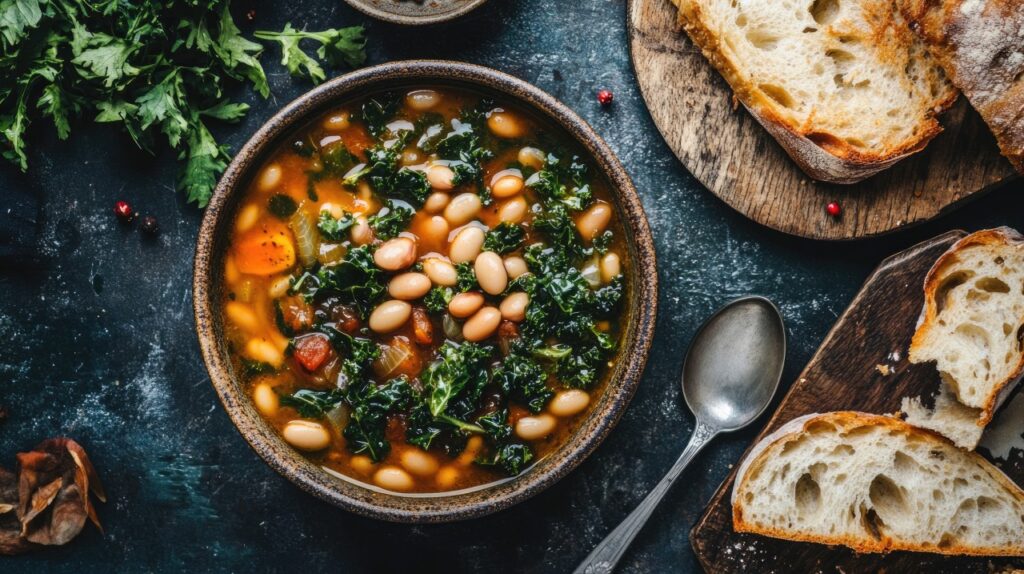
Braised greens are ideal for January because slow cooking transforms sturdy winter greens into something tender and comforting. Greens like kale or chard soften gradually, losing bitterness while retaining nutrients. White beans add body and protein, turning a vegetable-focused dish into a true main. Braising allows flavors to meld without excess oil, creating depth through time rather than richness. Beans release starch, thickening the cooking liquid and adding warmth. This dish feels nourishing and grounding without heaviness, making it well-suited to winter eating. It also reheats well and maintains texture.
8. Potato and Leek Soup

Potato and leek soup works beautifully in January because it provides warmth through simplicity. Potatoes release starch as they cook, creating a creamy texture without needing much dairy. Leeks add gentle sweetness and depth without sharpness. The soup is smooth, easy to digest, and comforting in cold weather. It holds heat well and feels filling without being dense. Potatoes provide carbohydrates that support energy, while leeks contribute fiber and subtle flavor. This soup is especially appealing during winter because it soothes without overwhelming the palate. It also reheats evenly, making it a reliable choice for quiet winter lunches and leftovers.
9. Baked Chicken Thighs with Herbs

Chicken thighs are well-suited to January cooking because they remain juicy during roasting. Their higher fat content compared to breasts helps them withstand longer cooking times without drying out. Herbs and garlic add aroma and depth without heavy sauces. Roasting allows skin to crisp while meat stays tender, creating contrast and satisfaction. This dish provides protein and fat in balanced amounts, which helps keep you full during colder evenings. It pairs easily with roasted vegetables or grains, making it a flexible winter meal that feels robust yet simple. Leftovers maintain their moisture, making the dish just as enjoyable the next day.
10. Mushroom Risotto
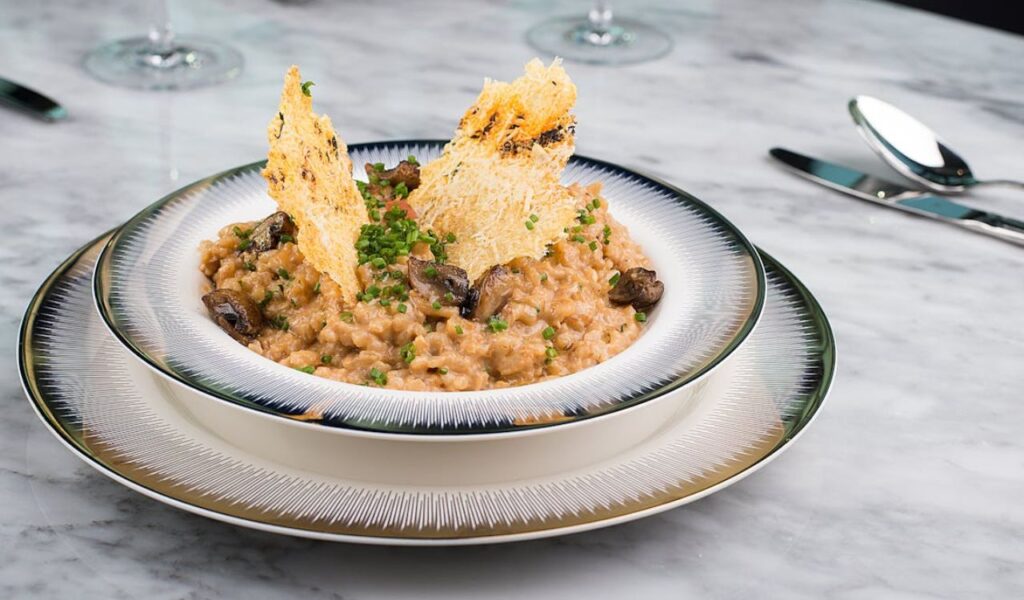
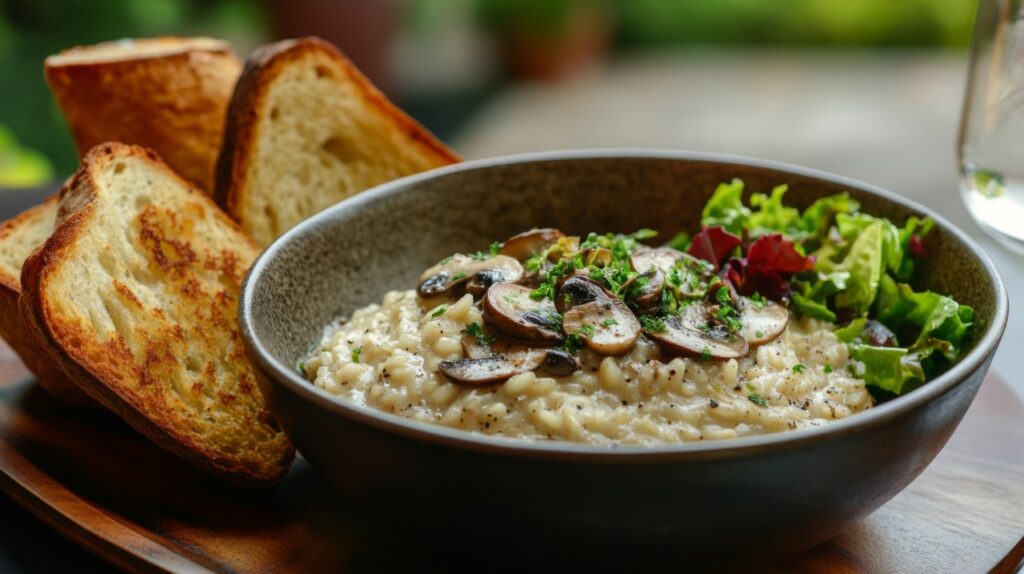
Risotto fits January evenings because it rewards patience and attention. Arborio rice releases starch gradually as it cooks, creating a creamy texture without cream. Mushrooms add savory depth and moisture, making the dish feel rich without heaviness. The slow addition of warm broth keeps the risotto hot throughout cooking, reinforcing its comforting nature. Risotto delivers carbohydrates and umami flavors that feel indulgent while remaining balanced. It is filling without excess and best enjoyed fresh, making it ideal for nights when you want to slow down and cook deliberately. The steady stirring also adds to its calming, almost meditative cooking rhythm.
11. Oven-Baked Salmon with Vegetables
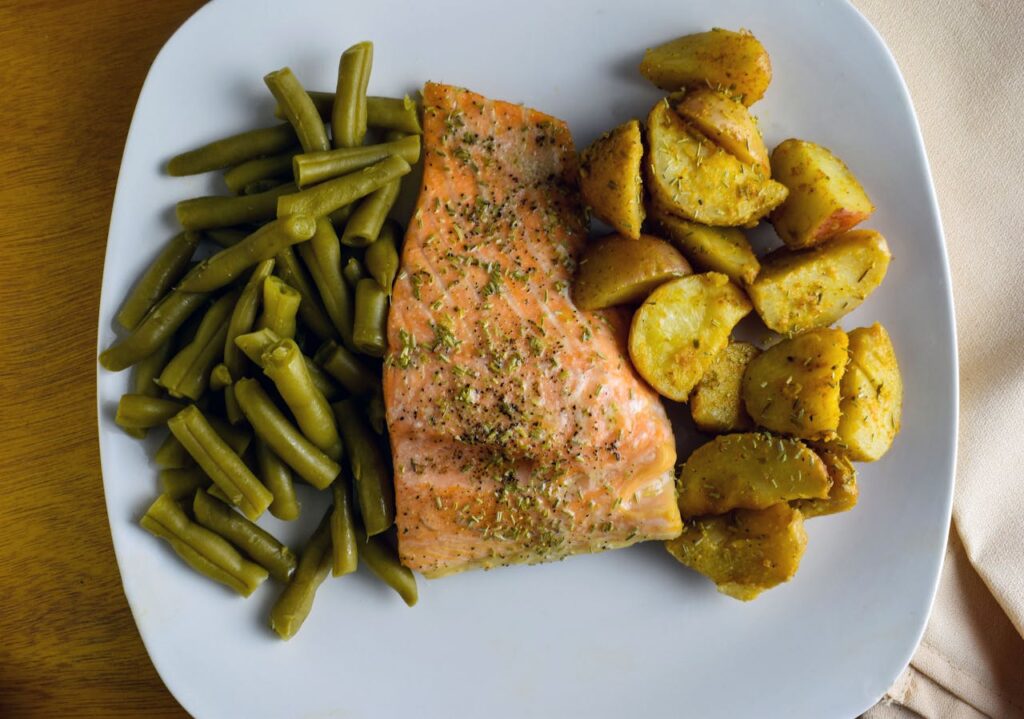
Even in January, lighter meals have a place, and oven-baked salmon delivers warmth without heaviness. Salmon cooks quickly and retains moisture, especially when roasted with vegetables that release steam. Its natural fats provide richness and satiety, reducing the need for added oils. Vegetables absorb flavor from the fish while adding fiber and volume. Baking keeps the dish clean and straightforward, preserving nutrients and texture. This meal feels nourishing and balanced, making it a welcome option when winter meals start to feel too dense. It brings a refreshing contrast to heavier winter dishes while still feeling seasonally appropriate.