How Winemakers Chill Wine Fast Without Ruining the Flavor

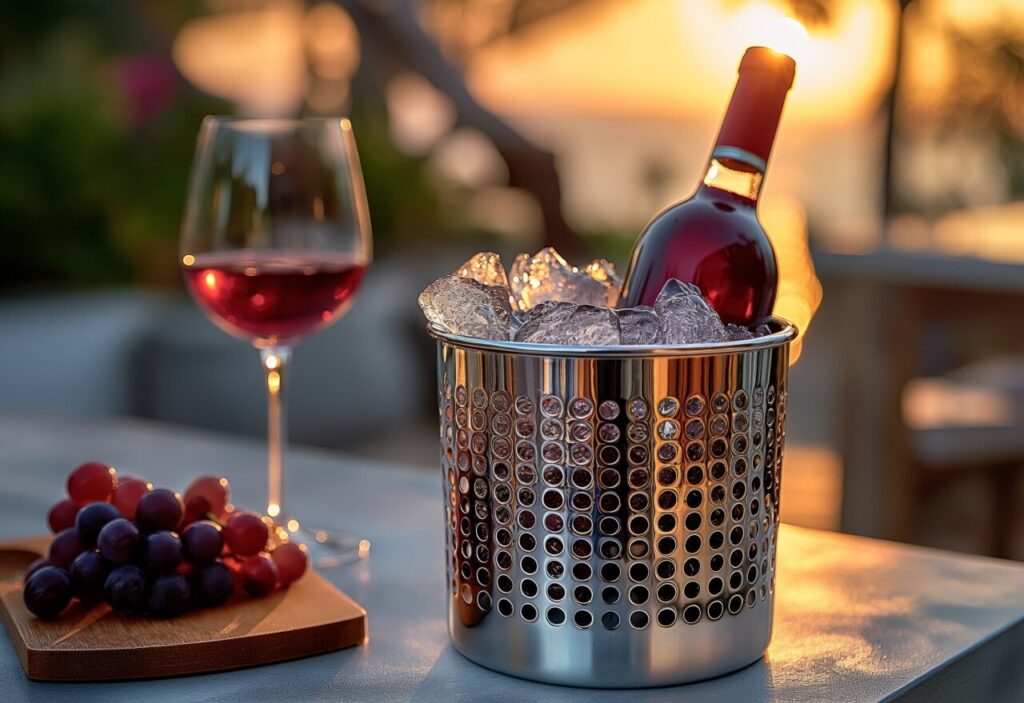
Winemakers do not treat temperature as an afterthought, because even short exposure to heat can reshape how wine tastes and smells. Cooling wine quickly is often necessary to preserve freshness, halt unwanted reactions, or prepare it for the next stage of production. When done poorly, rapid chilling can mute aromas, disrupt texture, or push the wine out of balance. Alcohol can feel sharper, fruit less defined, and subtle notes may disappear. Professionals approach cooling with intention, using controlled methods that lower temperature efficiently while protecting the wine’s internal structure. The goal is not just cold wine, but wine that still tastes alive and complete.
What separates professional chilling from guesswork is control over speed, movement, and exposure. Winemakers understand that wine reacts to temperature changes at a chemical level, and sudden shocks can stress delicate compounds. By managing how quickly and evenly the wine cools, they preserve acidity, aroma, and mouthfeel together. This careful balance explains why professionally chilled wine remains expressive rather than flat. Even when cooling happens fast, it is guided by science and timing, ensuring the wine arrives at its ideal temperature without sacrificing character or complexity that took months or years to develop.
Why Temperature Matters
Wine reacts to temperature shifts faster than most people expect, which is why winemakers treat cooling as a critical part of quality control rather than a finishing touch. Even brief exposure to warmth can push alcohol forward, soften acidity, and blur aromas meant to feel crisp and precise. When wine is cooled correctly, balance returns. Acidity feels brighter, fruit becomes more defined, and alcohol integrates instead of standing out. This is especially important for wines built on freshness, where clarity and lift are central to their appeal. From fermentation through storage and bottling, temperature control preserves the structure the winemaker intended.
The difficulty lies in cooling wine quickly without causing stress. Sudden, uneven chilling can disrupt the delicate balance inside the liquid, leading to muted aromas or the separation of compounds that affect clarity and mouthfeel. Winemakers must act fast enough to stop unwanted reactions while keeping the wine chemically stable. This challenge is most pronounced in aromatic whites and sparkling wines, where volatile scent compounds define quality. Proper chilling is not about hitting a single number, but about controlling how the wine responds, so speed never sacrifices flavor or texture. Consistency in cooling ensures the wine’s character remains intact from tank to glass.
The Science of Rapid Cooling
Cooling wine triggers immediate changes at a molecular level, which is why winemakers approach rapid chilling with precision rather than force. As temperature drops, acids become more pronounced, sweetness feels restrained, and aromatic compounds tighten and focus. This shift is beneficial when controlled, but sudden swings can shock the wine. Proteins and tartrates may fall out of suspension, causing haze or crystals that affect texture and appearance. While harmless, these changes can disrupt balance and presentation. For wines valued for clarity and finesse, especially whites and sparkling styles, managing compound behavior during cooling is essential to maintaining quality.
To avoid these issues, winemakers focus on even, measured cooling rather than speed alone. By lowering temperature gradually and uniformly, they keep key compounds stable while stopping unwanted activity such as oxidation or microbial growth. Specialized equipment allows close monitoring so wine cools efficiently without stress. The goal is to halt reactions that threaten freshness while preserving structure. When done properly, rapid cooling improves brightness and definition without sacrificing aroma or mouthfeel, ensuring the wine remains balanced and expressive. This careful approach allows the wine to retain its personality while reaching the ideal serving or processing temperature.
Tools Winemakers Actually Use
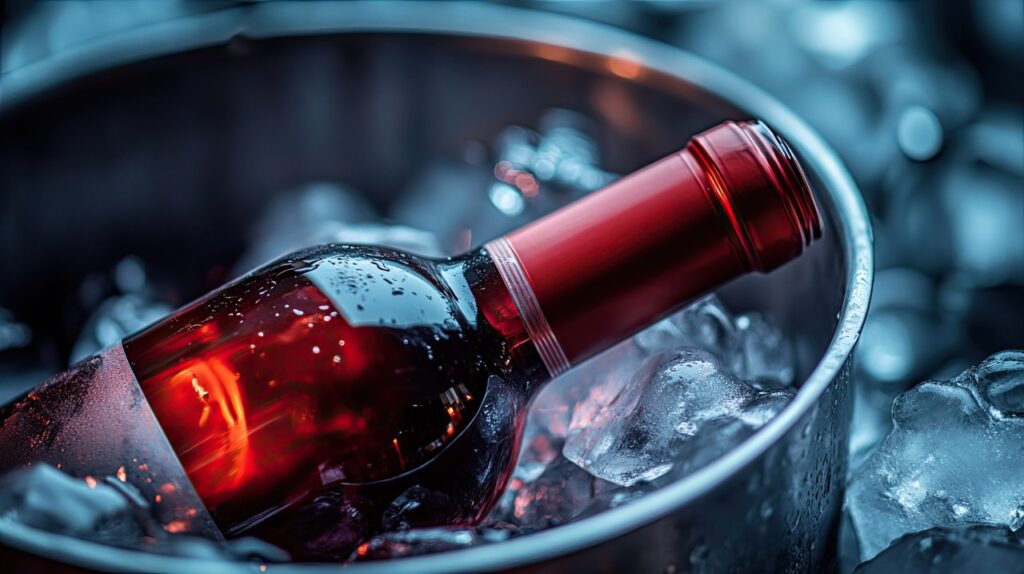
Professional wineries rely on purpose-built equipment to chill wine quickly while keeping its chemistry stable. One of the most common tools is the temperature-controlled tank, which allows winemakers to reduce heat in a slow, even manner. These sealed tanks protect wine from oxygen exposure during cooling. Glycol systems circulate chilled liquid through jackets around the tank, lowering temperature without direct contact with the wine. This prevents agitation and thermal shock that can damage aroma compounds. Because cooling occurs uniformly across large volumes, the wine maintains balance and structure while excess heat is removed efficiently and predictably.
When speed is essential, winemakers use heat exchangers designed for rapid but controlled cooling. These systems pass wine through narrow channels bordered by chilled metal surfaces, reducing temperature in seconds rather than hours. Continuous flow limits exposure to cold while maintaining precision. Ice jackets and cooling plates serve similar roles for smaller batches or targeted adjustments. Each method prioritizes control over force, ensuring the wine cools quickly without stressing delicate components. Selecting the right tool allows winemakers to preserve freshness, clarity, and texture while reaching exact temperature goals.
Protecting Flavor and Structure
Fast chilling poses its greatest threat to aroma, where much of a wine’s character resides. Delicate scent compounds are highly sensitive to movement, oxygen, and uneven temperature shifts. When wine is cooled too aggressively, these aromatics can fade or flatten before reaching the glass. Winemakers prevent this by keeping the wine sealed and limiting agitation during cooling. Even temperature reduction is essential, as uneven cooling creates stress within the liquid. By handling wine gently and cooling it evenly, producers preserve floral, fruit, and mineral notes that define freshness and complexity, allowing the wine to retain its intended aromatic profile even when chilled quickly.
Temperature also plays a defining role in how wine feels on the palate. Sudden drops can disrupt the balance between acidity and alcohol, making the wine seem sharp, hollow, or thin. Controlled cooling allows these elements to stay integrated, preserving a smooth, cohesive mouthfeel. Winemakers also monitor tartrate and protein stability, since rapid or uneven chilling can cause visible crystals or haze. While harmless, these changes affect clarity and perception. Careful temperature management keeps these compounds stable, allowing the wine to remain visually clear, texturally balanced, and expressive without sacrificing flavor or structural integrity.
Lessons for Home Wine Chilling
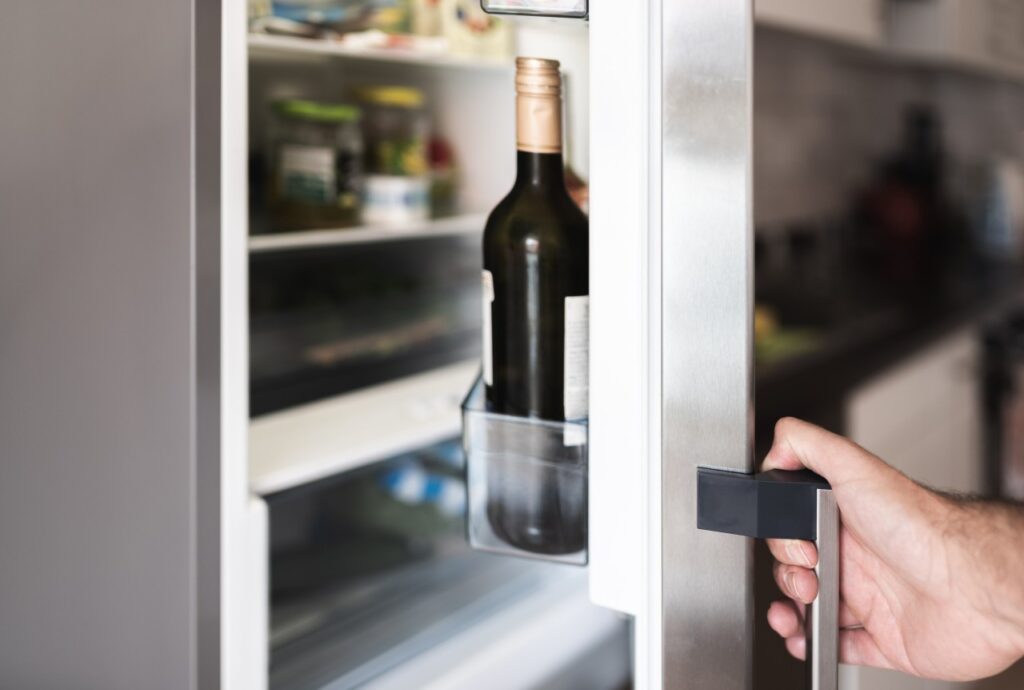
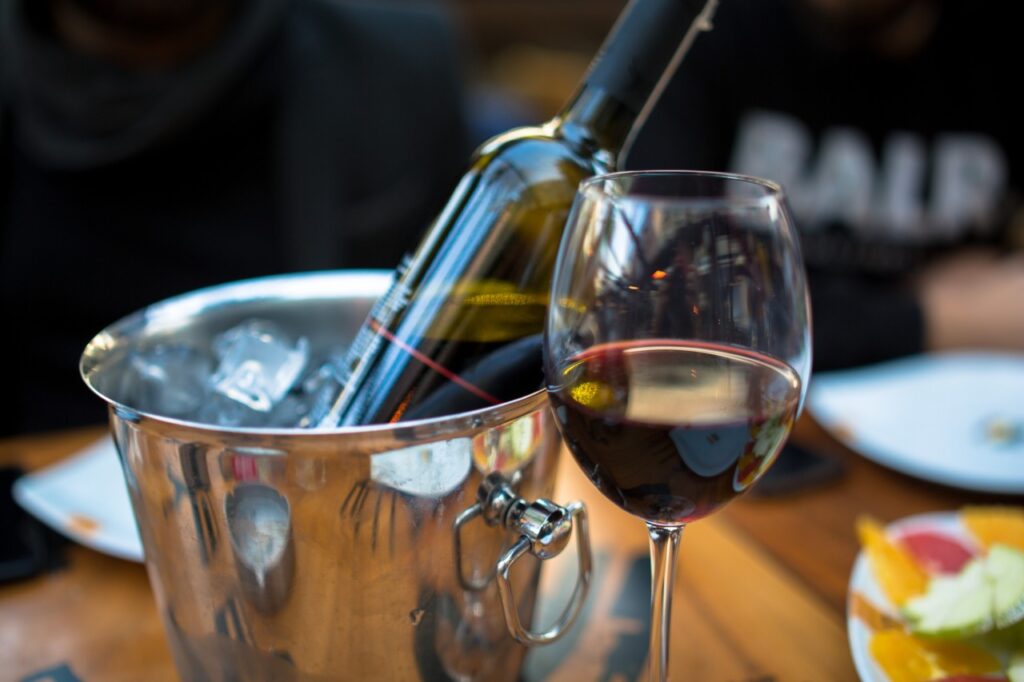
Professional winemaking offers guidance that translates well to chilling wine at home. The key principle is even cooling, which protects flavor and aroma while reducing stress on the wine. Ice baths outperform refrigerators because water transfers cold more efficiently than air, lowering the temperature evenly around the bottle. Adding a small amount of salt improves efficiency by lowering the freezing point. Gently rotating the bottle spreads the cold without shaking, preventing agitation that can disturb delicate compounds. This method cools wine quickly while keeping aromas intact and structure balanced, making it far safer than relying on extreme cold alone.
Equally important is avoiding sudden temperature swings that can dull flavor. Moving wine directly from a warm room into a freezer exposes it to uneven cold, which can mute aromatics or create pressure issues in sparkling wine. Gradual, controlled chilling preserves balance and texture. Winemakers also account for how wine behaves after pouring. Wine warms quickly in the glass, so serving it slightly cooler than ideal allows it to open naturally. By applying professional habits like steady cooling, gentle handling, and smart timing, home drinkers can chill wine efficiently without sacrificing character or freshness.
Reference
- How to Chill Wine Fast, According to Winemakers – marthastewart.com
- The No. 1 Pro Tip for Chilling Your Wine Bottle — Fast – foodandwine.com
- The Best Way to Chill Wine Fast – seriouseats.com