10 Classic Diner Breakfasts That Haven’t Changed in Decades

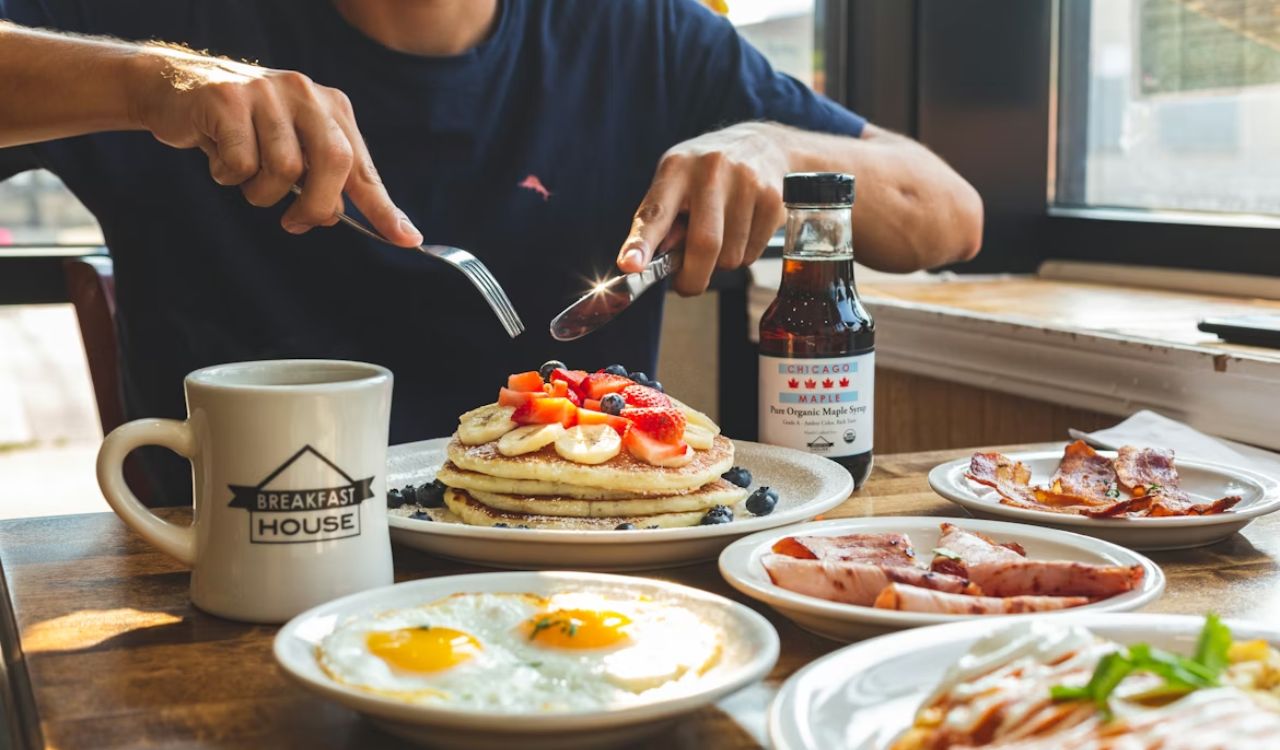
Diner breakfasts hold a special place in American food culture, partly because they stay remarkably consistent no matter where you go. Walk into a chrome-sided diner on the East Coast, a small-town counter stop along Route 66, or a family-owned spot tucked into a Midwest neighborhood, and you will likely find the same familiar dishes served the same reliable way. These meals reflect traditions that date back to the early days of lunch wagons and railroad dining, when cooks focused on hearty servings, simple ingredients, and quick preparation. The following dishes have been part of diner menus for generations, and their staying power says a lot about how Americans enjoy starting their mornings.
1. Pancakes with Butter and Syrup
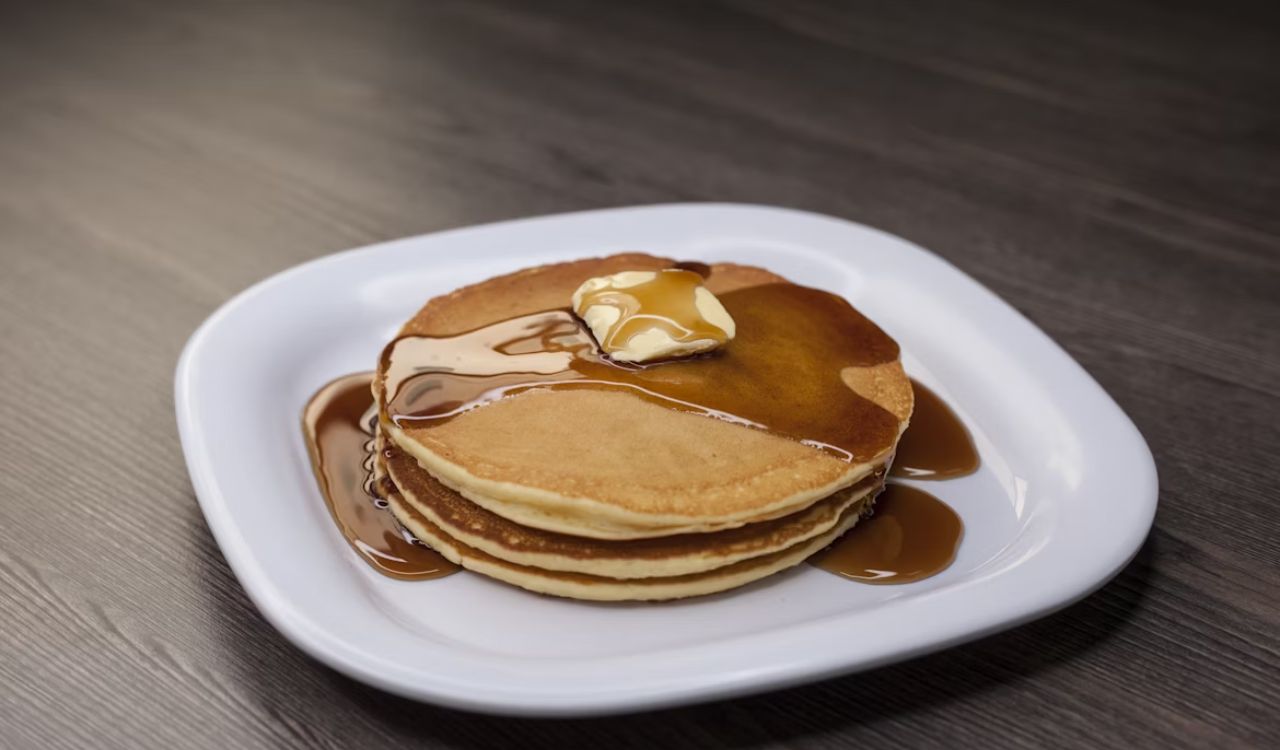
Pancakes have been a diner staple since the early twentieth century, long before national restaurant chains popularized them. Most diners still prepare them in a way that mirrors traditional recipes passed through decades of home cooking and commercial short-order work. The method remains simple because it works. A basic batter of flour, eggs, milk, and a leavening agent goes onto a hot flat top grill, creating cakes with a lightly crisp exterior and soft, fluffy middle. Diners rarely complicate the presentation. Instead, they rely on the timeless combination of butter slowly melting over the surface and a pour of maple-style syrup or table syrup.
2. Eggs Any Style with Breakfast Potatoes
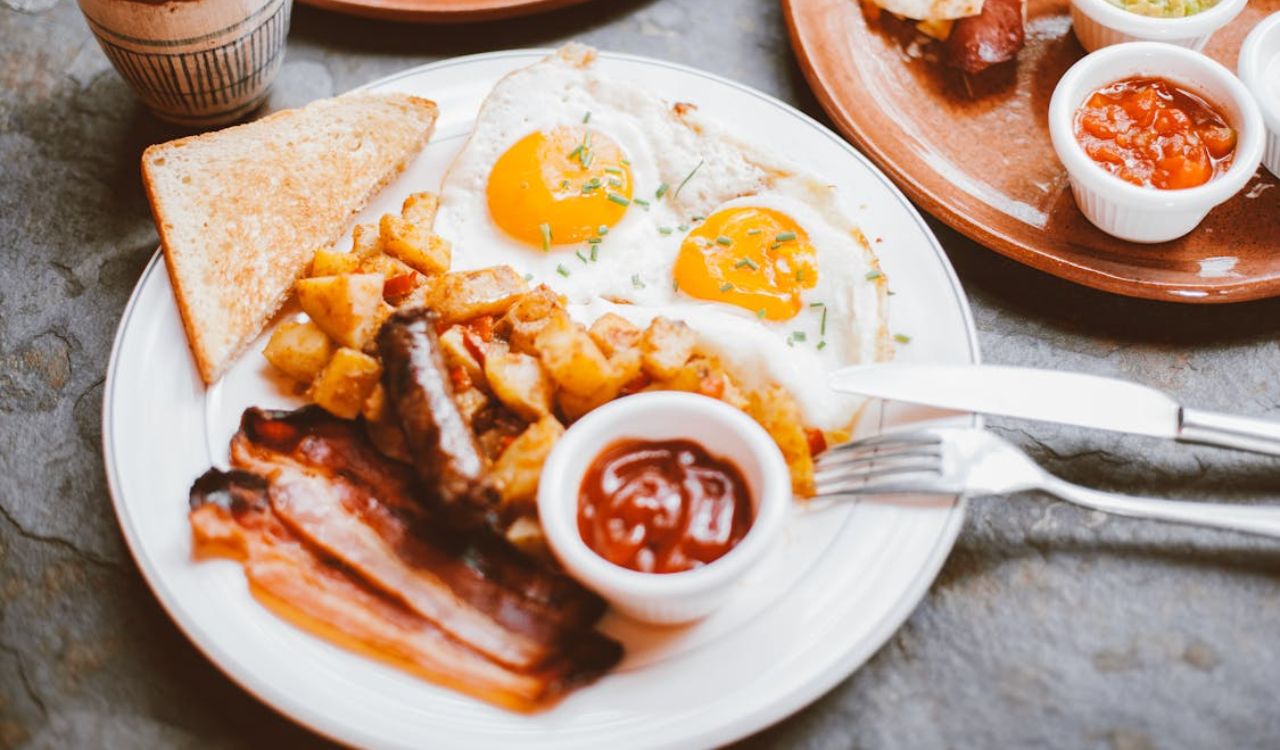
Ordering eggs any style is one of the most recognizable parts of a diner meal, and this tradition dates back to early lunch counters where short-order cooks became known for their speed and accuracy. Techniques for frying, poaching, or scrambling eggs have stayed constant because diners value consistency. Alongside the eggs, breakfast potatoes remain a defining feature. Depending on regional preference, they may appear as home fries, skillet-fried cubes, or thinly sliced griddle-cooked potatoes. Despite these variations, the fundamentals are the same. Potatoes are seasoned simply and browned until they develop a tender inside and crisp surface. It appeals to nearly every customer who walks through the door.
3. Bacon and Eggs
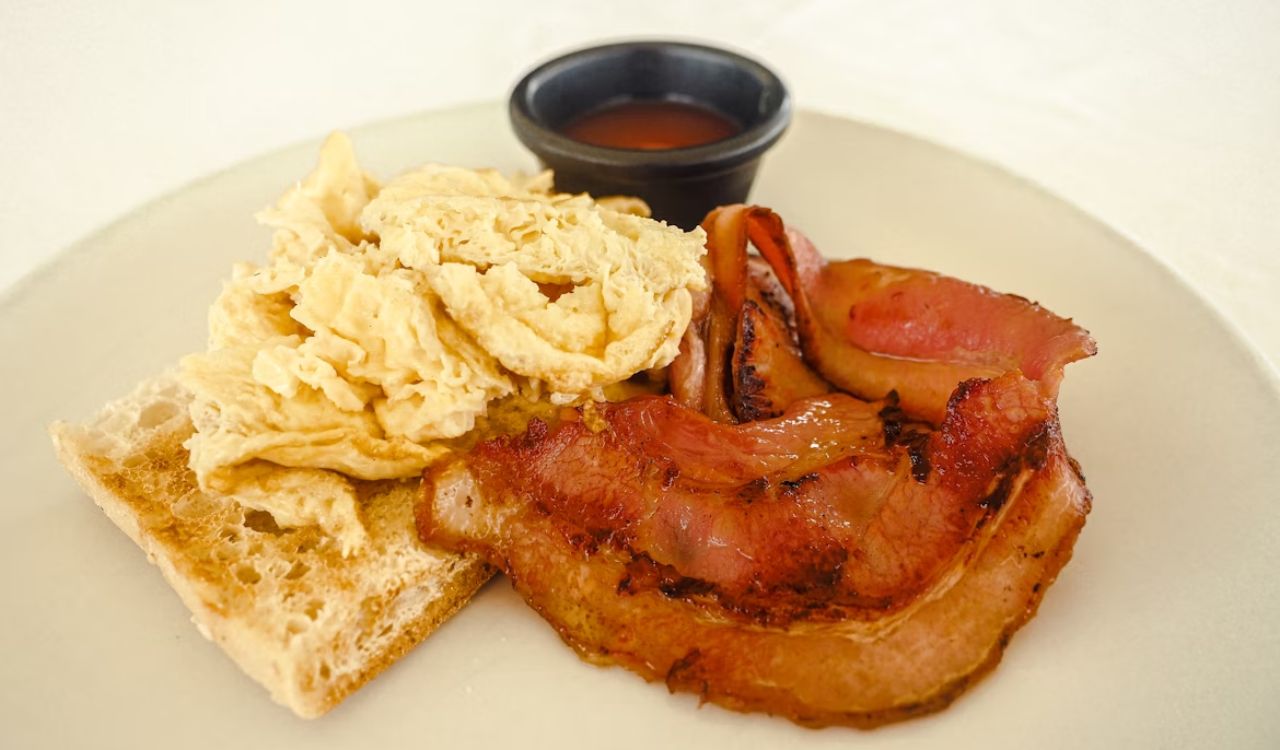
Bacon and eggs have anchored diner menus for generations, with origins connected to everyday American breakfasts long before diners grew widespread. The pairing gained further cultural recognition during the early twentieth century when breakfast advertising campaigns helped reinforce it as a signature morning meal. Diners embraced the combination because it relied on ingredients that were easy to store, cook quickly, and satisfy a wide range of tastes. Bacon is prepared on a griddle or flat top until it reaches the desired level of crispness, a technique that has not changed much over time.
4. Sausage, Eggs, and Toast
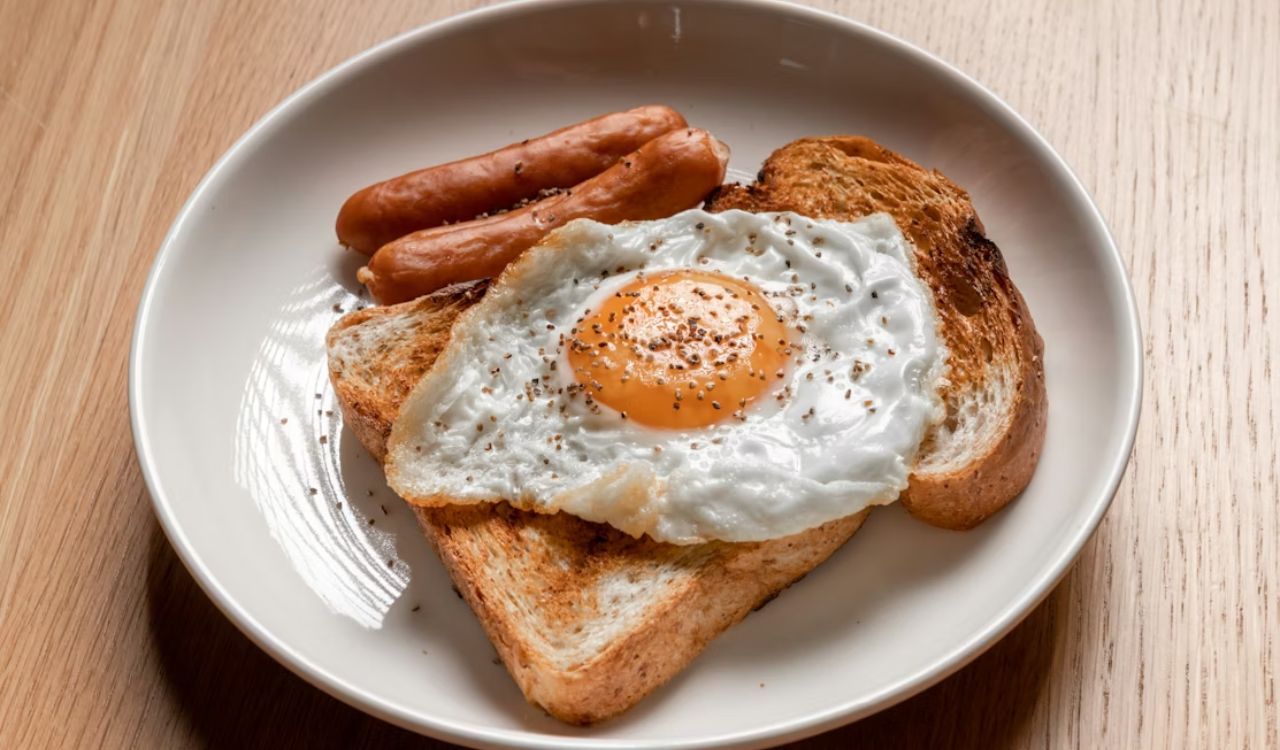
Sausage, eggs, and toast have been paired on diner menus for decades because they follow the traditional structure of an American hot breakfast. Breakfast sausages became widely available in the early twentieth century as meatpacking companies standardized production, allowing diners to keep a steady supply on hand. These sausages are typically grilled or flat-top cooked until browned, a method that has changed very little over time. The eggs are prepared to order, giving diners the reassuring sense of a meal made specifically for them. Toast remains a dependable side, usually offered in white, wheat, or rye, reflecting the types of bread that have long been common in diners and households.
5. Belgian Waffles with Whipped Butter
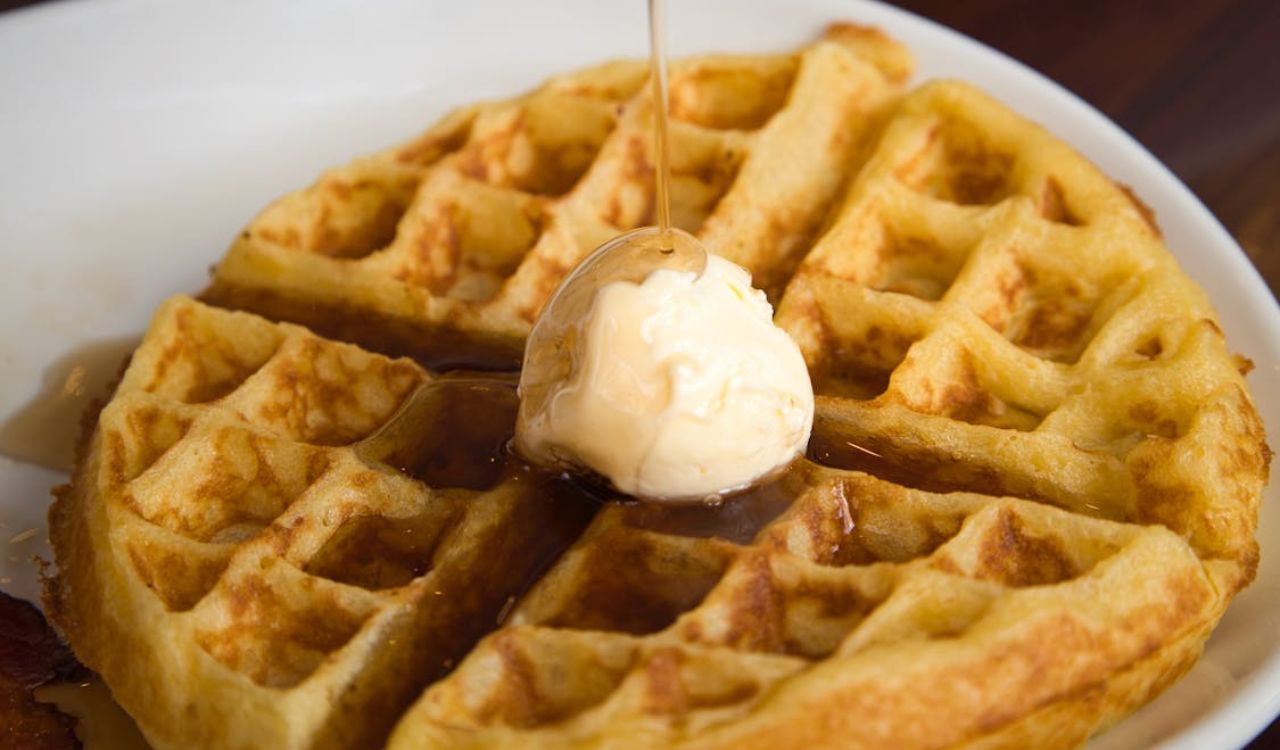
Belgian-style waffles became a diner favorite in the United States after the 1964 New York World’s Fair helped popularize their crisp yet airy texture. Diners adopted them quickly because waffle irons allowed short-order cooks to prepare them fresh without slowing down service. Despite occasional toppings like fruit or whipped cream, the classic version remains simple. A golden waffle arrives warm with whipped butter placed in the grid pockets, followed by syrup that settles into every square. This preparation has remained consistent for decades because it highlights the waffle’s structure rather than overwhelming it with excessive ingredients.
6. Corned Beef Hash with Eggs
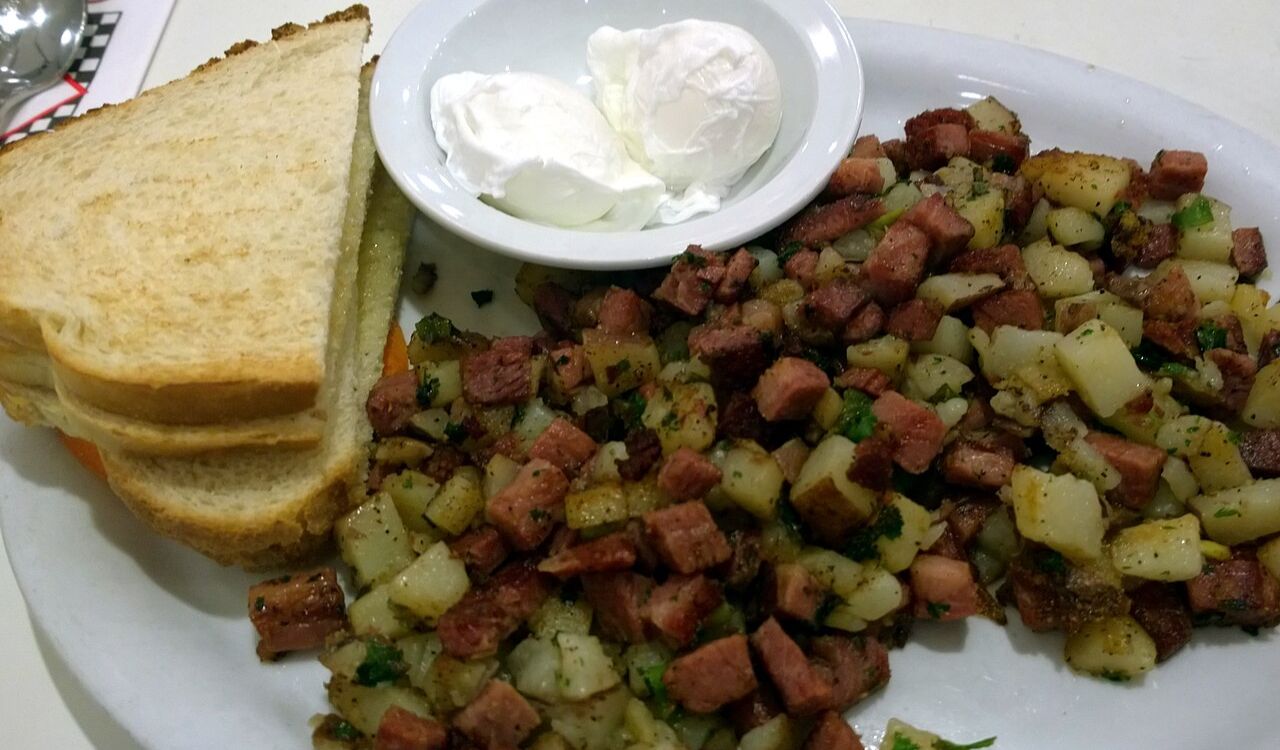
Corned beef hash has deep roots in American diner culture, tracing back to World War II-era kitchens where resourcefulness mattered, and preserved meats were common. By the mid-twentieth century, canned or freshly prepared hash made from chopped corned beef, potatoes, and onions became a signature diner item because it could be cooked quickly on a flat-top grill. Many diners still follow the same basic approach, browning the mixture until it forms a crisp crust while keeping the interior moist and savory. The dish is almost always served with eggs cooked to order, creating a balanced and nostalgic plate that regular customers continue to appreciate.
7. Biscuits and Gravy
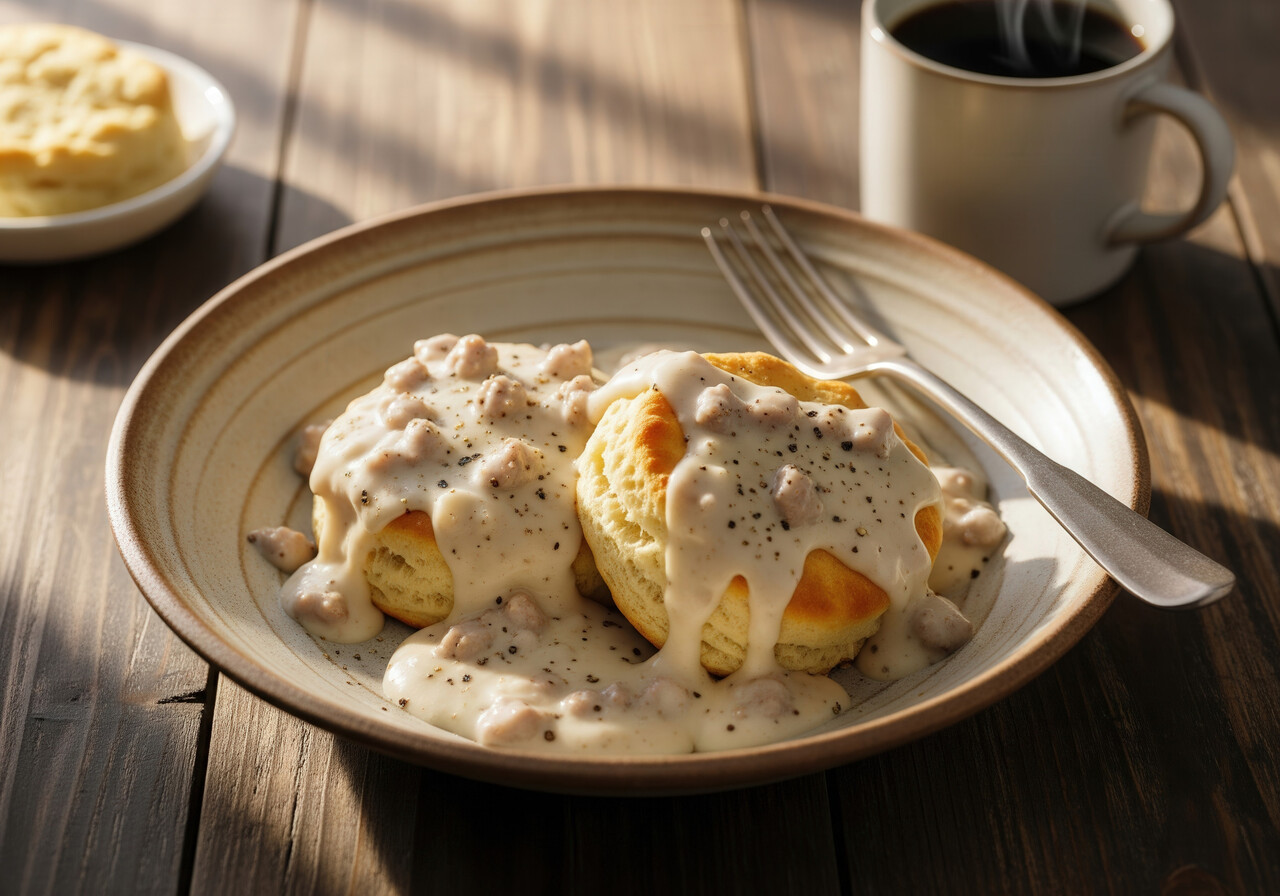
Biscuits and gravy remain a hallmark of Southern-inspired diner cooking, and their long history helps explain why the dish has barely changed over time. The combination grew in popularity during the late nineteenth and early twentieth centuries when mill workers and farm laborers needed filling breakfasts made from inexpensive ingredients. Diners adopted the dish because it aligned perfectly with short-order cooking. Fresh biscuits provide a soft, flaky base, while the gravy is prepared from pan drippings, milk, and seasoned flour that thickens into a creamy sauce. Some diners add bits of sausage, but the core technique stays the same.
8. Western Omelet
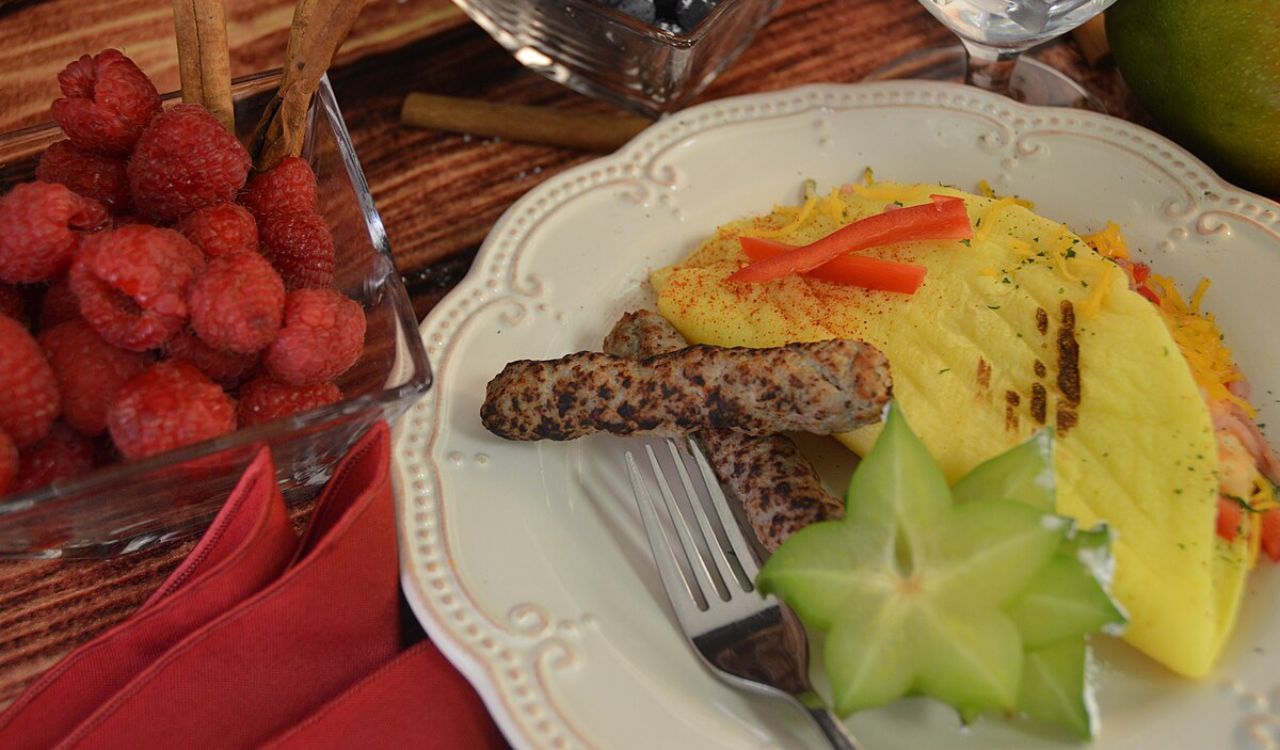
The Western omelet, also known as a Denver omelet, has been a diner favorite since at least the early twentieth century. Its origin is believed to be connected to cooks in the American West who combined eggs with ham, onions, and bell peppers, creating a hearty, portable meal for workers and travelers. Diners embraced the recipe because it uses ingredients that are easy to store, chop, and quickly cook on a flat top or skillet. Even as omelet varieties expanded over the years, the Western omelet stayed constant. The filling remains the same combination of diced ham and vegetables, lightly sautéed before being folded into eggs.
9. French Toast with Powdered Sugar
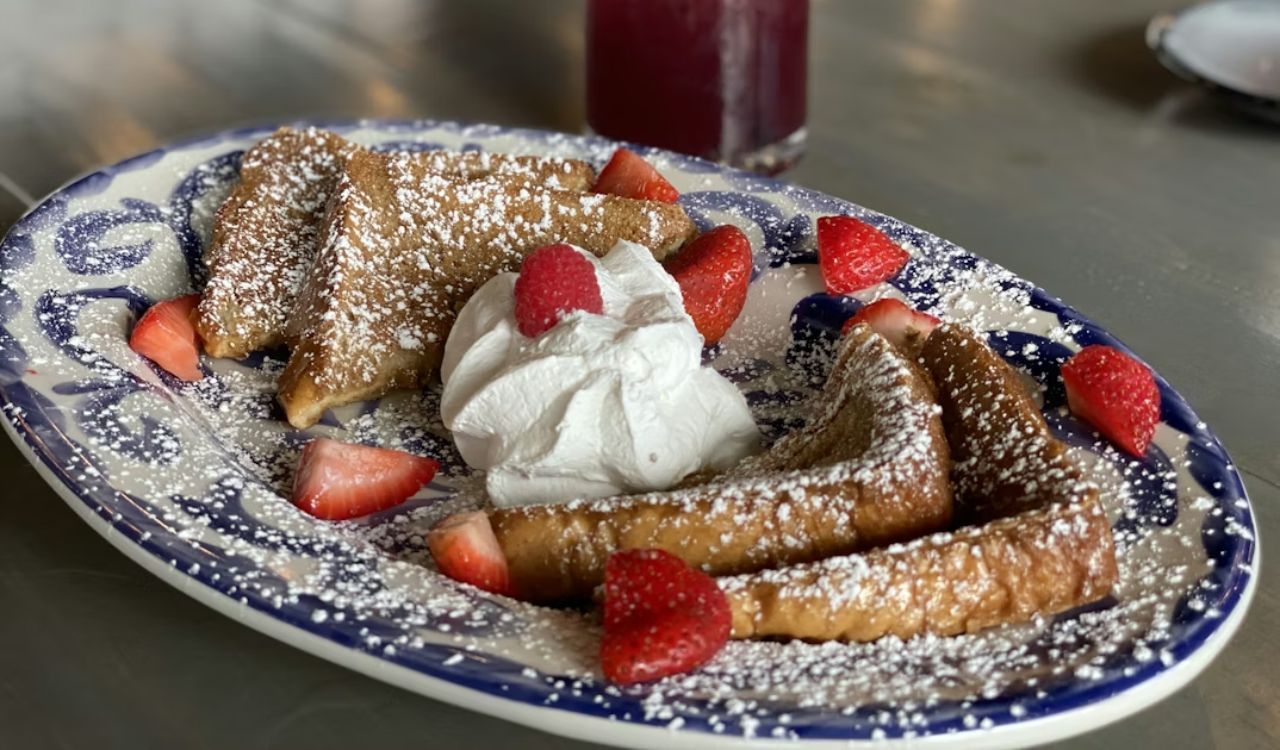
French toast has a history that stretches back centuries, but its diner version became a fixture in mid-twentieth-century America. Diners favored it because it transforms day-old bread into something warm, custardy, and satisfying, making it both practical and appealing. The preparation remains unchanged. Thick slices of bread are dipped into a mixture of eggs and milk, sometimes with a hint of vanilla or cinnamon, before being cooked on a griddle until golden. A dusting of powdered sugar is the classic finishing touch, often paired with syrup on the side. Many diners still serve it this way because the dish is both nostalgic and universally friendly for all ages.
10. Oatmeal with Brown Sugar and Raisins
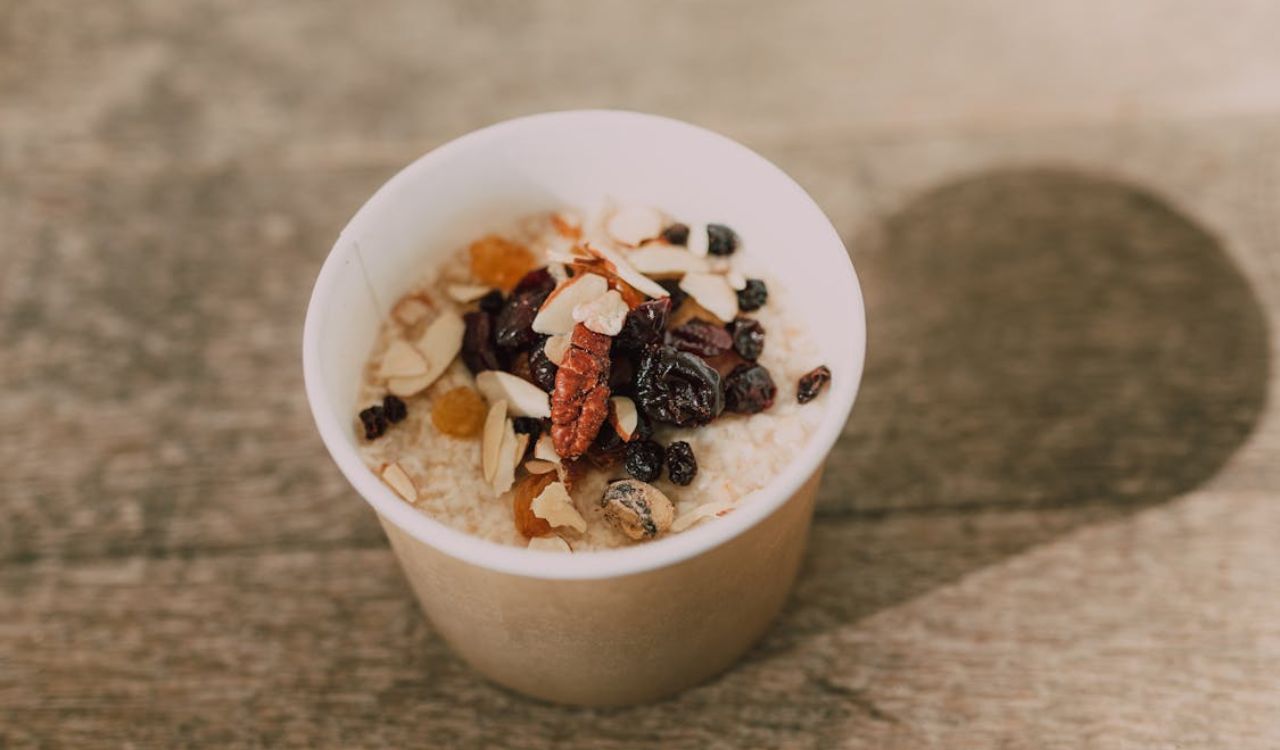
Oatmeal might not seem as showy as griddle dishes, but it has held a steady place on diner menus for decades because it reflects classic home breakfasts that emphasize warmth and simplicity. Diners commonly prepare old-fashioned rolled oats simmered in water or milk until soft, a method that has changed very little over time. Brown sugar and raisins remain the most traditional toppings, adding sweetness and texture without straying from familiar flavors. This combination gained traction because it is comforting, budget-friendly, and appealing to customers who want a wholesome breakfast option.