13 Grocery Store Deals Designed to Trick You Into Spending More

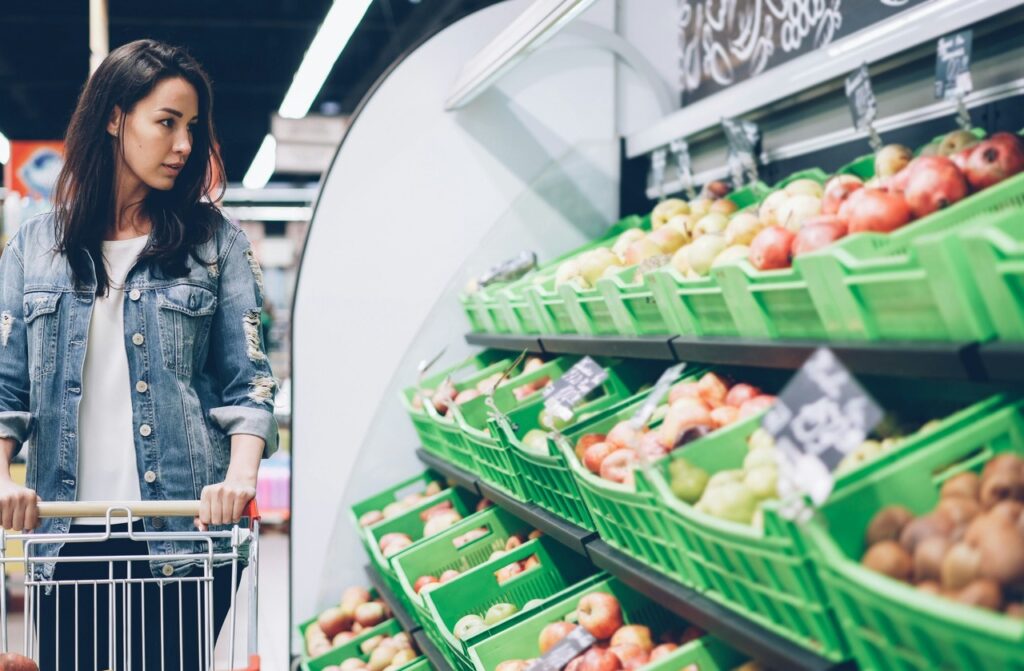
Grocery shopping feels routine, yet many store layouts and promotions are carefully designed to influence spending decisions. From eye-level pricing tricks to bulk deals that rarely save money, supermarkets use subtle psychology to encourage larger purchases. Shoppers often believe they are grabbing bargains, but small choices across aisles steadily inflate total bills. Understanding these common tactics helps reveal how everyday grocery trips can quietly become more expensive than expected.
1. Eye-Level Placement of Pricier Items
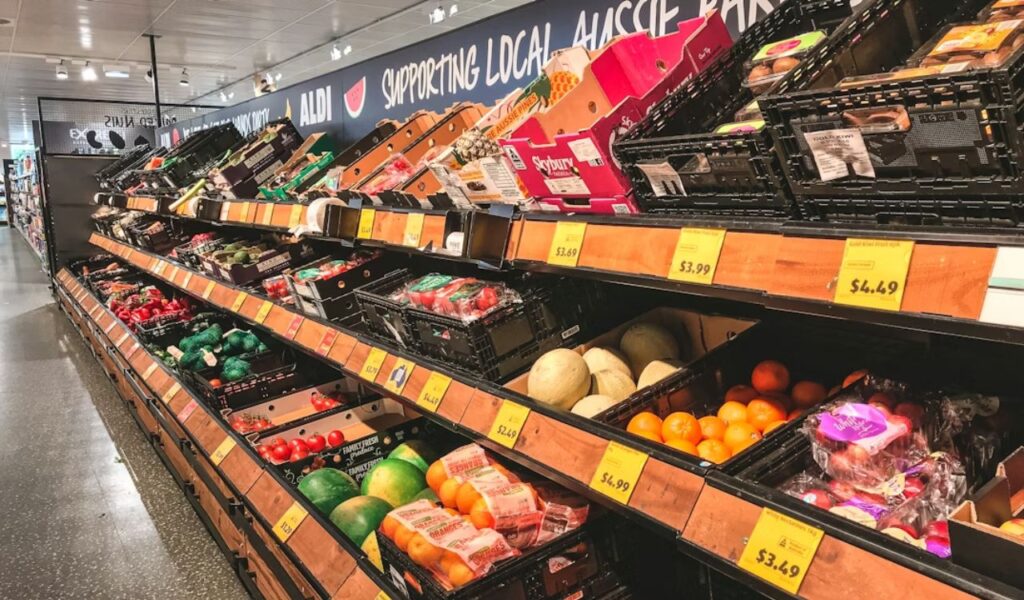
Shoppers rarely notice how much product placement influences purchasing decisions, yet eye-level shelf positioning remains one of the most powerful sales tools in supermarkets. Stores often reserve these prime spots for higher-margin brands rather than the most economical options.
Most customers naturally grab items that sit directly within comfortable reach, skipping cheaper alternatives located on lower or upper shelves. Busy shopping routines discourage bending down or stretching upward to compare options carefully.
Over time, this habit quietly increases grocery spending because purchases become driven by placement. Shoppers willing to scan entire shelves often find better deals, proving visibility, not value, frequently determines what ends up in carts.
2. Bulk Buy Deals That Aren’t Really Cheaper
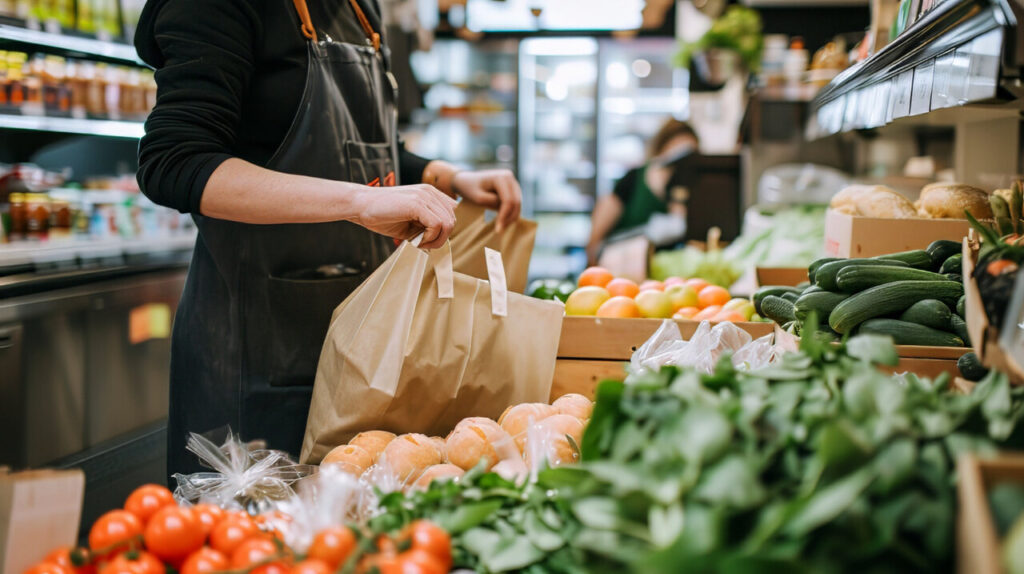
Large package sizes often promise savings, suggesting customers receive better value by purchasing more at once. However, closer inspection frequently reveals that bulk packages sometimes cost nearly the same or even more per ounce.
Stores rely on shoppers’ assumptions that bigger automatically means cheaper, knowing many customers skip checking unit prices when rushing through shopping trips. Attractive packaging reinforces the illusion of savings while minimizing attention to fine print.
Additionally, larger purchases sometimes lead to waste when products expire before being fully consumed. Spending rises when shoppers buy more than needed, meaning supposed savings quietly turn into higher grocery bills over time.
3. Buy-One-Get-One Offers Encourage Extra Purchases
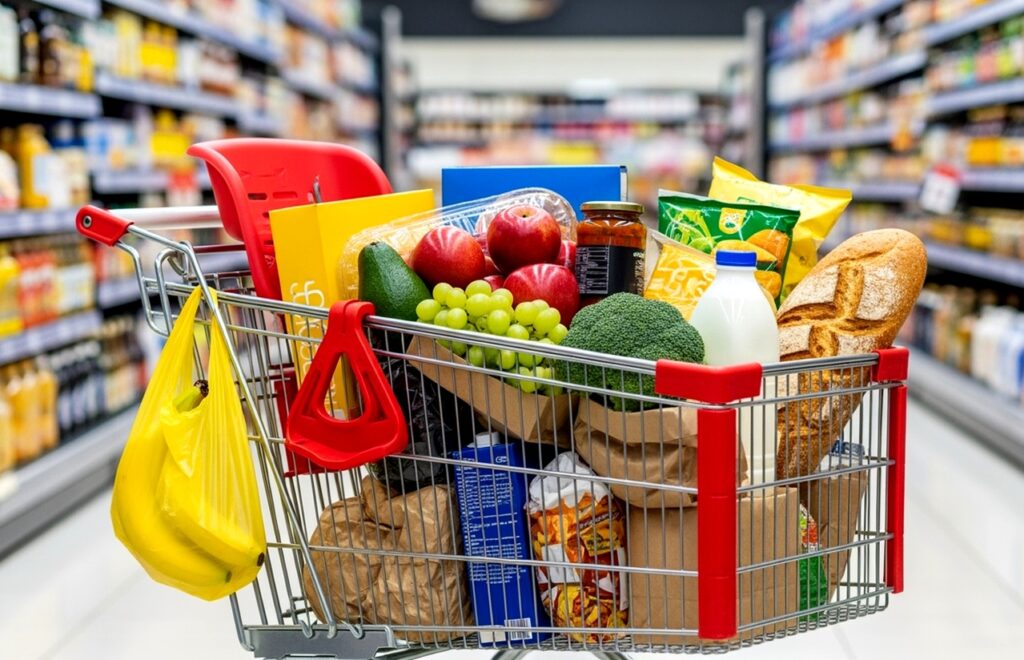
Buy-one-get-one promotions create urgency by presenting deals that appear too good to ignore. Customers often purchase two items even if only one was originally necessary, increasing spending without careful consideration.
While receiving extra products feels rewarding, shoppers still pay more overall because additional items were not planned purchases. Sometimes these items go unused or expire before consumption, especially with perishable goods.
Retailers benefit from increased sales volume while customers feel satisfied securing discounts. However, spending grows because purchases shift from necessity to opportunity-driven decisions shaped by promotional messaging.
4. Store Layout Forces Shoppers Past Temptations
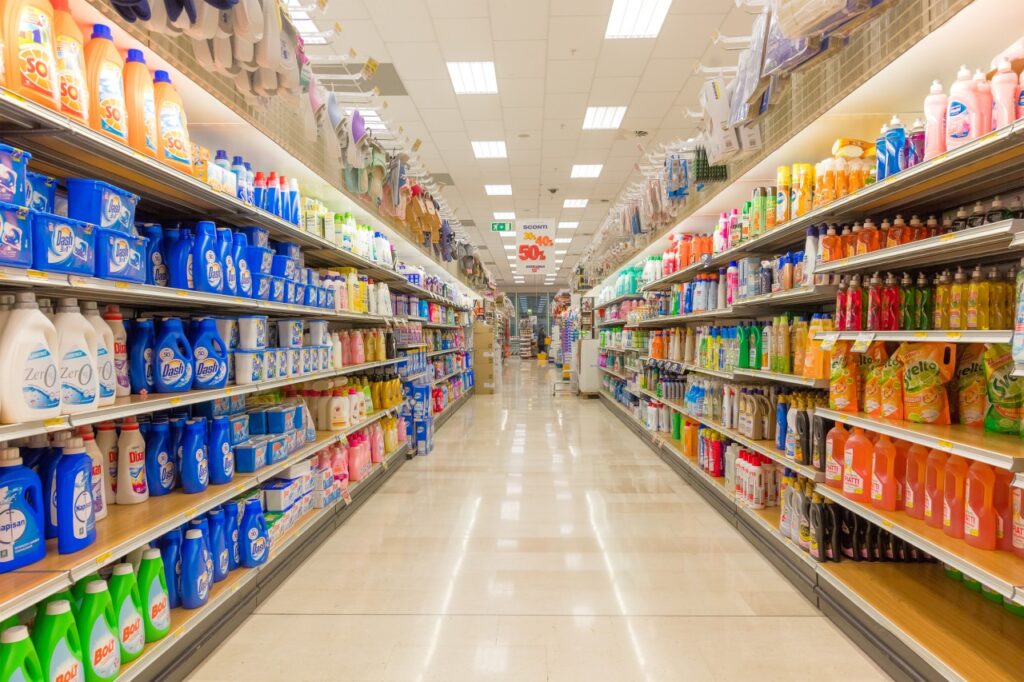
Supermarkets commonly place essential items like milk and eggs toward the back of stores, ensuring customers walk past multiple aisles of tempting products before reaching necessities.
As shoppers navigate toward basics, they encounter snacks, prepared foods, and promotional displays encouraging impulse additions. Even disciplined shoppers often add items simply because they appear along the route.
Quick grocery runs quietly transform into larger spending trips simply because customers encounter more buying opportunities along the journey. Strategic placement ensures exposure to seasonal goods and promotions, subtly reshaping shopping intentions before shoppers reach their intended purchases.
5. Healthy Produce Displays Create Spending Confidence
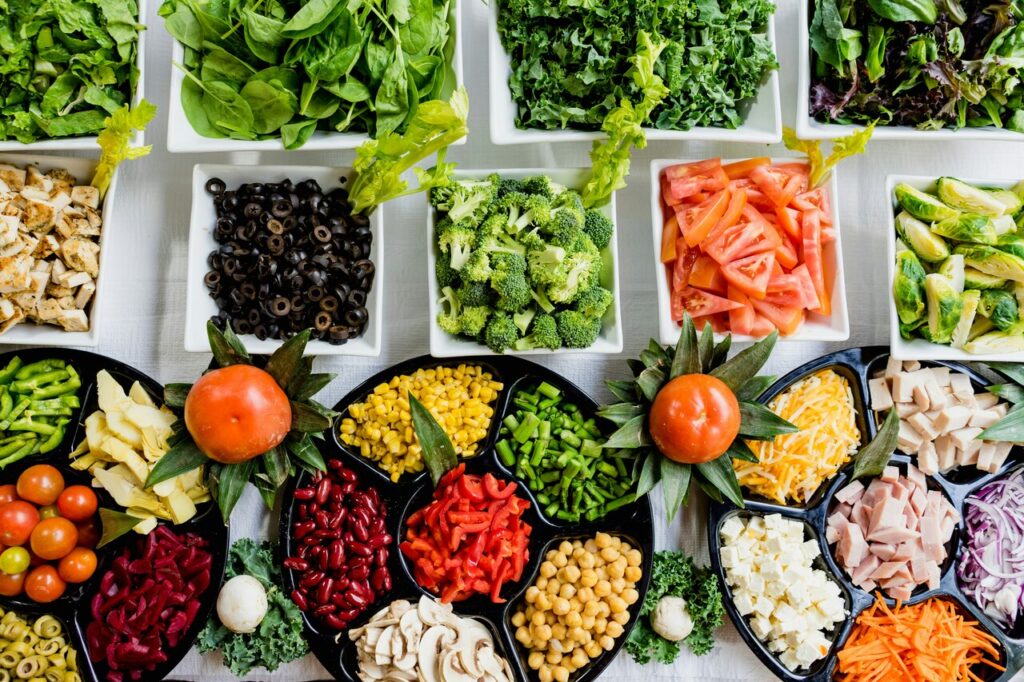
Fresh produce typically greets shoppers at store entrances, creating immediate impressions of healthy shopping choices. Bright displays of fruits and vegetables establish positive emotional momentum early in the visit.
Once customers place wholesome items in carts, they often feel justified in adding indulgent snacks or convenience foods later. Healthy purchases subconsciously balance indulgence, encouraging more relaxed spending decisions across aisles.
This psychological effect increases total basket size because shoppers feel less guilt buying extras. Stores understand that starting trips with responsible choices often softens resistance toward impulse purchases appearing later in the shopping experience.
6. Endcap Displays Highlight Higher-Margin Products
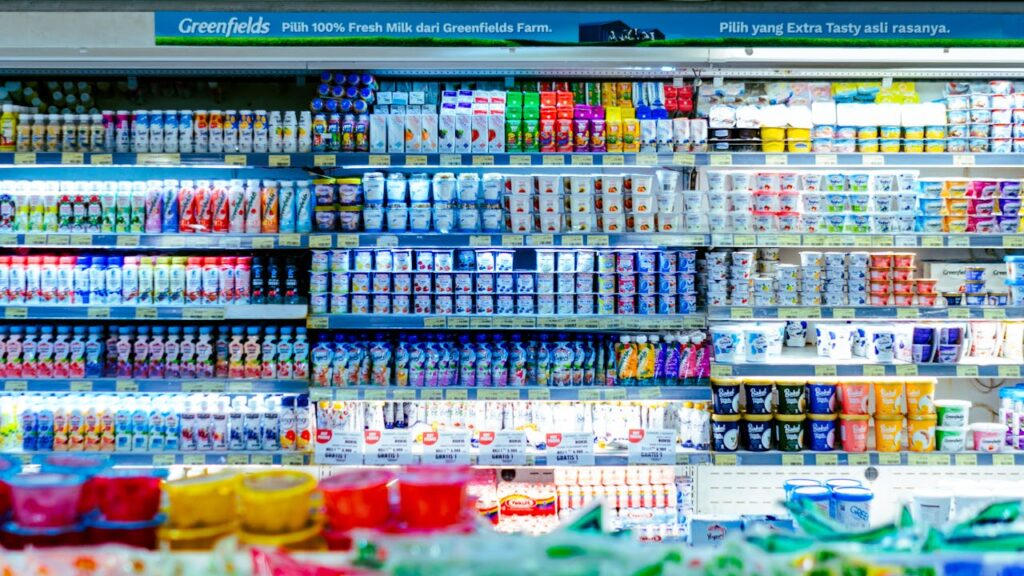
Products displayed at aisle ends receive strong visibility as shoppers naturally encounter these locations when turning corners or moving between sections. Stores frequently reserve these spaces for profitable products.
Although displays appear promotional, the items showcased are not always discounted. Manufacturers often pay premiums for placement, ensuring certain products gain attention regardless of competitive pricing nearby.
Shoppers trusting endcap displays sometimes assume items represent the best deals available. Without checking surrounding shelves, they may unknowingly purchase higher-priced options simply because placement suggests value.
7. Free Samples Trigger Impulse Buying
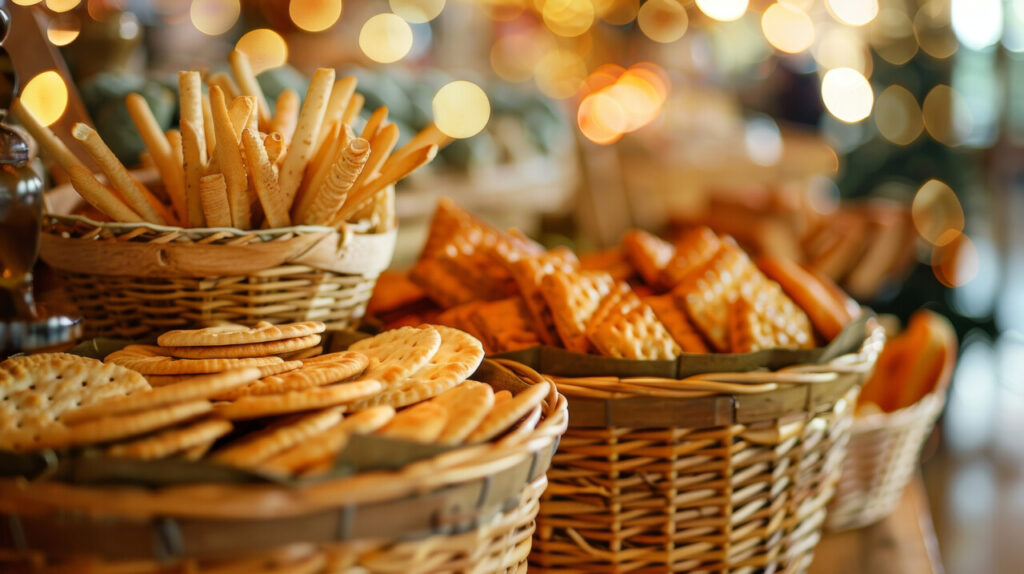
Free food samples attract shoppers by offering risk-free tasting opportunities. Sampling encourages curiosity and often leads customers to purchase items they had not planned to buy beforehand.
Accepting a sample also creates subtle social pressure, making shoppers feel inclined to purchase after receiving something free. Emotional reciprocity often influences purchasing behavior unconsciously in crowded shopping environments.
Sampling increases exposure to new products while converting curiosity into spending. Many shoppers leave stores with items added solely because tasting sparked interest rather than genuine pre-shopping intent. Even when purchases are small, repeated sampling events gradually increase overall spending.
8. Reduced Price Stickers Create Urgency
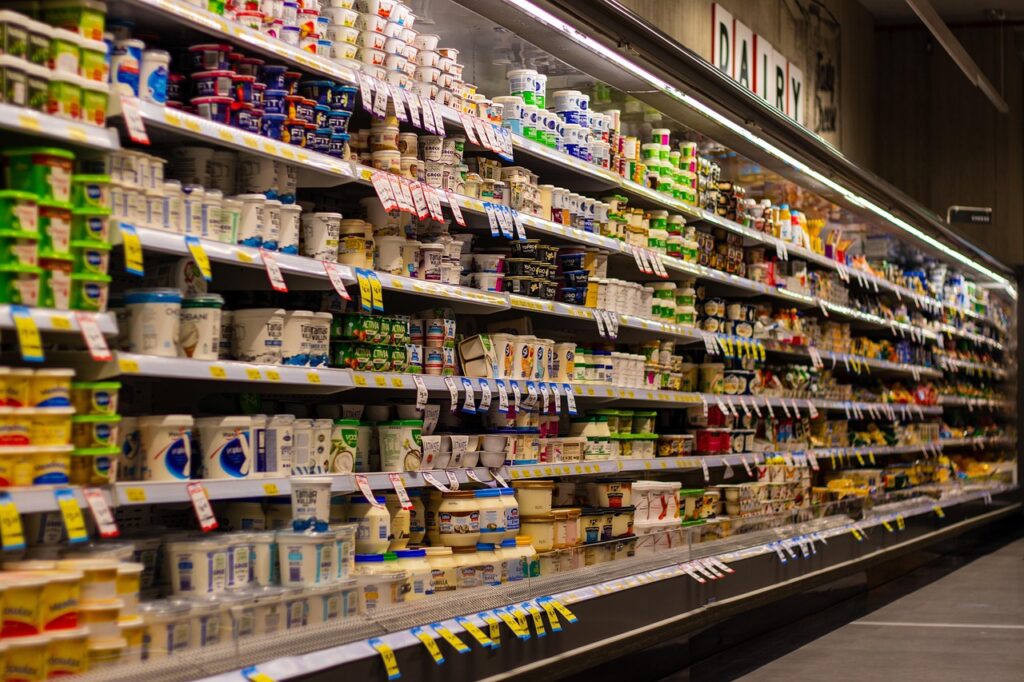
Discount stickers capture attention through bold colors signaling immediate savings. Shoppers frequently rush to buy items, fearing the opportunity might disappear quickly if they hesitate.
However, discounted products often approach expiration or involve items not originally needed. Savings may seem attractive, but purchases still increase overall grocery spending unexpectedly.
Urgency pushes customers to prioritize deals over necessity. Although discounts feel satisfying, repeated impulse purchases driven by markdown labels quietly expand shopping budgets over time. Many shoppers later realize items bought on sale still represent unnecessary spending if they were never part of the original meal plans.
9. Confusing Pricing Labels Hide True Costs
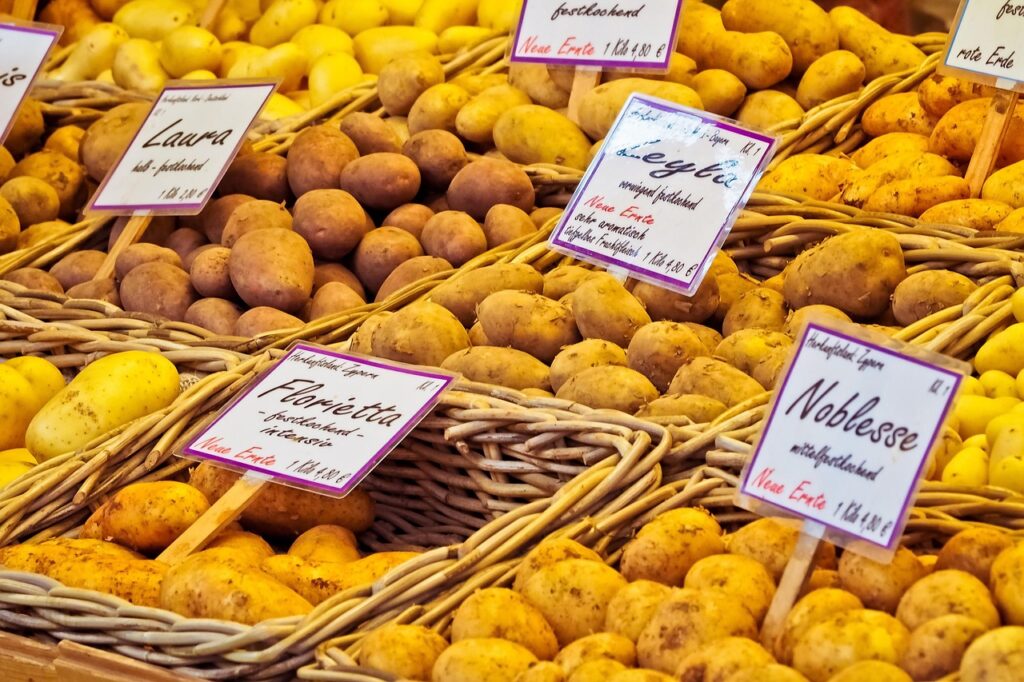
Pricing signage sometimes highlights promotional messages while minimizing important details like unit cost comparisons. Large fonts emphasize deals, while smaller text hides essential price differences between brands.
Shoppers focusing on advertised promotions may miss nearby alternatives offering better value. Visual emphasis steers purchasing decisions toward promoted products rather than economical choices requiring comparison.
Without careful attention to unit pricing, customers rely on promotional cues instead of calculations. Confusing signage encourages spending decisions based on perception rather than true cost efficiency. Over multiple shopping trips, unnoticed price differences accumulate into significantly higher household expenses.
10. Slow Aisles Increase Browsing Time
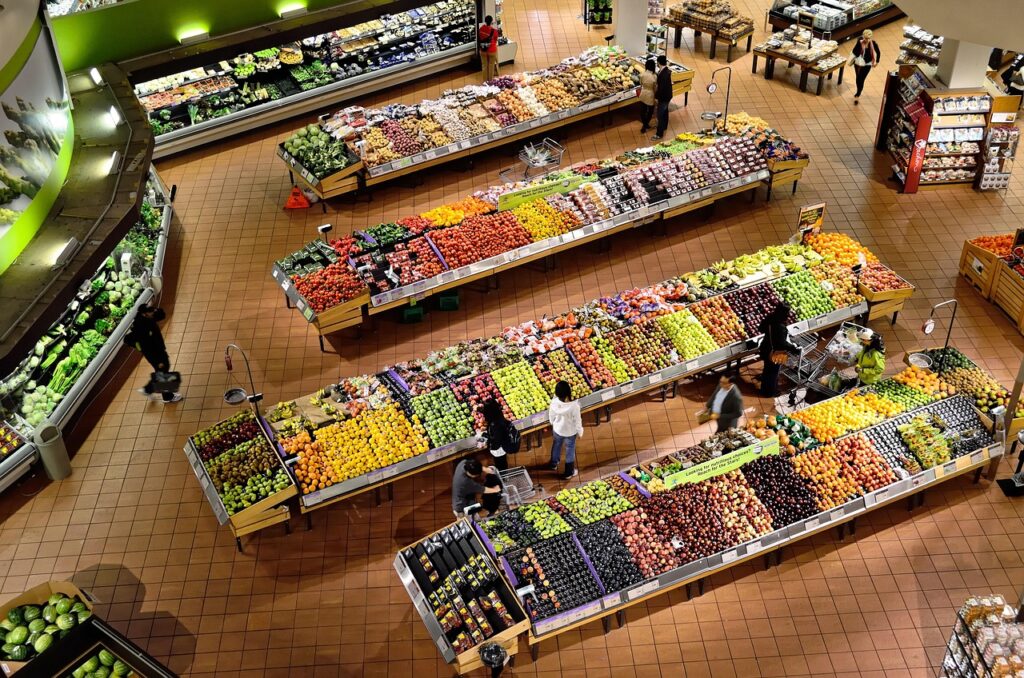
Supermarkets sometimes narrow aisles or place promotional bins strategically, slowing customer movement and encouraging browsing. Reduced walking speed increases exposure to products beyond planned purchases.
Longer browsing time leads shoppers to notice snacks, seasonal items, or promotions they might otherwise ignore. Small additions accumulate as shoppers progress slowly through crowded spaces.
More time spent in-store usually translates into greater spending. Minor browsing distractions often lead to impulse purchases, expanding carts without shoppers realizing how decisions evolved. Even brief pauses to inspect products increase the chances of adding unplanned items before shoppers continue toward checkout.
11. Product Pairing Encourages Add-On Purchases
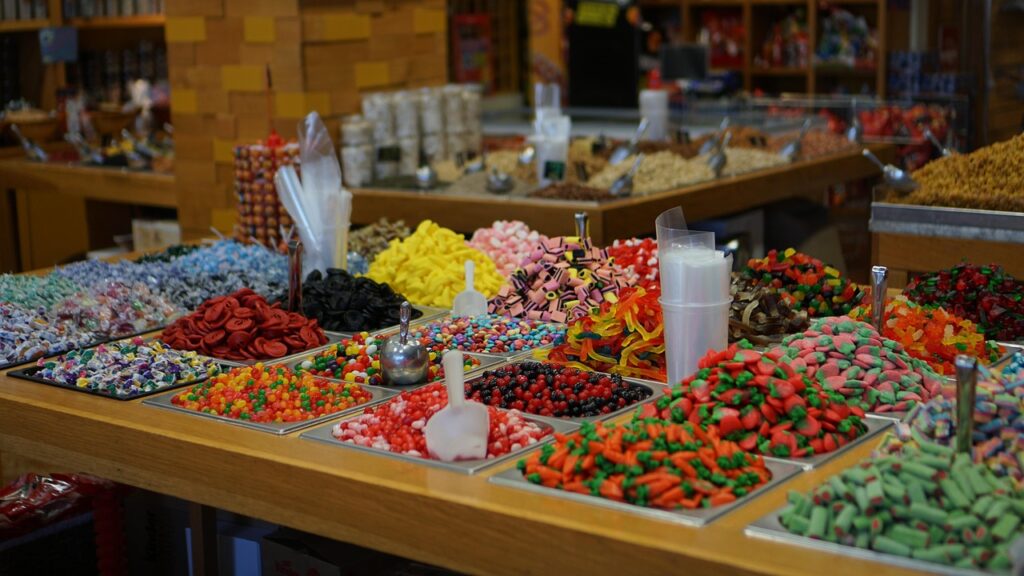
Complementary products often appear together, such as pasta next to sauces or chips beside dips. These arrangements remind shoppers of additional items that enhance planned meals.
Although convenient, these pairings frequently prompt extra purchases beyond original intentions. Buying one item naturally triggers thoughts about accompanying products that seem necessary for complete meals.
Shoppers appreciate convenience but often leave with fuller carts. Strategic pairing boosts spending by encouraging customers to buy combinations rather than single planned items. Even simple reminders like placing dessert toppings near ice cream frequently increase total purchases during routine grocery runs.
12. Psychological Pricing Makes Items Feel Cheaper
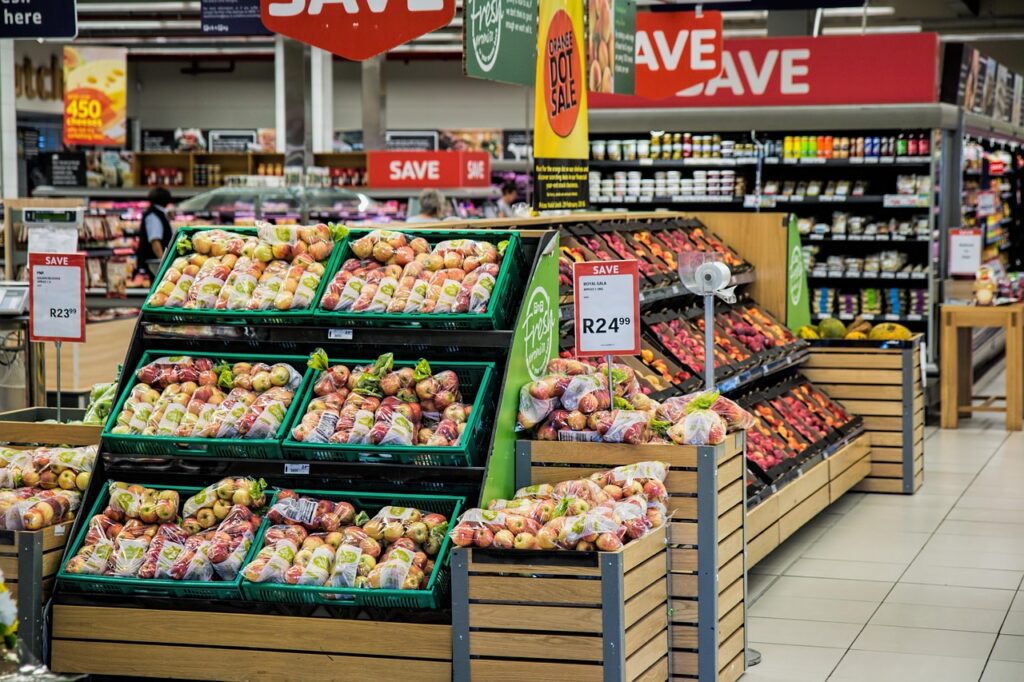
Prices ending in .99 or similar figures influence perception, making items appear cheaper than rounded numbers. Shoppers often interpret $4.99 as significantly less than five dollars despite a minimal actual difference.
Although actual savings remain minimal, psychological pricing consistently shapes purchasing decisions. Across many items, perception subtly influences total spending amounts during routine grocery trips.
Small price differences accumulate during shopping trips. Pricing strategies quietly guide decisions, leading customers to choose items based on perceived affordability rather than true savings. Retailers rely on this effect because even minor perception shifts consistently influence purchasing behavior.
13. Store Music and Atmosphere Encourage Longer Visits
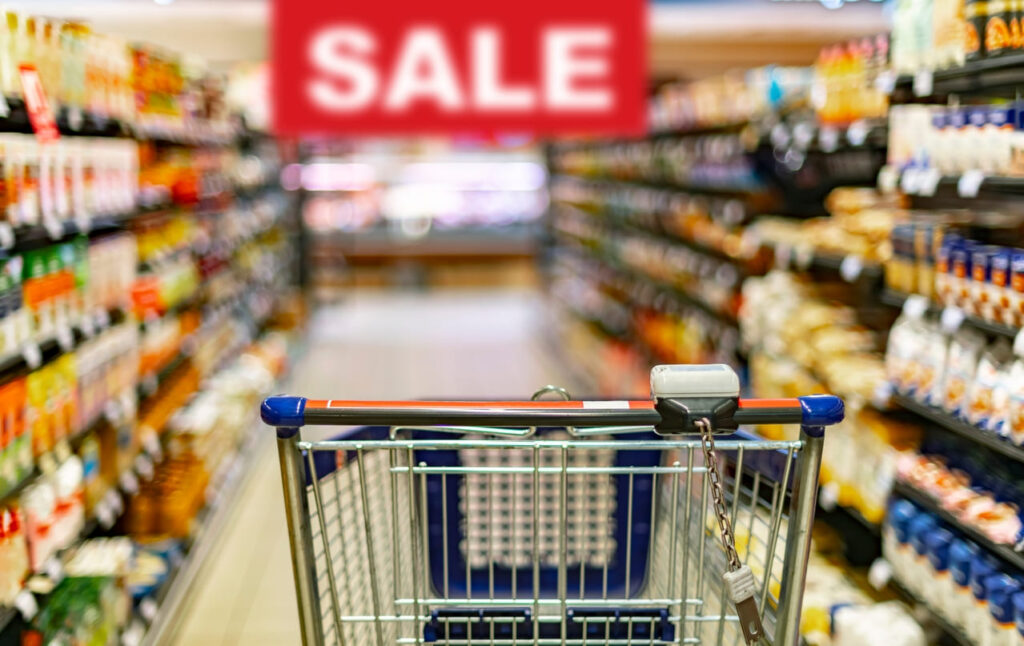
Background music, comfortable lighting, and inviting layouts create relaxed shopping environments that encourage customers to move slowly and browse casually. Shoppers feel less rushed and more open to exploring additional aisles.
When shoppers feel comfortable, they spend more time exploring aisles and considering additional products. Extended visits increase opportunities for impulse purchases that would not occur during quick trips.
Pleasant atmospheres benefit retailers because relaxed shoppers linger longer. Extra time inside stores often results in additional spending beyond initial plans, even during routine grocery visits. Carefully curated store environments, therefore, play a quiet yet powerful role in shopping behaviour.