13 Flavor Boosters Restaurants Add Instead of Better Ingredients

Restaurant flavors often seem richer, deeper, and more intense than what we cook at home. That impact rarely happens by accident. Behind the scenes, many kitchens rely on concentrated boosters designed to amplify taste quickly and consistently.
These additives can enhance savoriness, sweetness, acidity, and aroma without requiring longer cook times or higher quality raw ingredients. They help control cost, improve shelf life, and deliver the same flavor profile across every location.
While these tools are efficient and widely used, they shift the focus from whole ingredients to engineered intensity. Understanding them reveals how modern menus often build flavor through chemistry rather than craftsmanship alone.
1. Monosodium Glutamate
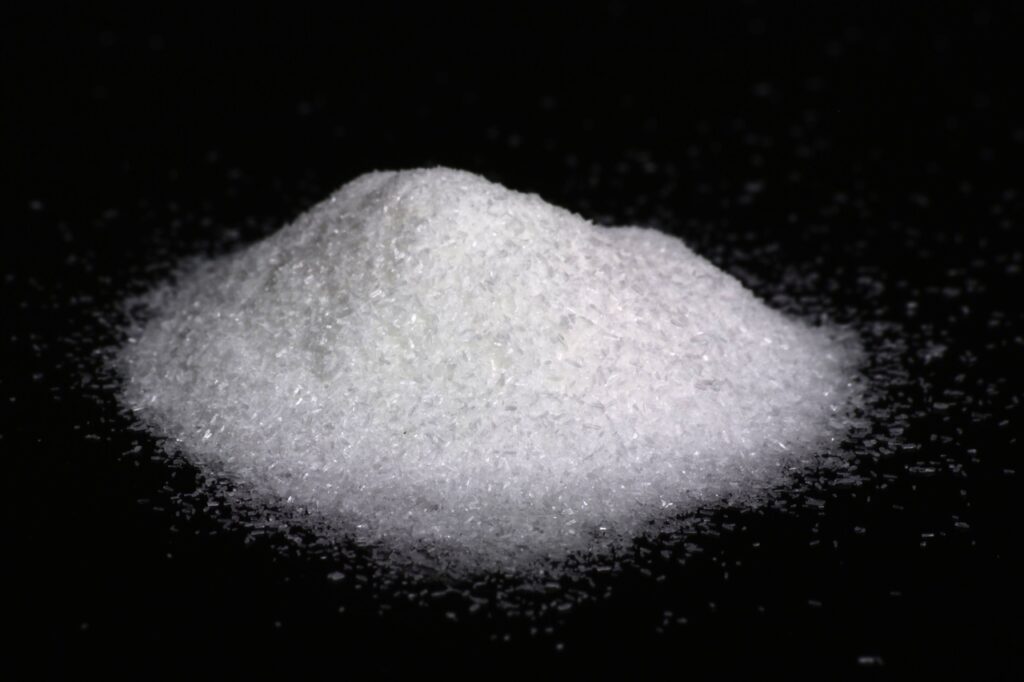
Few ingredients spark debate like monosodium glutamate, yet in professional kitchens it is valued for efficiency. MSG delivers concentrated umami, the savory taste linked to glutamates found in tomatoes, mushrooms, and aged cheese. Even a small amount can deepen soups, sauces, and meat dishes without adding more ingredients.
Restaurants use it to enhance existing flavors rather than mask them. It can make broths taste richer and proteins more satisfying, especially when budgets limit the use of slow simmered stocks.
However, relying on MSG instead of quality ingredients can flatten complexity. While it boosts savoriness, it cannot replace the layered character that develops from long cooking, fresh aromatics, and carefully sourced components.
2. Yeast Extract
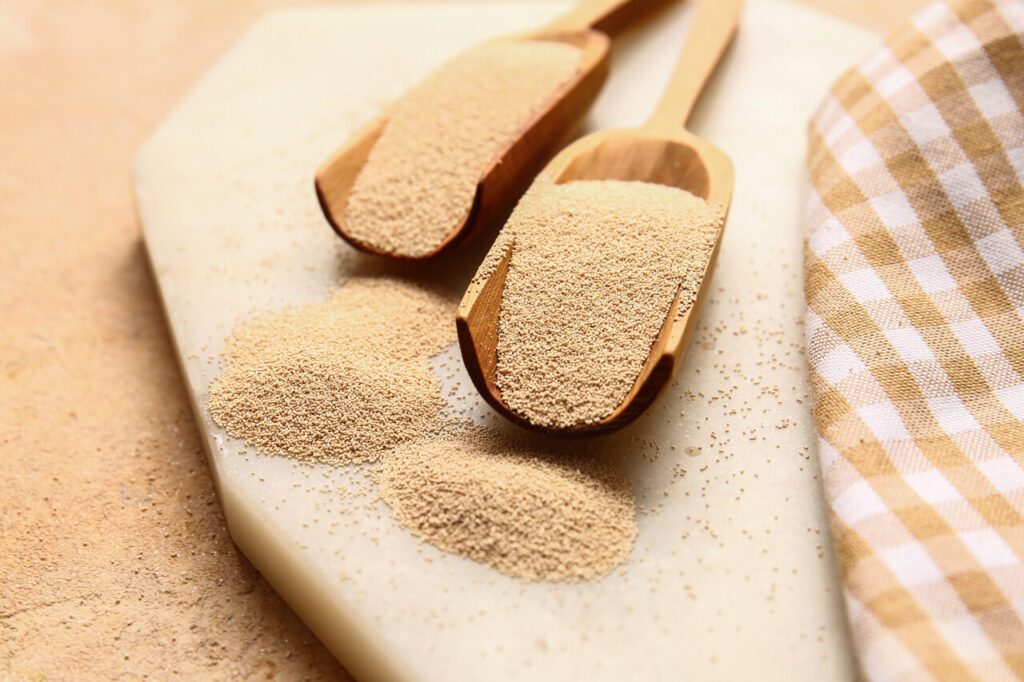
Yeast extract is often described as a quieter cousin to MSG. Made by breaking down yeast cells, it contains natural glutamates that intensify savory notes in sauces, gravies, and plant based dishes. It appears frequently in packaged foods and restaurant seasonings.
Because it can be labeled differently from pure MSG, it appeals to operations seeking umami enhancement without controversy. It adds depth quickly and consistently across large batches.
Yet like other concentrated boosters, yeast extract amplifies flavor rather than building it from scratch. Without quality stocks or fresh ingredients underneath, the result can taste uniformly savory but less nuanced.
3. Hydrolyzed Vegetable Protein
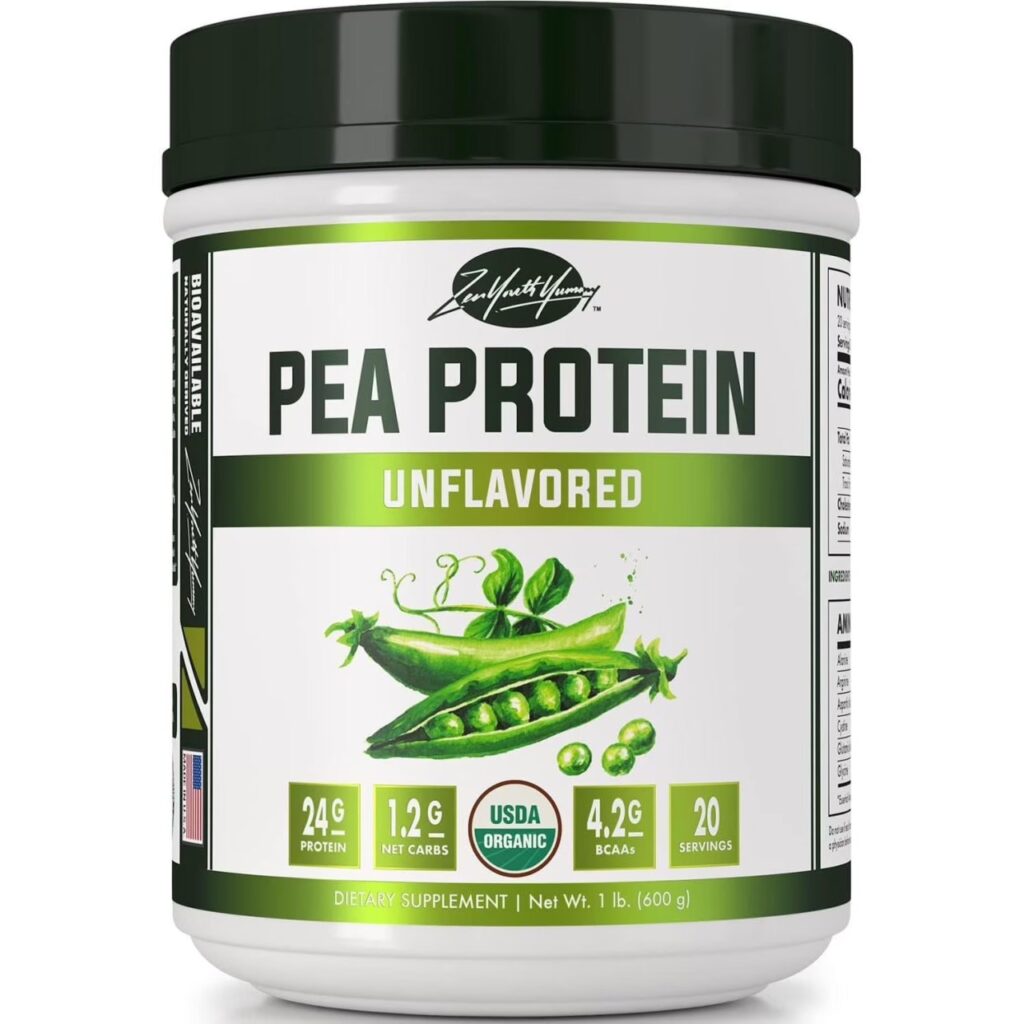
Hydrolyzed vegetable protein, often shortened to HVP, is produced by breaking down plant proteins into amino acids that deliver meaty flavor notes. It is commonly added to seasoning blends, sauces, and processed meats.
Its strength lies in cost control and predictability. HVP provides savory impact even when real meat content is limited, making it attractive for large scale kitchens focused on consistency.
Still, it cannot recreate the texture, aroma, or richness of high quality ingredients. It enhances perception of meatiness, but it does not replace slow cooked proteins or carefully developed broths.
4. Artificial Smoke Flavor
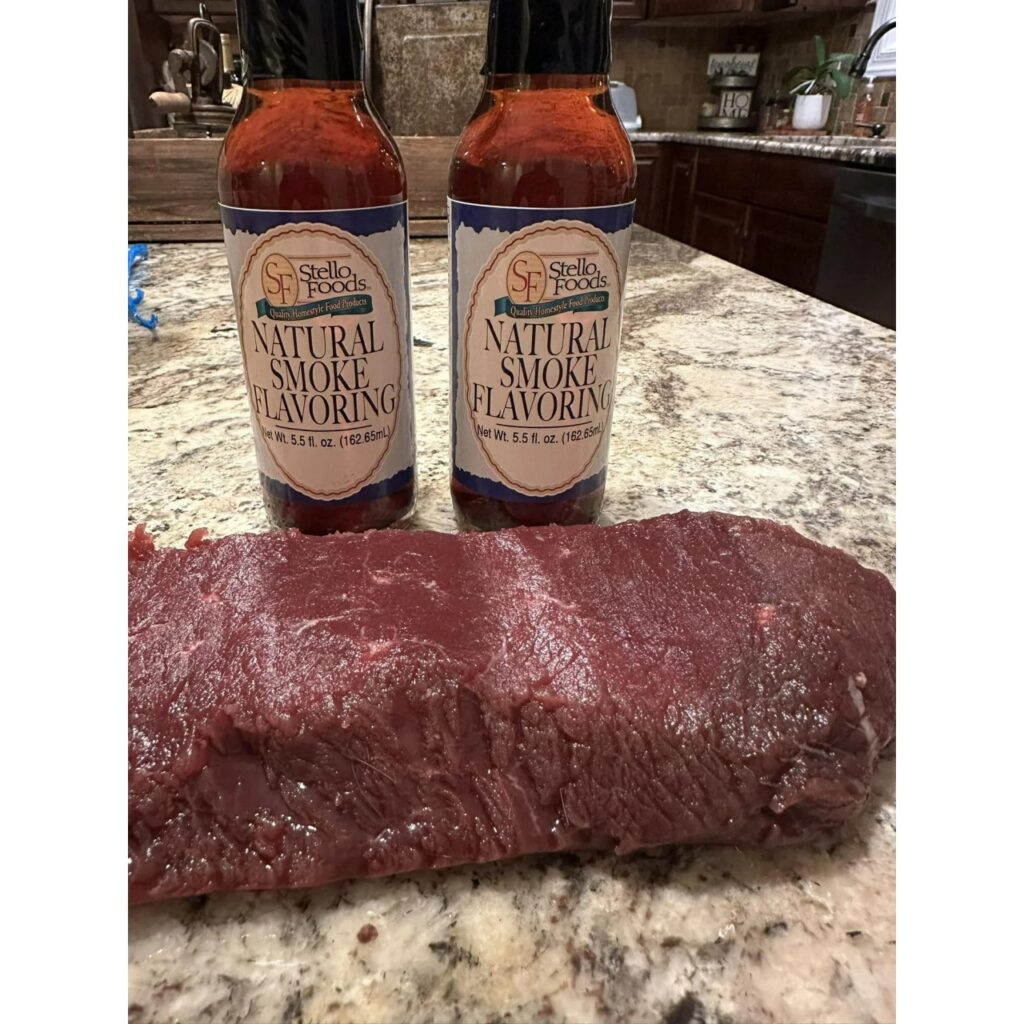
Artificial smoke flavor is designed to recreate the aroma compounds released when hardwood burns. These additives contain phenols and related molecules that signal smokiness to the palate, allowing kitchens to suggest wood fired depth without maintaining a live smoker.
They are widely used in sauces, marinades, and pre cooked meats where extended smoking would require extra labor, ventilation systems, and time. For high volume operations, they provide speed and predictable results.
The limitation is authenticity. While the aroma can be convincing, the flavor remains mostly surface level. It lacks the gradual chemical and textural changes that occur when real wood smoke interacts with meat over steady heat.
5. Liquid Butter Flavor
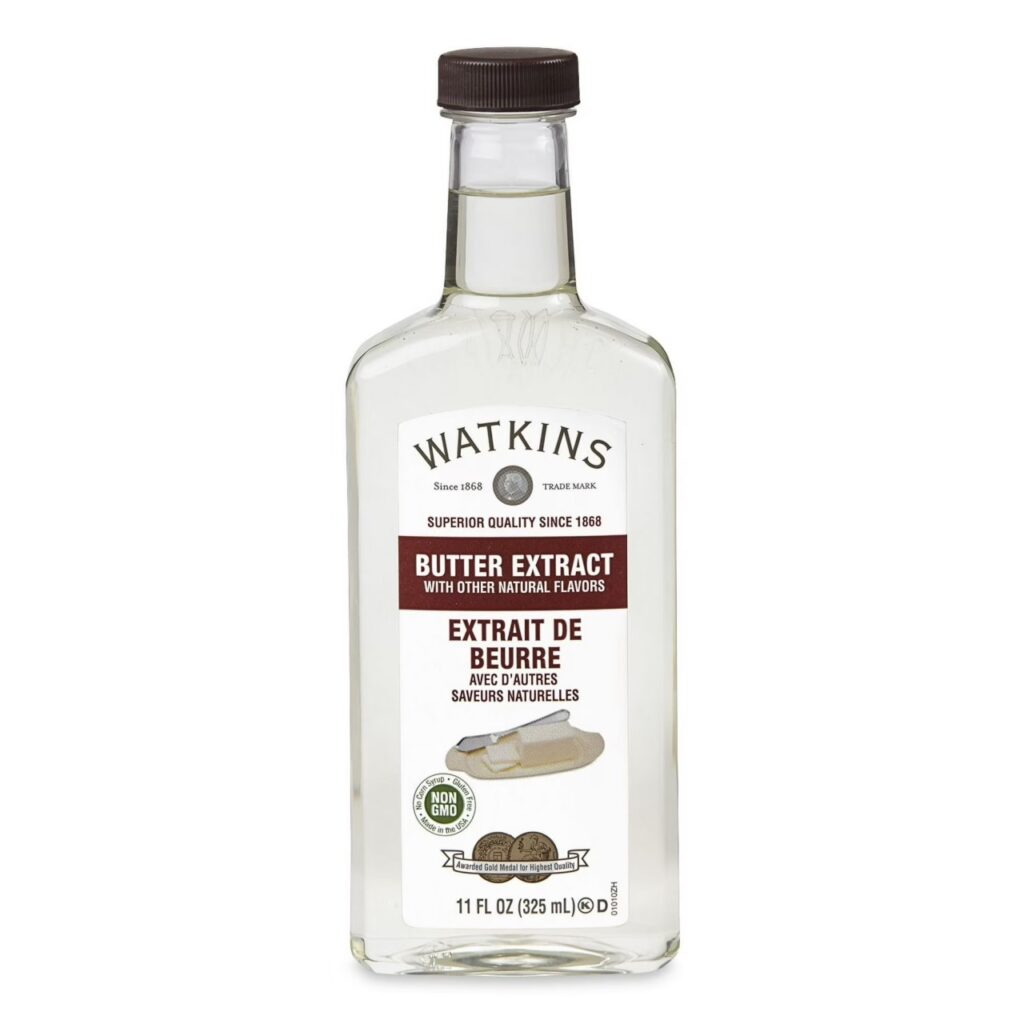
Liquid butter flavor is designed to mimic the aroma of melted butter through concentrated compounds that recreate its creamy scent. It is commonly added to sauces, baked goods, and toppings where real dairy would increase cost, shorten shelf life, or require refrigeration. The goal is to deliver richness without the expense of actual butterfat.
Because it is shelf stable and easy to measure, kitchens can use it consistently across large batches. Even a small amount releases a buttery aroma that signals indulgence and comfort to diners.
Yet aroma alone does not equal authenticity. Artificial butter flavor lacks the full mouthfeel, subtle sweetness, and complexity that real butter contributes through natural fat and milk solids.
6. Maltodextrin
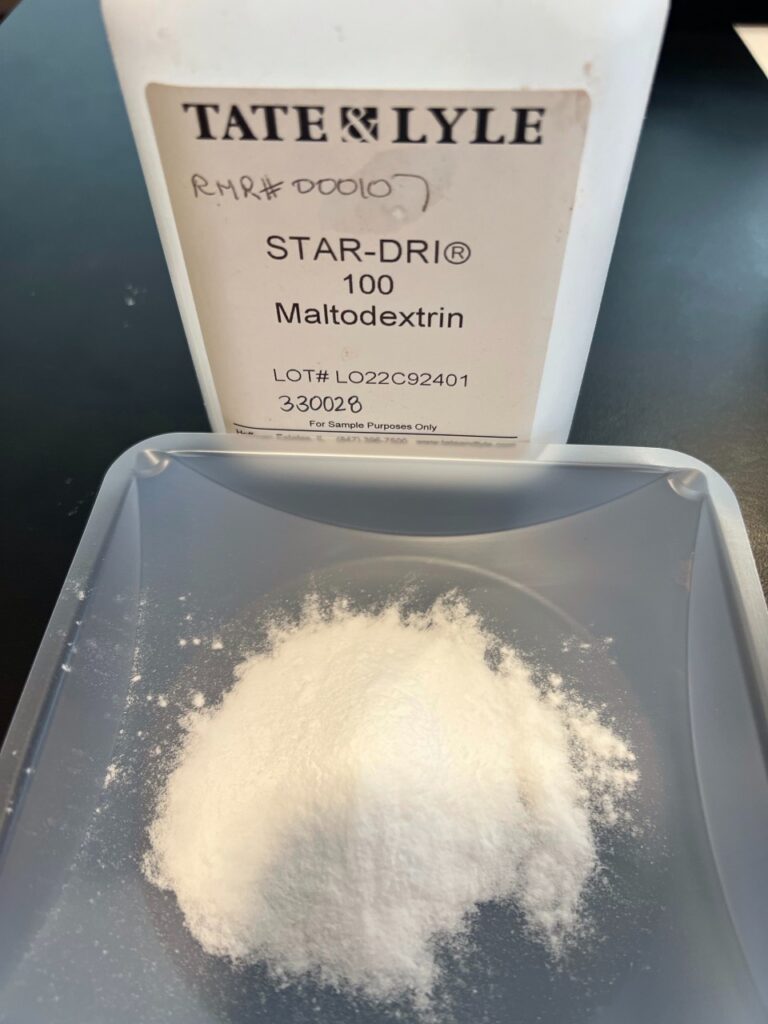
Maltodextrin is a starch derived carbohydrate used mainly as a texture modifier and flavor carrier. In restaurant kitchens, it stabilizes sauces, prevents separation, and helps distribute powdered seasonings evenly throughout a dish without altering taste dramatically.
It adds body and structure without strong flavor, creating the impression of thickness or richness without additional cream or fat. Its neutral profile and long shelf life make it practical for high volume production.
However, maltodextrin does not create true depth. It improves mouthfeel and stability, but it cannot replace the layered flavor that develops from slow reductions, real stock, or fresh dairy ingredients.
7. High Fructose Corn Syrup
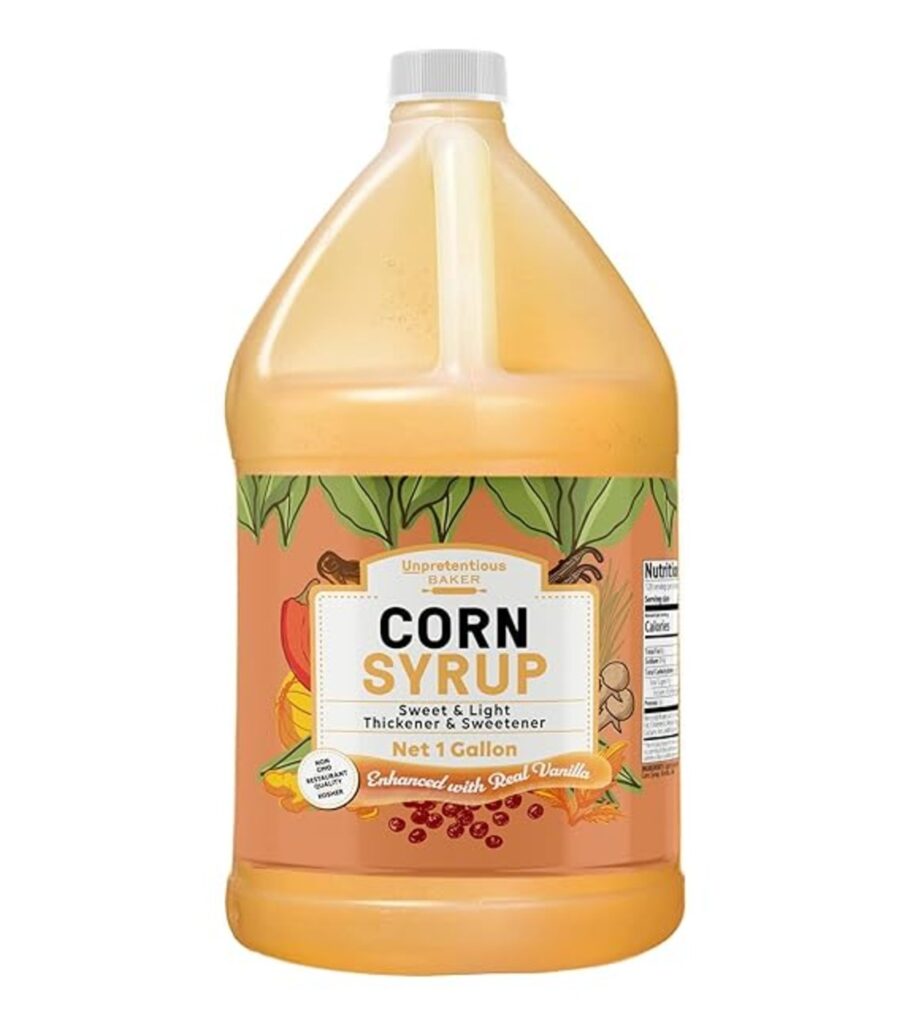
High fructose corn syrup is widely used in sauces, dressings, and beverages because it provides consistent sweetness at a lower cost than many alternatives. Its blend of glucose and fructose dissolves easily, helping flavors taste smoother and more rounded. In savory foods, small amounts can soften acidity and enhance flavor.
Restaurants favor it for stability and scale. It performs reliably in large batches and maintains texture in cold storage. Unlike fresh sweeteners, it does not fluctuate with season or supply, simplifying purchasing.
Yet sweetness can become a shortcut. When used heavily, it may mask weak ingredients or rushed preparation. It boosts appeal but cannot replace the depth that comes from quality produce and well prepared sauces.
8. Citric Acid
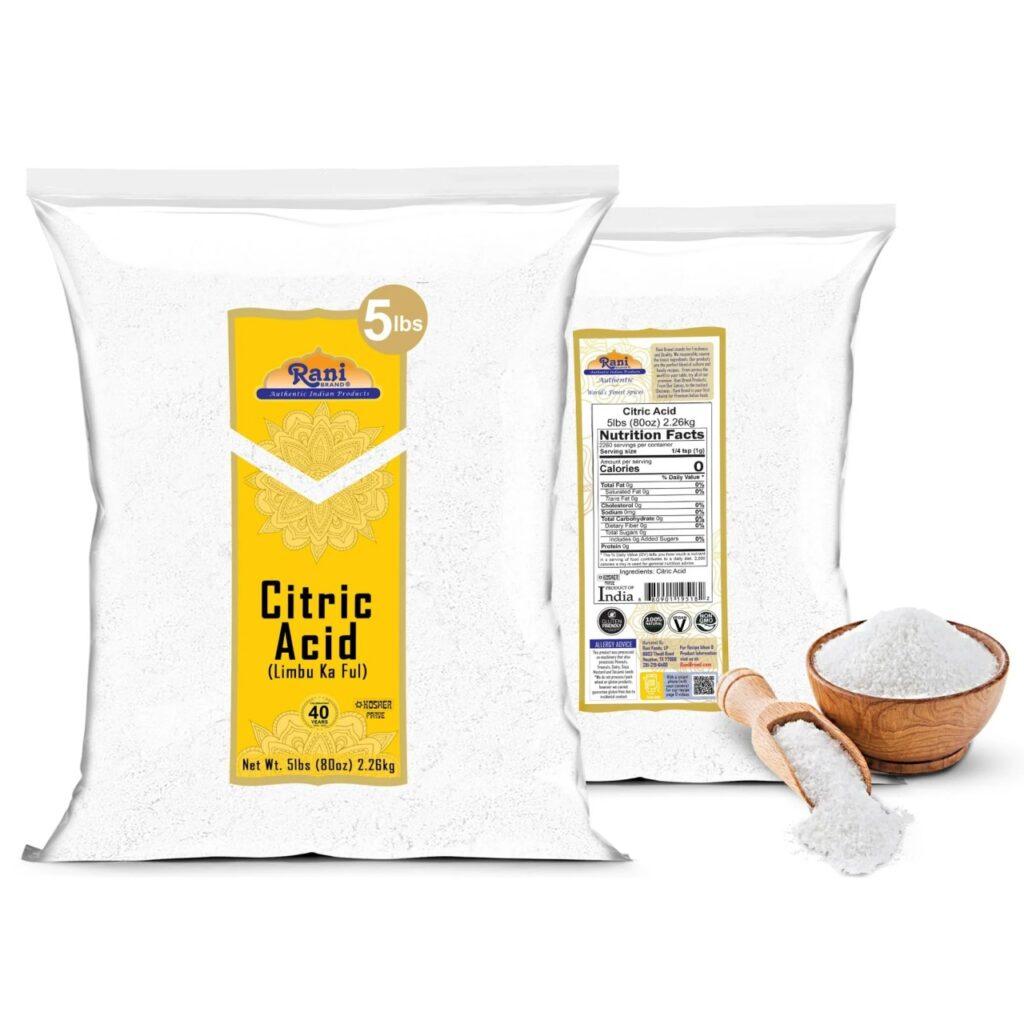
Citric acid provides concentrated acidity in dressings, marinades, and beverages. It mimics the brightness of lemon or lime juice while remaining shelf stable and precisely measurable, which makes it practical for commercial kitchens managing large scale recipes.
Chefs value its predictability. Fresh citrus can vary in intensity and availability, while citric acid delivers consistent sharpness that can be adjusted quickly to balance salt, sugar, or spice across multiple servings.
However, it supplies acidity without aroma or natural fruit oils. While it sharpens flavor, it cannot recreate the subtle sweetness and layered freshness that whole citrus fruit brings to a finished dish.
9. Caramel Coloring
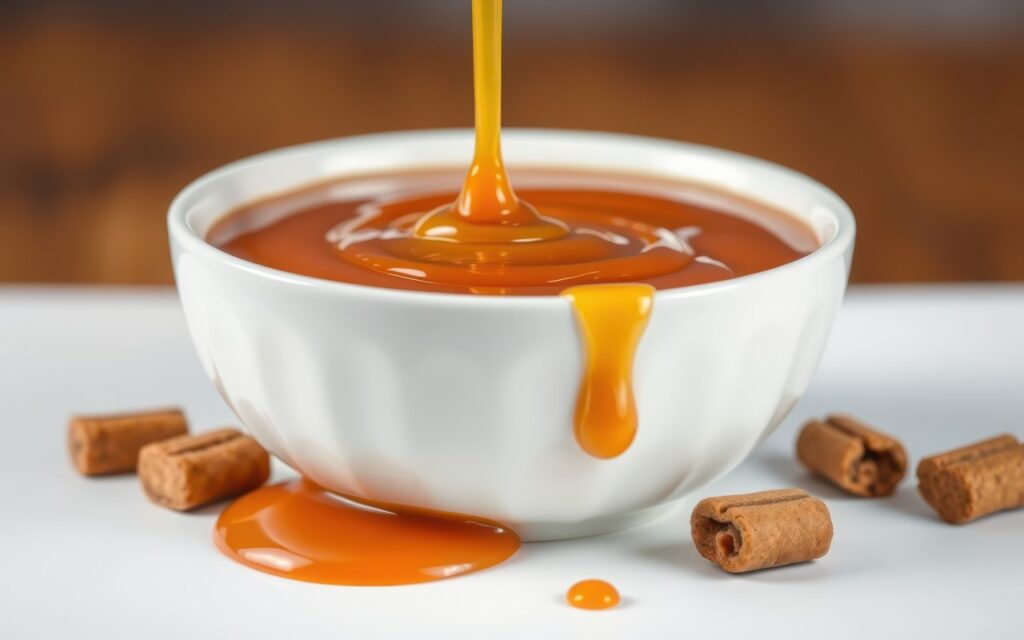
Caramel coloring is added to sauces, gravies, and beverages to deepen their appearance. A darker hue suggests longer cooking or richer ingredients, influencing expectations before the first bite is taken.
Because visual cues shape perception, deeper color can make a product seem more robust and savory even if the recipe remains unchanged. It offers consistency in appearance across locations and batches.
Still, color does not equal flavor development. Caramel coloring enhances presentation but does not provide the true complexity created through slow simmering, roasting, or careful ingredient selection.
10. Artificial Grill Marks
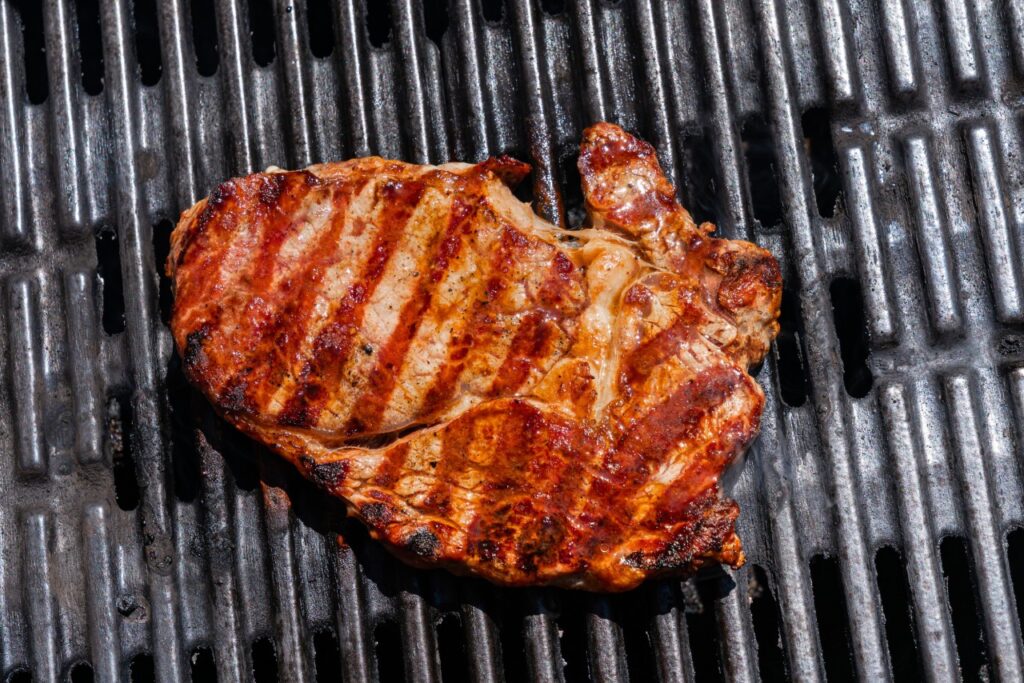
Artificial grill marks are applied to meats to imitate the char lines created by open flame cooking. They provide a familiar visual signal linked to traditional grilling and barbecue.
In high volume kitchens, they ensure uniform presentation without the need for live grills in every location. The marks create the impression of flame cooking while maintaining efficiency and speed.
However, visual impact differs from flavor transformation. Real grilling produces caramelization and smoke interaction that artificial markings cannot replicate beyond surface appearance.
11. Sodium Phosphates
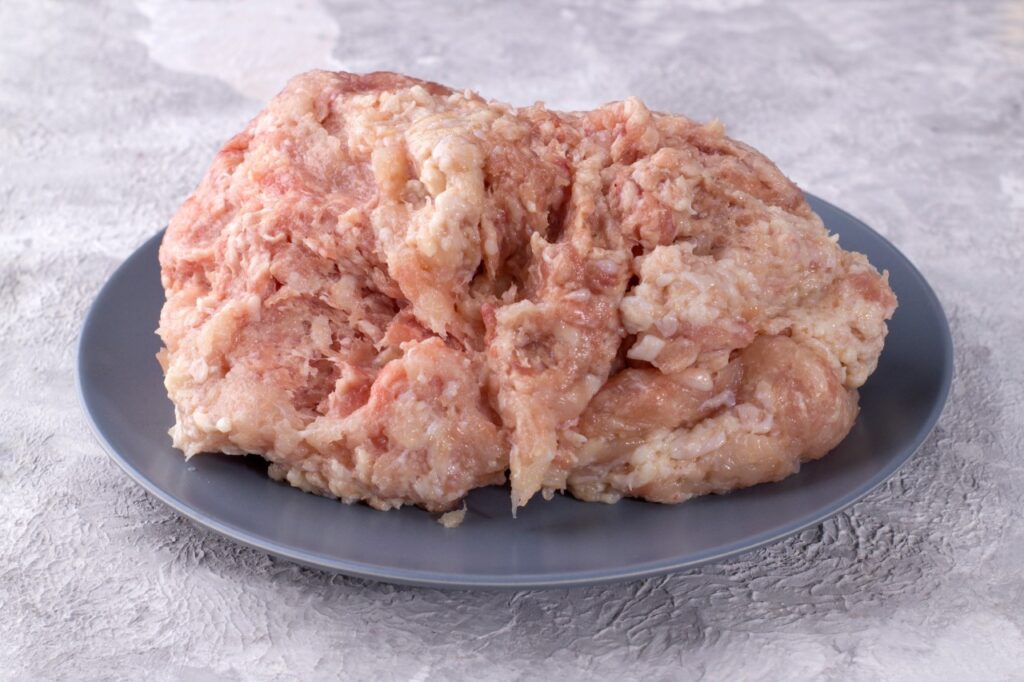
Sodium phosphates are commonly added to meats to improve moisture retention and texture. They bind water within muscle fibers, helping proteins remain juicy during cooking, reheating, or extended holding.
This function supports consistency and reduces shrinkage, which is especially valuable in large operations where cooking conditions may vary slightly between locations.
While effective at preserving juiciness, phosphates do not enhance inherent ingredient quality. They improve structure and tenderness but cannot replace careful sourcing or precise cooking techniques.
12. Flavor Enhancer Blends
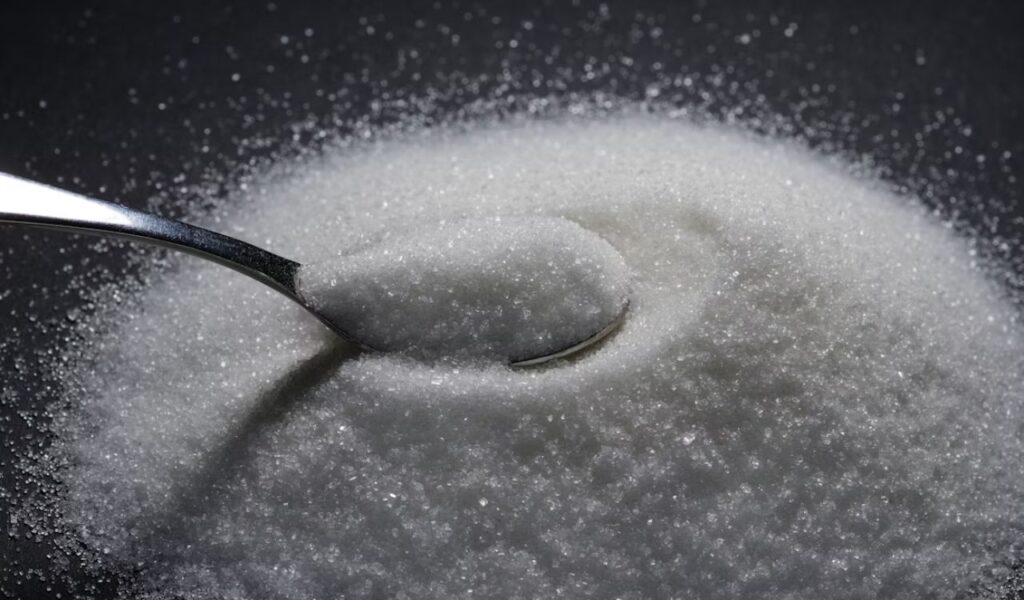
Flavor enhancer blends combine salt, sugar, acids, and umami compounds into carefully measured mixtures. These blends are formulated to intensify taste quickly and deliver uniform flavor across multiple locations.
They simplify seasoning by reducing dependence on fresh herbs, long simmered stocks, or complex layering. With controlled dosing, kitchens achieve strong impact without extensive preparation time.
Yet reliance on such blends can reduce individuality. While they amplify overall taste, they may lack the depth and nuance that develop naturally from whole ingredients and traditional cooking methods.
13. Natural Flavors

Natural flavors are a labeling term that covers concentrated compounds derived from plant or animal sources. These extracts are processed and added to foods in small quantities to recreate specific taste notes.
They help restaurants and manufacturers maintain consistent flavor while managing cost, storage, and supply concerns. Even minimal amounts can produce noticeable sensory effects.
Although derived from natural materials, these ingredients are refined and standardized. They enhance targeted flavor cues but cannot fully replace the complexity of fresh herbs, spices, and whole foods.