10 Smoke Flavor Additives Replacing Real Pit Barbecue

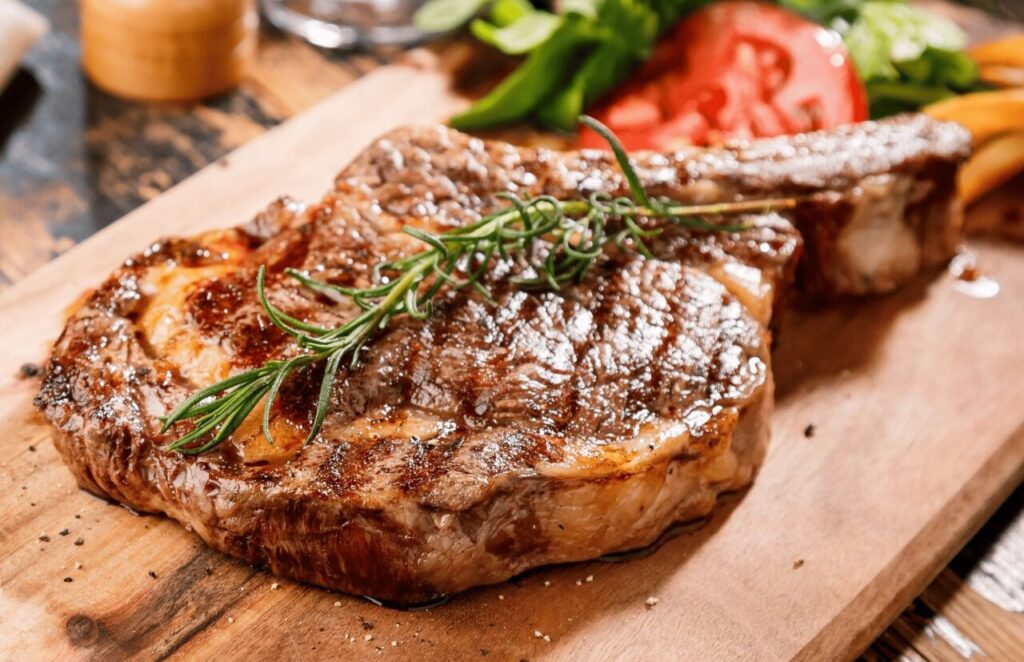
Barbecue has long been defined by patience, hardwood, and the slow transformation that happens when smoke and meat meet over steady heat. True pit cooking is not rushed. It builds flavor gradually, layer by layer, through time and fire.
Today, many large kitchens rely on smoke-flavor additives that promise similar results without the hours spent in a smoker. Liquid concentrates, powders, and engineered flavor systems deliver speed, consistency, and lower operational costs.
These shortcuts can create convincing aroma and color, but they change the character of the final product. Understanding how these additives work reveals that modern barbecue often relies on chemistry rather than wood and flame.
1. Liquid Smoke
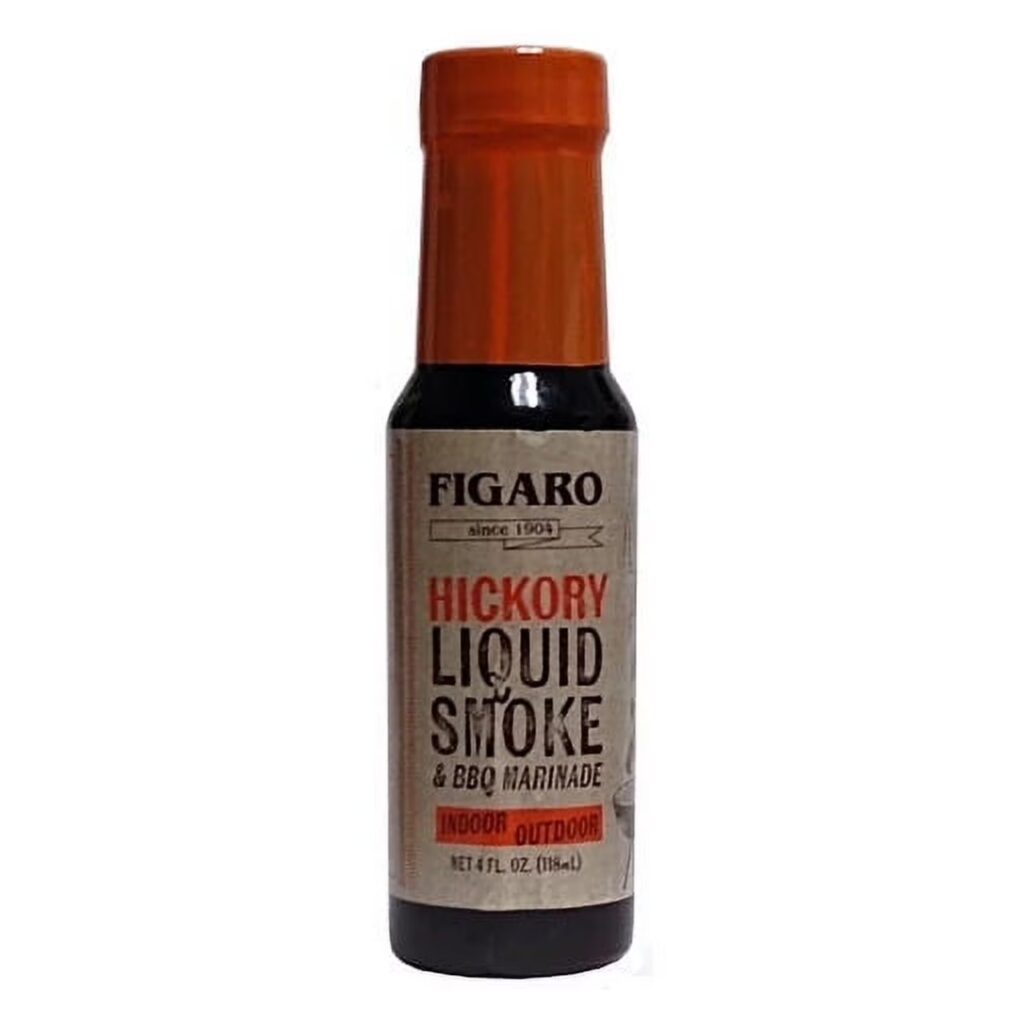
Liquid smoke is a common shortcut to pit flavor. Producers burn hardwood, condense the smoke vapors, filter them, and sell the concentrate as a liquid that can be added to brines, sauces, or injected into products for instant smoky impression.
For chefs and large processors, liquid smoke is efficient. It delivers repeatable smoky notes without a smoker, lowers cook time, and reduces the need for specialized equipment or floor space. It can also add color and serve as a mild preservative in certain formulations.
The trade off is sensory depth. Real pit smoke creates a layered profile from wood chemistry, heat, and time. Liquid smoke can mimic surface aroma but often lacks the gradual complexity formed when wood interacts with meat over hours.
2. Smoke Flavor Powder
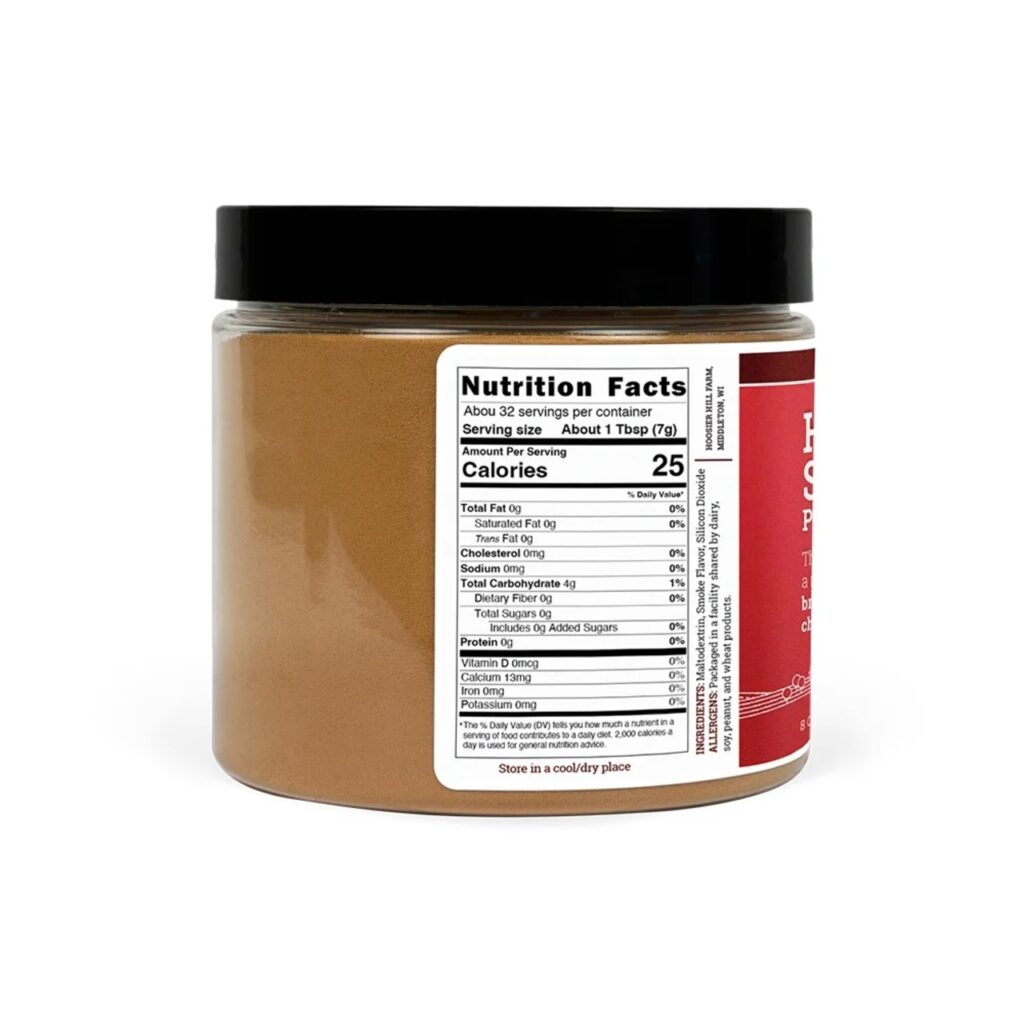
Smoke flavor powder is a dried, shelf stable form of condensed smoke or engineered smoke compounds blended with carriers to create a free flowing seasoning. Food makers sprinkle it into rubs, mix it into processed meats, or add it to snack coatings to deliver even smoke notes without added moisture.
Powders are attractive for large scale production. They dose easily, travel well, and integrate into dry blends without affecting texture. Manufacturers can add smoke character while skipping traditional smoking lines.
The drawback is dimensionality. Powders tend to deliver a consistent but sometimes flat smoky note that sits on top of the flavor rather than evolving through slow cooking.
3. Smoke Infused Oils
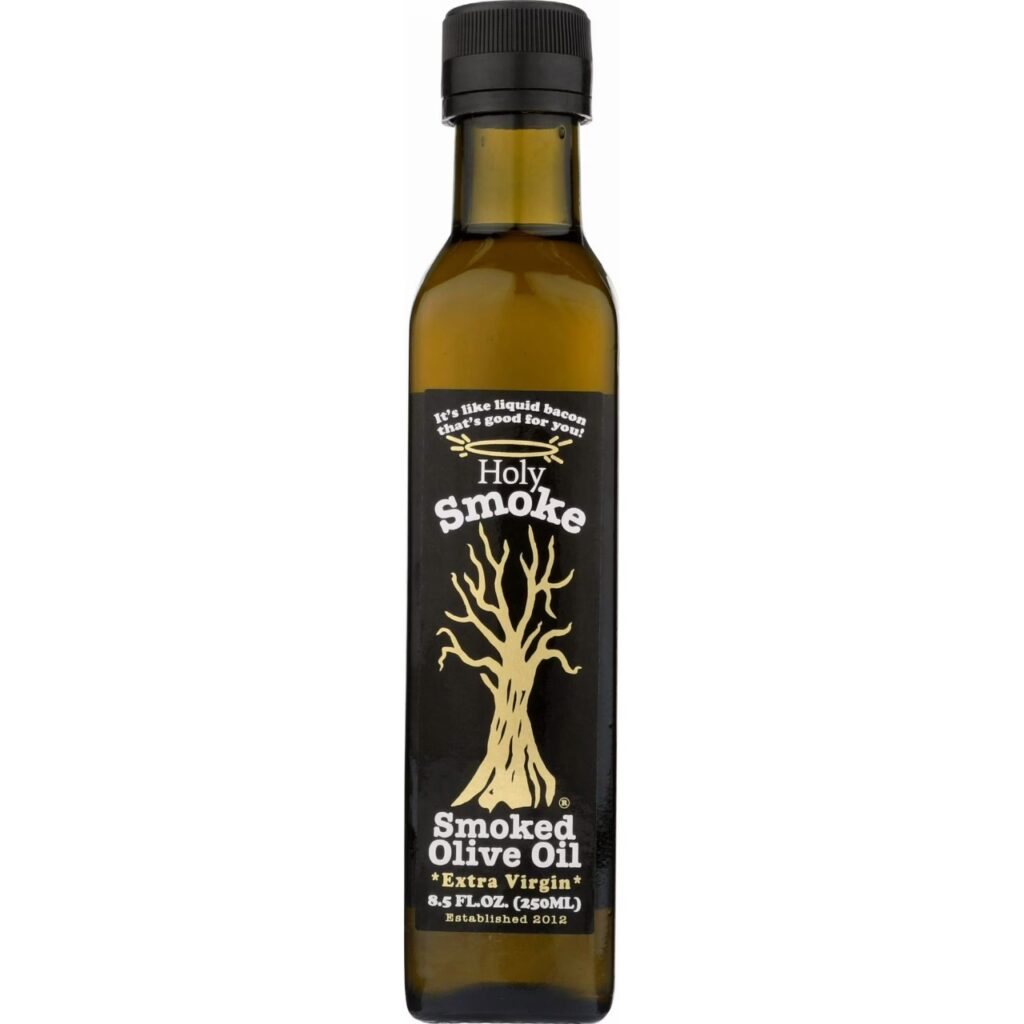
Smoke infused oils carry smoke aromatics into marinades, dressings, and finishing applications. Oils are treated with smoke or condensates to absorb woody compounds, then brushed or drizzled onto proteins for an instant hint of smoke.
They provide sensory lift with minimal effort. A small amount can make grilled chicken or vegetables taste closer to pit cooked without requiring a smoker or extended cook time.
Because oil captures volatile smoke compounds differently than burning wood, the flavor emphasizes aroma more than depth. It feels fragrant but does not replicate the full interaction of smoke, heat, and meat fibers.
4. Artificial Smoke Flavorings
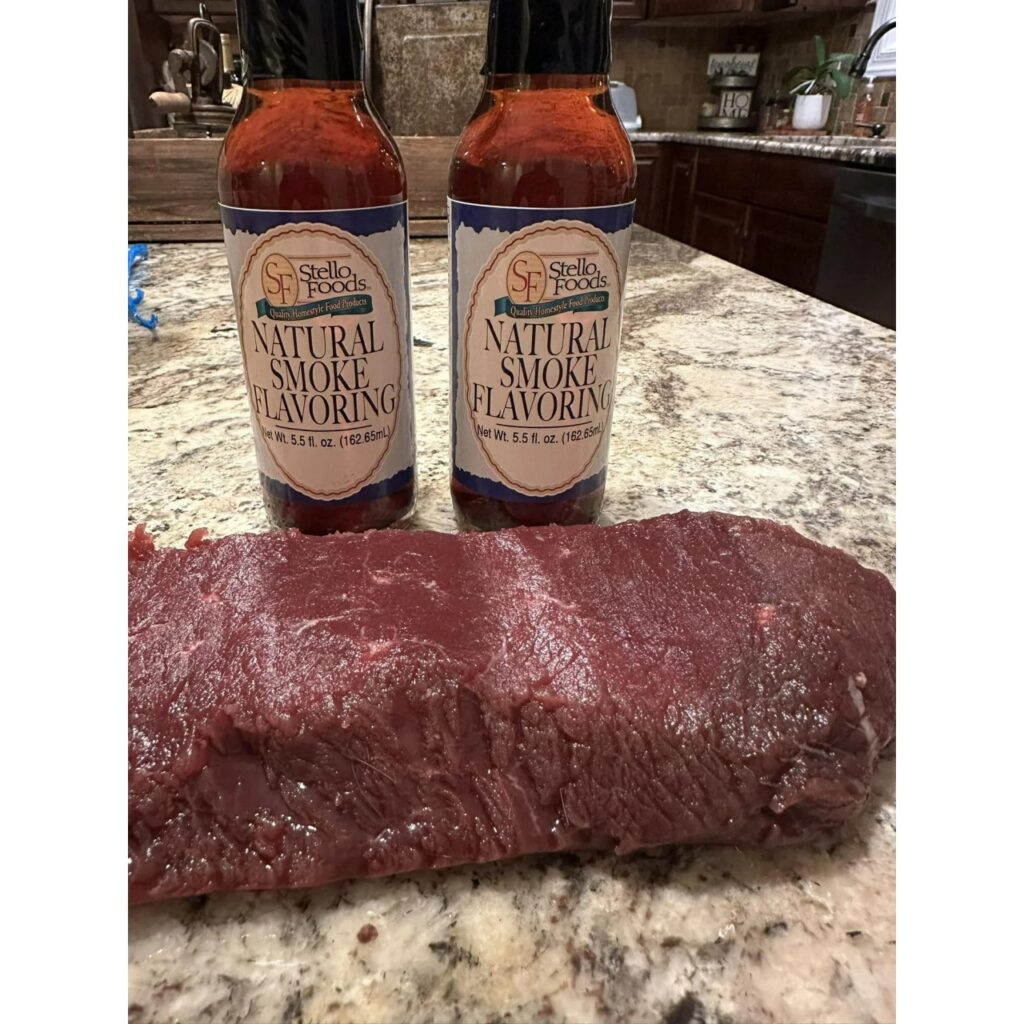
Artificial smoke flavorings are lab developed molecules that replicate phenols and carbonyl compounds created during wood combustion. They are designed for stability, cost efficiency, and consistent labeling on ingredient lists.
Manufacturers use them in sauces, chips, and cured meats where real smoking is impractical. The formulas allow precise control over intensity and flavor balance across large production runs.
While they meet consumer expectations of smokiness, they lack the subtle variation that comes from different wood species, temperatures, and time in a live smoker. The result prioritizes consistency over nuance.
5. Smoke Flavored Salt
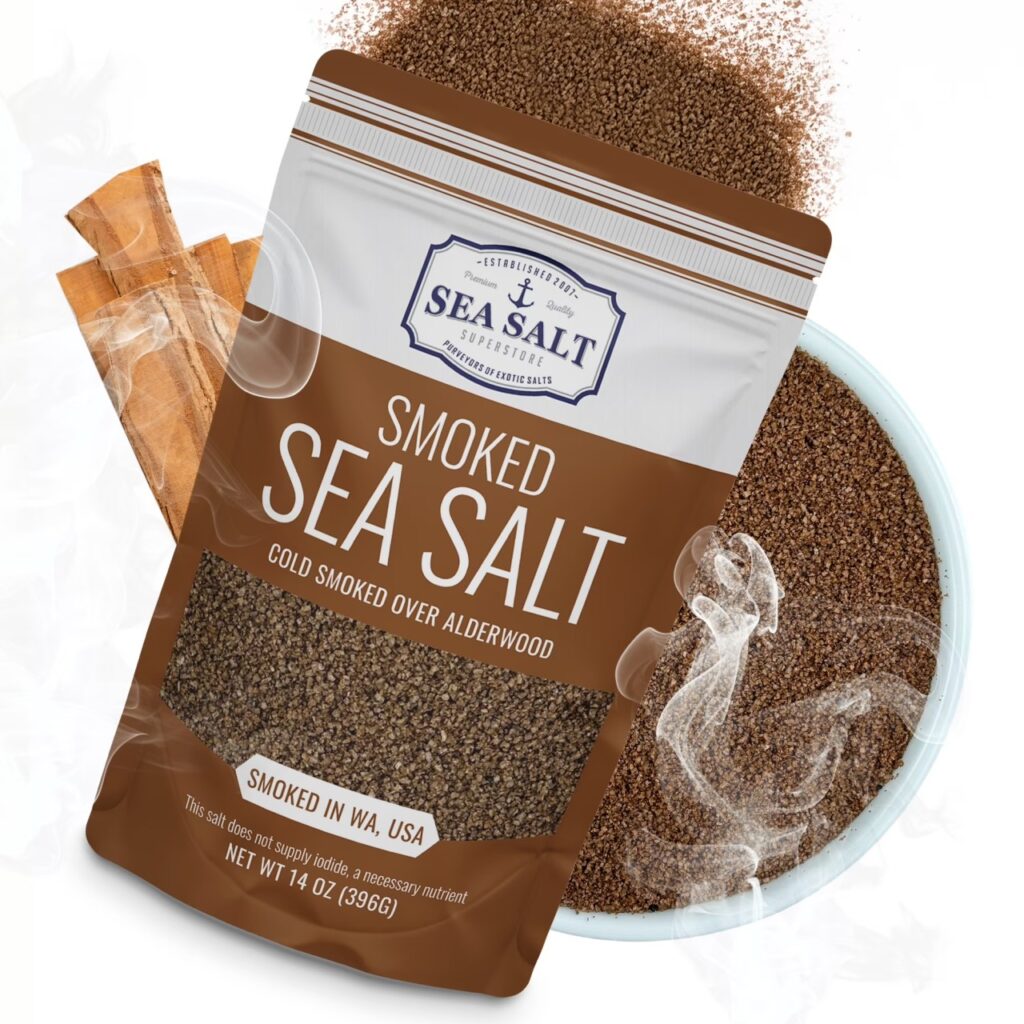
Smoke-flavored salt begins as coarse sea salt or finishing crystals exposed to wood smoke or blended with condensed smoke aromatics. The crystals absorb volatile compounds that release a smoky scent when sprinkled over food. It offers a quick way to suggest pit cooking without using a smoker.
Salt amplifies flavor, so even a small amount can heighten savory notes and create the impression of smoke on meats, fries, or vegetables. It requires no extra equipment, no added cook time, and works easily in high volume kitchens.
However, its impact remains mostly on the surface. It enhances aroma and the first bite but cannot reproduce the deep penetration, bark formation, or texture changes that develop when meat spends hours in a live smoke environment.
6. Hickory Flavor Extract
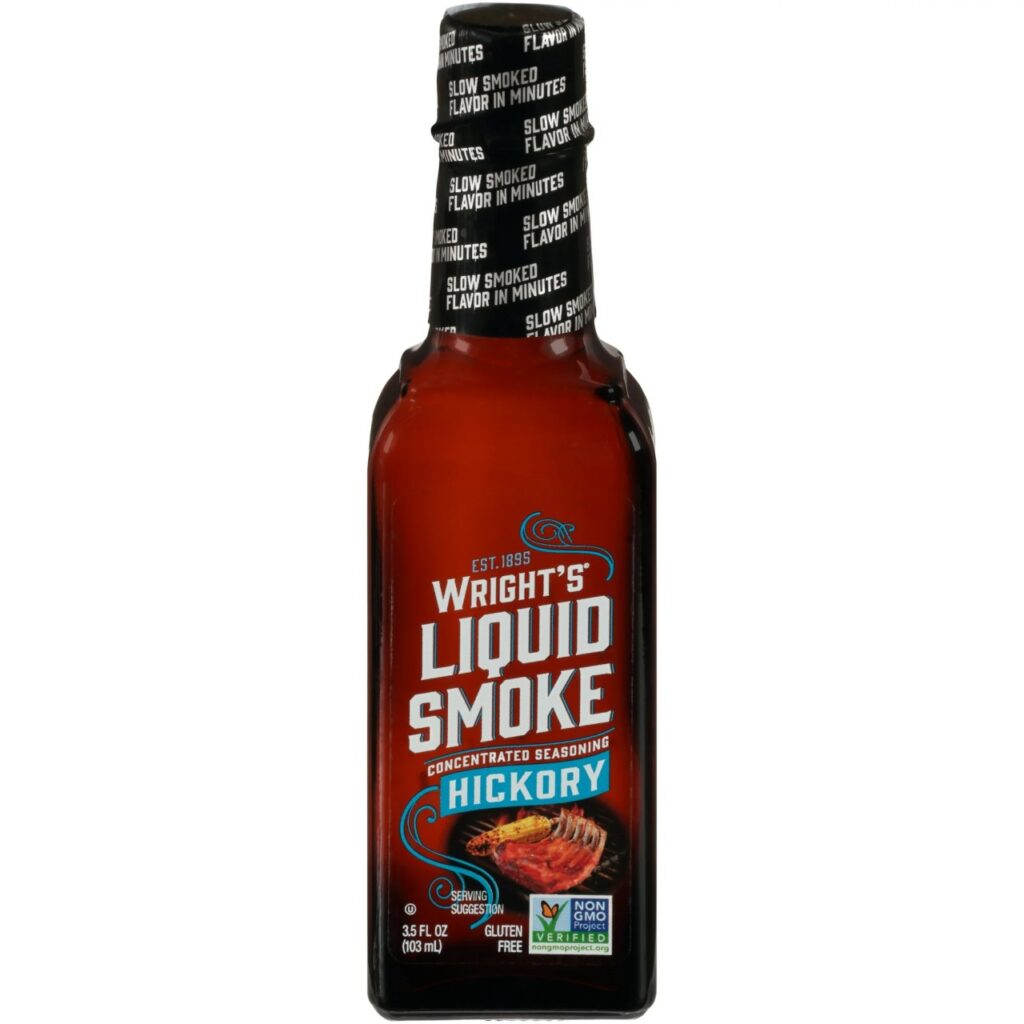
Hickory flavor extract concentrates aromatic compounds associated with burning hickory wood into a stable ingredient for sauces, marinades, and snack coatings. It allows producers to reference a specific wood identity without managing logs, fire control, or extended smoking cycles.
The extract delivers recognizable sweet and savory smoke notes that many consumers link to traditional Southern barbecue. It provides consistency across batches and helps brands signal regional character in a controlled, scalable format.
Even so, it captures only part of the smoking process. While it suggests hickory presence, it does not recreate the gradual rendering of fat, surface caramelization, or layered depth formed through prolonged exposure to real wood smoke.
7. Mesquite Flavor Concentrate
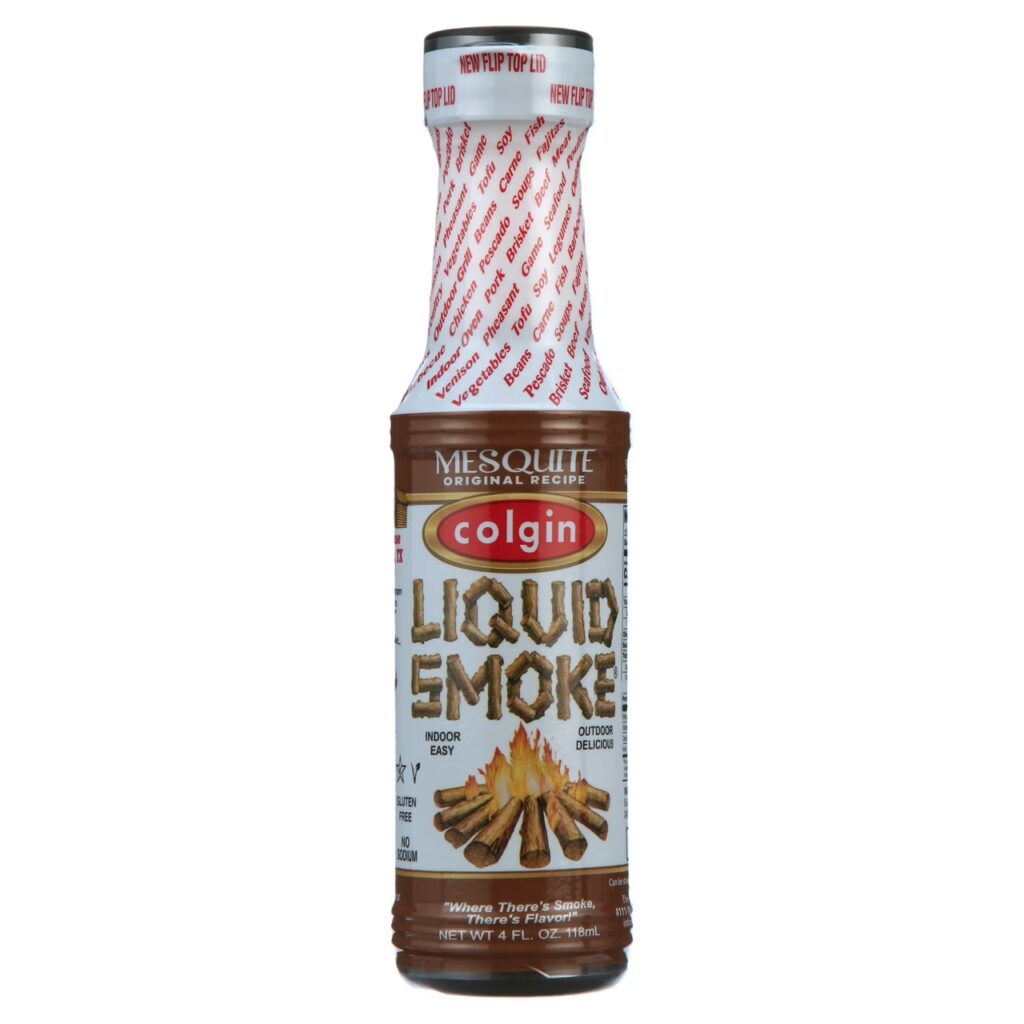
Mesquite flavor concentrate is designed to mimic the bold, earthy smoke of mesquite wood. Known for its strong and slightly sweet profile, mesquite is often associated with southwestern style barbecue and grilled meats.
The concentrate provides a pronounced flavor that stands up well to robust proteins and spice blends. It offers immediate impact without the need for actual mesquite logs, smoke management, or long cooking times.
Yet mesquite is naturally intense, and in additive form it can dominate rather than integrate. While it delivers recognizable character, it cannot fully replicate the gradual complexity and texture changes created by slow mesquite smoking.
8. Smoke Reaction Flavor Systems
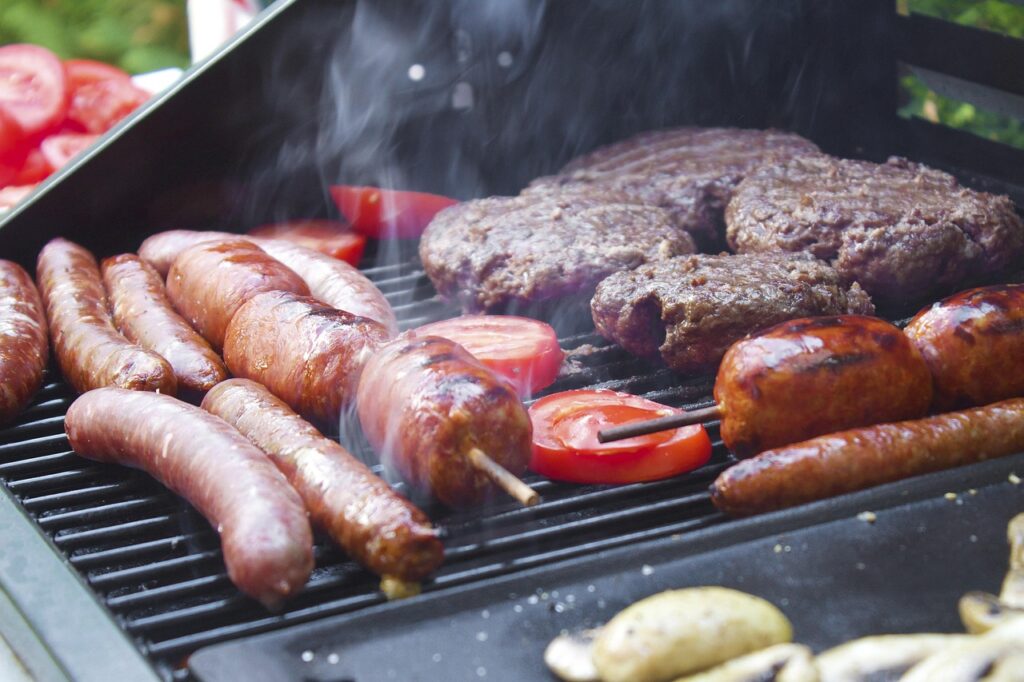
Smoke reaction flavor systems are engineered blends developed to simulate chemical reactions that occur during wood combustion and meat browning. Food scientists study smoke compounds and design ingredients that form similar molecules when heated.
Unlike simple surface additives, these systems can create more integrated smoky notes during cooking. They may also enhance color development and roasted aromas in processed meats and ready to eat products.
Still, they remain controlled simulations. They approximate key chemical markers but cannot fully mirror the layered transformation achieved through hours of exposure to real wood smoke and variable heat.9
9. Smoke Aroma Sprays
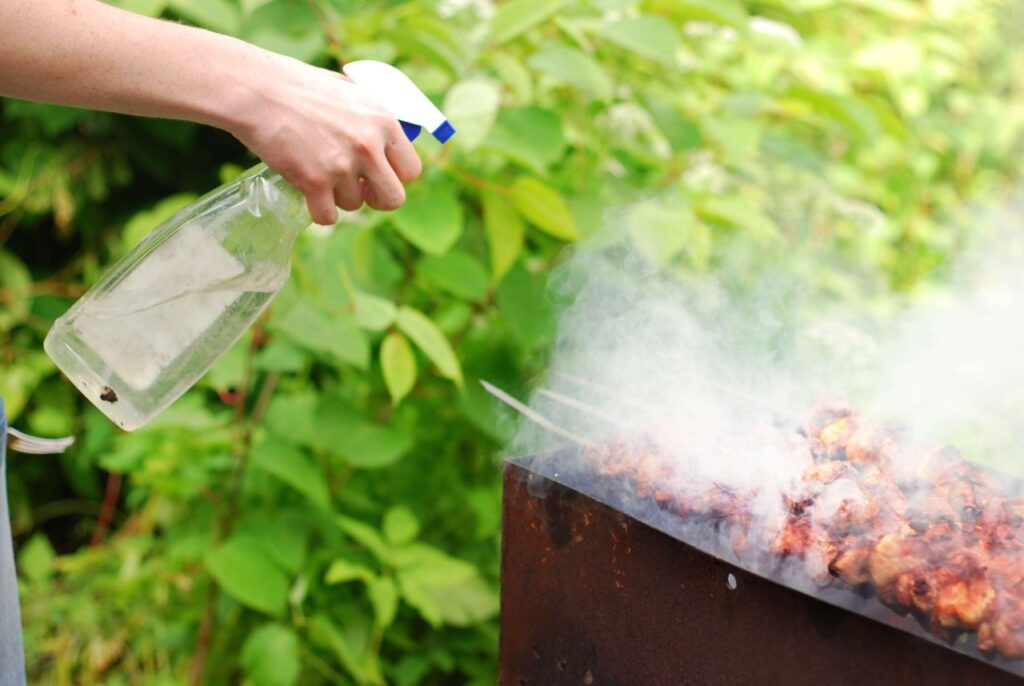
Smoke aroma sprays are atomized solutions applied after cooking or before packaging to boost perceived smokiness. They are widely used in industrial food production where traditional smoking would slow output.
Because aroma strongly influences taste perception, even a light application can create the impression of authentic wood smoke when the product is opened or first heated. It is an efficient sensory enhancement.
However, sprays primarily affect surface aroma. The volatile compounds can fade with time or reheating, and they do not alter texture or internal structure the way genuine pit smoking does.
10 . Smoked Sugar and Molasses Additives
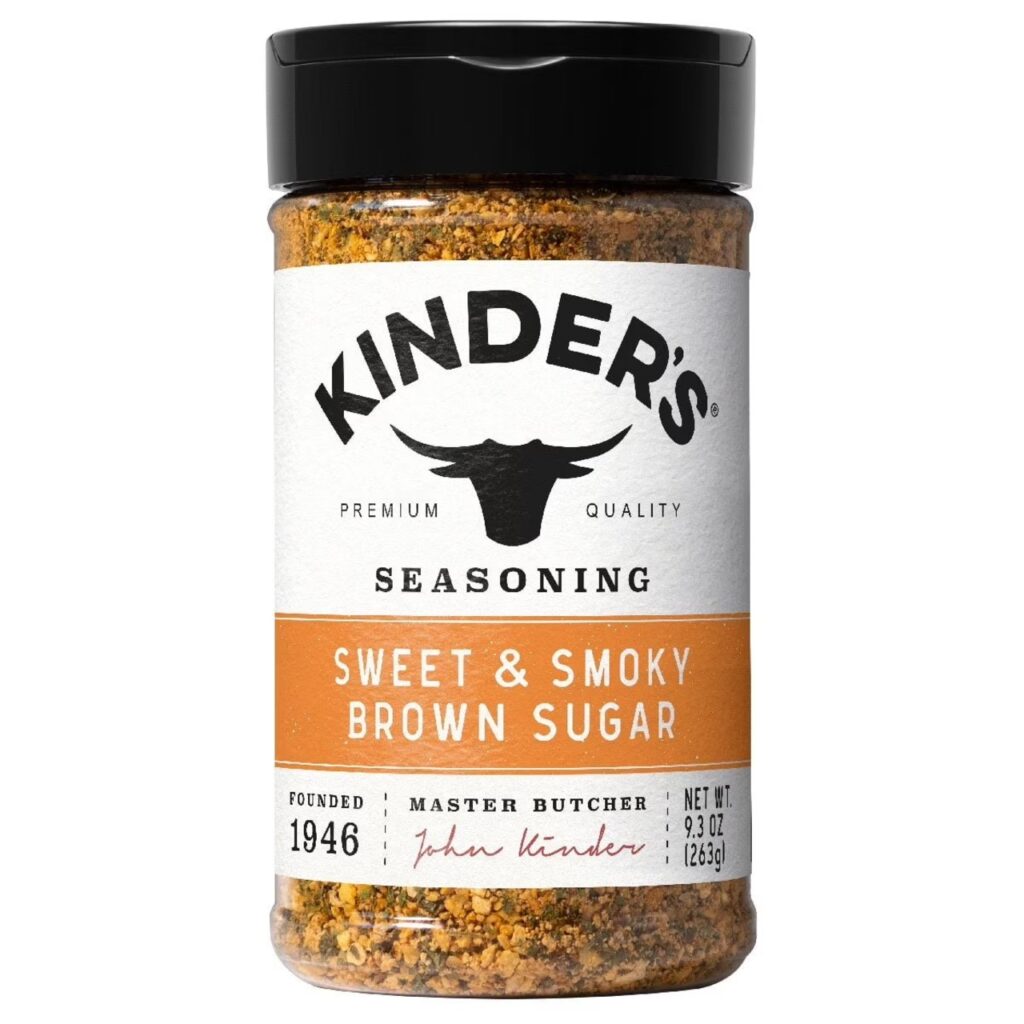
Smoked sugars and smoked molasses are sweeteners infused with smoke derived compounds so sauces and glazes carry both caramel sweetness and smoky aroma. They are common in commercial barbecue sauces and rub formulations.
These ingredients contribute gloss, depth, and a rounded flavor that consumers often associate with pit cooked meat. Combining sweetness and smoke into one component simplifies production and shortens preparation time.
Despite their appeal, they function mainly as flavor enhancers. They can imitate smoky caramel notes but do not reproduce the structural and chemical changes that develop during long exposure to real wood and steady heat.