10 Snacks Expat Kids Rarely Warm Up to in the US


Moving to the US opens expat families to a whole new snack culture filled with lunchbox classics and cafeteria favorites. Yet what feels comforting and familiar to American kids can feel confusing, overly sweet, or strangely textured to children growing up elsewhere. Taste preferences are shaped early by culture, ingredients, and daily routines, so even popular snacks do not always translate across borders. From sticky sandwiches to boldly seasoned crackers, these foods often highlight how personal food comfort really is. This list explores the everyday American snacks that expat kids frequently struggle to embrace, not out of pickiness, but because their palates were shaped somewhere else.
1. Peanut Butter and Jelly Sandwiches
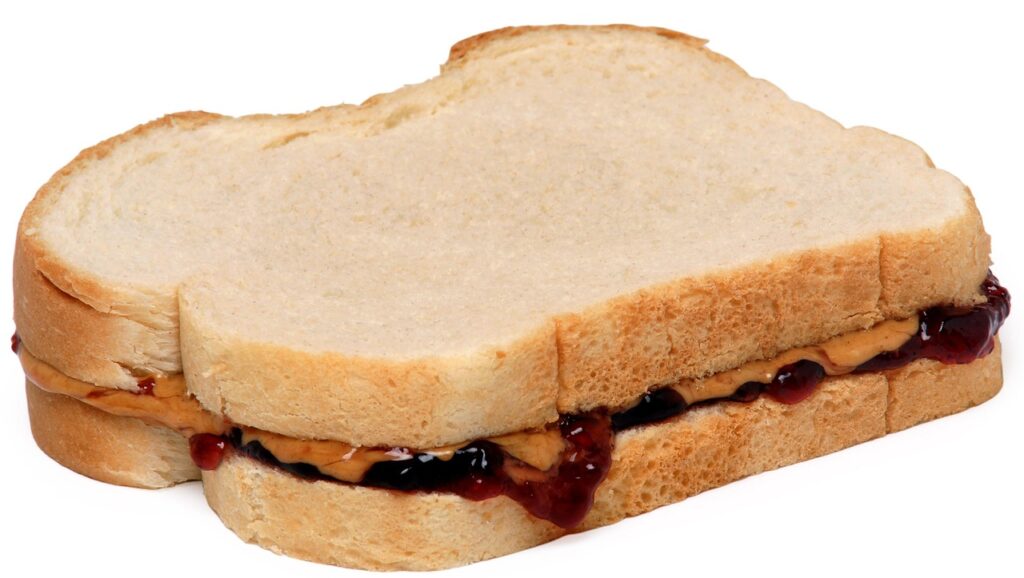
For many expat kids, this classic American snack feels confusing from the first bite. In many countries, sandwiches are savory, built around vegetables, eggs, meats, or lightly salted spreads. Peanut butter, however, is dense, sticky, and strongly roasted, which can coat the mouth in a way unfamiliar to children used to softer textures. Adding jelly introduces a sweet element that clashes with expectations of what bread should taste like. The sugar content is also noticeably higher than what many kids encounter in everyday snacks back home. Allergy rules in US schools further elevate peanut butter’s presence, making it seem unavoidable.
2. String Cheese
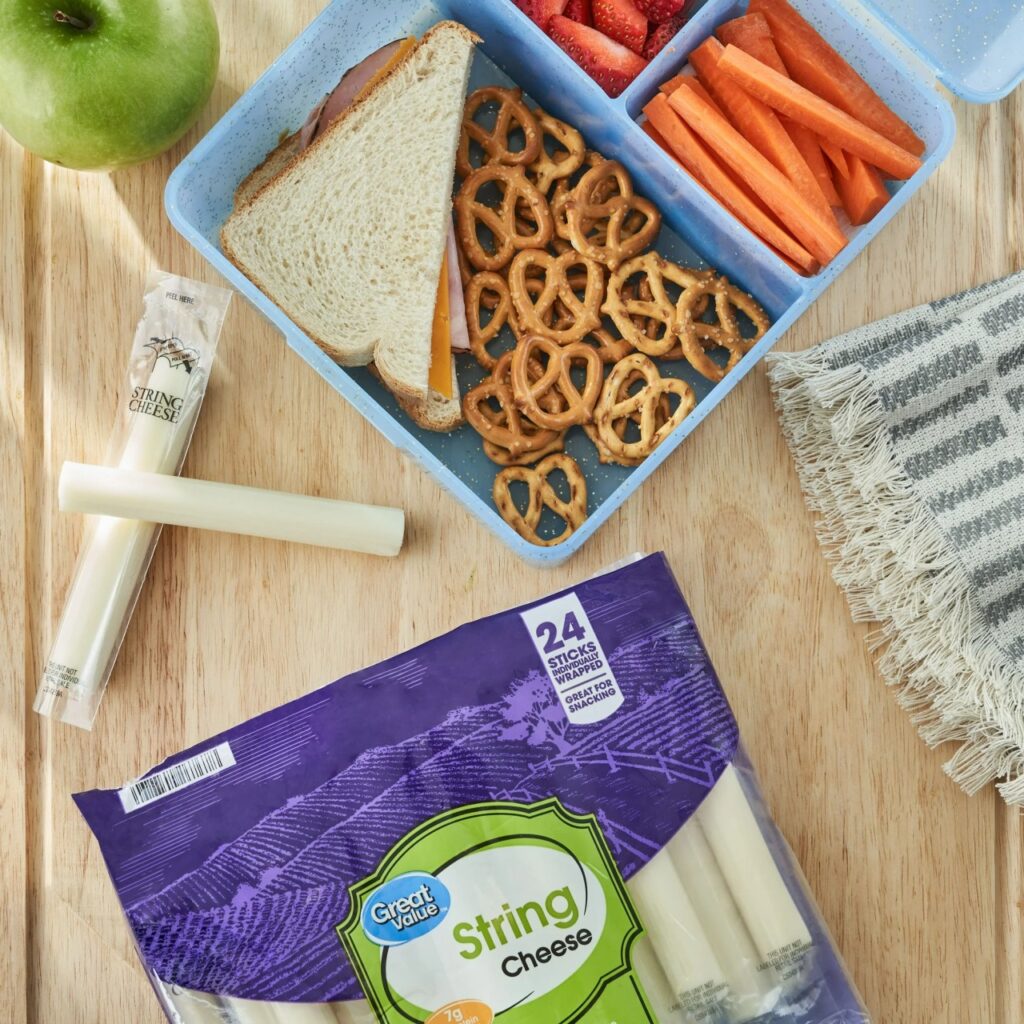
At first glance, string cheese looks playful and simple, yet many expat kids find it disappointing once tasted. In countries where cheese is eaten fresh, crumbly, or aged with a distinct flavor, processed mozzarella can feel flat and rubbery. The peeling ritual does not add appeal for children who are used to slicing or crumbling cheese as part of meals. String cheese is also eaten cold straight from the fridge, which dulls flavor even more. For kids familiar with cheese as part of warm dishes or paired with bread and fruit, this standalone snack feels incomplete. Its mildness, meant to appeal broadly, often backfires with children who expect dairy to taste richer or more complex.
3. Grape Jelly Cups
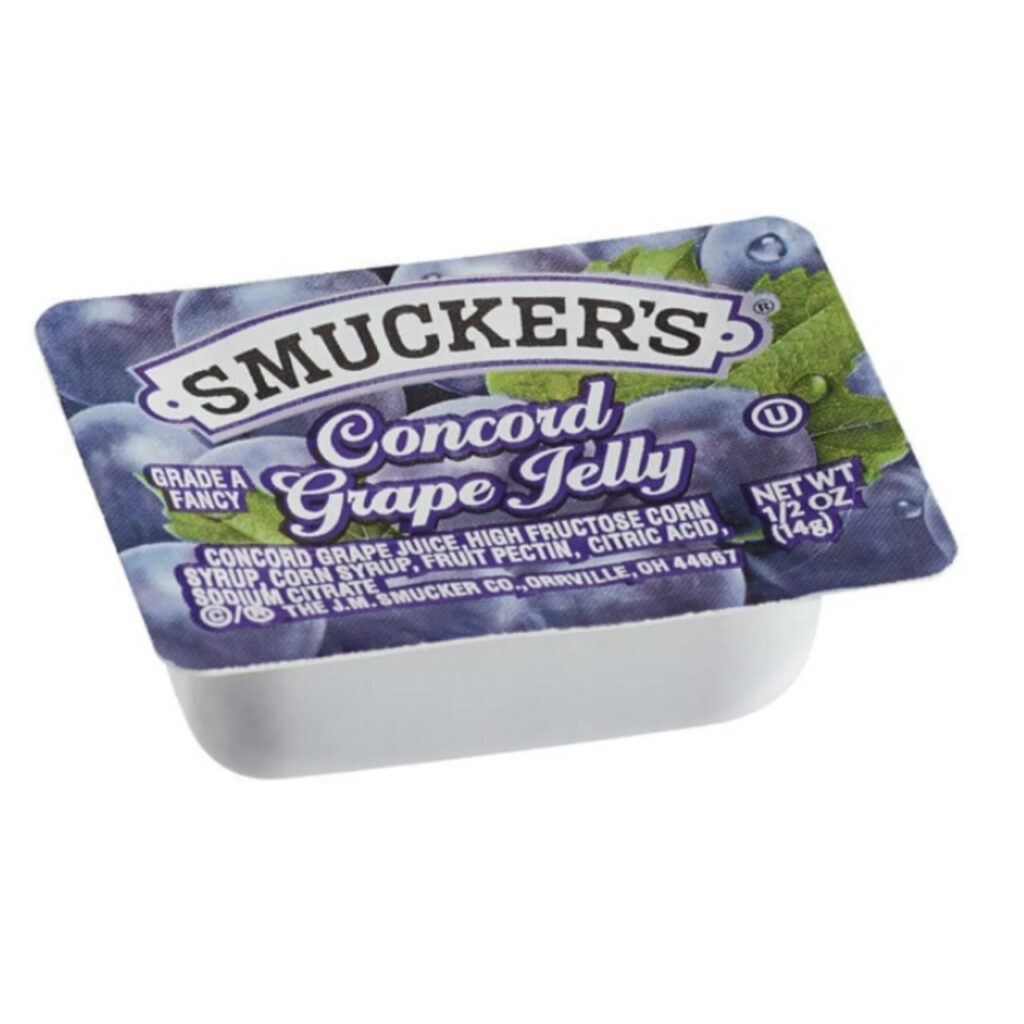
Grape flavor is one of the biggest hurdles for expat kids adjusting to American snacks. Outside the US, grapes are rarely associated with deep purple sweetness. Instead, grape jelly cups taste artificial and candy-like to children who know grapes as fresh, crisp fruit. The smooth, gelatinous texture can also feel strange compared to chunky preserves or lightly sweetened jams. Jelly cups are often served alongside savory items, which adds to the confusion. Many expat kids interpret the flavor as synthetic rather than fruity, making it hard to connect the snack with anything familiar. Even kids who enjoy sweets may avoid these cups because the taste does not match their idea of fruit.
4. Corn Dogs

Corn dogs blur food categories in a way that often unsettles expat kids. The idea of a hot dog wrapped in sweet cornbread batter challenges expectations around snacks, meals, and desserts. In many cultures, fried foods are savory and rarely sweetened, especially when paired with meat. The cornbread coating adds sugar and a cake-like texture that contrasts sharply with the salty sausage inside. This combination can feel disjointed rather than comforting. For children adjusting to American food culture, the issue is not just taste, but the difficulty of understanding what this snack is meant to be.
5. Cheese Puffs
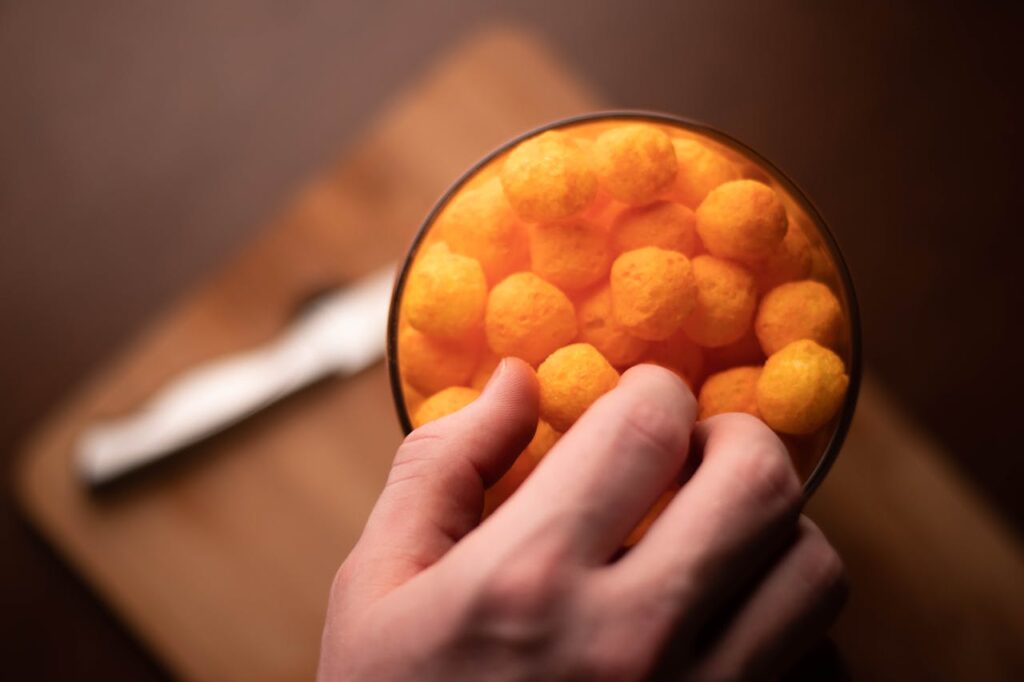
Cheese puffs make a strong first impression, and not always a good one. Their bright orange color signals artificiality to kids used to natural-looking snacks. The airy crunch quickly dissolves into powder, leaving residue on fingers and teeth, which many children find unpleasant. Flavor-wise, the intense cheese taste does not resemble real cheese, especially to kids familiar with dairy products that are subtle and balanced. Cheese puffs are also heavily salted, which can overwhelm younger palates. For expat kids, the snack often feels messy, loud in flavor, and oddly unsatisfying. Instead of comfort, it delivers sensory overload.
6. Pop-Tarts

Pop-Tarts challenge how many expat kids define snacks and breakfast foods. These pastries are sweet, frosted, and shelf-stable, which contrasts with the fresh breads or warm breakfasts many children know. Eaten cold or toasted, they often taste dry despite their sugary filling. The sweetness dominates, while the pastry itself lacks the softness kids expect from baked goods. For children from cultures where sweets are reserved for desserts or special occasions, Pop-Tarts feel excessive for daily eating. The packaging and long shelf life also signal processed food in a way that can create hesitation.
7. Ranch-Flavored Crackers
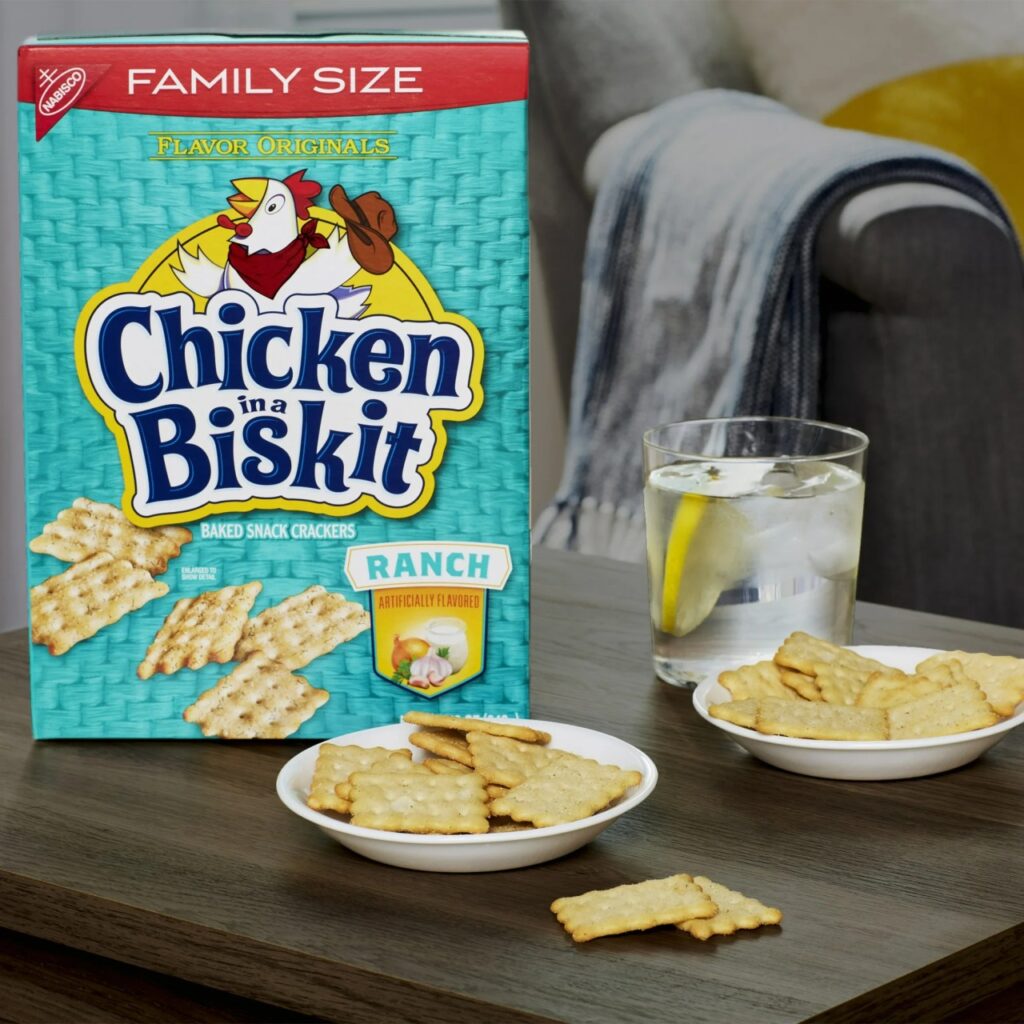
Ranch seasoning is deeply rooted in American taste preferences, but it can be baffling to expat kids. The blend of tangy buttermilk flavor, herbs, garlic, and onion is unlike most global snack seasonings. For children unfamiliar with ranch dressing, the taste has no reference point, making it harder to enjoy. Crackers themselves are neutral, but ranch coating adds a sharpness that can linger on the tongue. Many expat kids describe the flavor as sour or medicinal rather than savory. Since ranch appears on many snacks and vegetables, repeated exposure can feel unavoidable. Acceptance often comes slowly, if at all.
8. Beef Jerky
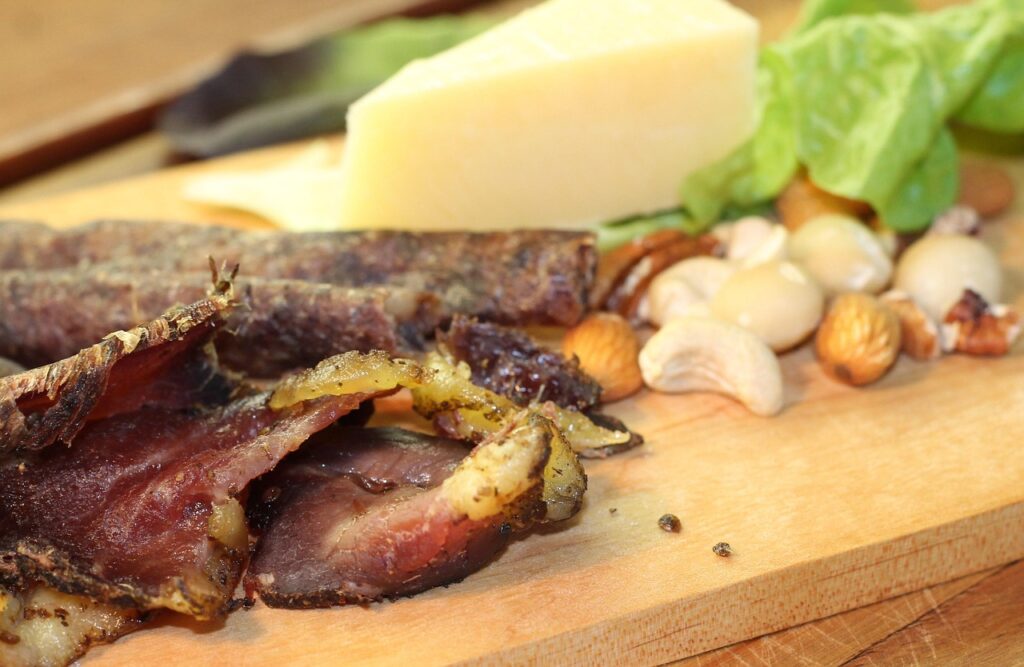
Beef jerky introduces both texture and flavor challenges for expat kids. The meat is dry, chewy, and requires sustained effort to eat, which contrasts with the soft snacks many children prefer. In cultures where meat is usually served fresh and tender, dried meat feels unfamiliar and sometimes unappealing. Jerky is also heavily seasoned with salt, smoke, and sometimes sugar, creating a bold flavor profile. The idea of eating cold, preserved meat straight from a bag can be off-putting. While jerky is valued in the US for convenience and protein, expat kids often see it as tough and tiring rather than satisfying.
9. Marshmallow Treats

Marshmallow-based snacks introduce textures that many expat kids have never encountered. Marshmallows are airy yet sticky, and when combined with cereal, they create a chew that feels unnatural to some children. The sweetness level is also high, especially for kids from cultures where desserts are less sugary. These treats often lack contrast in flavor, tasting mostly of sugar rather than distinct ingredients. For children who associate snacks with nourishment rather than indulgence, marshmallow treats feel empty and overly processed. Even those who enjoy sweets may lose interest quickly because the texture becomes cloying after a few bites.
10. Flavored Milk
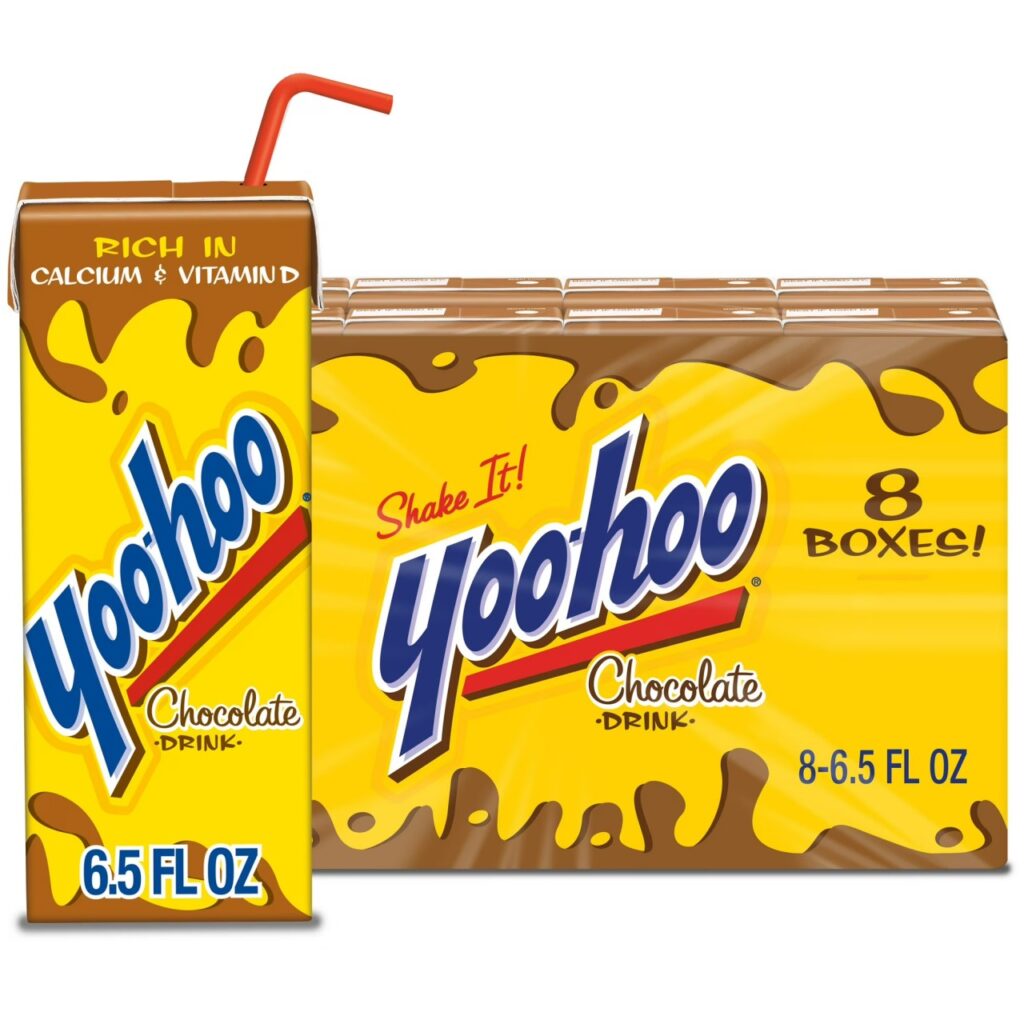
Flavored milk in schools surprises many expat kids because milk is often seen as a plain, neutral drink. Chocolate or strawberry versions add sugar and artificial flavor that can feel unnecessary. For children used to milk as a simple accompaniment to meals, flavored milk blurs the line between beverage and dessert. The sweetness can mask the taste of milk itself, which some kids find unsettling. Regular exposure in school settings may also create pressure to accept it as normal. While some children eventually adapt, many continue to prefer plain milk, viewing flavored versions as too rich for everyday drinking.