10 Ginger Forward Recipes That Feel Warming Without Overpowering

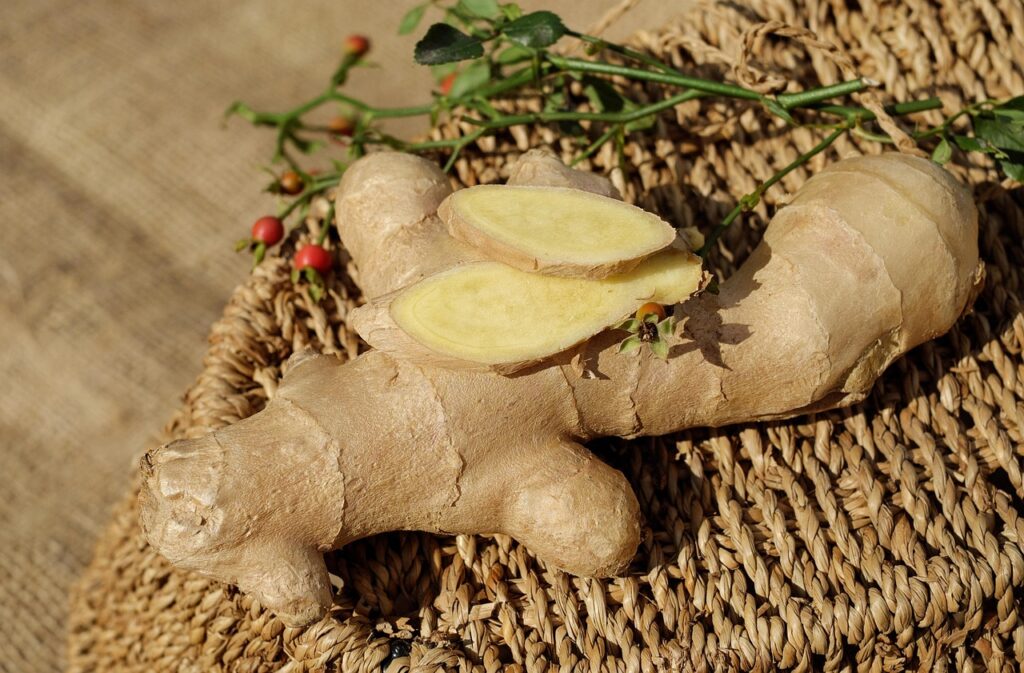
Ginger has a unique ability to warm without burning when it is used with intention. In the right recipes, it adds depth, aroma, and comfort rather than sharp heat. These dishes rely on technique, balance, and supporting ingredients like fat, starch, and sweetness to soften ginger’s edge. Whether simmered in soups, folded into desserts, or blended into savory meals, ginger enhances flavor without taking over. These recipes show how ginger can feel cozy and restorative, delivering warmth that lingers gently instead of demanding attention.
1. Ginger Carrot Soup
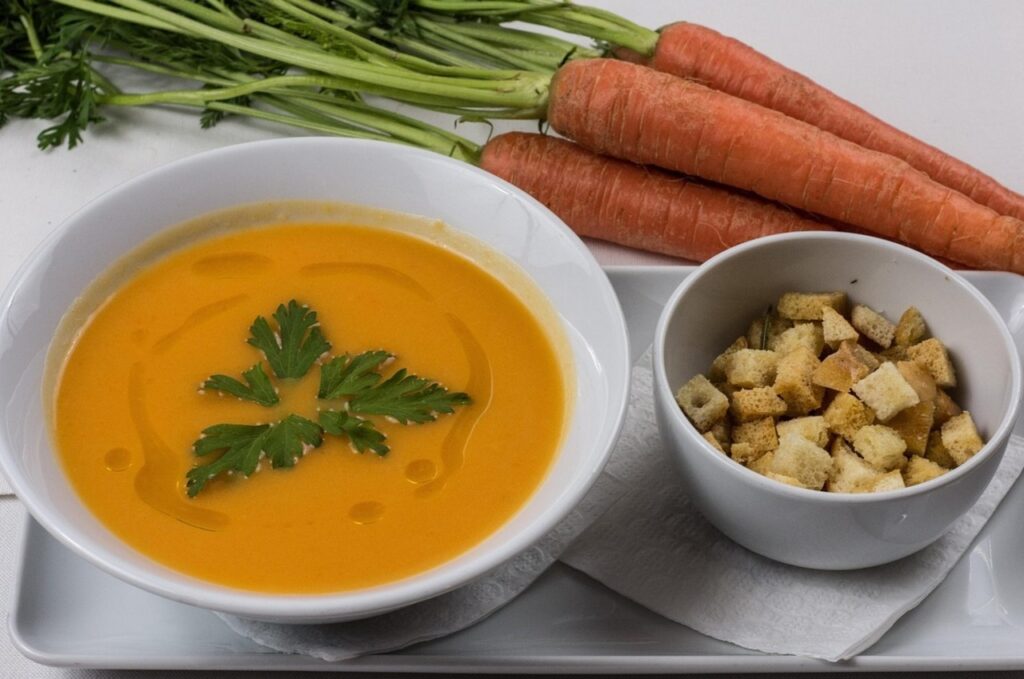
Ginger carrot soup is a lesson in how warmth does not need to announce itself loudly. The natural sweetness of carrots creates a soft base that welcomes ginger rather than competes with it. When ginger is sautéed briefly with onions or shallots, its sharp edges mellow into something round and aromatic. Blending the soup smooths everything together, spreading the ginger evenly so no single spoonful feels aggressive. The heat from ginger shows up as a gentle glow rather than a burn. This balance is why the soup feels comforting instead of medicinal. Carrots also contain natural sugars that soften ginger’s bite during cooking.
2. Ginger Turmeric Tea
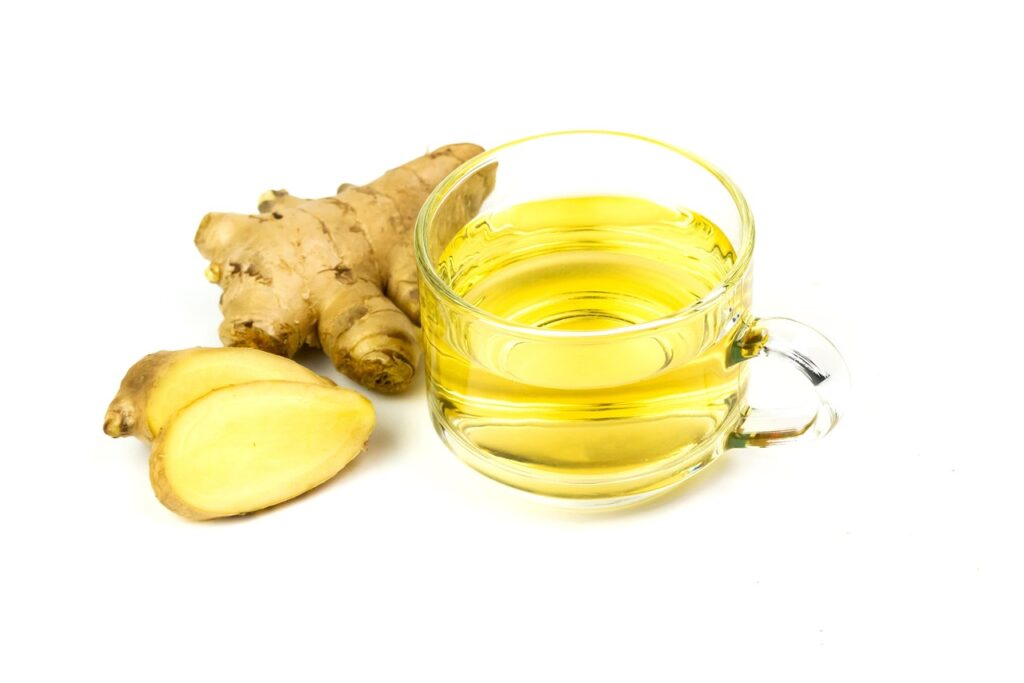
Ginger turmeric tea works because both ingredients share warming qualities but express them differently. Ginger brings brightness and gentle heat, while turmeric adds earthiness and depth. When simmered together slowly, ginger releases warmth without sharpness, especially when sliced rather than grated. Adding honey or lemon rounds out the flavor, keeping the tea soothing rather than intense. The liquid format also dilutes ginger’s strength, allowing its aroma to rise without overwhelming the palate. This tea feels warming because it stimulates circulation subtly rather than aggressively. It is often described as comforting rather than spicy.
3. Asian Ginger Beef Stir Fry
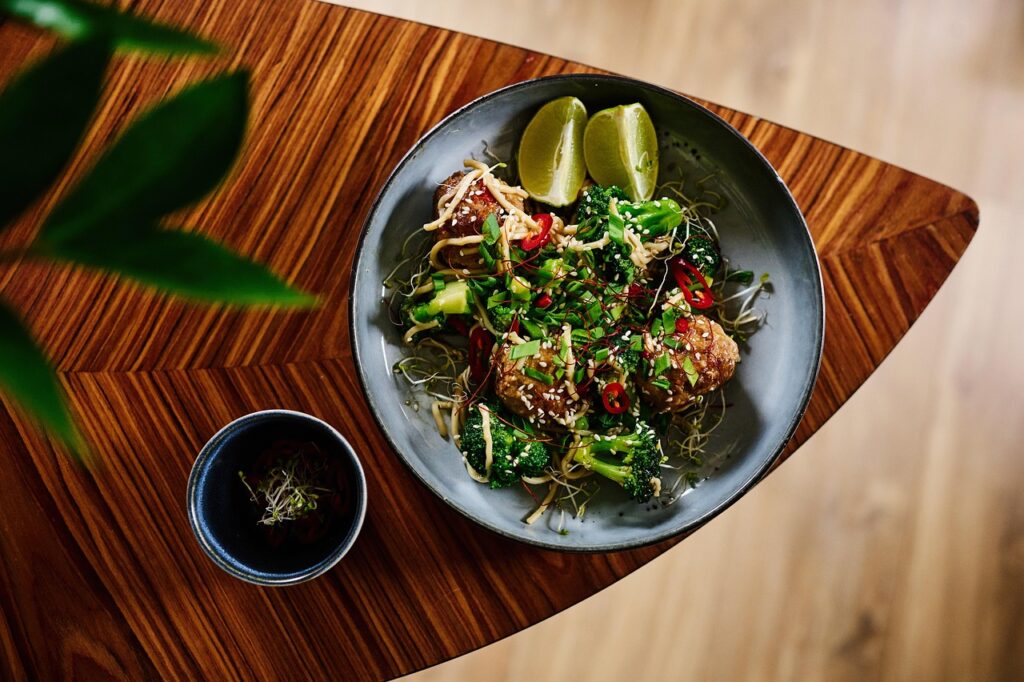
In a ginger-forward beef stir fry, ginger functions as an aromatic rather than a heat source. Thinly sliced or grated ginger is cooked briefly in hot oil, releasing fragrance before bitterness can develop. Beef provides richness and fat, which absorbs ginger’s intensity and spreads it evenly throughout the dish. Soy sauce, garlic, and a touch of sweetness further soften ginger’s edge. Because stir-fries cook quickly, ginger never has time to dominate. Instead, it lifts the entire dish, making it feel warmer and more savory. The result is a meal that feels energizing without being spicy, where ginger enhances rather than competes.
4. Ginger Molasses Cookies

Ginger molasses cookies demonstrate how ginger can warm from within rather than from the surface. Molasses adds depth and sweetness that anchors ginger’s spice. Baking transforms ginger’s sharpness into something rounded and fragrant. The fat and sugar in the dough slow how ginger registers on the palate, turning heat into comfort. These cookies feel warming because the spice unfolds gradually as you chew. Cinnamon and cloves often support ginger, creating balance instead of competition. The result is a cookie that feels cozy rather than fiery, making it easy to enjoy more than one without fatigue.
5. Ginger Miso Noodle Soup
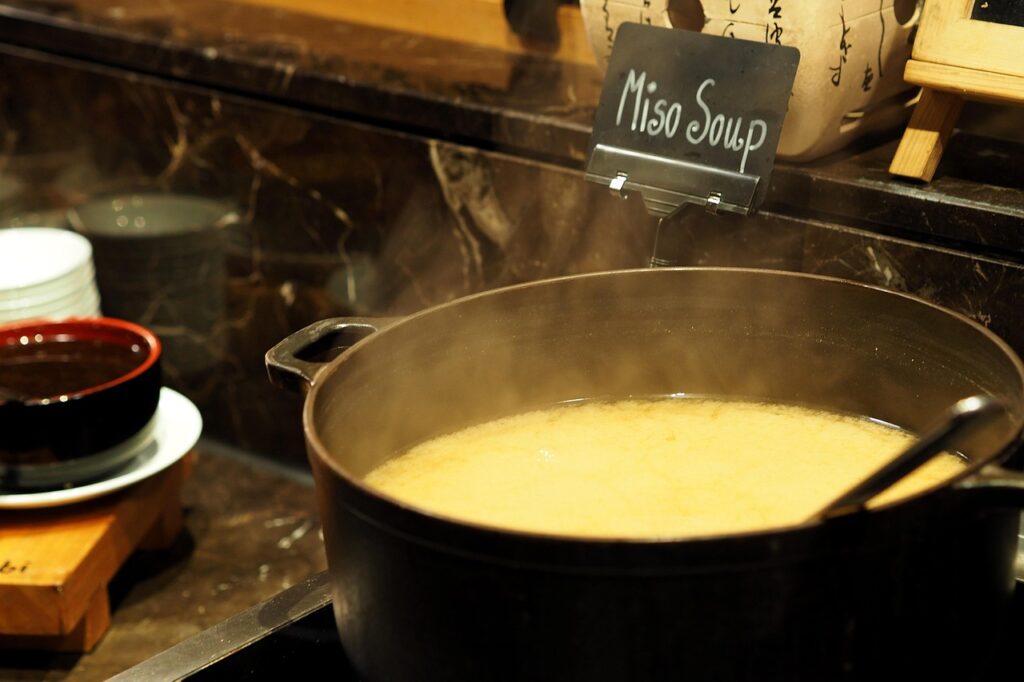
Ginger miso noodle soup shows how ginger blends seamlessly into umami-driven dishes. Miso provides savory depth that grounds ginger’s brightness. When ginger is simmered gently in broth, it releases warmth without sharpness. Noodles absorb the broth, spreading flavor evenly rather than concentrating it. The soup feels warming because it is layered, not because it is spicy. Ginger enhances circulation and aroma, while miso and broth provide body. This balance makes the soup comforting and restorative. Ginger never overwhelms because it is supported by salt, fermentation, and starch. As the soup rests, the flavors continue to soften and integrate.
6. Ginger Scallion Chicken
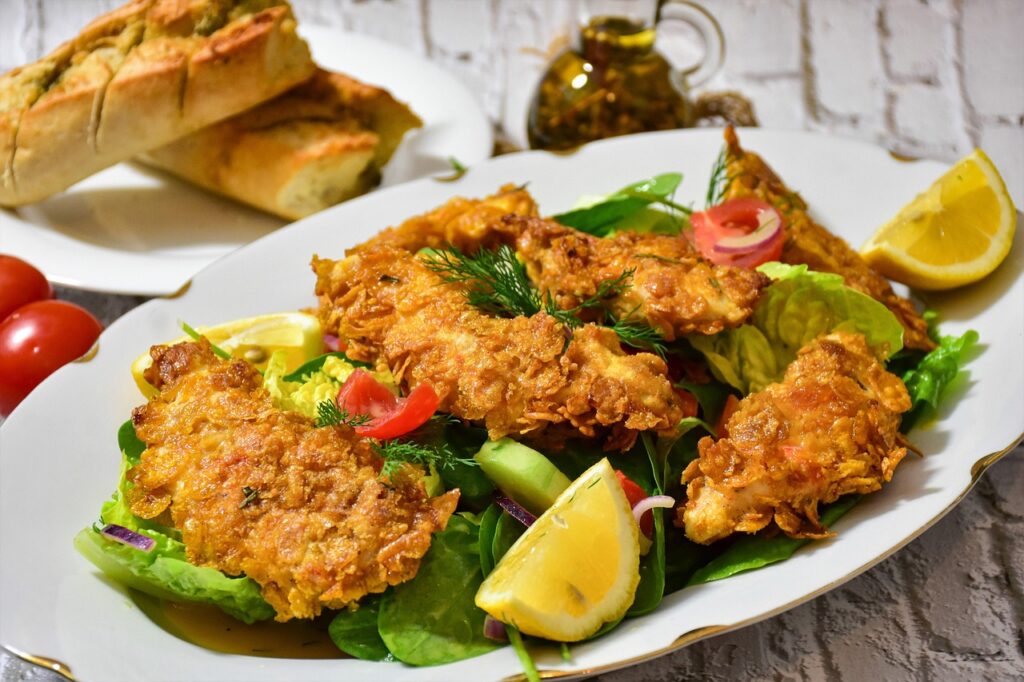
Ginger scallion chicken relies on restraint rather than quantity. Ginger is often finely minced or sliced and cooked gently with oil, releasing fragrance without bitterness. Scallions add sweetness and freshness that soften ginger’s bite. Chicken provides a neutral protein that carries flavor without amplifying heat. Because the dish is simple, ginger’s role is clear but controlled. It warms the dish by enhancing aroma and digestion rather than adding spice. The result is a clean-tasting meal that feels comforting and light. Ginger works quietly here, improving depth without demanding attention.
7. Ginger Poached Pears

Poached pears highlight ginger’s softer side. When ginger simmers in liquid with fruit, its heat diffuses into sweetness rather than intensity. Pears absorb flavor slowly, which prevents ginger from concentrating in one place. The gentle cooking process transforms ginger into something floral and warming. Sugar and natural fruit juices buffer any sharpness. This dessert feels warming because it comforts rather than stimulates. Ginger supports the pears instead of competing with them. The balance makes the dish feel elegant and calm, not spicy or bold. Served warm, the flavors feel rounded and complete. Ginger lingers quietly rather than leading.
8. Ginger Coconut Lentil Curry
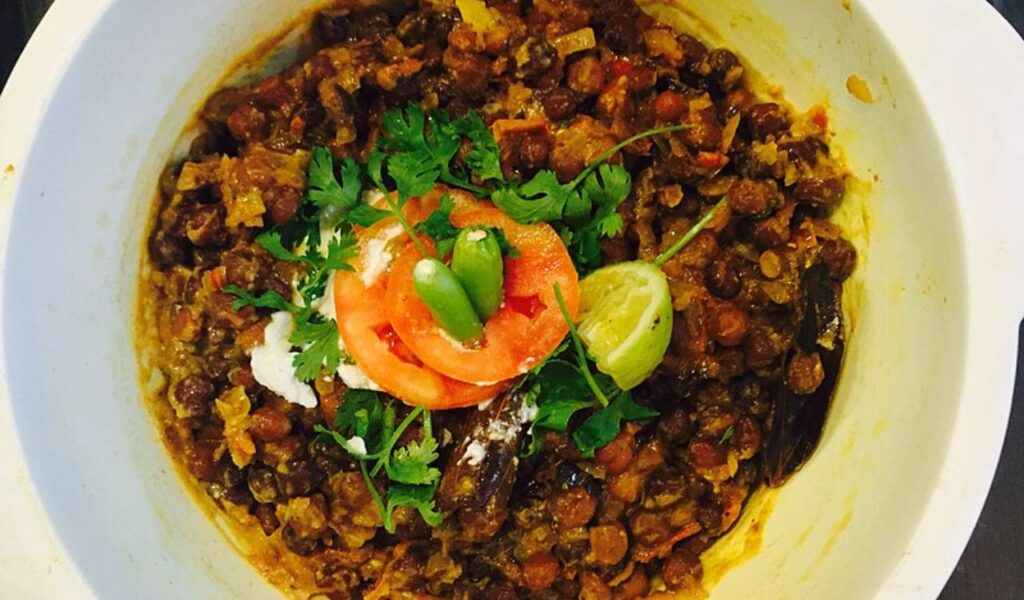
Ginger coconut lentil curry shows how fat and starch can tame spice. Coconut milk coats the palate, softening ginger’s heat immediately. Lentils absorb liquid and spread flavor evenly, preventing sharp spikes. Ginger adds warmth that builds slowly rather than hitting all at once. Spices like cumin or coriander support ginger without amplifying it. The curry feels warming because it is rich and steady, not because it is hot. Ginger enhances digestion and aroma, while coconut provides comfort. This combination makes the dish satisfying without overwhelming the senses. As the curry thickens, ginger becomes even more integrated.
9. Ginger Honey Glazed Carrots
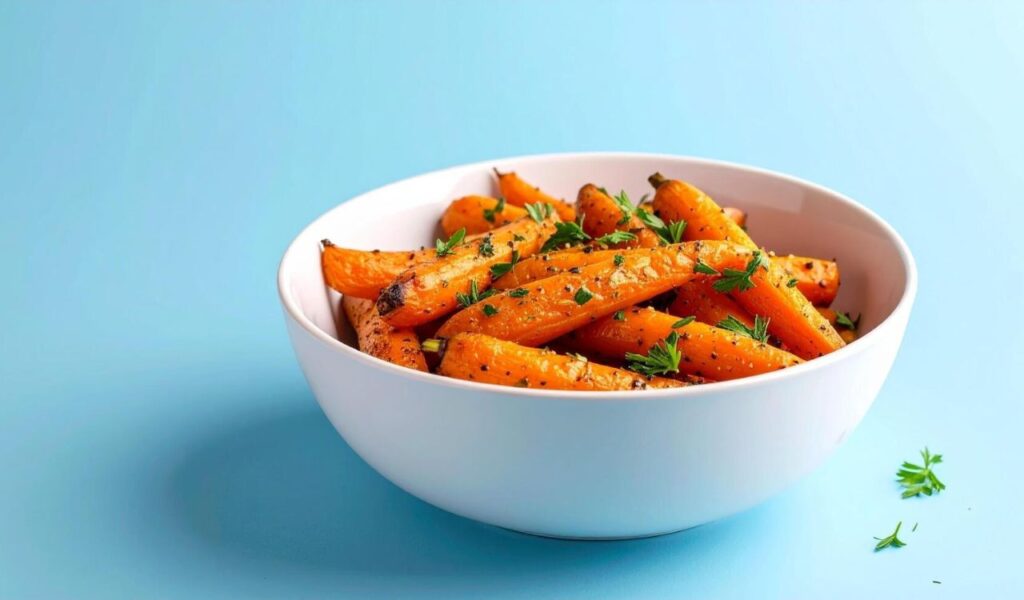
In ginger-honey-glazed carrots, ginger acts as a bright counterpoint to sweetness. Honey softens ginger’s edge while carrots reinforce natural sugars. Cooking ginger gently in a glaze prevents bitterness and sharpness. The glaze coats the vegetables evenly, distributing warmth rather than concentrating it. This dish feels warming because the sweetness carries spice slowly across the palate. Ginger never dominates because it is balanced by sugar and moisture. The result is a side dish that feels cozy and lively at the same time. The warmth registers gradually with each bite. Ginger enhances rather than interrupts the natural flavor of the carrots.
10. Ginger Peach Crisp
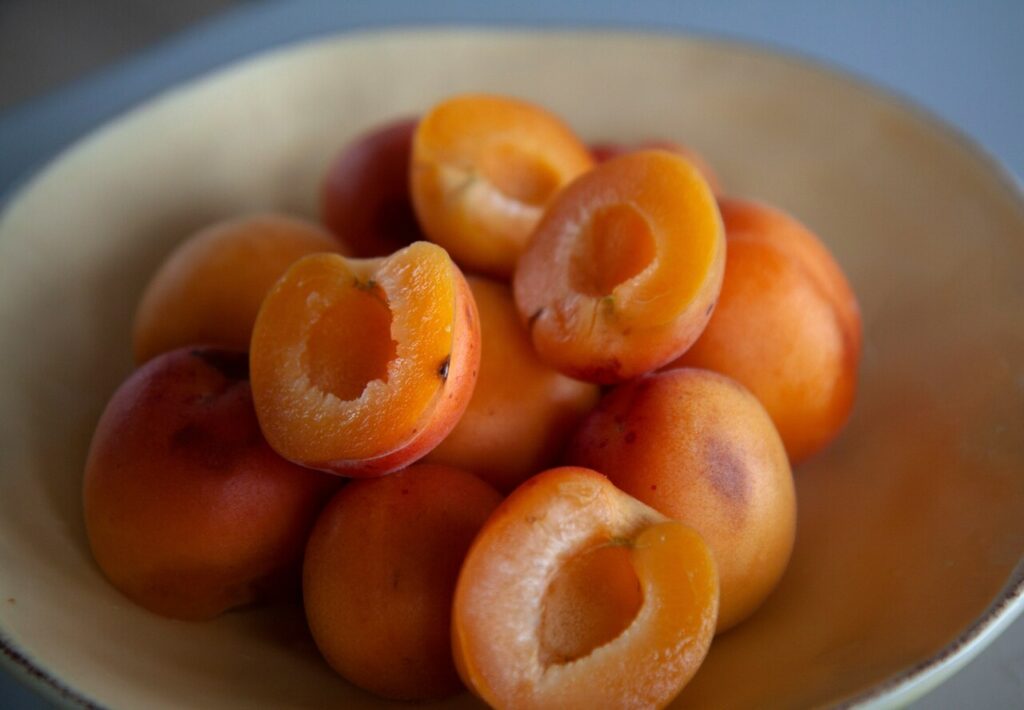
Ginger peach crisp relies on contrast and timing. Ginger is mixed into fruit rather than topping it, allowing warmth to spread through the filling. Peaches release juices as they bake, diluting ginger and mellowing its bite. The crisp topping adds fat and texture that further softens the spice. Ginger becomes aromatic rather than hot, complementing fruit sweetness. This dessert feels warming because the spice lingers gently rather than striking sharply. Ginger adds depth without overshadowing peaches, creating comfort instead of intensity. The baked fruit carries warmth evenly throughout the dish. Each spoonful feels balanced and reassuring.