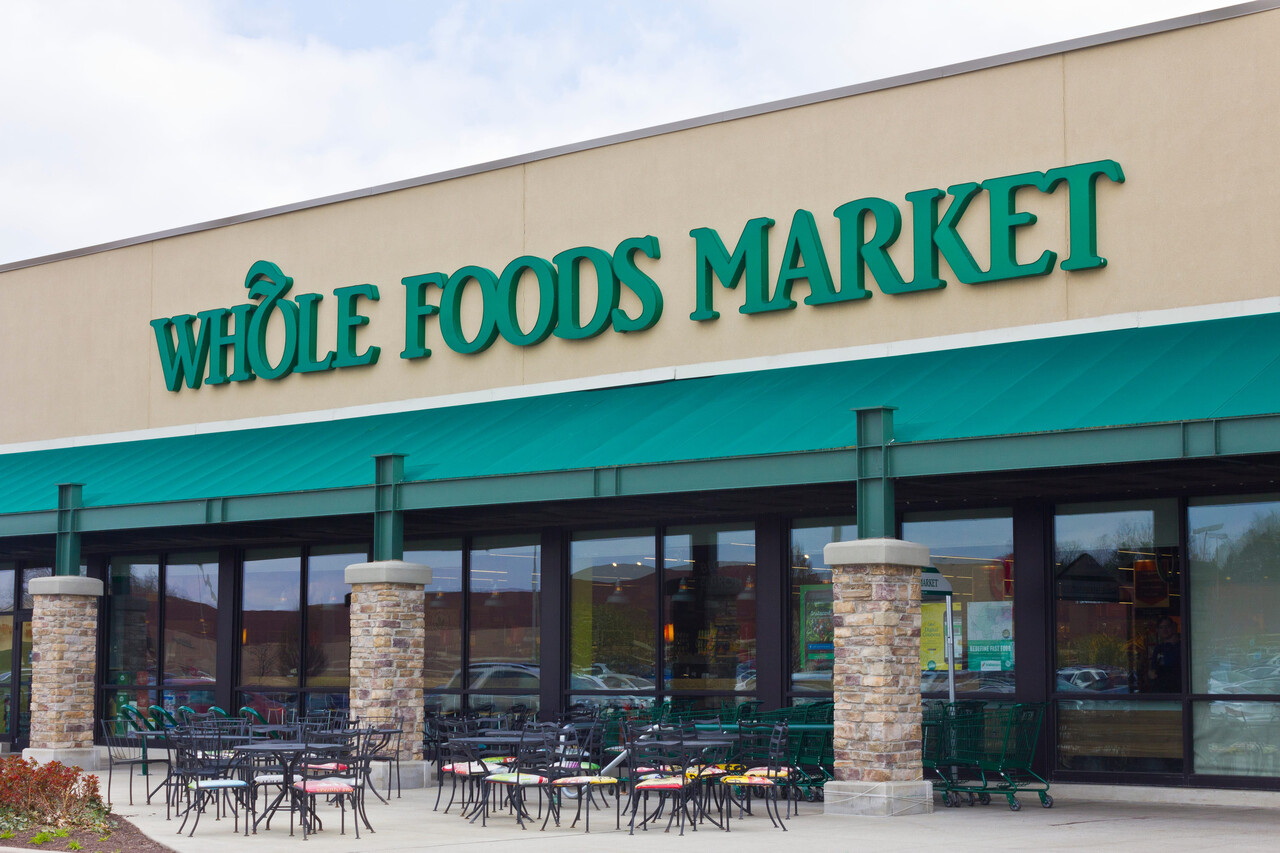
The Family Feud That Led to the Birth of Aldi and Trader Joe’s

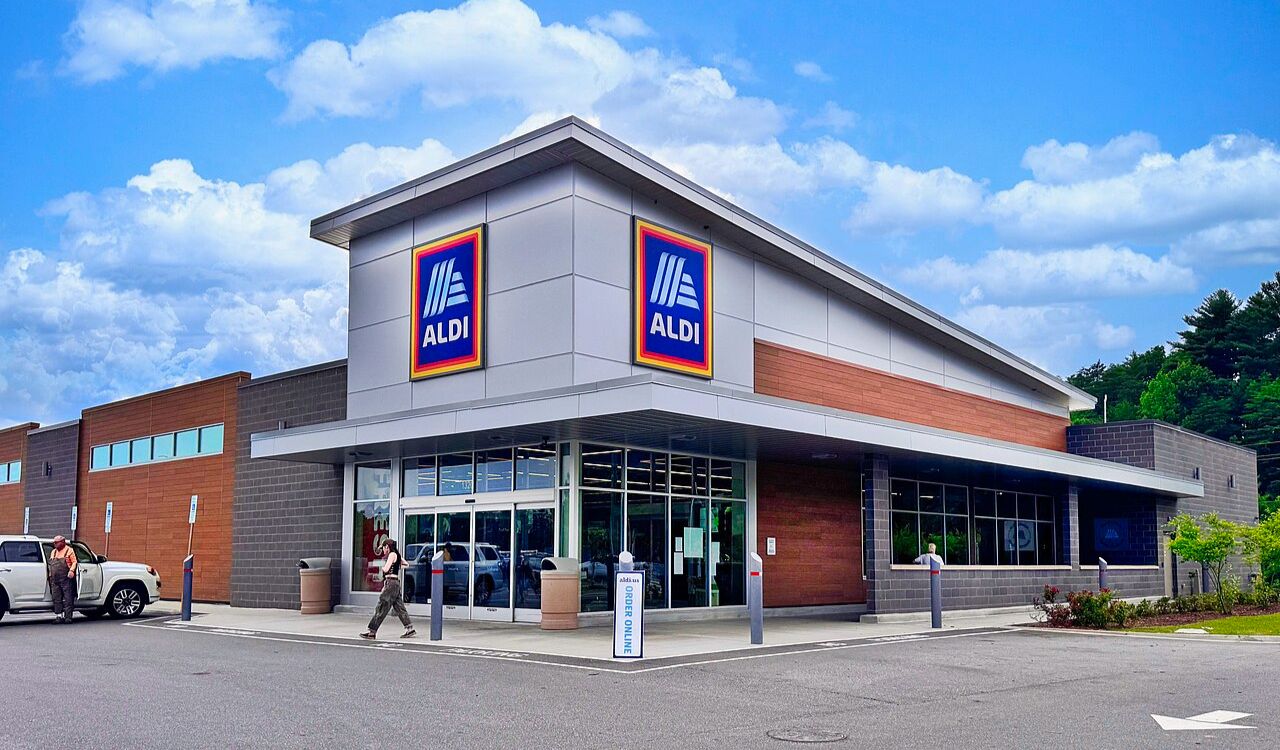
Few shoppers realize that two of the most recognizable grocery brands in the world were shaped by a deeply personal disagreement between brothers. Aldi and Trader Joe’s are often discussed together because of their shared emphasis on private labels and value pricing, but their connection runs much deeper. Both trace their roots to a small family grocery business in Germany and a decisive split that permanently altered the global grocery landscape. What began as a business disagreement inside one family ultimately produced two distinct retail models that now influence how millions of Americans shop for food.
The Albrecht Family and the Origins of Aldi

The story begins in Essen, Germany, where Anna Albrecht opened a small grocery store in 1913. The shop focused on basic household food items and affordability. After World War II, her sons Karl and Theo Albrecht took over operations in a country still recovering from widespread destruction and food shortages. Consumers were highly price conscious, and the brothers responded by running stores that prioritized efficiency, limited selection, and low margins. By the 1950s, the Albrecht brothers had expanded their discount grocery concept across western Germany. Their approach was unusually disciplined.
The Dispute That Split the Company in Two
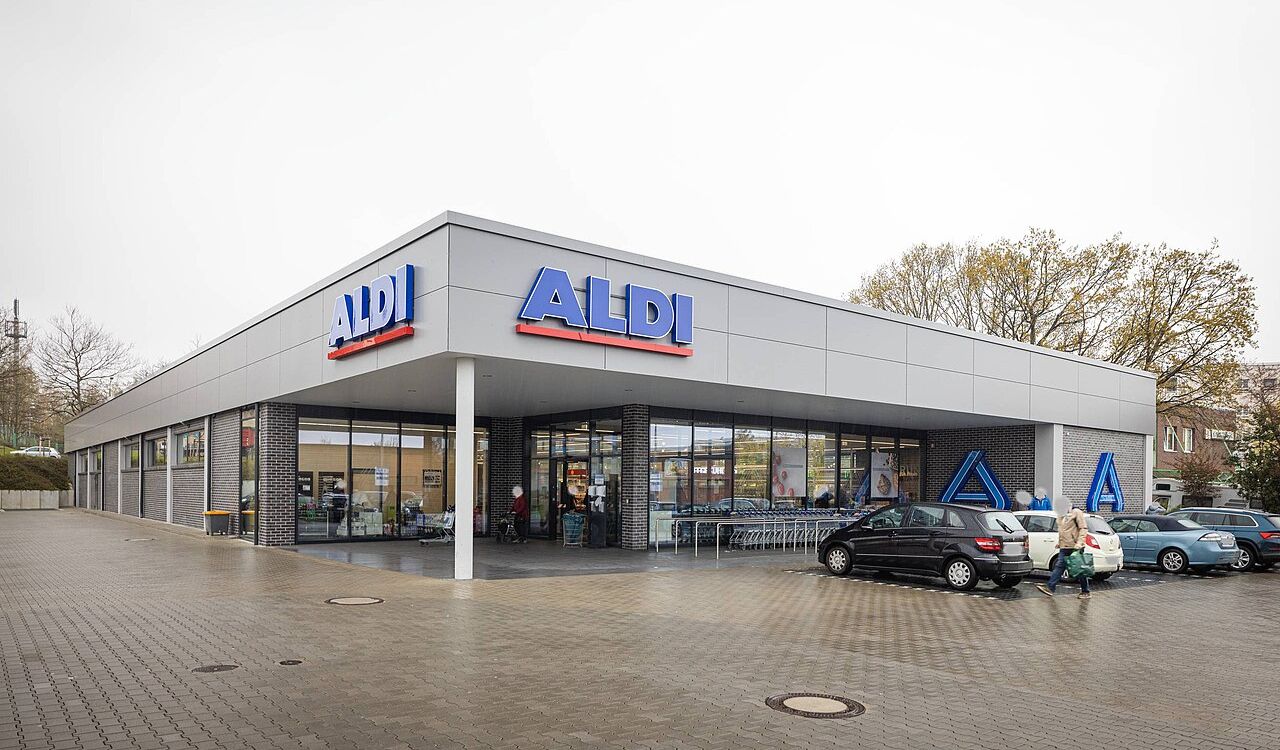
Despite their shared philosophy, Karl and Theo Albrecht disagreed sharply over whether Aldi stores should sell cigarettes. Cigarettes were profitable and popular with customers, but they also raised concerns about theft, regulation, and operational complexity. Karl favored selling cigarettes as a way to meet consumer demand. Theo strongly opposed the idea, believing it conflicted with Aldi’s tightly controlled model. Rather than compromise, the brothers chose separation. In 1961, they divided the company into two independent groups.
Aldi Nord, led by Theo, operated stores in northern Germany. Aldi Süd, led by Karl, controlled southern Germany. The split was geographic, legal, and permanent. From that point forward, the two companies operated independently, sharing a name and philosophy but no management structure. The brothers maintained intensely private lives after the split and rarely appeared together in public. The decision allowed each side to pursue its own strategy without interference, shaping the future of discount grocery retail in unexpected ways.
How Two Aldis Took Different Global Paths

Following the split, both Aldi Nord and Aldi Süd expanded internationally, but their expansion strategies differed. Aldi Süd focused on aggressive global growth. In 1976, it opened its first U.S. store in Iowa, marking Aldi’s entry into the American market. Over time, Aldi Süd expanded rapidly across the United States, emphasizing ultra low prices, small store footprints, and private label dominance. Aldi Nord took a different approach. Rather than launching its own brand in the U.S., it entered the market through acquisition. In 1979, Aldi Nord purchased Trader Joe’s, a small but distinctive grocery chain based in California.
Trader Joe’s Emerges as a Different Kind of Grocery Store
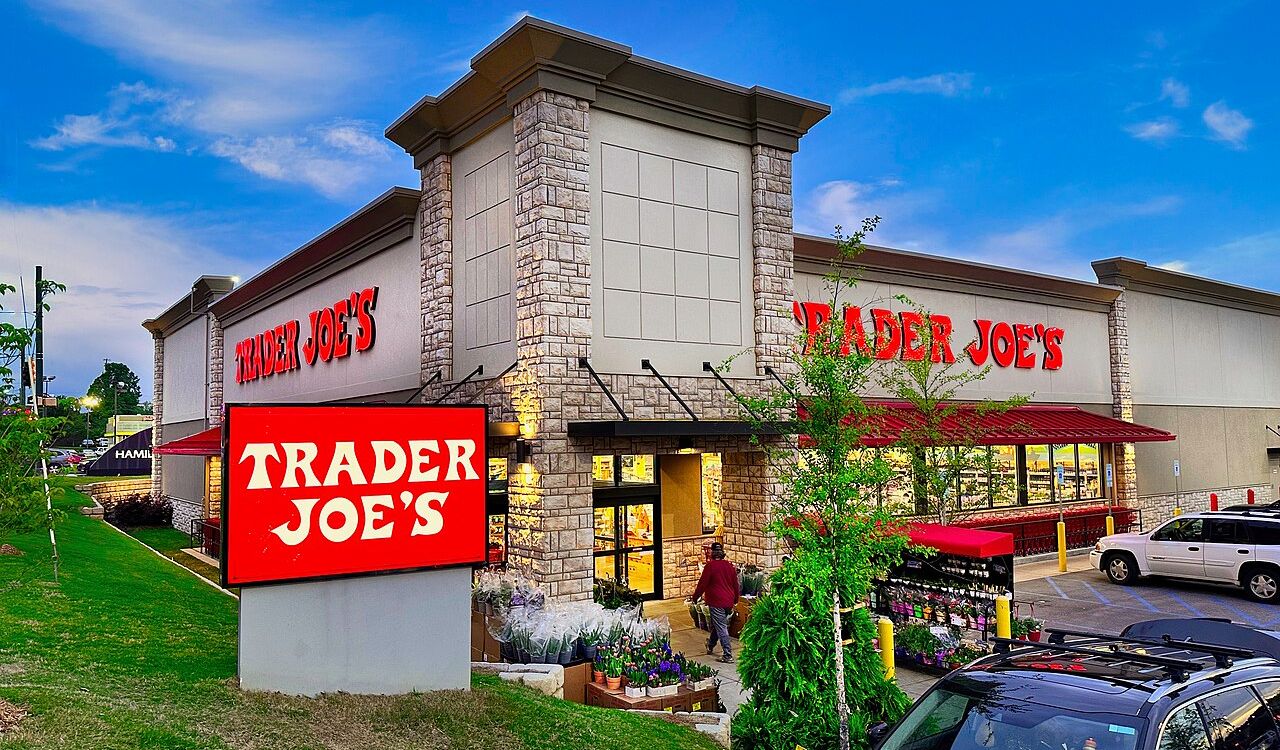
Trader Joe’s began in 1958 as Pronto Market, a chain of convenience stores founded by Joe Coulombe. Facing stiff competition from larger convenience store chains, Coulombe rebranded the stores as Trader Joe’s in 1967. The new concept focused on curated products, international flavors, and a relaxed shopping environment. After Aldi Nord acquired Trader Joe’s in 1979, Coulombe remained in charge for several years. Aldi Nord allowed Trader Joe’s to operate independently, preserving its unique identity. Unlike Aldi stores, Trader Joe’s emphasized discovery and storytelling through product packaging and in store culture.

Although Aldi and Trader Joe’s feel different to shoppers, they share core principles rooted in the Albrecht family philosophy. Both rely heavily on private label products to control quality and pricing. Both operate smaller stores compared to traditional supermarkets. Both avoid conventional advertising in favor of word of mouth and brand loyalty. The key difference lies in presentation. Aldi emphasizes speed, simplicity, and price transparency. Trader Joe’s emphasizes product uniqueness, friendly service, and a sense of discovery. These differences reflect the autonomy granted by the original family split rather than a single corporate vision.
Why the Family Feud Still Matters Today

The Albrecht brothers’ decision to split Aldi reshaped the grocery industry in ways few could have predicted. Aldi has become one of the fastest-growing grocery chains in the United States, challenging traditional supermarkets with its low-cost model. Trader Joe’s consistently ranks high in customer satisfaction and loyalty surveys, despite operating far fewer locations. The feud also demonstrates how personal disagreements can produce long-term structural change. Instead of weakening the business, the split created two successful models that continue to influence retail strategy worldwide.
A Lasting Influence on How Americans Shop
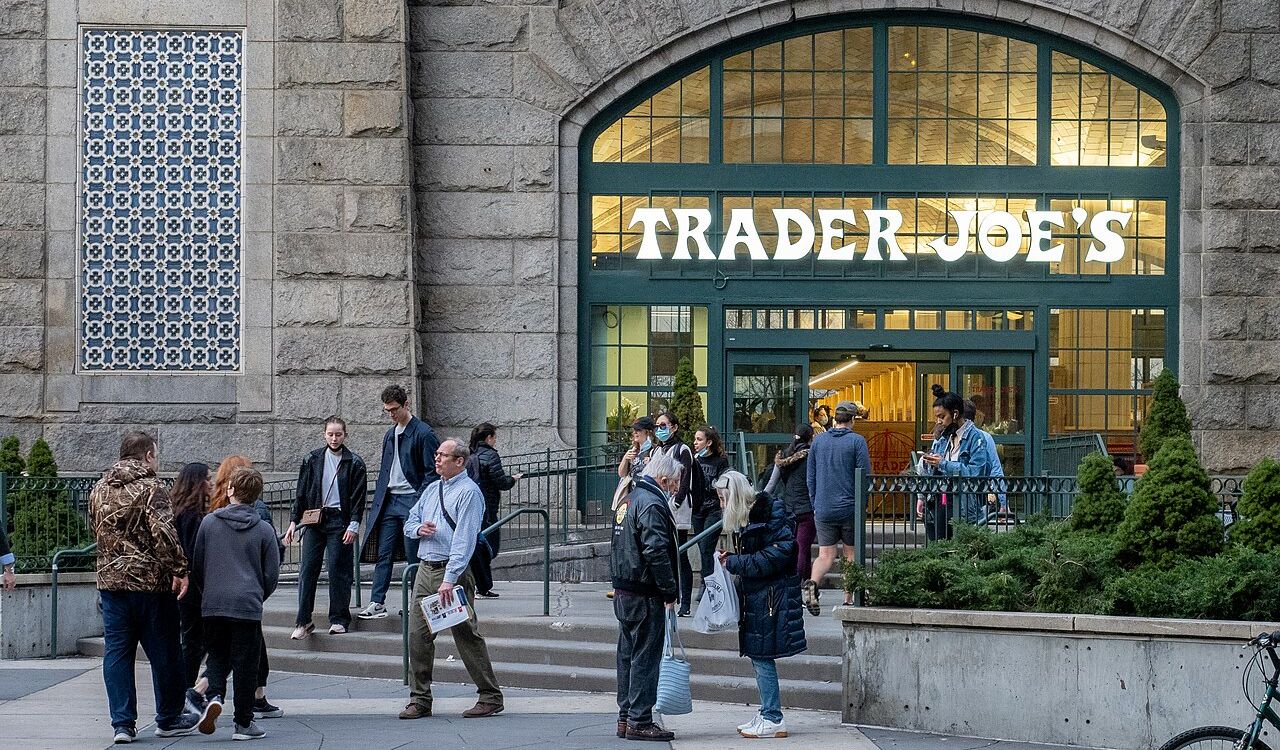
Today, shoppers deposit quarters for carts at Aldi or browse Trader Joe’s frozen aisle without realizing they are participating in a story that began more than a century ago. The family feud that divided Aldi shaped how value, efficiency, and choice are balanced in modern grocery retail. What connects Aldi and Trader Joe’s is not rivalry, but shared origin. Their divergence shows how different interpretations of the same principles can succeed side by side. In a crowded retail landscape, that lesson remains as relevant as ever.
References
- Aldi Wants to Conquer the American Grocery Store Landscape- WSJ.com
- Inside the Little-Known Family Feud That Created Aldi and Trader Joe’s- FoodAndWine.com
- Aldi is America’s fastest-growing grocer, with nearly as many stores as Kroger. Here’s how the German chain became a retail giant.- BusinessInsider.com