7 Kitchen Items You Should Never Store Near the Stove

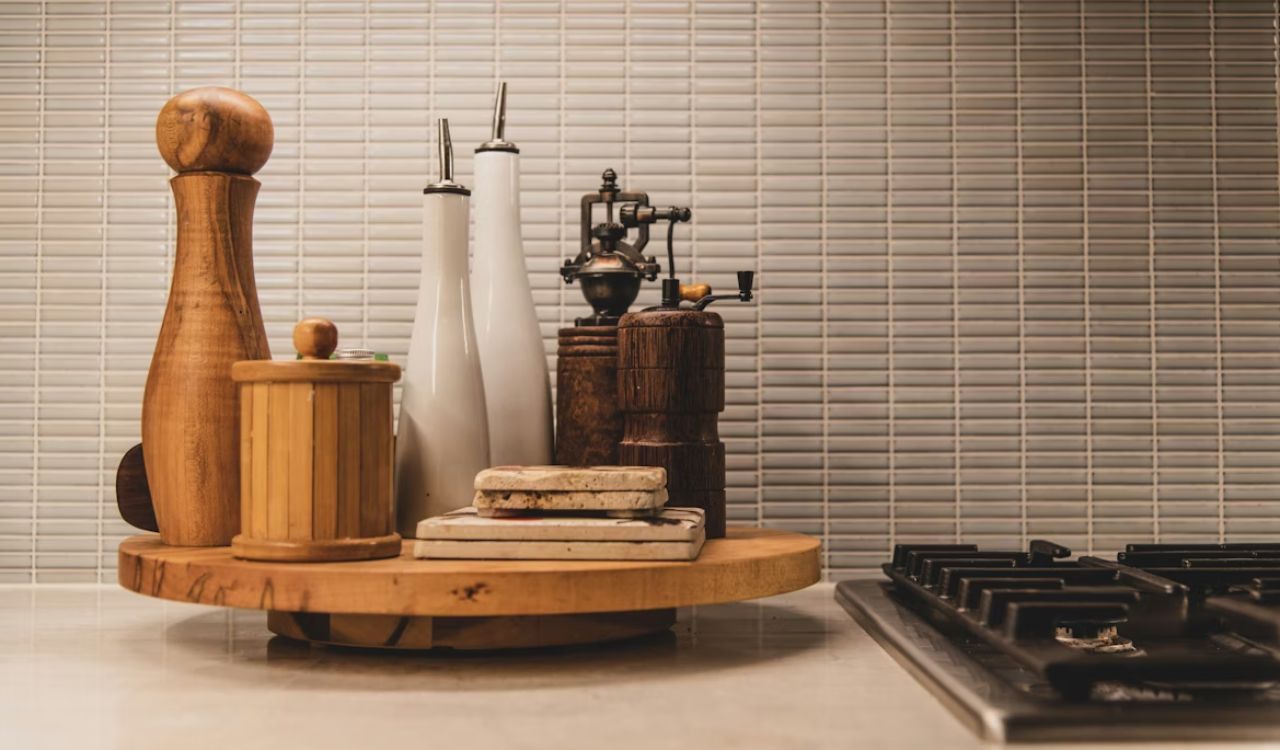
The space around a stove often feels like the most convenient spot in the kitchen, but that convenience can quietly create problems. Heat, steam, grease, and open flames all change how nearby items age, function, and sometimes fail. What seems harmless at first can lead to faster spoilage, lingering odors, fire risks, or damaged tools over time. Many kitchen habits are passed down without much thought, even when they work against safety or food quality. Knowing which items should stay away from the stove helps protect your cooking space, prevents accidents, and keeps everyday essentials in better condition for longer.
1. Cooking Oils
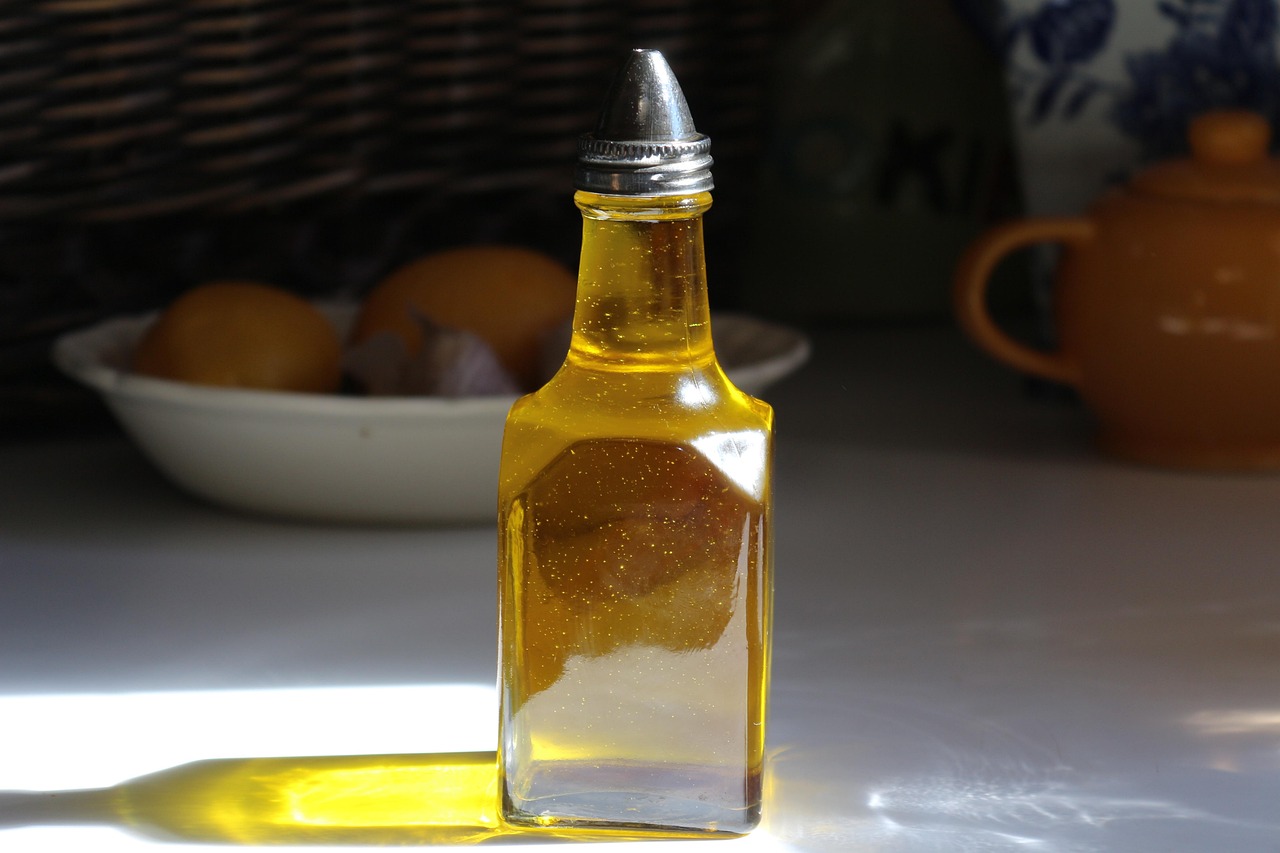
Cooking oils should never be stored near the stove because heat accelerates oxidation and raises fire risk. Repeated exposure to warmth breaks down oil quality, causing off flavors and shorter shelf life. If a bottle leaks or tips close to an active burner, oil can ignite quickly and spread flames. Even sealed containers degrade faster when kept in warm areas. Storing oils in a cool, dark cabinet away from heat preserves freshness and stability. This placement also prevents grease from becoming an accelerant during everyday cooking, making kitchens safer and helping oils perform as intended in everyday home kitchens.
2. Spices and Seasonings
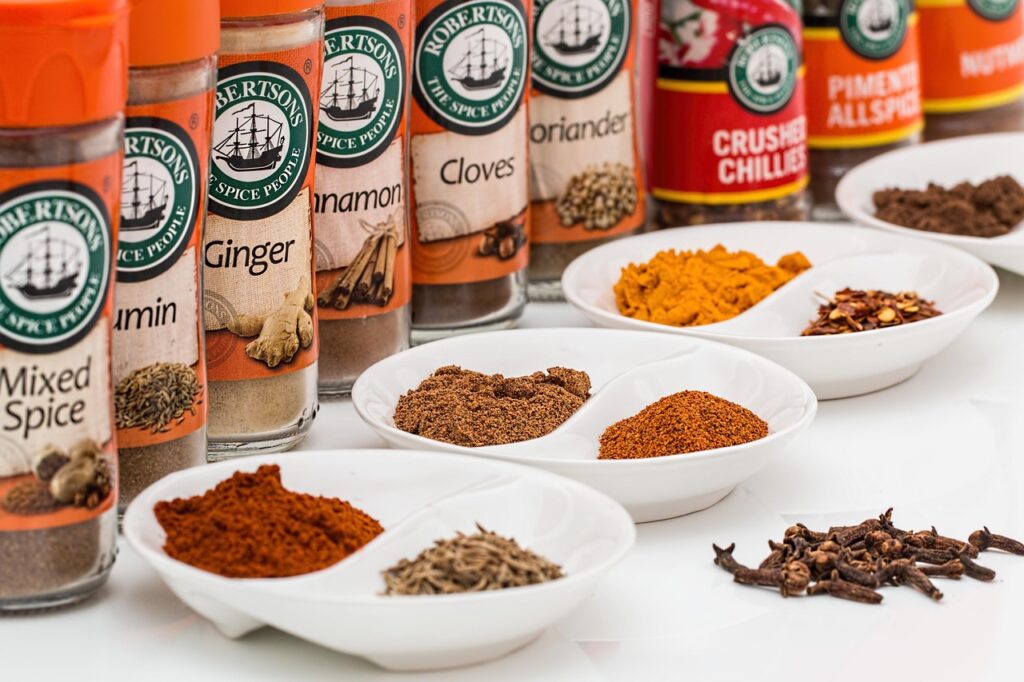
Spices and dried seasonings should not be stored near the stove because heat and steam quickly degrade their quality. Warm temperatures break down the natural oils that give spices their aroma and flavor, while moisture from cooking causes clumping and spoilage. Over time, seasonings kept near burners lose color and taste flat, even if containers remain sealed. Although storing them close feels convenient, it significantly shortens their shelf life. Keeping spices in a cool, dry cabinet away from heat helps preserve freshness, potency, and consistency so they actually enhance meals instead of fading into the background during cooking.
3. Paper Towels
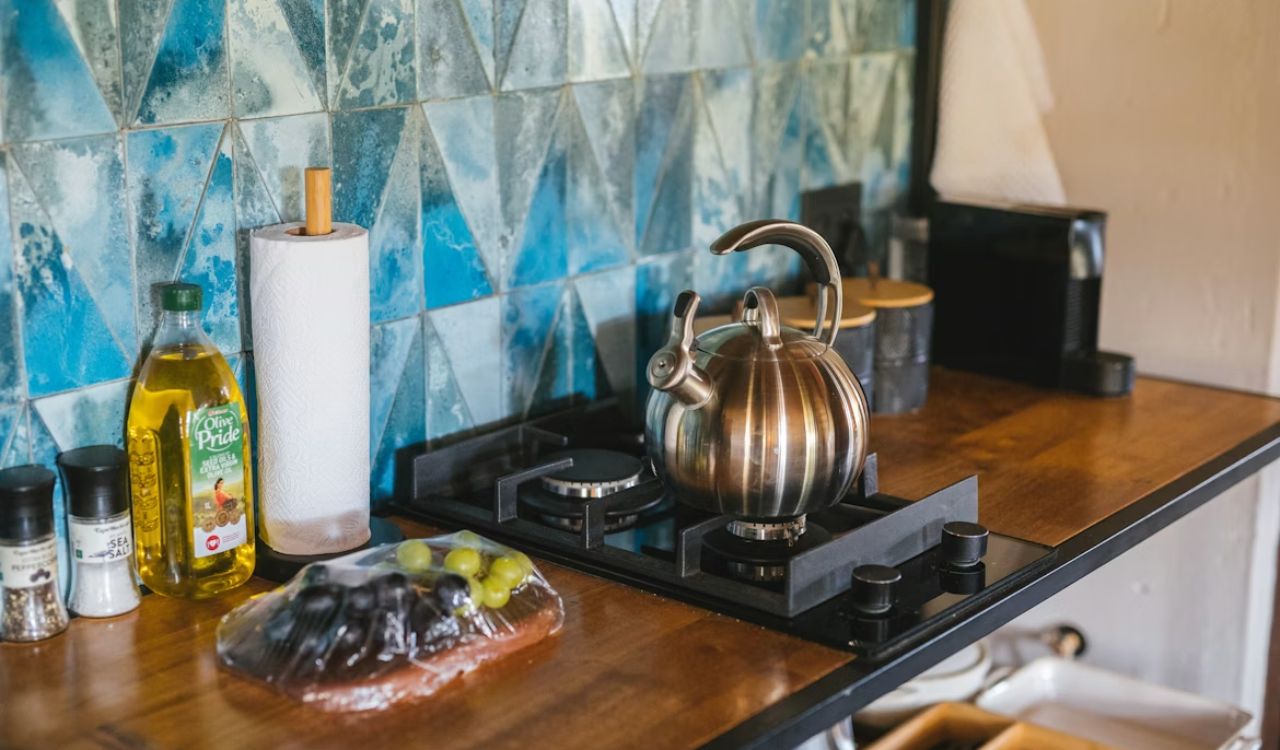
Paper towels should never be stored near the stove because they present a serious fire hazard. A brief flare up, a spark from a burner, or contact with a hot pan can cause them to ignite almost instantly. Even without direct flame, constant heat dries paper fibers, making them easier to catch fire. Paper towels placed close to burners can also be knocked or pulled into cooking areas during busy moments. Fire safety experts recommend keeping paper products in drawers or cabinets away from heat sources. This simple storage change greatly reduces the risk of accidental kitchen fires during everyday cooking.
4. Plastic Containers
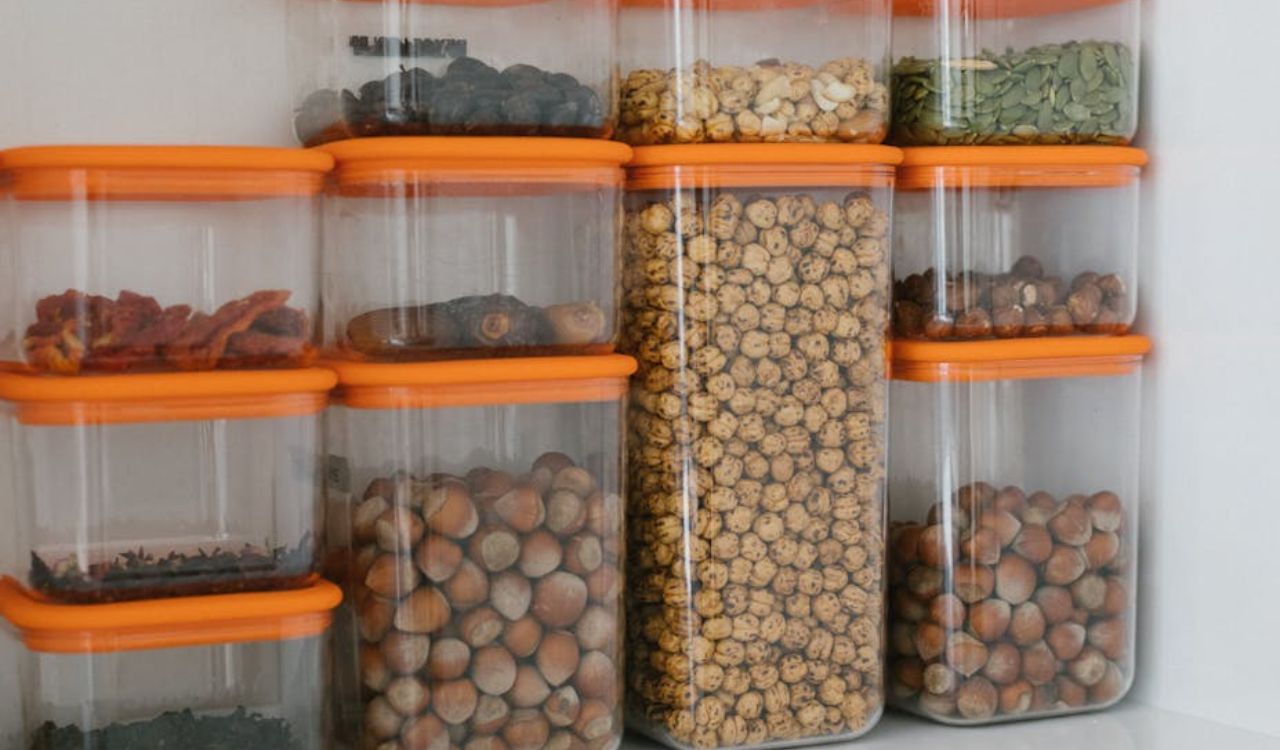
Plastic food containers and storage lids should not be kept near the stove because heat can damage both their shape and safety. Prolonged exposure to warmth may cause plastics to warp, soften, or lose their tight seals. Some plastics can also break down faster when repeatedly heated, increasing the chance of unwanted chemical transfer. Containers stored close to burners often absorb grease and cooking odors, making them unpleasant to reuse. Keeping plastic items in a cooler cabinet away from heat helps maintain their structure and cleanliness. Proper placement extends their lifespan and ensures they remain safe and reliable for everyday food storage.
5. Wooden Utensils
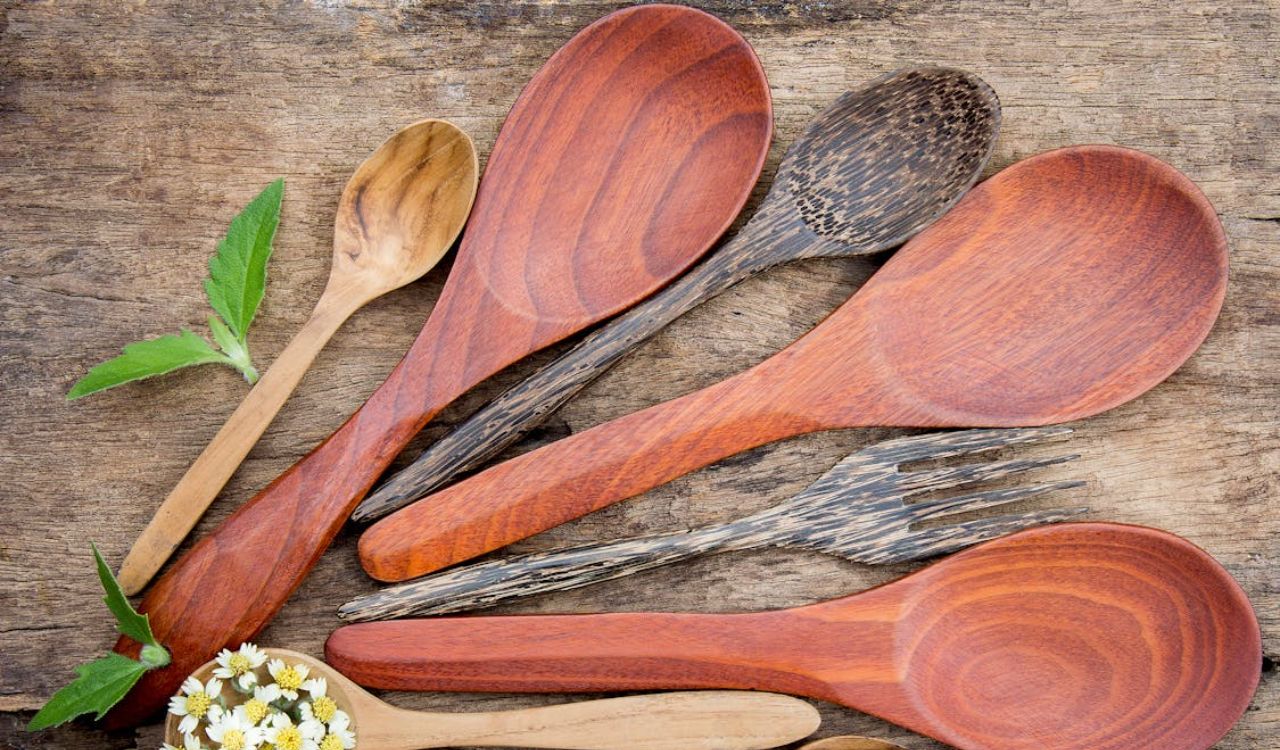
Wooden spoons, cutting boards, and spatulas should not be stored near the stove because heat and steam damage the material over time. Repeated exposure dries out wood fibers, leading to cracking, splitting, and warping that shorten usability. Grease and steam can also cause wood to absorb odors and discolor, making it harder to keep clean. Since wood is naturally porous, heat exposure reduces food safety by encouraging residue buildup in tiny crevices. Storing wooden utensils in a drawer or holder away from the stove helps preserve their strength, appearance, and hygiene, ensuring they stay functional and safe for everyday cooking tasks.
6. Cleaning Products
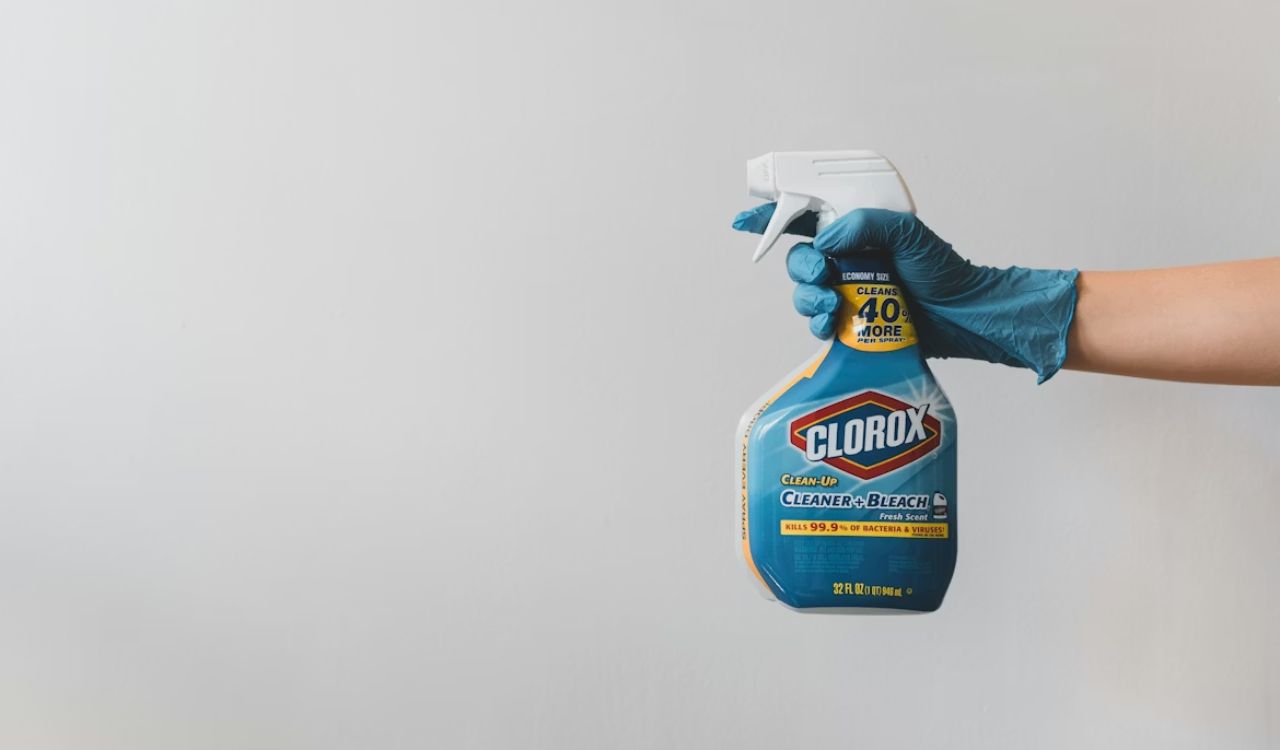
Cleaning sprays, detergents, and wipes should never be stored near the stove because heat can make them unsafe. Warmth may cause chemical containers to weaken, leak, or release fumes, especially over time. Some cleaners are flammable and can become dangerous if exposed to open flame or high temperatures. Storing these products close to cooking areas also increases the risk of accidental spills onto food, cookware, or prep surfaces. Safety organizations advise keeping household chemicals in a separate cabinet away from heat and food zones. Proper storage reduces fire risk, prevents contamination, and keeps strong products from interfering with everyday cooking safety.
7. Bread and Food Packaging
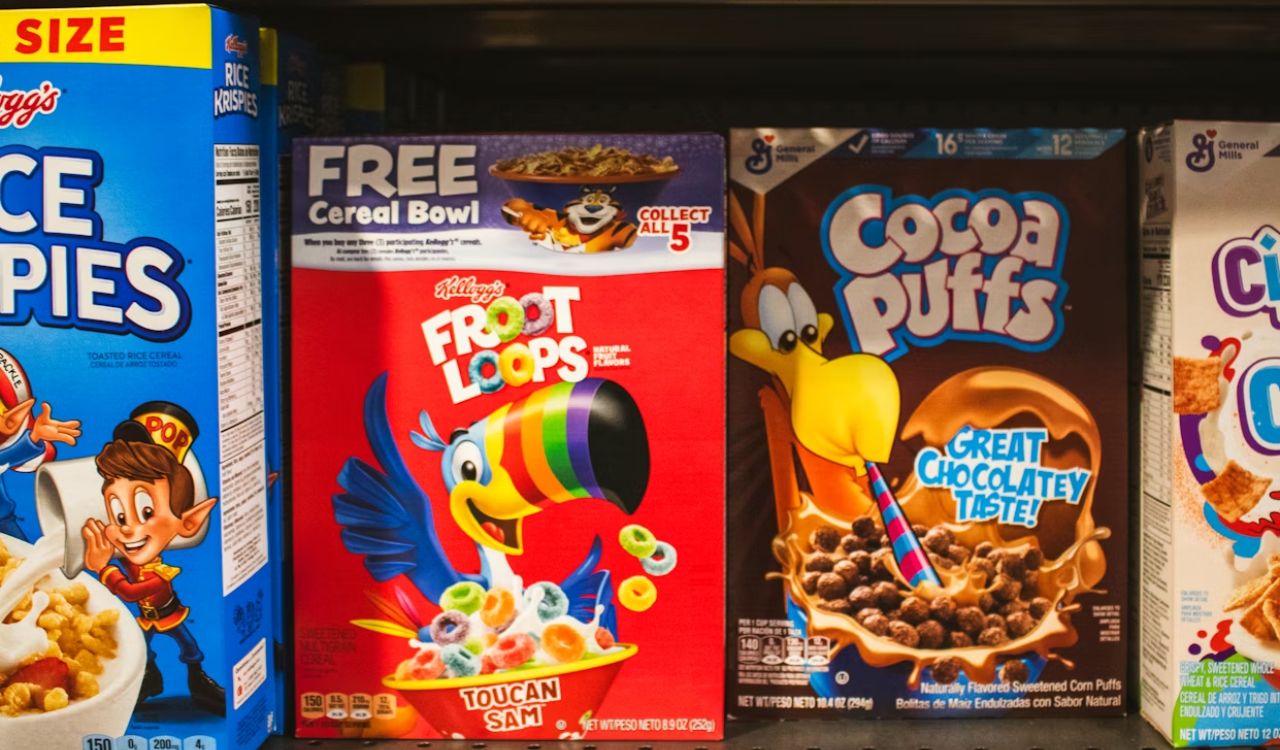
Bread, cereal boxes, and other packaged foods should never be stored near the stove because heat and moisture quickly affect their quality and safety. Warm temperatures speed up staleness and create conditions where mold can develop faster. Plastic packaging may soften or melt, while paper boxes absorb grease, steam, and strong cooking odors. Items placed too close to burners are also easier to knock into flames or hot surfaces during busy cooking moments. Keeping packaged foods in a pantry or closed cabinet away from heat helps them stay fresh longer and reduces the risk of fire or contamination in the kitchen.