Restaurant Chains Critics Say No Longer Taste Like They Used To

Restaurant chains often build loyal followings by delivering consistent flavors and familiar dining experiences. Over time, however, many brands face pressure from rising ingredient costs, changing consumer habits, and corporate restructuring. These shifts can lead to menu adjustments, recipe changes, or new operating strategies that affect the food itself. While some restaurants adapt successfully, others struggle to maintain the same quality that originally made them popular. For longtime customers, the difference can be noticeable, sparking debates about whether certain chains still taste the way they once did.
1. Quiznos
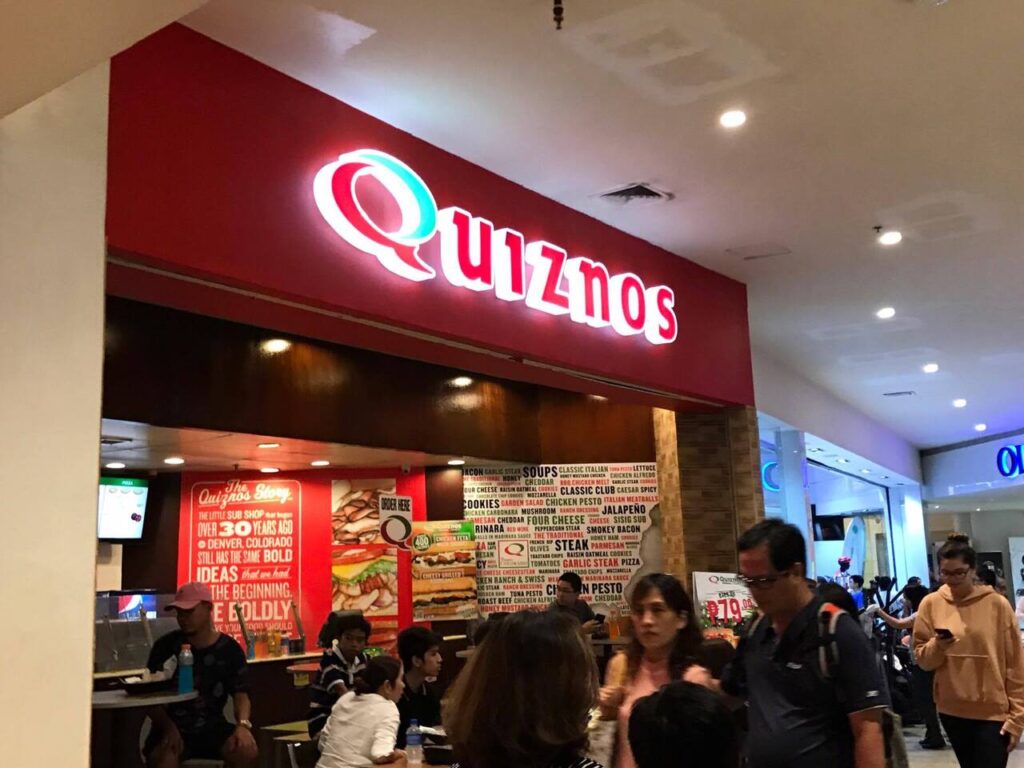
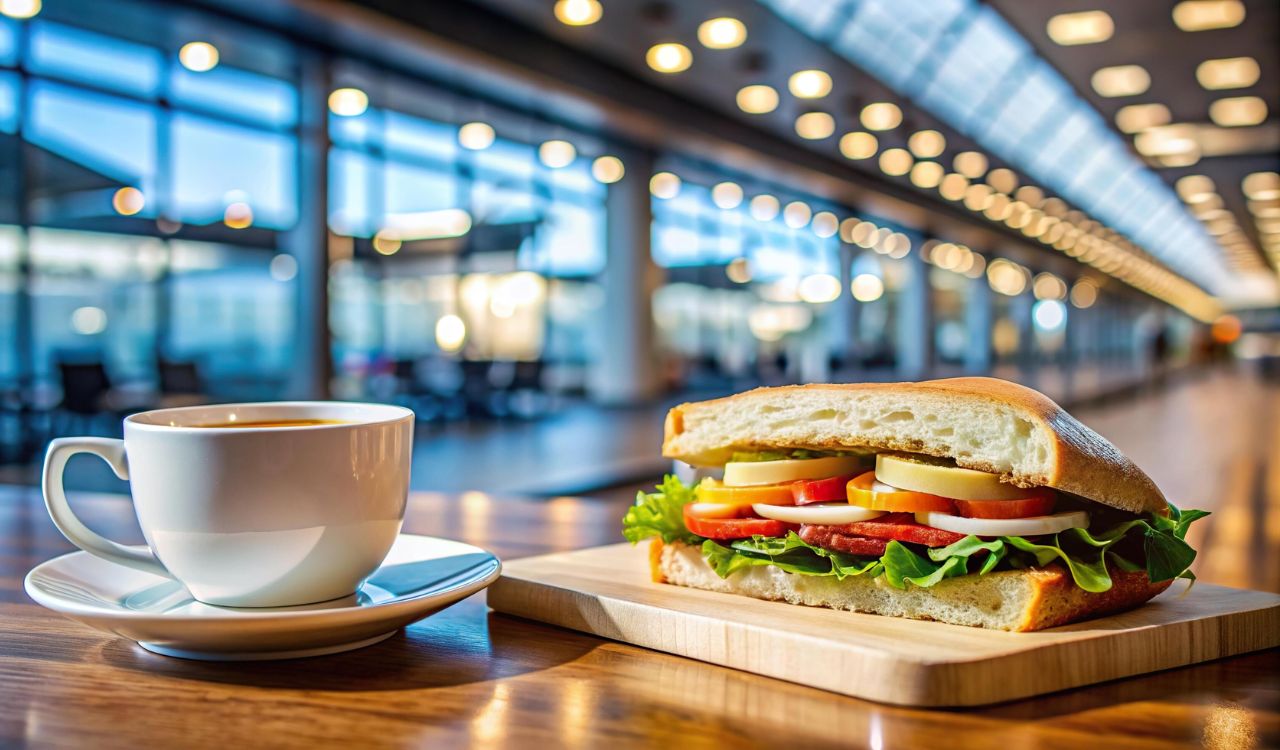
Quiznos was once known for bringing toasted submarine sandwiches into the fast casual spotlight. During its peak in the early 2000s, the chain built a strong reputation for warm sandwiches filled with meats, melted cheese, and toasted bread that gave it a distinct identity among sandwich shops.
The company expanded rapidly during that period, opening thousands of locations across the United States. Rapid expansion often places pressure on supply chains and franchise systems.
Over time, many locations closed due to franchise challenges and financial struggles. Critics often note that the brand never fully regained the same level of consistency and excitement that defined its earlier years.
2. Red Lobster
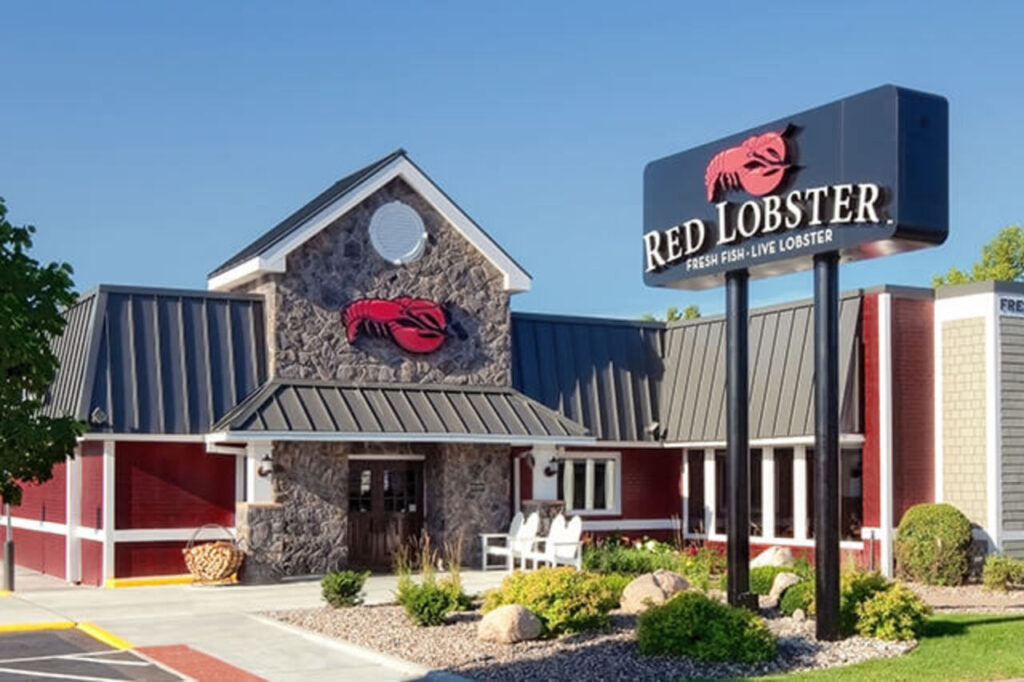
Red Lobster built its reputation by offering accessible seafood dishes to a wide audience. For decades, it served items like shrimp platters, lobster tails, and its well-known cheddar biscuits in a casual dining setting that felt approachable for families.
In recent years, the chain has faced financial pressure and operational challenges. Rising seafood costs and changing dining habits have affected many seafood-focused restaurants. To manage these pressures, companies sometimes adjust menus, pricing, and portion sizes.
Critics have suggested that these changes can alter the overall dining experience. As a result, longtime customers sometimes feel that the meals no longer match the standards they remember.
3. Sbarro
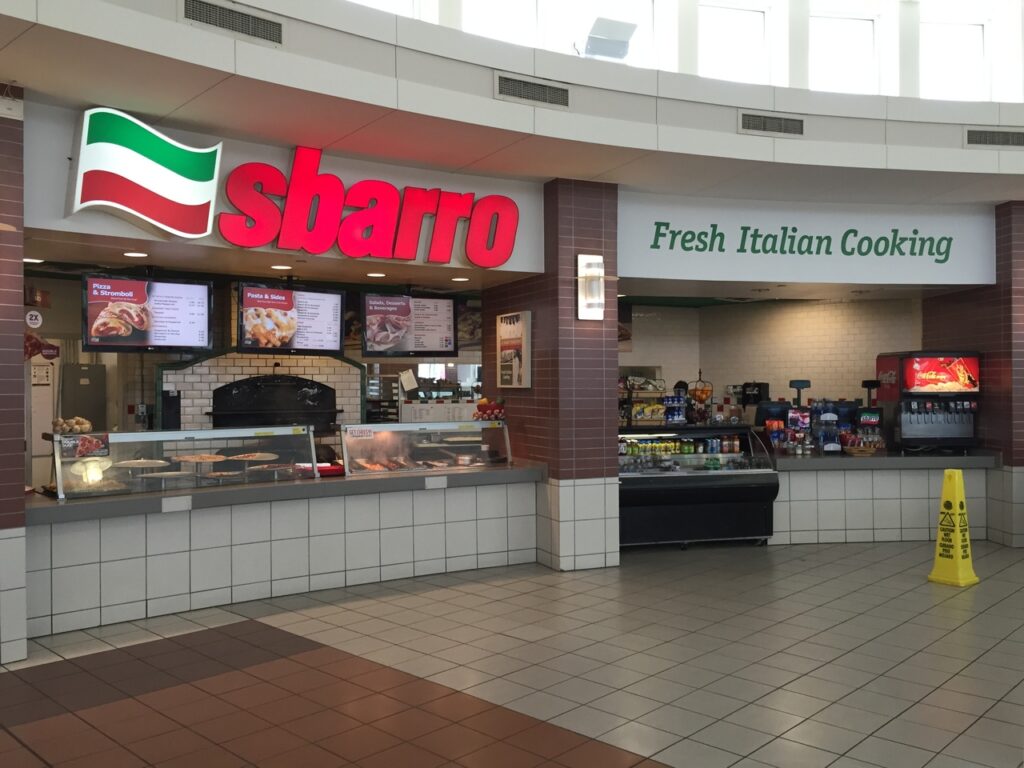
Sbarro became widely recognized for its large slices of pizza served in shopping mall food courts. For many people, grabbing a slice while walking through a mall became part of the casual dining experience during the 1990s and early 2000s.
As shopping habits changed and mall traffic declined, the chain faced new challenges. Fewer visitors meant lower foot traffic for food court restaurants. Many locations closed as shopping centers across the country struggled to attract the same crowds as before.
These changes affected how frequently people encountered the brand. With fewer stores and shifting business models, critics have noted that the chain has struggled to maintain the same reputation it once had when mall dining was at its peak.
4. Cicis Pizza

Cicis Pizza built its identity around an all-you-can-eat buffet model that focused on affordability and variety. Customers can sample multiple types of pizza, pasta, and desserts for a single price, making it particularly appealing to families and large groups.
Keeping a wide selection of food available at all times requires careful timing and constant preparation. When restaurants focus heavily on volume, maintaining consistent quality can become more difficult.
As the restaurant industry evolves, buffet concepts have also been shaped by changing customer expectations. Critics sometimes note that while the model offers value, the emphasis on quantity can affect the overall dining experience compared with more focused menu formats.
5. Friendly’s

Friendly’s began as a small ice cream shop and gradually expanded into a full-service restaurant chain. For many customers, it became associated with casual meals followed by classic ice cream desserts served in a welcoming environment.
Over the years, the company experienced financial difficulties that led to store closures and ownership changes. When restaurant chains go through restructuring, operations often shift as new management teams attempt to stabilize the business.
These transitions can affect menu development, ingredient sourcing, and restaurant operations. As a result, longtime customers sometimes feel the brand no longer delivers the same experience they remember from earlier decades.
6. Roy Rogers
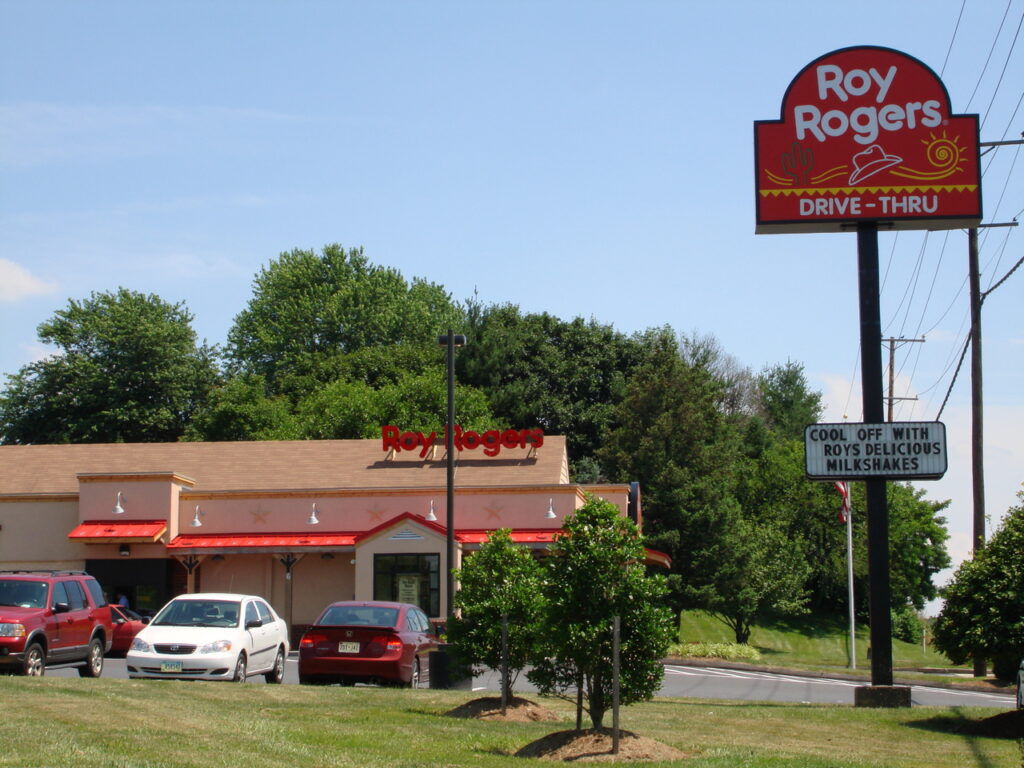
Roy Rogers once stood out in the fast food industry with a menu focused on roast beef sandwiches, fried chicken, and a self-serve toppings bar. The chain gained popularity in many parts of the United States during the late twentieth century.
Ownership changes and corporate restructuring led to a large number of restaurant closures over time. As locations disappeared, the brand lost much of the visibility that once made it a familiar name in fast food dining.
Efforts to revive the chain in recent years have introduced updated restaurant designs and revised menus. While these changes aim to modernize the brand, critics sometimes note that recreating the exact experience people remember from earlier decades can be difficult.
7. Sizzler
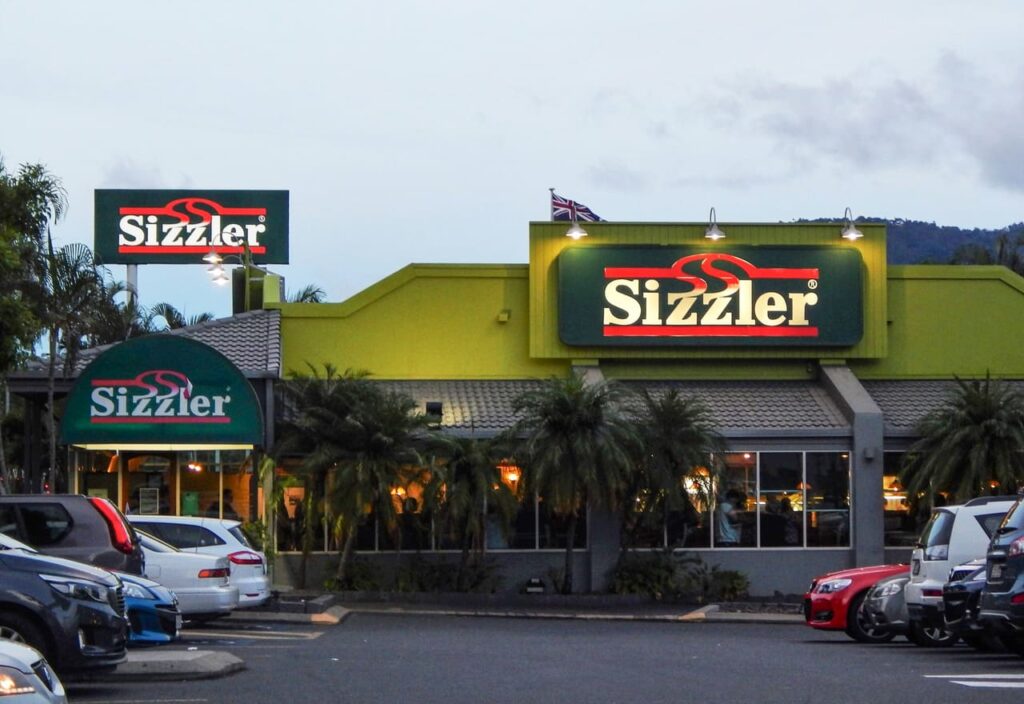
Sizzler was once a major name in casual steakhouse dining, known for offering affordable steak dinners along with a popular salad bar. During the 1970s and 1980s, the chain expanded rapidly across the United States, attracting families looking for a simple and reasonably priced steakhouse experience.
Over time, the restaurant industry became far more competitive. New casual dining brands and fast casual concepts began offering similar meals with updated menus and modern restaurant designs.
The chain also faced financial pressure that led to multiple rounds of closures and restructuring. Although a smaller number of locations still operate today, critics often note that the brand no longer holds the same cultural influence that once made it a common fixture in American dining.
8. Bennigan’s
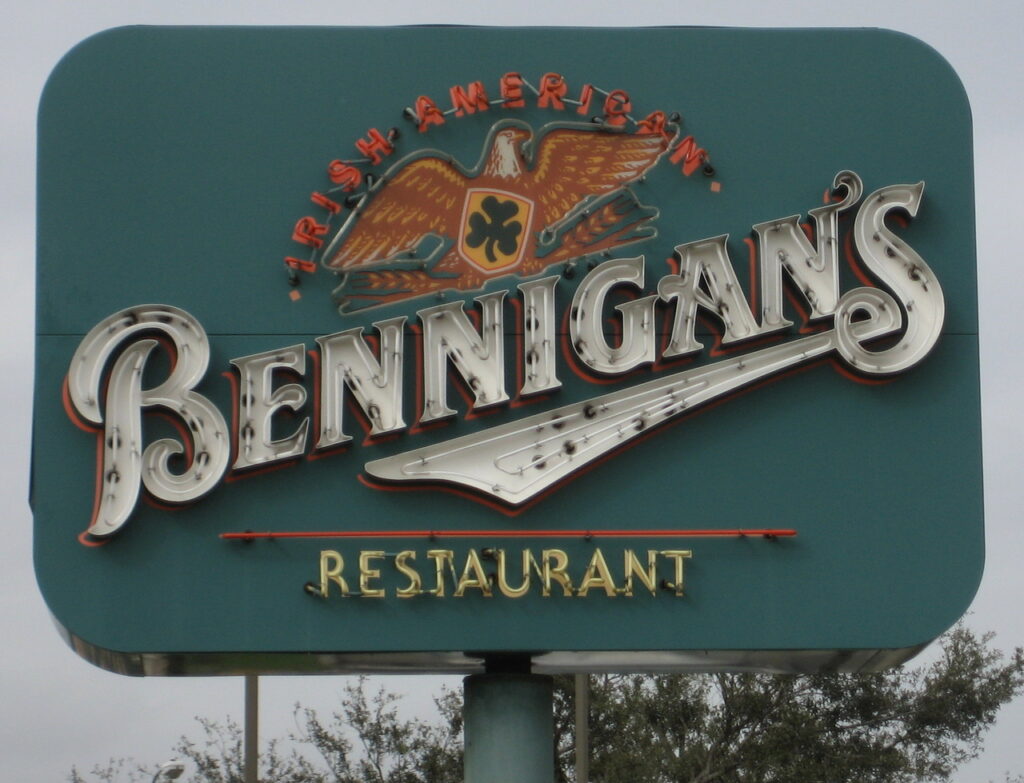
Bennigan’s became well known as a casual dining chain that combined pub-style food with a lively atmosphere. Many customers remember dishes such as hearty sandwiches, appetizers, and desserts that were served in a social setting.
Financial challenges eventually forced the company into bankruptcy, which resulted in widespread restaurant closures. When a large number of locations disappear at once, the brand’s connection with everyday diners can weaken quickly.
Although a few locations have reopened under new management, the chain remains much smaller than it once was. Critics sometimes suggest that the reduced presence makes it harder for the brand to recreate the cultural impact it once had during its peak years.
9. Steak and Ale

Steak and Ale once played a significant role in shaping the casual steakhouse dining experience. The chain offered affordable steak dinners in a relaxed setting that appealed to families and business diners alike.
Financial difficulties eventually forced the company to close its restaurants. When a brand disappears for years, it often becomes more of a nostalgic memory than an active presence in the restaurant industry.
Recent revival efforts aim to bring the concept back with updated menus and modern restaurant designs. While the name still carries recognition, critics often note that recreating the original atmosphere and flavors from earlier decades can be a complex challenge.