11 Reasons Truffle Oil Is Fake Perfume Ruining Your Fries

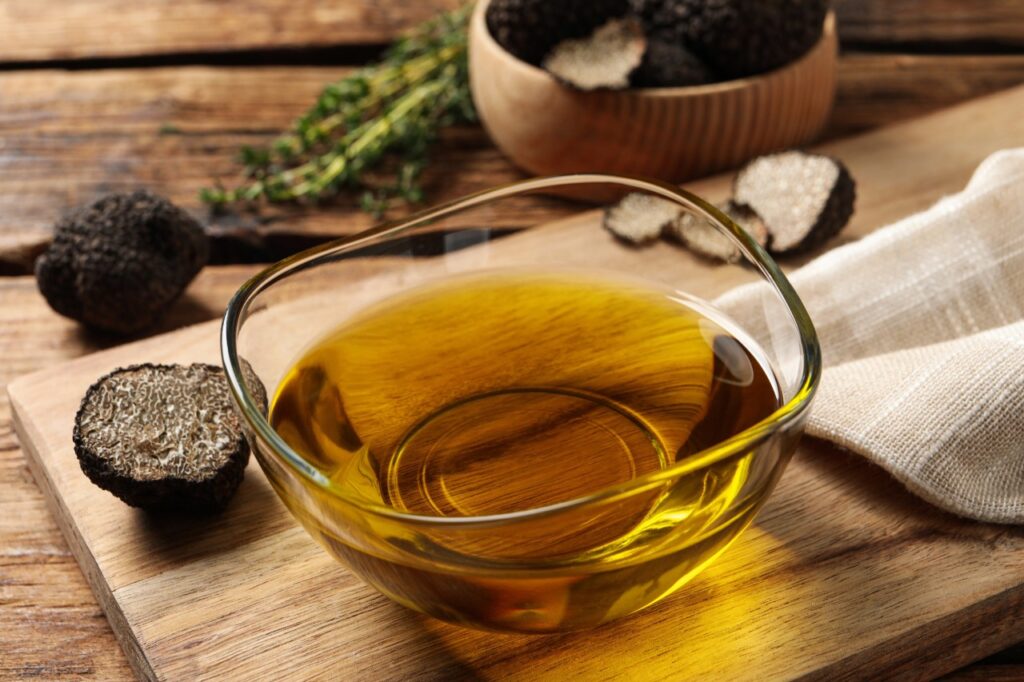
Few ingredients sound as luxurious as truffles. The word alone suggests rare fungi unearthed with care, shaved delicately over warm food to release a deep, earthy aroma. It signals refinement and indulgence in just a single syllable.
Then there is truffle oil, drizzled generously over fries, pasta, and pizza. Its scent is bold and immediate, filling the air before the plate even reaches the table. For some, that intensity feels exciting. For others, it feels suspiciously artificial.
Behind the aroma lies an interesting story of chemistry, marketing, and modern dining trends. When we look closely at what truffle oil actually contains and how it behaves on hot food, the contrast between expectation and reality becomes hard to ignore.
1. Most Truffle Oil Contains No Real Truffles
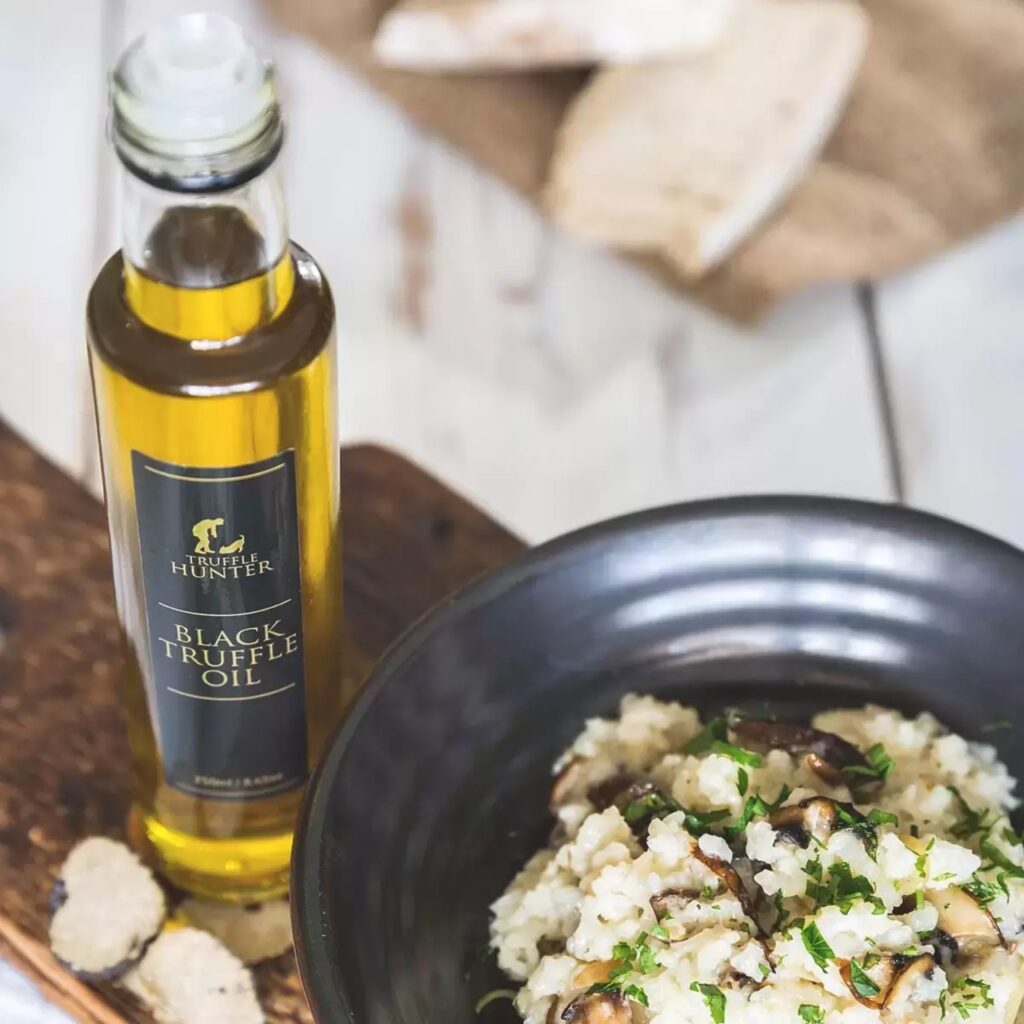
The label suggests luxury, but the ingredient list often tells a different story. Many commercial truffle oils contain no actual truffle. Instead, they blend olive or neutral oil with synthetic compounds made to imitate truffle aroma.
Real truffles are expensive, seasonal fungi that lose aroma quickly after harvest. Infusing oil with fresh truffle is difficult and unstable, so many manufacturers rely on lab created substitutes. The packaging may show truffle imagery, but the flavor usually comes from chemistry, not fungus.
This gap between name and content fuels criticism. Diners expect something derived from real truffles. When the oil delivers only artificial aroma, the sense of authenticity fades before the fries even reach the table.
2. A Single Synthetic Compound powers it
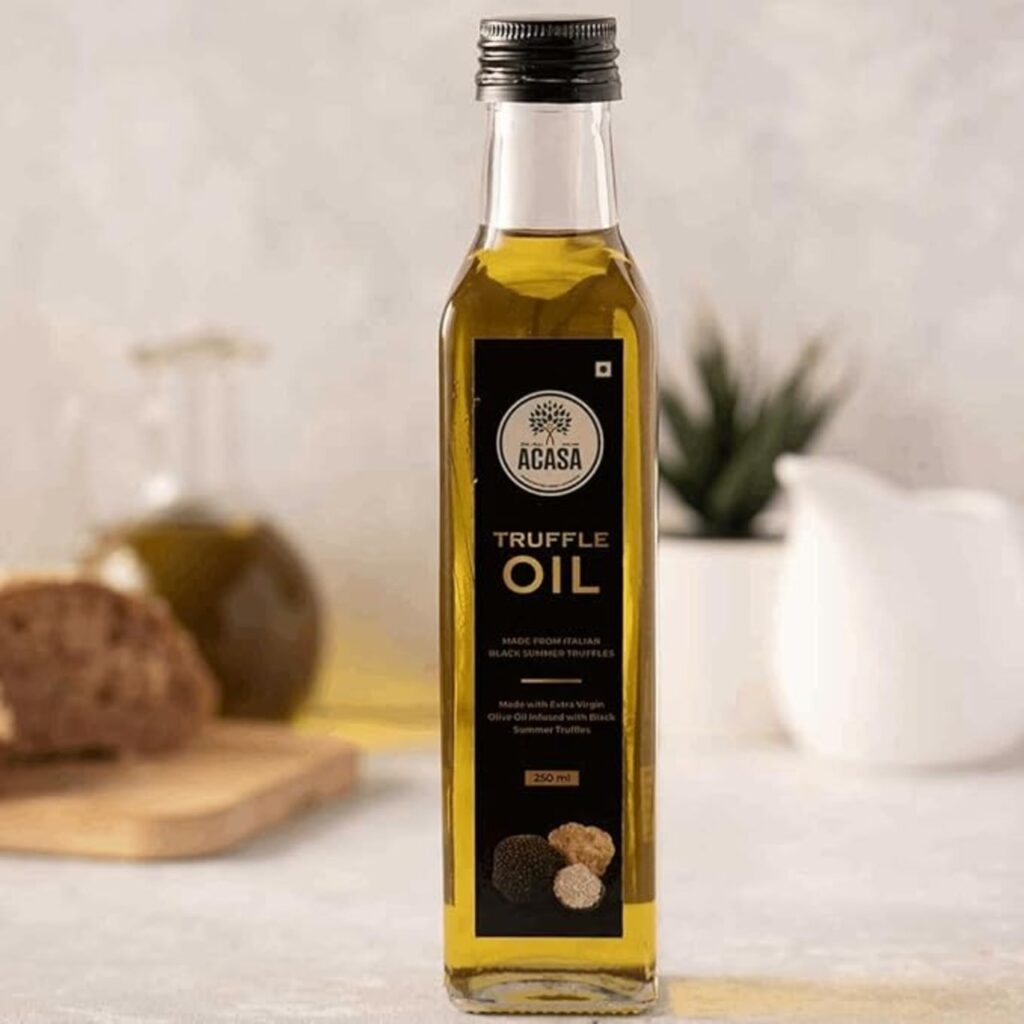
At the heart of most truffle oils is 2,4-dithiapentane, a sulfur based compound identified in certain truffle varieties. Chemists can reproduce this molecule easily, and it carries a strong, recognizable truffle like scent.
Real truffles, however, contain dozens of aromatic compounds working together. Their scent shifts as it warms, revealing earthy, garlicky, nutty, and even slightly sweet notes. The synthetic version isolates and amplifies just one aspect of that profile.
Because the oil relies so heavily on a single compound, the result can feel sharp and exaggerated. What should be layered and evolving becomes narrow and intense, which is why some describe it as perfume rather than flavor.
3. The Flavor Is Overpowering
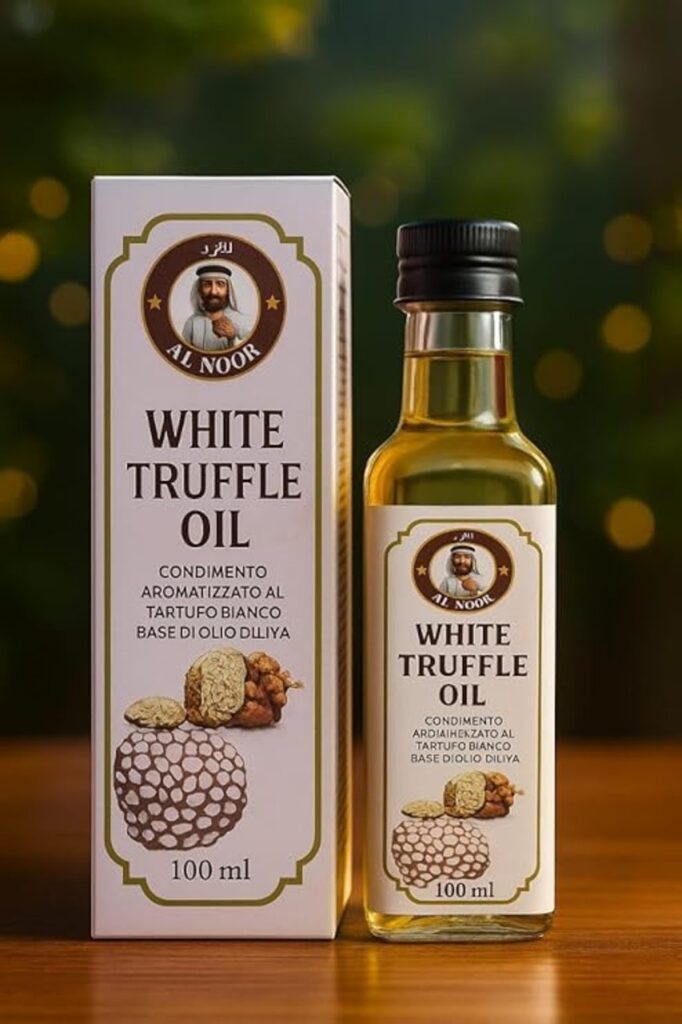
A few drops of truffle oil can dominate an entire plate. The concentrated aroma spreads quickly, coating fries or pasta with a strong sulfur note that lingers in the air and on the palate.
Instead of enhancing natural flavors, it often masks them. Potatoes, for example, offer subtle sweetness and crisp texture. When drenched in truffle oil, those qualities fade behind the aggressive scent.
Balance is essential in cooking. When one ingredient overwhelms everything else, harmony is lost. Critics argue that truffle oil rarely supports a dish quietly. It tends to announce itself loudly, whether the food benefits from that intensity or not.
4. It Lacks the Complexity of Real Truffles
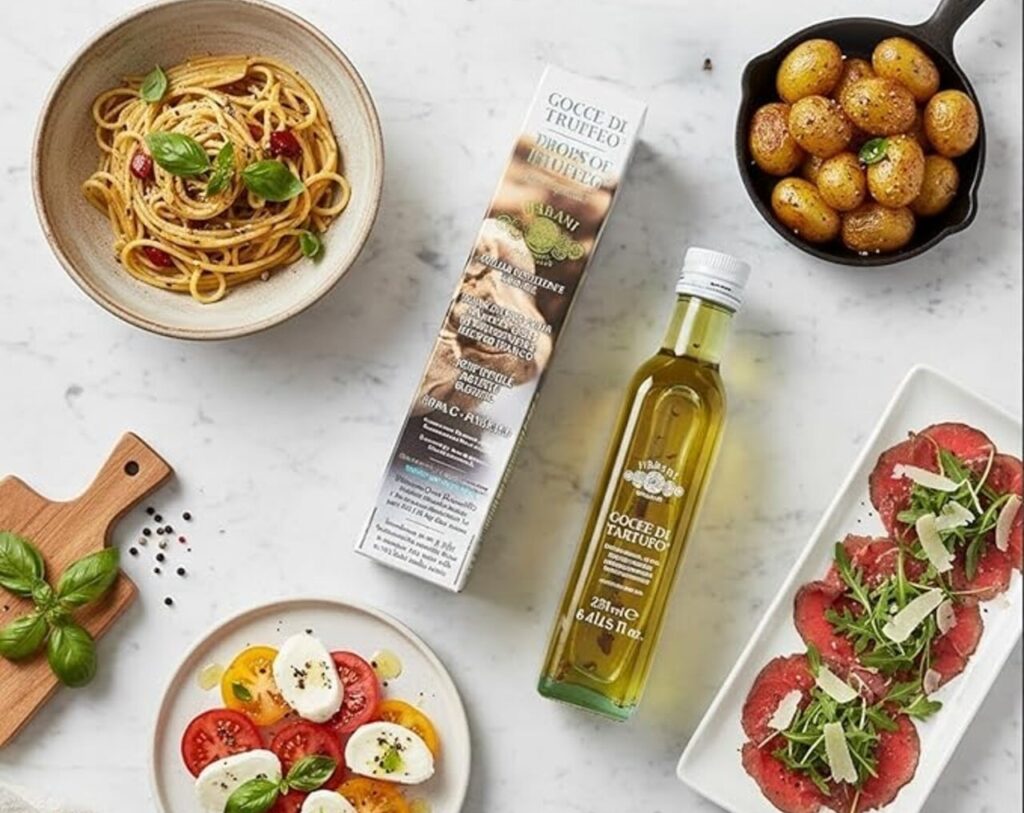
Fresh truffles are valued for their layered aroma. As they warm, different volatile compounds release gradually, revealing earthy, garlicky, nutty, and faintly sweet notes. The scent evolves from the first bite to the last, creating a sense of depth that feels alive on the palate.
Truffle oil delivers a far narrower experience. Most versions rely on a single dominant aroma compound that announces itself immediately. The flavor remains steady and intense, with little change as you continue eating.
That absence of evolution is what many diners notice. Complexity encourages curiosity and slower appreciation. A one note profile may be recognizable, but it lacks the shifting nuance that makes real truffles worth their reputation and price.
5. Heat Can Make It Smell Harsher
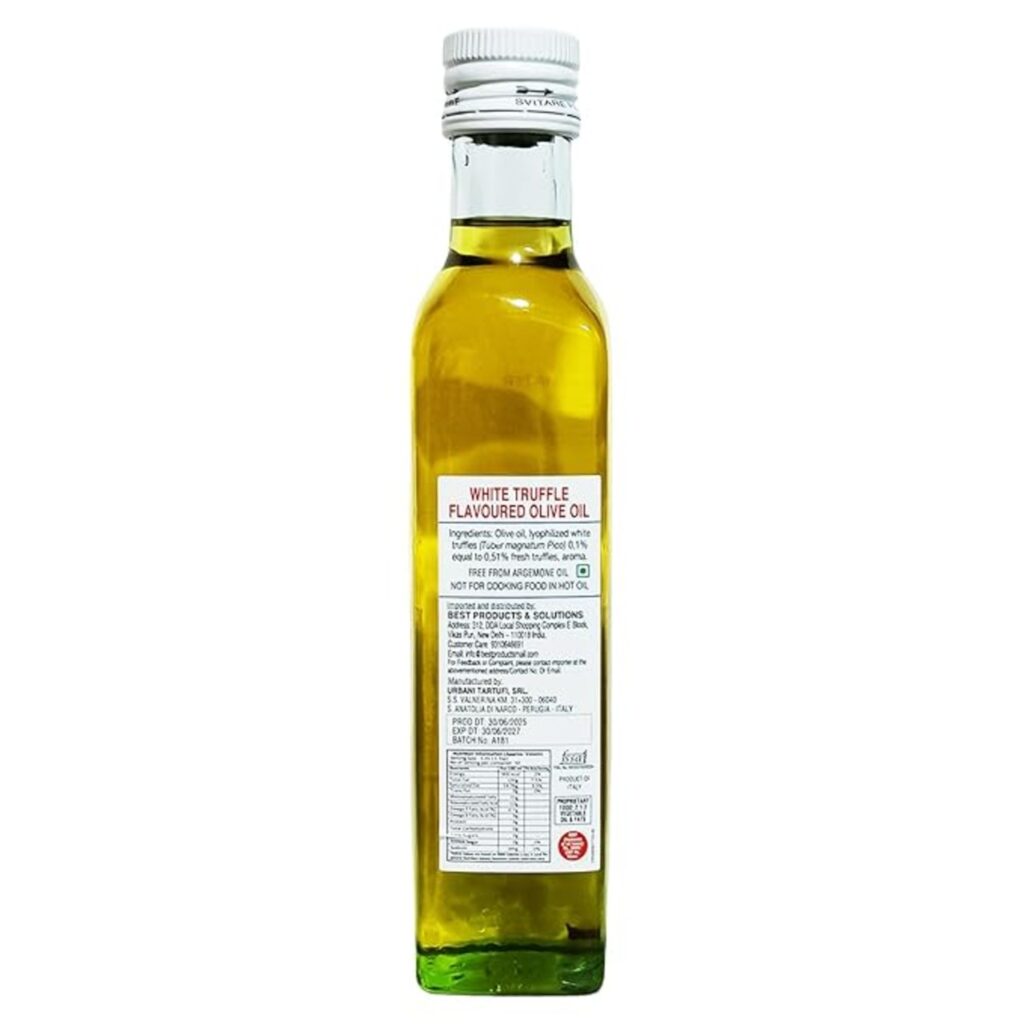
Truffle oil is commonly added to hot fries, pasta, or risotto. Heat increases the volatility of sulfur based aroma compounds, causing them to release more rapidly into the air. This can amplify their sharpness.
As temperature rises, the scent becomes stronger and more penetrating. What seems pleasant at room temperature can turn heavy or chemical when exposed to steam. The aroma spreads quickly and dominates the space around the plate.
Fresh truffles also respond to warmth, but their many compounds create balance as they bloom. With synthetic oil, the single dominant note intensifies without support. Instead of gaining richness, the flavor can feel more aggressive and less refined.
6. It Became Trendy, Not Traditional
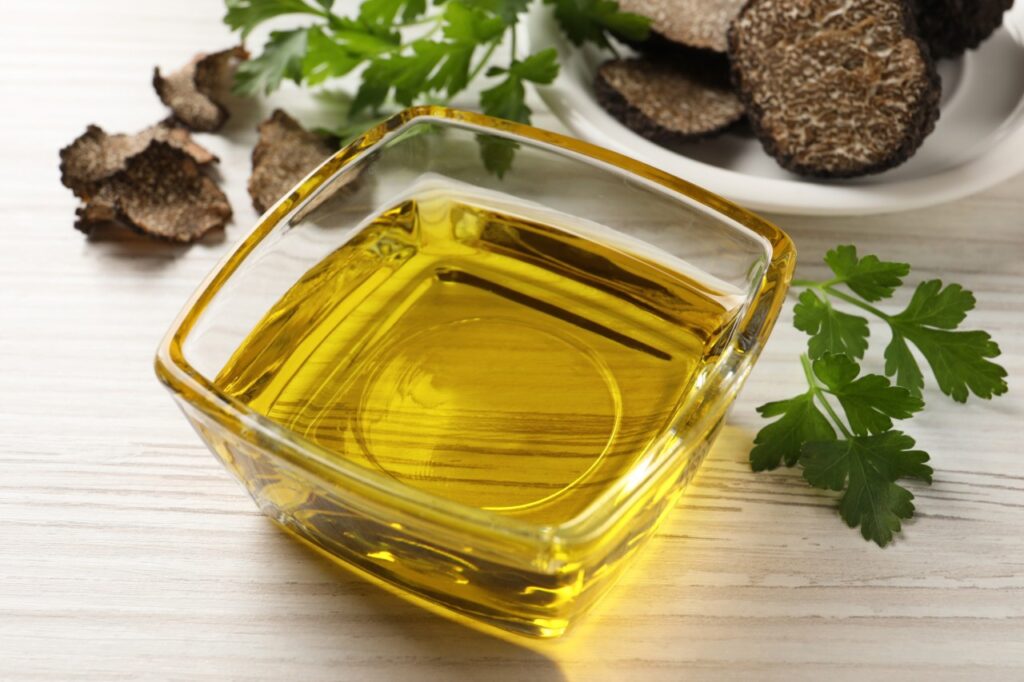
Truffle oil gained widespread popularity in the early 2000s, appearing on fries, flatbreads, and casual bar snacks. Its rise coincided with a dining culture eager to blend luxury signals with everyday comfort food.
Traditional European kitchens treated truffles differently. They were shaved thinly over simple dishes to highlight their natural aroma. Oil flavored with synthetic compounds was not a central part of classic truffle cookery.
Because it is affordable and shelf stable, truffle oil offered restaurants an easy way to suggest indulgence. Critics argue that its spread reflects modern food trends and marketing appeal more than long standing culinary heritage.
7. It Can Overwhelm Texture and Balance
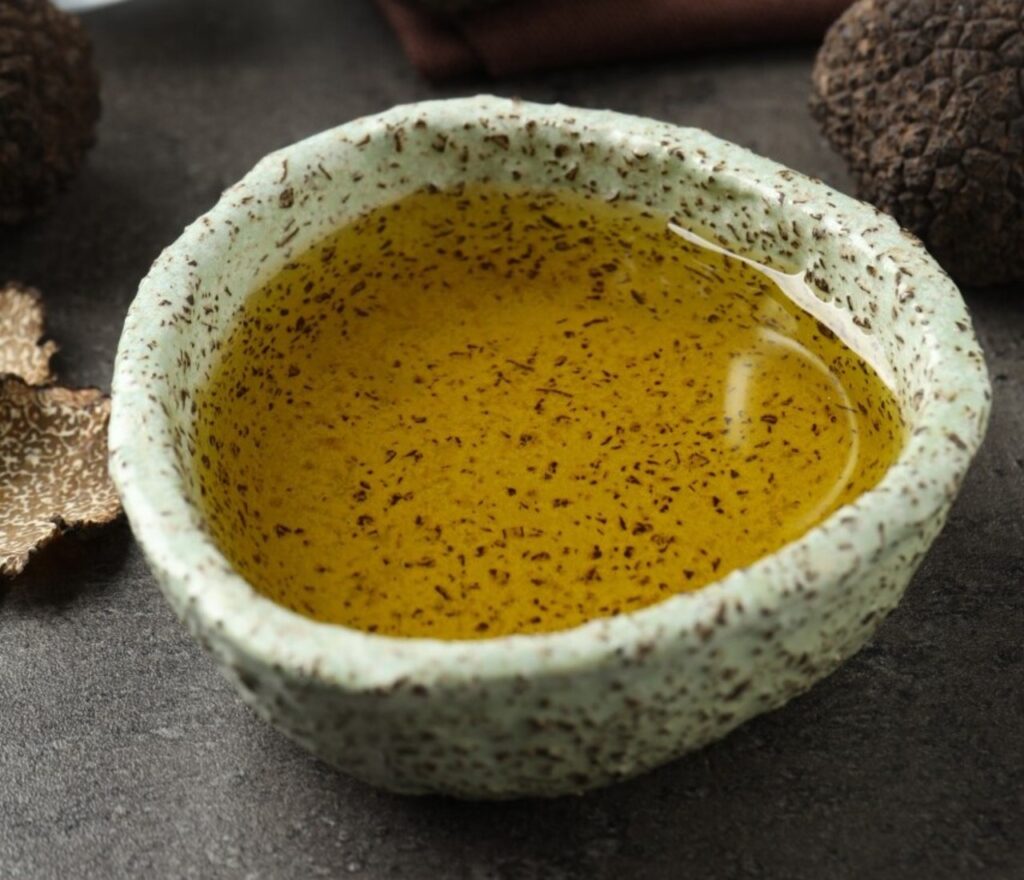
Fries depend on contrast. Crisp exteriors meet soft interiors, seasoned lightly so the potato flavor remains clear. The balance of salt, fat, and texture defines their appeal.
A heavy drizzle of truffle oil shifts attention away from that balance. The strong aroma can overshadow the crunch and natural sweetness of the potato, making scent the primary experience rather than texture.
Well-composed dishes rely on harmony between elements. When one ingredient dominates, the structure feels uneven. Many argue that truffle oil often moves from accent to centerpiece, disrupting the simplicity that makes fries satisfying.
8. It Creates Expectation Without Substance
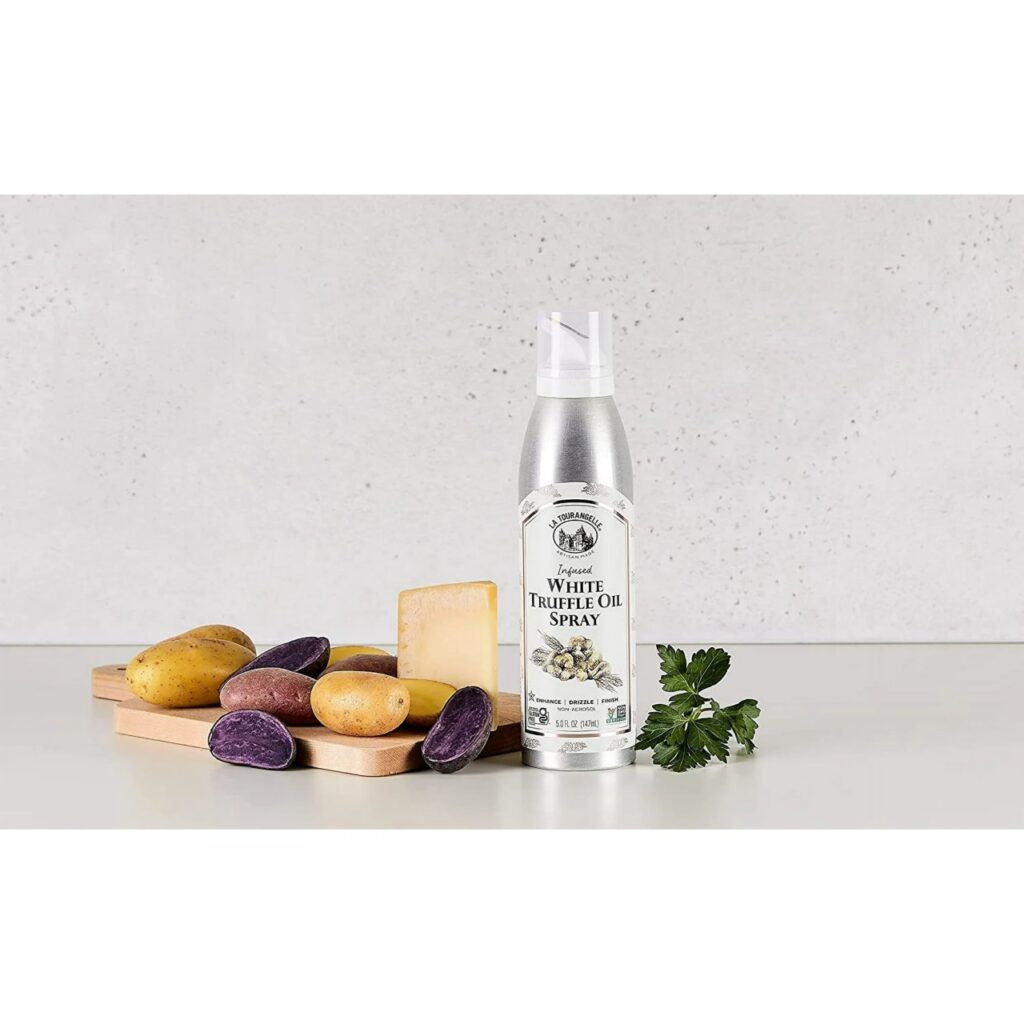
Few words on a menu carry as much weight as truffle. It suggests rarity, careful harvesting, and a price justified by depth of flavor. When diners see it listed beside fries or pasta, they expect something layered and refined, not just aromatic.
The problem begins when the flavor comes primarily from synthetic compounds. The aroma is immediate and strong, but it often lacks the evolving character of real truffles. What is promised as complexity can arrive as a single dominant note.
That mismatch shapes the entire experience. When expectation is high and delivery feels flat, disappointment follows. The name signals luxury, yet the sensation can feel engineered rather than nuanced, more marketing than meaningful flavor.
9. Real Truffles Are Subtle
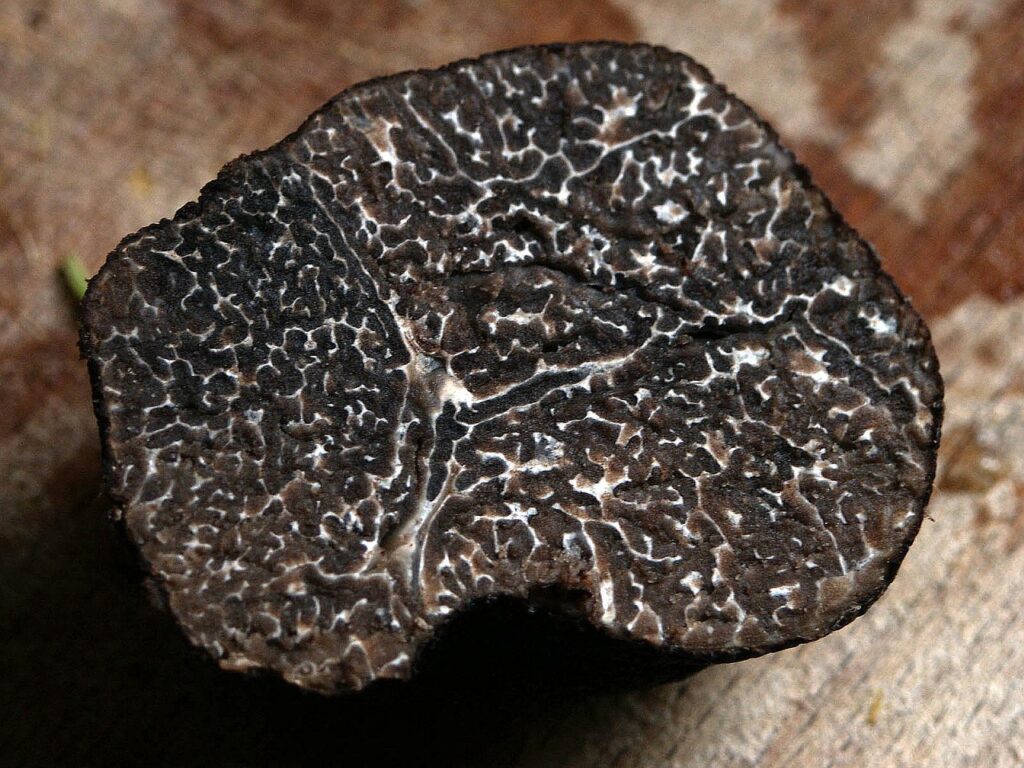
Fresh truffles do not shout. They are shaved thinly over warm dishes so their aroma can rise gently with heat. The scent unfolds gradually, adding depth without overpowering the base ingredients.
Their flavor profile is layered and fleeting. Earthy, garlicky, and slightly sweet notes appear in waves, then soften. The effect enhances the dish rather than replacing its identity.
Truffle oil often behaves differently. Even a light drizzle can dominate the plate and linger in the air. The contrast highlights an important truth. Authentic truffles are about restraint and balance, not bold saturation.
10. It Lingers in an Unnatural Way
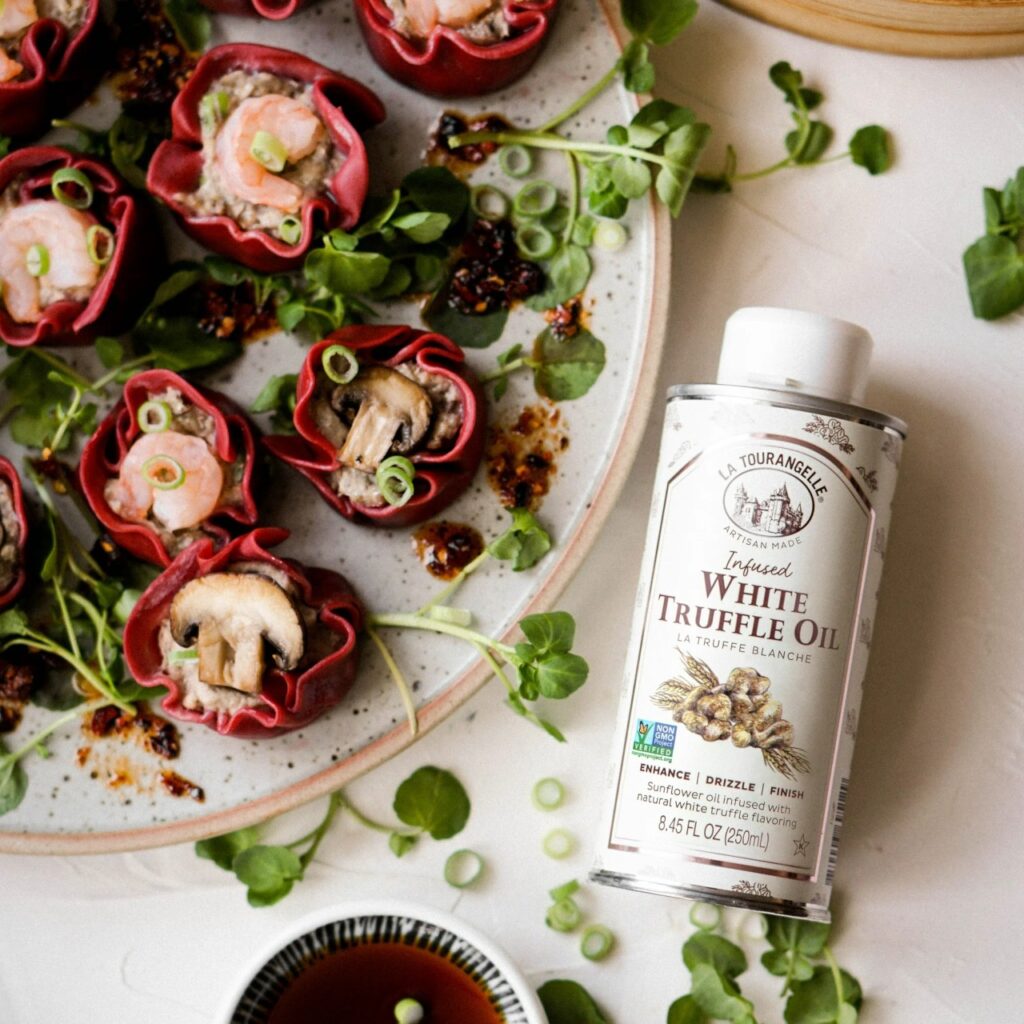
One of the most common complaints about truffle oil is how long it stays. After the last bite, the sulfur note can cling to the palate and even linger in the room.
This persistence comes from concentrated synthetic aroma compounds. They are designed to be strong and stable, which means they do not fade quickly. The effect can feel heavy rather than elegant.
Real truffle aroma tends to dissipate more softly. Its layered compounds fade in stages, leaving a subtle savory memory. When a flavor refuses to retreat, it can feel artificial, which is why some compare truffle oil to fragrance more than food.
11. Chefs Often Publicly Criticize It
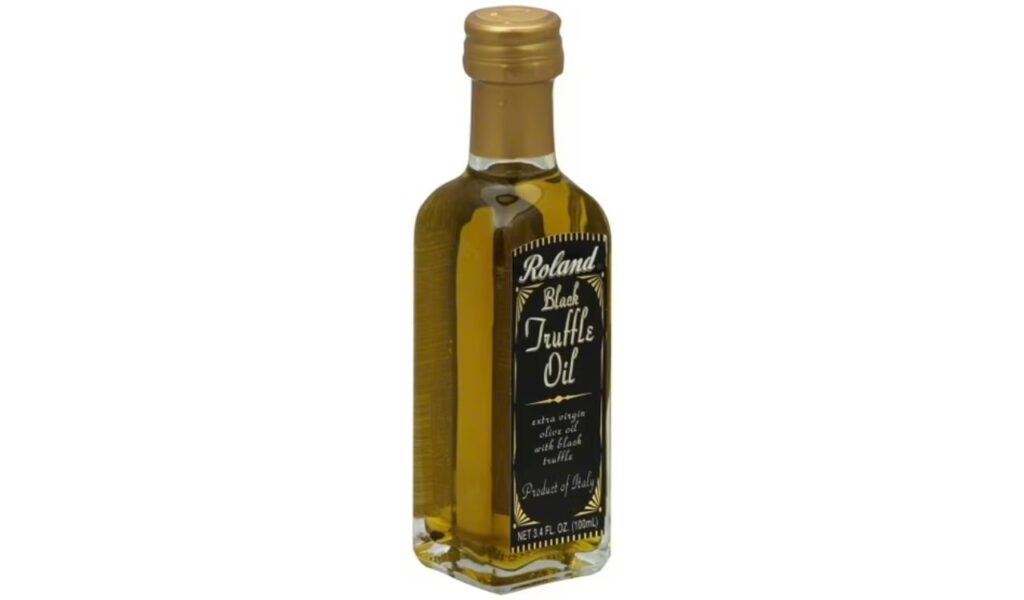
Professional kitchens have not been quiet about truffle oil. Many chefs argue that it misrepresents what truffles truly taste like, especially when no actual truffle is present in the bottle.
In fine dining settings, fresh truffles or carefully infused oils made with real truffle pieces are often preferred. The goal is to preserve authenticity and complexity rather than rely on a single amplified aroma.
Not every chef avoids it completely, and some use it sparingly. Still, the repeated criticism reflects a deeper concern about honesty in flavor. For many professionals, truffle oil represents convenience at the expense of depth and integrity.