8 Costco Items Shoppers Regret Buying

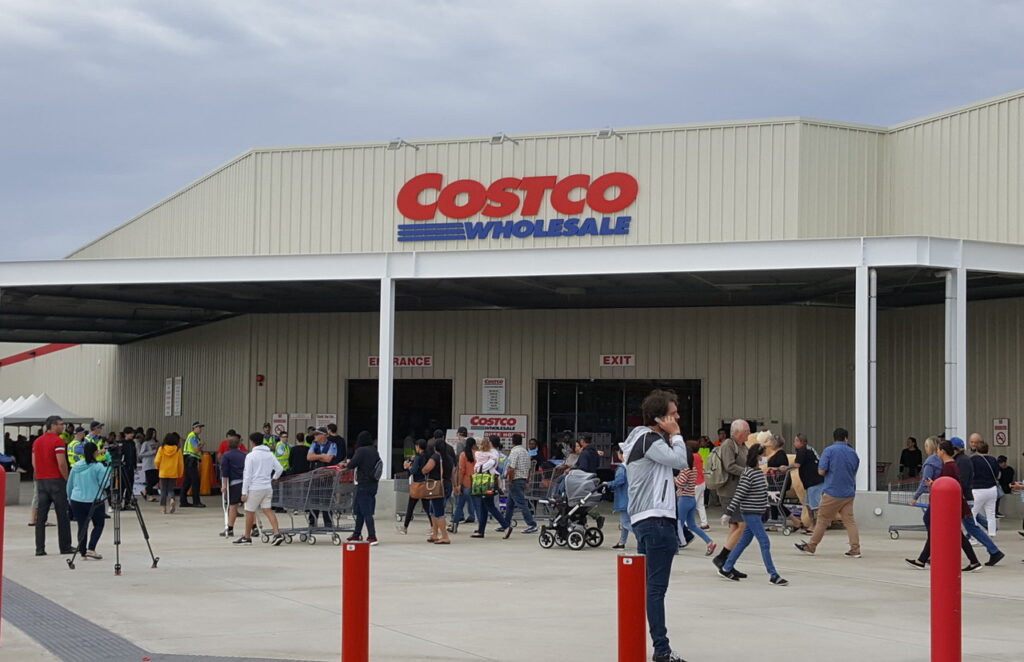
Costco is known for value, quality, and generous sizing, but bigger is not always better for every shopper. Many regretted purchases come down to quantity, storage limits, and realistic eating habits rather than product quality. Items that spoil quickly, take up too much space, or lose freshness fast can turn savings into waste. Understanding which products are more likely to cause regret helps shoppers make smarter choices and get the most value from their Costco trips without overbuying.
1. Bulk Fresh Produce
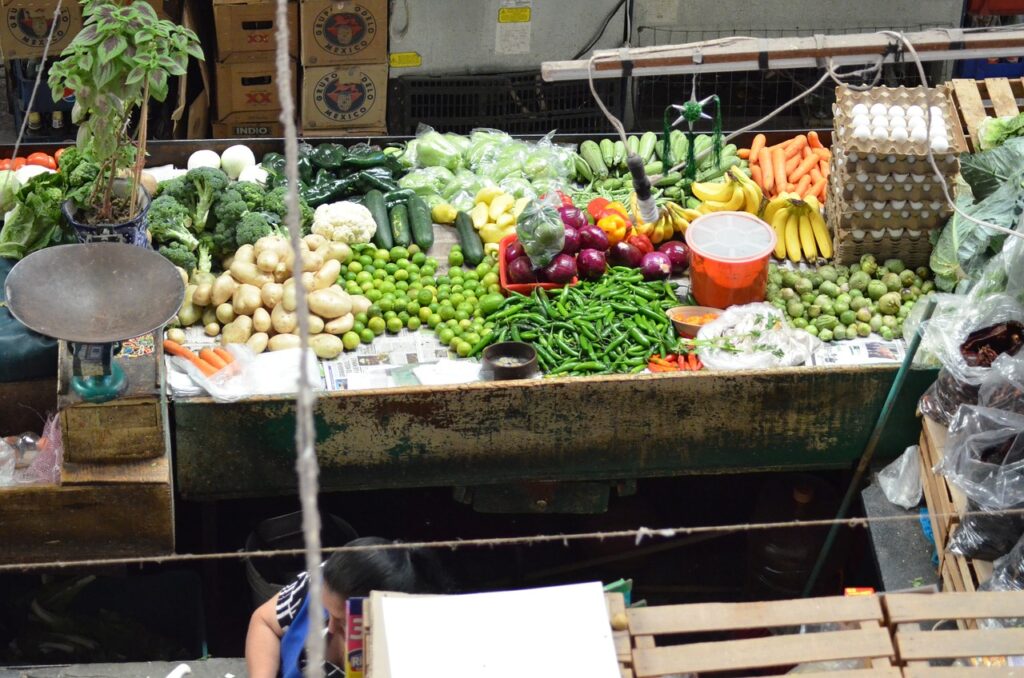
Bulk fresh produce seems like a smart buy at Costco because the quality is often good and the price per unit looks attractive. The regret usually comes later, when shoppers realize how quickly fresh fruits and vegetables spoil once they are brought home. Large berries, or avocados, can be difficult for small households to finish before texture and flavor decline. Refrigerators also have limited space, which can lead to improper storage and faster spoilage. While freezing or meal prep can help, many shoppers do not realistically follow through. The issue is not the produce itself, but the mismatch between portion size and actual consumption habits.
2. Giant Baked Goods Packs
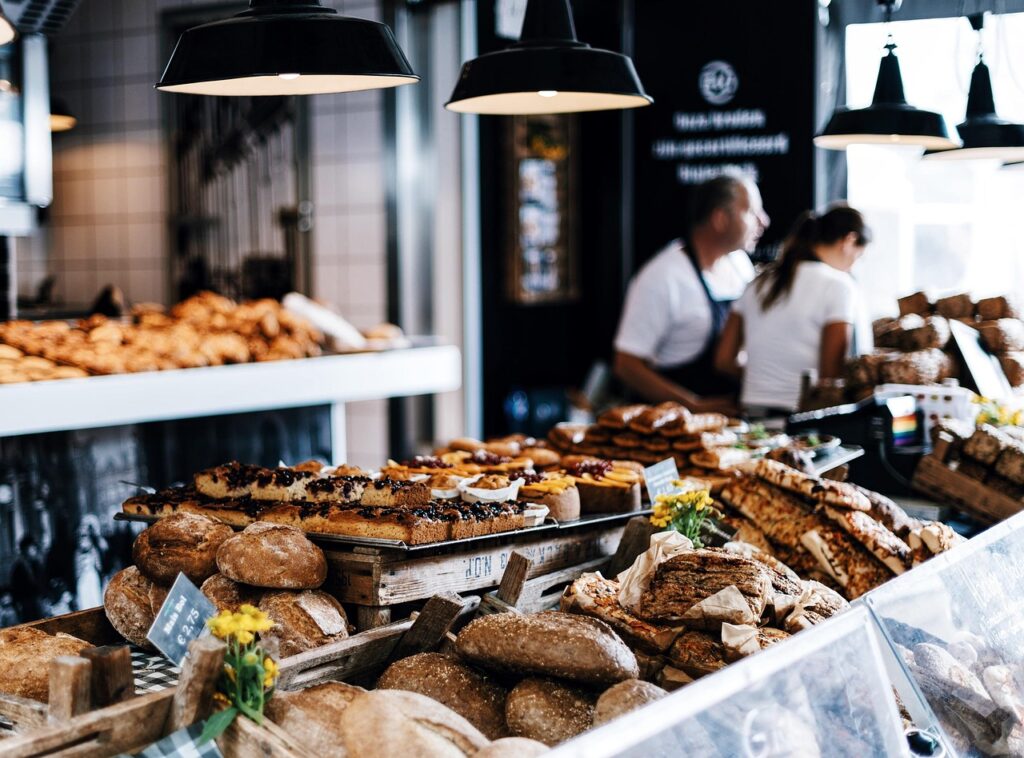
Costco’s oversized packs of muffins, pastries, and baked goods are tempting because they appear fresh, soft, and generously sized. The regret often sets in after the first few days, when texture changes and staleness become noticeable. These items are typically made to be consumed quickly, and even airtight storage cannot fully preserve their original quality. Freezing is an option, but it requires planning and freezer space that many shoppers lack. Because baked goods are less forgiving than frozen foods, excess portions often end up discarded. The low per-unit cost loses its appeal when half the package goes uneaten. Shoppers frequently realize that bakery freshness matters more than quantity.
3. Pre-Seasoned or Marinated Meats
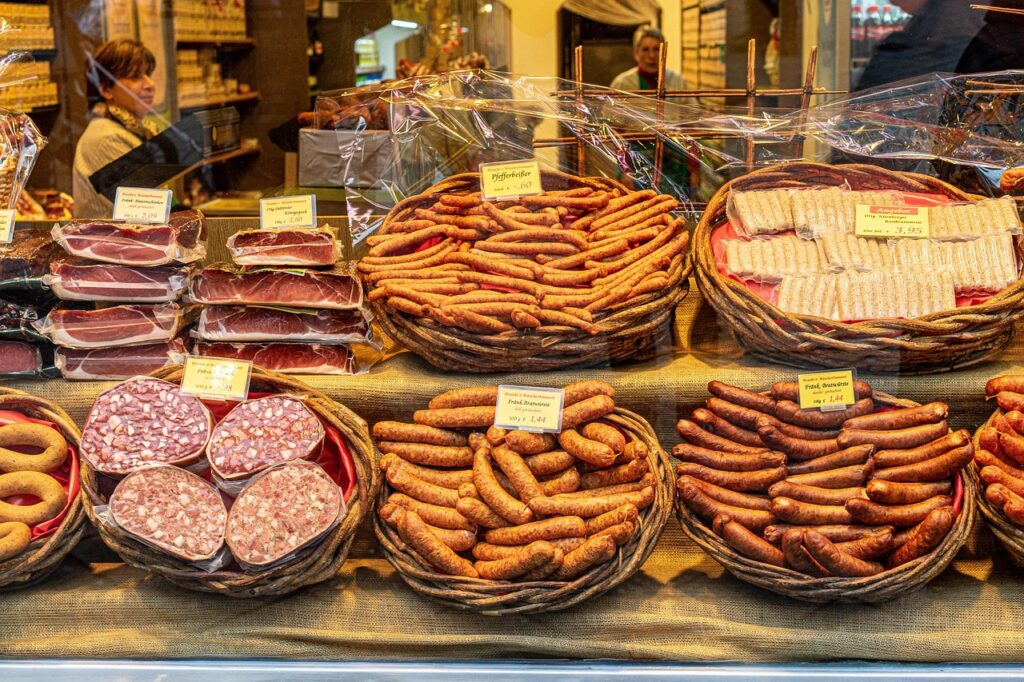
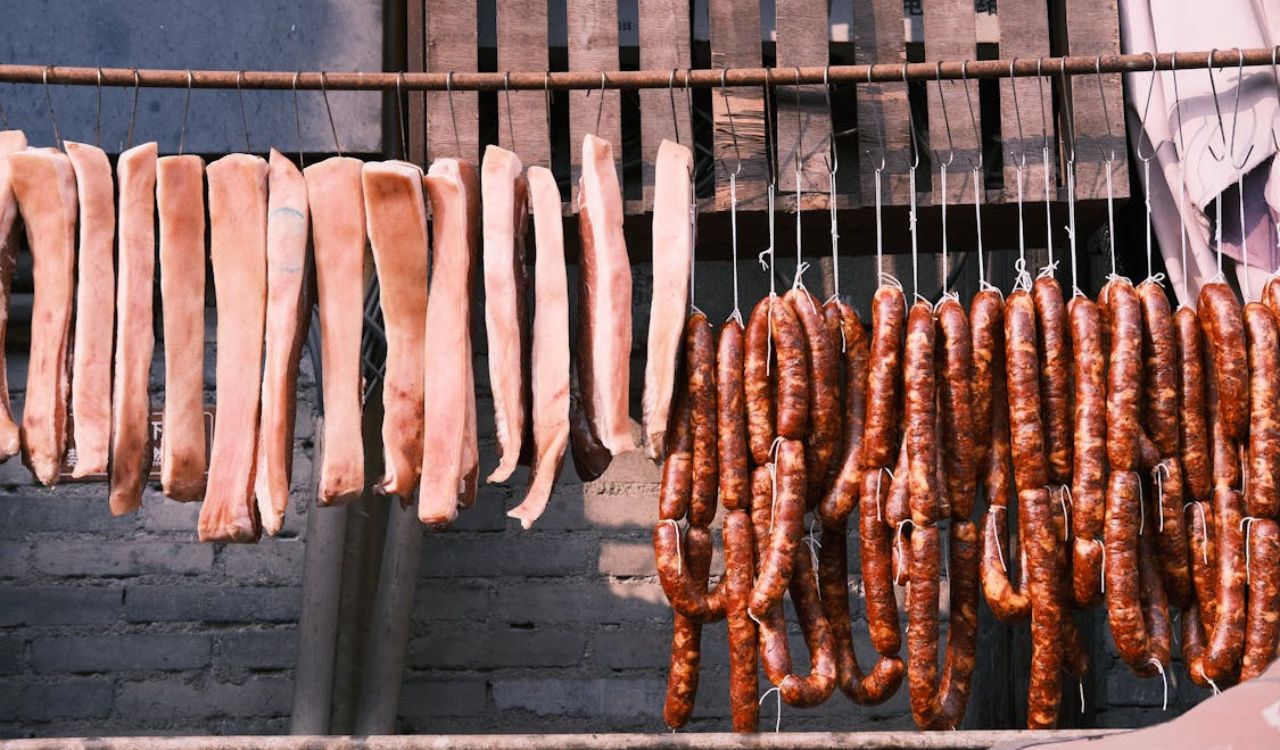
Pre-seasoned and marinated meats promise convenience, but regret arises when flavor expectations are not met. Many shoppers report that these products are overly salty or heavily seasoned to appeal to a wide audience. This can limit flexibility, especially for people who prefer to control seasoning levels. The marinades also add weight, which can make the price per pound less favorable than it appears. In some cases, the seasoning masks the natural flavor of the meat. Cooking adjustments become harder because the flavor profile is already fixed. For shoppers who enjoy cooking from scratch, plain cuts often provide better control and satisfaction.
4. Rotisserie Chicken in Excess
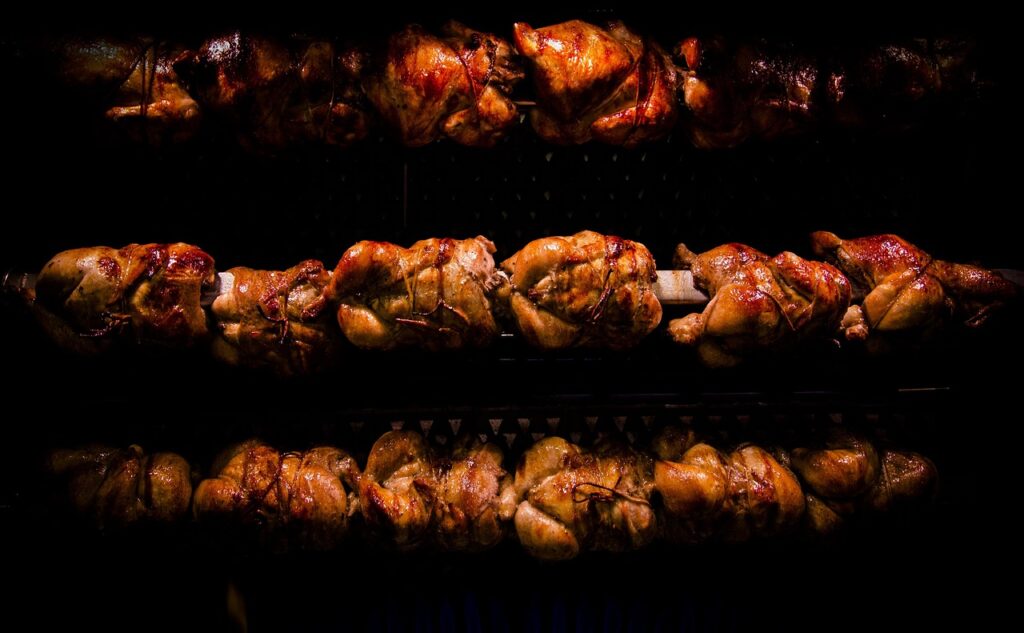
Costco’s rotisserie chicken is widely praised for value and flavor, but regret can occur when shoppers buy more than they can realistically use. While one chicken is manageable, purchasing multiple birds can lead to waste if meal planning does not follow. The chicken has a limited refrigerated shelf life, and freezing cooked poultry requires careful packaging to preserve texture. Many shoppers intend to use leftovers for soups or salads, but do not always follow through. The regret comes from overestimating how quickly cooked food will be consumed. Even a good deal can become wasteful when quantity exceeds need.
5. Bulk Snacks and Chips
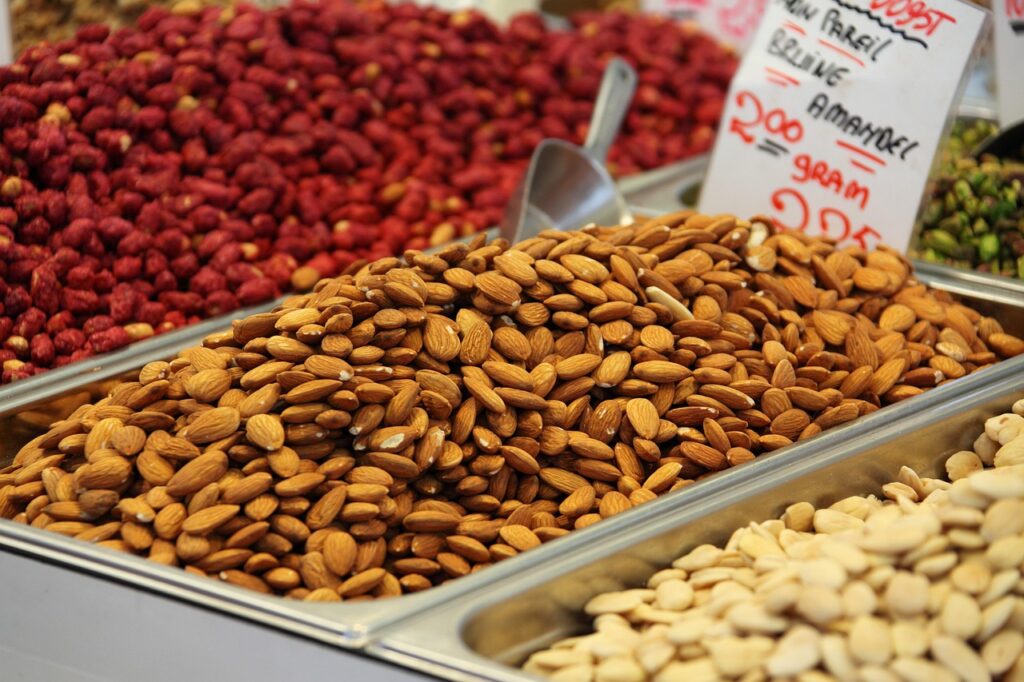
Bulk snacks and chips often seem practical for families or entertaining, yet they frequently lead to regret. Once opened, large bags lose freshness more quickly than smaller packages. Exposure to air affects texture, making chips stale before they are finished. Oversized portions can also encourage mindless eating, which some shoppers later regret from a health perspective. Storage becomes another issue, as large bags take up pantry space and are harder to reseal properly. While the price per ounce is low, the experience of eating stale snacks reduces enjoyment. For many shoppers, buying smaller packages leads to better freshness and satisfaction.
6. Oversized Condiment Bottles
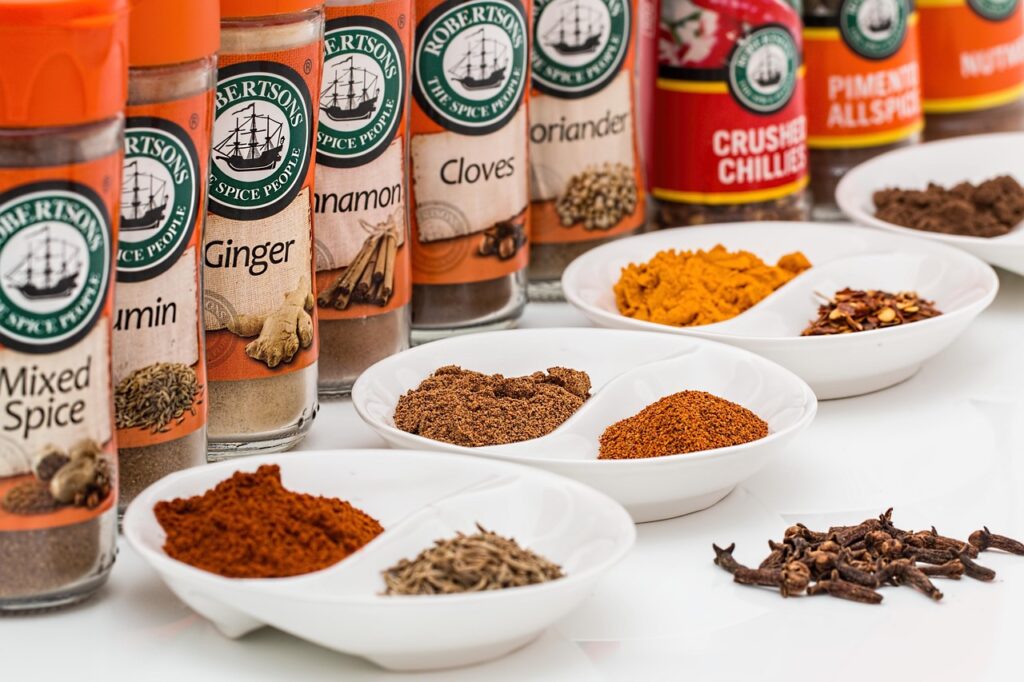
Large condiment bottles are appealing because they cost only slightly more than standard sizes. Regret surfaces when shoppers realize how infrequently these items are used. Condiments like specialty sauces, dressings, or spreads often sit in the refrigerator long enough to lose flavor or expire. Large bottles also crowd refrigerator shelves, making organization harder. While staples like ketchup may be used regularly, niche condiments rarely justify bulk sizing. The perceived savings disappear when the product is thrown away half full. Shoppers often learn that condiments are best bought in sizes that match actual usage patterns.
7. Impulse Seasonal Items

Seasonal and novelty items at Costco are designed to catch attention, and that strategy works. Regret tends to follow when these impulse buys lose relevance after the season ends. Decorative foods, themed snacks, or specialty items often have limited use and storage challenges. Once the novelty wears off, they may sit unused or be forgotten entirely. The regret is less about quality and more about necessity. Shoppers frequently realize they were drawn in by presentation rather than need. Taking a moment to consider long-term use can prevent these purchases from becoming clutter.
8. Large Dairy Multipacks
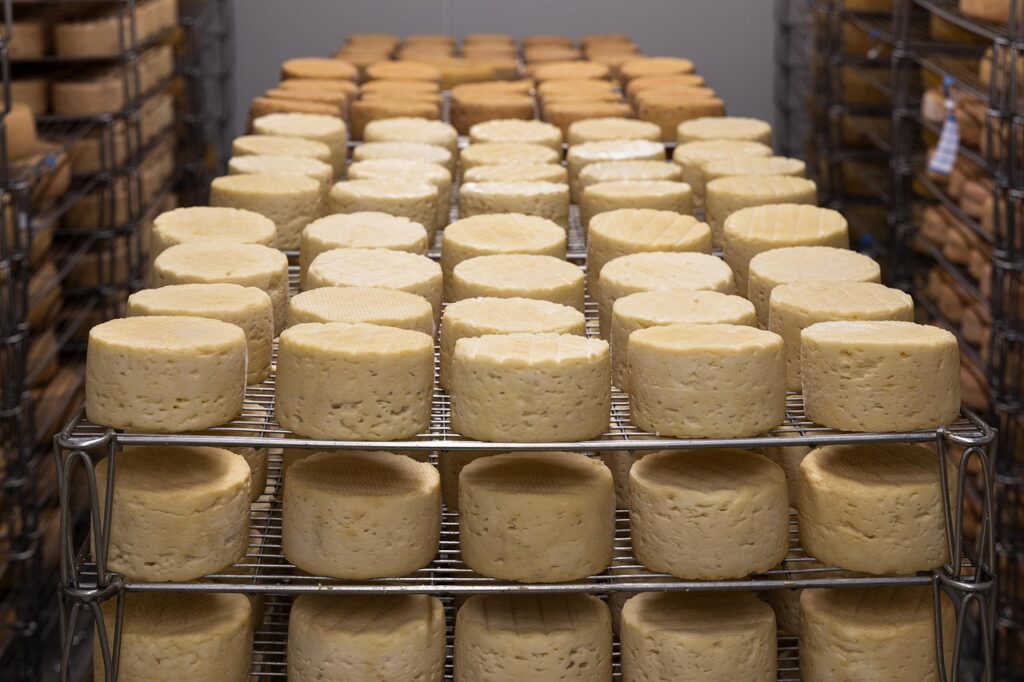
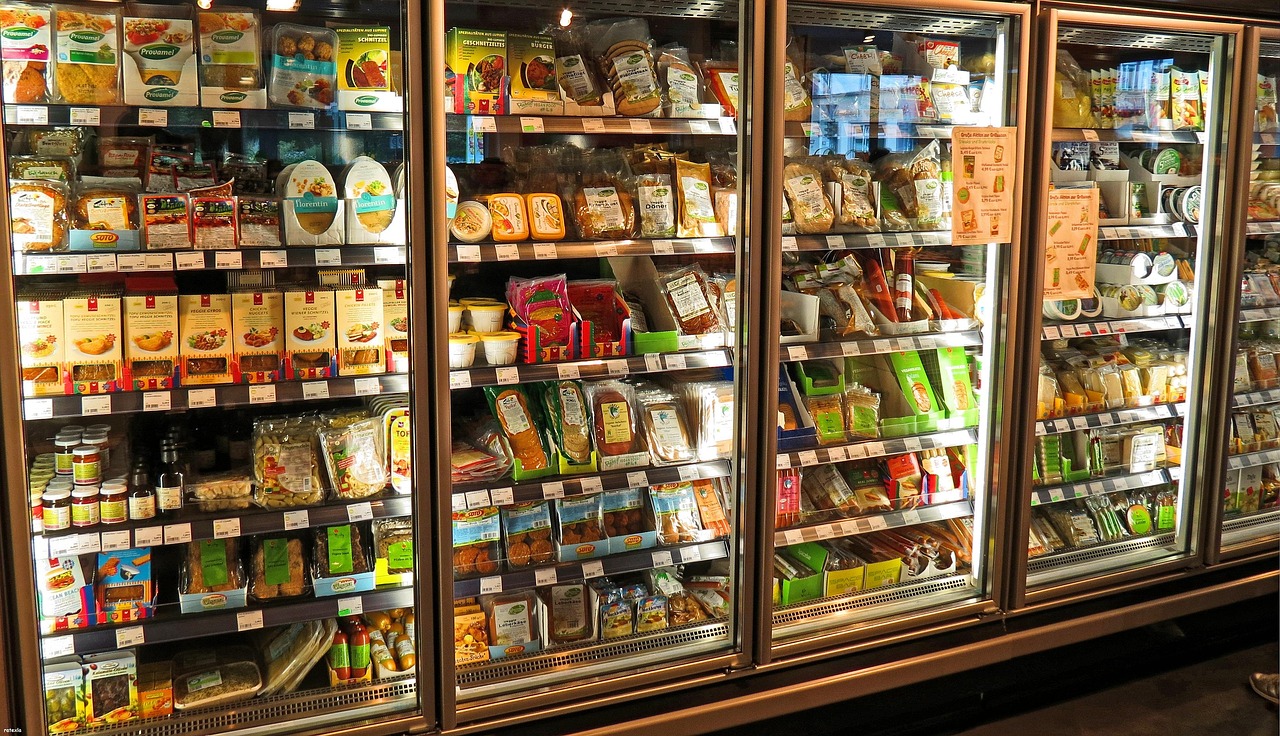
Large dairy multipacks appeal to shoppers because they offer lower prices and convenience. The regret comes from short expiration windows that do not align with consumption speed. Items like yogurt, milk, or cheese may spoil before being fully used, especially in smaller households. Refrigeration space also becomes an issue, increasing the chance of improper storage. While freezing works for some dairy products, it is not suitable for all. The result is often wasted food and lost savings. Shoppers tend to find that buying dairy in moderate quantities leads to fresher taste and less waste overall.