7 Pizza Mistakes People Call Crimes and Pineapple Isn’t One

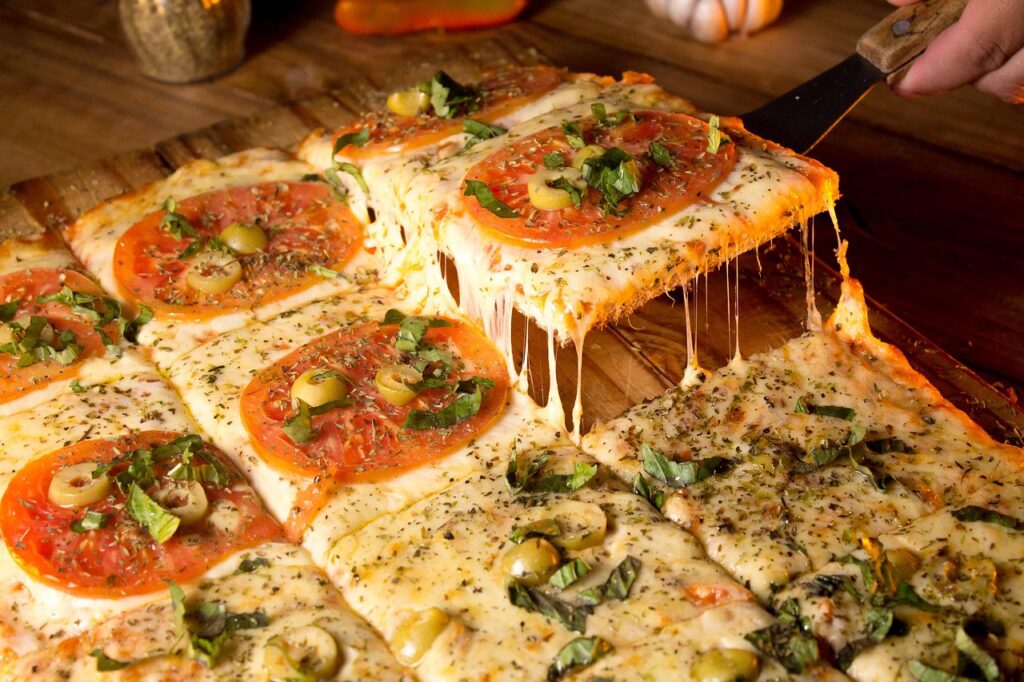
Pizza arguments usually miss the point. Real pizza disasters have nothing to do with pineapple and everything to do with technique. From dough that never had a chance to warm up to ovens that run far too cool, small missteps quietly ruin what should be one of the most comforting foods on earth. Great pizza is built on balance, heat, timing, and respect for the basics. When those fundamentals are ignored, even the best toppings cannot save the slice. These are the habits that actually sabotage pizza and why getting them right makes every bite better. Once you understand these mistakes, making great pizza at home becomes far less mysterious and far more rewarding.
1. Using Cold Dough Straight From the Fridge
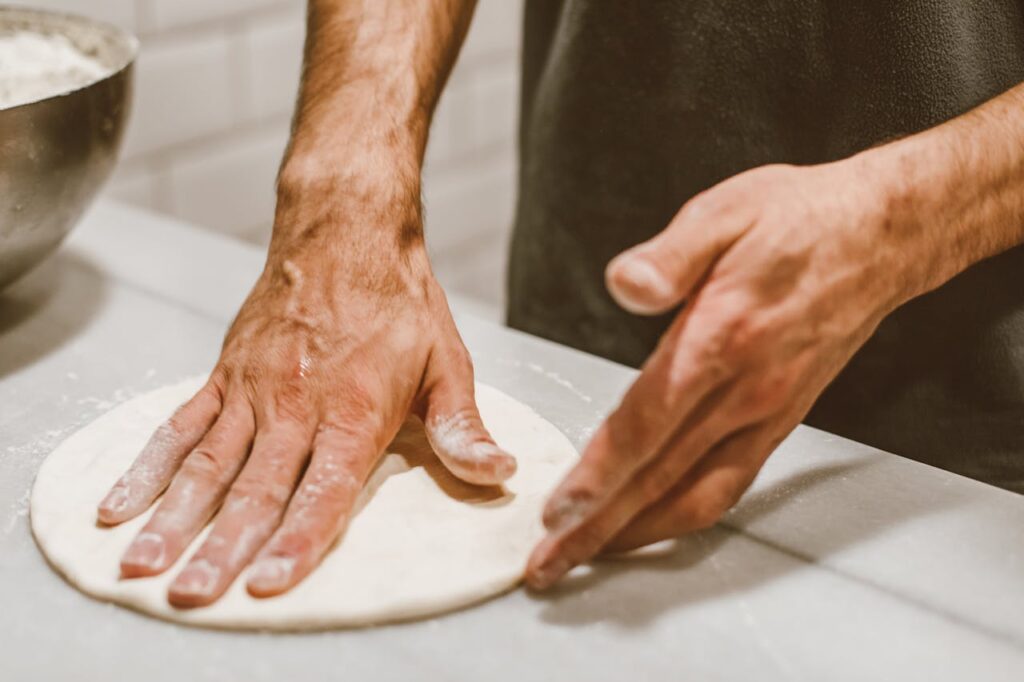
Few things sabotage a pizza faster than dough that is still refrigerator-cold. When dough comes straight from the fridge, the gluten structure is tight and uncooperative, making it difficult to stretch without snapping back or tearing. This leads to uneven thickness and dense areas that bake poorly. Yeast activity is also slowed at cold temperatures, so the dough does not rise properly in the oven. Allowing dough to rest at room temperature relaxes the gluten and reactivates fermentation, improving elasticity and oven spring. Skipping this rest period often results in pizza that feels tough and lifeless, no matter how good the toppings are.
2. Overloading the Pizza With Toppings

A pizza weighed down with toppings may look generous, but it almost always backfires. Every topping releases moisture as it cooks, and when too many are layered on, that moisture has nowhere to go. The result is a soggy center, uneven cooking, and a crust that never fully sets. Heat struggles to penetrate through thick layers, leaving vegetables undercooked and meats greasy rather than crisp. Balance is the foundation of good pizza. Traditional styles rely on restraint so each ingredient cooks properly and contributes flavor without overwhelming the base. When restraint is ignored, slices become heavy, messy, and difficult to eat.
3. Using Too Much Sauce
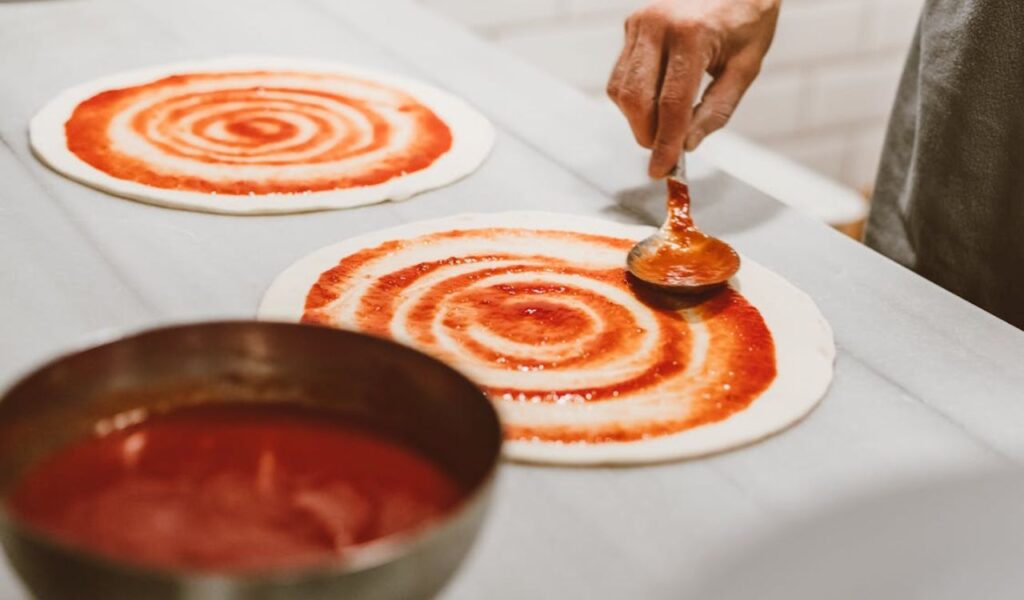
Sauce is meant to enhance pizza, not dominate it. Applying too much sauce saturates the dough, especially in the center, creating a soft and soggy base that never crisps. Even high quality sauce loses its impact when overused, turning bright flavors into a flat, watery layer. Good pizza sauce is concentrated and spread thinly, allowing heat to evaporate excess moisture during baking. This keeps the crust crisp while still delivering flavor in every bite. Too much sauce also interferes with cheese melting properly, leading to uneven texture. A light, even layer lets the dough bake properly and keeps every slice balanced instead of heavy and limp.
4. Baking at the Wrong Temperature
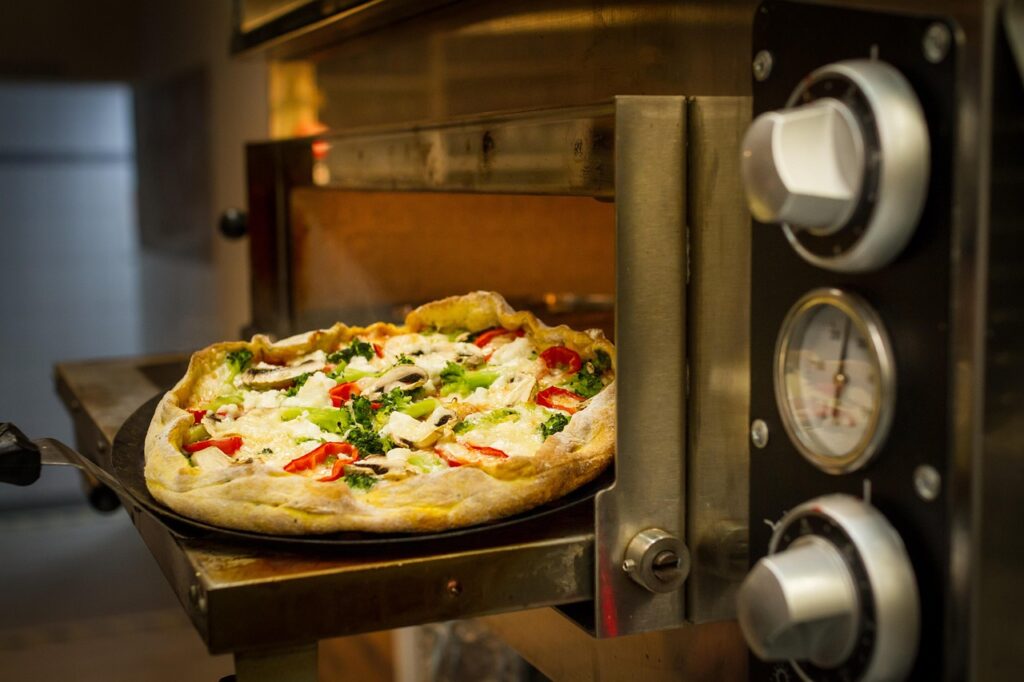
Pizza depends on high heat, and baking it too cool is one of the most common mistakes. Low oven temperatures dry out toppings before the crust finishes baking, resulting in pale dough and rubbery cheese. Traditional pizza ovens operate at extremely high temperatures because quick baking creates proper rise, blistering, and browning. At home, the oven should be set as hot as possible and fully preheated. A pizza stone or steel helps mimic professional results by delivering intense bottom heat. When heat is insufficient, bake times stretch too long, moisture lingers, and texture suffers. The difference between dull pizza and one with crisp edges often comes down to temperature alone.
5. Skipping Proper Cheese Selection
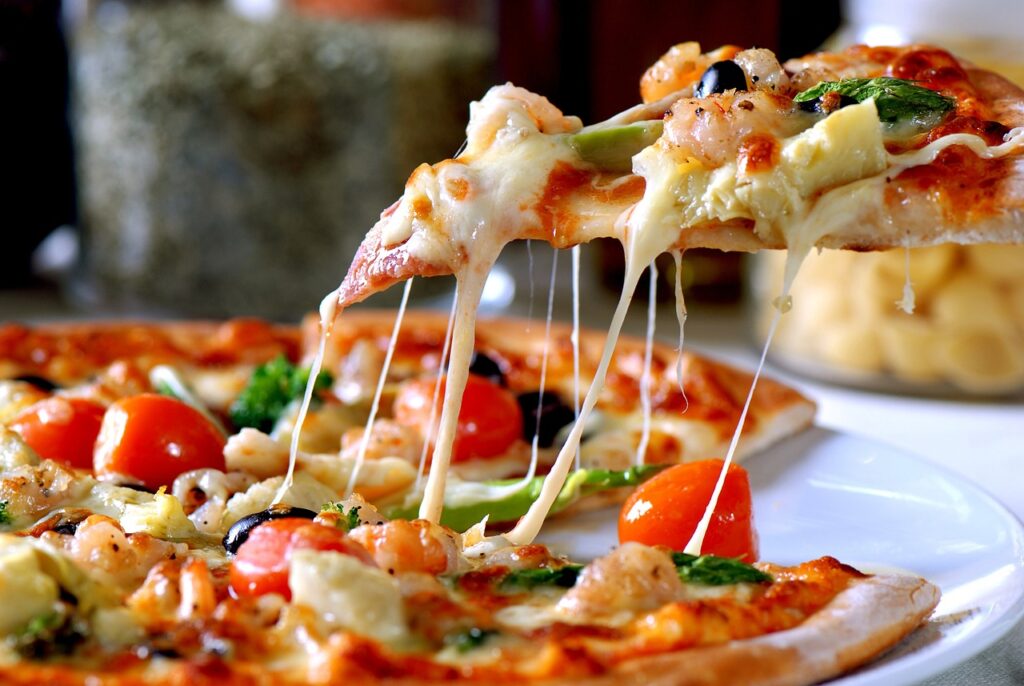
Cheese choice plays a much bigger role than many people realize. Pre-shredded cheeses are often coated with anti-caking agents that prevent smooth melting and mute flavor. Using the wrong cheese can lead to oily pools, uneven browning, or a stiff layer that pulls away from the crust. Low moisture mozzarella melts evenly and complements sauce without overpowering it. Freshly grated cheese also distributes more naturally across the pizza, improving texture and appearance. Blends can work well when chosen carefully, but random mixes often clash. Cheese is not just a topping, it is a structural element. Poor selection disrupts melt, balance, and mouthfeel, lowering the quality of the pizza.
6. Cutting the Pizza Too Soon
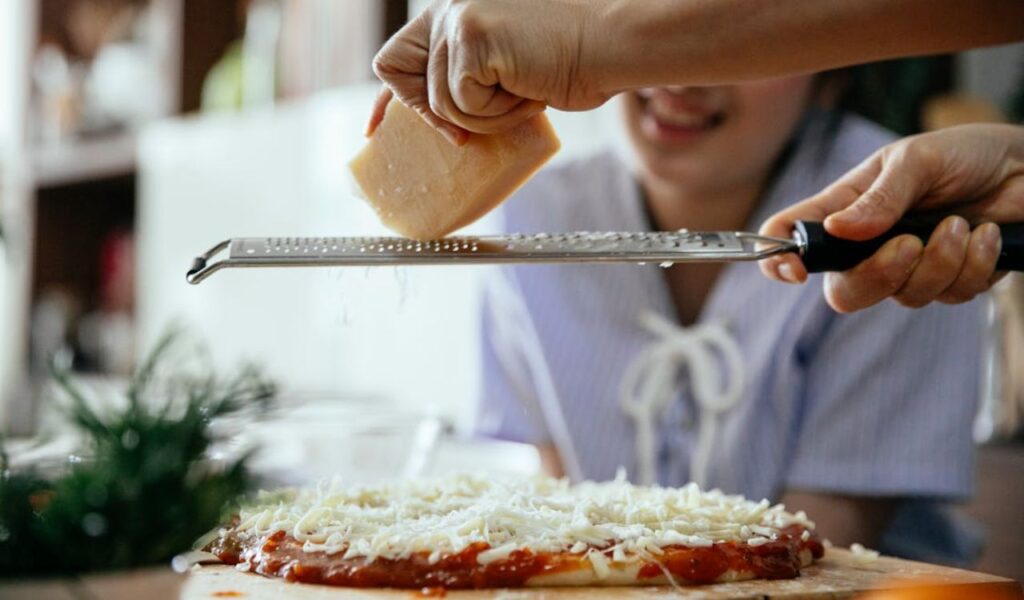
Fresh pizza needs a short resting period, even if it is tempting to slice immediately. When cut straight from the oven, steam escapes rapidly, causing cheese to slide and toppings to separate from the crust. The base can turn soggy as moisture redistributes unevenly. Allowing the pizza to rest for a minute or two lets the structure settle and finishes internal cooking. This improves slice integrity, texture, and overall eating experience. The pizza stays together, the crust holds its crispness, and flavors become more cohesive. Rushing this step turns careful preparation into an unnecessary mess.
7. Forgetting the Crust Needs Flavor
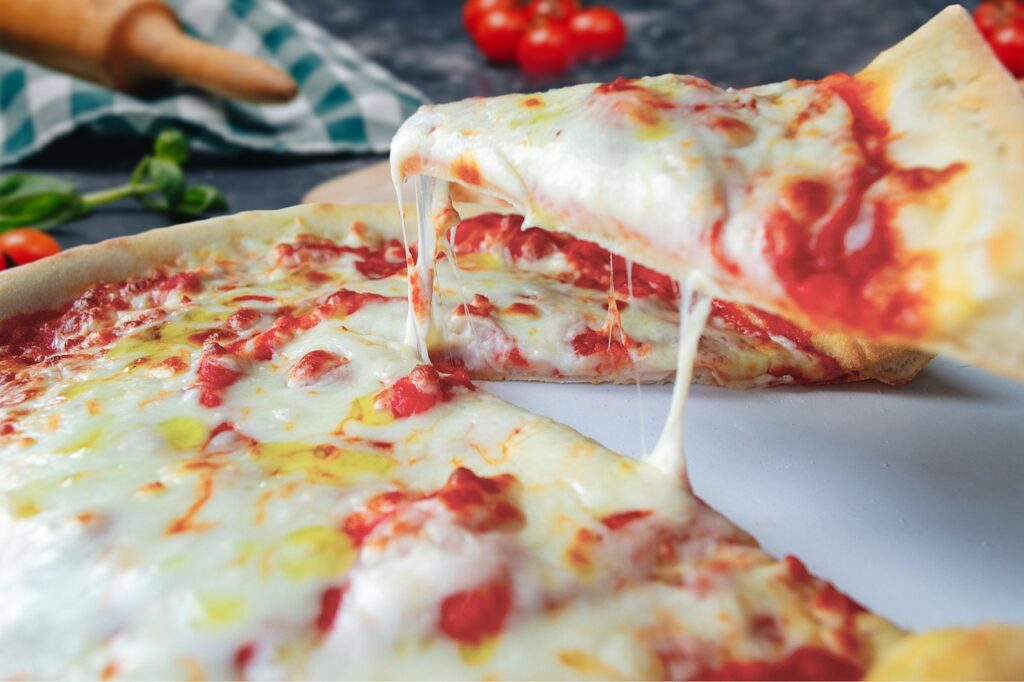
A great pizza crust should be enjoyable on its own, not just a vehicle for toppings. Underseasoned dough tastes bland and flat, no matter how high-quality the toppings are. Salt is essential for flavor development and proper fermentation, while time allows complexity to build naturally. Well fermented dough develops subtle depth, light acidity, and better texture. When the crust is ignored, the pizza feels incomplete. The edges should be something people look forward to eating, not something left behind. Flavorful dough elevates the entire pizza and proves that the foundation matters just as much as what goes on top.