Why Chocolate Prices Keep Rising Across the U.S.


Chocolate has long been one of America’s most affordable indulgences, tucked into lunchboxes, holiday baskets, and checkout lines. But in 2026, that small luxury is costing noticeably more. From candy bars to baking chips, prices across the U.S. have climbed as cocoa harvests shrink, commodities markets surge, and supply chain costs stack up. What looks like a simple price hike at the store is actually the result of weather disruptions in West Africa, global trading dynamics, and rising production expenses closer to home.
Shrinking Cocoa Harvests Are Driving Up Costs
If you’ve noticed candy bars and baking chocolate creeping up in price at the grocery store, the story often starts thousands of miles away in West Africa. That region, particularly Ghana and Côte d’Ivoire, supplies roughly two-thirds of the world’s cocoa beans. These beans are the foundation of every chocolate product sold in the U.S. and beyond. But in recent years, cocoa production in these countries has been increasingly unstable. Weather patterns have grown more erratic, with droughts and unusually heavy rainfall both affecting flowering and bean development. Cocoa trees are sensitive; they thrive in very specific conditions, and when those conditions shift even slightly, yields can fall sharply.
On top of climate pressures, farmers are also battling old and new plant diseases that reduce crop viability. Cocoa swollen shoot virus, for example, has plagued many West African plantations for decades, and efforts to contain it require uprooting infected trees and regenerating entire fields — a slow and costly process. When harvests shrink, the global supply of cocoa beans tightens. Basic economics dictates that when supply is limited and demand remains steady or grows, prices rise. That dynamic is now playing out in cocoa markets, with smaller harvests contributing to the rising base cost for companies that process and refine cocoa into the chocolate products familiar to U.S. consumers.
Commodities Markets Are Fueling Price Pressure
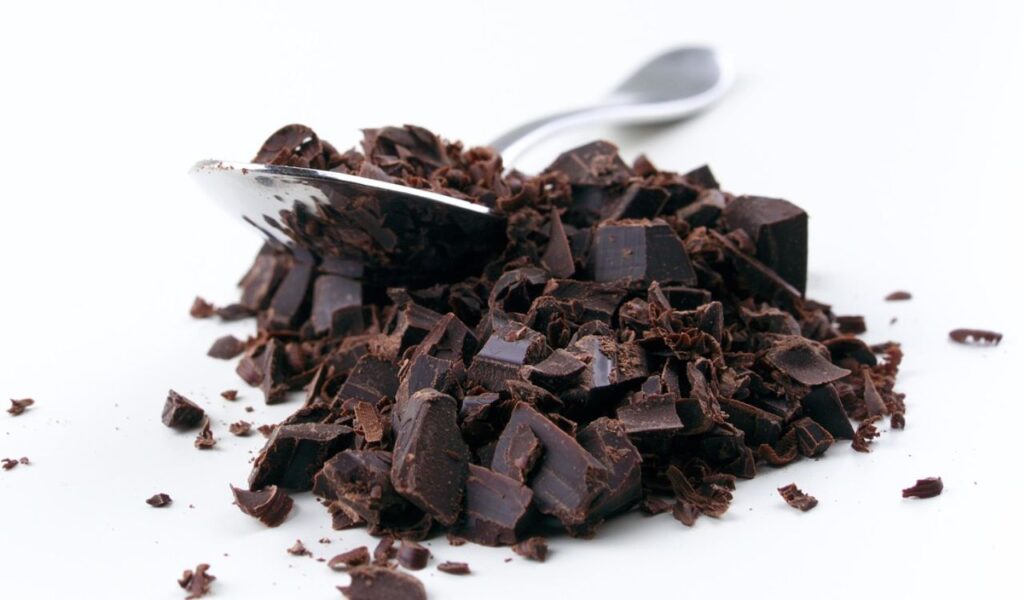
Cocoa prices don’t just move because trees produced fewer beans. Traders and speculators in global commodities markets also influence how much companies pay. Cocoa is traded on exchanges like ICE Futures U.S., and prices fluctuate based on expectations of supply, economic conditions, and investor behavior. When news breaks of a weak harvest forecast, traders often bid up cocoa futures in anticipation of future shortages. That can push prices higher even before the actual supply impacts reach the warehouse docks and factory floors.
Another factor adding upward pressure is currency strength. Cocoa bean exporters price their crops in dollars, so changes in the strength of local currencies relative to the dollar affect net prices. When producing countries’ currencies weaken, exporters may demand more beans to maintain earnings. For U.S. buyers paying in dollars, those shifts can translate into higher import costs. Add to that broader inflationary pressures, including higher energy prices that affect everything from processing to shipping, and the net result is a commodity that costs more at every step. The ripple effect from the commodities markets reaches all the way from futures trading desks to the checkout aisle in supermarkets.
U.S. Supply Chains Face Higher Input Costs
Once cocoa beans reach processing facilities, they must be cleaned, fermented, dried, shipped, and refined into cocoa powder and cocoa butter before becoming chocolate. Each of these steps involves labor, machinery, energy, and logistics, and all of those inputs have seen price pressures of their own. Shipping containers remain in tight supply in some routes, and fuel costs have climbed back up after pandemic-era lows, increasing the cost of moving goods from port to plant. Processing facilities themselves face higher labor costs as companies struggle to attract and retain workers in a competitive job market.
These costs don’t exist in isolation. Tariffs and trade policy can increase import expenses, depending on where beans and intermediate products originate. For American manufacturers, rising input costs combined with higher transportation fees squeeze profit margins. Many companies are forced to make a choice: absorb the costs and lower profit, raise prices for consumers, or reformulate products to use less cocoa or more cost-effective substitutes. In recent quarters, the trend has been toward passing at least part of those costs along to buyers, which is why consumers are seeing higher prices on shelves.
Chocolate Makers Adjust Products and Prices

Faced with higher cocoa and operational costs, chocolate manufacturers are adopting a range of strategies to cope. Shrinkflation, reducing the size of a candy bar while keeping the price the same, has become one of the more visible tactics. Consumers may not immediately notice that their favorite treat has a few fewer grams of chocolate, but the financial math helps companies manage rising expenses. Others are outright raising prices, a move that’s easier for premium brands that emphasize quality and uniqueness but harder for mass-market products where price competition is intense.
Some makers are also experimenting with recipe changes, increasing the percentage of cheaper ingredients like sugar or vegetable fats relative to cocoa solids and cocoa butter. These adjustments can alter taste and texture, sometimes subtly, sometimes noticeably. Meanwhile, companies that position themselves as premium or artisanal may segment their products to focus on higher-end chocolates that consumers are willing to pay more for, even in a challenging economic climate. All of these approaches reflect how the broader cost environment, from bean fields to factory floors, is reshaping the chocolate aisle and redefining what shoppers can expect when indulging their sweet tooth.
What This Means for Consumers and Cacao Farmers
For everyday shoppers, rising chocolate prices are a clear example of how global economic and environmental factors show up in everyday life. A box of chocolates for Valentine’s Day or an extra bag of baking chips for holiday cookies now comes with a noticeably higher price tag. That can influence purchasing habits, especially among budget-conscious families who may substitute less expensive treats or cut back on confectionery altogether. For some consumers, higher prices diminish the pleasure of occasional indulgences, prompting reevaluation of what constitutes a treat in an inflationary era.
Meanwhile, the story on the production side is complex. Cacao farmers, many of whom operate small family farms, do not automatically benefit from higher global prices. In fact, the economic pressures of disease, climate change, and input costs make farming more difficult even as commodities markets show higher values. Without investment in sustainable farming practices, agricultural support, and infrastructure improvements, the long-term viability of cocoa production remains in question. The challenge for farmers and for the industry at large is to find ways to stabilize supply, ensure fair compensation for growers, and mitigate environmental threats, all while meeting the global appetite for chocolate.