The Debate Over Banning Artificial Food Dyes in 2026

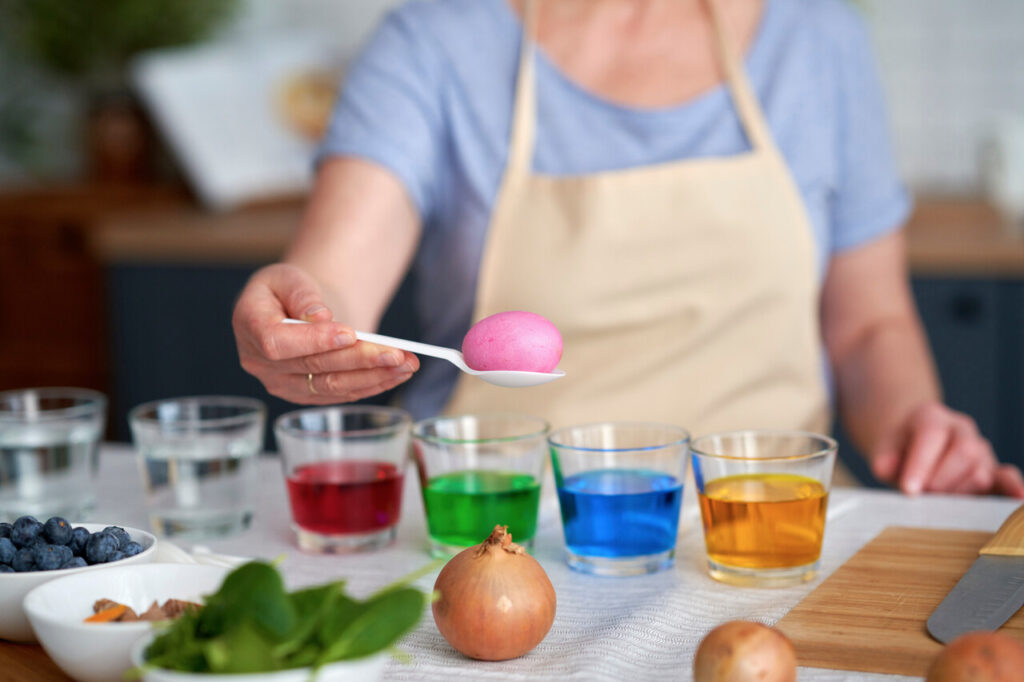
Brightly colored cereals, neon candies, and vividly tinted drinks have long been staples of American grocery shelves. In 2026, those familiar hues are at the center of a growing national debate. Lawmakers, regulators, food companies, and consumer advocates are weighing whether synthetic food dyes should remain in the food supply or be phased out in favor of natural alternatives. Supporters of bans argue that petroleum-based dyes offer no nutritional benefit and may carry health risks, especially for children. Critics say the science is still evolving and warn that sweeping restrictions could disrupt products consumers know and trust.
What’s Driving the Push to Ban Food Dyes
In 2026, synthetic food dyes have become the latest flashpoint in debates over public health and food safety. Federal agencies, food reform advocates, and several states are spotlighting petroleum-based color additives, the chemicals that make brightly colored cereals, candies, and drinks appear so appealing. The U.S. Food and Drug Administration and the Department of Health and Human Services announced plans to phase out many petroleum-based dyes from the nation’s food supply by the end of 2026, framing the effort as part of a broader campaign to reduce ultra-processed ingredients linked to health concerns like obesity, behavioral issues, and other chronic conditions.
Supporters of the phase-out argue that artificial dyes offer no nutritional value and are associated with potential risks, including hyperactivity in children and possible links to cancer in animal studies. Research has shown that certain synthetic dyes, once widely approved by the FDA, have raised health questions over decades, prompting earlier regulation of some and proposals to eliminate others. Critics, however, counter that scientific evidence remains mixed, that regulatory decisions should rely on robust review rather than precaution, and that total bans could disrupt familiar food products and industry operations.
What Products Could Be Affected at the Grocery Store
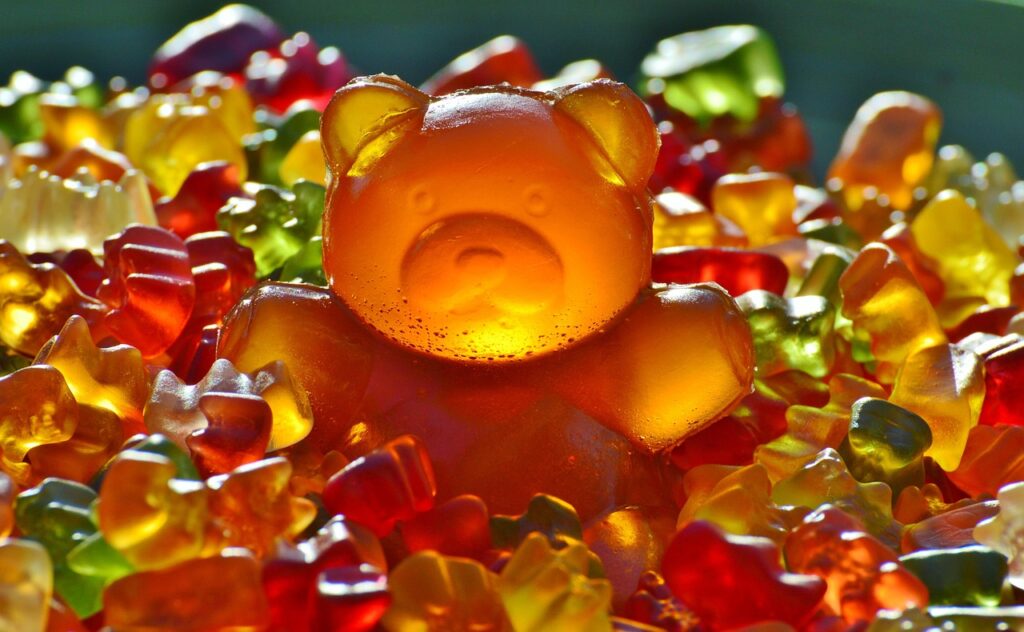
Artificial dyes show up in a surprising range of everyday foods, especially those marketed to children. Popular dyes such as FD&C Red No. 40, Yellow No. 5, Yellow No. 6, Blue No. 1, and Blue No. 2 are often used in breakfast cereals, snacks, beverages, candies, and dairy treats. The FDA’s phase-out plan includes revoking authorization for several petroleum-based color additives and encouraging food manufacturers to adopt natural alternatives before regulatory deadlines at the end of 2026.
Retailers and manufacturers are already responding to both consumer demand and regulatory signals. Major grocery brands have pledged to remove or reduce synthetic dyes in their portfolios, and at least one national retailer has announced plans to stop selling cereals containing certified artificial colors by mid-2026. This decision could pressure competitors to follow suit. This shift is likely to reshape the look of many beloved products, but it also raises questions about how easily natural or alternative dyes can replicate the vivid hues consumers expect without compromising taste or stability.
Health Concerns and Scientific Debate
One of the central arguments behind banning artificial food dyes is the health risk. Decades of research, much of it observational or based on high-dose animal models, has linked certain synthetic dyes to a range of potential issues, including behavioral effects in children and biological changes in laboratory animals. Some researchers contend that reducing exposure to these petroleum-based additives could lower dietary contributors to hyperactivity, obesity, and other conditions.
Yet the scientific landscape isn’t settled. Many health experts acknowledge that while artificial dyes have been associated with potential risks, the evidence is not always conclusive. The debate hinges on whether regulatory action should err on the side of caution or wait for stronger causal data, particularly given how embedded these additives are in the U.S. food system. Opponents argue that the value of these dyes in food processing including consistency, visual appeal, and consumer acceptance, must be weighed against uncertain risks and that abrupt policy changes could have unintended consequences for product cost and availability.
Industry and Retail Responses to Proposed Restrictions
Food manufacturers and retailers are adjusting their strategies in the face of mounting pressure to eliminate synthetic dyes. Some major food companies have already committed to phase out artificial colors, particularly in products sold to schools or marketed toward children, ahead of regulatory deadlines. General Mills, Nestlé, and other large brands have recently pledged to remove synthetic dyes from segments of their U.S. product lines by 2026.
Retailers are also stepping in, with some choosing to impose their own restrictions to respond to consumer demand for cleaner labels and to preempt stricter regulatory action. A high-profile national store announced plans to require all cereals it sells to be free of certified synthetic colors by the end of May 2026, a move that may compel manufacturers to reformulate products to maintain shelf placement. These voluntary and retailer-driven changes illustrate how market forces can accelerate reform even in the absence of immediate food additive bans.
The Broader Debate Over Health, Regulation, and Choice
At its core, the debate over banning artificial food dyes reflects broader tensions in modern food policy. Advocates for restriction frame the discussion around preventive public health, arguing that phasing out petroleum-based dyes could reduce exposure to additives linked to behavioral and metabolic concerns, especially among children. Critics counter that regulation should be grounded in robust science and that sweeping bans might undermine consumer choice and industry flexibility.
In parallel, many states have taken individual action by passing laws to restrict or require warning labels on dyed foods, underscoring a patchwork regulatory environment where state and federal standards could diverge. These state moves, sometimes more stringent than federal guidance, illustrate how public health concerns can drive local policy even as the scientific consensus continues to evolve. As 2026 unfolds, the outcome of this debate could redefine which ingredients are acceptable in the American food supply and how policymakers balance precaution, evidence, and industry innovation.