How Climate Change Is Affecting American Produce Aisles

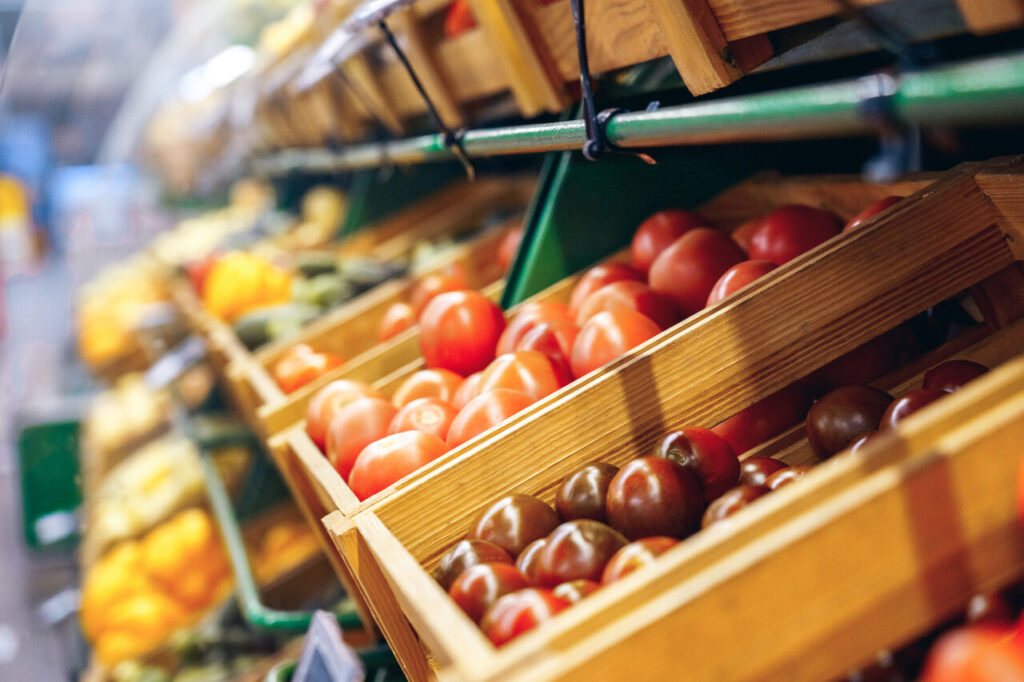
The produce aisle has long felt like the most dependable part of the grocery store. Strawberries in winter, lettuce year-round, and tomatoes stacked high no matter the season. But climate change is quietly disrupting that consistency. Rising temperatures, prolonged droughts, heavier rainstorms, and shifting pest patterns are reshaping how and where fruits and vegetables are grown. The result is showing up in subtle but meaningful ways, from fluctuating prices to changes in quality and availability. What happens in farm fields across the U.S. and abroad is increasingly visible in the carts of everyday shoppers.
Why Climate Change Matters for Your Produce
When most of us stroll down the produce aisle, we’re looking for the brightest tomatoes or the crispest lettuce, not thinking about the weather patterns that helped bring them to the shelf. But climate change is quietly reshaping the American food system in ways you can see and taste. As global temperatures rise, traditional growing seasons are shifting. In some regions, heat waves arrive earlier and linger longer, shortening or disrupting periods when cool-weather crops like spinach and broccoli thrive. In other areas, winters are no longer cold enough to suppress pests and diseases that typically subsided in freezing temperatures. This makes crops more vulnerable and forces farmers to rethink long-standing planting calendars.
It’s not just gradual warming that’s the issue. Extreme weather events are becoming more frequent and intense. Droughts parch the soil and reduce water availability for irrigation, while flooding washes away seedlings and topsoil essential for future growth. Both extremes can destroy crops outright and leave fields unusable for weeks or months. Even when a farm escapes total loss, these stresses reduce yields overall, meaning less fresh produce makes it from the field to the freight truck and into your local grocery store. The connection between climate variability and produce quality may not be obvious day to day, but over time, it changes what’s plentiful and what’s scarce on supermarket shelves.
Key Crops Under Pressure in the U.S.
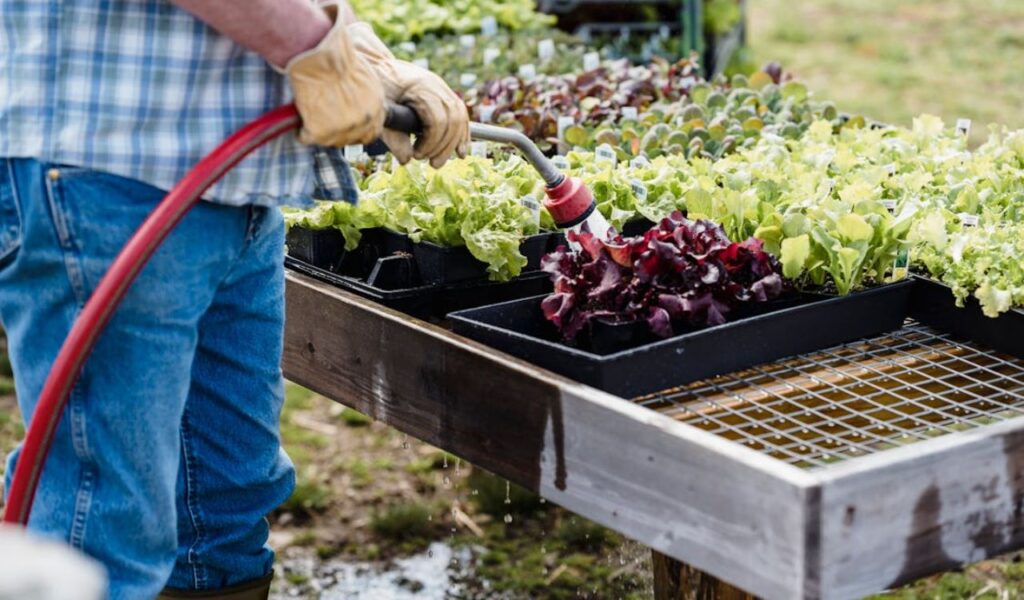
Some of America’s favorite fruits and vegetables are especially sensitive to changes in heat and water. Tomatoes, peppers, and leafy greens all depend on specific temperature ranges to set fruit and develop flavor. When heat spikes unexpectedly during critical growth phases, blossoms can drop before setting fruit, or plants can simply shut down their growth in an effort to survive. Drought exacerbates these impacts by limiting the water needed for plants to cool themselves and transport nutrients. In the Southwest and parts of California’s Central Valley, where much of the nation’s produce supply originates, water scarcity has already become a chronic challenge.
At the same time, flooding, driven by intense rainfall events, creates its own problems. Too much water can suffocate roots and promote fungal diseases that thrive in wet conditions. Crops like strawberries, which grow close to the ground, are particularly vulnerable to rot in saturated soil. Added to these production risks are the pressures of pests and weeds expanding into new areas as warmer winters fail to kill them off. Some pests migrate north, exposing regions that historically didn’t have to manage them, while others build resistance to traditional controls. This shifting biological landscape means farmers must invest in new tools and tactics just to maintain current levels of production, often at higher cost.
Global Ripples That Hit U.S. Aisles
Climate change doesn’t just affect American farms; it also upends global agriculture in ways that come home to U.S. consumers. Many produce items consumed here are grown or sourced internationally, especially during off-season months. When countries that export fruits and vegetables suffer from heat waves, drought, or floods, their production drops and the global supply tightens. This can lead to shortages in the U.S. or higher prices as importers pay more to secure limited shipments. Grapes from Chile, leafy greens from Mexico, and berries from Central America all factor into the year-round availability that U.S. shoppers have come to expect.
At the same time, changes in global food security can alter trade patterns and export commitments. If a country that typically sends produce to the United States experiences a major crop loss, it may prioritize feeding its own population and reduce export volume. These global supply shocks ripple through distribution networks, affecting availability and pricing in American markets. Although the U.S. remains a major agricultural producer and exporter, it participates in a deeply interconnected system where climate stresses elsewhere can quickly translate into less variety or higher costs here at home.
How Farmers Are Adapting in the Field
Faced with these challenges, farmers are innovating in ways both traditional and high-tech. Many are shifting their planting schedules or switching to crop varieties that tolerate heat, drought, or disease better than older lines. Some larger operations are investing in advanced irrigation systems that deliver water more efficiently, using soil moisture sensors and automated controls to conserve resources while keeping crops healthy. Others are exploring shade netting and protective coverings to shield sensitive plants from intense sun and sudden storms.
Still, adaptation has limits. Techniques that work on a small scale might not be feasible for large acreages, and not every farm has the capital to invest in new technology. Moreover, some climate impacts, like extended heat waves or unprecedented flooding, can overwhelm even the best-prepared fields. Soil degradation, which accelerates when drought and intense rainfall hit repeatedly, can reduce long-term productivity in ways that require years to remediate. Climate scientists warn that even with the best adaptive practices, sustained warming trends will continue to challenge agricultural productivity, demanding policy support, research investment, and community-level resilience planning.
What Shoppers Can Expect at the Store
The cumulative effect of these climate stresses shows up in a few clear ways in grocery stores. One is price volatility. When a regional shortage occurs due to poor harvests, the cost of affected produce tends to rise quickly. Avocados, berries, and leafy greens, which are sensitive to weather and transport conditions, often exhibit noticeable price swings from season to season. Costlier produce influences meal planning for entire households, prompting consumers to substitute with more stable, shelf-friendly options like potatoes or carrots when prices spike.
Another change is seasonality. In previous decades, global supply chains helped flatten seasonal availability, making almost every produce item available year-round. Increasing climate volatility is making that consistency harder to maintain. Shoppers may see fewer out-of-season imports or variations in quality as regions grapple with their own weather challenges. At a deeper level, these shifts are prompting supermarkets and growers to rethink sourcing practices. Some retailers are investing more in local and regional producers to shorten supply chains and reduce dependence on distant climates. For consumers, that can mean fresher produce and support for local farms, but it can also mean accepting more pronounced seasonal cycles in what’s available and how much it costs.