The Rise and Fall of Meal Kit Subscription Services

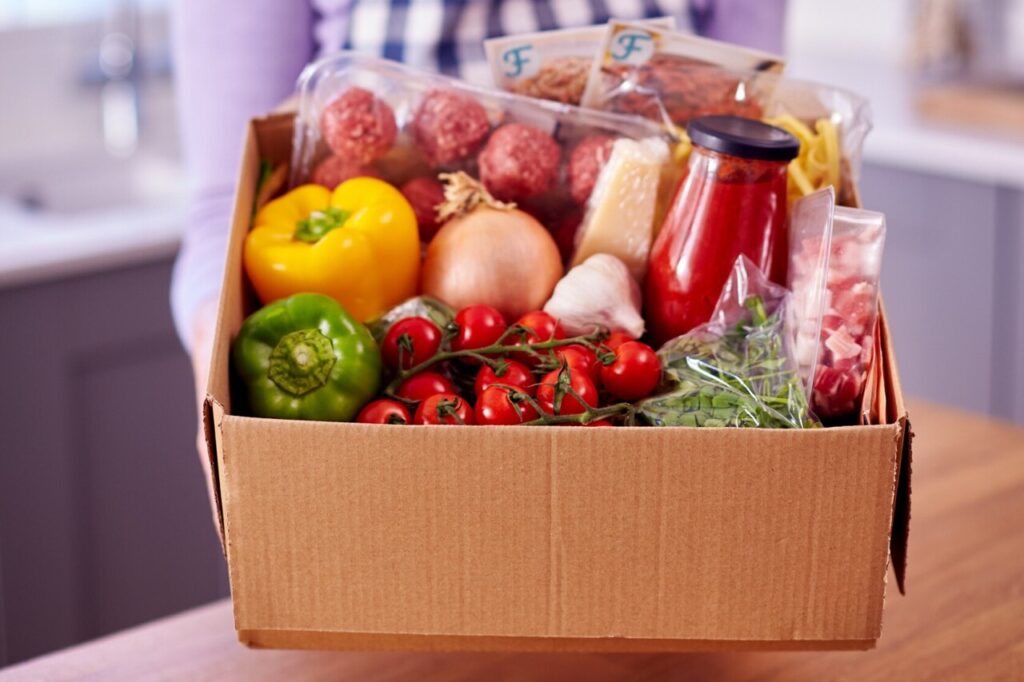
A neatly packed box on the doorstep once felt like a small revolution in home cooking. Meal kit subscription services promised pre-measured ingredients, chef-designed recipes, and the satisfaction of cooking without the stress of planning or grocery shopping. For busy families and curious home cooks alike, the concept seemed perfectly timed for a generation craving convenience without sacrificing freshness. Within a few short years, colorful recipe cards and insulated packaging became a familiar sight in kitchens across the country, signaling a shift toward structured, subscription-based dining at home.
Yet the excitement that fueled explosive growth did not last forever. As customer habits shifted and economic pressures mounted, many meal kit companies faced slowing subscriptions, rising ingredient and shipping costs, and intensifying competition from grocery stores and restaurants. What began as a symbol of modern efficiency soon revealed deeper challenges in customer retention, pricing sustainability, and long-term value perception. Understanding how meal kits surged into popularity and then struggled to maintain momentum offers a revealing glimpse into evolving consumer expectations and the changing economics of convenience-driven home dining.
How Meal Kits Changed Home Cooking
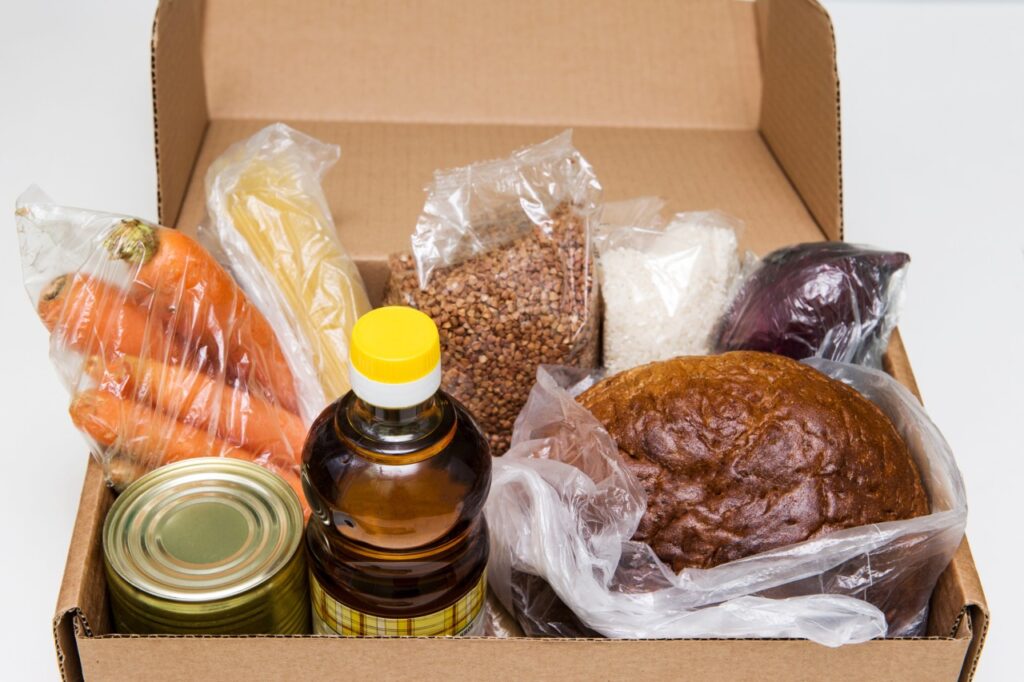
At their peak, meal kit subscription services reshaped how millions of people approached dinner. They promised a blend of convenience and culinary adventure, delivering fresh, pre-portioned ingredients directly to the door with easy-to-follow recipes that encouraged home cooking without the hassle of grocery shopping or meal planning. For busy dual-income families, urban professionals, and even novice cooks, this model offered a lifeline by reducing decision fatigue around what to cook and turning meal preparation into a simple, reliable routine. Many subscribers reported being more willing to prepare home-cooked meals more often because the barriers of planning and shopping were removed.
Meal kits also introduced many households to new ingredients and cuisines, expanding food literacy and broadening culinary confidence. Subscribers could try recipes they might never have attempted independently, from globally inspired dishes to specialized dietary plans such as gluten-free, vegan, or lower-carbohydrate options. The structured format reduced uncertainty while still encouraging experimentation. Over time, kitchens that once relied heavily on takeout began to reflect more consistent cooking habits. In this way, meal kits temporarily reframed cooking as an achievable part of everyday life rather than an occasional obligation.
Why Meal Kits Soared During the Pandemic
When the COVID-19 pandemic reshaped daily life in early 2020, meal kit services experienced a surge that few could have predicted. Lockdowns closed dining rooms, limited grocery store access, and pushed millions of people to prepare nearly every meal at home. In that environment, subscription meal boxes offered a practical solution. They reduced the need for frequent store visits, provided predictable weekly deliveries, and ensured access to portioned ingredients during a period of supply uncertainty. For many households navigating remote work and school closures, that reliability brought a sense of stability during widespread disruption.
The shift was not driven by safety alone. With more time spent indoors, cooking became both a necessity and a structured activity that helped shape long days at home. Meal kits simplified planning, eliminated guesswork, and introduced variety at a moment when routine felt repetitive. Some subscribers found themselves eating more balanced meals because recipes were designed with measured ingredients and built-in portions. Companies reported sharp increases in new sign-ups and higher order frequency. Yet as restrictions eased and restaurants reopened, the extraordinary demand that fueled rapid growth began to moderate, revealing how closely the boom was tied to temporary lifestyle changes.
Subscription Fatigue and the Churn Problem
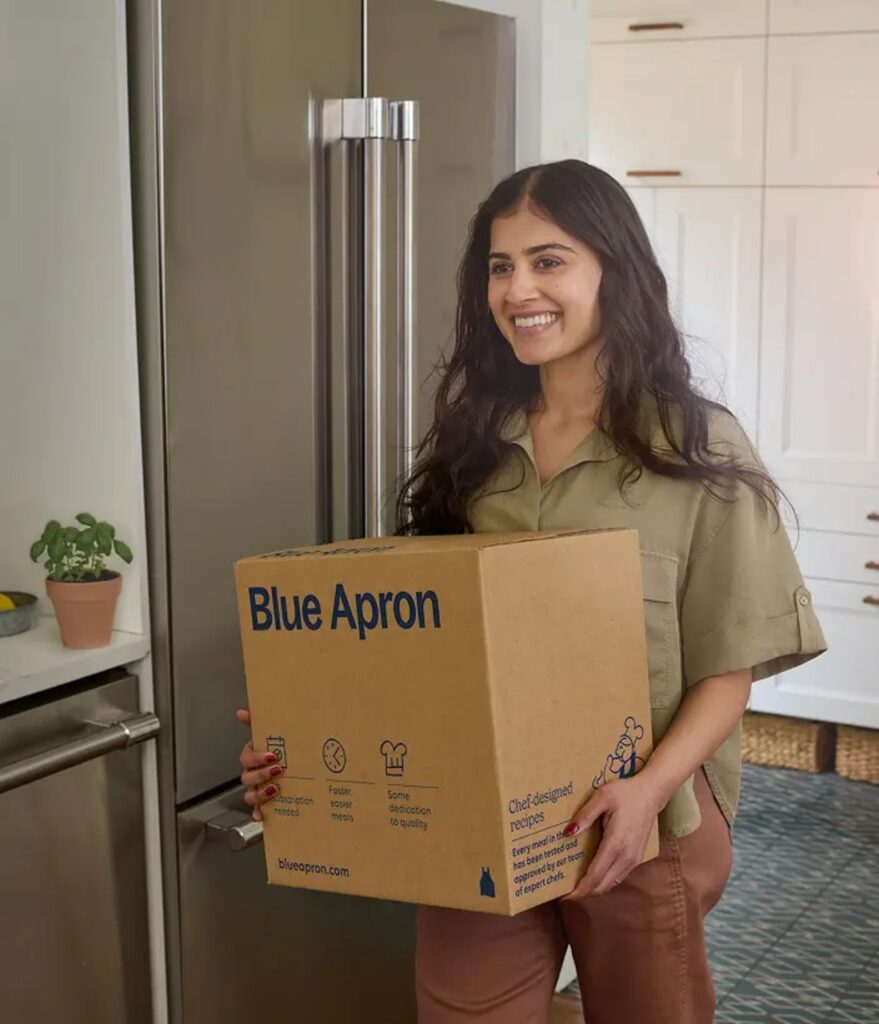
At first glance, subscription growth looked impressive, but retaining customers quickly became the industry’s biggest obstacle. Many meal kit companies attracted waves of first-time users through generous introductory discounts and promotional offers. However, once those incentives expired, a clear pattern emerged. A significant share of subscribers canceled within a few months, often after the initial excitement faded. What began as a convenient experiment sometimes felt repetitive, and the weekly financial commitment became more noticeable as household budgets tightened. High churn rates became one of the most persistent challenges facing the business model.
The structure of subscriptions amplified the problem. Unlike occasional grocery purchases, meal kits require ongoing payments and regular meal selection decisions. Customers needed to consistently perceive strong value to justify staying enrolled. When compared with traditional grocery shopping, restaurant takeout, or ready-made supermarket meals, some subscribers questioned whether the convenience outweighed the cost and preparation time. Companies found that acquiring customers was far easier than keeping them long-term. This imbalance between rapid sign-ups and steady cancellations placed sustained pressure on profitability and long term stability across the industry.
Practical Drawbacks That Sapped Interest
Cost was one of the most common friction points that gradually cooled enthusiasm for meal kits. While introductory discounts made the service feel affordable at first, regular pricing often translated into a higher cost per serving than buying ingredients independently at a grocery store. For households managing tight budgets, the premium felt difficult to justify week after week. As inflation affected food and shipping expenses, subscription totals became even more noticeable. What initially seemed like a smart time-saving solution began to look like a discretionary expense rather than a practical staple.
Beyond price, everyday logistics exposed additional weaknesses in the model. Boxes arrived with significant insulation and packaging designed to preserve freshness, but the amount of waste drew criticism from environmentally conscious customers. Delivery timing could also be inconvenient, particularly for those with unpredictable schedules or limited refrigeration space. Some subscribers found that cooking still required thirty to forty minutes of active preparation and cleanup, reducing the convenience advantage. As pandemic routines faded and dining options expanded, these practical drawbacks nudged many households back toward traditional grocery shopping and simpler meal planning habits.
What’s Next for Meal Kits and Home Eating
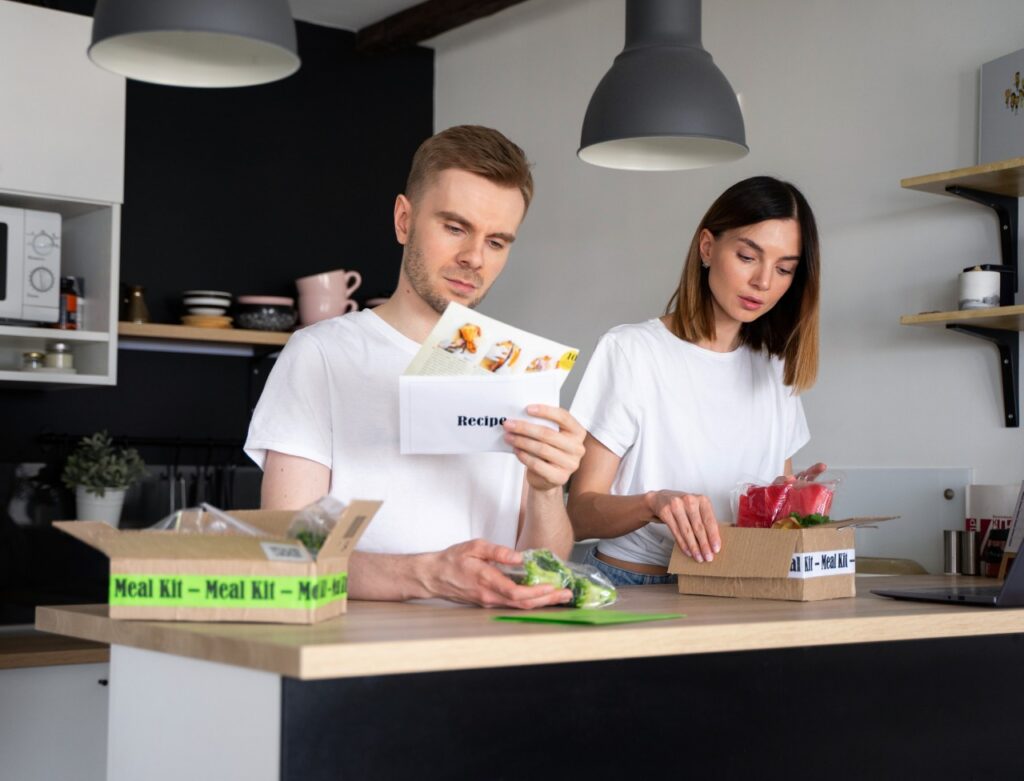
Even as several high-profile meal kit brands downsized or restructured, the underlying idea has not disappeared. Companies are experimenting with more flexible models that move beyond rigid weekly subscriptions. Some now offer on-demand ordering, smaller plan sizes, or the ability to skip deliveries without penalties. Others are partnering with grocery retailers to place branded kits directly on store shelves, allowing customers to purchase without committing to a recurring charge. These adjustments reflect an effort to reduce churn by aligning more closely with how modern households prefer to shop and plan meals.
At the same time, the broader home dining market continues to evolve. Ready-to-eat meal services, partially prepared kits, and hybrid grocery solutions are gaining traction among consumers who still value convenience but want greater control over cost and timing. Companies are also focusing on reducing packaging waste, improving ingredient sourcing, and using data tools to personalize menu suggestions. While traditional subscription-only models may no longer dominate headlines, the demand for simplified, structured home cooking remains present. The next phase of meal solutions is likely to be more adaptable, price-conscious, and environmentally aware than the first wave.