8 Condiments That Changed Ingredients Without Warning

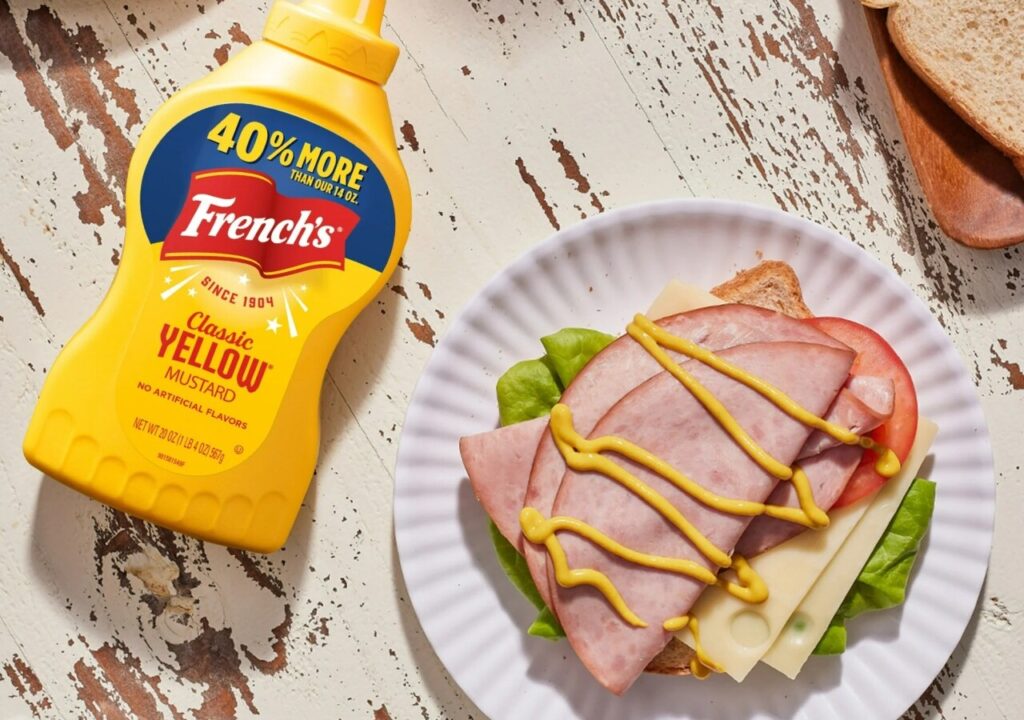
We reach for our favorite condiments without a second thought. The bottle looks the same, the label feels familiar, and the flavor seems like a constant in a fast-changing world. But behind those trusted brands, recipes are not always as fixed as we imagine.
Over the years, many popular condiments have quietly adjusted ingredients. Sweeteners shift, oils change, preservatives come and go. These updates are often driven by cost pressures, supply challenges, new regulations, or growing demand for cleaner labels.
Most of the time, the changes happen without bold announcements. Yet a closer look at the ingredient list reveals how even pantry staples evolve, one subtle reformulation at a time.
1. Kraft Heinz – Heinz Ketchup
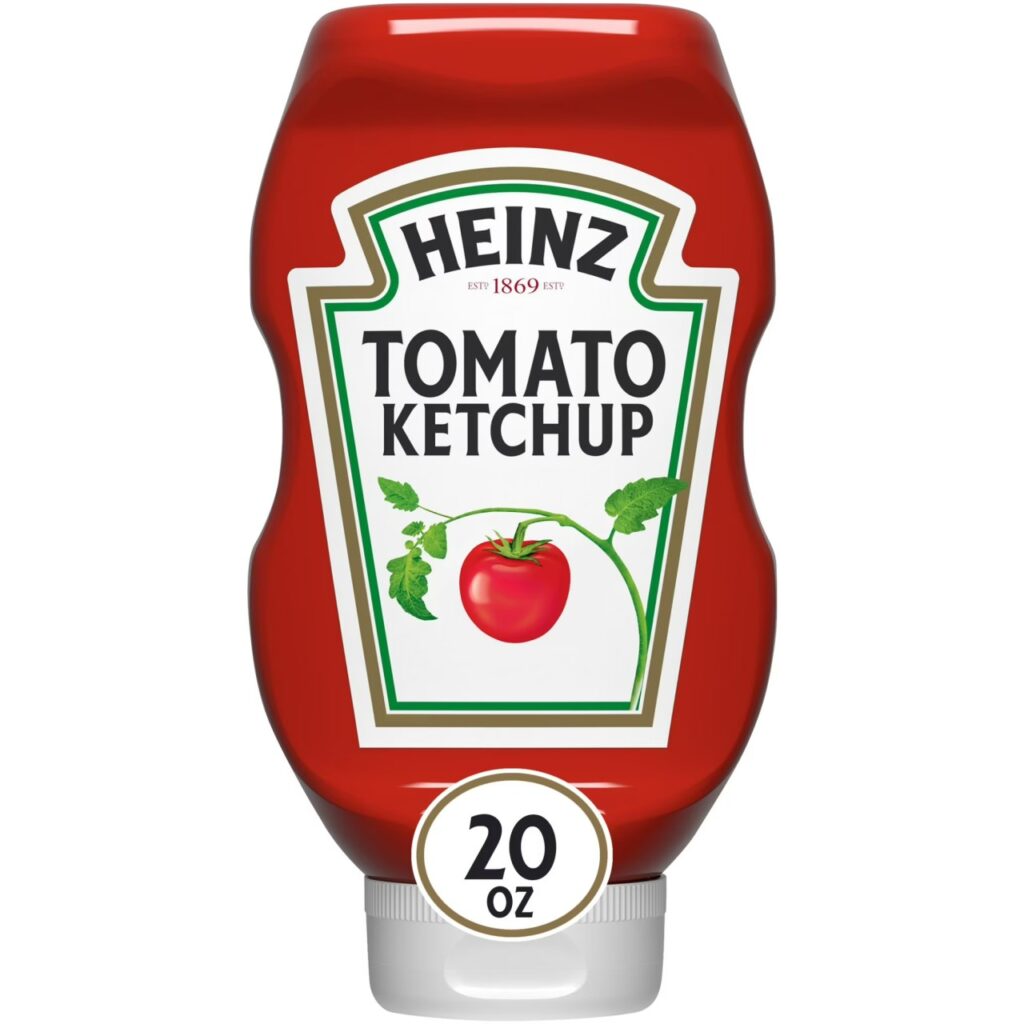
Few pantry staples spark loyalty like Heinz Ketchup. That thick, glossy squeeze has long been built on tomatoes, vinegar, sugar, salt, and spices. But over the years, the sweetener quietly shifted in several markets from cane sugar to high fructose corn syrup, largely to manage cost and supply stability.
The change altered sweetness perception and texture for some longtime fans. After consumer pushback and rising demand for simpler labels, the brand reintroduced versions made without high fructose corn syrup in certain regions.
While the front label stayed familiar, the ingredient line told a more evolving story shaped by economics, sourcing, and public taste trends.
2. Hidden Valley – Ranch Dressing

Creamy ranch feels simple, yet its texture depends heavily on oil blends and stabilizers. Hidden Valley has adjusted its formulation over time, refining the balance of soybean oil, buttermilk solids, and thickening agents to improve shelf life and consistency.
These tweaks often respond to transportation needs and retail storage demands. Even minor shifts in emulsifiers can affect mouthfeel and how the dressing coats salads or wings.
Most changes appeared quietly on updated labels rather than in bold announcements. For regular buyers, the flavor seemed familiar, though some noticed subtle differences in richness and tang.
3. Unilever – Hellmann’s Mayonnaise
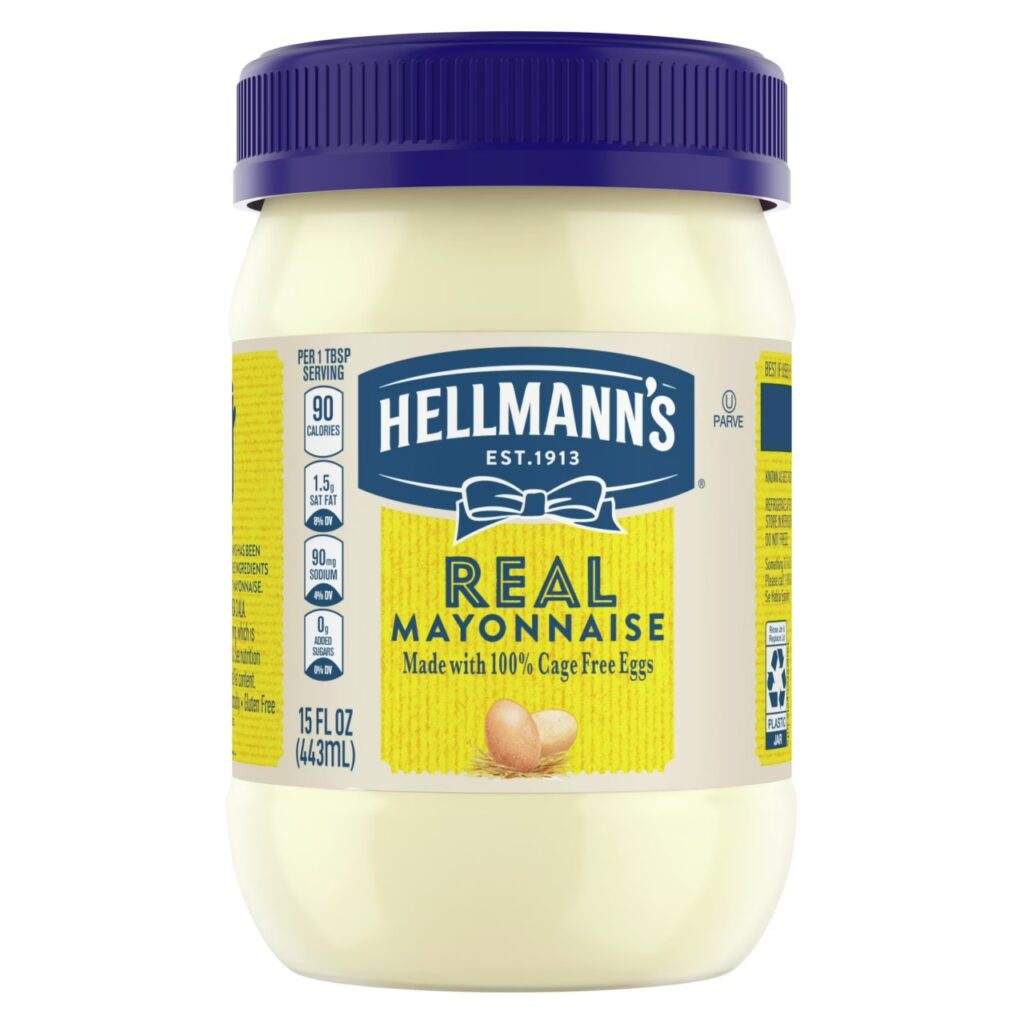
Mayonnaise is chemistry in action. Hellmann’s relies on oil, egg yolks, vinegar, and lemon juice to create its signature creaminess. In certain markets, oil sourcing and ratios have changed to address cost fluctuations and evolving nutrition labeling rules.
Switching between soybean and other vegetable oils can slightly influence flavor and thickness. Adjustments to stabilizers also help maintain texture across varying temperatures during shipping.
These reformulations were typically gradual. The jar looked the same on store shelves, but ingredient panels reflected the brand’s effort to balance tradition, regulation, and supply realities.
4. Kraft Heinz – Kraft Singles

Bright orange slices melting over burgers are iconic, yet Kraft Singles have faced scrutiny over what qualifies as cheese. Over time, the recipe incorporated varying levels of milk proteins, whey, and emulsifying salts to achieve uniform melt and stretch.
Those adjustments led to labeling distinctions such as pasteurized prepared cheese product rather than simply cheese. The shifts were tied to manufacturing efficiency and regulatory definitions.
While the melting quality stayed consistent, ingredient lists evolved quietly. For many households, the experience remained familiar, though the technical composition behind it changed more than most realized.
5. Nestlé – Maggi Hot & Sweet Sauce
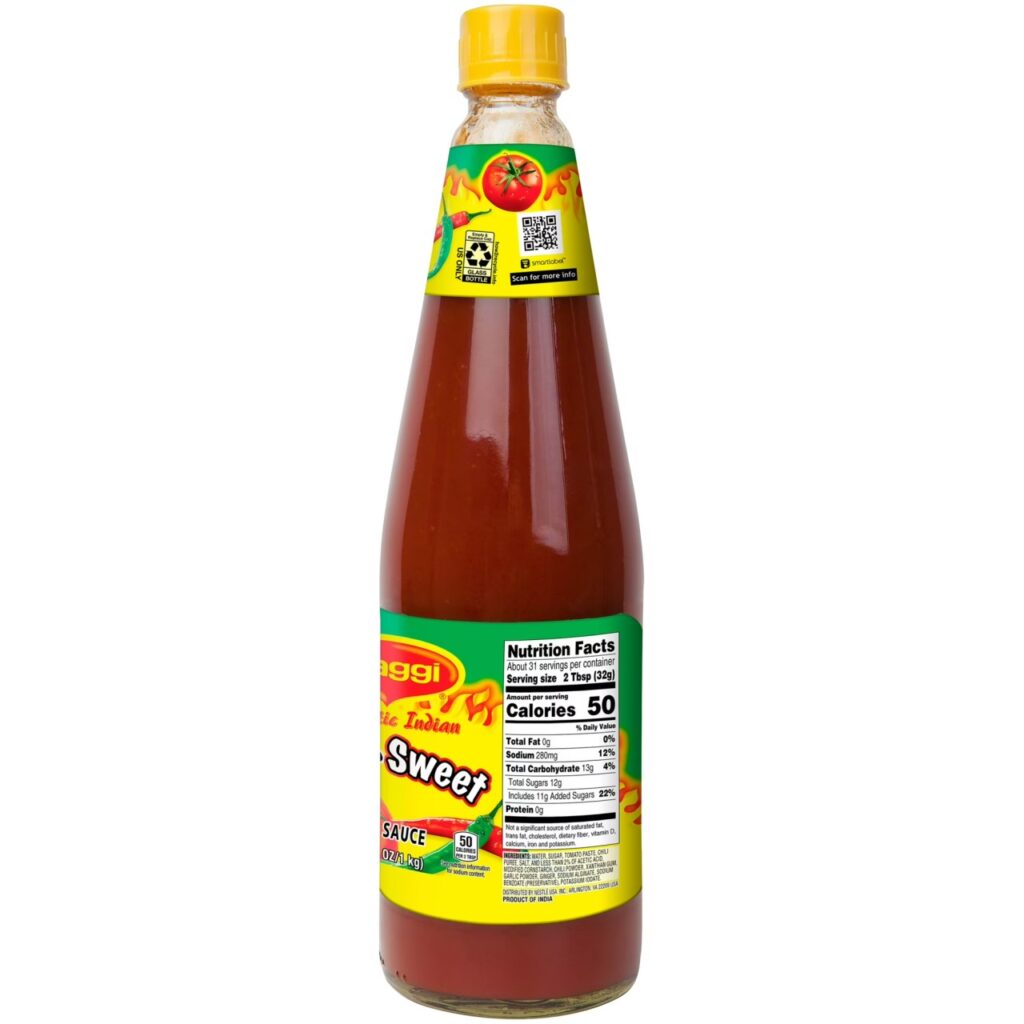
Sweet and spicy sauces rely heavily on sugar balance. Maggi Hot and Sweet Sauce has seen ingredient refinements, including changes to sugar levels and preservative blends, especially after regulatory reviews and consumer demand for clearer labeling.
Such updates often aim to meet food safety standards while maintaining flavor stability during long storage periods. Even slight preservative adjustments can influence aftertaste.
Packaging rarely highlighted these refinements in bold claims. Yet the ingredient list reflected a product adapting to compliance pressures and shifting expectations around additives and sweetness.
6. French’s – French’s Classic Yellow Mustard
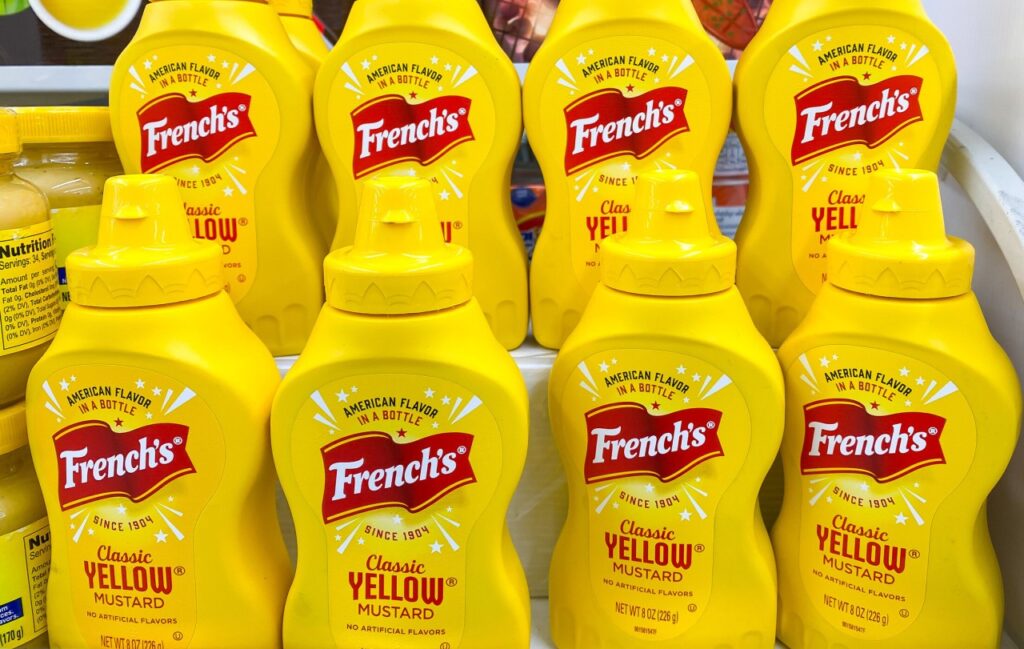
Mustard looks simple, yet its sharp bite depends on careful balance. French’s Classic Yellow Mustard has undergone quiet formulation updates in different markets, particularly in turmeric levels for consistent color and in vinegar strength to maintain its familiar tang. These small shifts are often tied to crop variation, sourcing costs, and regional taste preferences.
As clean label trends gained momentum, certain additives and preservatives were reduced or removed. Even minor changes in spice ratios can slightly soften or intensify the finish.
The bottle remained instantly recognizable, but the ingredient list told a quieter story of steady refinement behind the scenes.
7. Kraft Heinz – A.1. Steak Sauce
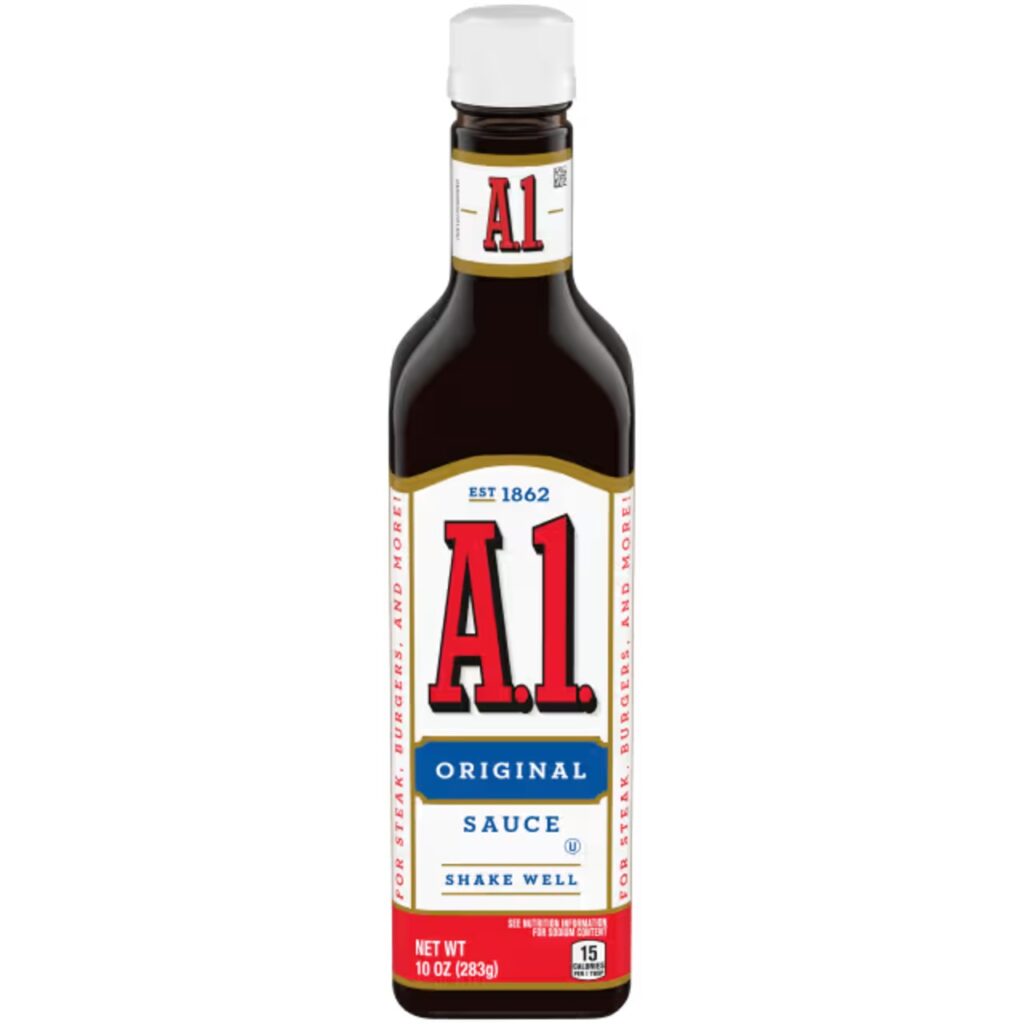
Bold and tangy, A.1. Steak Sauce blends tomatoes, raisin paste, vinegar, and spices into a thick, savory condiment. Over time, the formulation has seen adjustments in sweetener ratios and ingredient sourcing, often in response to supply chain pressures and cost management across global markets.
Even subtle shifts in raisin concentrate or sweetener type can affect the sweetness depth and texture. Devoted fans sometimes notice these nuanced differences more than casual users.
The packaging has changed little, keeping its classic identity intact, while the recipe quietly evolved to balance flavor consistency with production realities.
8. Frito-Lay – Tostitos Salsa
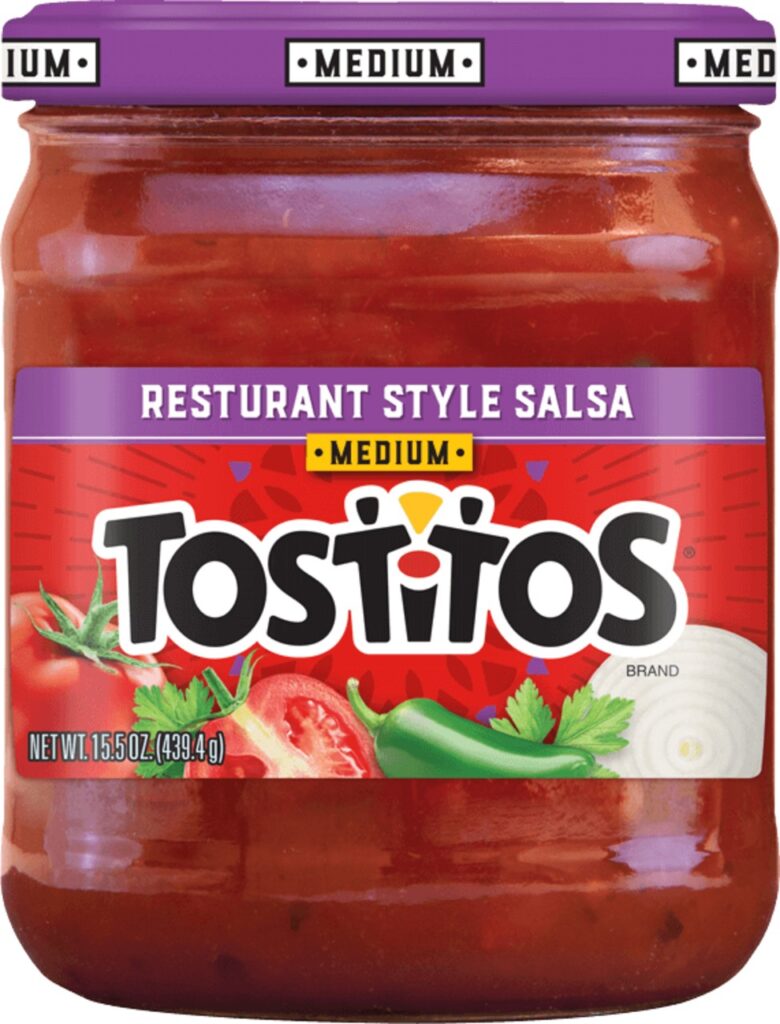
Fresh-tasting salsa in a shelf-stable jar requires careful engineering. Tostitos Salsa formulations have been refined over the years, including updates to acidity regulators, thickeners, and stabilizers that help preserve texture, color, and safety during long distribution cycles.
These adjustments reduce separation and maintain a consistent chunk-to-liquid ratio. Even minor tweaks in stabilizing agents can change how smooth or hearty the salsa feels on a chip.
There were no bold announcements, yet ingredient panels reflected the quiet evolution required to keep millions of jars uniform across stores nationwide.