11 Pellet Smoker Hacks That Do Not Deliver Real Results

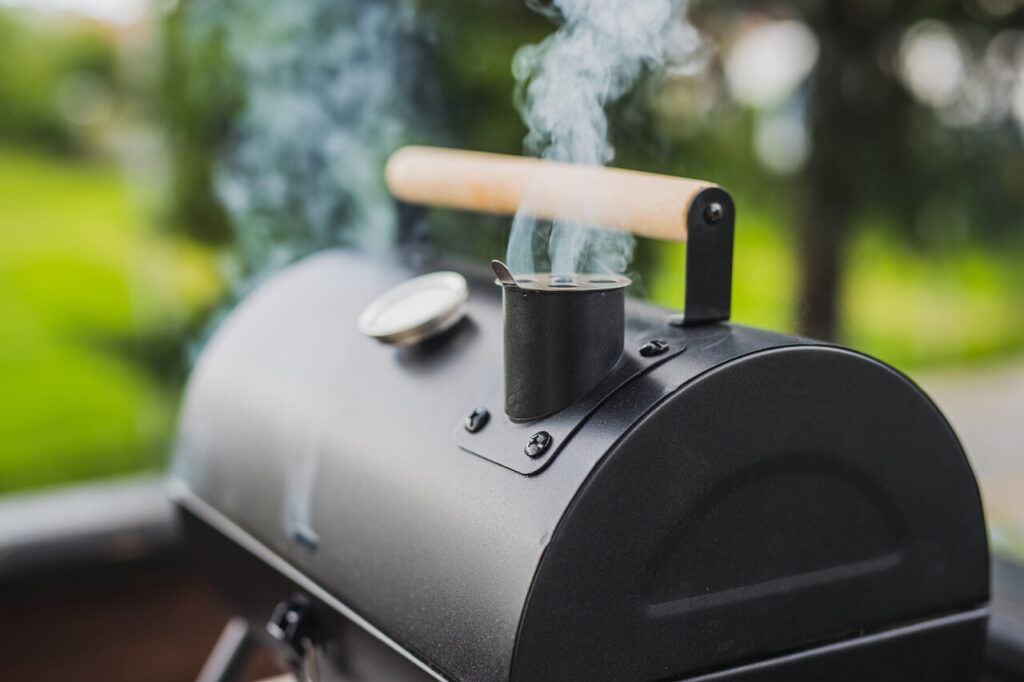
Pellet smokers promise consistency, convenience, and real wood flavor without the fire-tending drama of traditional pits. But somewhere along the way, a wave of so-called hacks took over backyard conversations. From microwaving pellets to blocking grease drains, plenty of tips sound smart on the surface and completely fall apart in practice. The truth is, pellet grills are engineered systems. When you start improvising without understanding airflow, combustion, and moisture control, results suffer fast. Here’s a closer look at popular pellet smoker shortcuts that rarely deliver the payoff people expect.
1. Microwaving Pellets to “Dry Them Out” Before a Cook
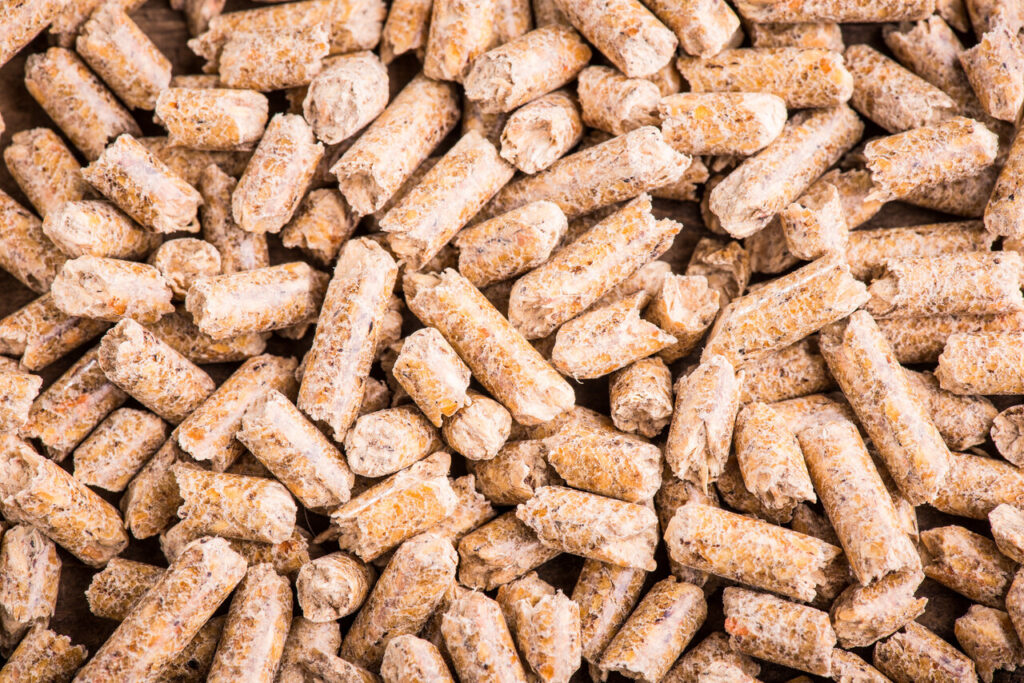
It sounds clever at first. If pellets absorb moisture, why not zap them in the microwave and dry them out? Here’s the thing: wood pellets are manufactured under high pressure and already contain a carefully balanced moisture level that allows them to burn consistently. Microwaving doesn’t improve that balance. It can crack the pellets, weaken their structure, and create uneven burn rates once they hit the firepot.
When pellets fracture, they produce excess dust. That dust can interfere with airflow inside the burn pot and lead to inconsistent ignition. Instead of stronger smoke, you often get temperature swings or inefficient combustion. Pellet grills rely on predictable pellet density, not brittle fragments.
The real solution is simple. Store pellets in airtight containers and keep them away from humidity. If pellets feel spongy or crumble easily, replace them. Microwaving is a shortcut that creates new problems rather than solving the old ones.
2. Using Every Pellet Flavor in One Cook for “Maximum Smoke”
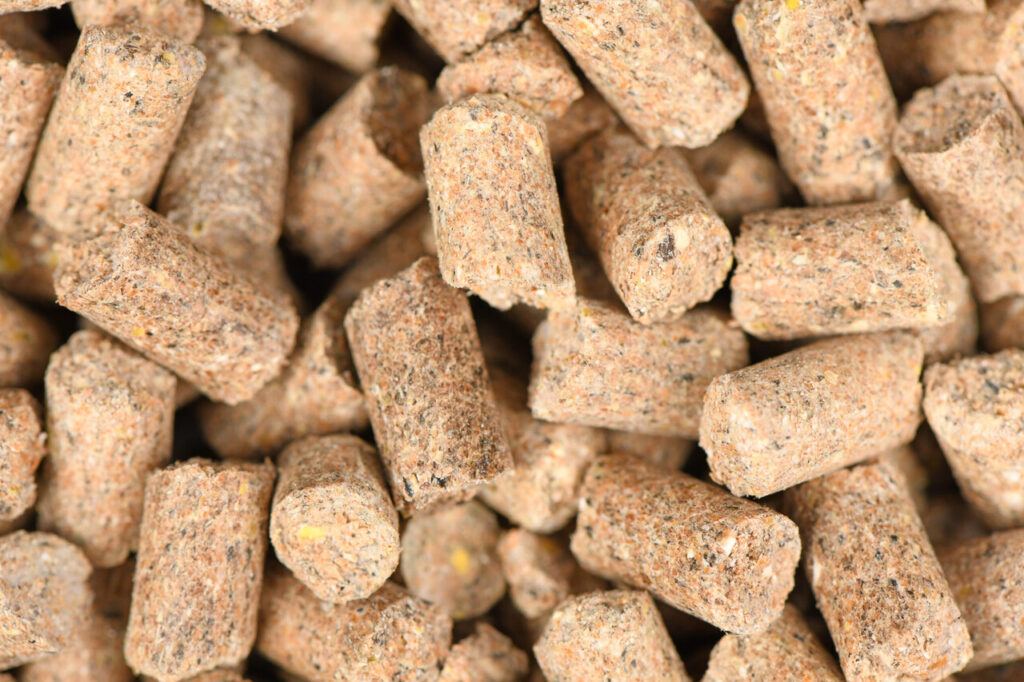
Mixing hickory, mesquite, apple, cherry, and pecan all at once sounds adventurous. More flavors must mean better flavor, right? In practice, combining too many wood types muddies the smoke profile. Smoke works best when it complements the protein. Overcomplicating it often leads to confusion rather than depth.
Different woods burn at slightly different rates and intensities. Mesquite, for example, can overpower delicate meats like chicken or fish. Fruitwoods are milder and sweeter. Blending without purpose doesn’t create complexity. It often creates an imbalance. The smoke character becomes harder to identify and can taste generic rather than refined.
Strong barbecue flavor comes from restraint. Pair bold woods with beef and milder woods with poultry or pork. Thoughtful pairing delivers better results than dumping every pellet variety into the hopper and hoping for magic.
3. Treating a Smoke Tube as a Universal Flavor Fix
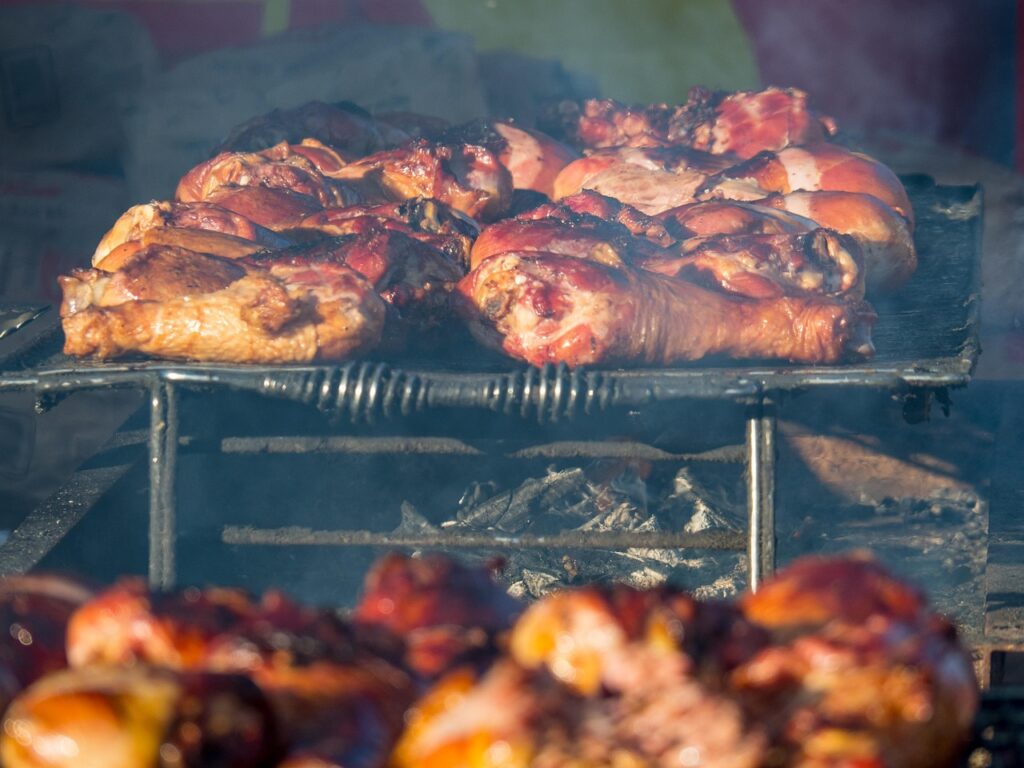
Smoke tubes have their place. They add supplemental smoke, especially at higher cooking temperatures where pellet grills produce less visible smoke. But they are not a cure for every flavor complaint. If your food tastes flat, the issue often lies in pellet quality, airflow, or cooking technique.
Adding a smoke tube can create dense smoke that lingers longer than intended. Too much smoldering wood produces bitter compounds that stick to the meat’s surface. Instead of a deeper barbecue flavor, you may end up with an acrid aftertaste. Balance matters more than volume.
If you need more smoke, lower your cooking temperature during the early stages or choose a stronger wood variety. A smoke tube can enhance, but it cannot compensate for poor fundamentals.
4. Wrapping Everything in Foil to Lock in Moisture
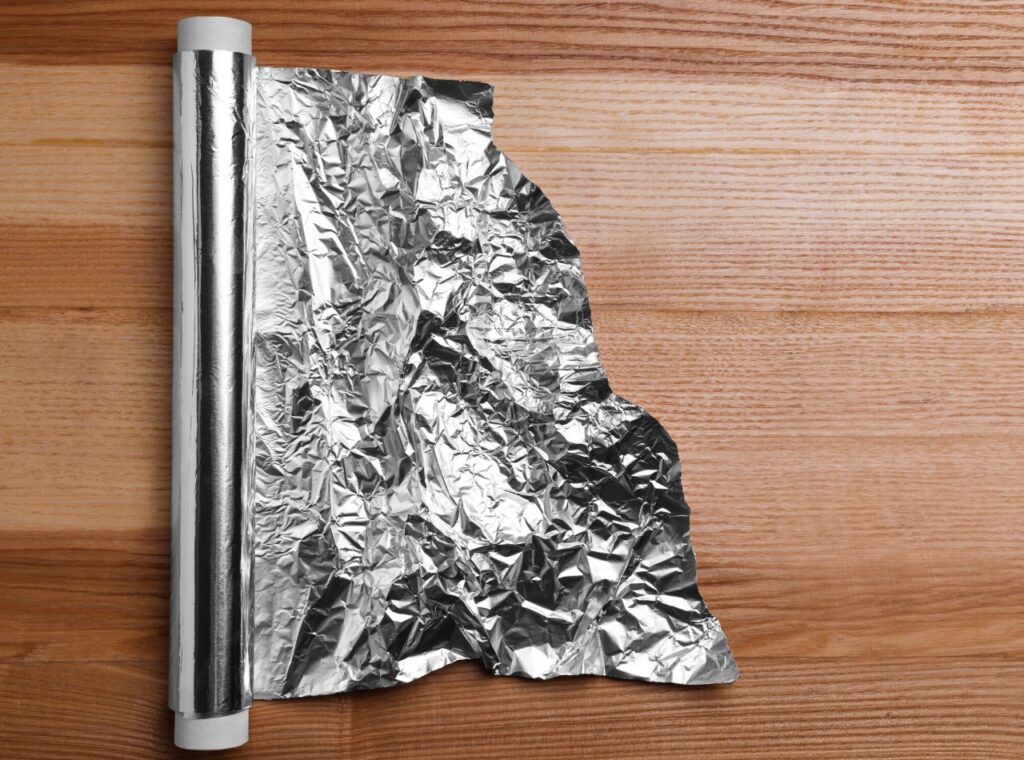
Foil wrapping has its purpose, especially in long cooks like brisket or ribs. But using foil indiscriminately doesn’t automatically create juicier food. Wrapping too early prevents smoke from properly adhering to the meat’s surface and can soften bark that would otherwise develop naturally.
Pellet grills maintain consistent heat, which already reduces moisture loss compared to traditional stick burners. Excess wrapping can trap steam and effectively braise the meat instead of smoking it. That changes both texture and flavor.
Understanding timing is key. Wrap only when the bark has formed, and the meat has absorbed sufficient smoke. Wrapping everything from the start is less strategy and more habit.
5. Staying on the Lowest Smoke Setting for Hours

Many beginners assume the lowest setting equals the most smoke and, therefore, the best flavor. While lower temperatures do produce more visible smoke, leaving meat in heavy smoke for extended periods can overwhelm it. Clean smoke tastes good. Dirty, stagnant smoke does not.
Pellet grills cycle pellets into the firepot. At extremely low settings, pellets smolder more than burn cleanly. That can create harsh notes if exposure lasts too long. Meat only absorbs meaningful smoke during the early stages of cooking. After that, extended smoke adds little benefit.
Start low to build flavor, then increase the temperature to finish cooking efficiently. Smoke is an accent, not the main ingredient.
6. Obsessing Over Minor Temperature Fluctuations
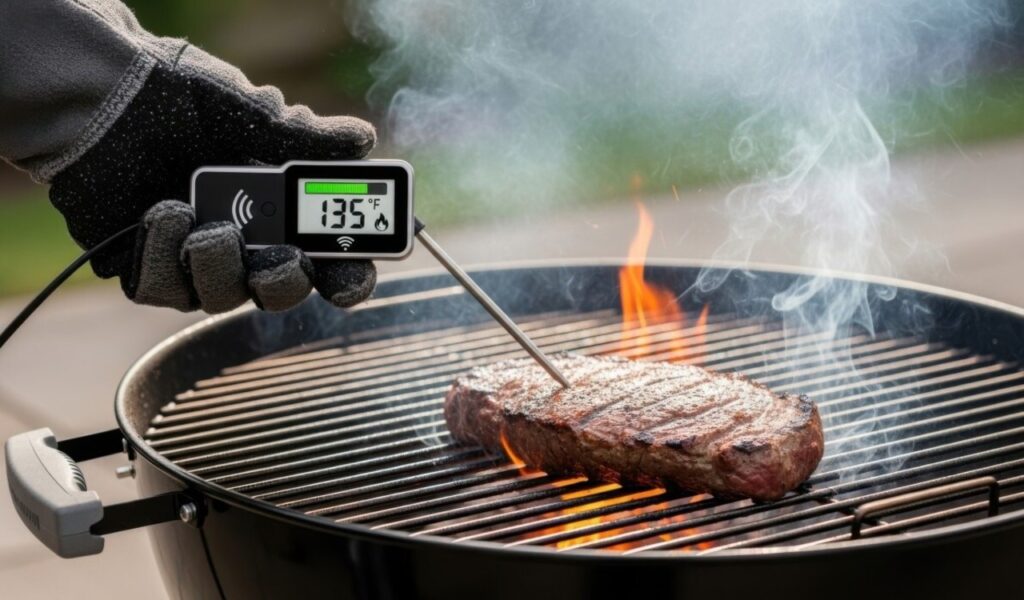
Pellet grills are designed to fluctuate slightly. Small swings of 10 to 20 degrees are normal. Constantly adjusting the controller in pursuit of a perfectly flat temperature line often creates larger swings rather than fewer.
What truly determines doneness is internal meat temperature, not chamber perfection. Opening the lid repeatedly to monitor minor fluctuations releases heat and extends cook times. That behavior does more harm than the fluctuation itself.
Trust the system. Focus on meat probes and allow the grill to do its job. Precision matters, but overcorrection disrupts stability.
7. Letting the Hopper Run Completely Empty Mid-Cook
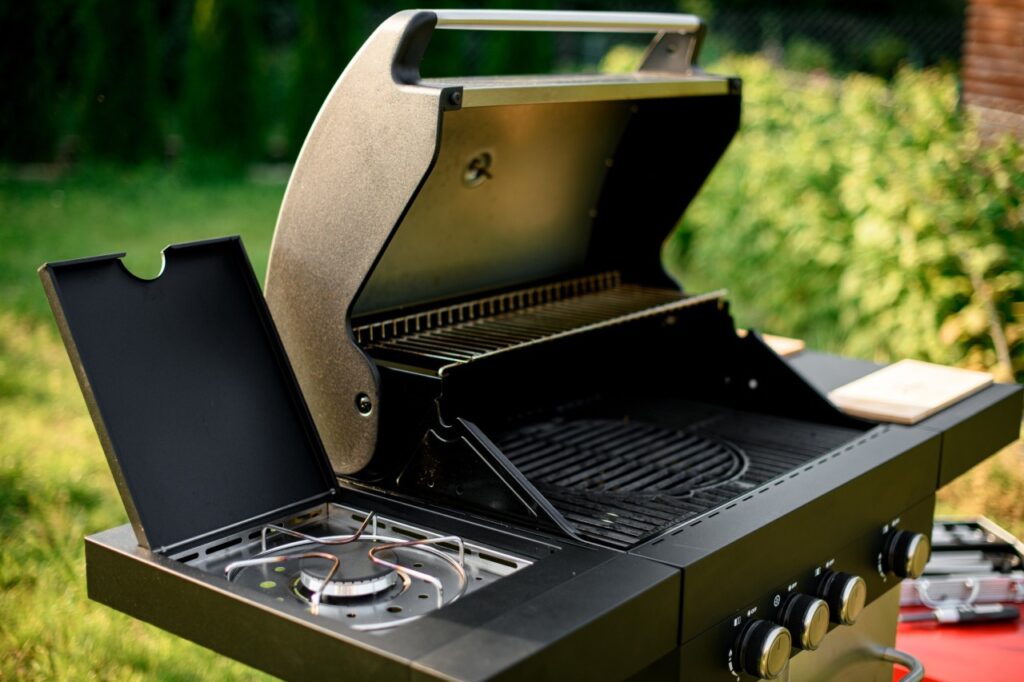
Some assume it is harmless if pellets run out briefly. In reality, once the fire goes out, relighting can cause sudden temperature spikes or long recovery times. That inconsistency affects texture and bark formation.
When the firepot empties, the grill must reignite. That can produce excess smoke at once, sometimes leading to a bitter flavor. It also risks incomplete combustion if airflow is disrupted.
Keep an eye on hopper levels before long cooks. Refilling early prevents unnecessary interruptions and maintains steady heat.
8. Using Old Pellets for “Unique” Smoke Character
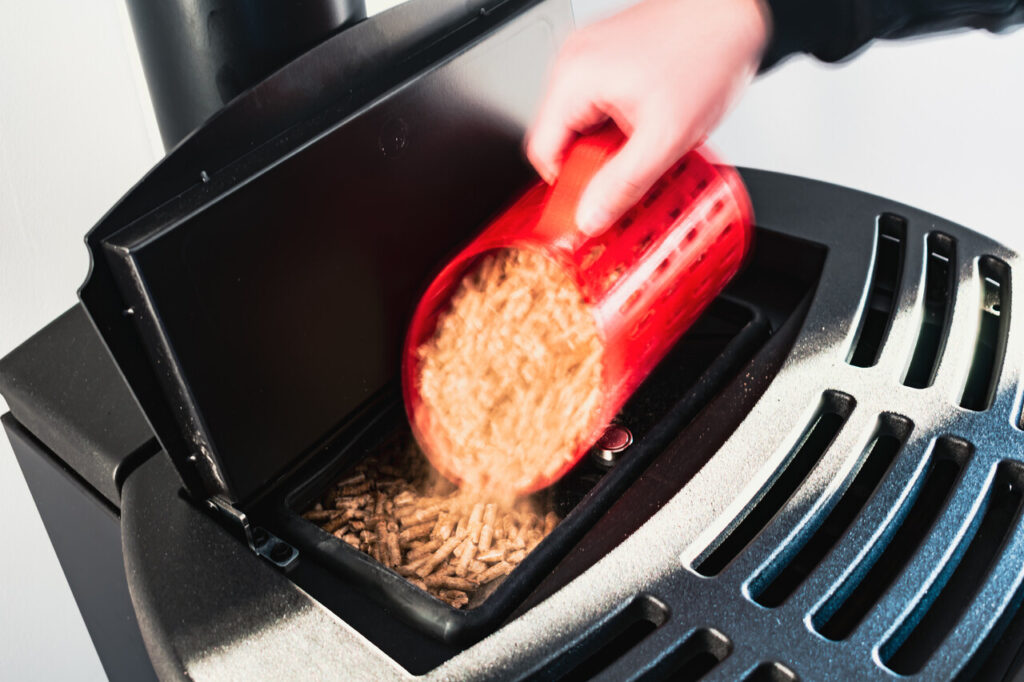
There is a misconception that aged pellets provide a richer smoke profile. The truth is simpler. Pellets exposed to humidity absorb moisture and break down internally. That leads to inefficient burning and unpredictable heat output.
Moist pellets smolder poorly and generate inconsistent smoke quality. Instead of complex flavor, you may notice uneven combustion and temperature instability. Pellet grills depend on dry, dense fuel.
Fresh pellets stored properly burn clean and steady. There is no advantage to using compromised fuel in pursuit of novelty.
9. Testing Heat Distribution With Slices of Bread
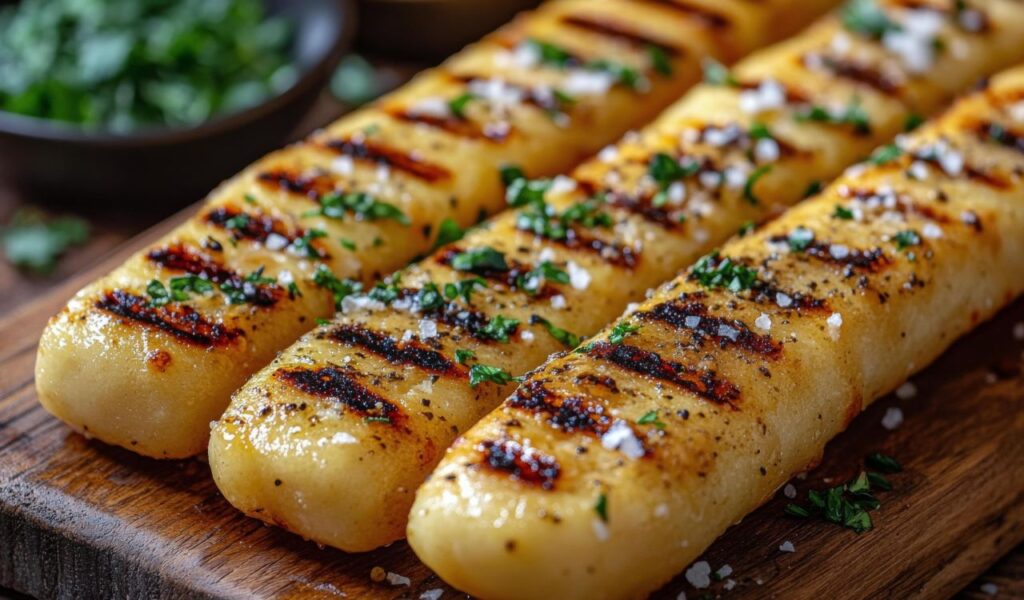
The bread test is popular for identifying hot spots. Lay slices across the grates and see which ones brown first. While it may give a rough visual map, bread reacts differently to heat than thick cuts of meat.
Meat has moisture, fat, and mass. Bread does not. It toasts quickly and exaggerates minor variations. Pellet grills circulate heat differently from charcoal grills, so small hot zones rarely affect large cuts significantly.
Instead of chasing perfection with toast, cook with awareness. Rotate meat if necessary, but understand that minor heat variations are part of normal operation.
10. Assuming a Smoke Tube Solves Ventilation Problems
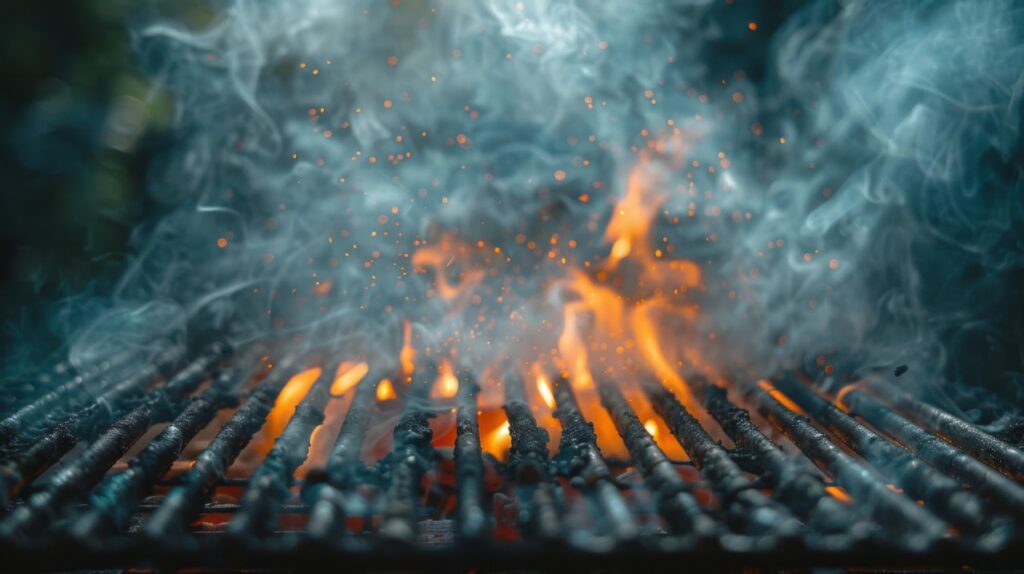
Airflow controls how smoke behaves. Blocking vents or mismanaging airflow while relying on a smoke tube can create stale, trapped smoke inside the chamber. That leads to harsh flavors rather than balanced ones.
Smoke must circulate and exit. Without proper ventilation, it lingers too long around the food. A smoke tube adds volume, not airflow management.
Maintain clean vents and proper spacing around food. Good airflow produces clean smoke. More smoke without airflow simply intensifies problems.
11. Blocking the Grease Drain to Increase Smoke
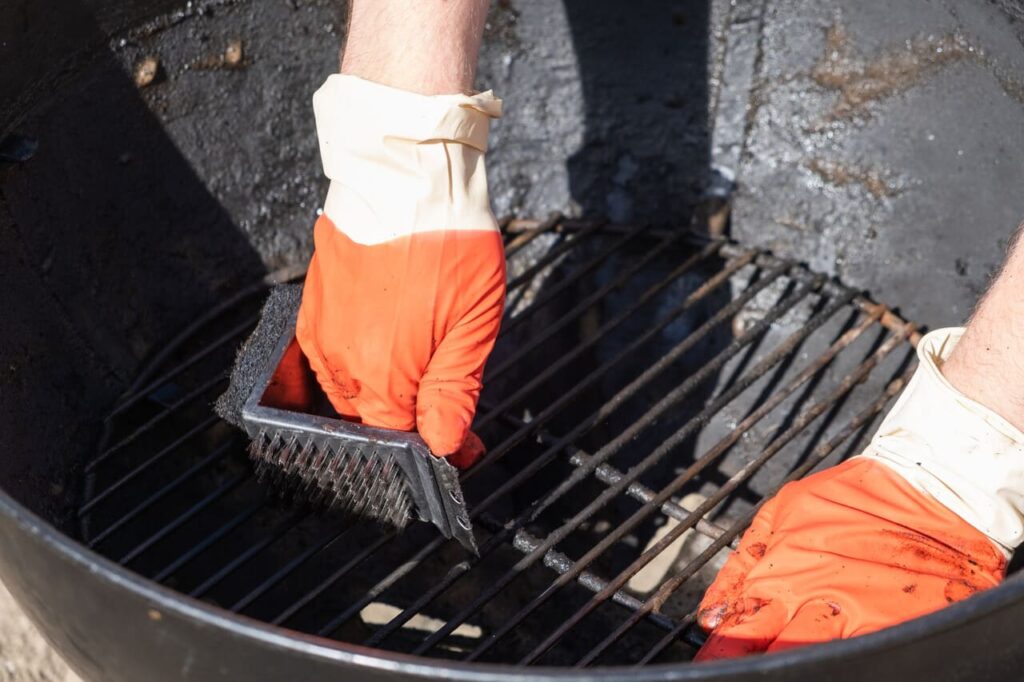
Some believe restricting grease flow traps smoke and intensifies flavor. In reality, blocking grease pathways disrupts air movement and increases the risk of grease buildup or flare-ups. That is not enhanced flavor. That is a safety concern.
Pellet grills are engineered with specific airflow patterns. Interfering with them changes combustion efficiency and can lead to inconsistent cooking temperatures. Smoke flavor comes from burning pellets cleanly, not from trapping fumes inside the chamber.
Let the system function as designed. Clean the grease channel regularly instead of trying to manipulate it. Real results come from solid technique, not shortcuts.