12 Popular Recipes People Think Are Mexican but Aren’t

Many dishes commonly labeled as Mexican feel familiar, comforting, and widely accepted, yet their origins tell a different story. Over decades, American restaurants and home kitchens adapted flavors to suit local tastes, available ingredients, and expectations of portion size and convenience. In the process, some recipes drifted far from their original roots while still carrying a Mexican identity in name or presentation. This does not make them bad food. In fact, many are deeply loved. The confusion comes from assuming popularity equals authenticity. Traditional Mexican cuisine is built on regional diversity, centuries-old techniques, and a strong respect for balance and simplicity.
1. Hard-Shell Tacos
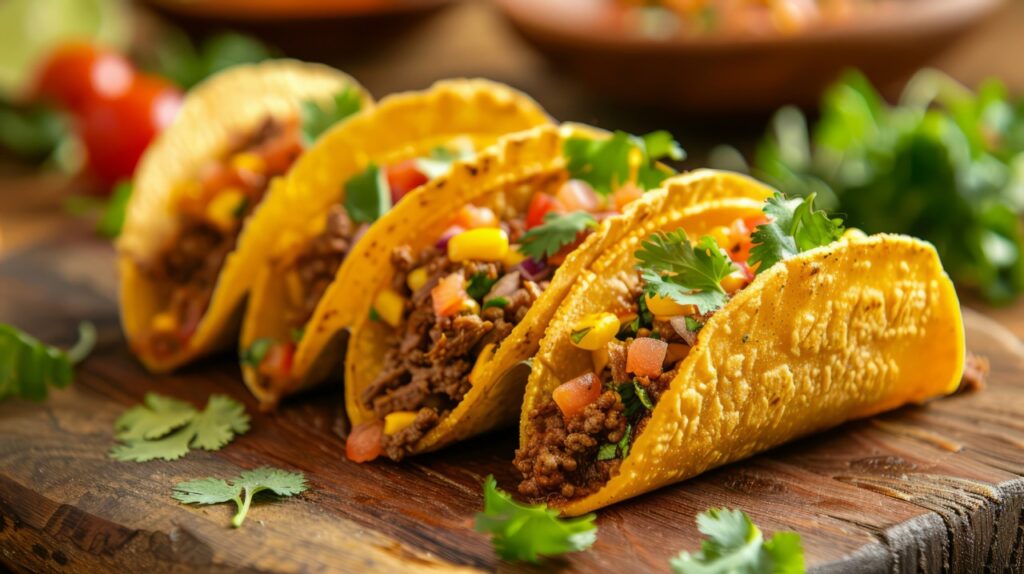
The crunchy taco shell many people associate with Mexican food is actually a product of American convenience and mass production. Traditional Mexican tacos rely almost entirely on soft corn tortillas that are warmed on a griddle and folded around the filling. These tortillas are flexible, aromatic, and designed to complement the meat rather than overpower it. Hard shells were popularized in the United States because they could be pre-shaped, packaged, and stored for long periods. Frying tortillas into rigid shells changes both texture and flavor, making them brittle and often greasy. In Mexico, tacos are meant to be eaten quickly while warm, not held together by a shell that cracks apart.
2. Nachos
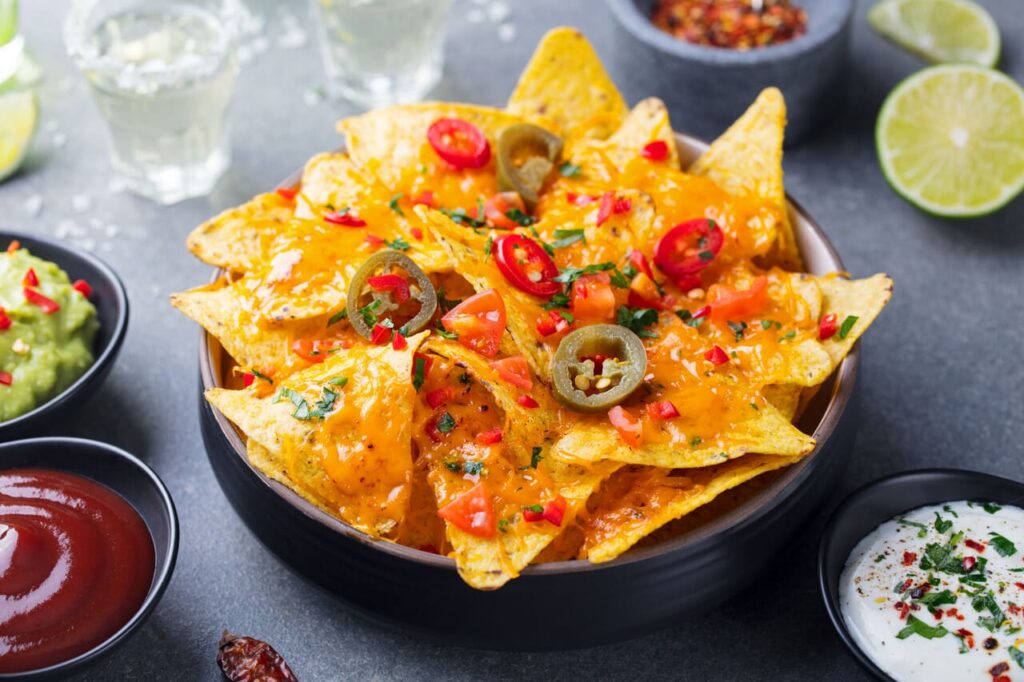
Nachos are often mistaken for a deeply traditional Mexican dish, but the versions most people know are American expansions of a much simpler idea. The original nachos were created near the U.S. border as a quick snack, consisting of tortilla chips topped with melted cheese and sliced peppers. Over time, American restaurants transformed them into overloaded platters with ground beef, sour cream, beans, olives, and multiple sauces. In Mexico, snacks rarely arrive buried under layers of toppings. Simplicity is key. The American approach favors abundance and spectacle, while Mexican cooking focuses on contrast and clarity.
3. Chimichangas
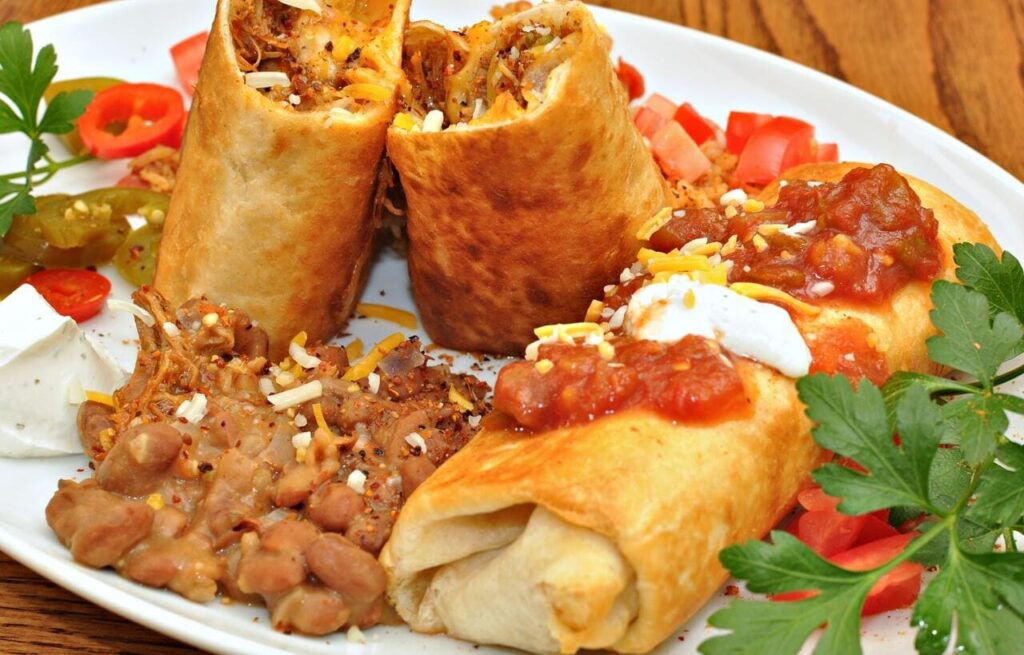
A chimichanga is essentially a deep-fried burrito, which immediately sets it apart from traditional Mexican cooking methods. Frying an entire filled tortilla until crisp is not common in Mexico, where tortillas are typically toasted lightly or used fresh. Chimichangas are widely believed to have originated in the American Southwest, where frying added indulgence and visual appeal. The result is rich, heavy, and intentionally decadent. Mexican cuisine tends to avoid this level of oil saturation in everyday meals. While chimichangas are popular and satisfying, their texture and preparation reflect American preferences rather than Mexican traditions built around balance and restraint.
4. Fajitas
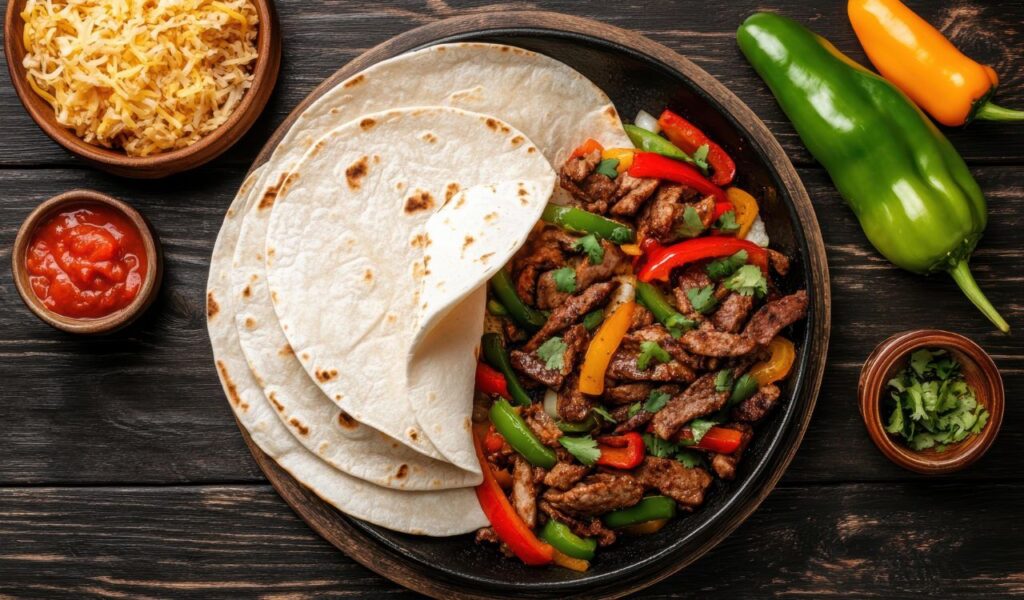
Sizzling fajitas served on cast-iron skillets are a restaurant invention designed to impress before the food even reaches the table. In Mexico, the cuts of meat used for fajitas exist, but they are prepared simply and served without theatrical presentation. The dramatic sizzle, mixed vegetables, and customizable assembly are hallmarks of Tex-Mex dining. The dish became popular because it allowed restaurants to showcase aroma, sound, and motion all at once. Mexican cooking values aroma too, but it does not rely on spectacle. Fajitas as they are commonly served prioritize experience over authenticity. They reflect American dining culture more than traditional Mexican meal structure.
5. Burritos
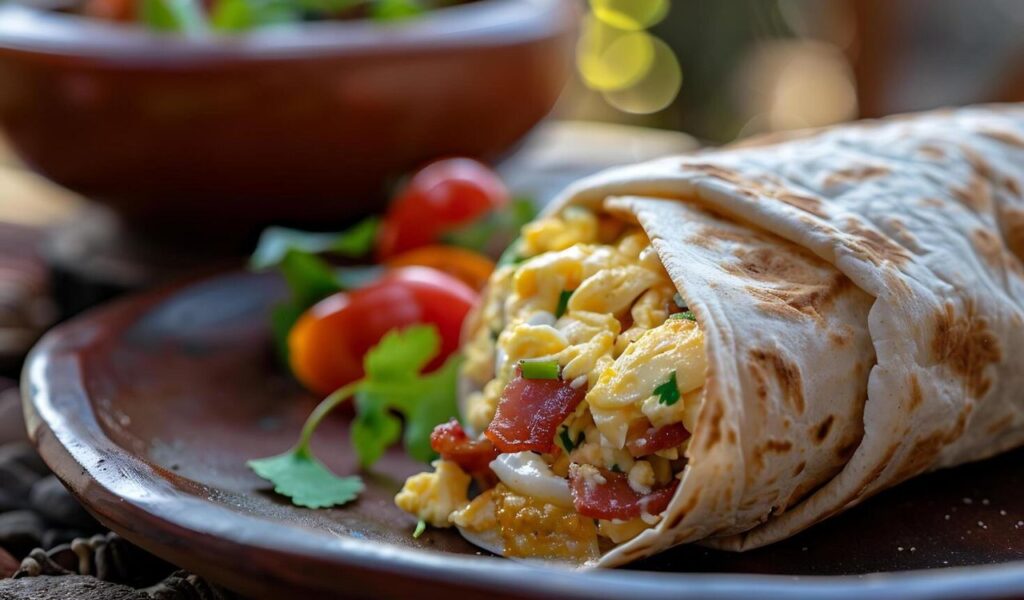
The oversized burrito packed with rice, beans, meat, cheese, and sauce is largely an American creation. In Mexico, burritos are typically smaller and far more restrained, often containing just one or two fillings. Rice is rarely included inside. The American burrito evolved to be a complete meal in one wrap, appealing to convenience and portion size expectations. Mexican meals usually separate components across plates or courses rather than compressing everything into one item. The surprise comes from realizing that burritos are not a national staple in Mexico, but a regional food that grew larger and more elaborate after crossing the border.
6. Queso Dip
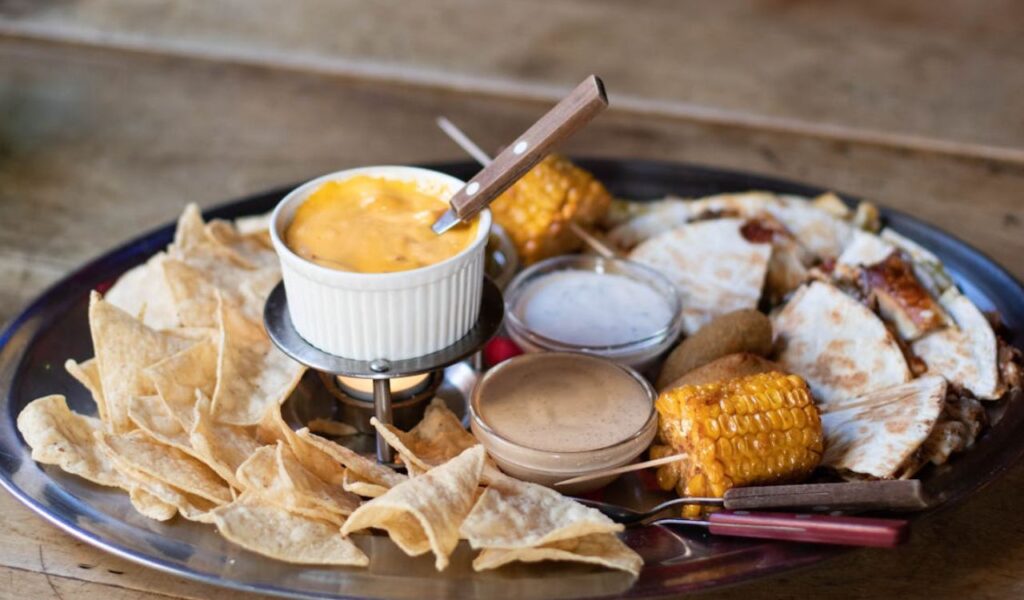
The smooth, neon-orange cheese dip served warm with chips is not part of traditional Mexican cuisine. Mexican cooking uses real cheeses with specific textures, such as crumbly, stretchy, or fresh varieties. These cheeses are sliced, melted gently, or sprinkled, not poured as a sauce. Queso dip relies on processed cheese for consistency and shelf stability, making it ideal for American restaurants but foreign to Mexican kitchens. Cheese in Mexico supports the dish rather than dominating it. When cheese becomes a dip meant to coat everything, the dish reflects American preferences for richness and uniform texture rather than Mexican flavor balance.
7. Taco Salad
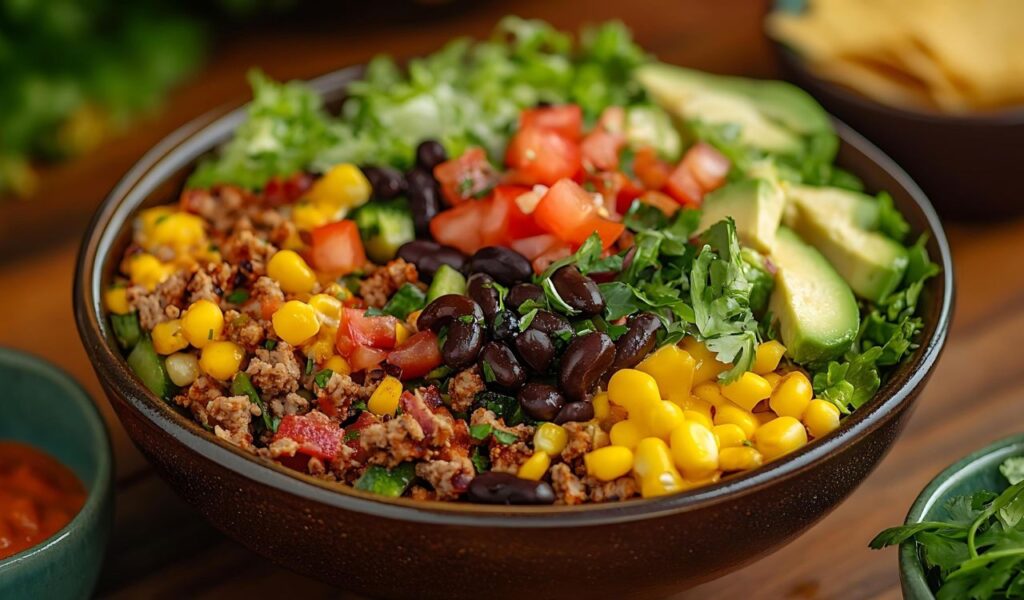
A taco salad served in a fried tortilla bowl is entirely an American invention shaped by restaurant presentation. Mexican meals rarely combine large amounts of raw lettuce with hot taco fillings, and tortillas are not turned into edible containers. The concept blends American salad culture with taco flavors, creating something familiar to U.S. diners. In Mexico, tortillas are tools for eating, not decorative vessels. The fried bowl adds crunch and calories but no cultural connection. What surprises many people is that Mexican cuisine does not frame tacos as salad components at all. They are handheld foods meant to be eaten quickly and directly.
8. Ground Beef Tacos
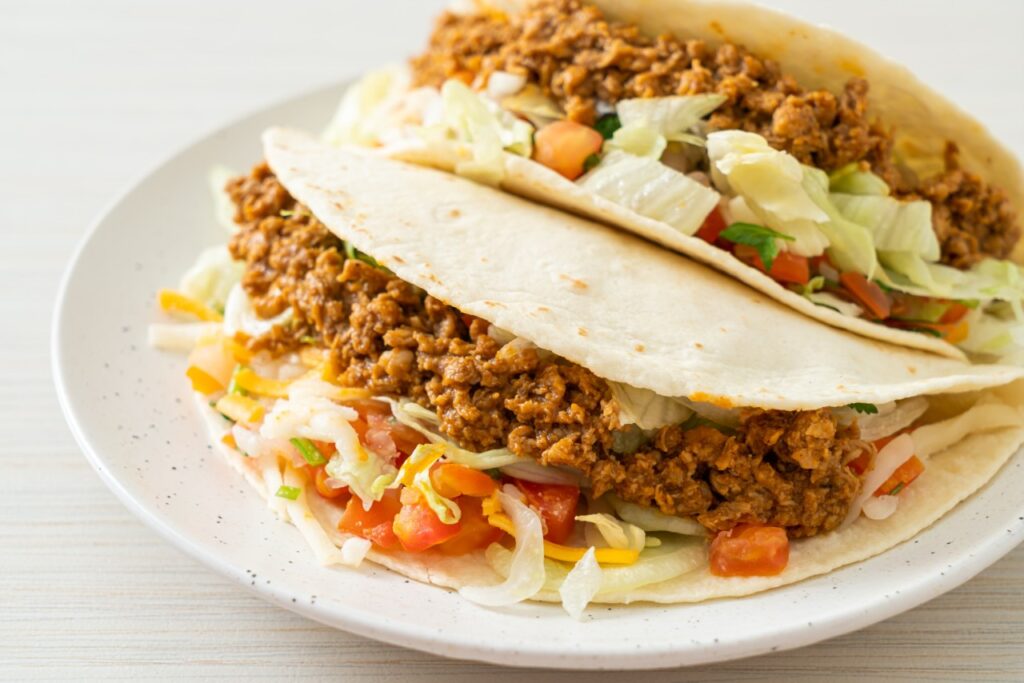
Ground beef tacos seasoned with spice packets are common in American households but rare in Mexico. Mexican tacos typically feature chopped or sliced meats cooked with care, such as grilled beef, slow-cooked pork, or spit-roasted meats. Ground beef became popular in the U.S. because it was affordable, easy to cook, and adaptable to pre-mixed seasonings. The texture and flavor profile differ significantly from traditional taco fillings. Mexican cooking emphasizes the natural taste of the meat supported by simple seasoning. When beef becomes heavily spiced and crumbly, it reflects convenience rather than tradition.
9. Flour Tortillas Everywhere
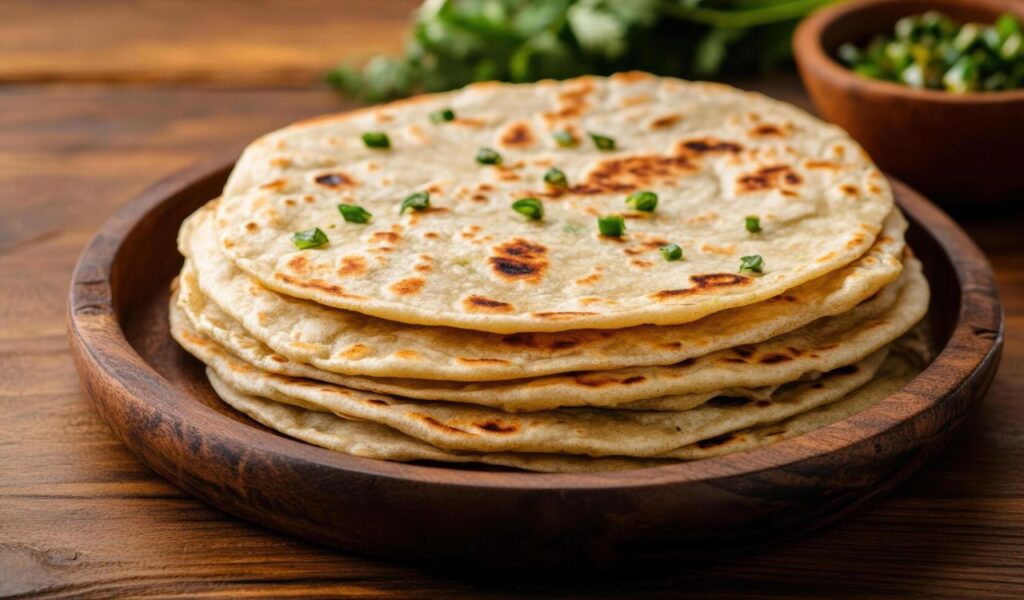
Many people assume flour tortillas are standard across Mexico, but corn tortillas dominate most regions. Corn has deep cultural and historical importance, forming the backbone of Mexican cuisine for centuries. Flour tortillas are mainly used in northern regions where wheat is more common. Their widespread use in American Mexican-style food reflects accessibility and preference rather than authenticity. Flour tortillas are softer and larger, making them easier for burritos and wraps. Corn tortillas offer more flavor and structure. Understanding this difference helps explain why Mexican tacos taste so different when made traditionally.
10. Loaded Combo Platters
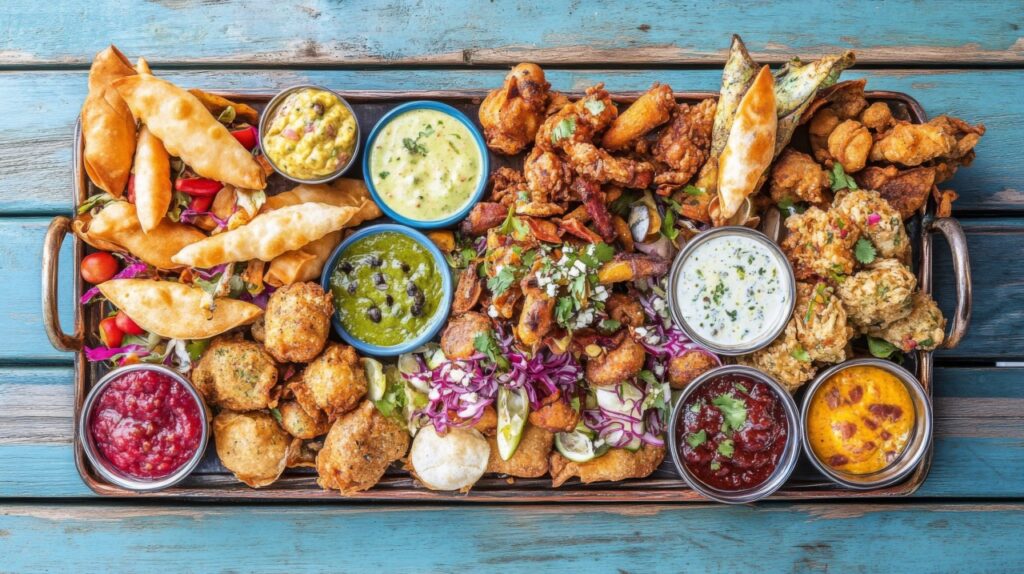
Large combination plates piled with multiple items are designed for American dining habits, not Mexican ones. In Mexico, meals typically focus on one main dish rather than an assortment. Combo platters encourage sampling but sacrifice clarity. Each item competes for attention instead of standing on its own. Mexican cooking values focus, allowing a single dish to shine. The idea of ordering everything at once comes from American restaurant culture, where abundance signals value. Mexican meals prioritize intention over quantity, which often surprises diners encountering traditional menus for the first time.
11. Crispy Tortilla Bowls
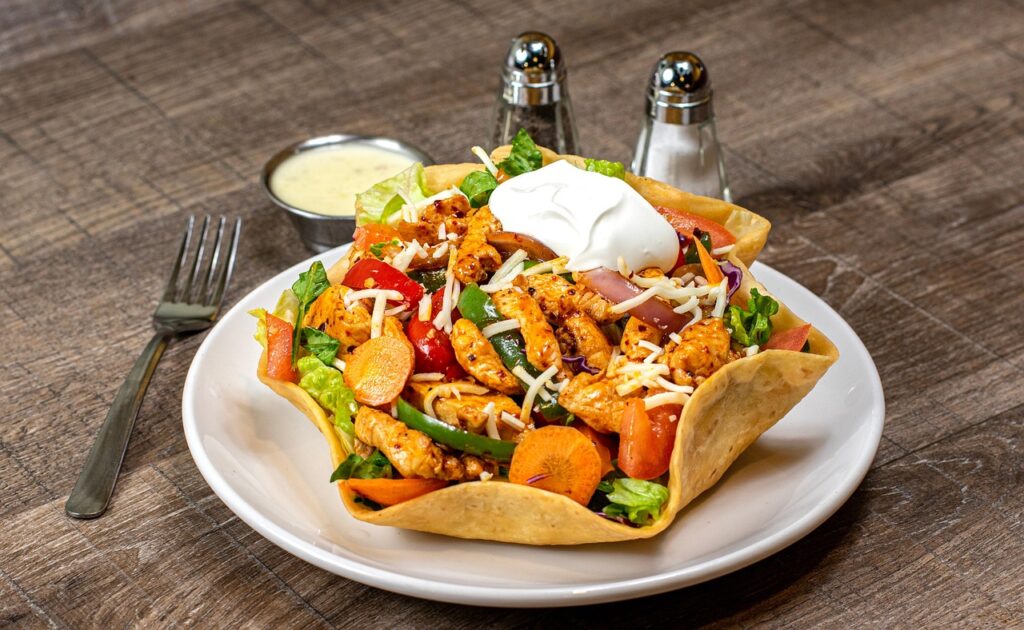
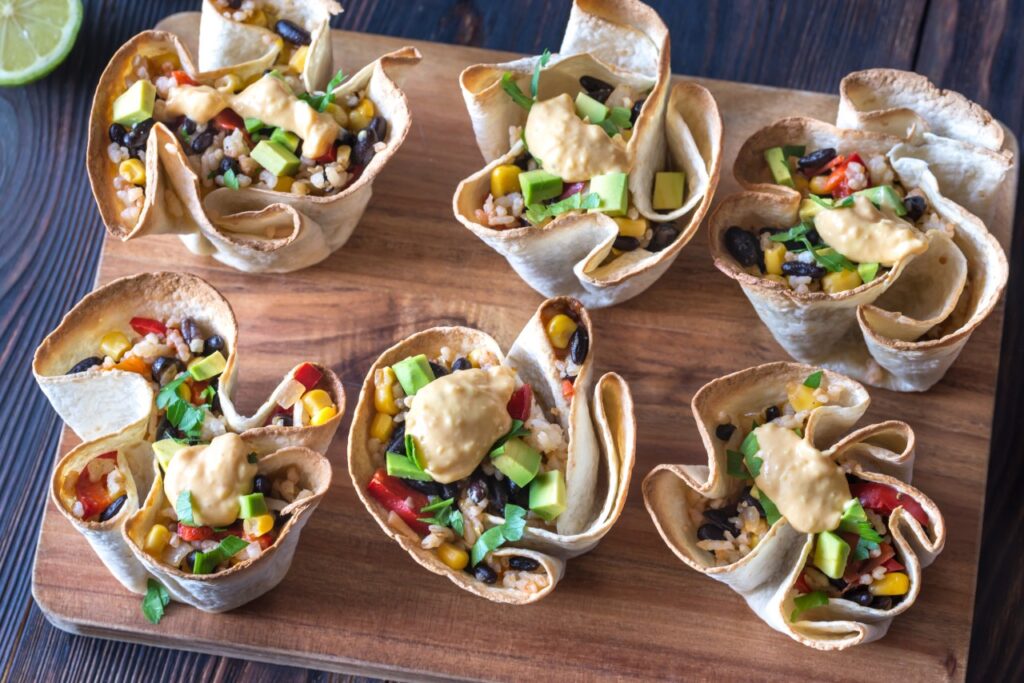
Edible bowls made from fried tortillas are a modern restaurant trend with no roots in Mexican tradition. Tortillas are meant to wrap, scoop, or accompany food, not replace plates. Frying them into rigid shapes changes their purpose entirely. These bowls exist to add crunch and novelty rather than function. In Mexican cooking, tortillas are practical and essential, not decorative. The surprise lies in realizing how much presentation has reshaped perception of Mexican food outside its original context. This shift often prioritizes visual appeal over usability, making the dish harder to eat rather than more satisfying.
12. Yellow Cheese on Everything
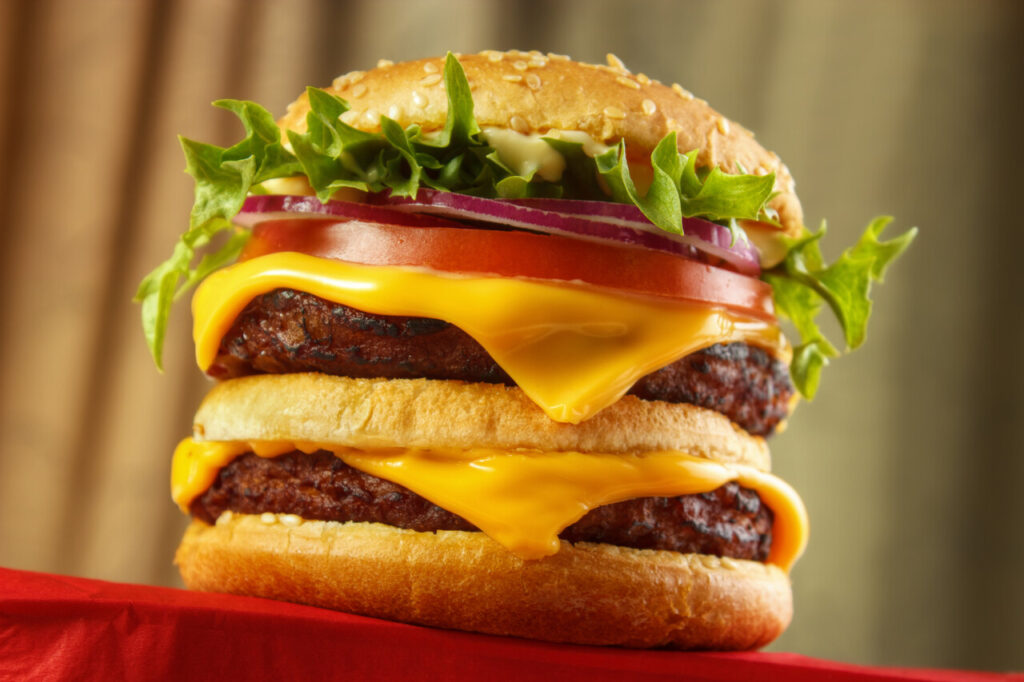
Bright yellow shredded cheese is a staple of American Mexican-style food, but it does not reflect how cheese is used in Mexico. Traditional Mexican cheeses are often white, mild, and varied in texture. They are chosen carefully to match the dish. Cheese is added for contrast, not coverage. The heavy use of yellow cheese comes from American dairy production and branding rather than Mexican culinary practice. When everything is blanketed in cheese, the underlying flavors disappear. Mexican cuisine relies on balance, allowing each ingredient to remain distinct rather than melting together into one dominant note.