8 Fast Food Chains That Have Faced Legal Trouble Over Food Quality

Fast food is built on speed, consistency, and trust. When customers order familiar items, they expect the food to match what is advertised and to meet basic standards of quality and safety. Over the years, several major chains have faced legal challenges questioning how their food is made, labeled, photographed, or handled. These cases are not just about lawsuits, but about expectations. They reveal how small gaps between promise and reality can grow into public disputes, forcing brands to defend what they serve and how they present it to millions of customers.
1. McDonald’s

McDonald’s iconic McRib sandwich has recently become the focus of a high-profile legal dispute that goes straight to the heart of how fast food is marketed and what consumers actually get. Plaintiffs in a federal class action claim that McDonald’s repeatedly misled customers by naming and presenting the McRib in ways that imply it contains real pork rib meat, when the lawsuit contends it is made from other pork cuts shaped to resemble ribs. The plaintiffs argue this is not just a naming issue but a matter of consumer expectation and value, suggesting that people pay premium prices based on misleading impressions.
2. Taco Bell
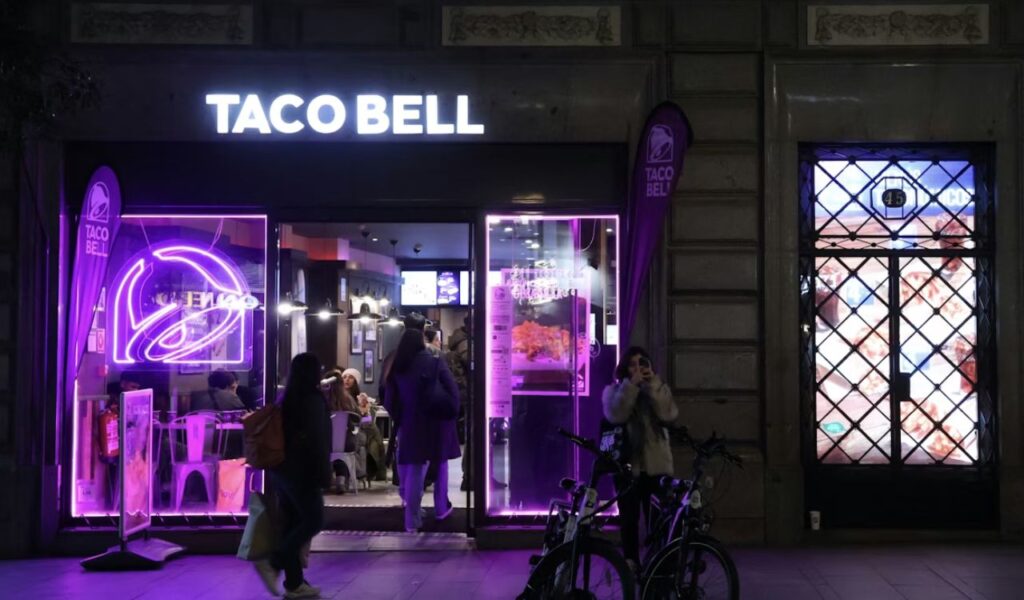
Taco Bell has faced legal and public relations challenges tied to the content of its beef, particularly during a period when lawsuits and media scrutiny questioned whether the chain’s seasoned beef met straightforward definitions of meat. Critics alleged that the beef mixture contained so much filler that it did not deserve to be called beef, raising concerns about transparency and labeling. Although the lawsuit was eventually dropped, it triggered widespread discussion about ingredient disclosure in fast food. Taco Bell responded by publicly defending its formulation and emphasizing its quality controls.
3. Burger King
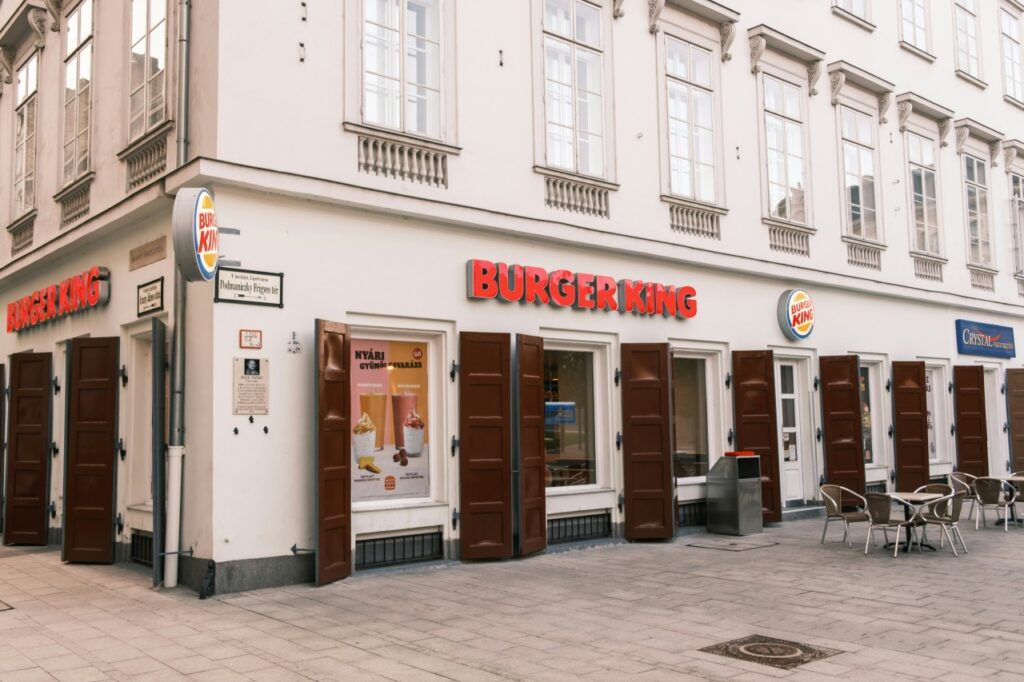
Burger King has been involved in legal action over how it visually represents its Whopper sandwiches in advertising. Customers alleged that promotional images exaggerated the size and abundance of ingredients compared to what was actually served. Courts allowed parts of the lawsuit to proceed, signaling that visual marketing can cross from exaggeration into potential deception. Burger King argued that burgers naturally vary in appearance and that advertisements are illustrative rather than literal. The case highlights a growing legal focus on how food looks in marketing versus reality.
4. Arby’s
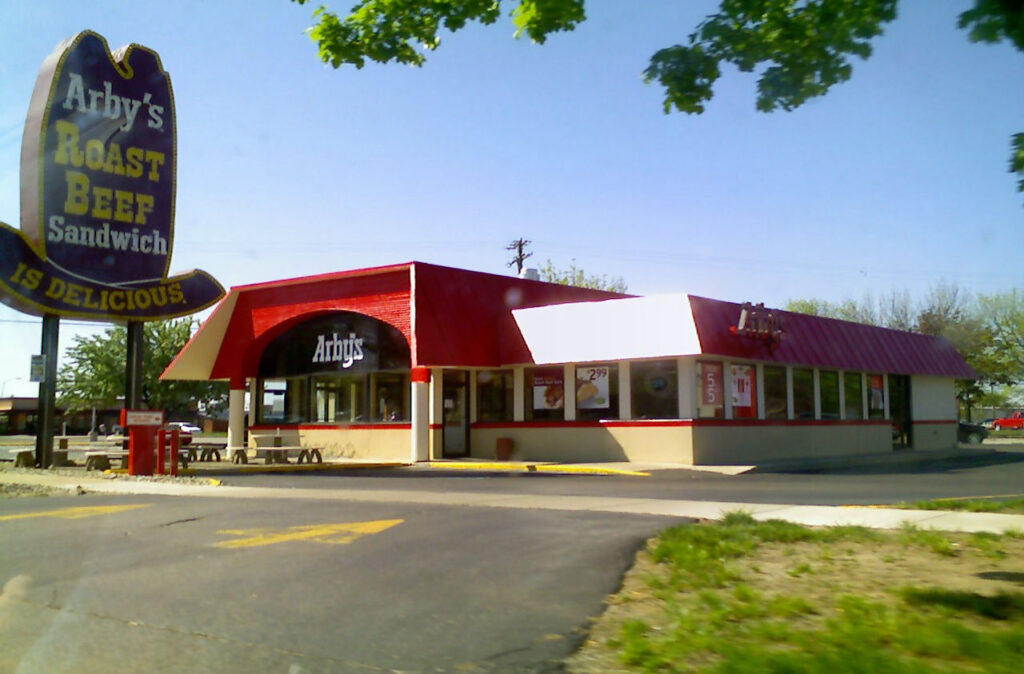
Arby’s has faced legal challenges alleging that its advertising images misrepresent the quantity and quality of meat in its sandwiches. Plaintiffs argue that promotional materials show unrealistically generous portions that do not match what customers receive. Courts have rejected the idea that these images are harmless exaggeration, instead recognizing that presentation can materially influence purchasing decisions. The case emphasizes how food photography and styling play a role in perceived value. For chains built around meat-heavy branding, even small discrepancies can trigger legal and reputational consequences.
5. Subway
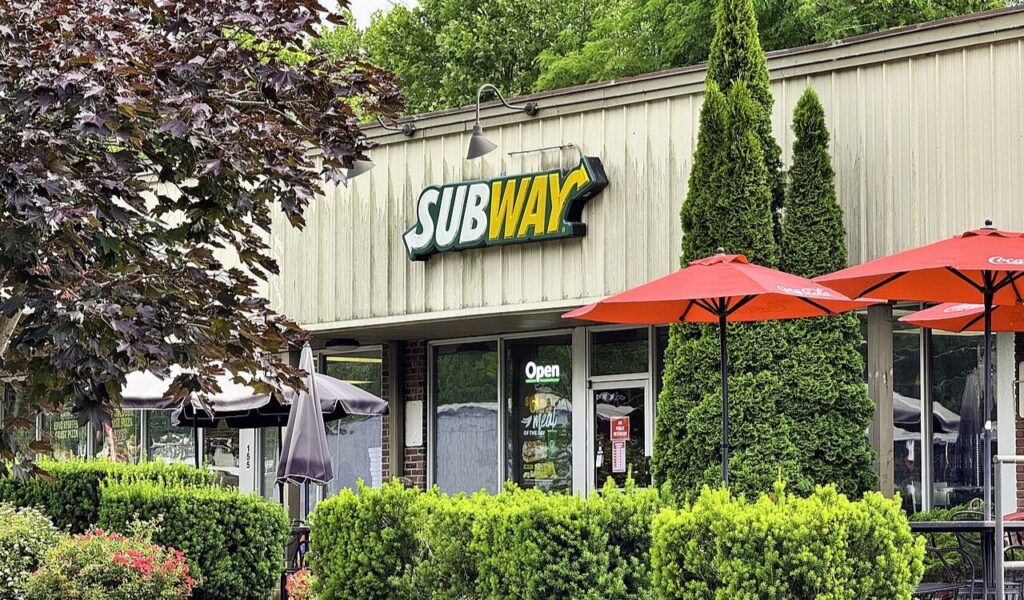
Subway has encountered legal trouble related to food safety rather than advertising claims. Past outbreaks linked to improper food handling led to lawsuits and settlements. These cases highlighted how lapses in hygiene can quickly escalate into serious legal consequences. While not centered on ingredient quality, the lawsuits underscored that food quality includes safe preparation and storage. Subway’s experience illustrates how franchise models must maintain strict standards to protect consumers. Legal action in these cases served as a reminder that food quality failures are not limited to what is on the label.
6. MrBeast Burger
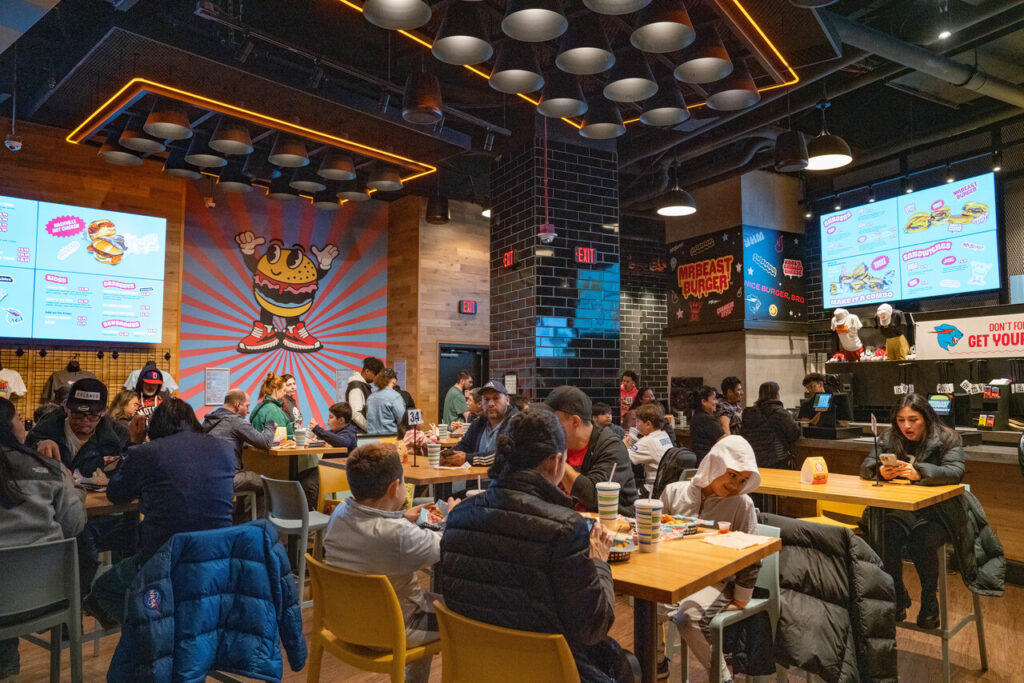
MrBeast Burger became involved in a legal conflict due to disputes over food quality control within its delivery-only model. The brand’s creator alleged that the operational partner failed to meet quality standards promised at launch, potentially harming customer trust. Although the dispute centered on contractual obligations, it was rooted in concerns about the consistency and quality of food served under the brand name. The case highlighted challenges unique to virtual restaurant models, where oversight is indirect. It demonstrated that food quality issues can arise even without traditional storefronts.
7. Chipotle
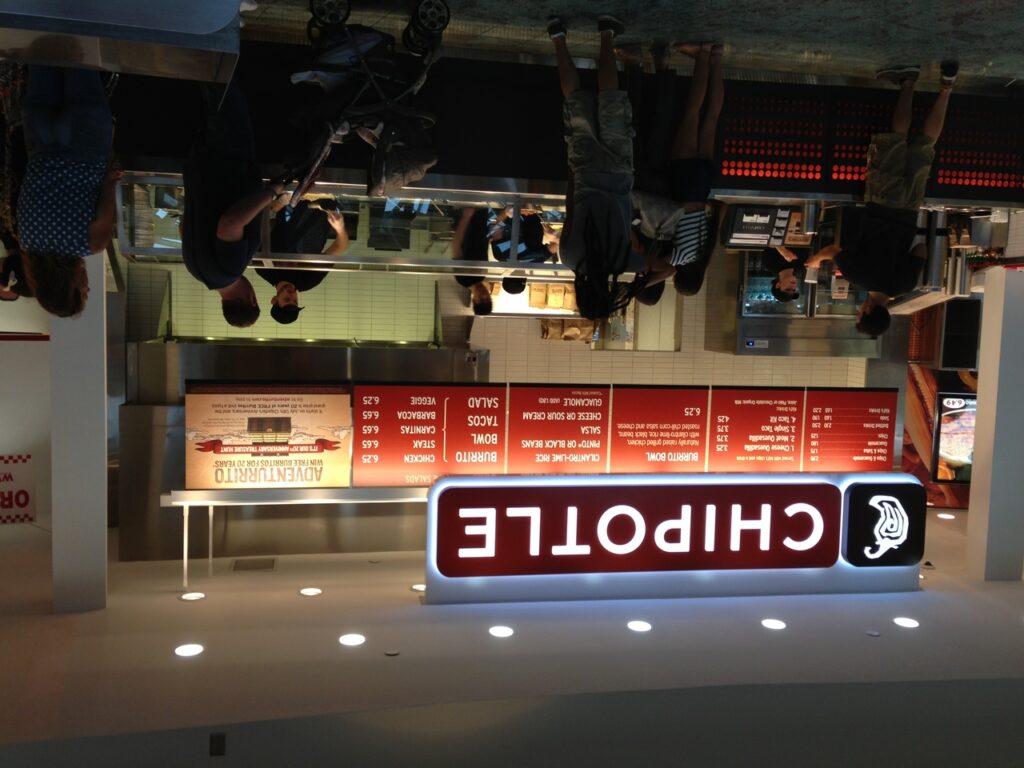
Chipotle Mexican Grill built its reputation on fresh ingredients and transparent sourcing, which made its food safety failures especially damaging. The chain faced multiple lawsuits following outbreaks of foodborne illness linked to E. coli, norovirus, and Salmonella across several states. Customers alleged that lapses in food handling and preparation put public health at risk. The legal fallout extended beyond individual cases, prompting scrutiny of Chipotle’s supply chain, employee training, and in-store practices. The situation demonstrated that branding built on freshness, when faced with broken expectations, legal consequences can follow quickly.
8. Domino’s
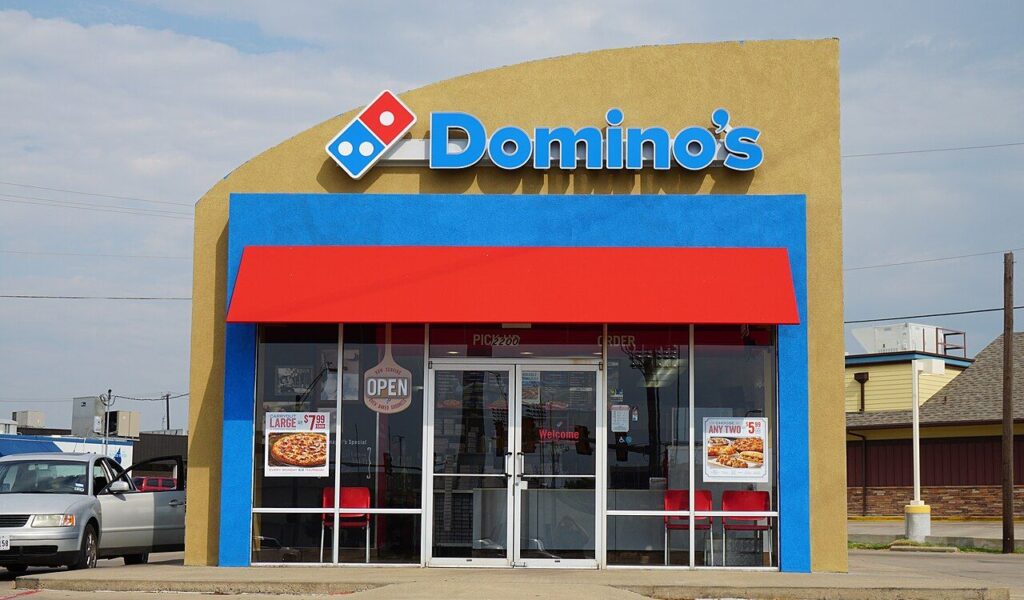
Domino’s Pizza has faced legal challenges tied to how its ingredients and products were represented to customers. Lawsuits and complaints have questioned whether the quality implied in marketing matched what was actually delivered, particularly around cheese content, portion visuals, and claims of recipe improvements. Some disputes focused on whether advertised upgrades meaningfully changed ingredient quality or were largely cosmetic. These cases highlighted how heavily fast food brands rely on perception when rolling out menu changes. For Domino’s, legal scrutiny forced clearer communication about what had actually changed and what had not.