Why Casual Dining Chains Are Closing More Locations


The familiar glow of neighborhood casual dining chains is dimming across the country, and the change is hard to ignore. For decades, these restaurants served as dependable gathering places for birthdays, team celebrations, relaxed date nights, and easy family dinners. Their menus felt familiar, their booths felt comfortable, and their prices once seemed reasonable for a full-service experience. Today, many of these well-known brands are quietly closing locations, sometimes in communities they have served for years. What once symbolized reliability and routine now reflects an industry under strain, adjusting to a marketplace that looks very different from the one that fueled its rise.
Behind every permanently closed sign is a complex chain of economic and cultural shifts. Rising ingredient costs, higher wages, expensive leases, and heavy debt loads are pressing hard on profit margins that were already thin. At the same time, diners are rethinking how often they eat out and where they choose to spend. Convenience, value, and speed increasingly shape those decisions, often pulling traffic away from traditional sit-down chains. Looking closely at these closures reveals more than isolated business setbacks. It highlights a broad transformation in how people prioritize spending, convenience, and shared dining experiences in an evolving economy.
Shifting Consumer Spending Habits
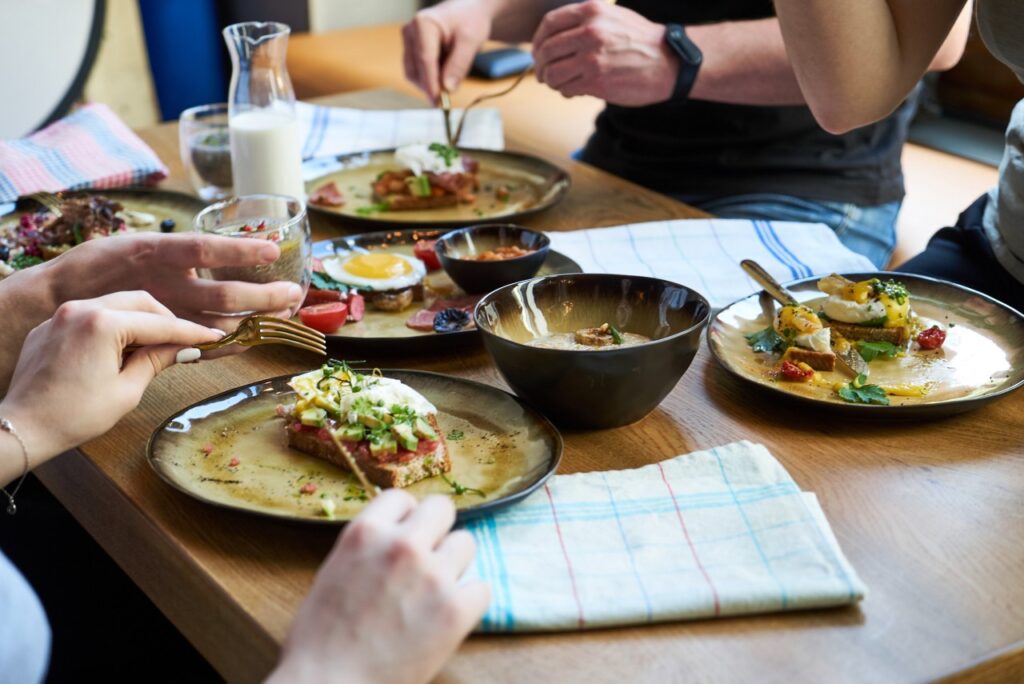
Dining out once held a fixed place in many household routines, but that rhythm has changed noticeably. What used to be an easy weekly habit is now a more deliberate decision shaped by tighter budgets and growing financial caution. As everyday expenses such as housing, fuel, groceries, and utilities rise, families are reassessing where their discretionary income goes. Casual dining, often viewed as a nonessential treat, is frequently one of the first areas to be trimmed. Even households with stable incomes are dining out less often or choosing lower-priced alternatives, reflecting a broader shift toward value-driven spending and more careful financial planning.
Generational preferences are accelerating this transition in powerful ways. Millennials and Gen Z diners tend to prioritize speed, flexibility, and digital convenience over the traditional sit-down experience. Mobile ordering, curbside pickup, and quick counter service align with their schedules and expectations. Many are comfortable replacing a full-service meal with fast casual options or grocery store prepared foods that cost less and require less time. As these habits become normalized, traffic in traditional dining rooms continues to soften, forcing established chains to confront a customer base whose priorities and spending patterns look very different from previous decades.
Inflation and Escalating Operating Costs
Behind the scenes, the cost of simply keeping the lights on has climbed at a pace few operators anticipated. Food prices have swung sharply in recent years, influenced by supply chain bottlenecks, extreme weather patterns, transportation delays, and global instability. Key ingredients such as beef, chicken, cooking oils, dairy products, and fresh produce have all seen notable spikes at different points, leaving restaurant buyers with little predictability. Because full-service chains depend on consistent portion sizes and broad menus, even modest increases can significantly compress margins that are already thin in the casual dining sector.
Operating expenses stretch far beyond what appears on a plate. Utilities, insurance premiums, cleaning supplies, equipment repairs, and technology systems all demand steady investment. Transportation and distribution costs have also risen, adding pressure before ingredients reach the kitchen. Landlords, facing higher taxes and financing costs, often raise rents or extra fees for large retail spaces. Casual dining restaurants, built around spacious dining rooms and sizable staff, carry higher fixed costs than smaller formats. When expenses rise faster than menu prices can follow, profitability tightens, and closures become harder to avoid.
Labor Shortages and Workforce Pressures
Staffing pressures have evolved into one of the most persistent challenges facing casual dining chains. These restaurants depend on a coordinated team of servers, hosts, cooks, bartenders, and managers to deliver the full-service experience customers expect. When the labor market tightened, competition for workers intensified across retail, hospitality, and logistics sectors. To attract and retain employees, many chains raised hourly wages, introduced hiring incentives, expanded benefits, and adjusted scheduling practices. While necessary, these improvements significantly increased payroll expenses in an industry where labor already represents one of the highest operating costs.
High turnover continues to compound the problem in measurable ways. Recruiting, onboarding, and training new employees requires both time and financial investment, and productivity often dips during transitions. Short-staffed shifts can slow table turnover, reduce service attentiveness, and strain remaining team members, increasing burnout risk. When service quality becomes inconsistent, guest satisfaction declines, and repeat visits may drop. In response, some operators have shortened hours, simplified menus, or closed weaker locations to stabilize operations. For businesses built on reliable hospitality, prolonged workforce instability can quickly translate into lasting financial pressure.
Fierce Competition From Fast Casual and Delivery
The dining marketplace has become more crowded, faster, and increasingly digital. Fast casual brands have positioned themselves between quick service and full-service dining, offering streamlined menus, contemporary interiors, and competitive pricing that appeals to value-conscious guests. Customers can place orders through mobile apps, customize meals, and pick up food with minimal wait times. This convenience reduces the time commitment traditionally associated with sit-down restaurants. For many diners balancing work and family demands, the promise of speed and predictability makes fast casual an easy substitute for longer, table-service experiences.
Delivery platforms have further reshaped consumer expectations around accessibility and immediacy. Third-party apps expanded reach for restaurants but often charge sizable commission fees that pressure already thin margins. Casual dining chains must weigh the benefit of digital visibility against reduced profitability on each order. At the same time, supermarkets have expanded ready-to-eat selections, and meal kit services offer structured at-home solutions that compete directly for dinner spending. With countless choices available through a single smartphone screen, brand loyalty has softened, and traditional chains face mounting pressure to defend both traffic and relevance.
Debt, Overexpansion, and Financial Restructuring

Expansion was once treated as proof of success, but aggressive growth strategies have left several casual dining chains stretched beyond sustainable limits. During years of strong consumer spending, many brands signed long-term leases and built large-format restaurants in suburban shopping centers and regional malls. Those locations were designed to handle heavy dine-in traffic and steady weekend crowds. As retail foot traffic declined and shopping habits shifted online, however, many of these sizable dining rooms became increasingly difficult to fill. High fixed costs tied to expansive layouts and multi-year leases now weigh heavily on operating performance.
Debt has intensified the strain for some operators. Private equity buyouts and leveraged expansion plans often leave chains carrying significant financial obligations that require steady cash flow to manage. When sales soften and operating expenses rise, meeting those payments becomes more difficult. In response, some companies pursue restructuring agreements, renegotiate leases, or file for bankruptcy protection to reduce liabilities. Strategic closures can help focus resources on stronger markets, but they also signal deeper pressures. For many casual dining brands, the challenge is no longer growth, but restoring financial stability in a demanding environment.