7 Cold Cut Recipes Worth Trying at Least Once

Cold cuts are often treated as shortcuts, yet they have a long history rooted in preservation, balance, and careful seasoning. When used thoughtfully, they can form meals that feel intentional rather than improvised. The key lies in understanding how cured meats behave when sliced thin, served cold, or paired with the right textures and acidity. These recipes focus on structure, contrast, and timing rather than excess. From pressed sandwiches to composed salads and platters, each approach highlights what cold cuts do best, delivering flavor quickly while staying satisfying and versatile. When handled with care, cold cuts stop feeling like filler and start feeling like the centerpiece.
1. Classic Italian Cold Cut Sandwich
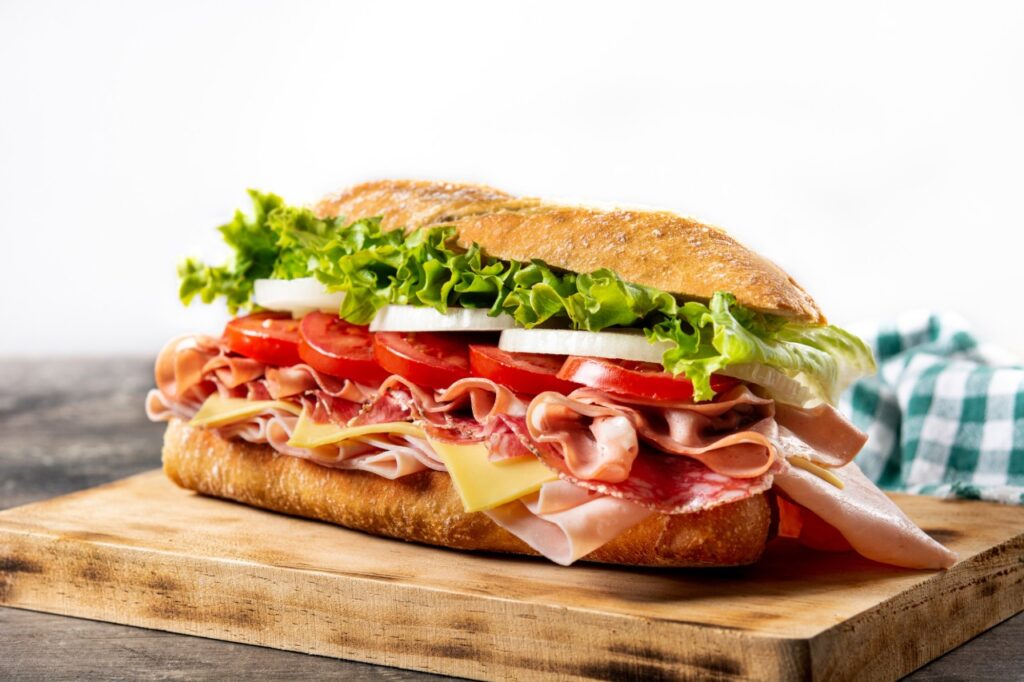
This sandwich works because it relies on contrast rather than excess. Italian cold cuts such as salami, mortadella, and capicola are cured with salt and spices, which means they bring intensity even in thin slices. Layering them instead of piling them prevents the sandwich from becoming greasy or overwhelming. Provolone adds a mild creaminess that softens sharp cured flavors without masking them. Fresh lettuce and tomatoes introduce moisture and crunch, keeping the bite lively. A simple dressing of olive oil and vinegar sharpens everything and prevents dryness. Bread choice matters more than people expect. A firm roll with a tender interior absorbs oil without falling apart.
2. Cold Cut Antipasto Platter
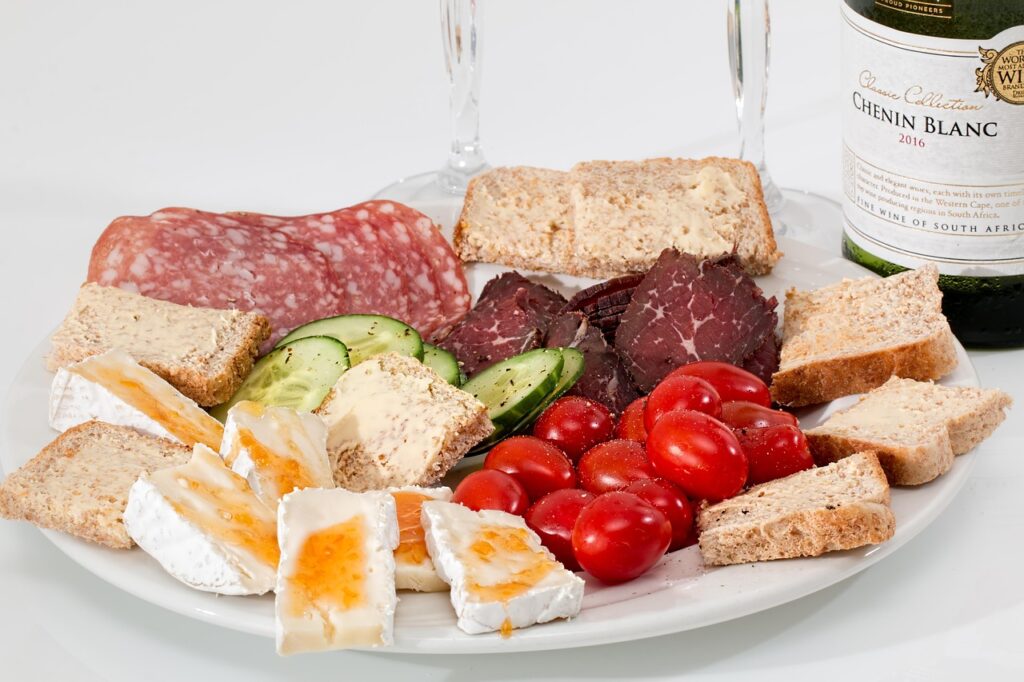
An antipasto platter turns cold cuts into an experience rather than a recipe. Thin slicing is key because cured meats release flavor quickly when exposed to air. Salty meats pair best with acidic or briny items like olives, pickled vegetables, or marinated peppers. These elements reset the palate between bites, preventing richness from building up. Mild cheeses add fat and calm sharper flavors, while crunchy items introduce texture. Serving everything at room temperature allows aromas to develop fully, making the platter more expressive. This format encourages slow eating and conversation, which is why it works so well for gatherings.
3. Cold Cut Pasta Salad
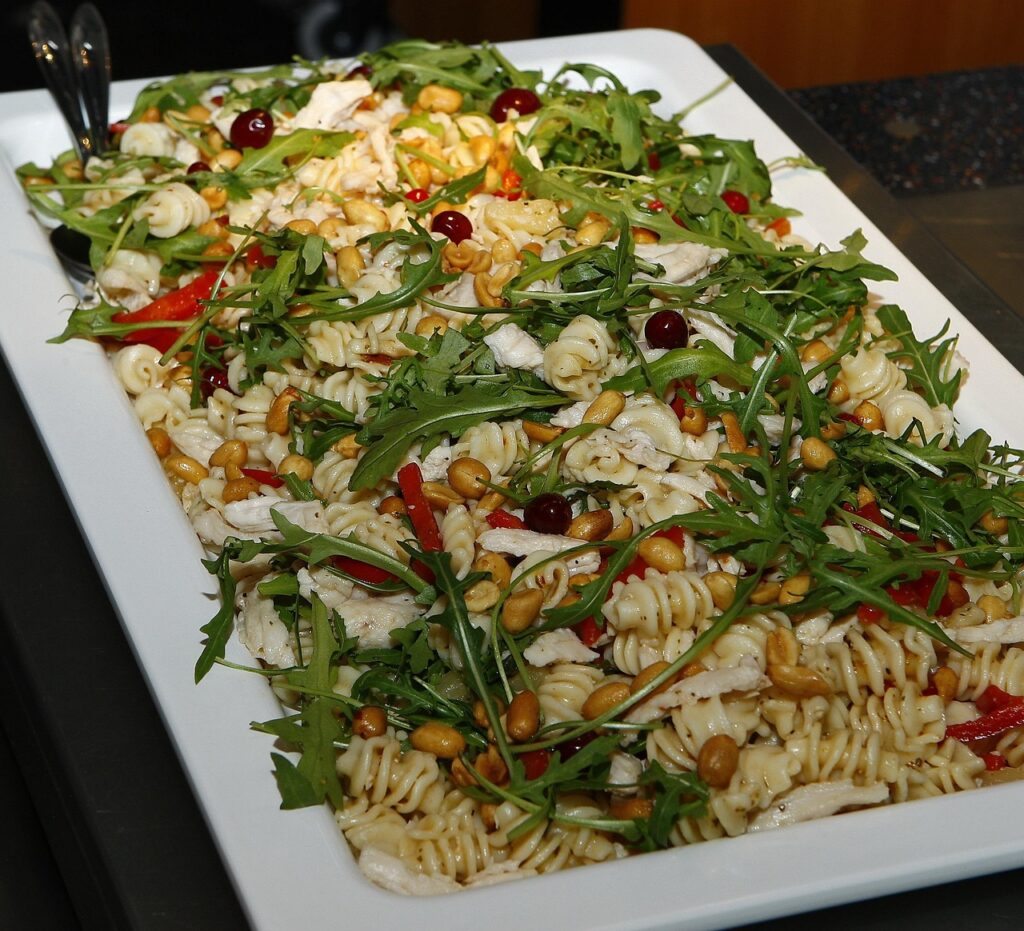
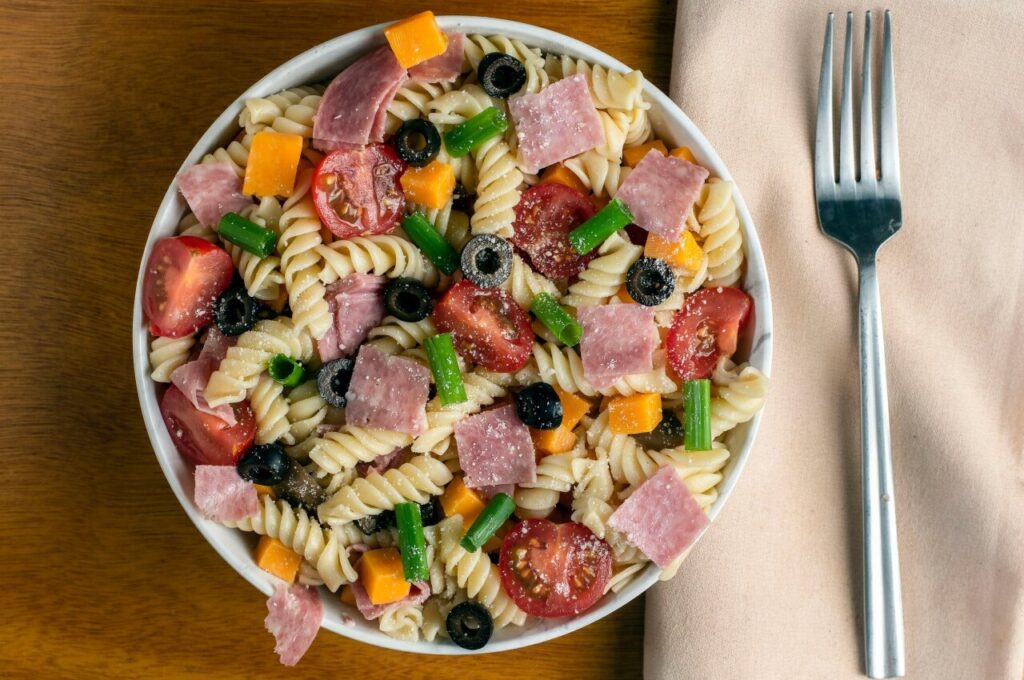
Cold cuts bring structure and seasoning to pasta salad without needing heavy sauces. Meats like ham or salami retain flavor even when chilled, which makes them ideal for cold dishes. Cutting them into small, even pieces ensures distribution rather than clumps. Pasta acts as a neutral base, absorbing dressing while providing chew. A light vinaigrette keeps the salad fresh and prevents the meat from tasting heavy. Vegetables such as peppers or onions add crunch and moisture, while herbs brighten the overall profile. This dish improves over time as flavors blend, making it ideal for preparation ahead of time. Unlike creamy salads, it holds texture longer and travels well.
4. Open-Faced Cold Cut Toast

Open-faced cold-cut toast highlights quality through simplicity. With fewer ingredients, each element becomes more noticeable. Toasted bread provides warmth and crunch, while thinly sliced cold cuts add salt and richness. Because there is no second slice of bread, portions stay controlled and flavors feel cleaner. A light spread, such as mustard or soft cheese, anchors the toppings without overpowering them. This format encourages careful assembly rather than stacking. It works well for light meals or starters because it satisfies without heaviness. The temperature contrast between warm bread and cool meat adds interest, while the exposed surface keeps textures crisp.
5. Cold Cut Wrap with Crunchy Veggies
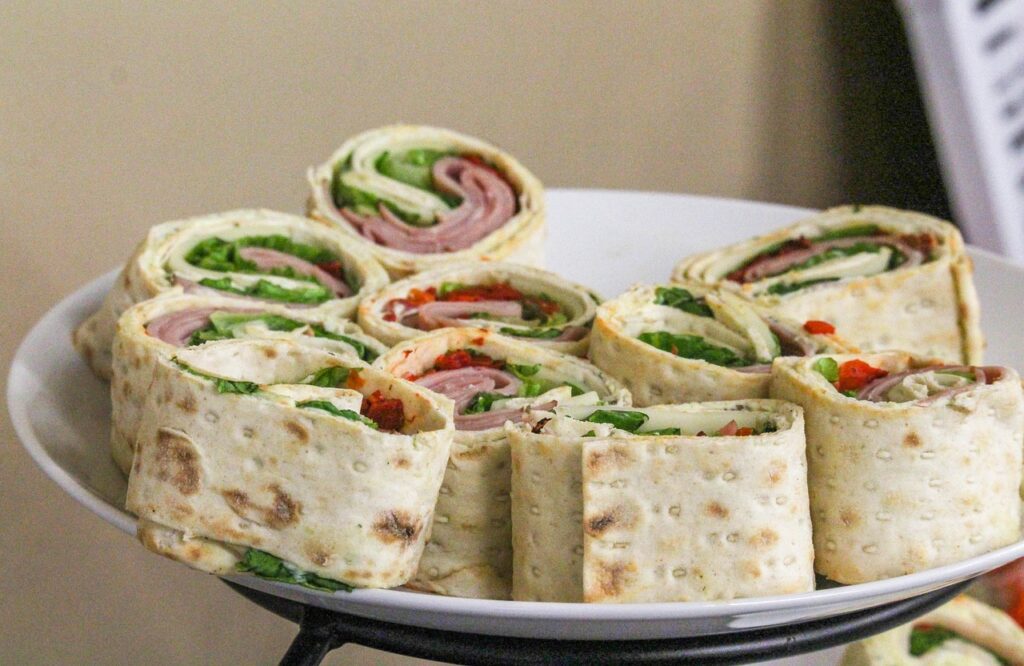
Wraps succeed when moisture and texture are managed. Cold cuts provide protein and salt, but leaner meats work best to avoid greasiness. Crunchy vegetables like lettuce or cucumbers add freshness and prevent the wrap from feeling flat. A thin layer of sauce keeps everything cohesive without soaking the bread. Using flatbread or tortillas creates flexibility while holding ingredients securely. This format is practical and portable, making it ideal for lunches or casual meals. Balance is key. Too much filling causes splitting, while too little feels unsatisfying. When assembled properly, a cold cut wrap delivers flavor, crunch, and structure in every bite without utensils or reheating.
6. Cold Cut Chopped Salad
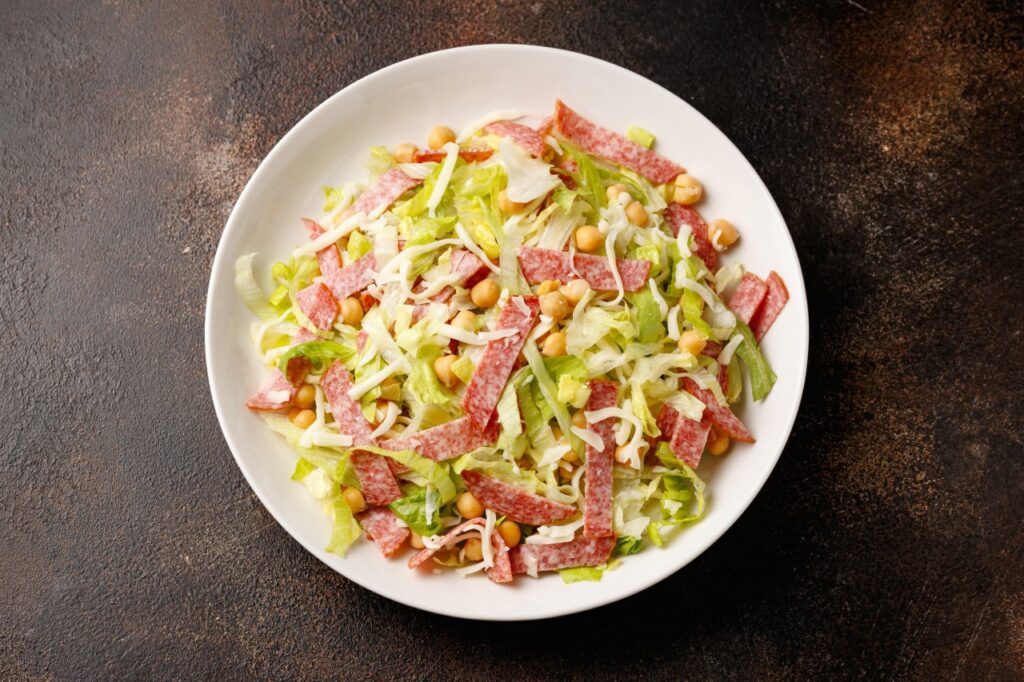
Chopping changes how cold cuts behave in a dish. Instead of dominating each bite, finely cut meat distributes flavor evenly across the salad. This prevents heaviness and allows vegetables to remain central. Greens provide volume and freshness, while cured meats contribute depth and salt. A sharp dressing keeps the salad lively and prevents richness from lingering. This format makes portion control easier without sacrificing satisfaction. Because ingredients are evenly sized, every forkful tastes balanced. Cold cut salads work especially well when you want something light but filling. They offer the comfort of familiar flavors in a fresher, more structured way.
7. Pressed Cold Cut Sandwich
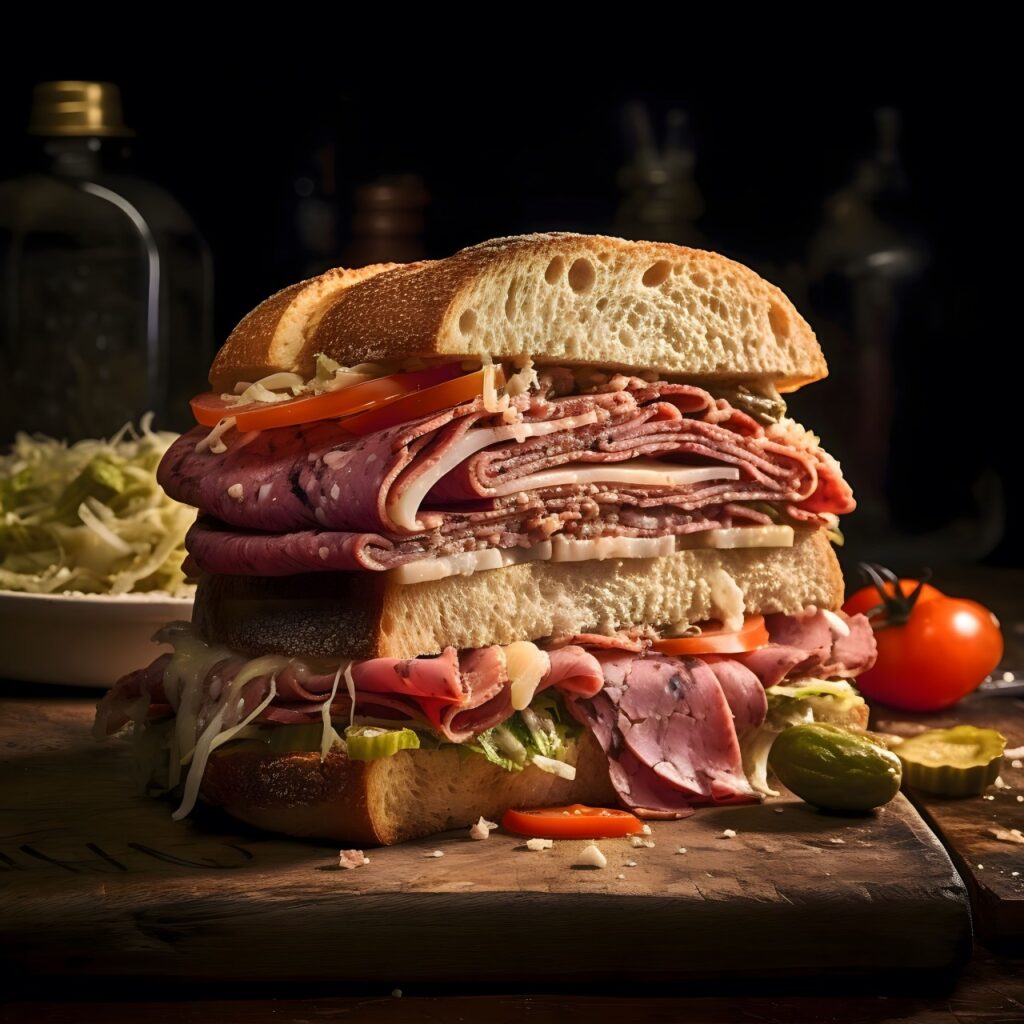
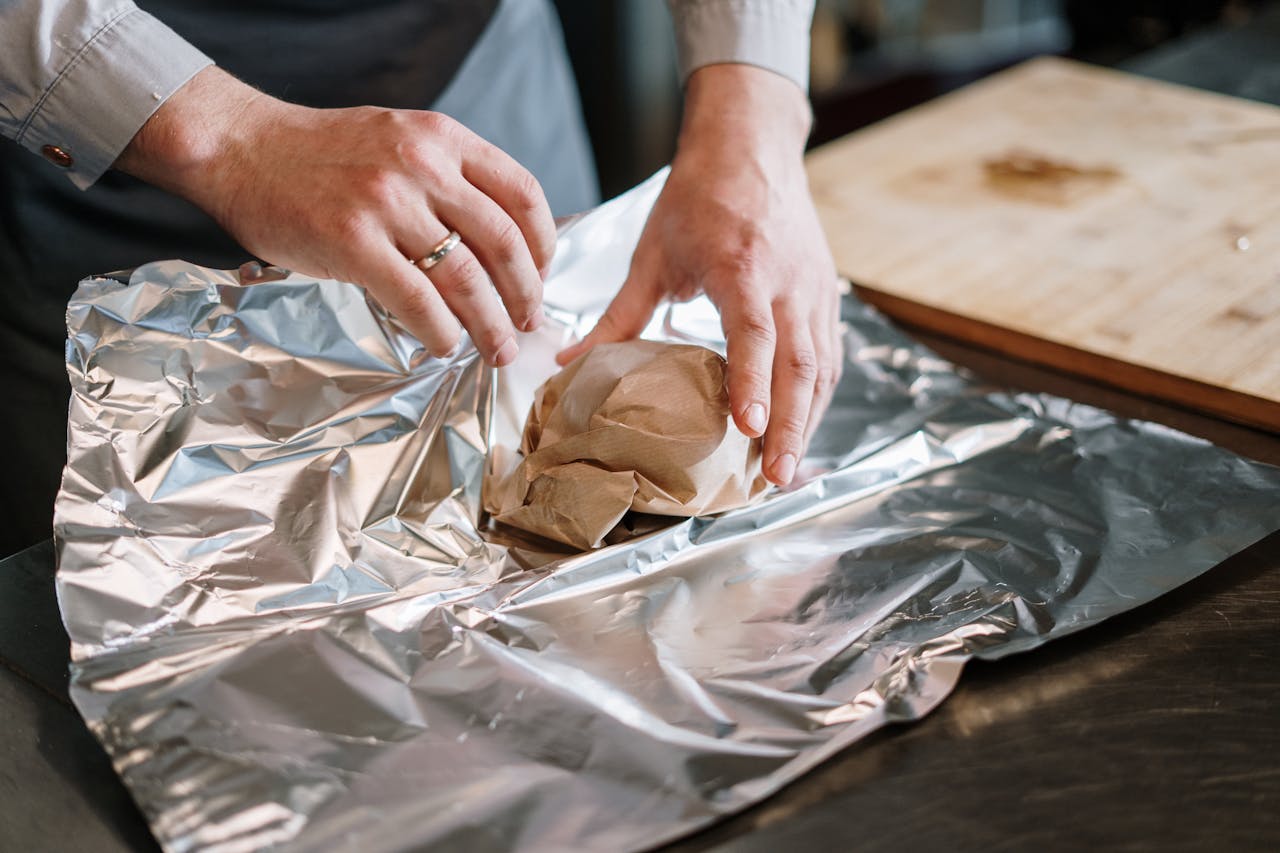
Pressing a sandwich changes texture and flavor distribution. Weight compresses layers, forcing oils and juices to spread evenly through the bread. This creates cohesion and prevents dry bites. Pressed sandwiches hold their shape better, making them easier to eat cold. They are ideal for layered cold cuts because time allows flavors to meld rather than compete. Bread absorbs moisture gradually without becoming soggy. This technique also improves storage, making sandwiches suitable for picnics or advance preparation. The result feels intentional rather than assembled. Pressing proves that patience can improve even the simplest cold cut combination.