10 Grocery Foods That Used to Be Seasonal but Are Now Sold Year-Round

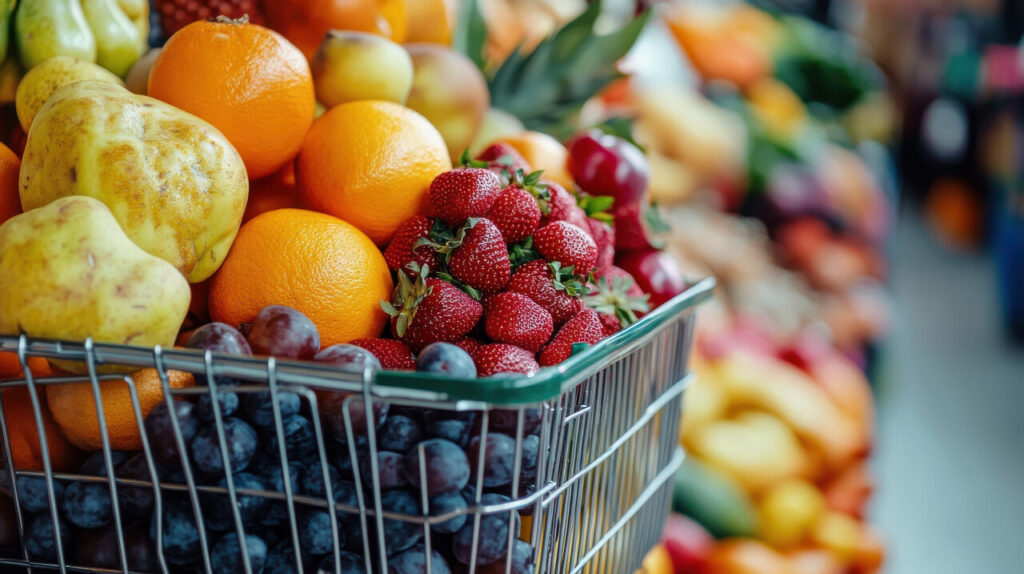
Here’s the thing. Grocery stores used to follow the calendar. You waited for strawberries in June, pumpkins in October, and corn at the tail end of summer. That rhythm made certain foods feel special because you couldn’t have them whenever you wanted. Today, global shipping, greenhouses, freezing, and cold storage have erased most of those gaps. Nearly everything is available all the time. It’s convenient, sure, but it also flattens flavor and takes away that sense of anticipation. This list looks at everyday grocery staples that quietly shifted from seasonal treats to permanent residents on store shelves.
1. Strawberries Became a Year Round Staple Instead of a Short Summer Treat
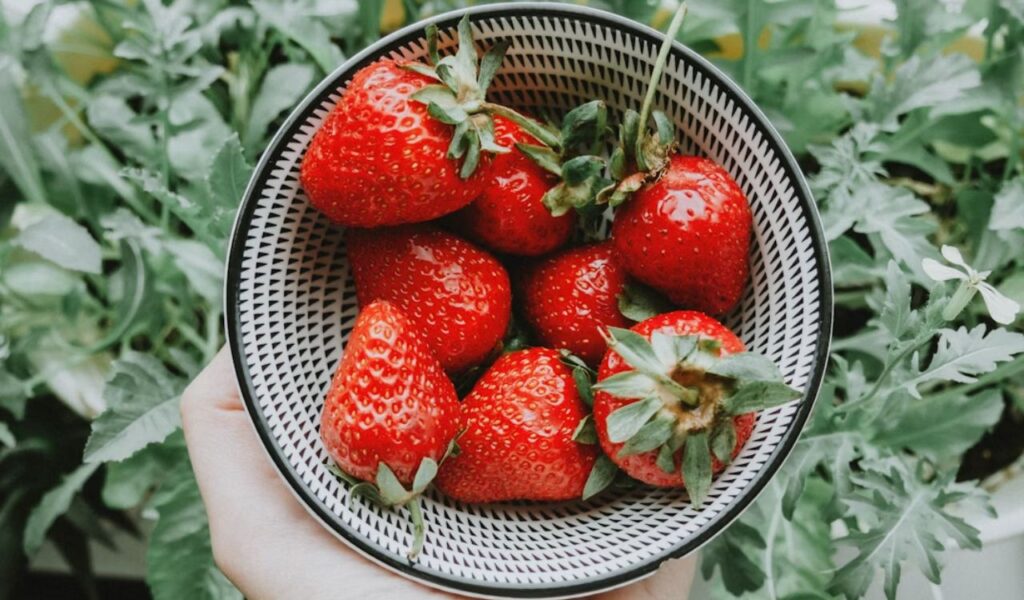
There was a time when strawberries felt like a signal that school was ending and summer had finally arrived. They showed up for a few bright weeks, tasted intensely sweet, then vanished. Today, they rarely leave the shelf. What changed is logistics. California, Florida, and Mexico stagger their growing seasons, while greenhouses stretch production even further. Refrigerated trucks and quick packing mean berries can travel thousands of miles without collapsing into mush. The tradeoff is flavor consistency. Off-season berries often look perfect but taste milder because they are bred for durability and shelf life. Convenience won, but that old rush of truly peak strawberries has become harder to spot.
2. Blueberries Stopped Being a Seasonal Luxury and Turned Into an Everyday Snack
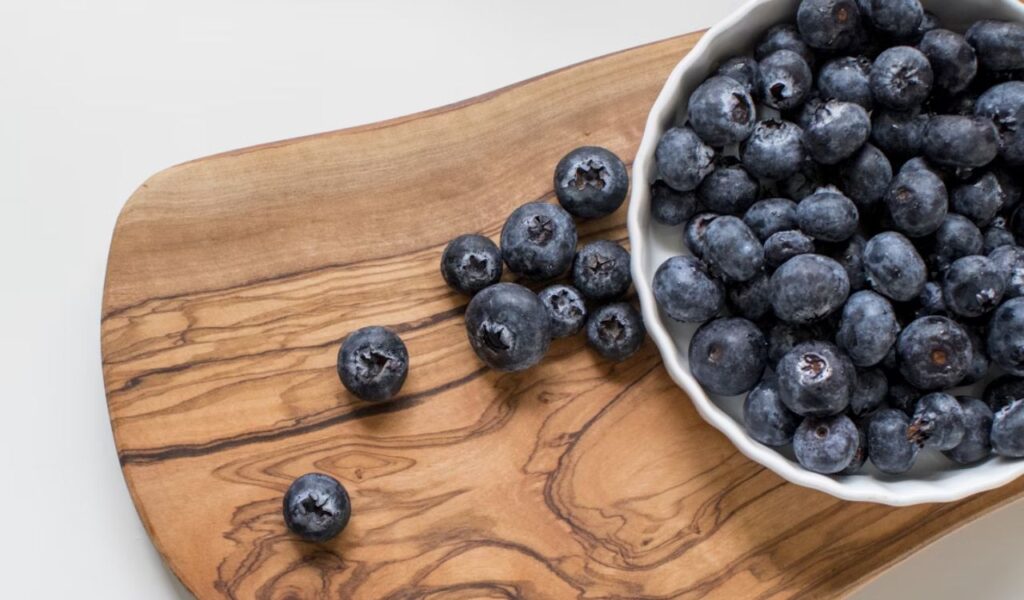
Blueberries once felt expensive and fleeting, something you grabbed during late summer or not at all. Now they sit beside the yogurt year-round. The reason is global sourcing. When North American fields slow down, growers in Peru, Chile, and other Southern Hemisphere countries pick up the slack. The supply chain overlaps, so there is barely a gap. Add frozen options, and you have nonstop availability. From a nutrition standpoint, this is great because berries are packed with fiber and antioxidants. From a flavor standpoint, though, off-season fruit can taste watery. Like strawberries, blueberries are often harvested early so they survive shipping, which dulls their natural sweetness.
3. Avocados Went From Rare Specialty to a permanent produce bin resident
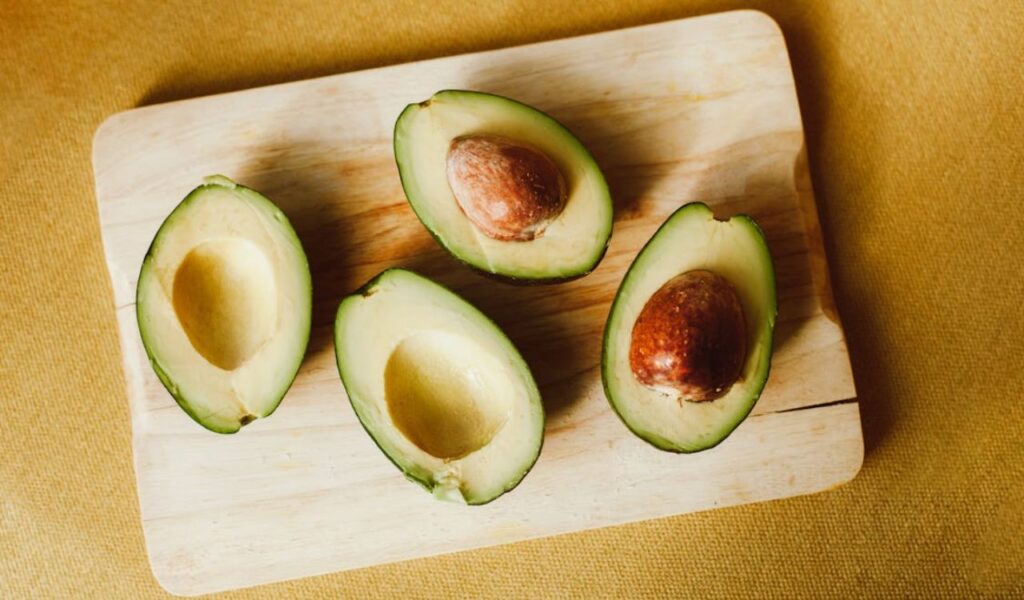
Avocados used to feel exotic in many American kitchens. You saw them occasionally in summer salads or at restaurants, not as a daily toast topping. Now they are practically a pantry item. Mexico’s year-round harvest cycles and strong trade routes keep stores stocked continuously. Controlled ripening rooms also play a big role. Distributors use temperature and ethylene gas to slow or speed the ripening process, which lets supermarkets sell perfectly soft fruit on demand. The result is steady availability but also higher expectations. Shoppers now assume avocados will always be there, which makes the fruit feel ordinary rather than seasonal, even though its natural peak still exists.
4. Tomatoes Lost Their Summer Magic Once Greenhouses Took Over
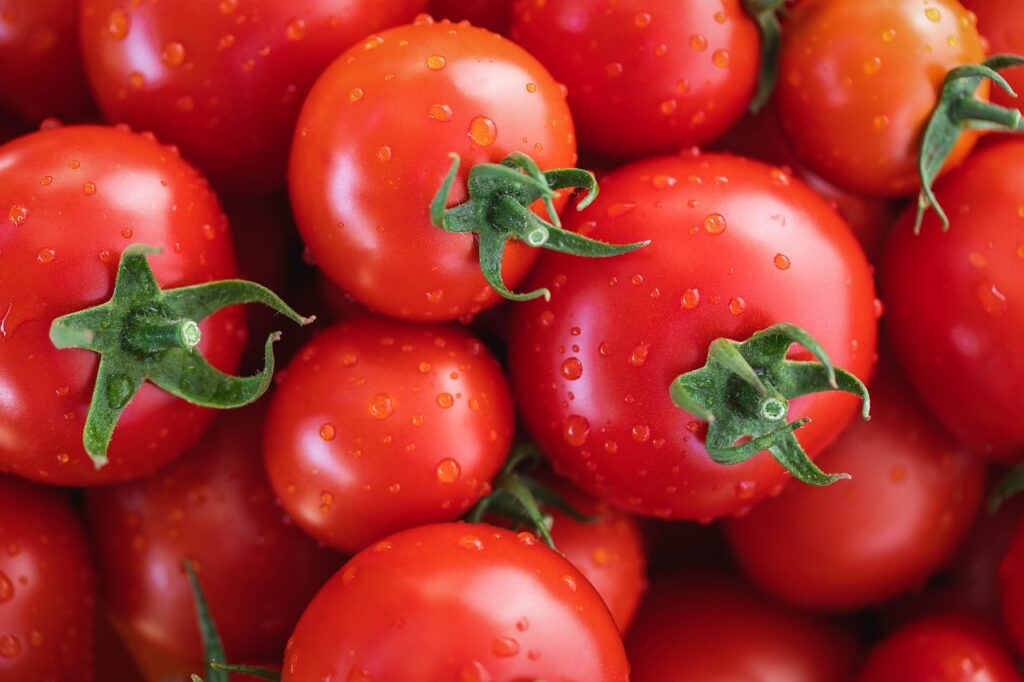
Nothing screams summer like a tomato that smells like the garden and tastes sweet straight off the vine. Historically, that experience lasted a few months. Now, tomatoes are always available thanks to massive greenhouse operations and imports from warmer regions. These systems control light, water, and temperature so plants produce steadily regardless of the weather. It is efficient and reliable, but it changes the fruit. Many supermarket tomatoes are bred with thicker skins and firmer flesh so they survive transport. That strength often means less flavor. So while you can buy tomatoes in January, they rarely deliver the rich taste that made them special in the first place.
5. Spinach and Salad Greens Shifted From Farmstand Only to Prewashed Convenience
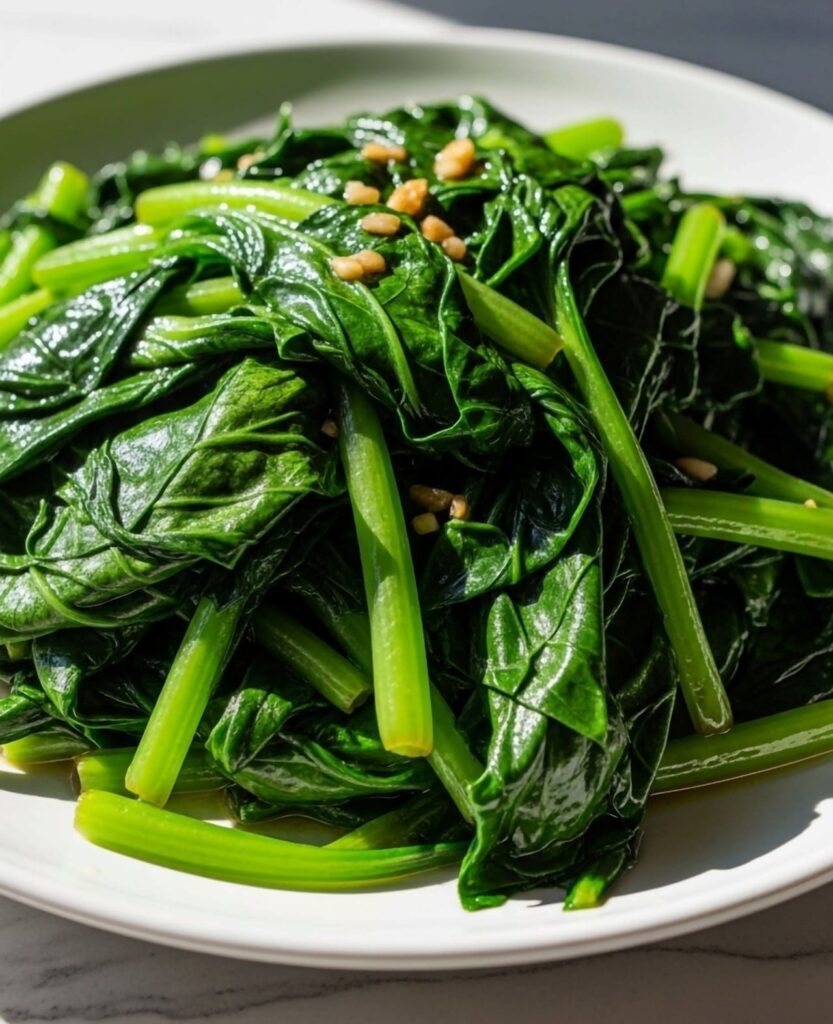
Leafy greens once depended heavily on local growing seasons. Outside of spring and early fall, fresh salads were less common. Today, prewashed bags of spinach, arugula, and mixed greens fill entire refrigerated walls. Controlled environment farming and quick processing changed everything. Greens are harvested, washed, dried, and sealed within hours, which extends shelf life and makes them safer and easier to use. This packaging convenience means salads happen year-round, not just when gardens cooperate. Still, these greens can spoil quickly once opened, and long-distance shipping can reduce crispness. The constant availability is practical, but it flattens the sense of seasonality that fresh-picked greens once carried.
6. Pumpkins and Pumpkin Puree Escaped Autumn and Moved Into Every Baking Aisle
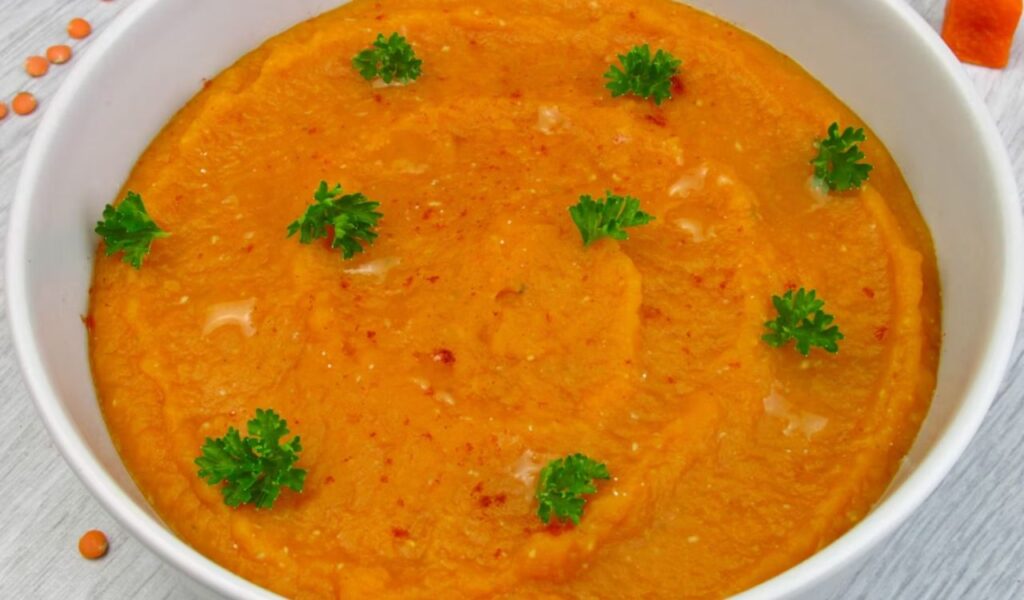
Pumpkins used to mean one thing: fall. You carved them, baked with them, and then waited another year. Now, canned pumpkin puree sits on shelves all year. Food processors cook and puree pumpkins at harvest, then can and store them for months without losing safety or texture. That makes pumpkin bread, soups, and pies possible in any season. From a practical standpoint, it is smart because canned pumpkin is consistent and easy to use. Emotionally, though, it blurs the line between seasons. When pumpkin recipes are available in July, the flavor stops feeling tied to cooler weather and holiday gatherings.
7. Cranberries Went From Thanksgiving Only to Constant Juice and Sauce
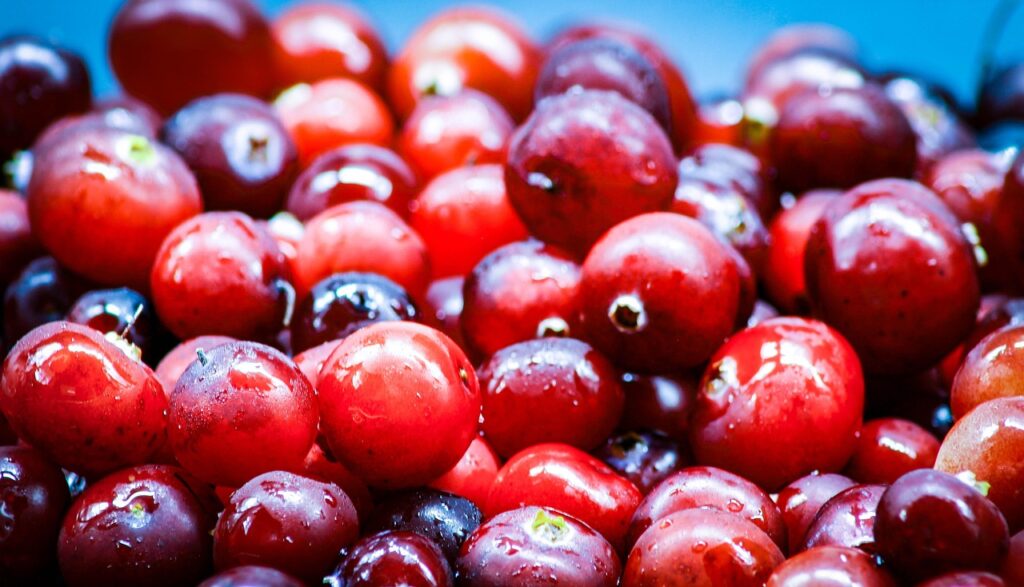
Cranberries once had a very short spotlight around Thanksgiving. Outside that window, they were hard to find fresh food. Processing changed that. Most cranberries are turned into juice, dried snacks, or canned sauce, all of which store well for long periods. Freezing also keeps berries usable far beyond harvest. This means the tart fruit never really disappears. While that is convenient for cooking and smoothies, it removes the sense of anticipation people once felt when the first bags hit the store. The fruit still grows seasonally, but shelf life tricks make it feel permanent.
8. Apples Became a Year-Round Fruit Thanks to Massive Cold Storage
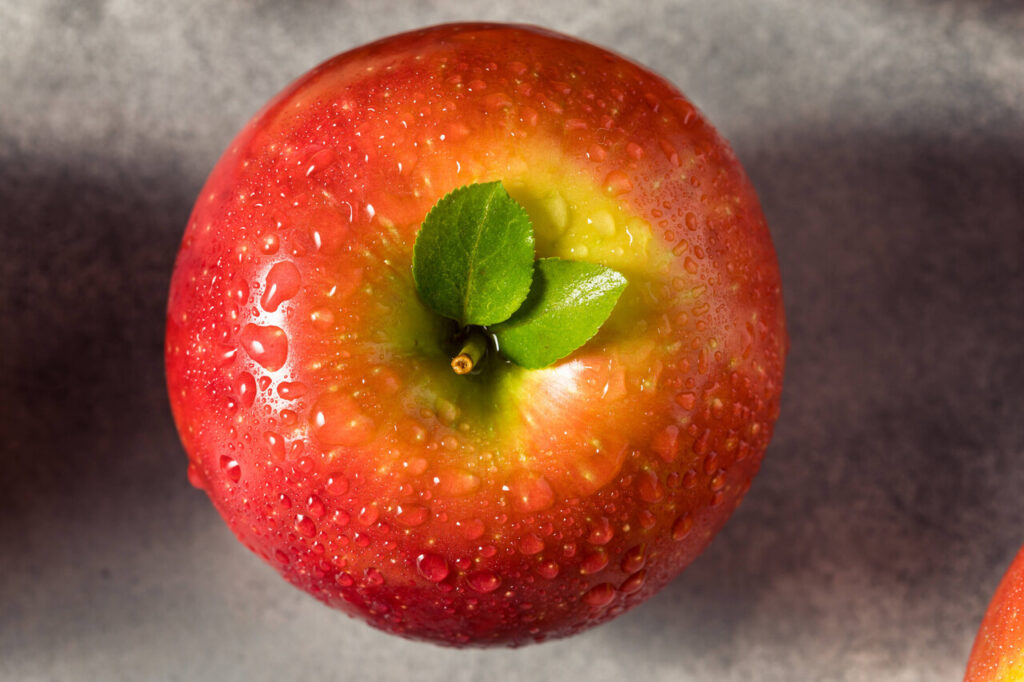
Apples might be the best example of technology reshaping seasonality. They are harvested once a year, usually in the fall, yet we eat them daily. The secret is controlled atmosphere storage. Warehouses reduce oxygen and adjust temperature so apples slow their natural aging process. This keeps them crisp for months without freezing. Add dozens of varieties with staggered harvests, and you get a nonstop supply. It is incredibly efficient and reduces waste. Still, a just-picked apple from an orchard often tastes brighter and juicier than one that has spent months in storage. Availability improved, but peak flavor still has a season.
9. Sweet Corn Stopped Being a Late Summer Event and Became a Freezer Staple
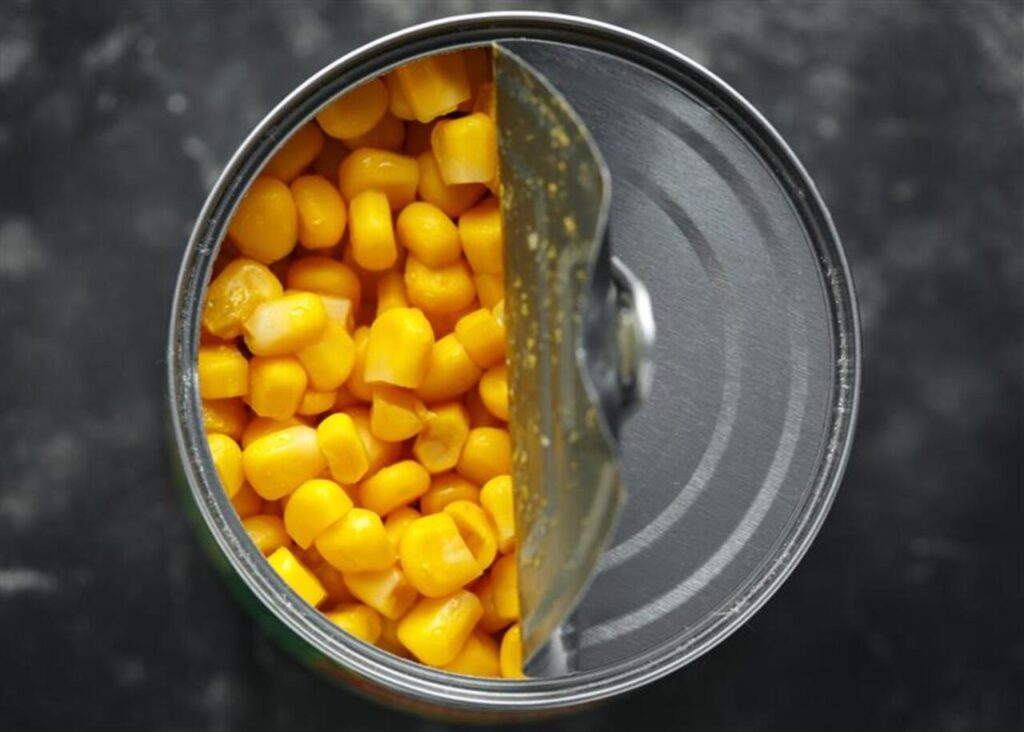
Sweet corn used to show up briefly and disappear just as fast. Families planned barbecues around it. Now you can buy fresh cobs imported from warmer climates or frozen kernels any time. Freezing technology captures corn at peak ripeness and locks in flavor within hours of harvest, which makes the frozen version surprisingly reliable. That is great for soups and stir-fries. Still, fresh corn shipped long distances can lose sugar and taste starchy. The freezer solved the season problem, but the magic of biting into a just-picked ear is still hard to replicate.
10. Peppermint and Holiday Baking Flavors Refuse to Stay in December
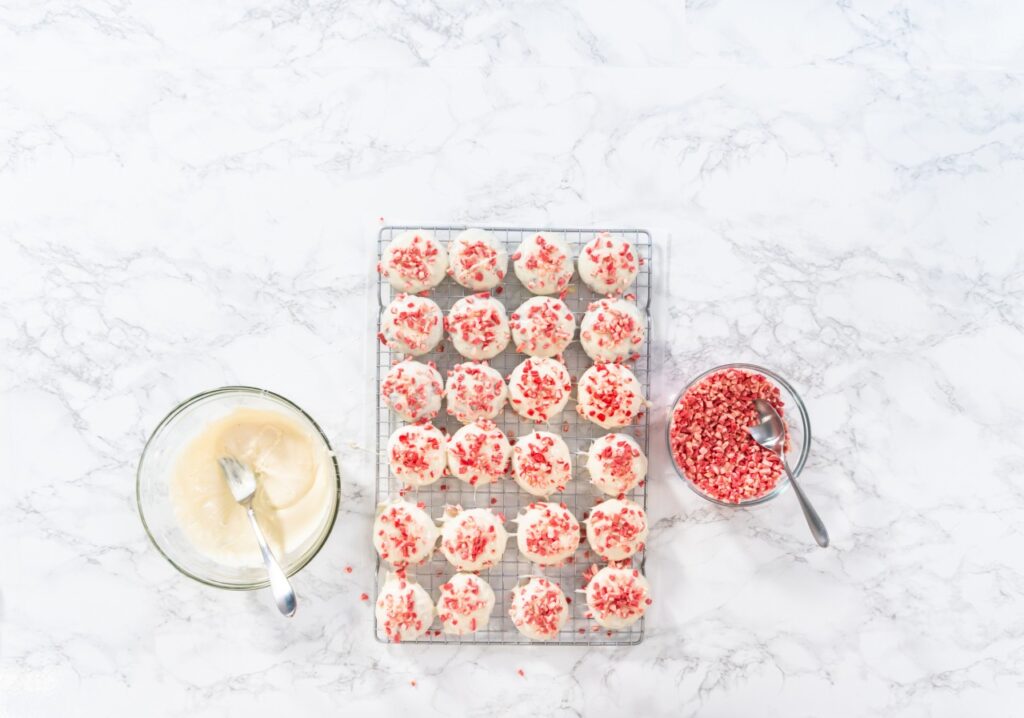
Peppermint once belonged strictly to the holidays. Candy canes, mint bark, and peppermint extract are tied to winter celebrations. Now those flavors live in the baking aisle all year. Shelf-stable extracts, syrups, and candies are easy to manufacture and store, so retailers keep them stocked regardless of season. Coffee drinks and desserts also helped normalize mint outside of December. The result is constant access, which is convenient for bakers but weakens the association with special occasions. When peppermint is always available, it stops feeling festive and starts feeling ordinary, even though its roots are deeply seasonal.