12 Popular Foods That Rose Because Restaurants Needed Cheaper Ingredients

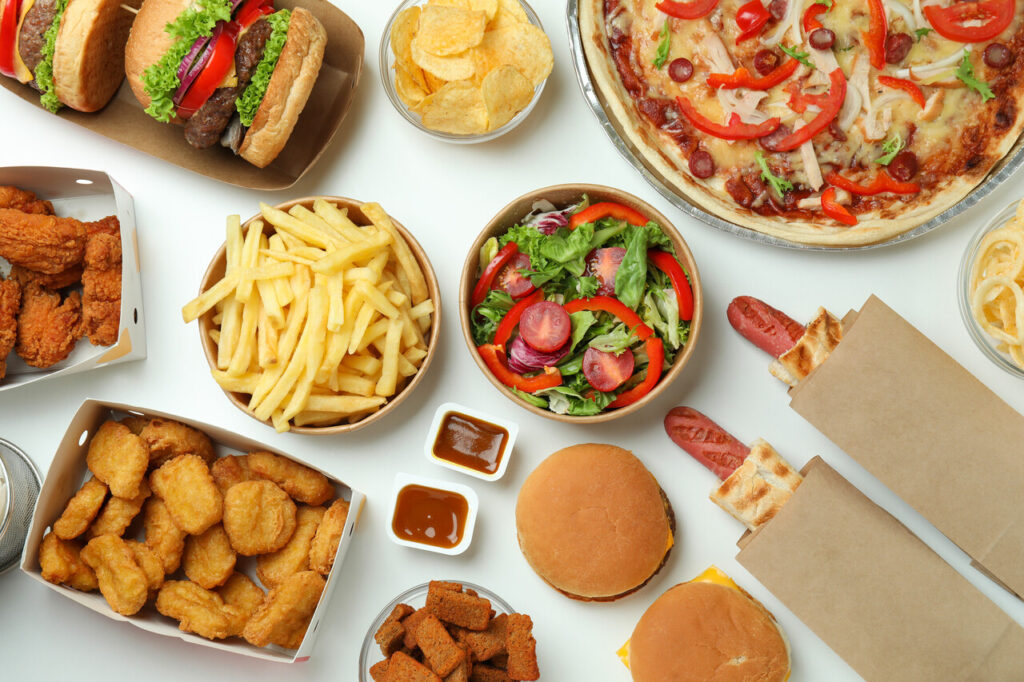
Great food does not always come from expensive ingredients. In fact, some of the most loved dishes on American menus were born from pure necessity. Restaurant kitchens had to stretch budgets, use scraps wisely, and feed a lot of people without spending much. So cooks leaned on flour, rice, beans, and potatoes, then added just enough meat or sauce to make everything feel indulgent. The result was smart, satisfying food that tasted richer than it cost. Over time, these humble creations stopped feeling cheap and started feeling iconic. Here’s a closer look at the popular dishes that quietly rose because restaurants needed affordable ingredients and clever techniques.
1. Pizza Proved That Bread and a Few Toppings Could Feed a Crowd Cheaply
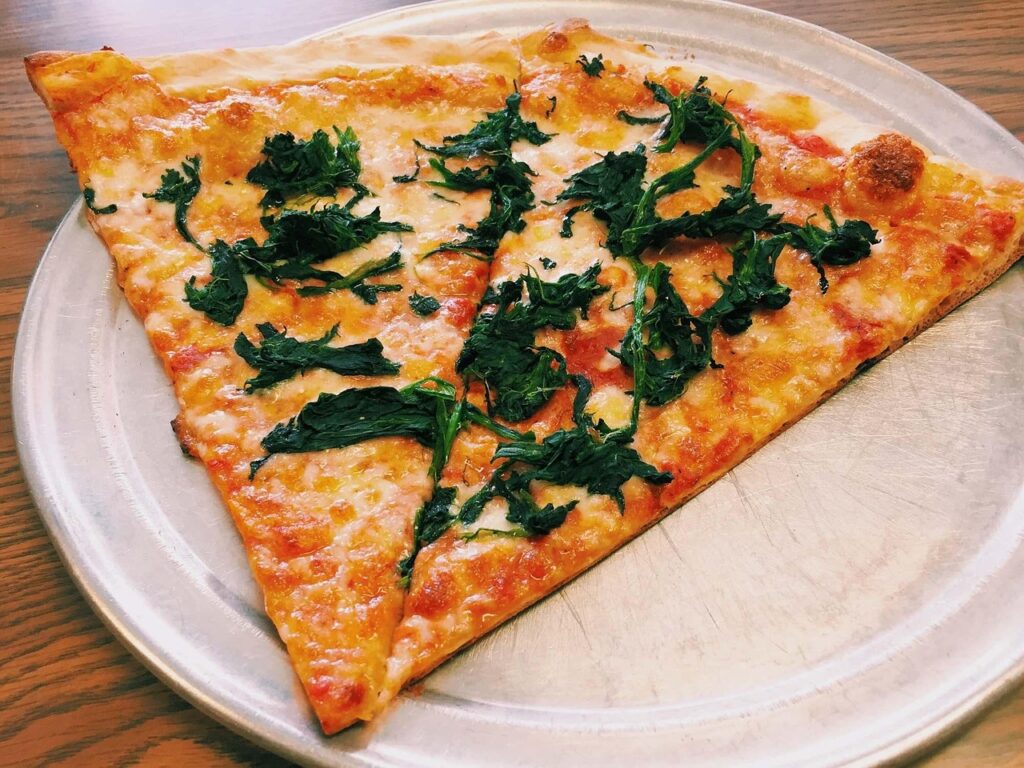
What looks like comfort food royalty today started as pure practicality. Pizza grew out of southern Italian kitchens where flatbread dough, canned or crushed tomatoes, and small amounts of cheese were the cheapest way to stretch a meal. Flour was inexpensive, tomatoes were abundant, and a handful of mozzarella could flavor an entire pie. For restaurants, that math was irresistible. A single batch of dough could become dozens of servings with very little protein cost. When pizza reached American cities, especially New York and Chicago, operators realized they could feed huge crowds quickly with minimal overhead. The margins were strong, prep was simple, and leftovers rarely went to waste. What this really means is pizza did not rise because it was fancy. It rose because it was efficient, filling, and cheap to produce.
2. Ramen Turned Broth and Wheat Noodles Into a Low Cost Meal That Felt Complete
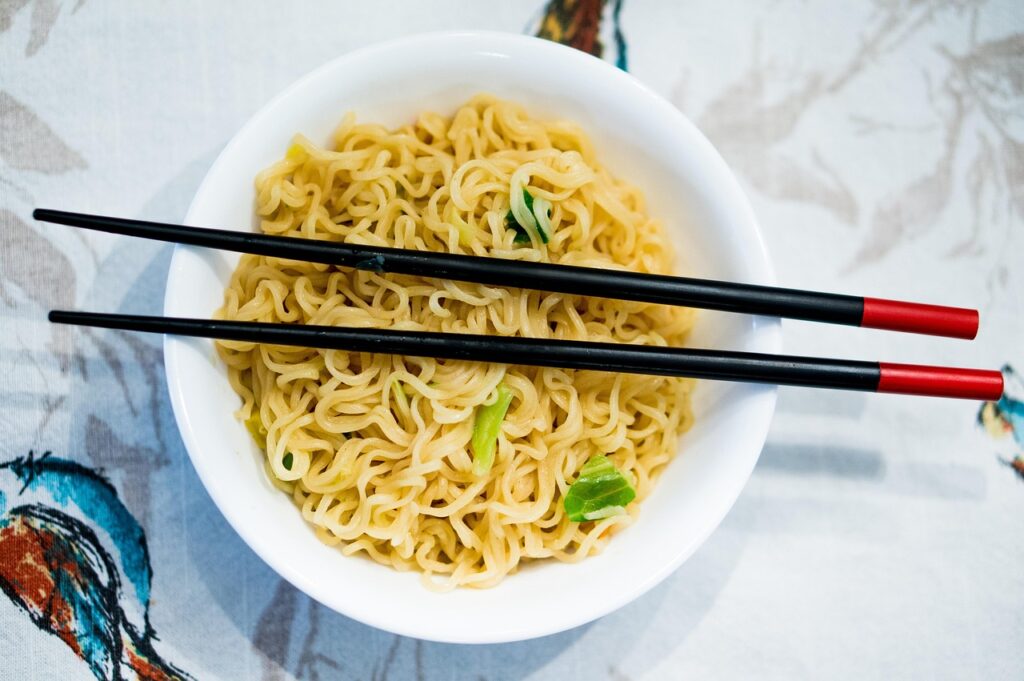
A bowl of ramen feels rich and layered, but its base is remarkably economical. Wheat noodles are inexpensive to manufacture, and broth can be built from bones and scraps that might otherwise be discarded. That made ramen ideal for feeding workers and students on tight budgets. Restaurants leaned into this structure. Instead of costly cuts of meat, they used slices, shavings, or small toppings that flavored the whole bowl. The noodles did the heavy lifting for fullness. Even instant ramen followed the same principle, offering maximum calories and comfort for very little money. The appeal spread globally because the business model worked everywhere. You could sell a hot, satisfying bowl while keeping ingredient costs low and predictable, which is exactly what small shops needed.
3. Fried Chicken Made Tougher Cuts Taste Luxurious With Just Oil and Flour
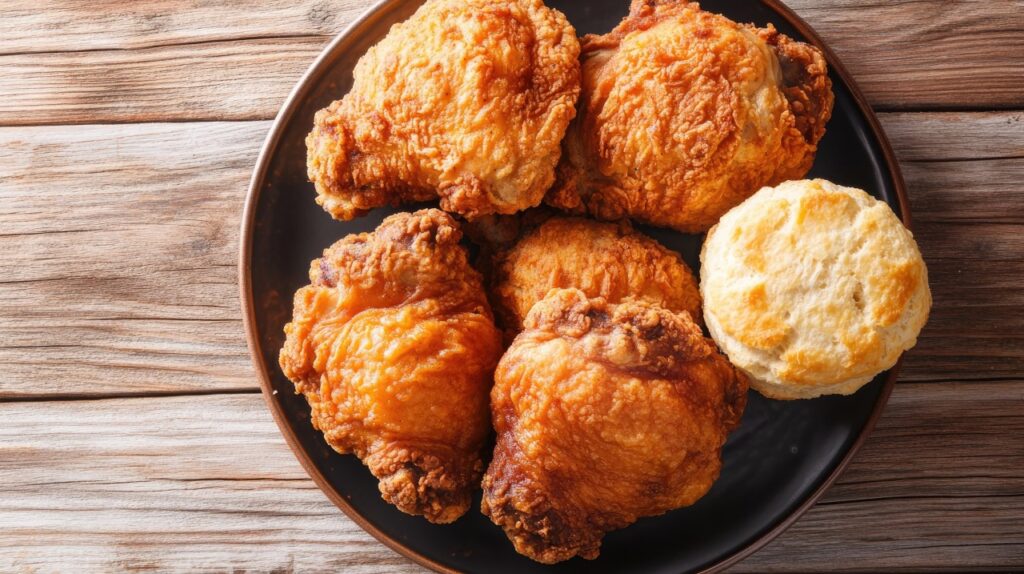
Frying is one of the oldest tricks for making affordable meat irresistible. Chicken was historically cheaper than beef, and pieces like thighs and drumsticks cost less still. Coat them in seasoned flour, drop them into hot oil, and you get a crisp exterior that tastes indulgent regardless of the cut. For restaurants, this was gold. Flour and oil are cheap. Chicken cooks fast. Customers feel like they are getting something special. Fried chicken chains scaled this logic into an empire. The crunch disguises modest ingredients, and the aroma alone sells it. Here’s the thing. You do not need expensive inputs to create perceived value. A fryer and seasoning do most of the work.
4. Hamburgers Showed That Ground Beef Could Stretch Further Than Steaks Ever Could
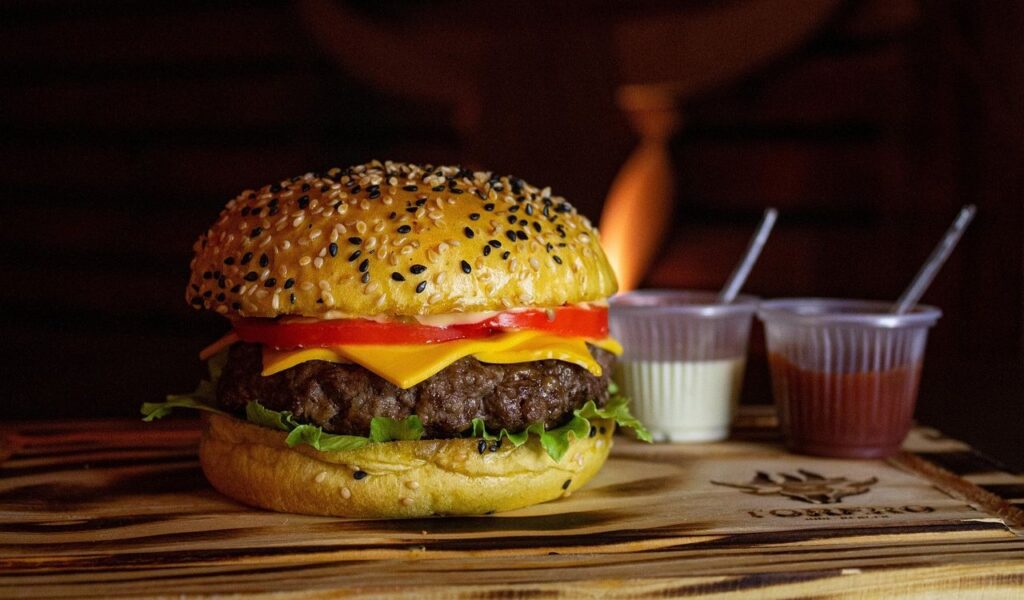
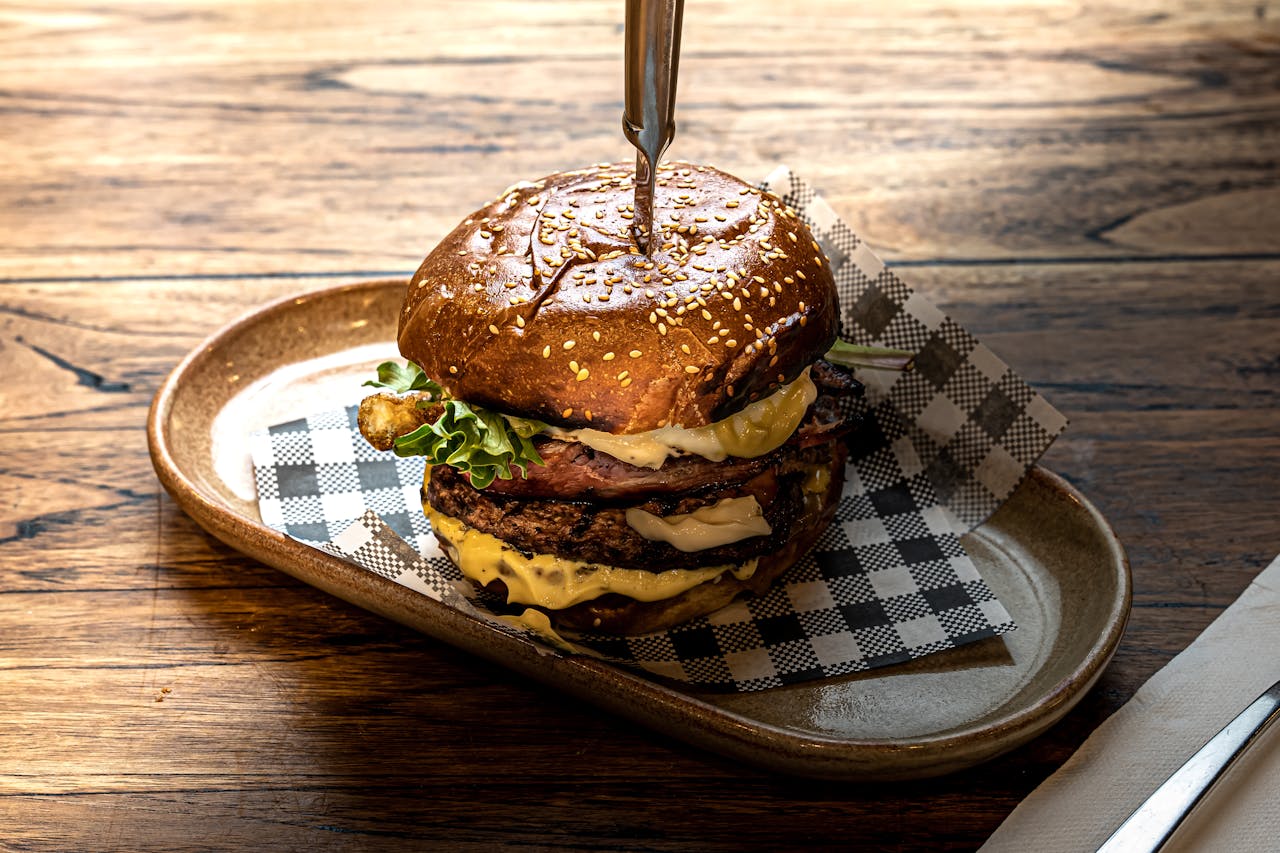
Grinding beef changed everything. Whole steaks are costly and limited in number, but ground meat lets you use trimmings and less tender parts of the animal. That dramatically lowers the price per serving. Restaurants realized they could sell a burger with bread, lettuce, and sauce for far less than any steak plate while still offering a satisfying portion. The bun also stretches the protein further. Add fries and a drink, and you have a complete meal built on one small patty. The burger’s rise is a story of efficiency, not luxury. It delivered big flavor and fullness while keeping costs tightly controlled, which is why diners and fast food chains adopted it so quickly.
5. Tacos Turned Tiny Tortillas and Modest Fillings Into a Profitable Street Staple
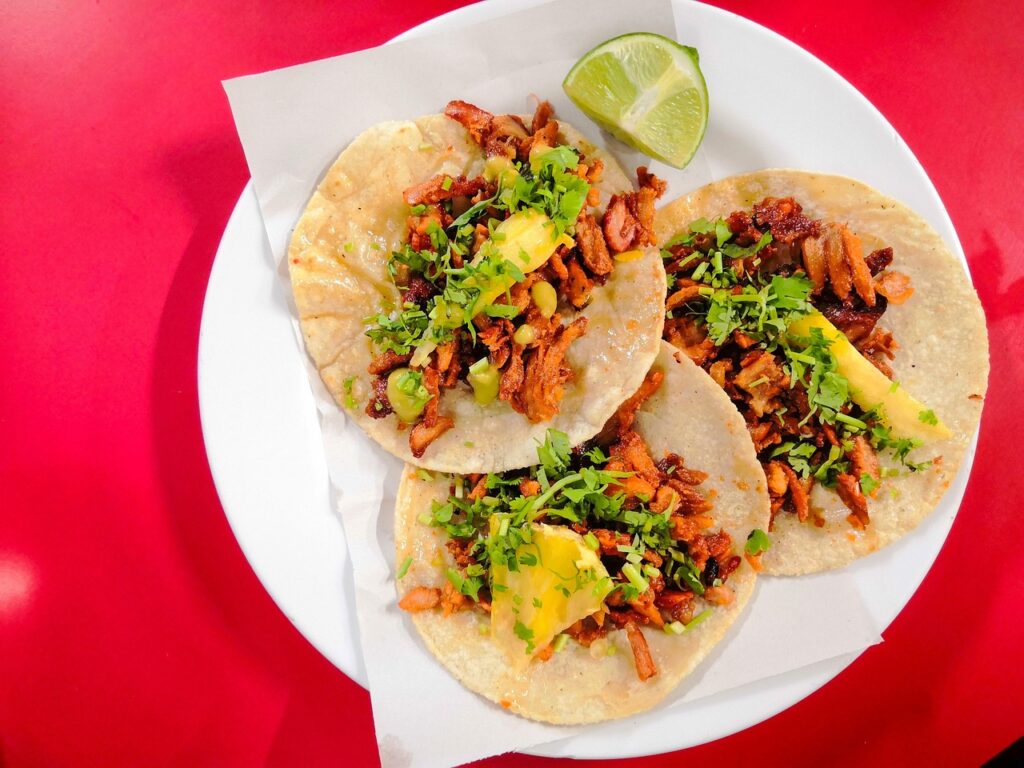
A taco is basically portion control built into a dish. Small corn tortillas cost pennies and act as both plate and filler. Add a spoonful of beans, shredded meat, or vegetables, and you have a complete bite that feels generous without using much protein. Street vendors mastered this formula because it kept prices low and waste minimal. Restaurants followed. Tacos allow cooks to use cheaper cuts, leftovers, or slow-cooked meats that stretch further. Customers can order several, which increases sales without raising ingredient costs much. It is a clever system. Lots of flavor, tiny portions of expensive items, and a structure that makes everything feel abundant.
6. Pasta Relied on Wheat and Sauce to Make a Little Meat Go a Long Way
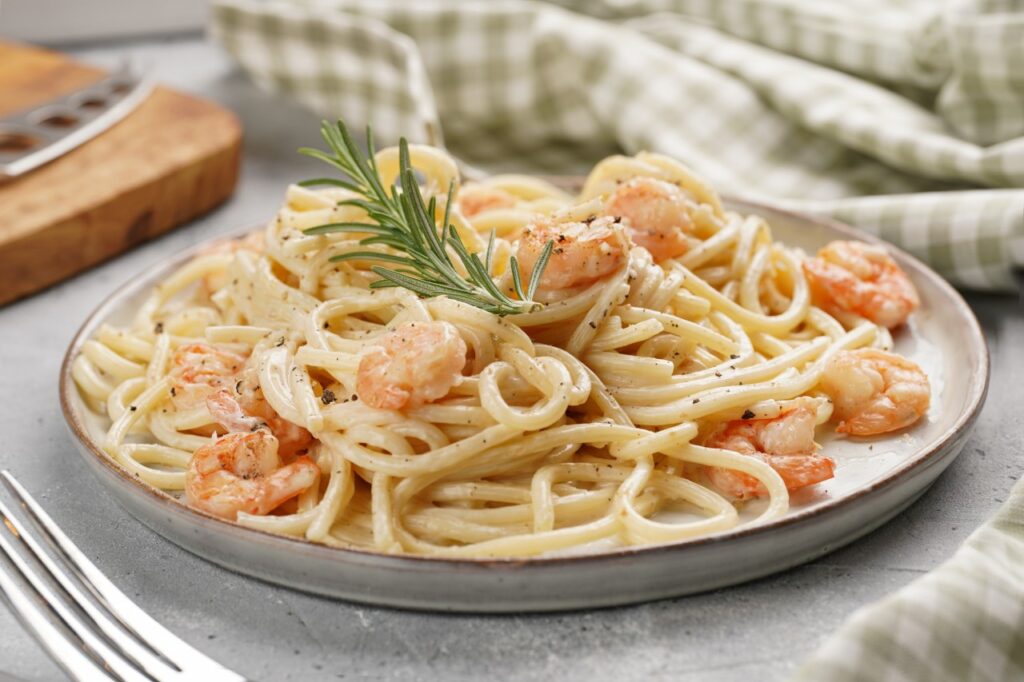
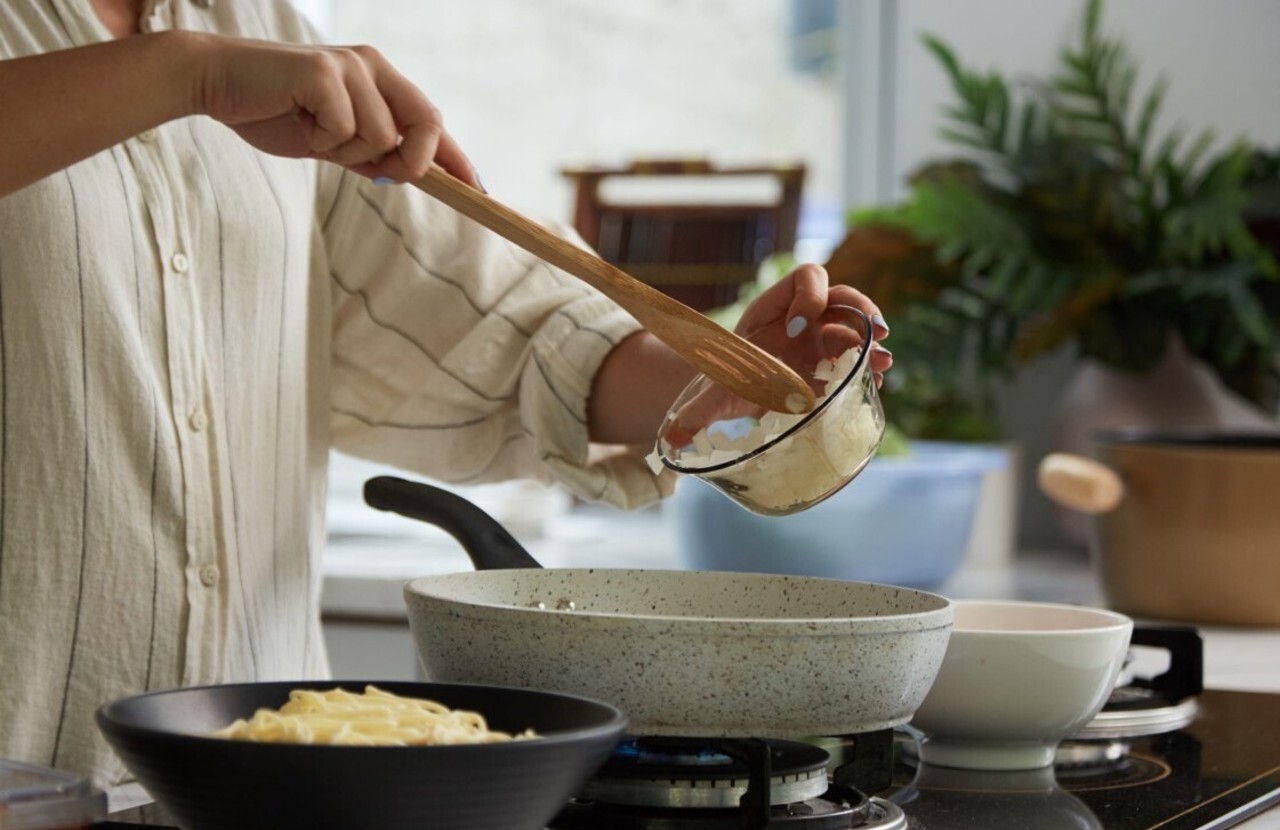
Pasta is one of the cheapest foods to produce at scale. It is mostly flour and water, dries well, and stores for months. That stability made it a restaurant favorite. A handful of noodles can carry a ladle of sauce and a sprinkle of cheese, creating the impression of a hearty dish with minimal meat. Italian American eateries leaned into this model because it fed large families affordably. From spaghetti to baked ziti, the logic stayed the same. Carbohydrates provide bulk, while smaller amounts of sauce deliver flavor. The result feels satisfying and generous, but the food cost stays low. It is simple arithmetic that has kept pasta on menus for generations.
7. Mac and Cheese Turned Pantry Staples Into Pure Comfort With Almost No Cost
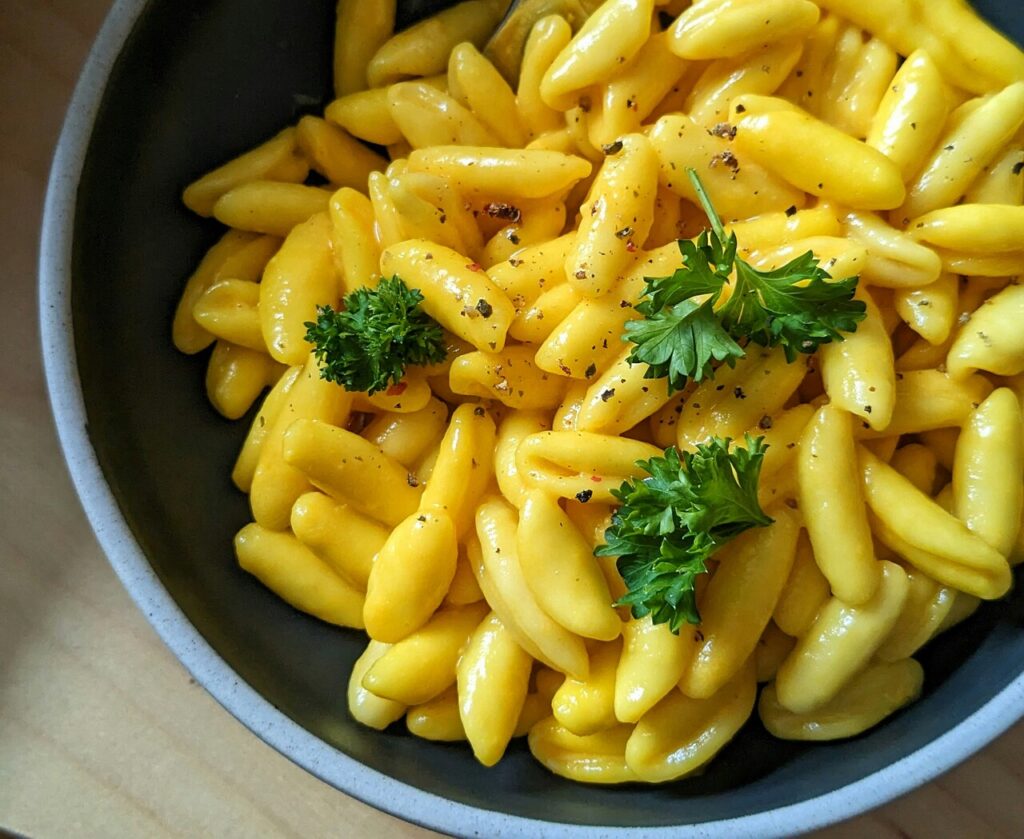
Mac and cheese is a masterclass in stretching ingredients. Elbow pasta is cheap. Milk and processed cheese melt smoothly and coat every bite, so a small amount tastes rich. During tight economic periods, this combination delivered calories and comfort at a fraction of the price of meat-based dishes. Restaurants and cafeterias loved it because it held well in large trays and appealed to nearly everyone. You could feed dozens without complicated prep. Even boxed versions followed the same idea, turning shelf-stable products into a quick meal. It feels indulgent, but it is built from some of the most affordable items in the pantry.
8. Chili Made Beans the Star, So Meat Became Just a Supporting Player
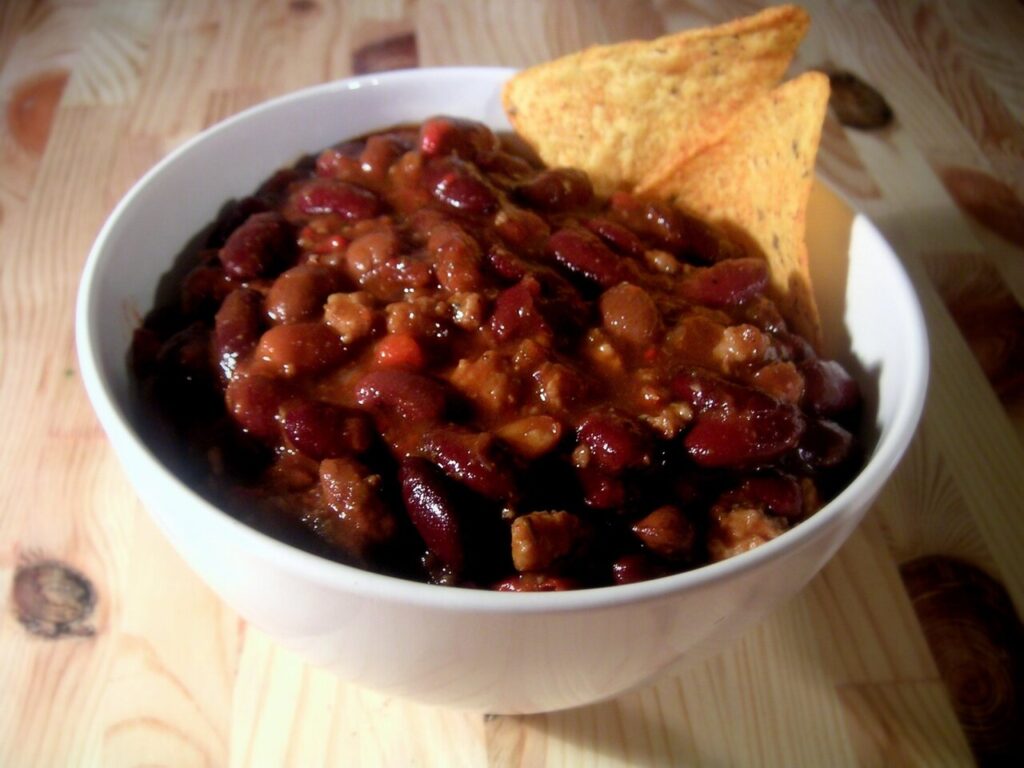
Chili’s strength is how it uses beans to bulk up a dish while relying on only modest amounts of meat. Beans are inexpensive, shelf-stable, and high in protein and fiber. Add tomatoes, spices, and a little ground beef, and the pot tastes deep and satisfying. For restaurants, this is ideal. You can cook large batches, hold them warm, and serve quickly. The flavors actually improve over time, which reduces waste. That makes chili perfect for diners, bars, and cafeterias. It feeds many people cheaply while still feeling hearty. The spices do the heavy lifting, not the costly ingredients.
9. Fish and Chips Balanced, Affordable Fish With Even Cheaper Potatoes
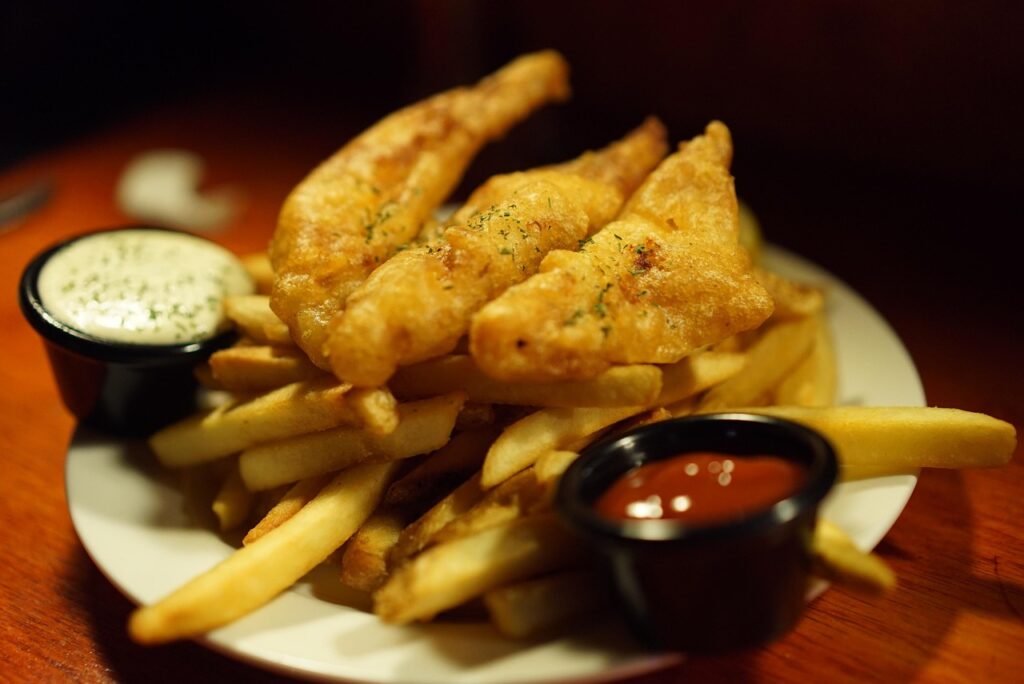
This dish thrived because both parts were inexpensive. White fish like cod or haddock were once plentiful and relatively cheap, and potatoes are among the most affordable crops anywhere. Batter adds bulk and crunch, increasing portion size without raising cost much. Frying also masks imperfections and keeps prep simple. For shops and pubs, fish and chips offered a filling meal that could be served fast to large crowds. Even as prices changed over time, the formula remained appealing because it delivers comfort and volume. You get a big plate for less money than most meat dishes, which is exactly why it stuck around.
10. Meatloaf Proved That Fillers Could Make Ground Meat Go Twice as Far
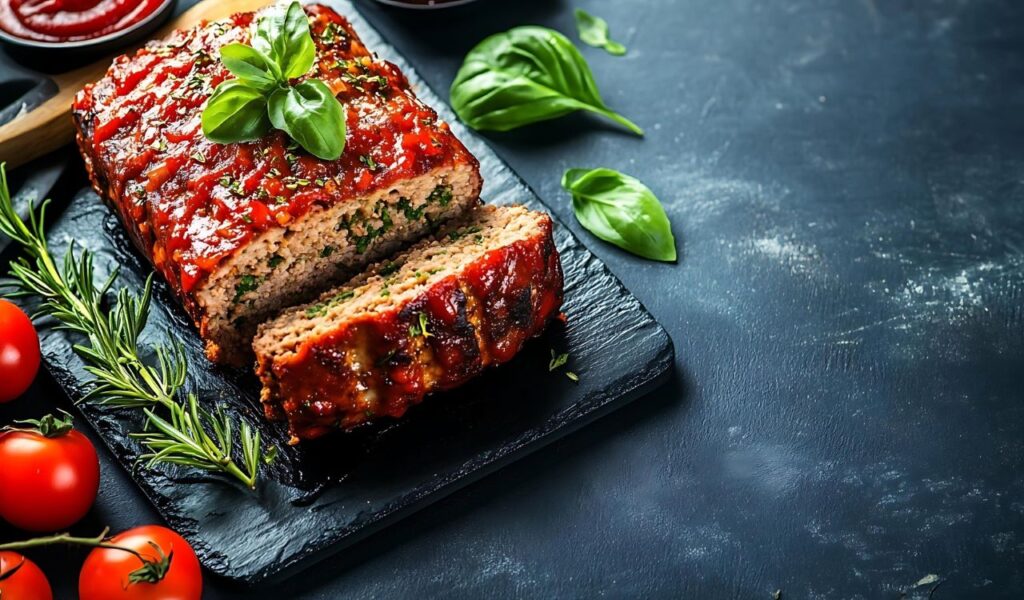
Meatloaf is basically a strategy for stretching protein. Breadcrumbs, oats, or crackers are mixed into ground meat, increasing volume while lowering cost per slice. Eggs and seasoning bind everything together, so it still tastes rich. During lean times, this meant families and restaurants could serve a “meat” dish without using much actual meat. Cafeterias and diners adopted it because it could be prepped in bulk and sliced quickly for service. It holds well and reheats easily. The result feels substantial even though much of it is filler. That practical design explains why meatloaf stayed popular long after its budget origins.
11. Gumbo Built Flavor From Scraps and Staples Rather Than Pricey Proteins
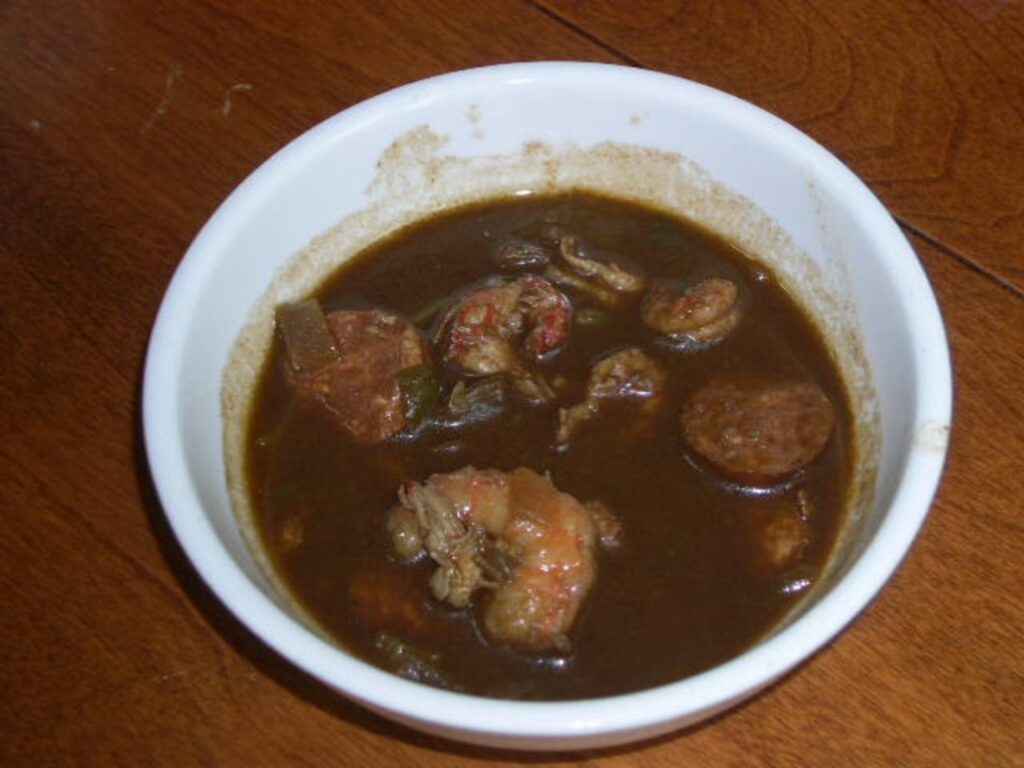
Gumbo developed in kitchens where cooks had to make the most of what was available. A roux made from flour and fat creates body. Okra or filé thickens the stew. Rice provides bulk. Proteins can vary widely, from sausage scraps to chicken pieces or seafood. That flexibility made it perfect for feeding many people without depending on expensive ingredients. Restaurants benefit from the same logic. You can adapt the recipe to what is affordable and seasonal while keeping the flavor deep and complex. Gumbo tastes luxurious, but structurally, it is very economical. The base ingredients do most of the work.
12. Stir Fry and Chop Suey Turned Small Bits of Meat Into a Full Plate With Vegetables
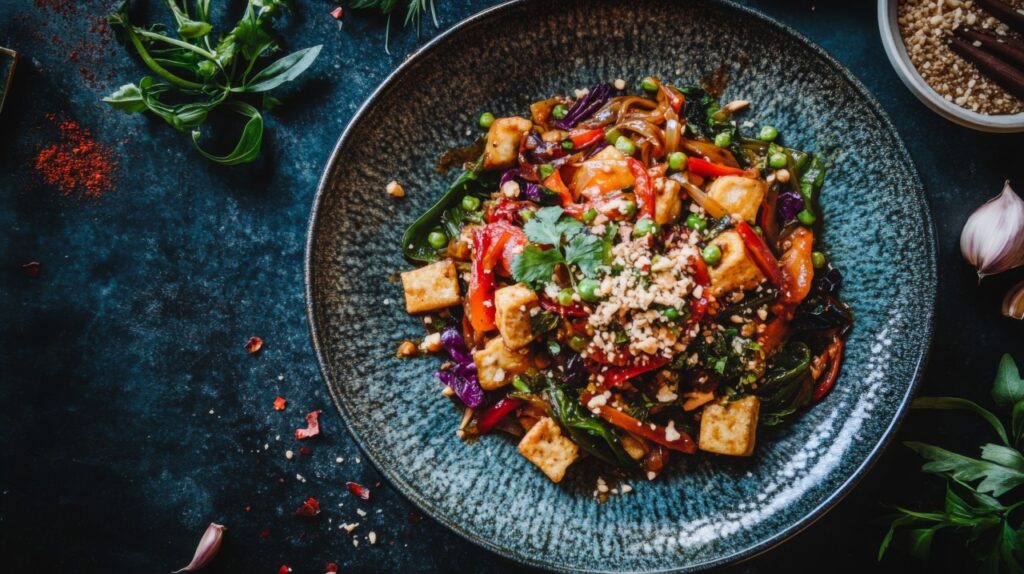
High-heat cooking in a wok lets small amounts of meat flavor an entire dish. Slice the protein thin, add lots of vegetables, toss with sauce, and serve over rice. Suddenly, a few ounces of chicken or pork feed one or two people comfortably. Early Chinese American restaurants leaned on dishes like chop suey because they were cheap to produce and fast to cook. Rice and vegetables provided most of the volume. Sauces delivered the punch. It is a smart equation that keeps food costs low while making the plate look abundant. That efficiency is exactly why stir-fries became staples in restaurants everywhere.