9 Family Dinner Traditions Slowly Disappearing in American Homes

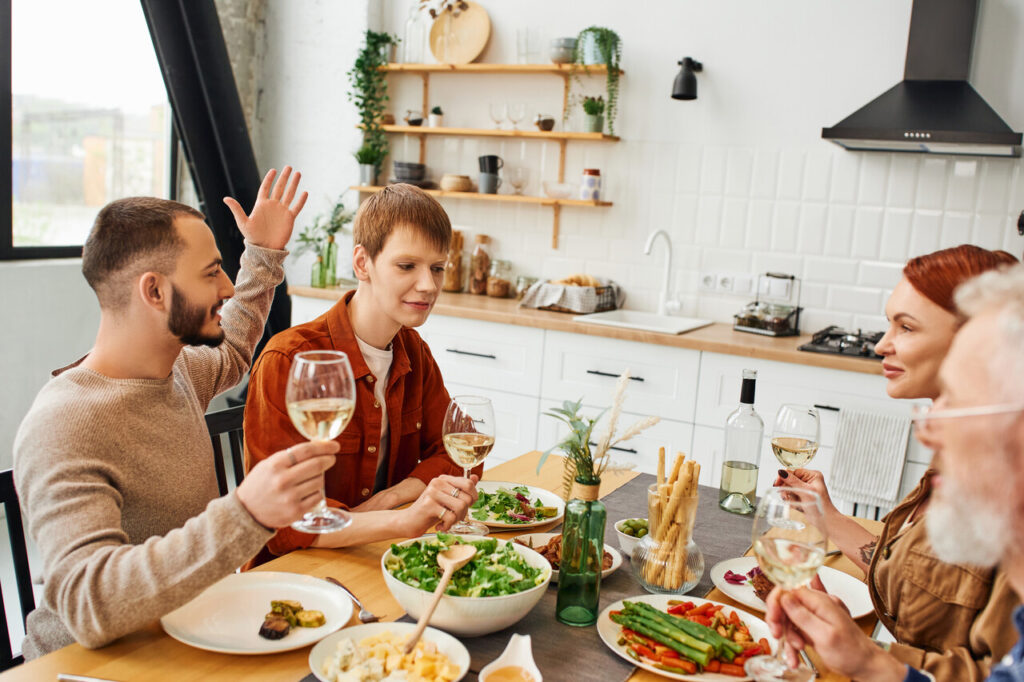
Family dinners once structured the day, passed down recipes, and kept everyone talking face to face. But modern schedules, screens, and convenience foods have slowly reshaped how Americans eat at home. Traditions that felt automatic now take effort. Here’s a closer look at the dinner rituals quietly fading and what their disappearance really means for everyday connection.
1. The Everyday Sit-Down Dinner That Once Framed the Day

There was a time when dinner wasn’t just a meal but a daily checkpoint. Around five or six in the evening, everyone drifted back home, plates were set, and the table quietly turned into the family’s meeting place. Today, that rhythm has fractured. Longer commutes, late meetings, after-school practices, and gig work mean people eat in shifts or fend for themselves. Surveys show more households rely on separate mealtimes and quick, individual portions rather than one shared spread. What this really means is fewer moments where everyone pauses together. Without that anchor, small daily conversations disappear, and dinner becomes fuel instead of a connection.
2. Sunday Suppers That Used to Feel Like a Weekly Reunion

For decades, Sunday dinner acted like a reset button. Even busy families protected that one evening for a bigger, slower meal, often with extended relatives. Roast chicken, pasta bakes, or pot roast simmered for hours while stories stretched across the table. Now weekends look different. Youth sports, errands, travel, and flexible work schedules have chipped away at that standing appointment. Restaurants and takeout have also replaced home cooking as the easy option. The result is subtle but real. When that weekly gathering fades, families lose a dependable time to reconnect, plan the week, and maintain ties across generations.
3. Handwritten Family Recipes That Rarely Get Cooked Anymore
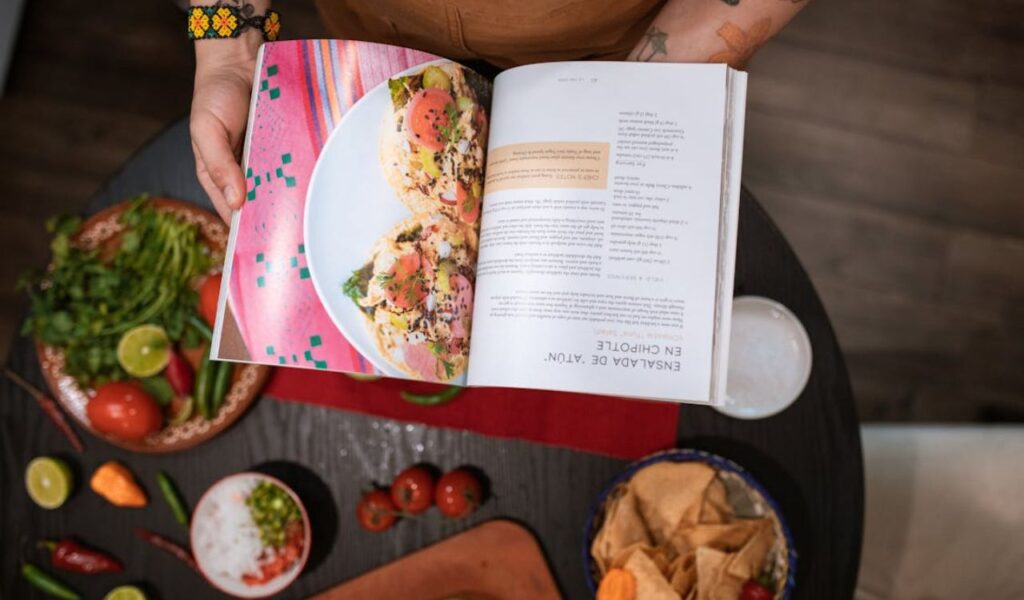
Recipe cards stained with gravy and sugar once held a family’s history. Kids learned how to measure by helping with Grandma’s pie or Dad’s chili. Those dishes carried stories along with flavor. Today, convenience foods and app-based recipes dominate the kitchen. Instead of repeating the same meals every year, many households rotate quick online ideas or packaged shortcuts. It saves time, but it also breaks continuity. Without repeated cooking traditions, children grow up without a clear sense of what “our food” tastes like. Culinary heritage gets replaced by whatever is fastest or trending, and the emotional link between memory and meal weakens.
4. Long Conversations at the Table That Turned Meals Into Memory
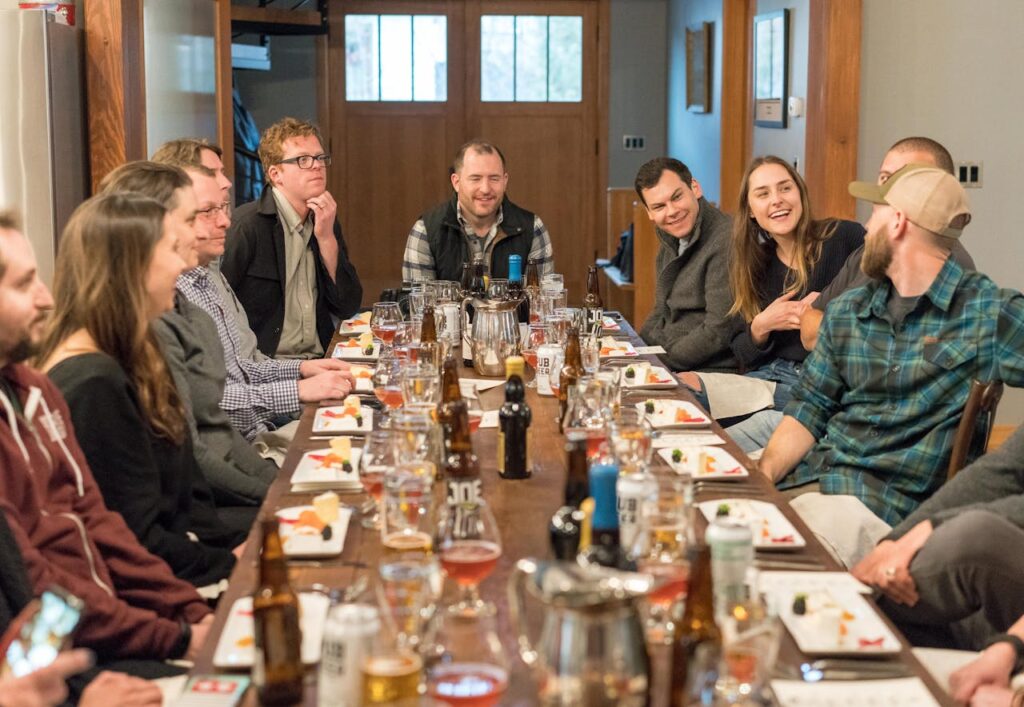
Dinner once doubled as conversation time. Parents asked about school, kids shared gossip, and disagreements got sorted face-to-face. That space helped families read each other’s moods and stay emotionally synced. Now devices often sit beside the plate. Streaming shows, scrolling feeds, and constant notifications pull attention away. Even when everyone is technically together, interaction thins out. Research on family communication consistently shows that screen-free meals improve bonding and language development for kids. When conversation disappears, dinner becomes quiet and transactional. You eat, you clear the plate, you move on, and something important quietly goes missing.
5. Holiday Cooking Days That Used to Be a Group Effort

Big holidays once meant full kitchens. Someone chopped vegetables, someone stirred gravy, and someone set the table. The meal took hours because many hands were involved. That shared effort created anticipation and pride. Recently, more families outsource the work through catering, pre-made trays, or supermarket heat-and-serve dishes. It’s efficient and less stressful, but it removes the collective experience. Cooking together teaches skills, passes down techniques, and gives everyone a role. When preparation turns into a purchase, the holiday still happens, but the sense of teamwork and shared accomplishment shrinks noticeably.
6. Cultural Food Traditions That Are Quietly Blending Away
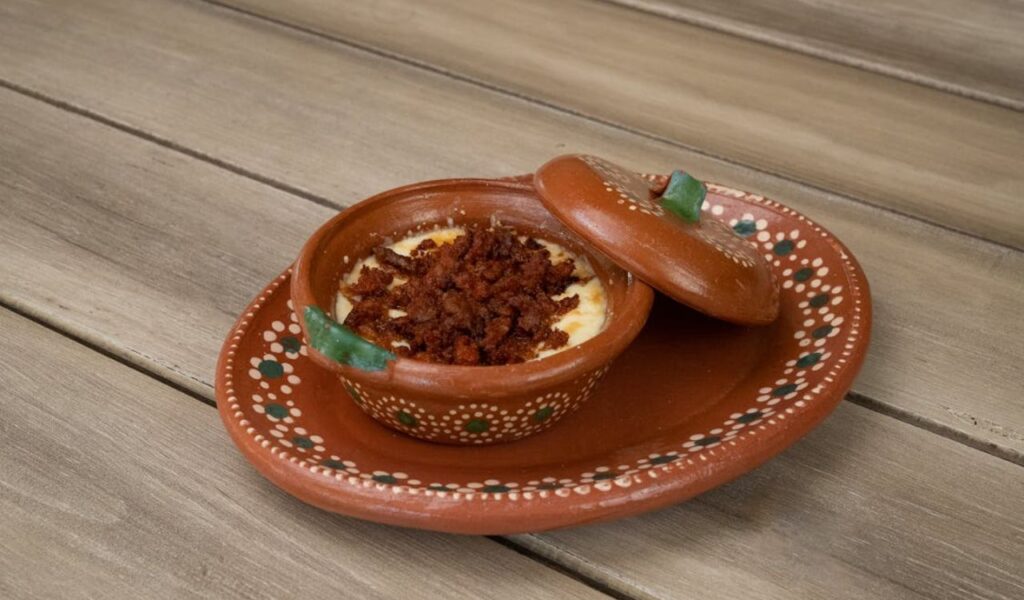
Meals used to mark identity. Certain dishes showed up only for specific celebrations, religious days, or seasons. Immigrant families especially relied on food to keep cultural roots alive. Over time, busy schedules and assimilation tend to flatten those distinctions. Kids may prefer mainstream options, and specialty ingredients can feel harder to source or more expensive. Gradually, traditional meals appear less often and get replaced by generic weeknight staples. The loss isn’t dramatic, but it is meaningful. Food is one of the simplest ways culture travels across generations. When those dishes vanish, so do stories and rituals that once defined home.
7. Cooking Side by Side With Grandparents That Built Skills Naturally
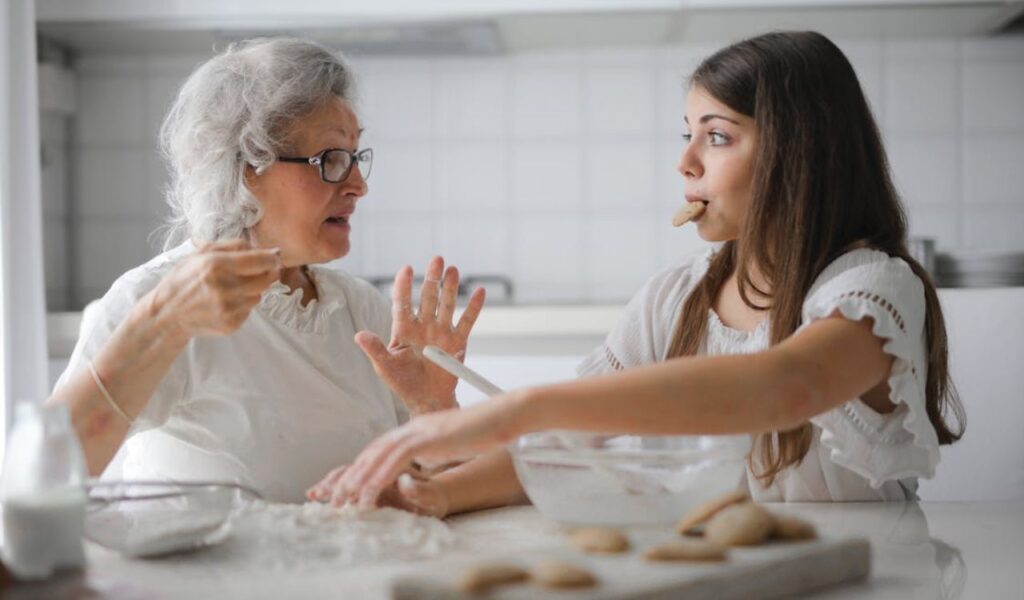
Many adults learned to cook by standing on a stool next to an older relative. There were no formal lessons, just observation and repetition. Those slow afternoons built confidence and created strong bonds. Modern family structures often separate generations geographically, and packed schedules leave little time for unhurried teaching moments. Kids are more likely to grab a packaged snack than help peel potatoes. Without that hands-on exposure, practical cooking skills develop later, if at all. More importantly, the quiet intimacy of learning from an elder disappears, taking with it a simple but powerful form of connection.
8. Screen-Free Dinners That Feel Almost Old-Fashioned Now

It used to be normal for the television to stay off during meals. The table was the entertainment. Today, background screens are common, and phones rarely leave hands. Even quick checks interrupt eye contact and conversation flow. Studies on attention show that multitasking reduces meaningful interaction, even if people feel present. A screen-free dinner now feels almost intentional, like a special rule rather than the default. When families consistently eat with devices, meals shorten and engagement drops. The habit seems harmless, but over time it chips away at the shared focus that makes eating together feel personal.
9. Waiting Until Everyone Was Home Before Starting Dinner
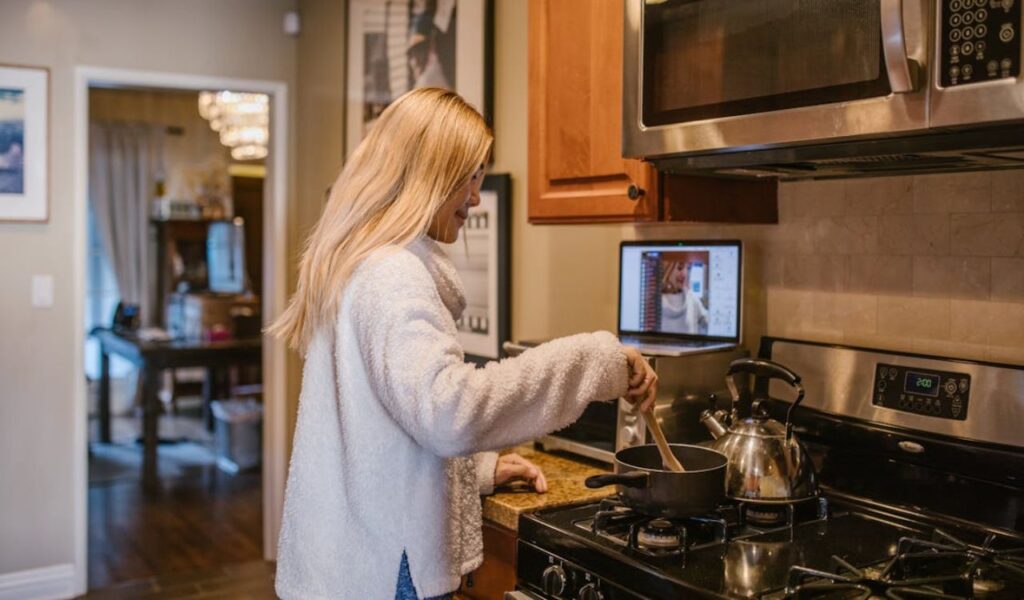
Older households often had one simple rule. Dinner didn’t start until everyone arrived. That meant coordinating schedules and valuing togetherness over speed. Today, staggered routines make that difficult. Parents work late, kids attend activities, and leftovers get reheated at different times. Flexibility keeps the day moving, but it changes the social meaning of the meal. Eating alone becomes normal rather than occasional. What this really means is fewer collective moments where everyone sits down at once. The table stops being a gathering place and turns into a pit stop, efficient but far less communal.