5 Clever Ferran Adrià Recipes Home Cooks Can Actually Master

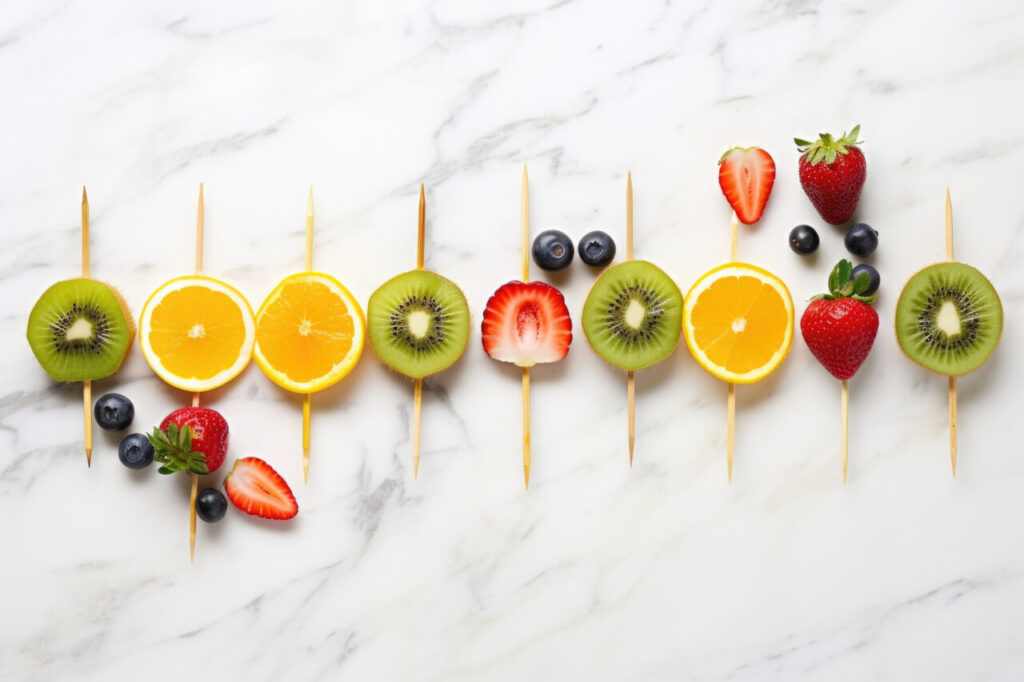
Ferran Adrià built his reputation on pushing the boundaries of what food could be, but many of his most brilliant ideas are rooted in simple logic rather than complicated equipment. He loves shortcuts that rethink familiar ingredients, clever texture contrasts, and techniques that teach cooks how food actually behaves under heat, pressure, and time. What this really means is that home cooks don’t need a laboratory kitchen to borrow from his mindset. They also build confidence by reinforcing fundamentals like temperature control, seasoning balance, and texture awareness, which carry over into every style of cooking.
1. Potato Chip Spanish Tortilla
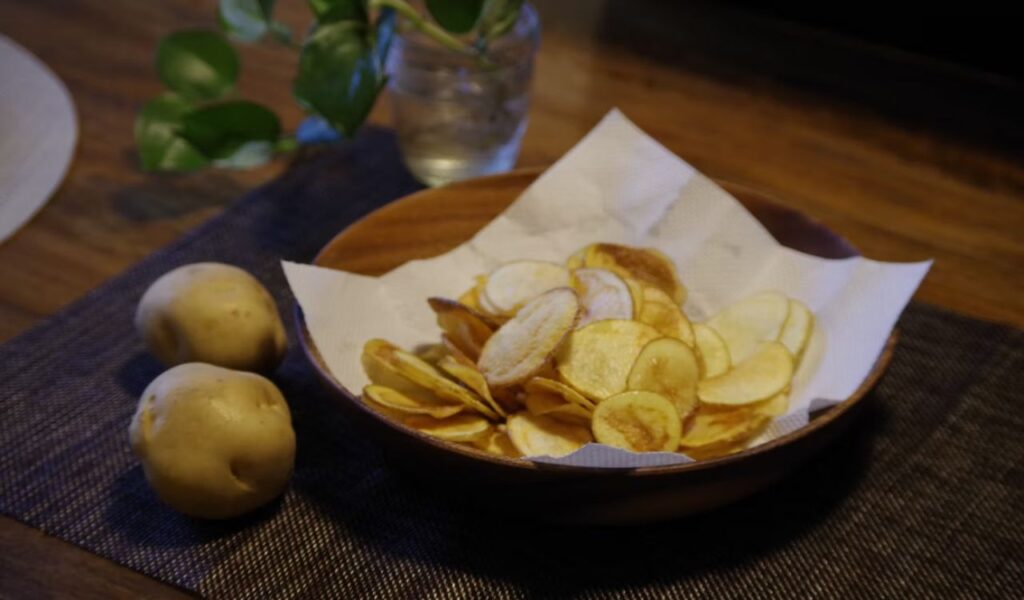
Here’s the thing that surprises most people the first time they see this recipe. The humble bag of potato chips replaces hours of slicing, soaking, and frying raw potatoes. Ferran Adrià created this version as a playful shortcut that still delivers the soul of a traditional Spanish tortilla. Thick-cut chips soften when soaked in beaten eggs, absorbing moisture and flavor while keeping enough structure to create layered texture once cooked. What makes it approachable for home cooks is the simplicity of technique. You’re essentially combining eggs, good-quality chips, olive oil, and a pinch of salt, then gently cooking the mixture in a nonstick pan until just set. The key is low heat and patience so the eggs stay custardy instead of dry. Flavor comes from the natural seasoning of the chips and the richness of the eggs rather than complicated sauces or gadgets. The result feels indulgent, comforting, and slightly mischievous, like breaking a culinary rule on purpose. It also teaches a valuable cooking lesson about texture transformation and ingredient behavior without demanding advanced skills. You can easily customize it with herbs, onions, or a touch of smoked paprika, making it flexible for weeknight meals or casual entertaining.
2. Egg and Potato Chip Tortilla
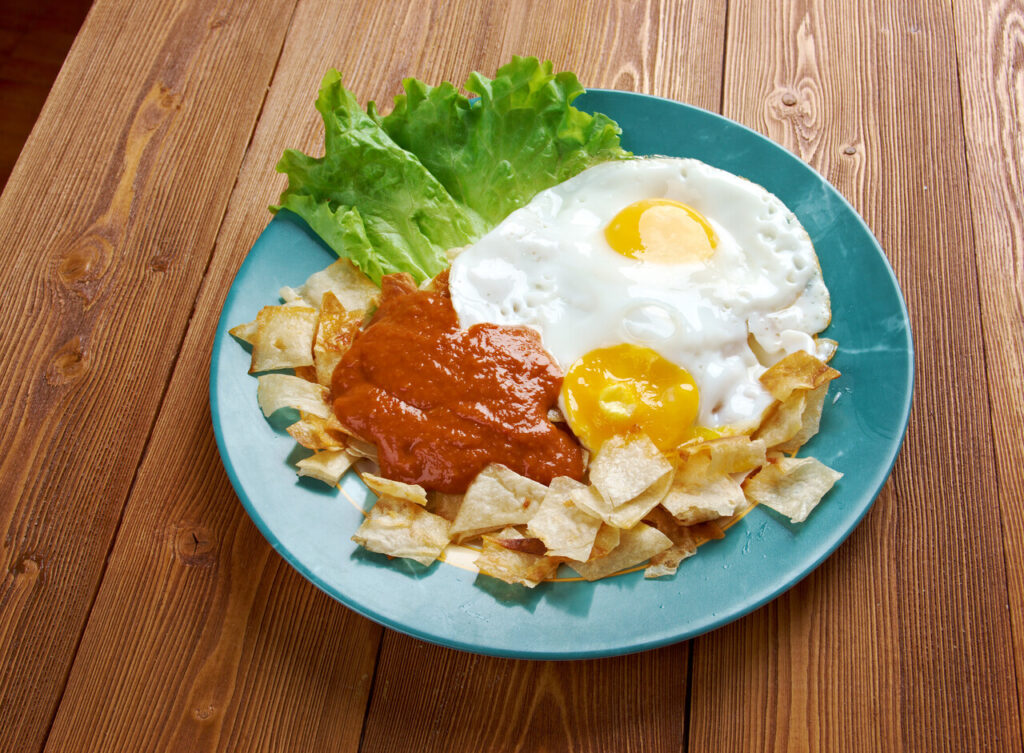
This version builds on the same clever shortcut but focuses even more on egg technique and balance. Instead of thinking of it as a potato dish with eggs, Adrià flips the mindset and treats the egg as the star, with chips acting as structure and seasoning. The chips soften quickly, creating pockets of creamy egg throughout the tortilla while still delivering gentle crunch in places. Home cooks can master this because it uses familiar tools and timing rather than precision equipment. The trick is whisking the eggs thoroughly to incorporate air and pouring the mixture into a lightly oiled pan that’s already warm but not hot. Gentle stirring early on encourages soft curds before letting the bottom set. The tortilla finishes with a tender center that slices cleanly but stays moist. This recipe helps cooks understand heat control, carryover cooking, and how fat influences texture. It feels elevated without becoming intimidating. Served warm or at room temperature, it works equally well for breakfast, lunch, or tapas-style gatherings. What this really shows is how a chef known for experimentation still values foundational techniques that anyone can learn with repetition and attention.
3. Pistachio Crusted Rack of Lamb with Pancetta
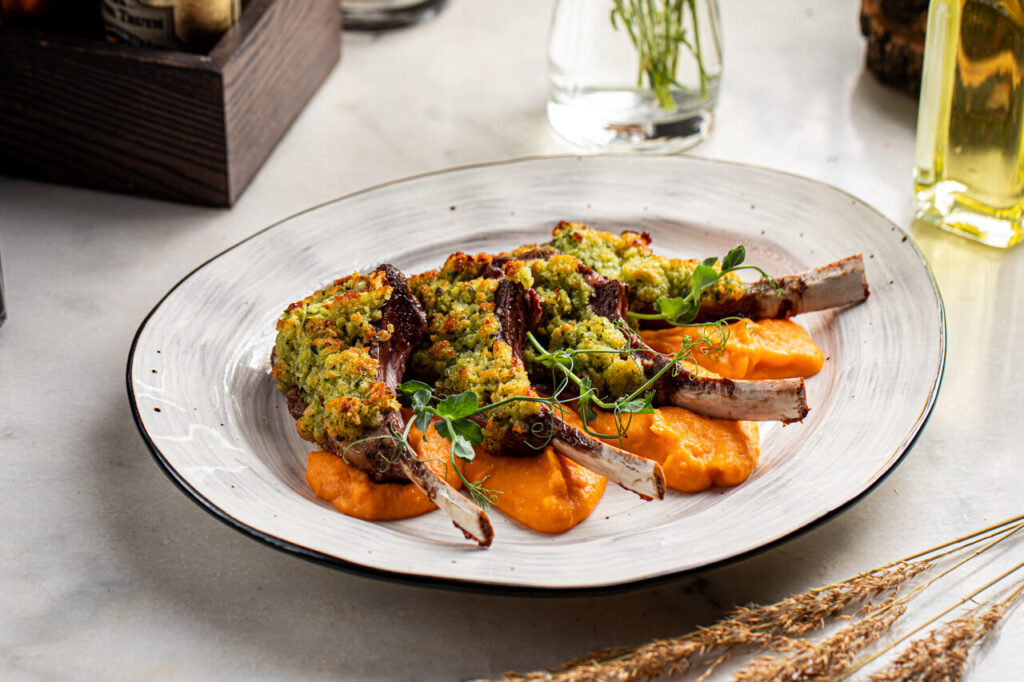
This dish sounds ambitious, but its structure is surprisingly straightforward once broken down. A rack of lamb is seasoned, wrapped with thin pancetta, and coated in crushed pistachios before roasting. The pistachios form a fragrant crust that adds crunch, natural sweetness, and color without requiring complex sauces. Pancetta protects the meat, adds salt, and keeps the lamb moist as it cooks. Home cooks succeed here by focusing on temperature rather than complicated steps. Bringing the lamb to room temperature before roasting ensures even cooking. Using a meat thermometer removes guesswork and builds confidence. The pistachio coating adheres easily with a light brush of mustard or olive oil, both of which enhance flavor rather than masking it. Resting the meat after roasting keeps juices where they belong. This recipe teaches valuable lessons about crust building, protein protection, and balancing fat with texture. It feels restaurant-worthy yet approachable, making it ideal for special dinners without overwhelming prep.
4. Fruit Meringue Kebabs Chupa Chups Julio Verne
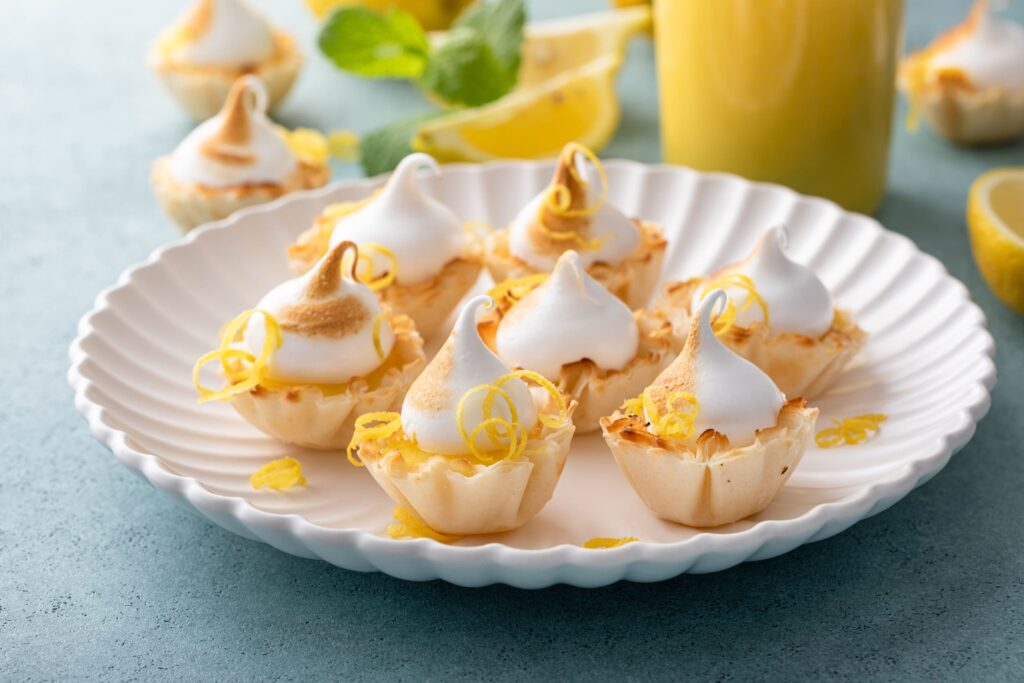
This playful dessert looks whimsical but relies on very basic baking skills. Crisp meringue pieces are skewered with fresh fruit to create a candy-like presentation that feels light and visually striking. The meringue itself is simply whipped egg whites and sugar baked slowly until dry and airy. What makes it clever is the contrast between crunchy sweetness and juicy acidity from the fruit. Home cooks can easily master meringue by paying attention to clean bowls, gradual sugar addition, and low oven temperature. The assembly is intuitive and forgiving. You can adapt fruit choices based on season, using berries, citrus segments, or tropical fruit. This recipe introduces the idea that plating and presentation can elevate even the simplest ingredients. It encourages creativity without technical pressure. The dessert travels well, feels festive, and delivers a satisfying textural experience without heaviness.
5. Almost Instant Soft Serve Dessert

This recipe captures Adrià’s fascination with texture and temperature in a way that works in a normal kitchen. Frozen fruit or flavored liquids are blended until smooth, creating a soft serve texture without ice cream machines or stabilizers. The secret lies in using very cold ingredients and blending in short bursts to prevent melting. What emerges is a silky, scoopable dessert that feels fresh and light. Home cooks appreciate how customizable it is. You can use berries, mango, yogurt, chocolate milk, or espresso ice cubes to create endless variations. It teaches awareness of friction heat, blending technique, and ingredient ratios. This dessert delivers instant gratification while showcasing how science quietly shapes cooking outcomes. It’s a perfect example of modernist thinking translated into everyday practicality, giving home cooks a sense of experimentation without complexity.