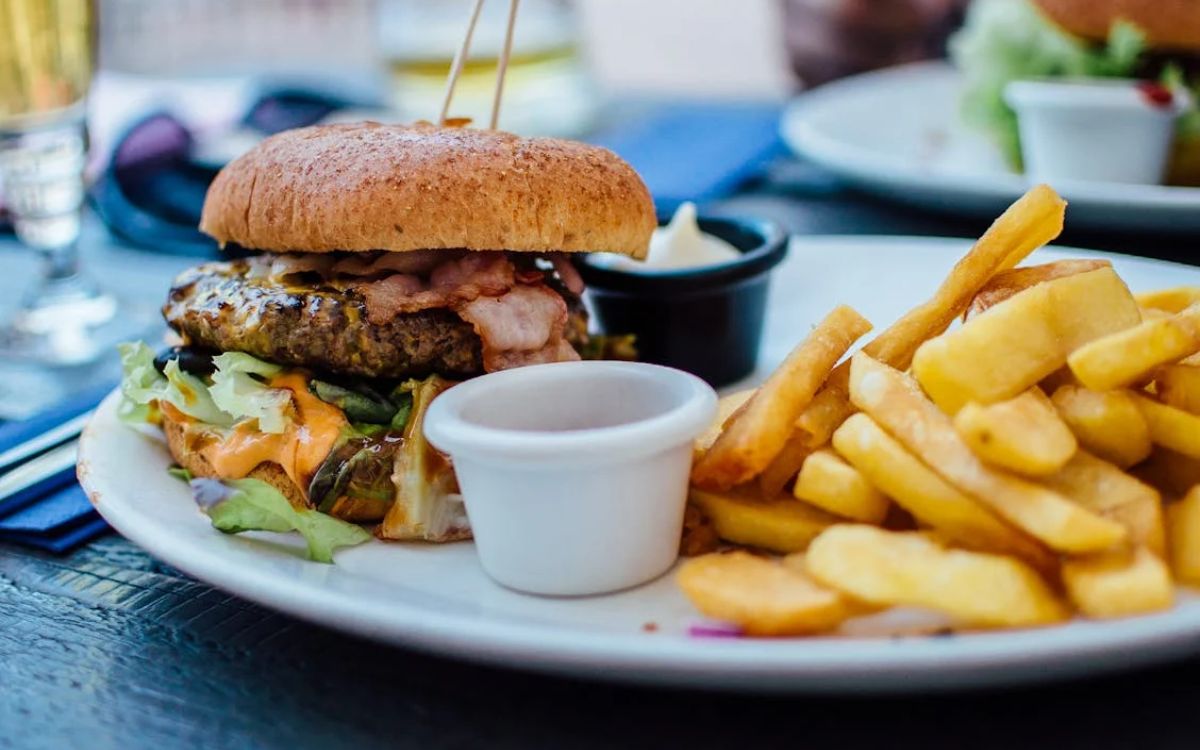
How the Supermarket Salad Bar Went From a 1970s Revolution to a 2026 Liability Problem

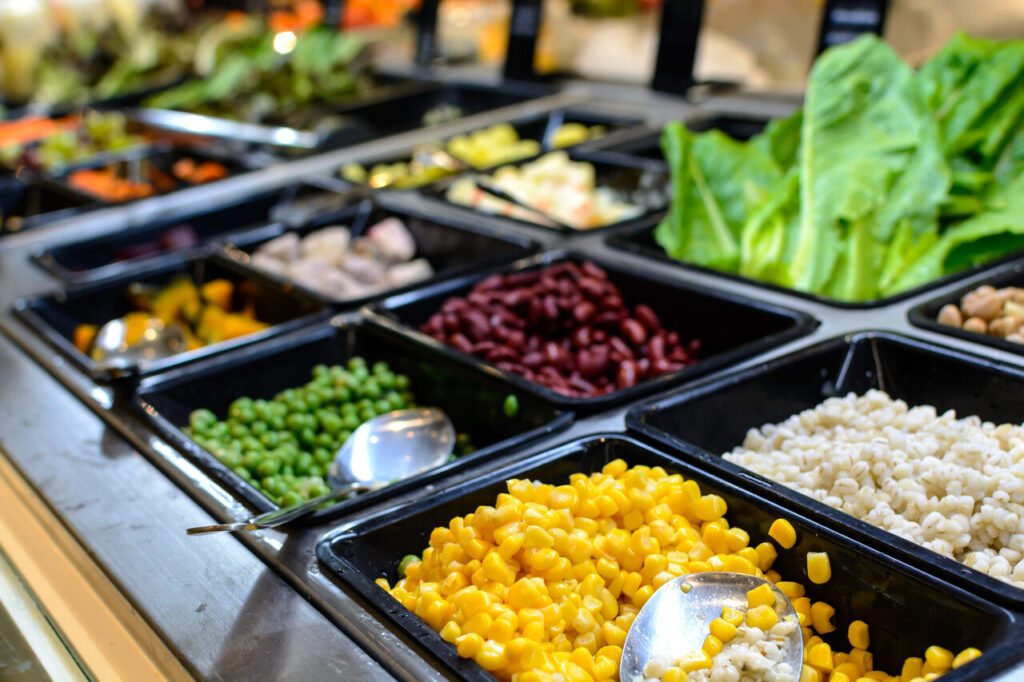
There was a time when the supermarket salad bar felt like a glimpse into the future. It gave shoppers control, variety, and a sense of freshness that stood out in aisles filled with packaged food.
What started as a bold idea in the 1970s quickly became a staple, drawing customers in with colorful displays and the promise of building a meal exactly the way they wanted.
But over time, the same features that made salad bars appealing began to work against them. Shifting consumer habits, growing concerns around hygiene, and the rise of convenient prepackaged meals have changed how people think about self-serve food.
Today, what once symbolized choice and health is increasingly seen as difficult to maintain and harder to justify.
The Self-Serve Revolution That Changed Eating
What made salad bars feel revolutionary in the 1970s was not just the food. It was the control they handed to customers in everyday grocery spaces.
For the first time, shoppers could build meals exactly how they wanted. They were no longer limited to fixed portions or preselected ingredients.
This level of customization was rare in traditional supermarkets. It made eating feel more personal and aligned with changing lifestyles.
Salad bars also matched the growing need for speed and flexibility. They offered quick meals without sacrificing choice or freshness.
The Golden Era of Salad Bars
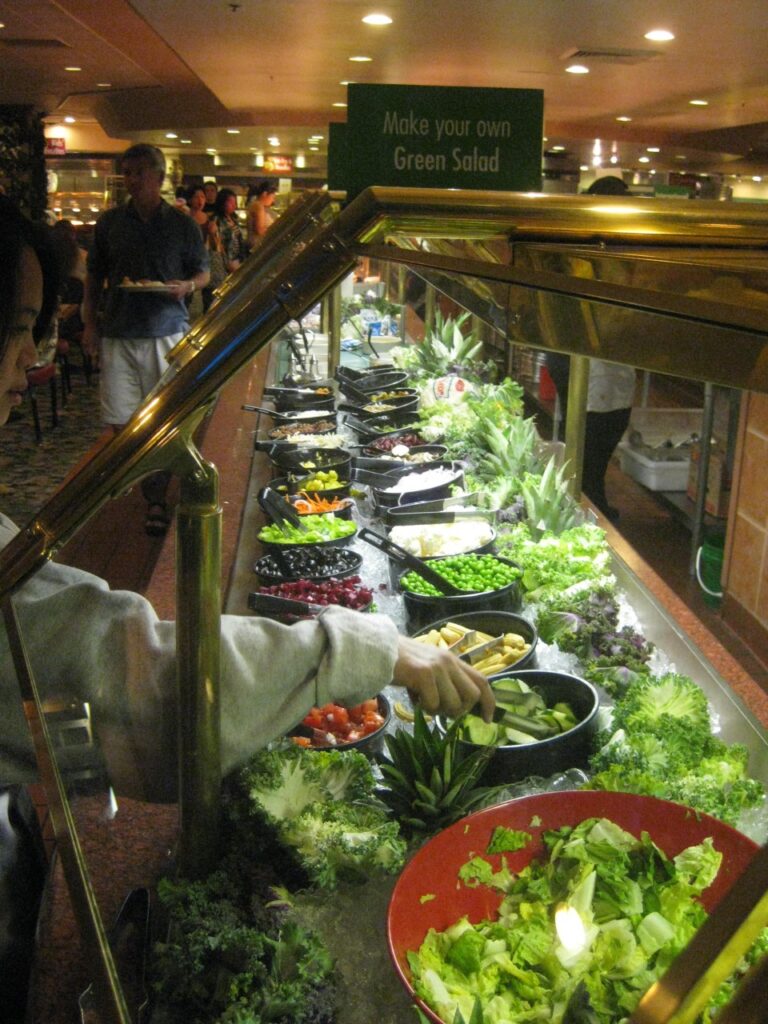
At their peak, salad bars became powerful tools for supermarkets. They helped stores attract more shoppers and increase foot traffic.
Bright displays of vegetables and toppings created visual appeal. This encouraged impulse decisions and added excitement to shopping.
Health trends also boosted their popularity during this period. Consumers began seeking fresher and more balanced meal options.
Salad bars allowed control over ingredients and portion sizes. This gave shoppers a sense of transparency and healthier choices.
Early Warning Signs of Decline
The first signs of decline came from growing hygiene concerns. Shared utensils and open food raised questions about cleanliness.
Customers began to notice how many hands had touched the same food. Even small doubts started to change how people used salad bars.
At the same time, shopping habits were shifting quickly. Convenience foods began replacing self-serve meal formats.
Grab-and-go options removed the need to build meals manually. This made salad bars feel slower and less predictable.
The Pandemic That Reshaped Everything
The pandemic accelerated concerns that were already building. Self-service food stations became difficult to justify overnight.
Many stores removed salad bars as a safety precaution. Reducing shared contact became a priority across retail spaces.
Even after reopening, trust did not fully return. Customers remained cautious about shared food environments.
Awareness of hygiene increased across all food experiences. This made salad bars feel outdated rather than convenient.
Why Salad Bars Now Feel Like a Liability
Today, salad bars present operational and financial challenges. They require constant monitoring and strict hygiene practices.
Food waste is another major issue for retailers to manage. Unsold items often cannot be reused safely or efficiently.
At the same time, consumer preferences have shifted. Packaged meals now offer speed, consistency, and convenience.
Retailers are adapting by focusing on prepared food sections. Salad bars no longer fit easily into modern grocery models.