Your 7 Favorite Chain Homemade Dish Has a Secret and It Comes in a Bag

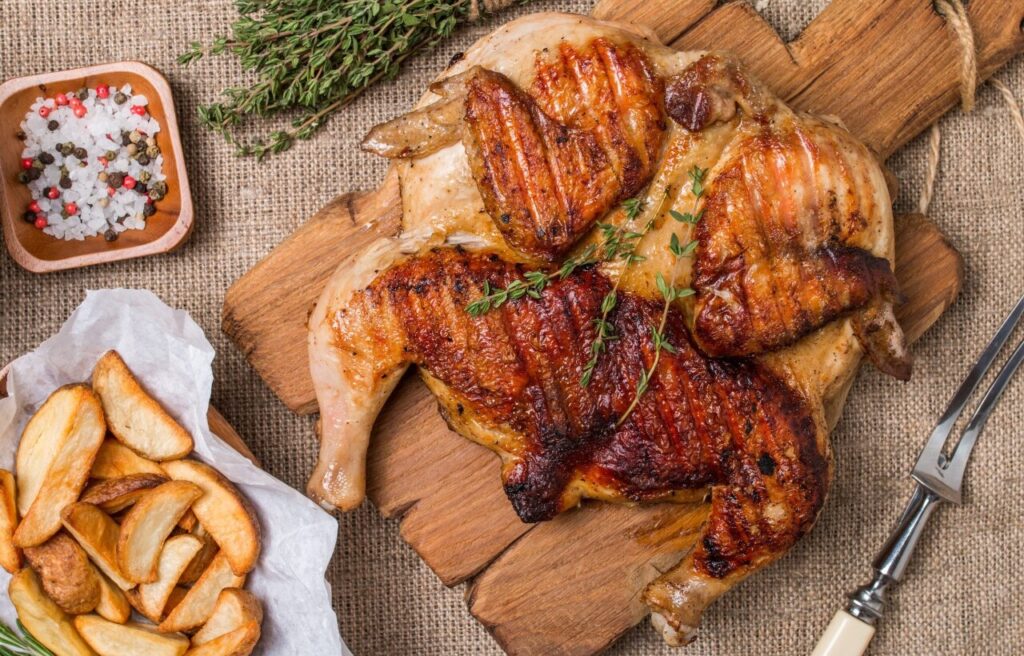
Restaurant menus have a way of telling a comforting story. Words like “homemade” and “freshly prepared” create an image of food made right in the kitchen, carefully assembled and served with attention. It’s a promise many people don’t think twice about.
Behind the scenes, however, the process often looks very different. To keep up with demand and maintain consistency across locations, many chain kitchens rely on pre-prepared ingredients that arrive sealed, portioned, and ready to heat.
This doesn’t mean the food is bad, but it does change how it’s made. What feels handcrafted is often carefully standardized instead. These quiet shortcuts reveal how modern kitchens balance efficiency, cost, and expectation in ways most diners rarely see.
1. Mashed Potatoes
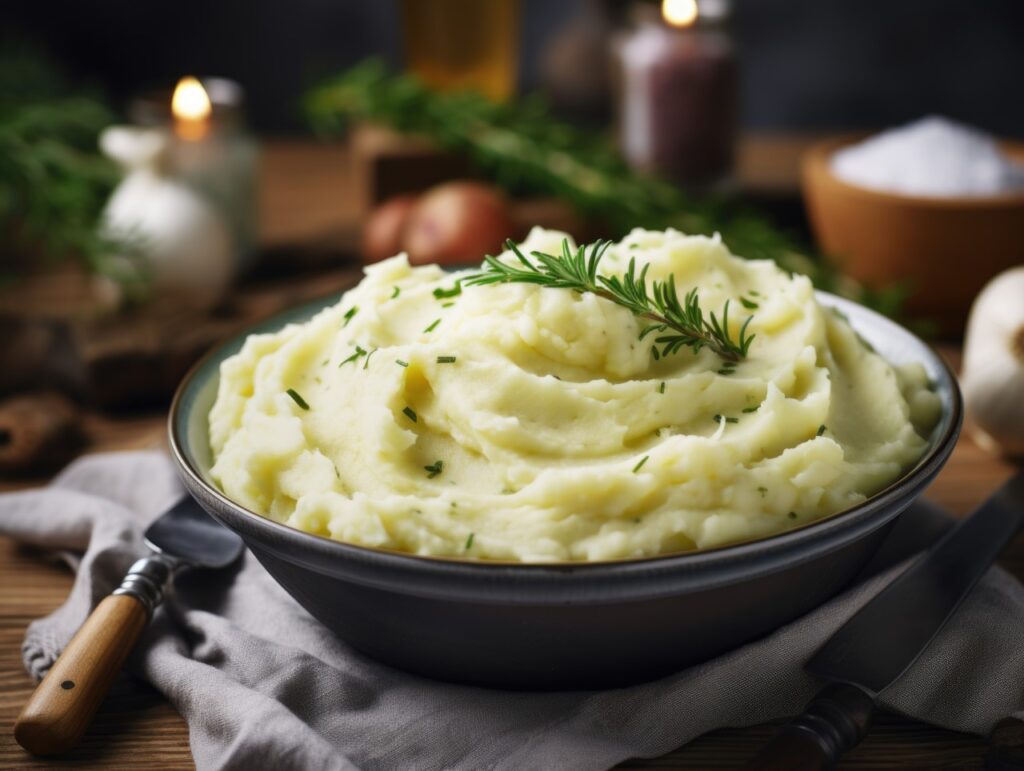
Few sides feel as comforting as a scoop of creamy mashed potatoes. They are often described as freshly made, suggesting boiled potatoes mashed with butter and milk in the kitchen. This image adds to their appeal as a warm, homemade staple.
In many chain restaurants, however, mashed potatoes begin as dehydrated flakes. These are produced by cooking and drying potatoes, then packaging them for easy storage and transport. In the kitchen, they are rehydrated with hot liquid and seasoning.
This method ensures speed and consistency across locations. The texture is smooth and predictable, but it lacks the natural variation of fresh potatoes. While convenient, it changes the depth and authenticity people expect from a dish labeled homemade.
2. Alfredo Sauce
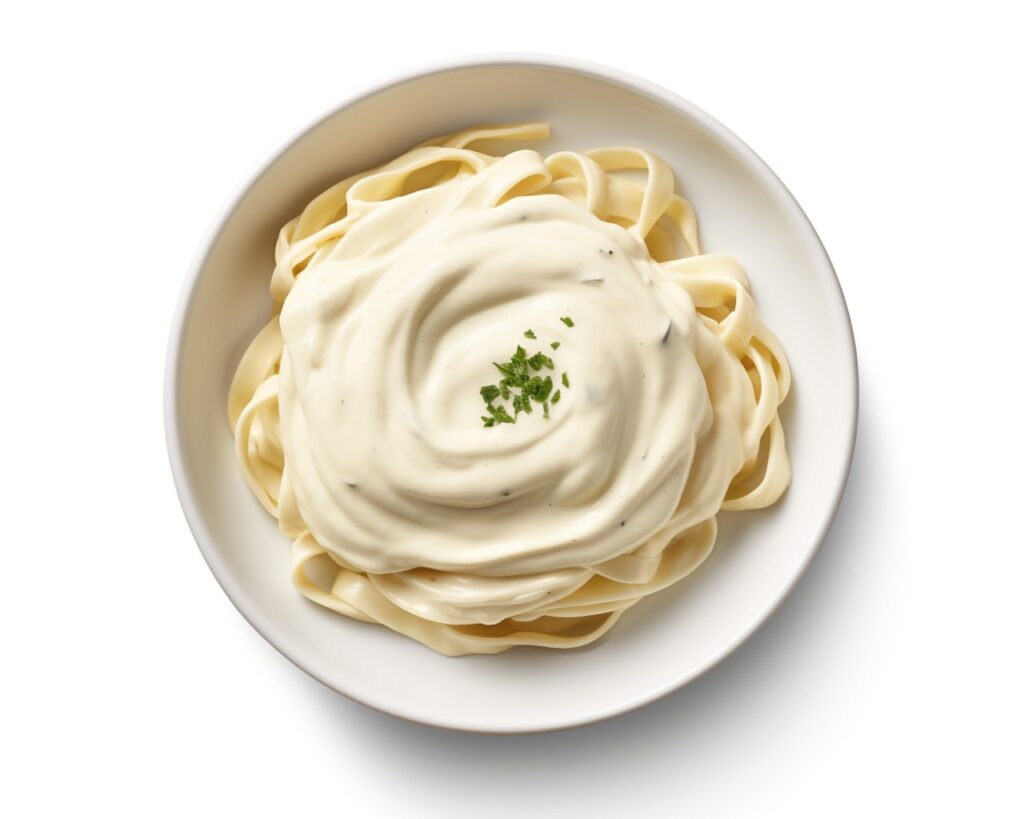
Rich and creamy Alfredo sauce is often presented as a freshly prepared highlight. Traditionally, it is made with butter, cream, and cheese, creating a smooth texture and balanced flavor. Its simplicity depends on careful preparation.
In many chains, Alfredo sauce arrives pre-made in sealed bags. It is heated and poured over pasta, allowing kitchens to serve it quickly without making it from scratch. This process helps maintain consistent taste across multiple locations.
To preserve texture and shelf life, these sauces may include stabilizers. While the result is creamy and reliable, it can feel heavier and less nuanced than a freshly made version. The difference lies in how the flavors develop before reaching the plate.
3. Chili
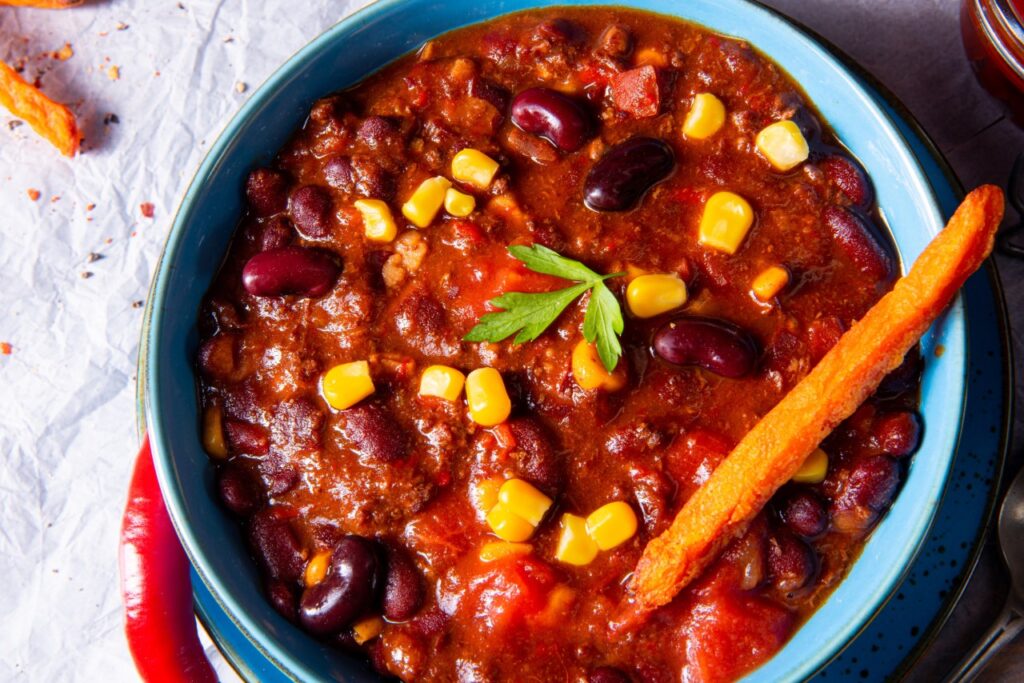
A bowl of chili often suggests slow cooking and gradual flavor development. Traditionally, ingredients simmer together over time, allowing spices, meat, and beans to blend into a rich and layered dish. This process is central to its appeal.
In chain restaurants, chili is frequently prepared off-site and delivered in sealed bags. It may arrive frozen or refrigerated, ready to be reheated and served as needed. This approach simplifies kitchen operations and reduces preparation time.
While efficient, it limits flexibility. The flavor is fixed before it reaches the restaurant, leaving little room for adjustment. The result is consistent but can lack the depth that comes from cooking and tasting the dish in real time.
4. Scrambled Eggs
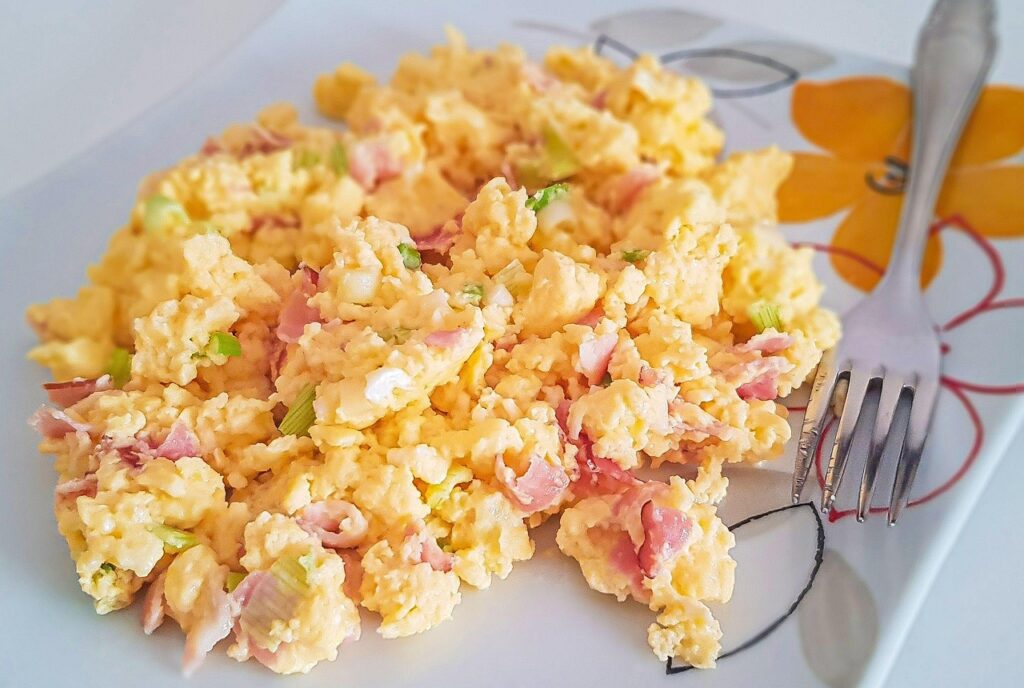
Scrambled eggs seem like one of the simplest items to prepare fresh. Cracking eggs and cooking them on a griddle suggests immediacy and freshness, especially in breakfast settings where speed still allows for basic preparation.
In many chain kitchens, scrambled eggs come from liquid egg mixtures stored in cartons or bags. These blends are processed for consistency and may include additives to maintain color and texture during cooking.
This system allows staff to prepare large quantities quickly. The result is uniform in appearance and taste, but often less fluffy and varied than eggs made from scratch. The convenience supports volume, though it changes the expected texture.
5. Soups
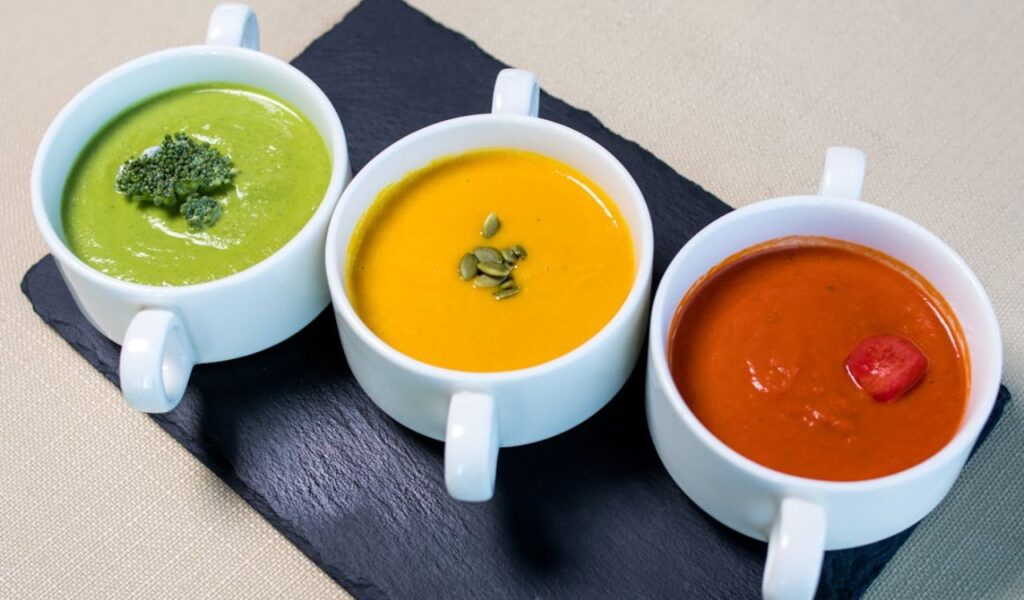
Soup often carries the image of something simmered in the kitchen, built from fresh ingredients and adjusted over time. This idea adds to its reputation as a comforting and carefully prepared dish.
In many chain restaurants, soups arrive fully prepared in sealed bags. They are heated and portioned for service, ensuring the same flavor is delivered at every location. This method simplifies preparation and reduces waste.
The tradeoff is flexibility. Since the soup is made off-site, there is little opportunity to adjust the seasoning or ingredients. While consistent, it can feel less fresh compared to soups that are prepared and refined in the kitchen.
6. Grilled Chicken
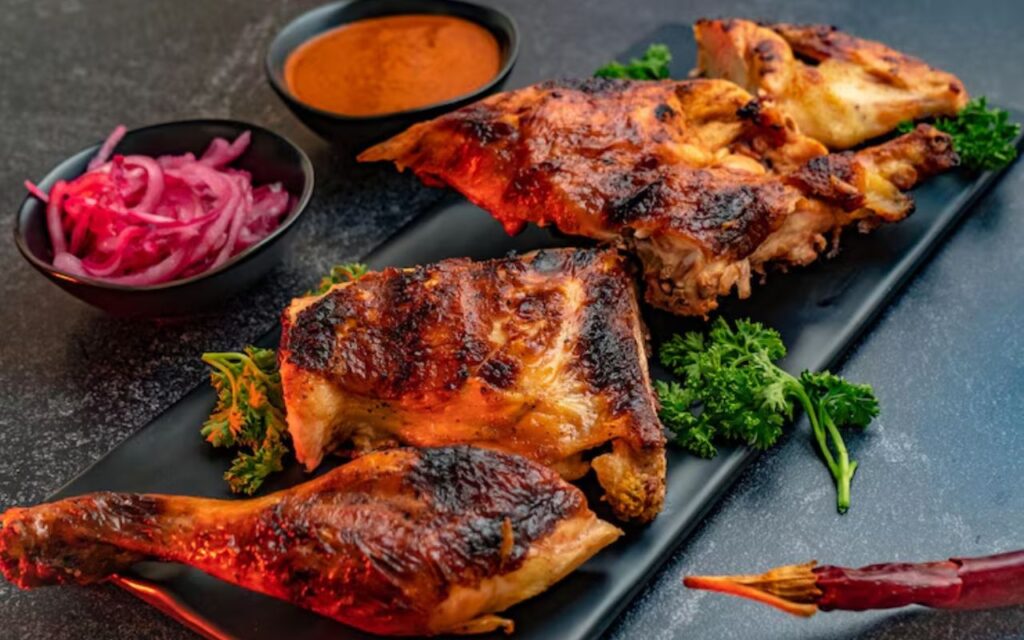
Grilled chicken is often associated with freshness and simple preparation. The expectation is that raw chicken is seasoned, cooked on a grill, and served with a natural texture and flavor. This perception adds to its appeal as a healthier option.
In some chain restaurants, chicken arrives pre-marinated or partially cooked in vacuum-sealed bags. It may be finished on the grill to add marks and warmth, creating the appearance of freshly prepared food.
This process improves efficiency and consistency but can affect texture. Pre-cooked chicken tends to be more uniform and may lack the variation found in freshly grilled meat. The result meets demand but can feel less authentic.
7. Mac and Cheese
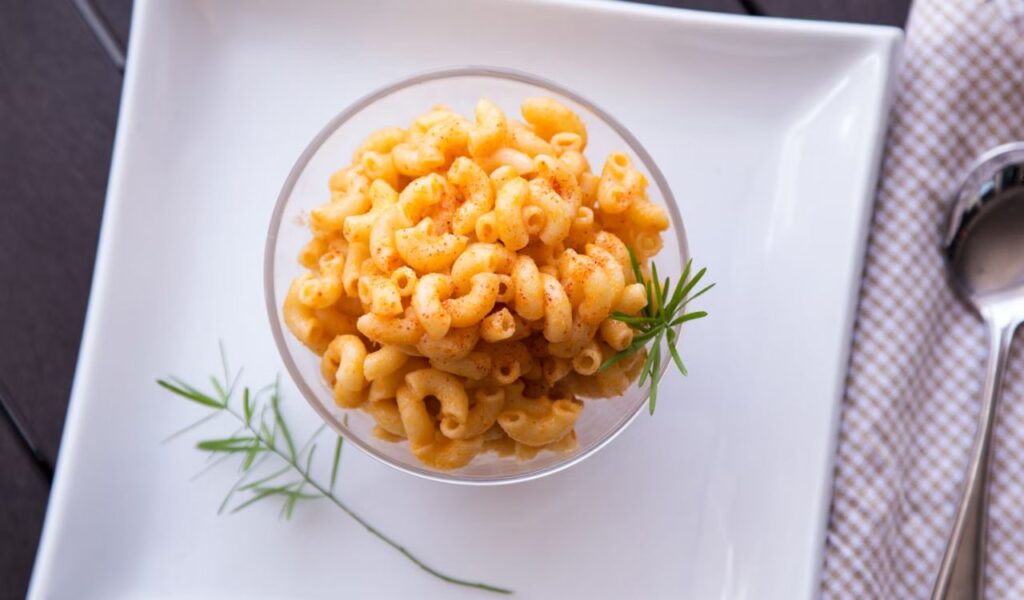
Mac and cheese is often seen as a classic comfort dish made fresh in the kitchen. The expectation is that pasta is combined with a cheese sauce prepared on-site, creating a creamy and rich texture.
In many chains, the dish arrives pre-cooked in sealed bags. It is reheated and served in portions, allowing kitchens to deliver it quickly without additional preparation. This ensures consistency across locations.
While reliable, this approach limits variation. The texture and flavor are determined during production rather than in the kitchen. The result is smooth and predictable, but it may lack the depth and freshness of a made-from-scratch version.