The Fast Food Items That Don’t Taste the Same Across America: 8 Surprising Differences

Fast food is built on a promise of consistency. No matter where you are, the same order is expected to taste exactly as you remember it. That reliability is part of what keeps people coming back.
But across the United States, that expectation does not always hold up. Small differences in preparation, ingredients, equipment, and even local conditions can quietly change how familiar items taste from one location to another.
These variations are often subtle, yet noticeable enough to surprise regular customers. What seems like a standardized system still leaves room for change, revealing how even the most familiar meals can feel slightly different depending on where they’re made.
1. McDonald’s Fries
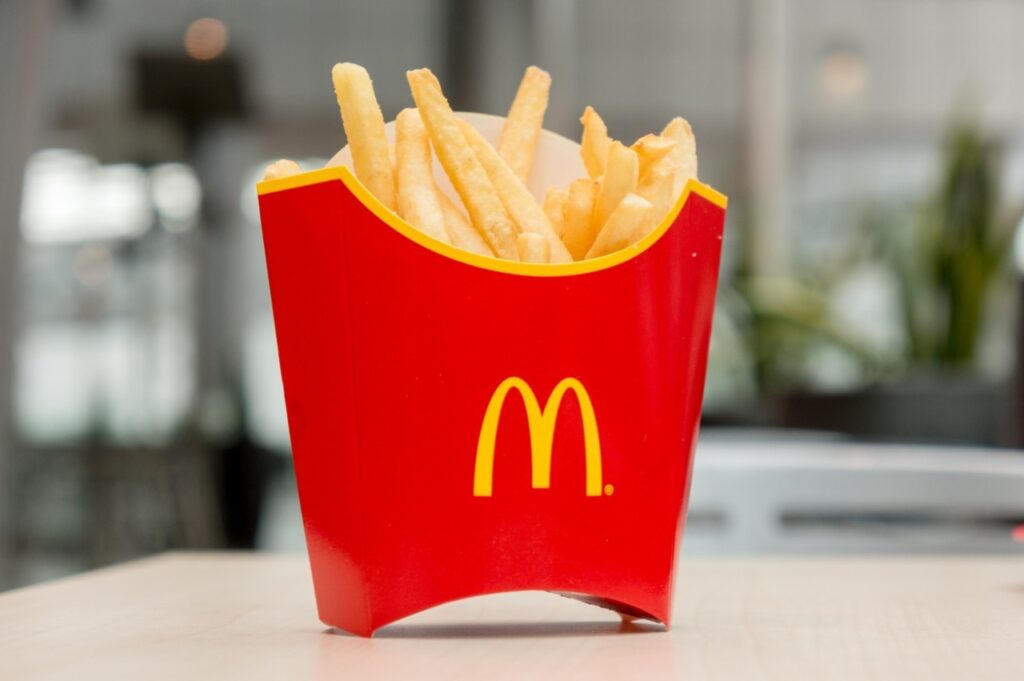
Few fast food items are as recognizable as McDonald’s fries. They are expected to be crisp on the outside, soft inside, and evenly salted. This consistency is part of what made them so popular across the country.
In practice, small operational details can change the result. Oil temperature, how often the oil is filtered, and exact frying time all affect texture and flavor. Even a short delay before serving can reduce crispness.
Supply factors also play a role. Potatoes may come from different regions, and storage conditions can influence starch and moisture levels. These subtle differences can lead to noticeable changes, even within a system designed for uniformity.
2. Burger King Whopper
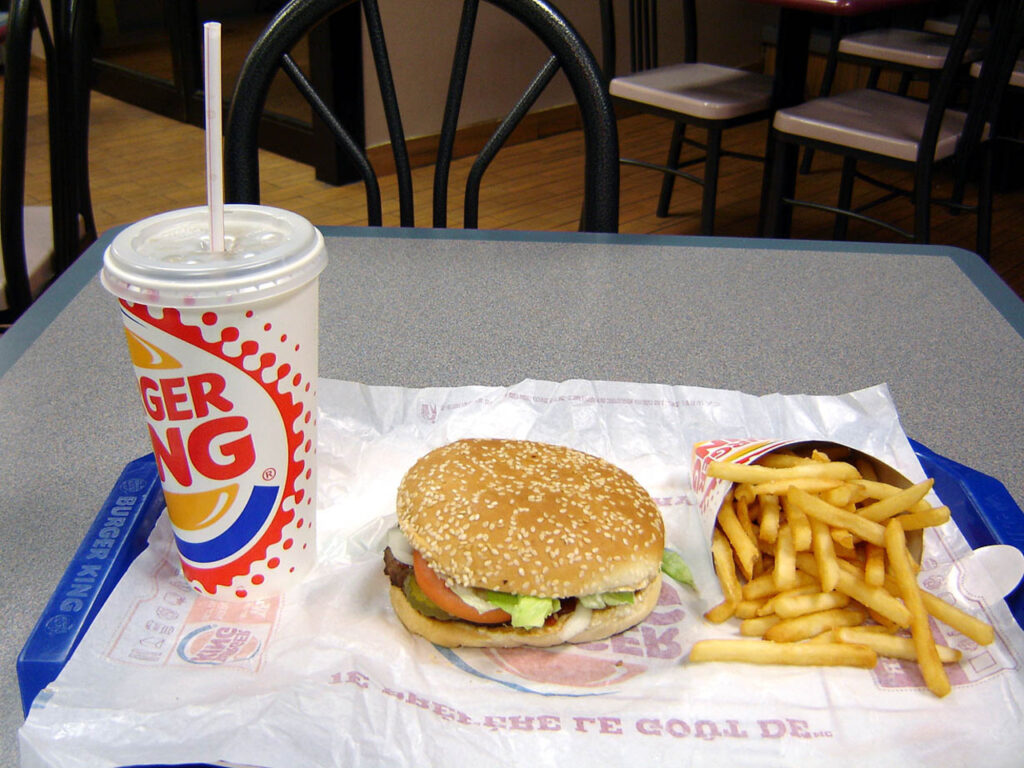
The Whopper is built around flame grilling, which gives it a distinct flavor compared to other fast food burgers. This method adds a smoky taste that is meant to stay consistent across locations.
However, flame grilling naturally introduces variation. Grill temperature, cleanliness, and cooking time can all affect how the meat cooks. Small differences in handling can slightly change both flavor and texture.
Store activity also matters. High-volume locations often serve fresher burgers, while slower ones may rely on holding times. These factors combine to create subtle but noticeable differences in the same item across regions.
3. Chick-fil-A Chicken Sandwich
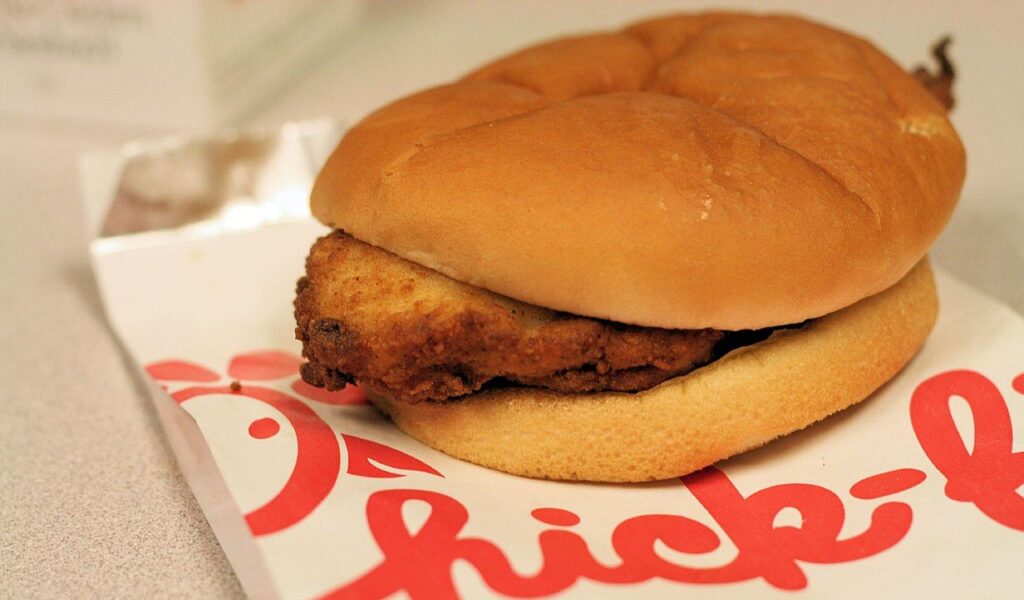
Consistency is central to Chick-fil-A’s reputation, especially with its signature chicken sandwich. The expected result is a crisp exterior, juicy interior, and balanced seasoning.
Even with strict standards, variations can occur during preparation. Oil temperature, breading technique, and cooking timing all influence the final texture. Small changes can affect how crispy or tender the sandwich feels.
Ingredient sourcing can also differ slightly by region. While controlled, these differences can impact quality at a subtle level. Frequent customers often notice these shifts, even when the overall product remains familiar.
4. Subway Sandwiches
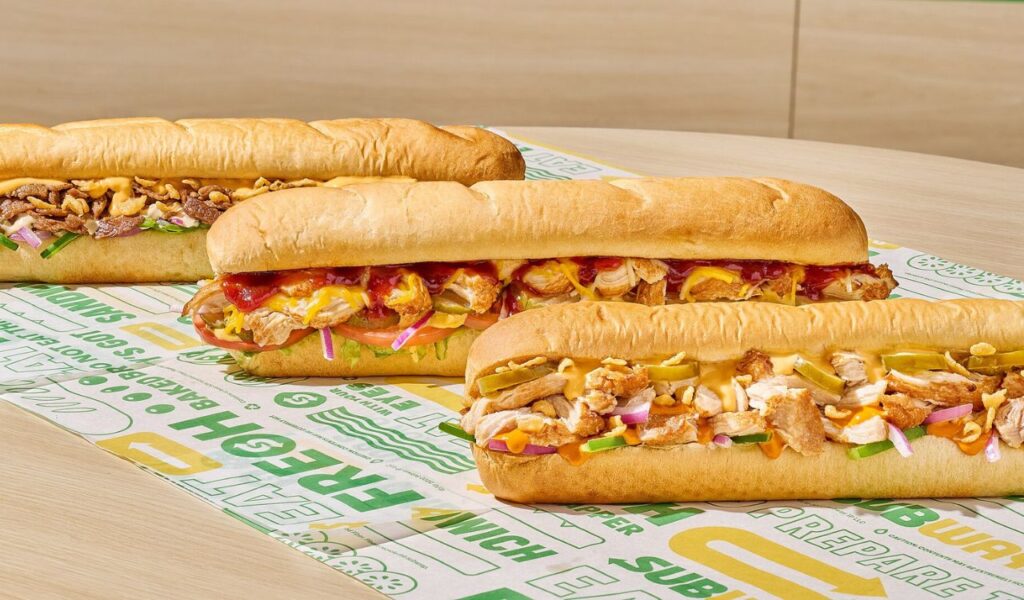
What makes Subway appealing is also what makes it inconsistent. Each sandwich is assembled by hand, which means no two are the same. The process depends heavily on the person preparing it, from portioning ingredients to how evenly everything is layered.
Bread is one of the biggest variables. It is baked in-store, and factors like proofing time, oven calibration, and batch timing can change texture and flavor. Vegetables also vary in freshness depending on delivery schedules and storage practices.
Because of this, the same order can feel noticeably different across locations. While the ingredients are standardized, the final result depends on local handling, making consistency harder to achieve than expected.
5. Taco Bell Tacos
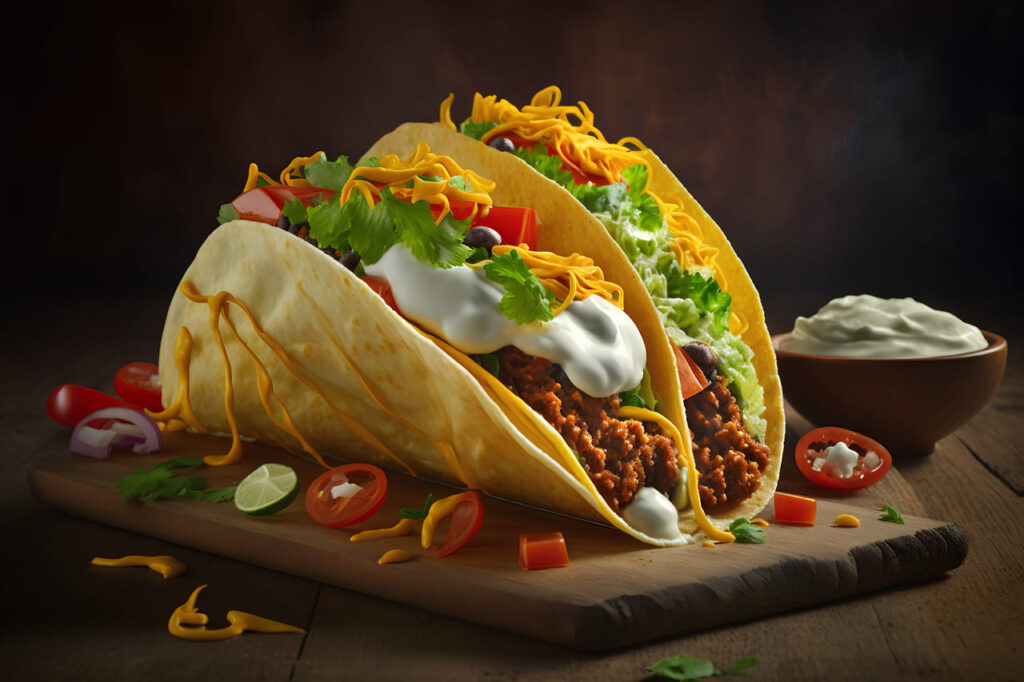
Taco Bell is designed around consistency, using pre-seasoned ingredients that aim to deliver the same flavor every time. The system is built for speed, with components prepared in advance and assembled quickly during service.
However, timing plays a major role in how tacos turn out. Shells can lose crispness if held too long, and ingredient portions can vary slightly depending on how quickly orders are assembled during busy periods.
Other subtle factors also matter. Storage conditions and even water quality can influence ingredient texture. These small differences may not be obvious at first, but they can make one location’s taco feel fresher than another.
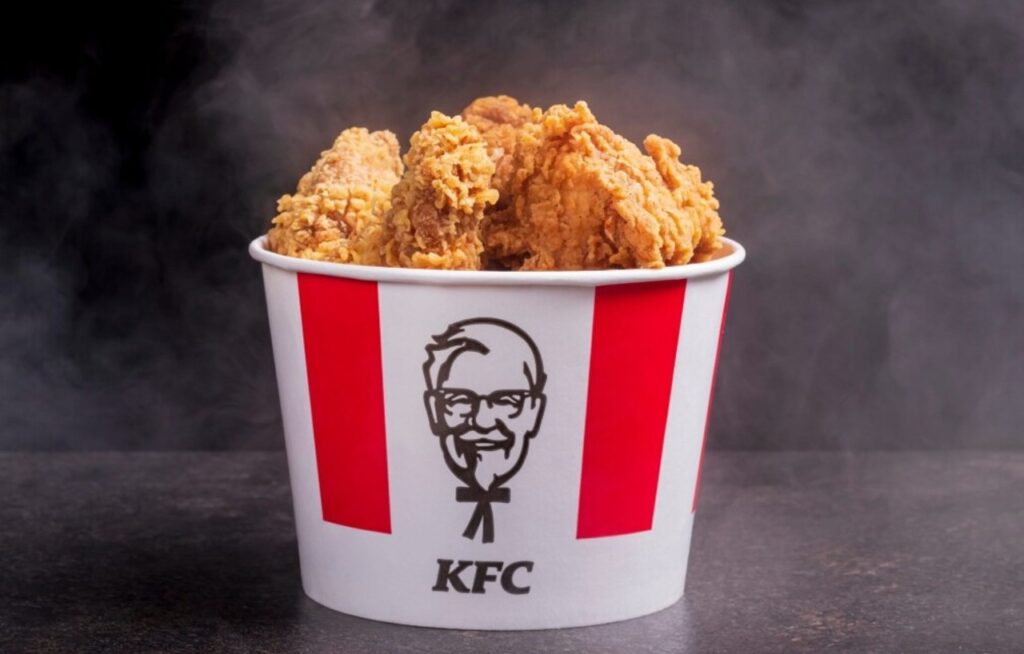
6. KFC Fried Chicken
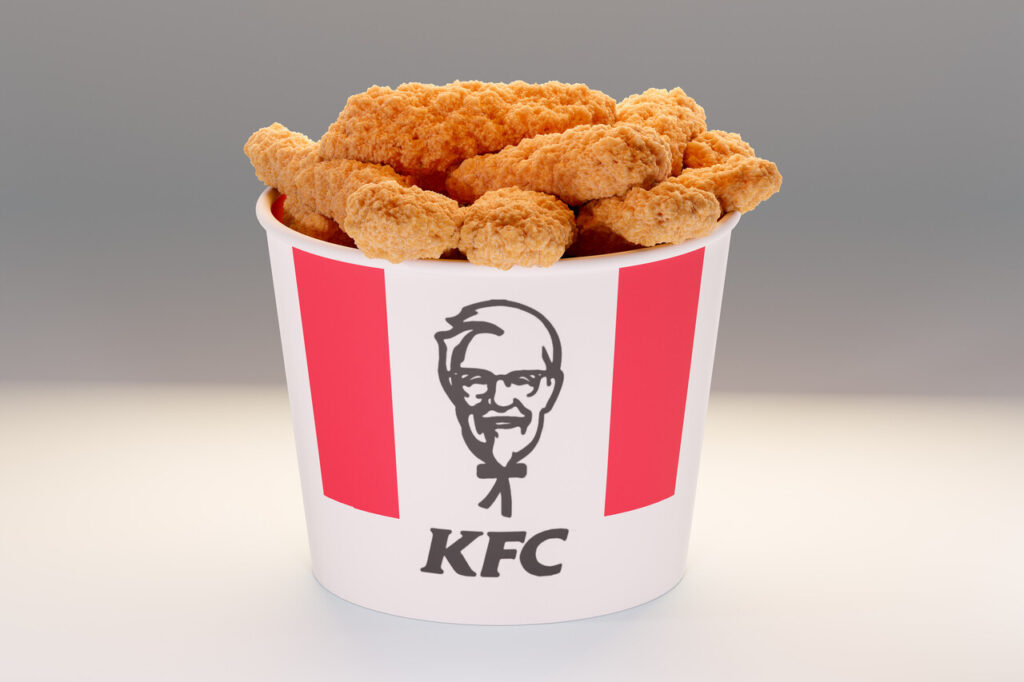
KFC’s fried chicken is built on a precise recipe, with a specific blend of seasoning and a set cooking process. The expectation is a crisp exterior and tender interior every time it is served.
In practice, frying conditions can vary between locations. Oil quality, cooking duration, and how often the equipment is maintained all influence the final texture. Even slight differences can change how the coating forms and holds.
Environmental factors also play a role. Humidity and storage conditions can affect how long the chicken stays crisp after cooking. As a result, the same recipe can produce slightly different textures depending on where it is prepared.
7. Domino’s Pizza
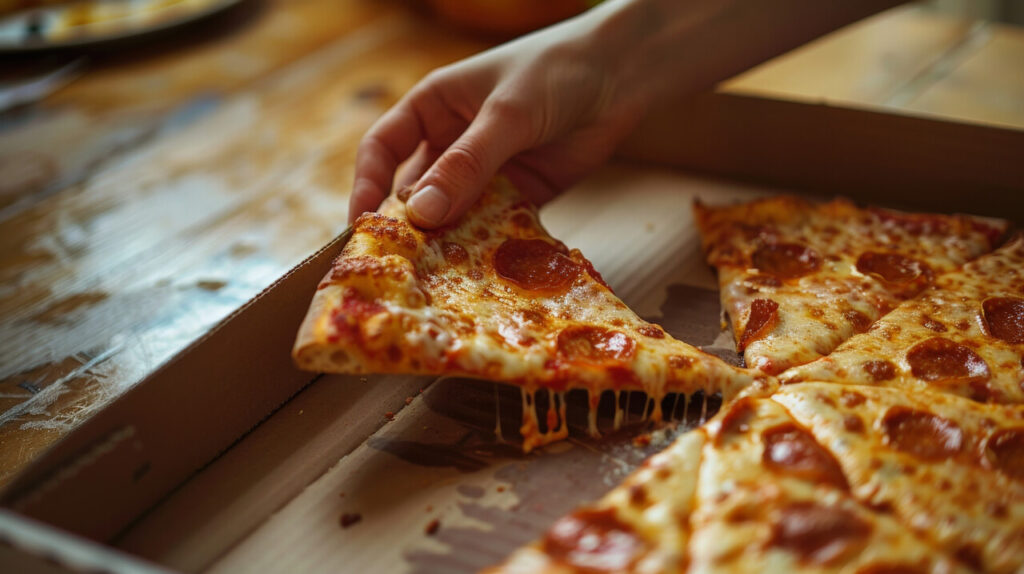
What looks like a standardized pizza can still vary more than expected. Domino’s relies on controlled recipes, but much of the process happens in-store. Dough is stretched, proofed, and handled by staff, which introduces small but meaningful differences in how the crust forms.
Oven performance is another factor that shapes the outcome. Slight variations in temperature or bake time can change the crust from soft to crisp. Even the topping placement can differ depending on how each pizza is assembled.
These details affect the final product more than most customers realize. While the ingredients remain consistent, execution depends on local conditions, making the same pizza feel slightly different from one location to another.
8. Wendy’s Frosty
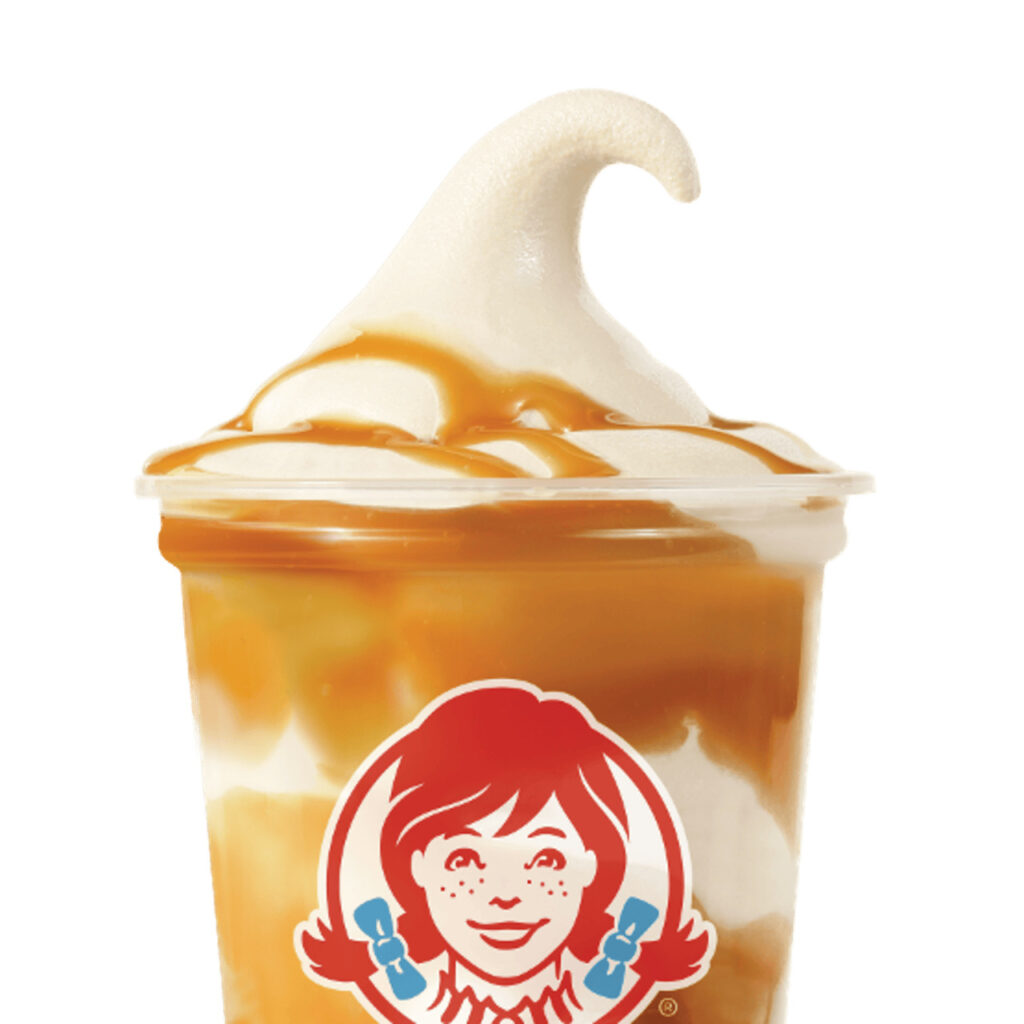
Few fast food desserts rely as heavily on texture as the Frosty. It sits between a milkshake and soft serve, and its thickness is what defines the experience. That consistency is expected every time it is ordered.
The texture depends on machine calibration. Temperature settings and mixing cycles control how dense or smooth the Frosty becomes. Even small adjustments can noticeably change how it feels and how easily it can be eaten.
Usage patterns also play a role. Machines that run frequently tend to stay more consistent, while less active ones may produce a softer or thicker result. These small differences can make the same Frosty feel slightly different across locations.