8 Kitchen Appliances Americans Bought With Great Intentions But Never Used

Kitchen appliances often enter homes with a sense of purpose, built around the idea of saving time, improving results, or making cooking more enjoyable, yet many of them slowly fade out of daily use after the initial excitement wears off. What begins as a thoughtful purchase can quickly turn into something that sits untouched, taking up space without adding real value. The pattern is not about poor design but about how rarely these tools fit into everyday routines, revealing a gap between intention and actual use.
1. Single-use gadgets
Drawers often fill up with tools that promise precision but deliver very little practical value in everyday cooking. Items like avocado slicers, egg separators, or spiralizers are designed for one specific task, which makes them feel useful at first but limiting over time.
The problem lies in how rarely these tasks actually come up. Most of these gadgets can be replaced with a basic knife or a common kitchen tool, making their presence redundant. As a result, they quickly move from the counter to the back of a drawer.
What seemed like a smart purchase ends up taking up space without contributing to daily cooking. Over time, simplicity proves more efficient, and versatile tools become the ones that are actually used.
2. Ice cream and yogurt makers
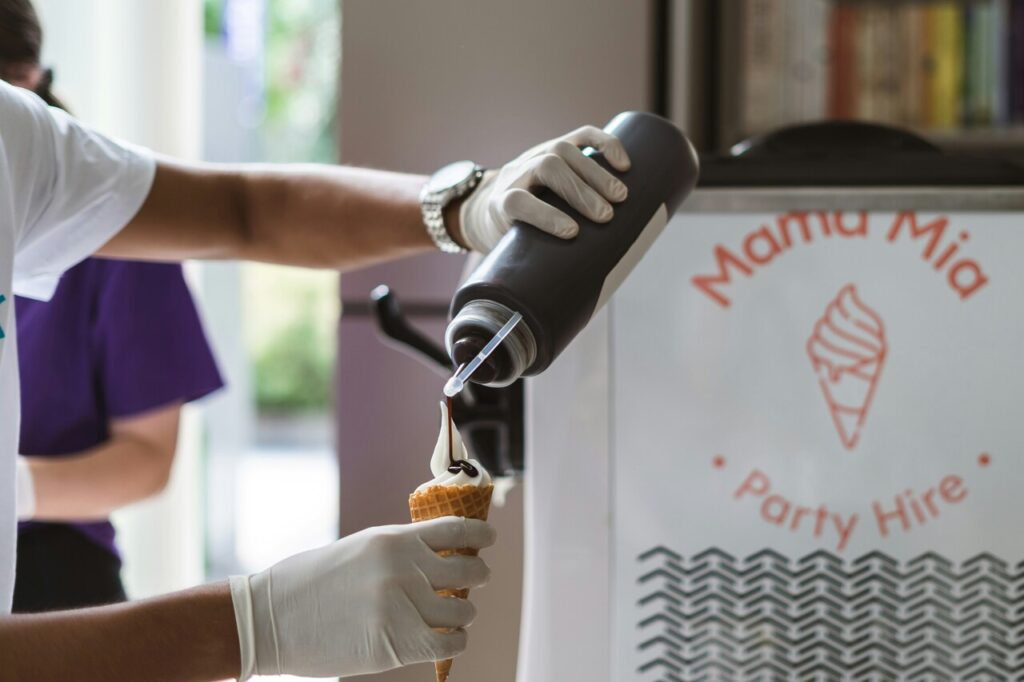
Making ice cream or yogurt at home sounds like a rewarding idea, often tied to the appeal of fresh ingredients and customization. The initial excitement of creating something from scratch makes these appliances feel like a worthwhile investment.
In practice, the process requires planning, preparation time, and consistent effort, which can be difficult to maintain. Store-bought options are widely available and often match or exceed expectations in taste and texture with far less effort.
Because of this, these machines tend to be used only a few times before being set aside. The gap between intention and routine use becomes clear once the novelty wears off.
3. Bread makers and pasta machines

The idea of making bread or pasta at home carries a sense of tradition and craftsmanship, which makes these appliances appealing to many. They promise control over ingredients and a more authentic cooking experience.
However, both processes demand time, patience, and regular practice to become part of a routine. Bread makers automate some steps, but the setup and cleanup still require effort, while pasta machines often involve manual work that can feel repetitive.
For many, the time commitment outweighs the benefit, especially when good quality options are easily available. These appliances often end up stored away after a few attempts.
4. Coffee and espresso machines
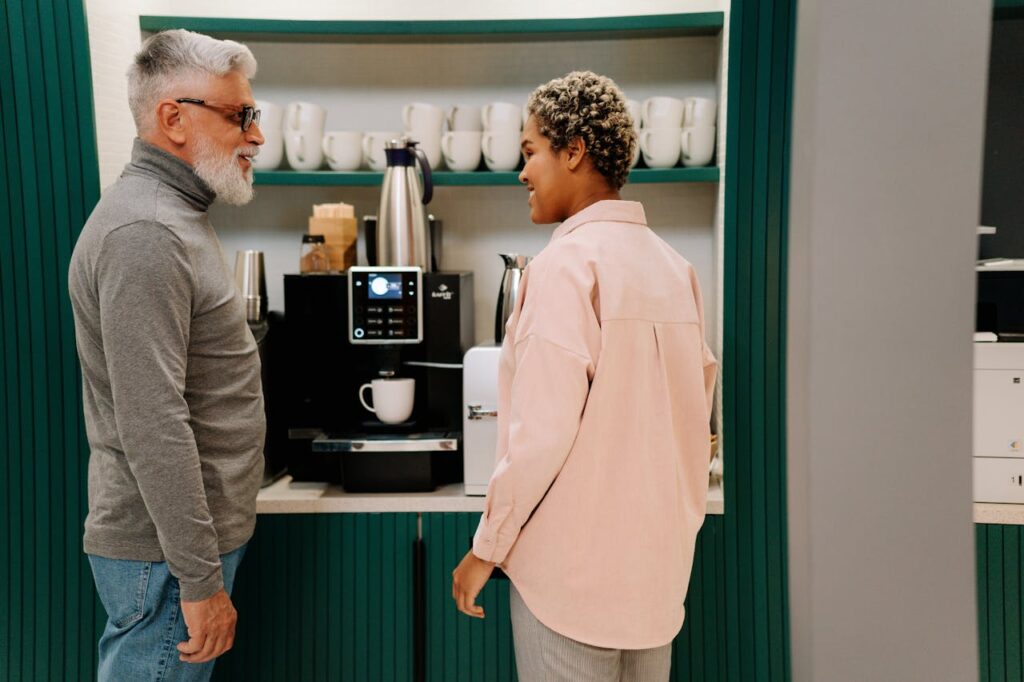
A dedicated coffee setup at home can feel like an upgrade, offering the promise of café-quality drinks without leaving the kitchen. High-end machines often attract buyers who want better flavor and more control over their brew.
The reality is that these machines come with a learning curve, maintenance requirements, and regular cleaning that can become tedious. Achieving consistent results also requires attention to detail, which not everyone wants to manage daily.
Over time, convenience takes priority, and simpler brewing methods become more appealing. Many of these machines are used less frequently than expected once the routine sets in.
5. Sous vide machines
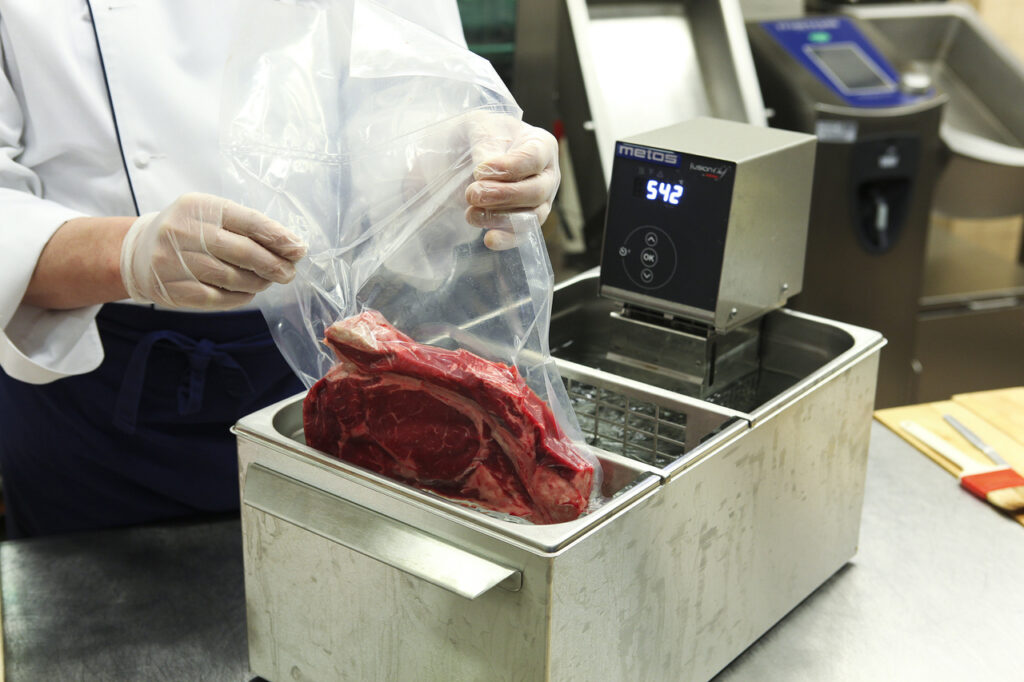
Sous vide cooking is often associated with precision and professional-level results, making it attractive for those interested in technique-driven cooking. The idea of perfectly cooked food every time is a strong selling point.
Despite its benefits, the process involves longer cooking times, additional equipment, and planning ahead, which can limit its practicality for everyday meals. It is better suited for specific dishes rather than daily use.
As a result, these machines are often reserved for occasional use rather than becoming a regular part of cooking. The effort required does not always align with everyday needs.
6. Waffle makers and novelty appliances
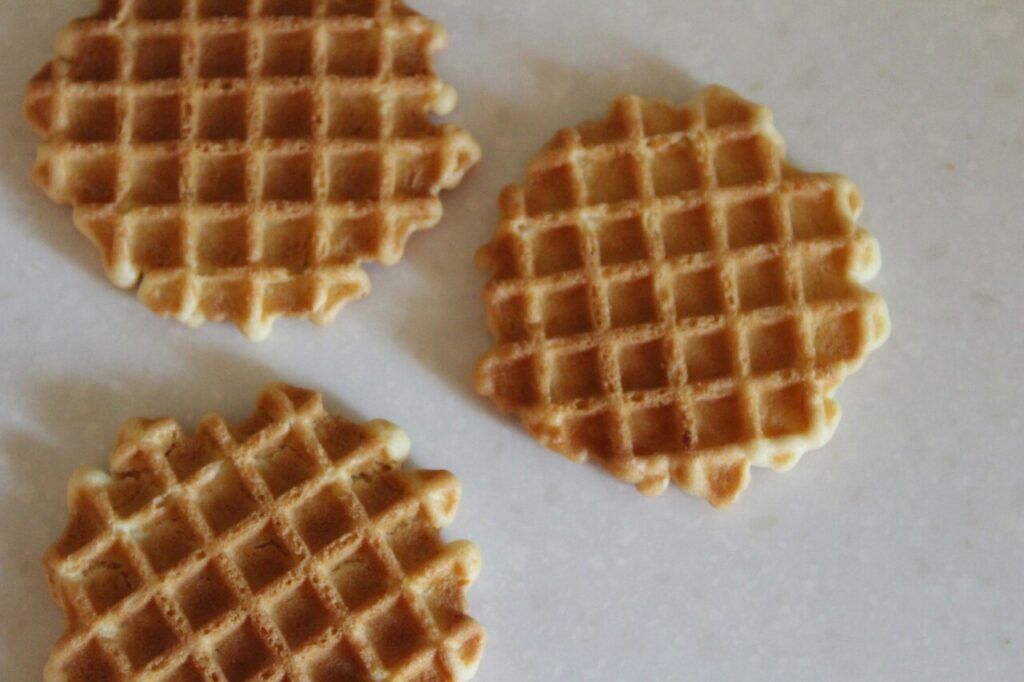
Appliances designed for specific foods, like waffle makers or themed cooking devices, are often bought with enthusiasm for weekend meals or special occasions. They offer a sense of fun and variety that feels appealing at the time of purchase.
The limitation is how rarely these foods are prepared in regular routines. Once the initial excitement fades, these appliances are used less often and begin to take up unnecessary space.
Over time, they become occasional-use items rather than essentials. Their value depends more on frequency of use than on their initial appeal. Items that are not used regularly may feel less worthwhile despite their features. This often influences how consumers evaluate future purchases.
7. Electric can openers
Electric can openers are often seen as a convenience upgrade, intended to make a simple task even easier. They are particularly appealing to those looking to reduce effort in the kitchen.
However, manual can openers are already efficient, easy to use, and require no maintenance or counter space. The added benefit of automation does not significantly improve the experience.
Because of this, electric versions are often used briefly before being replaced by simpler tools. Practicality tends to outweigh convenience in this case. Users often return to manual options that feel more reliable and easier to maintain.
8. Bulky high-end appliances
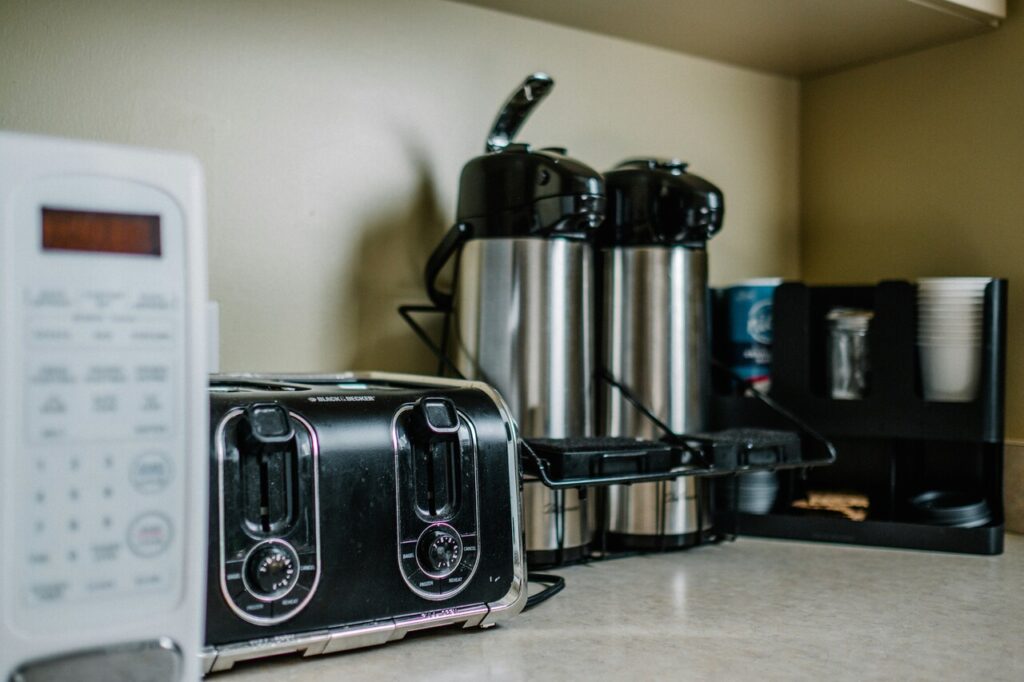
Large countertop appliances often promise multiple functions and improved performance, making them seem like a valuable addition to any kitchen. Their design and features suggest long-term utility.
The challenge comes from the space they occupy and how often they are actually used. When an appliance is not part of a daily routine, it becomes more of an obstacle than a benefit.
Over time, they become occasional-use items rather than essentials. Their value depends more on frequency of use than on their initial appeal. Items that are not used regularly may feel less worthwhile despite their features. This often influences how consumers evaluate future purchases.