Grocery Store Workers Know More About You Than You Think: 10 Things They Notice


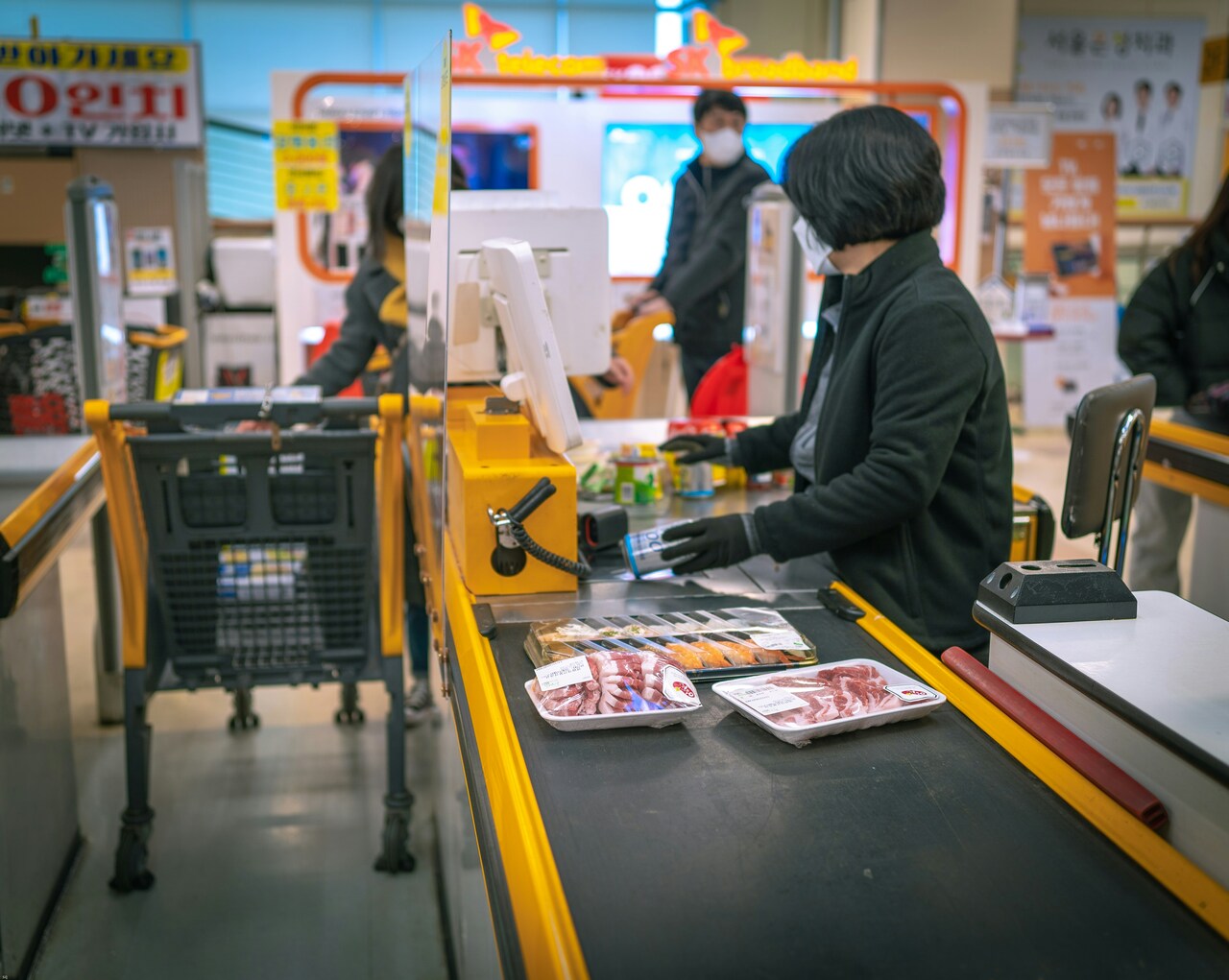
A trip to the grocery store often feels routine, something done quickly and without much thought, yet behind the scenes, there is far more being noticed than most people realize. Grocery workers spend hours observing patterns, behaviors, and small habits that repeat across customers in surprisingly consistent ways. These observations are not intentional judgments but natural outcomes of constant exposure to the same environment. Over time, they reveal how predictable shopping habits can be and how small actions stand out more than expected.
1. Grabbing the first item on the shelf

Most shoppers reach for what is right in front without thinking twice, assuming every product on the shelf is equally fresh. This small habit is easy to overlook, but it is one of the first things grocery workers notice during restocking and aisle maintenance.
Stores typically rotate stock by placing newer items at the back and older ones at the front, which means the first item picked is often closer to its expiration date. It is a quiet system that works best when shoppers remain unaware of it.
A glance at dates or reaching slightly further back can make a difference in freshness and shelf life. Small adjustments like this can noticeably improve the quality of what ends up at home.
2. Missing the store layout strategy
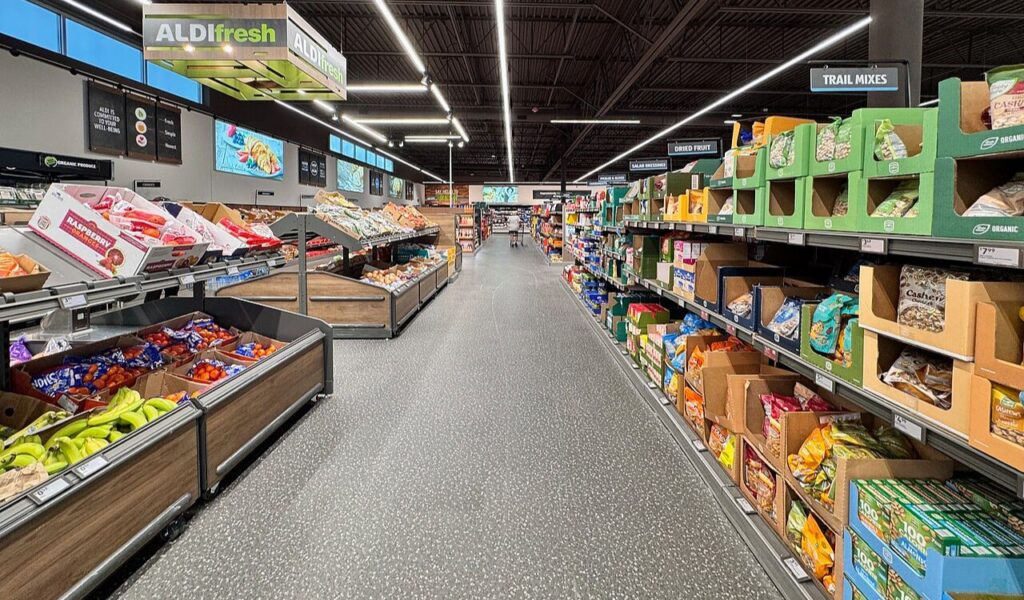
Walking through a grocery store can feel straightforward, but every section is intentionally designed to guide movement and influence decisions. Workers are aware of how these layouts shape shopping behavior in subtle ways.
Staples like milk and eggs are usually placed at the back so that customers walk through multiple aisles, increasing the chances of impulse purchases. These placements are based on long-studied shopping patterns.
These decisions are not random but based on consumer behavior studies. Employees see how consistently these strategies work, especially with shoppers who believe they are making independent choices. Over time, this design quietly shapes habits without drawing attention.
3. Shopping on autopilot

Many shopping trips begin with a plan but end with a cart that looks very different from what was intended. Workers often observe customers moving through aisles with a routine that feels automatic rather than deliberate. This pattern becomes more visible during peak hours.
This autopilot behavior is influenced by familiarity, product placement, and visual cues like promotions or packaging. Items that were not on the list are often picked up simply because they are seen repeatedly during the trip. Repetition plays a strong role in decision-making.
Over time, this pattern becomes predictable. Employees can often anticipate what will end up in carts based on how people move through the store and what catches their attention.
4. Misunderstanding expiration dates
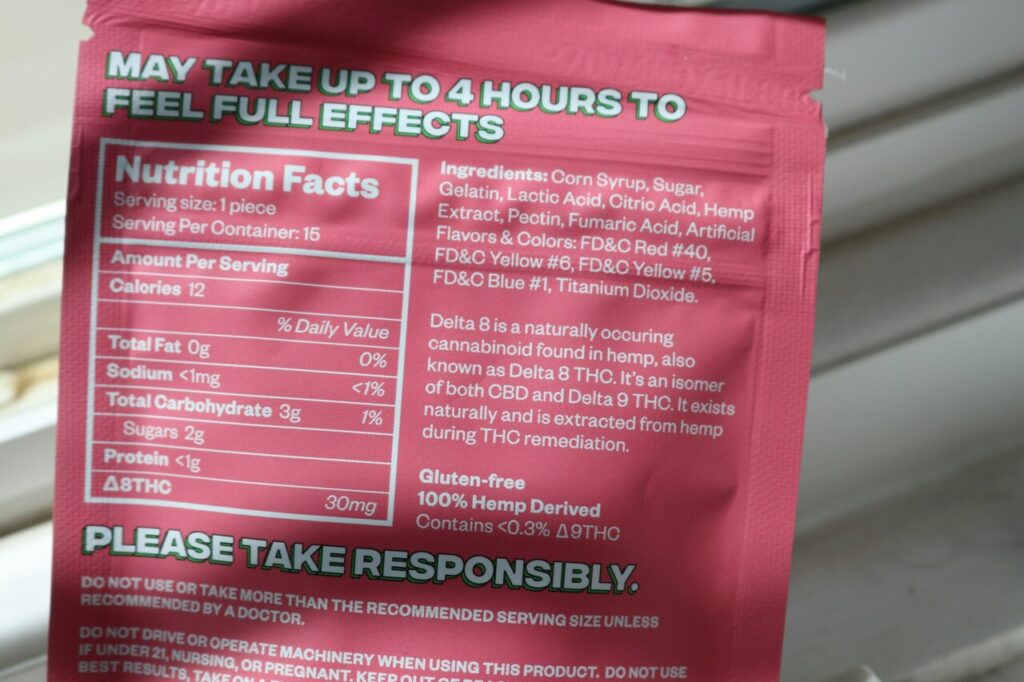
Dates on packaging are often misunderstood, leading many shoppers to treat them as strict safety deadlines rather than guidelines. Grocery workers frequently notice hesitation or confusion around these labels.
Terms like “best by,” “sell by,” and “use by” serve different purposes, and most are related to quality rather than safety. Many products remain safe to consume beyond these dates if stored properly. Understanding this distinction can reduce unnecessary concern.
This misunderstanding leads to unnecessary waste and cautious purchasing decisions. Workers see how often perfectly good products are avoided or discarded because of unclear labeling. Better awareness can lead to more confident choices.
5. Blaming the staff for pricing and stock

Frustration over prices or unavailable items is common, and it is often directed toward the nearest employee. Workers regularly face complaints about factors that are outside their control. This interaction is a frequent part of their day.
Pricing is determined at a corporate or supplier level, and stock shortages can result from supply chain issues, delivery delays, or high demand. Frontline staff typically have little influence over these aspects. Their role is more about assistance than decision-making.
Despite this, they are the most visible representatives of the store. This dynamic makes them frequent recipients of concerns that originate far beyond the store itself. It highlights the gap between perception and reality.
6. Leaving items in the wrong place
Abandoned items in random aisles are a daily reality in grocery stores, and workers notice how often products are left where they do not belong. This habit may seem minor, but it creates larger issues behind the scenes. It adds to the workload in subtle ways.
Perishable items like dairy or meat can spoil quickly if left outside proper storage, leading to waste and financial loss. Even non-perishable items require additional effort to be returned to the correct location. These small actions accumulate over time.
This behavior also disrupts inventory tracking and shelf organization. Employees spend a significant amount of time correcting these small but frequent actions. Maintaining order becomes an ongoing task.
7. Overlooking hygiene while shopping

Grocery stores handle high volumes of people and products, making hygiene an important but often overlooked aspect of shopping. Workers observe behaviors that can affect cleanliness and safety. These patterns vary widely across shoppers.
Touching multiple items without purchasing them, coughing without covering, or handling produce excessively are all common patterns. These actions increase the risk of contamination, even in well-maintained stores. Awareness of these habits remains inconsistent.
While stores implement cleaning routines and safety measures, individual habits play a major role. Employees notice how inconsistent these habits can be across different shoppers. Small improvements can make a meaningful difference.
8. Underestimating how much gets noticed

Regular shopping patterns are easier to recognize than most people expect. Workers who spend hours in the same environment begin to notice repeated behaviors and familiar routines. Familiar faces and habits become easy to recall.
Frequent purchases, preferred brands, and even shopping times become easy to identify over time. This is not active monitoring but a natural result of repetition and observation. Patterns form without deliberate effort.
These patterns highlight how predictable shopping habits can be. What feels like a private routine often becomes something that stands out in a shared space. Consistency makes behavior more visible.
9. Assuming “fresh” means made in-store

Labels and displays often give the impression that certain items are prepared on site, but that is not always the case. Workers are aware of how these perceptions differ from reality. Presentation plays a strong role in shaping expectations.
Many products arrive pre-prepared or partially processed, even when they are marketed as fresh. The final steps may happen in store, but the full process often begins elsewhere. This is a common industry practice.
This does not necessarily reduce quality, but it does change expectations. Understanding how products are handled provides a clearer picture of what “fresh” actually means.
10. Overlooking shelf placement tactics

What appears to be a simple arrangement of products is often the result of detailed planning. Workers understand how shelf placement directly affects what gets noticed and purchased. Every position has a purpose.
Items placed at eye level are typically those the store wants to sell the most, while less profitable or essential items are positioned in less visible areas. Promotions and end caps are also designed to attract attention quickly.
These strategies shape buying decisions more than most people realize. Employees see how consistently certain placements lead to higher sales, reinforcing how effective these techniques are. Subtle positioning creates strong influence.