15 Food Misconceptions that Feel Like Everyday Facts

Some food beliefs become so familiar that they start to sound like settled science. But many everyday claims about freshness, safety, nutrition, and cooking are only partly true, or flat-out wrong. This gallery breaks down 15 popular misconceptions with clear context, so you can separate kitchen folklore from facts you can actually use.
Brown Eggs Are More Nutritious Than White Eggs
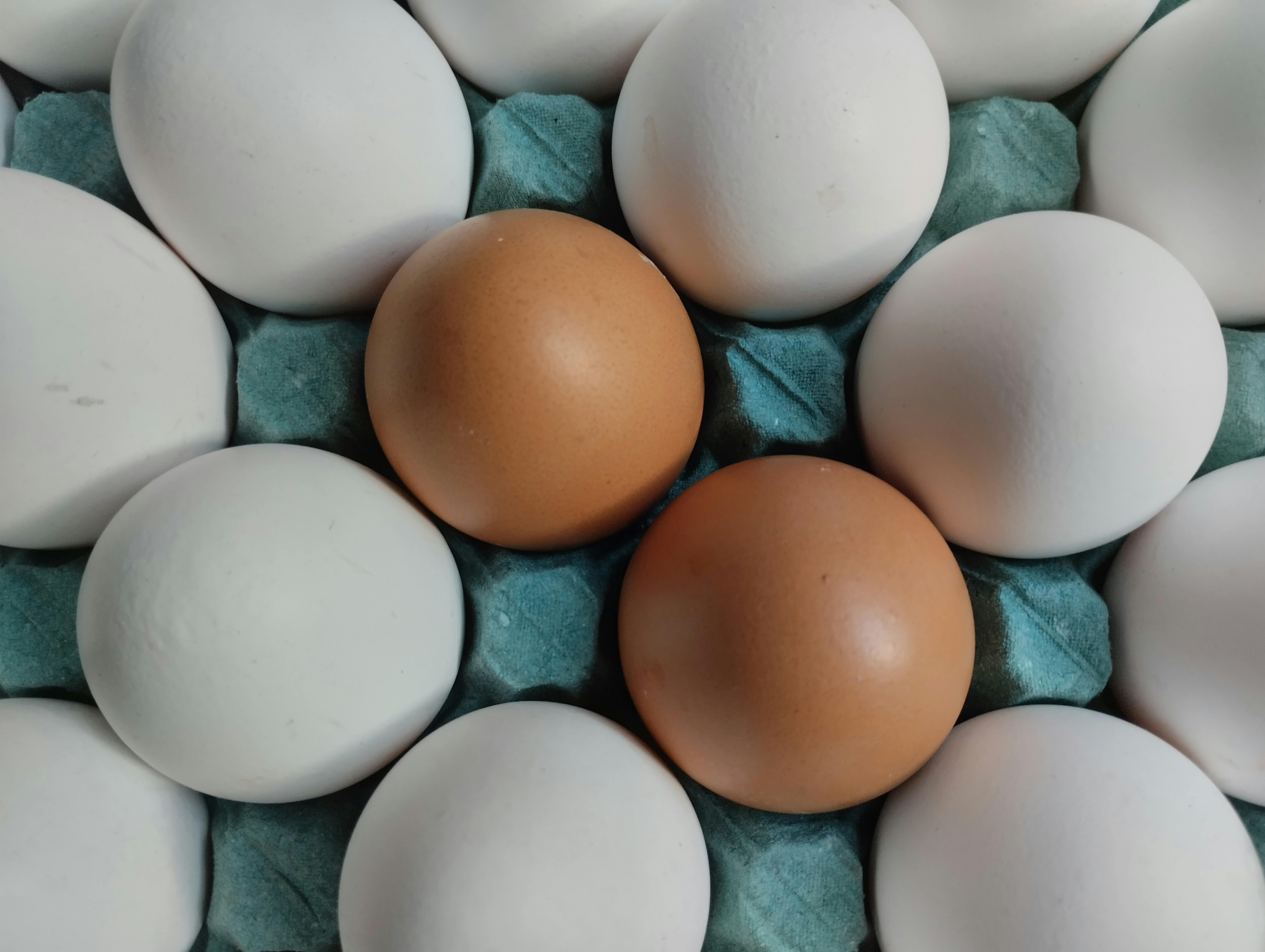
Brown eggs often get marketed as more wholesome, so it is easy to assume they are nutritionally superior. In reality, shell color mostly comes down to the breed of the hen. White-feathered hens with white earlobes often lay white eggs, while many red-feathered hens lay brown ones.
Nutritionally, the differences are usually tiny and are driven more by the hen’s diet and living conditions than the shell itself. Protein, fat, and vitamin content are broadly similar across both colors.
Brown eggs can cost more, but that usually reflects farming scale or breed-related feed costs, not a built-in health advantage. The shell color is a cosmetic difference, not a reliable nutrition label.
Sea Salt Is Healthier Than Table Salt
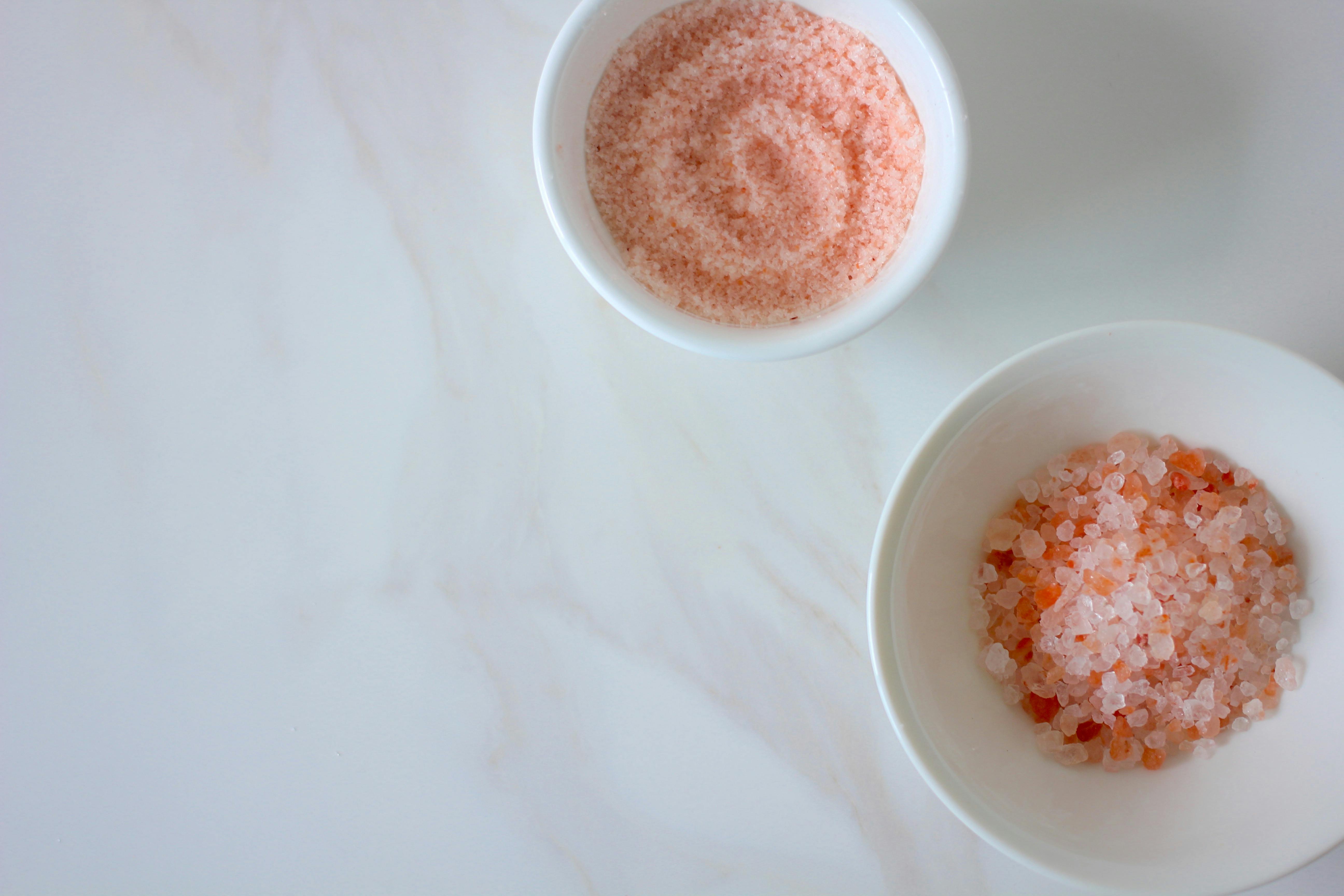
Sea salt has a natural, premium image, while table salt often gets treated like the processed villain. But both are largely sodium chloride, and from a health standpoint the main concern is still how much sodium you consume overall.
Sea salt may contain trace minerals, but the amounts are usually too small to make a meaningful nutritional difference in a typical serving. You are not getting a mineral supplement from a pinch on your dinner.
One important difference is iodine. Many table salts are iodized, which can help support thyroid health. If someone swaps iodized table salt for non-iodized sea salt everywhere, they may actually lose a useful nutrient source while keeping the same sodium issue.
Microwaving Food Destroys All the Nutrients

Microwaves get blamed for stripping food of nutrition, but that idea does not hold up. Microwave cooking uses electromagnetic waves to heat water molecules in food, and it does not make food radioactive or uniquely ruin vitamins.
Any cooking method can reduce some nutrients, especially heat-sensitive vitamins like vitamin C. What matters most is time, temperature, and the amount of water used. Because microwaving is often fast and uses little water, it can actually preserve certain nutrients better than boiling.
A long simmer on the stove is not automatically gentler than a quick microwave cycle. Used properly, the microwave is simply another cooking tool, and in many cases a very efficient one.
Fresh Produce Is Always Better Than Frozen
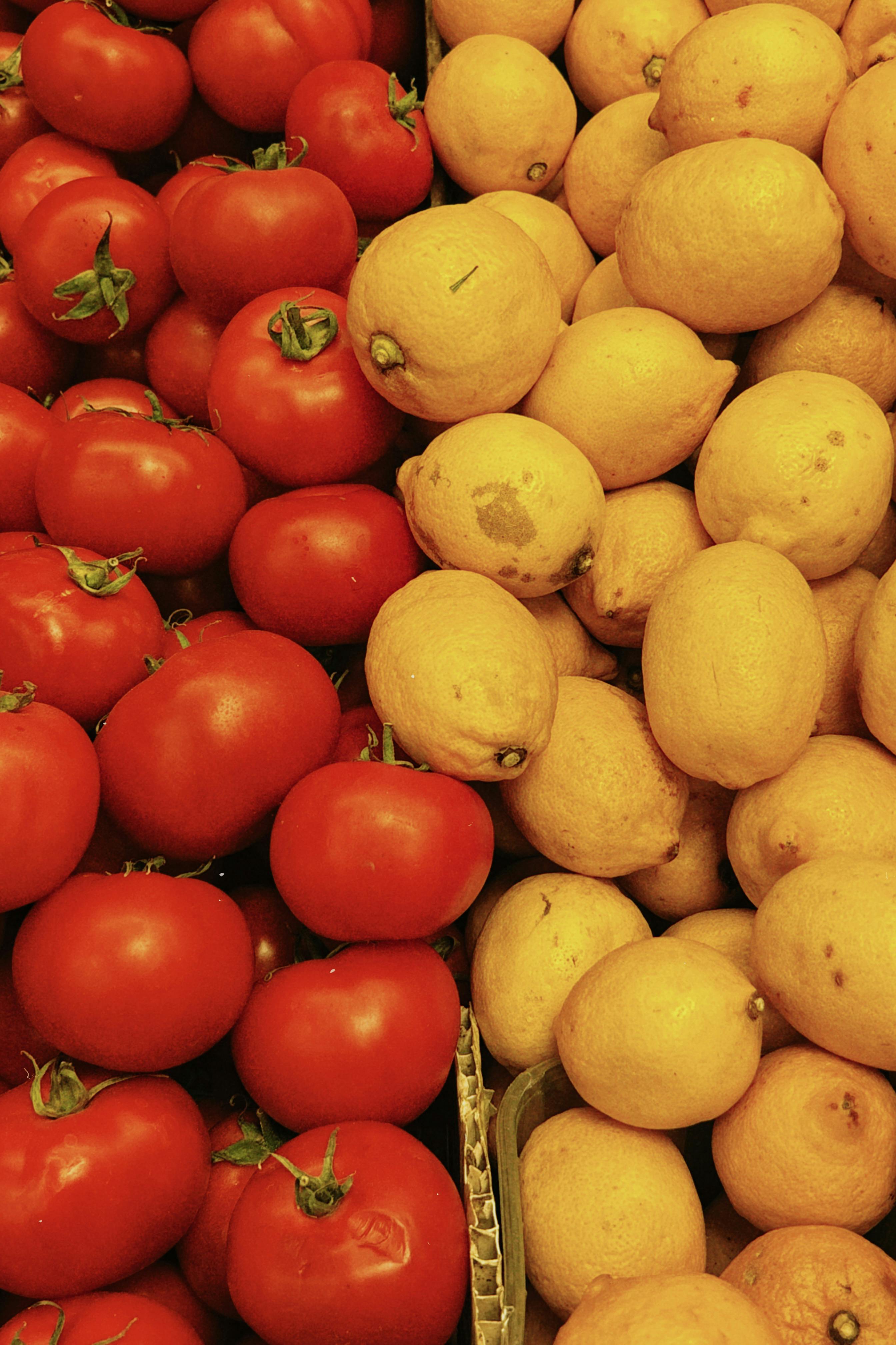
Fresh has powerful marketing appeal, but frozen fruits and vegetables are often excellent choices. Many are picked at peak ripeness and frozen quickly, which helps preserve flavor and nutrients.
Fresh produce can be wonderful, but it may spend days in transit, storage, and display before it reaches your plate. During that time, some delicate nutrients can decline, especially in highly perishable items.
Frozen produce also reduces waste and makes it easier to keep vegetables on hand. The best option often depends on season, distance from the farm, and how soon you plan to use it. Fresh is not automatically more nutritious just because it looks prettier in the produce aisle.
You Need to Wash Raw Chicken Before Cooking

This is one of the most persistent kitchen habits, and it feels sensible at first glance. But food safety agencies have long warned against washing raw chicken because water droplets can spread bacteria around the sink, counter, faucet, and nearby dishes.
Rinsing does not reliably remove harmful microbes such as Salmonella or Campylobacter. The safer approach is to cook chicken to the proper internal temperature and prevent cross-contamination with careful handling.
If raw juices touch surfaces, those areas should be cleaned and sanitized. The goal is not to make the chicken look cleaner. It is to stop bacteria from moving around your kitchen in the first place.
Organic Food Is Pesticide-Free
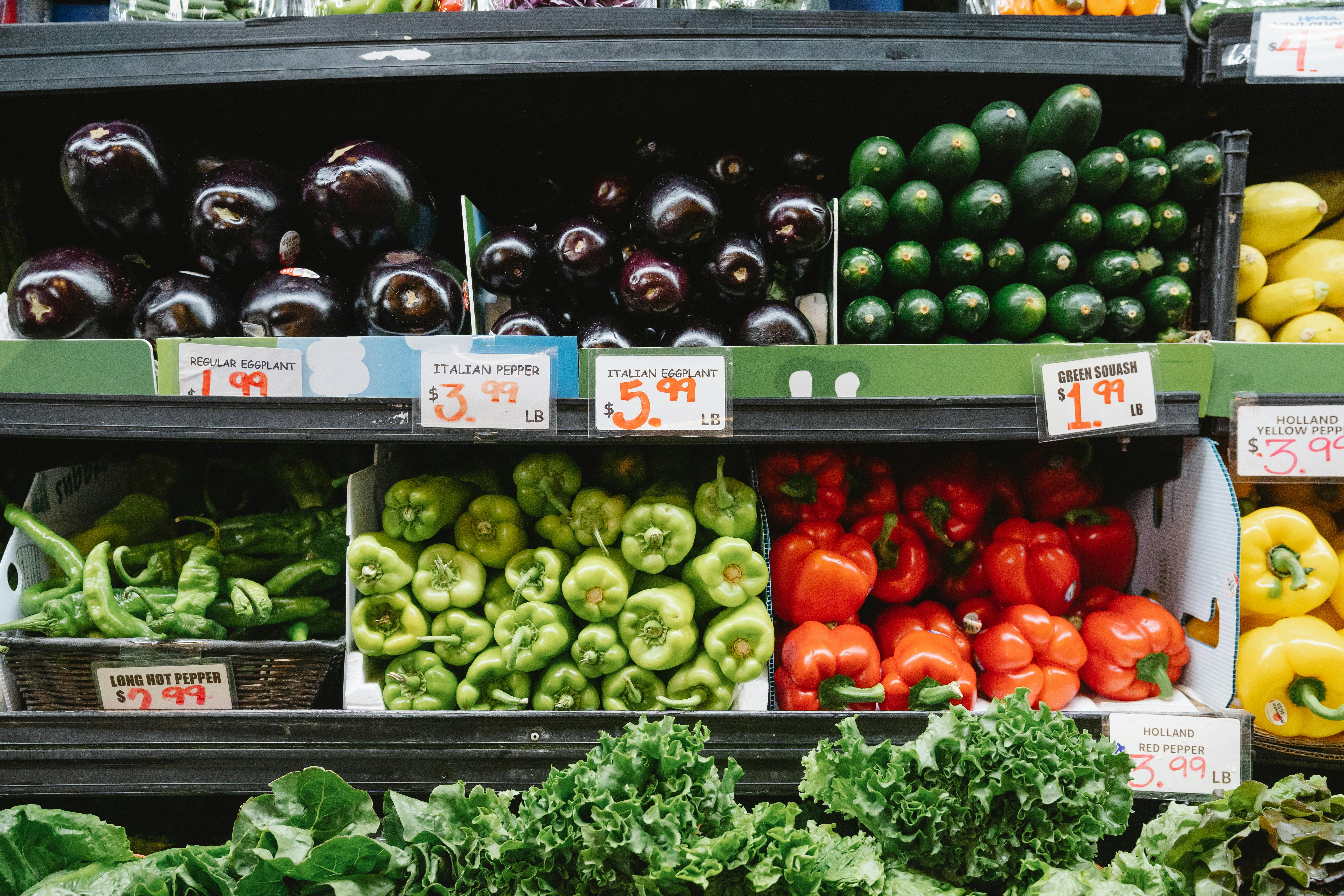
Organic farming is often discussed as if it means no pesticides at all, but that is not accurate. Organic standards restrict many synthetic pesticides, yet certain approved substances can still be used, including some naturally derived ones.
The word natural also does not automatically mean harmless. A substance can come from nature and still require careful regulation and handling. Conventional and organic growers both follow rules about residue limits and application practices.
People choose organic foods for many reasons, including farming philosophy, environmental concerns, or taste preferences. But pesticide-free is not the right shorthand. The real difference is in which methods and compounds are allowed, not whether crop protection exists at all.
Gluten-Free Means Healthier for Everyone
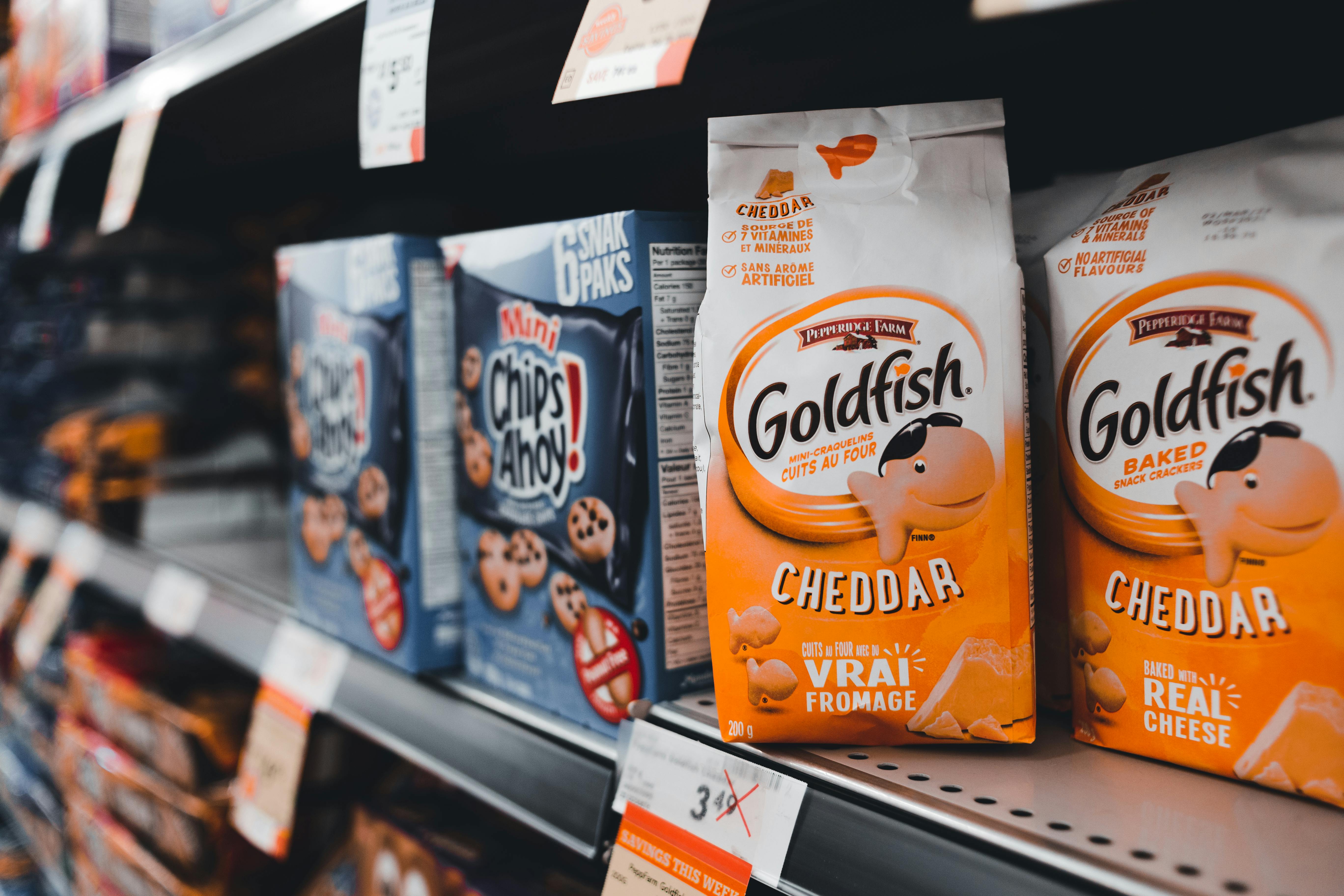
Gluten-free eating is essential for people with celiac disease and important for some with wheat allergy or medically recognized gluten sensitivity. But outside those cases, gluten itself is not automatically a problem.
Many gluten-free packaged foods are made to replace texture and flavor lost without wheat. That can mean extra starches, fats, sugars, or sodium. A gluten-free cookie is still a cookie, not a health food because of the label.
For most people, whole grains that contain gluten can be part of a healthy diet and offer fiber, vitamins, and minerals. Unless there is a medical need, going gluten-free is not a guaranteed upgrade. It is simply a different dietary pattern.
Carrots Dramatically Improve Your Eyesight

Carrots earned their eyesight halo because they are rich in beta-carotene, which the body converts to vitamin A. That nutrient is important for normal vision, especially in low light, and severe deficiency can cause serious eye problems.
But eating extra carrots will not give most people sharper-than-normal vision or let them see in the dark. If you already get enough vitamin A, piling on more does not act like a natural superpower.
This belief also has a famous historical boost. During World War II, British messaging highlighted carrots while downplaying radar technology. Carrots are undeniably healthy, but they support eye health best as part of an overall balanced diet, not as a magic fix.
Searing Meat Locks In the Juices
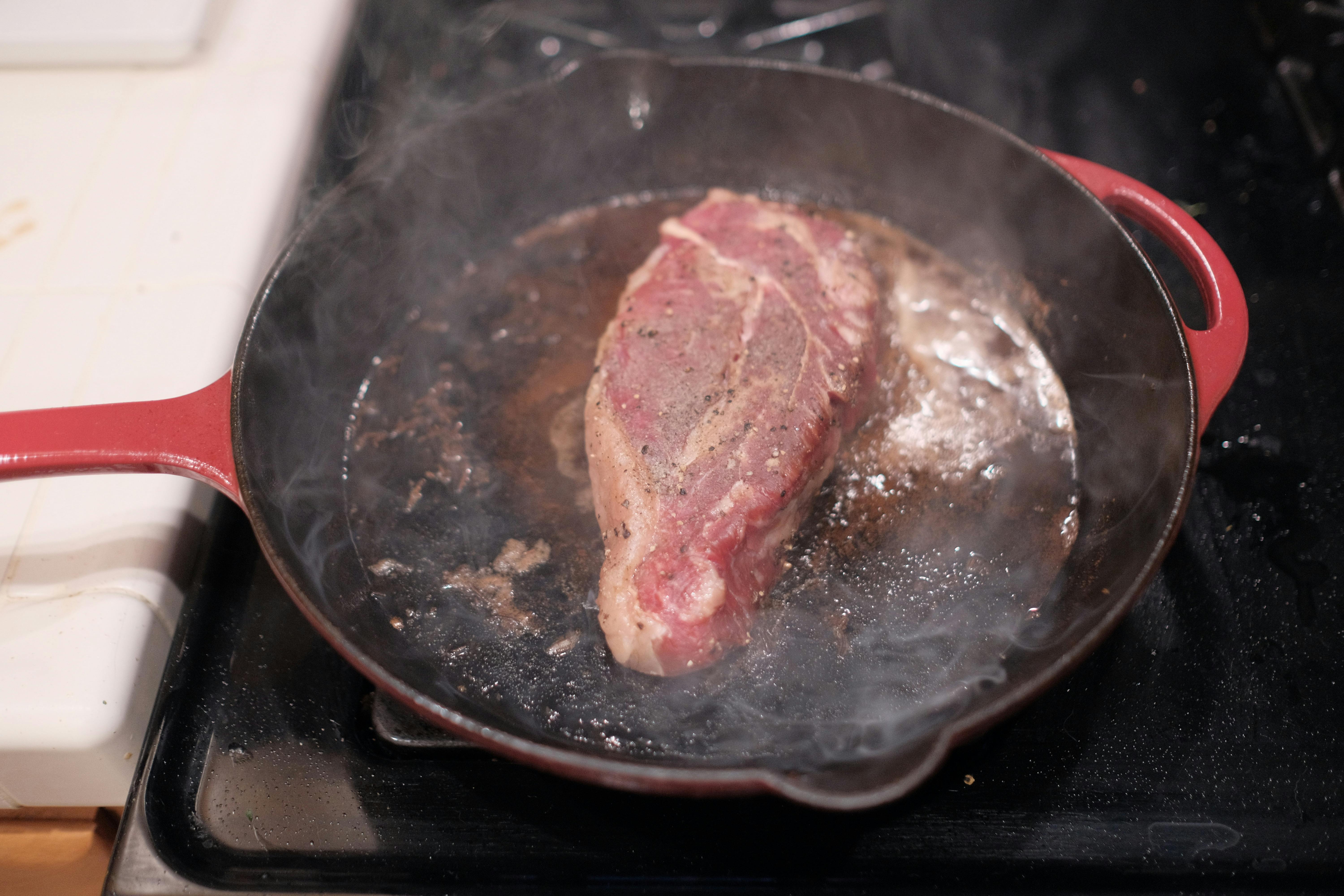
Few cooking sayings sound more convincing than this one. The dramatic crust and sizzling pan make it feel like the outside is sealing moisture inside, but searing does not create a waterproof barrier.
What searing really does is develop flavor through browning reactions, especially the Maillard reaction. That rich color and savory taste are big reasons chefs still sear steaks, chops, and roasts.
Moisture retention depends more on overall cooking temperature, time, meat cut, and resting than on a quick blast of heat at the start. Sear for flavor and texture, absolutely. Just do not expect it to trap every drop of juice like a culinary force field.
Eating Late at Night Automatically Causes Weight Gain

Late-night eating gets blamed as if the clock itself causes body fat to appear. In reality, weight gain is driven mainly by overall energy balance over time, along with sleep, activity, meal quality, and broader habits.
That said, nighttime eating can still be linked with weight gain for practical reasons. People may snack mindlessly, choose calorie-dense foods, or eat out of stress, fatigue, or boredom. Those patterns matter more than the hour alone.
There is also growing research on circadian rhythms and metabolism, but it does not reduce the issue to a simple rule like never eat after 8 p.m. A balanced evening snack can fit just fine. Consistent habits matter far more than superstition about the clock.
White Potatoes Are Nutritionally Empty

Potatoes often get dismissed as bland starch bombs, especially next to sweet potatoes or trendier grains. But plain white potatoes offer more than people give them credit for, including potassium, vitamin C, and fiber, especially when the skin is eaten.
They are also naturally fat-free and can be quite filling. The nutritional picture changes with preparation, of course. A baked potato is very different from fries loaded with salt and oil.
Potatoes are not empty calories by definition. They are a nutrient-containing staple food that can fit into many healthy diets. What usually deserves scrutiny is the topping, frying method, or oversized restaurant portion, not the potato itself.
Dark Chocolate Is Basically a Health Food
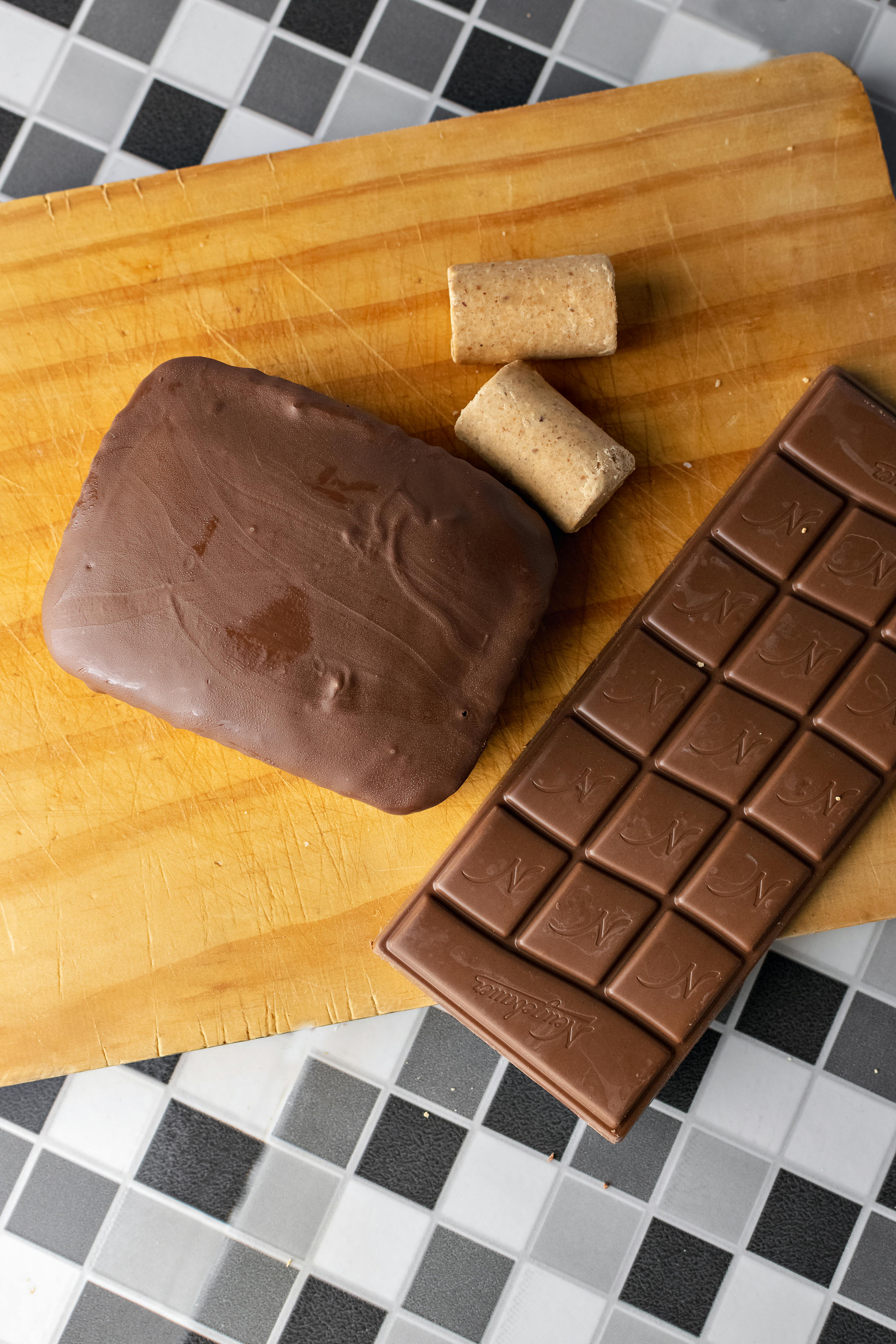
Dark chocolate does contain beneficial compounds, including flavanols, and it generally has less sugar than milk chocolate. That has helped build its healthy reputation, and compared with many desserts, it can be a more nutrient-dense option.
Still, it is not a free pass. Dark chocolate is also calorie-dense and often high in saturated fat. The amount of flavanols varies widely by product, processing, and cocoa percentage, so the label alone does not tell the whole story.
A small piece can absolutely fit into a balanced diet and satisfy a craving beautifully. But treating it like a wellness supplement misses the point. It is still a treat, just one with a more interesting nutritional profile than people assume.
Raw Milk Is Safer and More Nutritious Than Pasteurized Milk
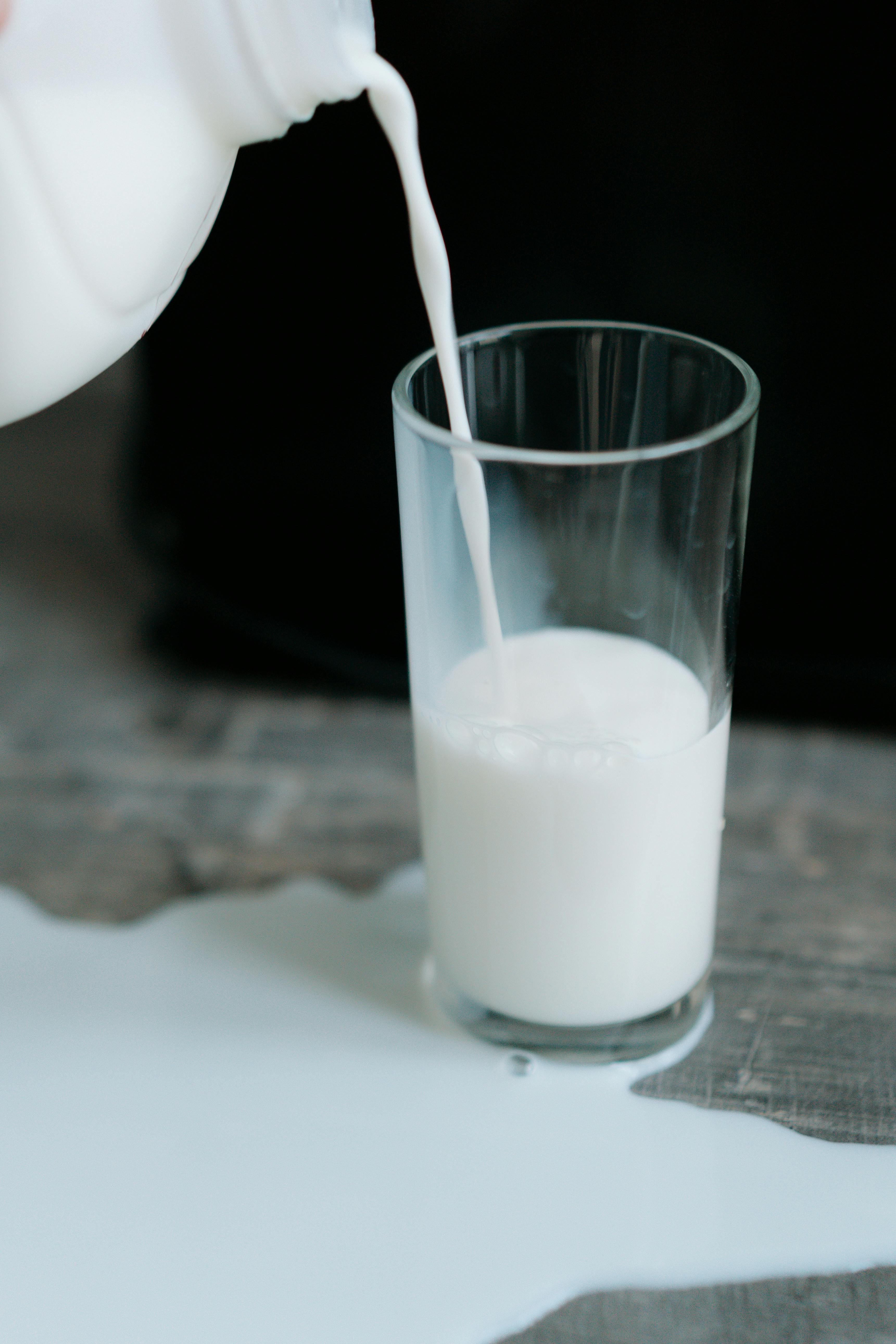
Raw milk is often praised as more natural, but pasteurization was adopted for a reason. Heating milk to a specific temperature for a set time helps kill dangerous pathogens such as E. coli, Listeria, Salmonella, and Campylobacter.
Supporters sometimes argue that pasteurization ruins milk’s benefits, yet the nutritional differences are generally small. Protein, calcium, and most core nutrients remain present after pasteurization.
The safety tradeoff is not small. Raw milk has been linked to outbreaks of serious illness, especially in children, older adults, pregnant people, and those with weakened immune systems. For most consumers, pasteurized milk offers the far better balance of nutrition and food safety.
Natural Sugar Is Fine but Added Sugar Is the Only Problem
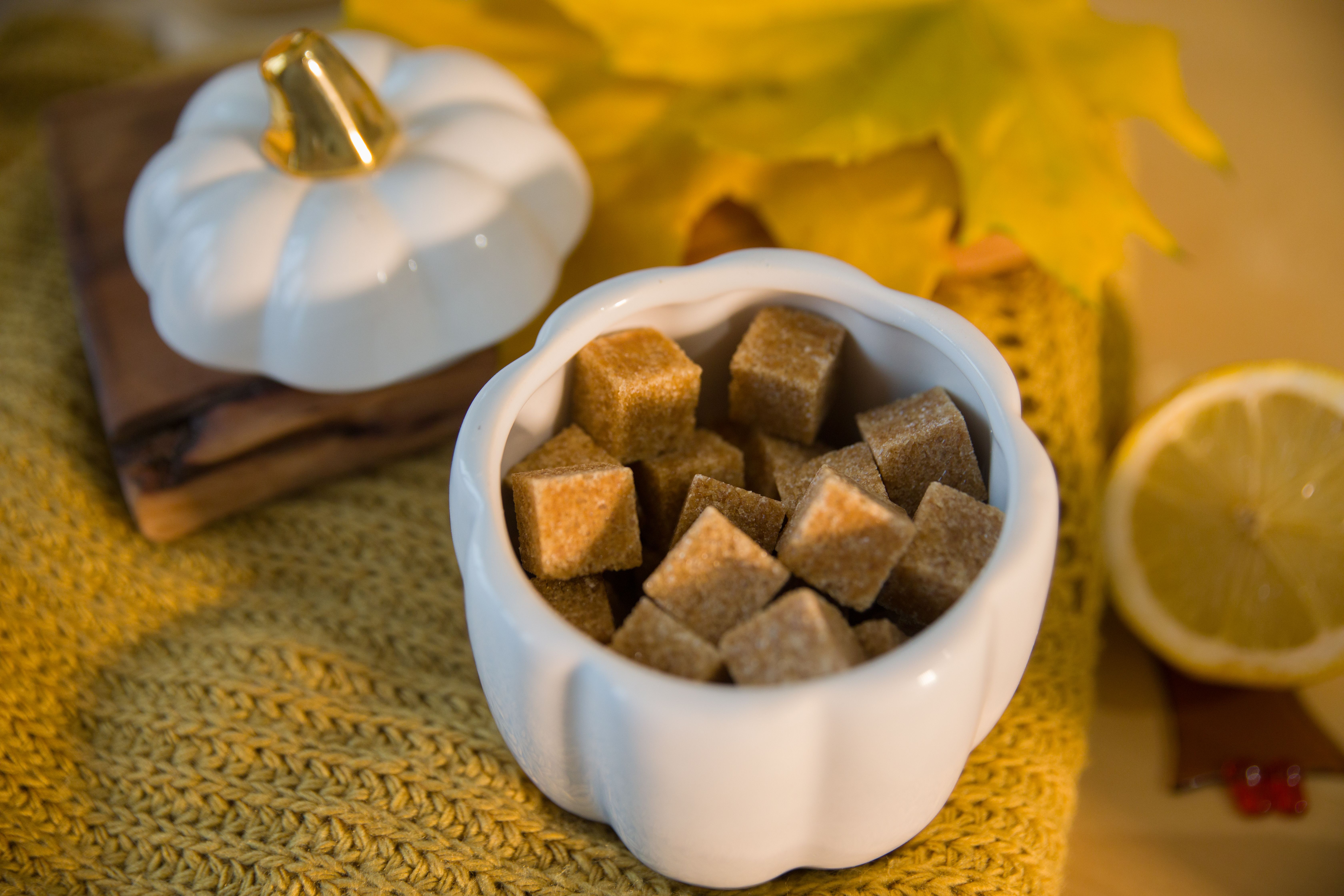
It sounds tidy to sort sugars into good and bad categories, but the reality is more nuanced. The body ultimately breaks down many sugars into the same basic components, whether they come from honey, maple syrup, fruit juice concentrate, or white sugar.
What makes whole fruit different is the package. Fruit comes with fiber, water, and a matrix of nutrients that changes how quickly it is eaten and absorbed. That is very different from drinking large amounts of sugar in sweetened beverages.
Added sugars are a major public health concern, but a halo around all natural sugars can be misleading. Honey in excess is still sugar in excess. Context, dose, and the rest of the food matter more than the word natural on the label.
Food Allergy and Food Intolerance Mean the Same Thing
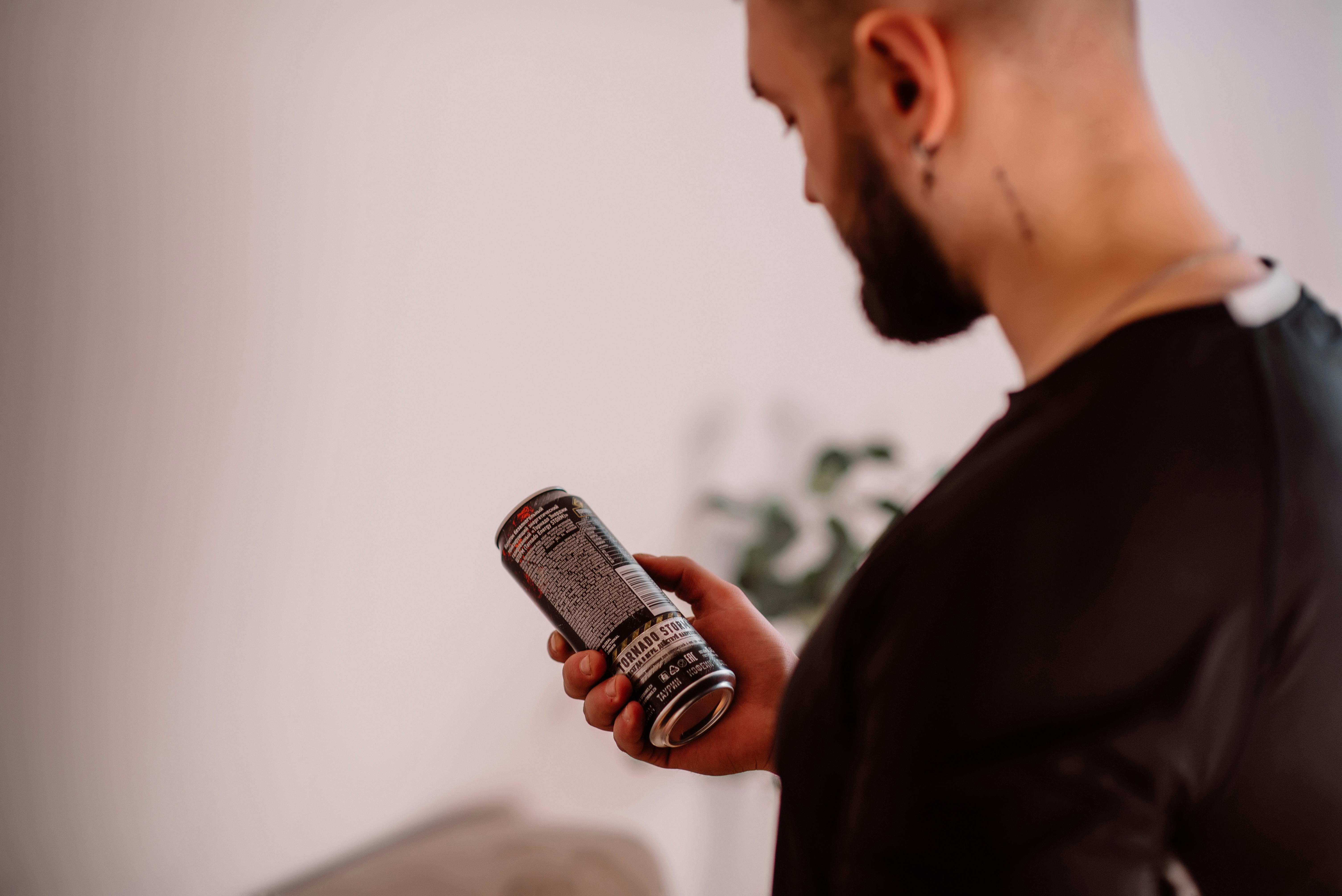
People often use these terms interchangeably, but they describe very different reactions. A food allergy involves the immune system and can trigger symptoms that range from hives and swelling to life-threatening anaphylaxis.
A food intolerance usually does not involve the immune system in the same way. It may cause bloating, cramps, gas, or other digestive symptoms, often depending on how much of a food is eaten. Lactose intolerance is a common example.
That distinction matters because the risks, tests, and management strategies are different. Someone with a true allergy may need strict avoidance and emergency medication, while someone with an intolerance may tolerate small amounts. Treating them as identical can create confusion and real safety problems.