This is the only store-bought salsa worth buying, Mexican Chefs Claim

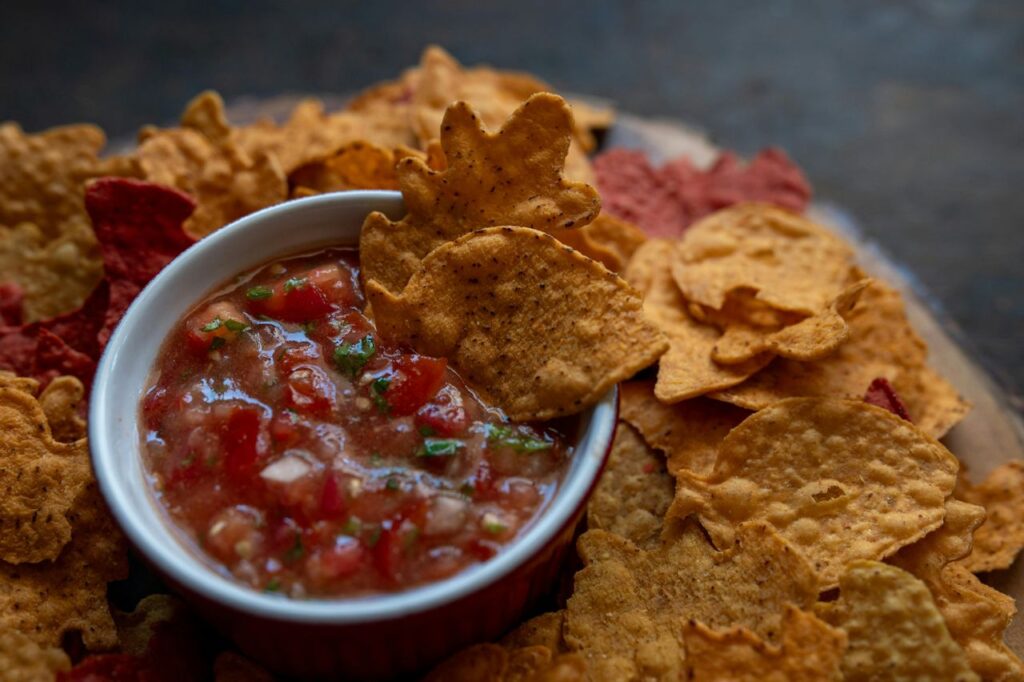
Most jarred salsa disappoints serious salsa lovers. Yet one supermarket option comes up again and again when Mexican chefs are asked which brand actually deserves space on the table.
Why most store-bought salsa falls short
The main complaint chefs make about jarred salsa is not simply that it tastes processed. It is that the flavor balance is usually off from the very first bite. Many brands lean too hard on citric acid, sugar, tomato paste, or cumin, creating a profile that tastes engineered rather than cooked. Instead of tasting like roasted chile, fresh tomato, onion, and lime working together, the result often feels flat, sweet, or strangely metallic.
Texture is another problem. In many commercial salsas, vegetables are diced to survive manufacturing and long shelf life, but that often leaves the jar with a watery body and soft fragments rather than a cohesive spoonful. A good salsa should cling to a chip, coat a taco, and offer some variation in texture. Chefs often point out that when the liquid separates too quickly or the solids feel mushy, the salsa already signals compromise before the flavor even develops.
Then there is heat. Mexican chefs frequently note that many American supermarket salsas confuse spice level with flavor depth. A salsa can be mild yet excellent if the tomato is bright, the chile is fragrant, and the acidity is clean. Likewise, a hot salsa that burns without a roasted backbone or a savory finish misses the point. Great salsa is not just hot. It is layered.
The brand chefs most often respect: Herdez

Among widely available grocery-store brands, Herdez is the one most often praised as the safest, most reliable buy. That does not mean chefs think it is equal to homemade salsa molcajeteada or a freshly blended salsa taquera. It means Herdez tends to stay closer to familiar Mexican pantry flavors than many competitors. For shoppers who want something ready-made, that distinction matters.
Part of Herdez’s reputation comes from its roots in Mexican food production and its long-standing presence in households that already know what salsa should taste like. Chefs and food writers often describe it as a brand that understands restraint. The ingredient lists are usually straightforward compared with ultra-processed competitors, and the seasoning rarely feels as though it was designed for maximum sweetness or shelf-stable punch alone.
Its Salsa Casera line is especially well regarded because it lands in the range many cooks consider usable straight from the jar. The tomato tastes more like tomato, the chile character is clearer, and the onion and garlic come through without overwhelming everything else. In blind tastings by food editors and culinary professionals, Herdez often performs well not because it is dramatic, but because it avoids the most common industrial mistakes.
What sets it apart in flavor, texture, and versatility
Herdez stands out because it usually delivers a more grounded salsa profile. The acidity is noticeable but not harsh, and the tomato base generally tastes less sugary than major mass-market alternatives. In practical terms, that makes it easier to pair with different foods. A salsa that is too sweet can ruin eggs, grilled meats, or beans, while one that is too sharp can dominate delicate fillings.
The texture also works in its favor. Rather than feeling like thin tomato liquid with vegetable bits suspended in it, Herdez often has enough body to sit properly on a tortilla chip or spoon over tacos. That matters in real kitchen use. Home cooks want a jarred salsa that behaves like a condiment, not one that runs across the plate and waters down everything it touches.
Chefs also appreciate versatility. A respectable store-bought salsa should not be limited to snack duty. Herdez can be used as a base for chilaquiles, folded into shredded chicken, spooned over grilled carne asada, or mixed into rice and beans without tasting out of place. That flexibility is one reason it earns approval. Even when a chef plans to doctor it with fresh cilantro, lime, or extra chile, starting with a balanced jar saves time.
Why chef approval still comes with limits

Even chefs who recommend Herdez tend to frame that endorsement carefully. Their point is not that jarred salsa has suddenly reached restaurant quality. Fresh salsa is still fresher, brighter, and more dynamic because volatile aromas from chiles, herbs, and onions are strongest right after preparation. No sealed jar can fully replicate that just-made character, especially after weeks or months on a shelf.
There is also the issue of regional style. Mexican salsa is not one thing, and chefs are quick to remind diners that salsa roja, salsa verde, salsa macha, salsa de árbol, and roasted table salsa all follow different logic. A single store-bought brand cannot represent the full range of Mexican salsas. Herdez earns credit mostly because it performs competently within a common everyday style, not because it covers every regional tradition.
Context matters too. A chef serving handmade barbacoa on fresh tortillas will almost always prefer a salsa made that day, adjusted for salt, acidity, and heat to match the meal. But at home, convenience has value. When time is short, many cooks would rather reach for a jar that is respectable and adaptable than one that needs heavy fixing just to become edible. That is where this recommendation lives.
How to buy the right jar and make it taste even better
If you are buying Herdez, the best approach is to choose a style that matches how you plan to use it. Salsa Casera is the broadest crowd-pleaser, especially for chips, tacos, eggs, and grilled meats. Salsa Verde works better with chicken, pork, and dishes where tomatillo brightness is welcome. Heat level should be secondary to flavor, because you can always add fresh serrano, chile de árbol, or hot sauce later.
Once opened, treat jarred salsa like a base, not a finished masterpiece. A squeeze of lime can sharpen the flavor, while chopped cilantro adds freshness that shelf-stable products naturally lack. If the salsa tastes too cold and muted straight from the refrigerator, let it sit briefly before serving. Even ten to fifteen minutes at room temperature can make the tomato, chile, and aromatics feel more expressive.
For a quick upgrade, many cooks stir in finely diced white onion, fresh jalapeño, or a spoonful of roasted tomatoes. That kind of adjustment is exactly why Herdez works so well as the starting point. It is balanced enough to use immediately, but neutral enough to welcome improvement. In a category full of oversalted, sugary, or oddly sweet jars, that makes it the closest thing to the only store-bought salsa worth buying.