12 Restaurants Known for Creative Raw Food Dishes


Raw food has long been associated with simplicity, but in the hands of skilled chefs, it becomes something far more expressive. Around the world, select restaurants treat raw ingredients not as unfinished, but as the final and honest form of a dish. Texture, temperature, knife work, aging, and seasoning replace heat, allowing natural flavor to speak clearly. These kitchens prove creativity does not always come from cooking longer or harder. It comes from understanding ingredients deeply and knowing when to leave them untouched. The result is raw food that feels refined and satisfying, offering diners a fresh way to experience flavor.
1. Nobu

Nobu approaches raw food as a balance between purity and boldness. The restaurant is known for transforming sashimi through carefully calibrated sauces, citrus, oils, and subtle heat rather than cooking. Raw fish is sliced with precision to control texture, then paired with ingredients like yuzu, soy, chili, or olive oil to create contrast without masking freshness. The kitchen also considers fat content, aging, and cut selection to ensure raw dishes feel satisfying rather than delicate. Nobu’s success lies in making raw food approachable to diners who may be hesitant, proving that raw dishes can feel expressive, rich, and complete when handled with intention.
2. Sushi Saito

Sushi Saito treats raw fish as a finished product rather than a base ingredient. Every step before service determines the final experience, from sourcing and aging to knife technique and rice temperature. Fish is aged carefully to improve texture and deepen umami, challenging the assumption that raw means freshly cut. Rice is seasoned lightly and paired precisely to support rather than dominate the fish. Timing is essential, as each piece is served immediately to preserve balance. The experience highlights restraint and discipline, where raw food relies on technical mastery instead of embellishment.
3. Eleven Madison Park

Eleven Madison Park has used raw elements to redefine luxury on the plate. Raw vegetables, seafood, and plant-based components are often presented with fermentation, curing, or precise seasoning to add depth without heat. Texture contrast is central, pairing crisp raw produce with smooth purées or emulsions. The restaurant treats raw dishes as intentional courses rather than interludes. Each component is chosen for ripeness and structure, ensuring the dish feels complete. By integrating raw food into a broader narrative, Eleven Madison Park shows that raw preparations can be emotionally engaging and technically complex while remaining accessible to diners.
4. RAW Copenhagen

RAW Copenhagen builds entire menus around raw techniques without sacrificing satisfaction. Instead of cooking, the kitchen relies on soaking, dehydration, fermentation, and blending to create flavor and texture. Nuts become creamy bases, vegetables gain sweetness through dehydration, and acids provide balance. The focus is on nutrient density and digestibility while still delivering visual appeal. Ingredients are layered thoughtfully so dishes feel structured rather than assembled. RAW Copenhagen proves that raw cuisine can be filling and nuanced when technique replaces heat as the primary tool.
5. Gauthier Soho

Gauthier Soho uses raw components to elevate plant-based dining. Raw vegetables are shaved, pressed, or marinated to alter texture and release natural flavors. Acidity, oils, and herbs are applied with precision to avoid heaviness. Raw dishes are integrated seamlessly into refined plates, ensuring they feel intentional rather than virtuous. The kitchen treats raw produce with the same respect given to traditional proteins. This approach demonstrates that raw food can belong in elegant dining spaces without feeling restrictive or incomplete. Careful portioning and plating ensure the dishes feel balanced and satisfying.
6. Arpège

Arpège highlights raw vegetables as expressions of season and soil. Produce is selected at peak maturity, when flavor requires minimal intervention. Raw preparations focus on knife work, salt balance, and natural sweetness. The absence of heat allows subtle flavors to remain intact. Raw dishes are designed to feel indulgent through portioning and composition rather than richness. Arpège shows that raw food can feel luxurious by honoring ingredient quality and restraint. Vegetables are often sourced directly from the restaurant’s own gardens, which tightens control over freshness. Serving produce raw also preserves delicate aromas that cooking would mute.
7. Kajitsu
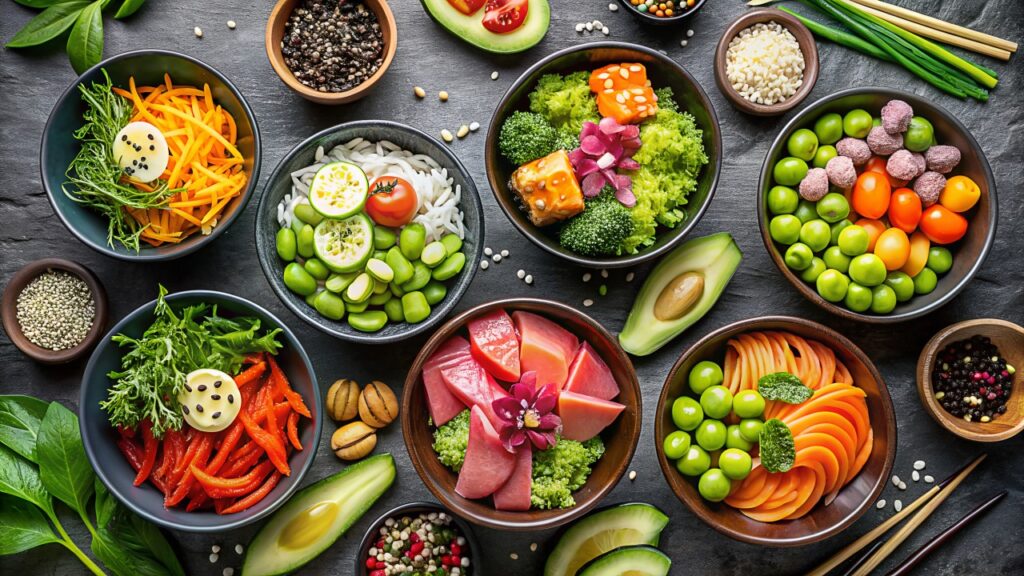
Kajitsu’s raw dishes stem from shojin philosophy, emphasizing purity and balance. Vegetables are prepared to preserve natural moisture and sweetness. Knife work is used to control texture and digestion. Raw elements are paired with gentle seasonings that enhance rather than dominate. The result is food that feels calming and intentional. Kajitsu demonstrates that raw cuisine can be deeply satisfying through simplicity and mindfulness rather than intensity. Each dish is designed to create harmony rather than contrast. Ingredients are chosen for how they make the body feel, not just how they taste. Temperature is kept close to ambient to avoid shock to the palate.
8. Blue Hill at Stone Barns

Blue Hill at Stone Barns uses raw dishes to showcase the the peak of the agricultural season. Vegetables and dairy are often served raw to highlight freshness and terroir. Minimal seasoning allows natural flavors to stand forward. Texture and temperature are carefully considered so raw food feels composed. Raw dishes reinforce the connection between land and plate. The approach emphasizes timing and sourcing as essential components of raw cuisine. Produce may be harvested the same day it is served. Raw preparations change frequently based on what the farm provides. This keeps dishes seasonal and unpredictable. The raw courses function as snapshots of the landscape at a specific moment.
9. Sukiyabashi Jiro

Sukiyabashi Jiro elevates raw fish through discipline and repetition. Fish is aged, trimmed, and sliced to exact standards. Rice temperature and seasoning are calibrated for each type of fish. Raw food here is about consistency and precision rather than novelty. Each bite reflects decades of refinement. The restaurant proves that raw cuisine can reach perfection through focus and repetition. Fish is never rushed from market to plate. Aging is used to improve texture and deepen umami. Timing between preparation and service is tightly controlled. The experience depends on trust in the process rather than surprise.
10. Plant Food + Wine

Plant Food + Wine builds richness into raw cuisine through technique. Nuts, seeds, and vegetables are transformed into layered dishes using soaking, blending, and dehydration. Raw ingredients are structured to mimic traditional courses, offering familiarity without heat. The menu demonstrates that raw food can feel indulgent and complete when texture and fat are handled carefully. Sauces are emulsified to add body and mouthfeel. Dehydration creates contrast where crunch is expected. Portions are plated to feel composed rather than sparse. This approach helps raw food appeal beyond strictly raw-focused diners.
11. Osteria Francescana

Osteria Francescana uses raw elements as emotional and conceptual tools. Ingredients are presented raw to highlight contrast, memory, and expectation. Texture and temperature are manipulated to create surprise. Raw food here is not about minimalism, but about intention. It challenges diners to reconsider what raw can represent beyond simplicity. Raw components often appear briefly within larger narratives. They are placed to interrupt or reset the palate. The focus is on how raw textures change perception. This makes raw food part of storytelling rather than a standalone category. Each raw element is designed to evoke thought as much as taste.
12. Sushi Sho
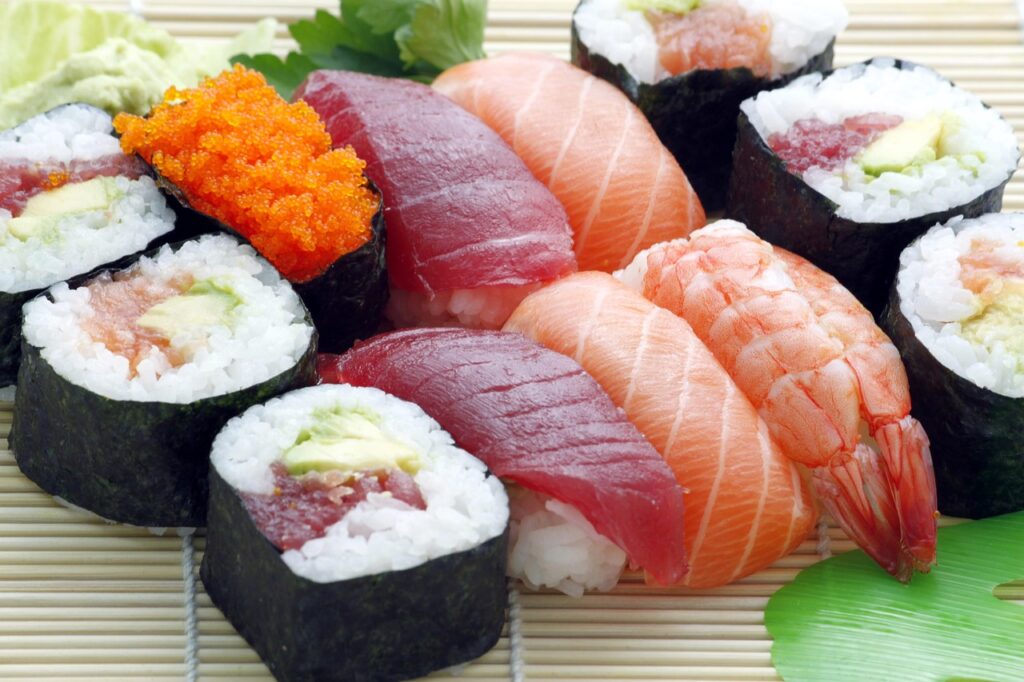
Sushi Sho pushes raw cuisine forward through advanced fish aging and preparation. Fish is treated to enhance umami and texture before service. Knife technique and timing are essential. Raw seafood is presented at its optimal moment rather than its freshest. Sushi Sho shows that raw food can be improved through controlled transformation rather than immediacy. Aging schedules vary by species and cut. Moisture levels are carefully managed to avoid drying. Each slice is adjusted based on resistance and fat content. The result is raw fish that feels fuller and more complex than expected. This precision allows subtle flavors to linger longer on the palate.