11 Sushi Styles That Feel Over the Top but Are Fun to Try

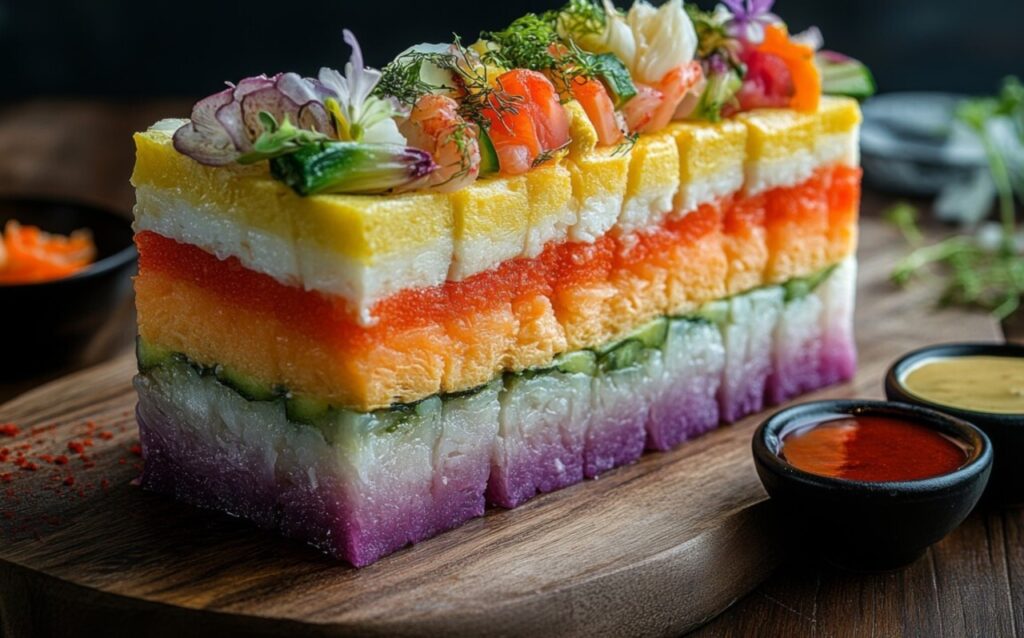
Sushi has a reputation for elegance, restraint, and quiet precision, but not every roll plays by those rules. Over the years, chefs and restaurants have pushed sushi into bold, playful territory, layering it with rich toppings, dramatic presentations, and unexpected textures. These styles often turn tradition on its head, trading subtlety for spectacle and balance for indulgence. They are fun to order, exciting to share, and memorable to eat. These sushi creations are less about following strict tradition and more about enjoying the experience, proving that sometimes going over the top is exactly the point.
1. Rainbow Roll
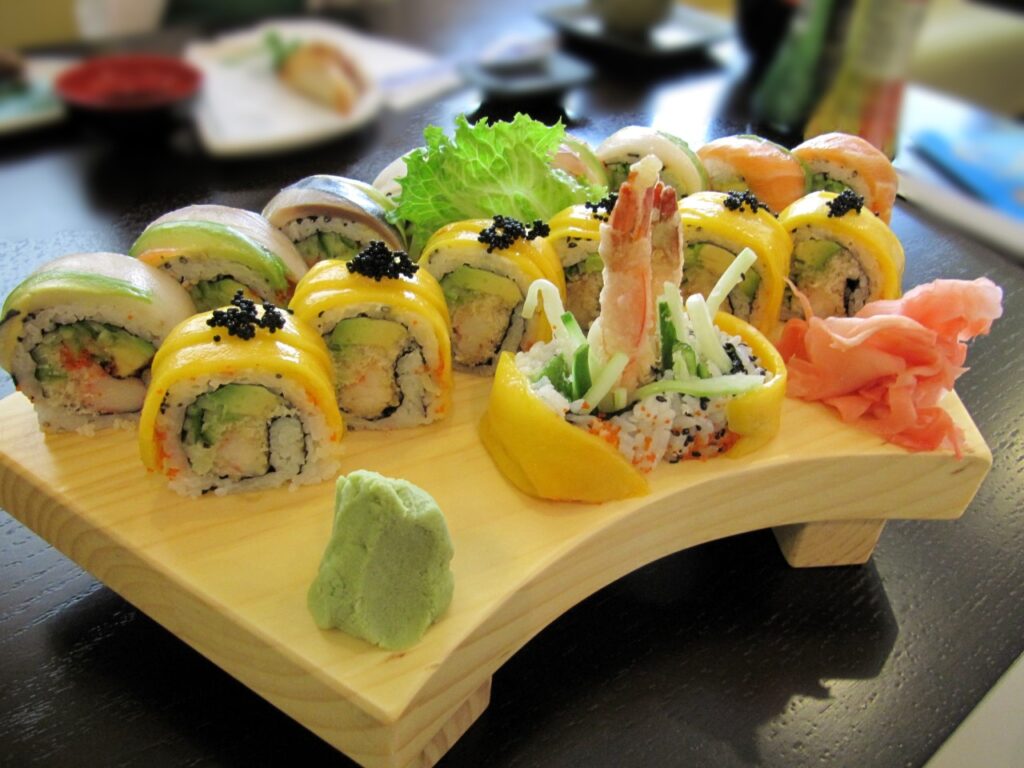
The rainbow roll is designed to impress before the first bite is taken. Multiple types of raw fish are layered across the top, usually tuna, salmon, yellowtail, and shrimp, creating a colorful surface that feels almost theatrical. What makes it feel over the top is not just the look, but the variety of textures and flavors packed into a single roll. Each slice delivers a different balance depending on which fish lands on your bite. Underneath, the filling is usually simple, often crab or avocado, acting as a neutral base. This style works because the fish are cut thin and arranged carefully, preventing the roll from feeling heavy.
2. Dragon Roll
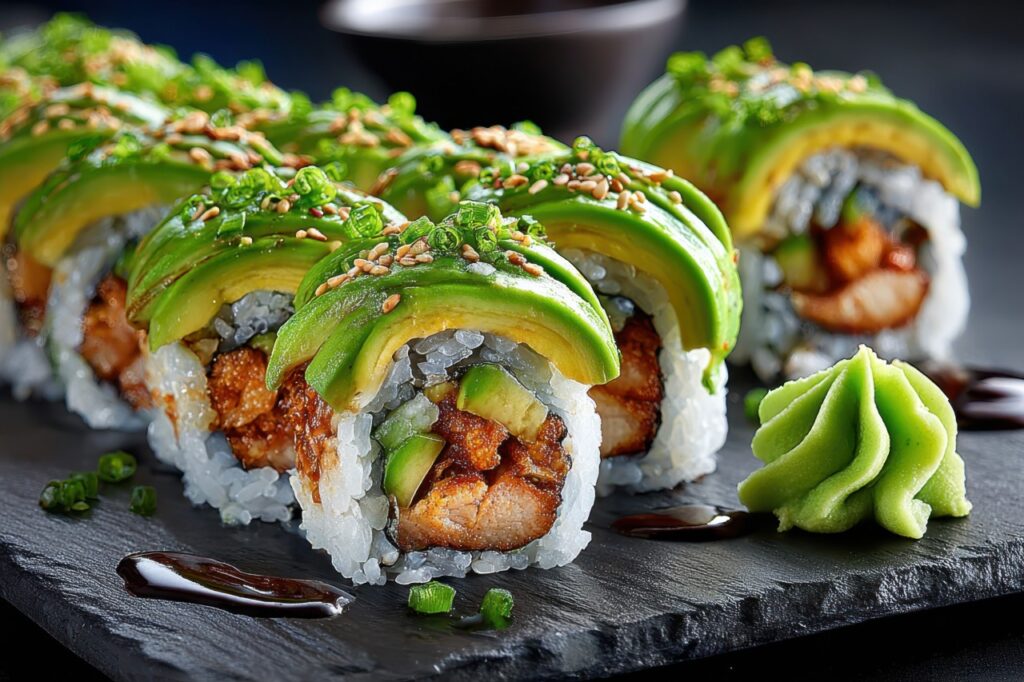
The dragon roll leans heavily into presentation and richness. Typically built with eel or shrimp tempura inside and layered avocado on top, it is often finished with sauces that add sweetness and umami. The roll earns its dramatic name from the way avocado slices are arranged to resemble scales. What makes it feel excessive is the combination of fatty ingredients stacked together. Eel sauce, avocado, and fried elements create a dense bite that borders on indulgent comfort food. Despite this, the roll remains fun because the flavors are familiar and balanced. The sweetness of the sauce offsets the savory eel, while rice and avocado soften the richness.
3. Volcano Roll
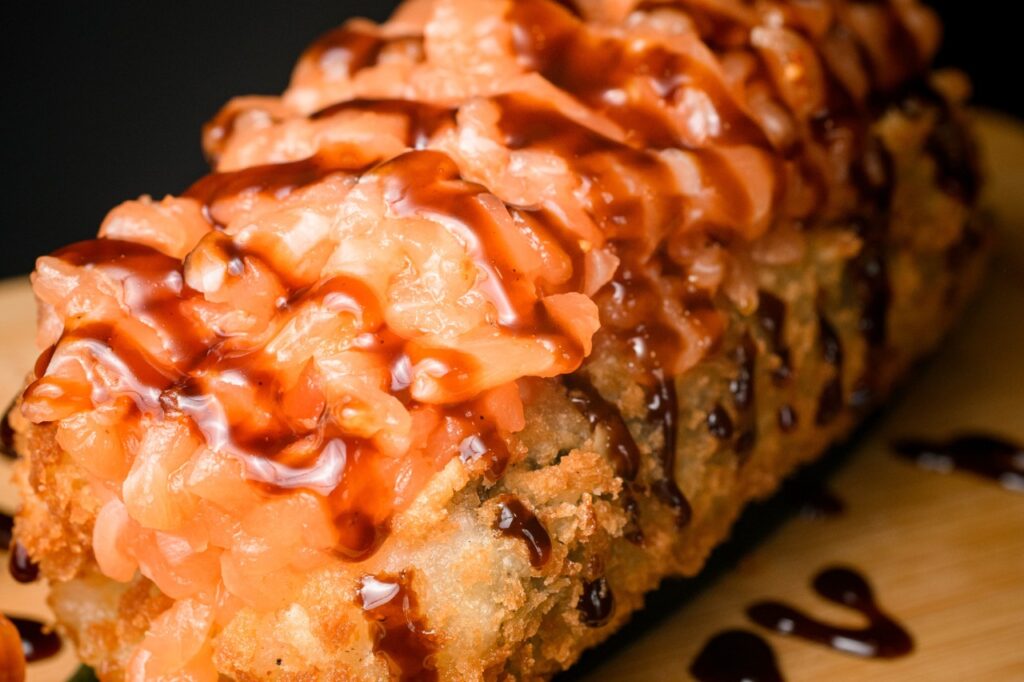
The volcano roll intentionally breaks sushi tradition by adding heat, both in temperature and spice. Instead of being served entirely cold, it is topped with a warm mixture of seafood, spicy mayo, or sauce that is briefly heated. This creates a contrast between cool rice and warm topping that feels dramatic and indulgent. The roll often looks messy, with sauce cascading over the sides, which adds to its over-the-top appeal. Purists may resist it, but its popularity comes from how approachable it feels. The warmth brings out aroma and richness, while spice keeps the flavors bold. It feels less like classic sushi and more like a playful fusion dish designed for comfort and excitement.
4. Sushi Burrito
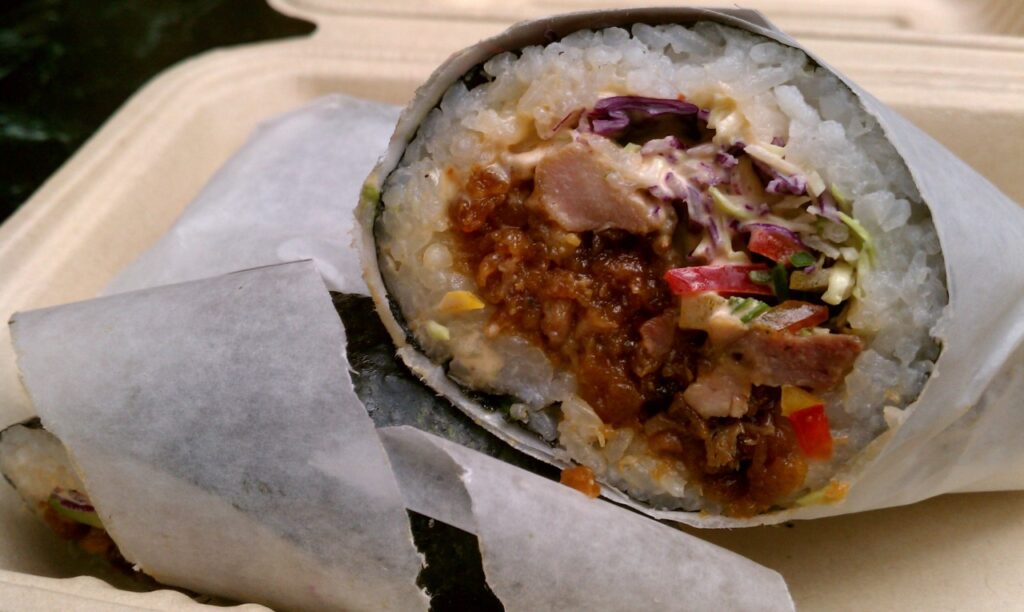
A sushi burrito abandons precision in favor of size. Wrapped in seaweed and packed with rice, fish, vegetables, and sauces, it is meant to be eaten by hand rather than chopsticks. What makes it feel outrageous is its scale. It contains the volume of several rolls in one piece. Structurally, it challenges balance, since too much rice or sauce can overwhelm the fish. When done well, however, the larger format allows contrasting textures to stand out. Crunchy vegetables, soft fish, and seasoned rice all play a role. It is fun because it removes formality and turns sushi into street food, prioritizing abundance over elegance.
5. Gold Leaf Sushi
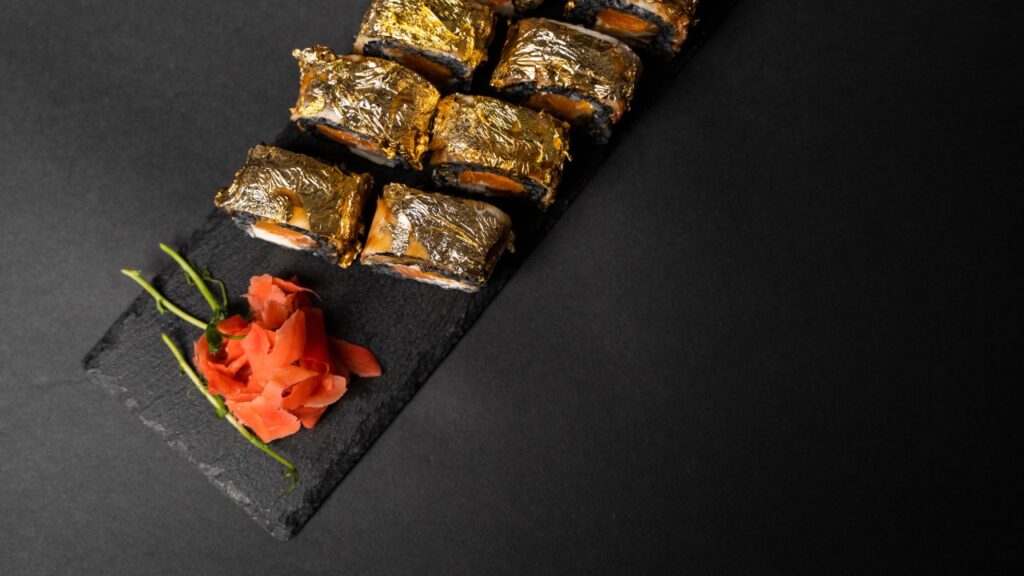
Gold leaf sushi is extravagant by design. Thin sheets of edible gold are placed over nigiri or rolls, instantly transforming simple sushi into a luxury symbol. The gold adds no flavor or texture, which is exactly why it feels excessive. The experience is about visual impact and novelty rather than taste. From a culinary perspective, the sushi beneath still needs to be well made, since gold cannot hide poor quality fish or rice. This style exists primarily for celebration, social media, and curiosity. Trying it once is fun because it reframes sushi as spectacle. It highlights how presentation alone can dramatically change the perception of a dish.
6. Foie Gras Sushi
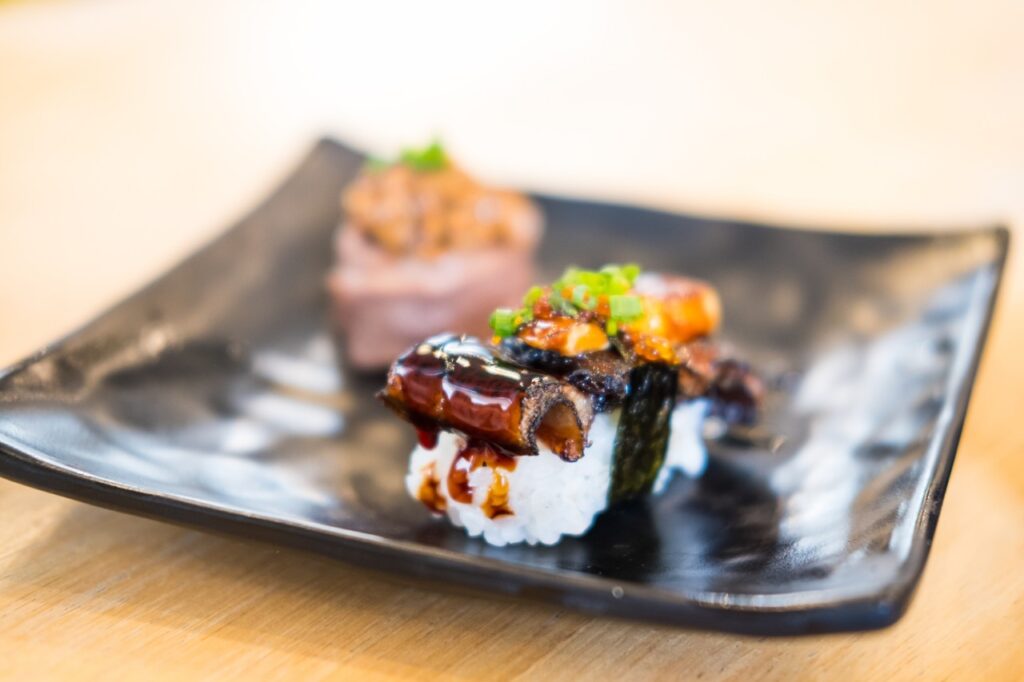
Foie gras sushi pushes richness to its limits. Foie gras is seared lightly or torched and placed atop rice or fish, adding a level of fatness rarely associated with sushi. The texture is soft, almost creamy, melting quickly in the mouth. What makes it feel over the top is how intense the flavor is compared to traditional fish. The rice becomes a carrier for richness rather than balance. When paired carefully with acidity or salt, it can be surprisingly harmonious. It is not something most people would eat often, but as a one-time experience, it shows how sushi can stretch into fine dining territory without losing its identity.
7. Deep-Fried Sushi Rolls
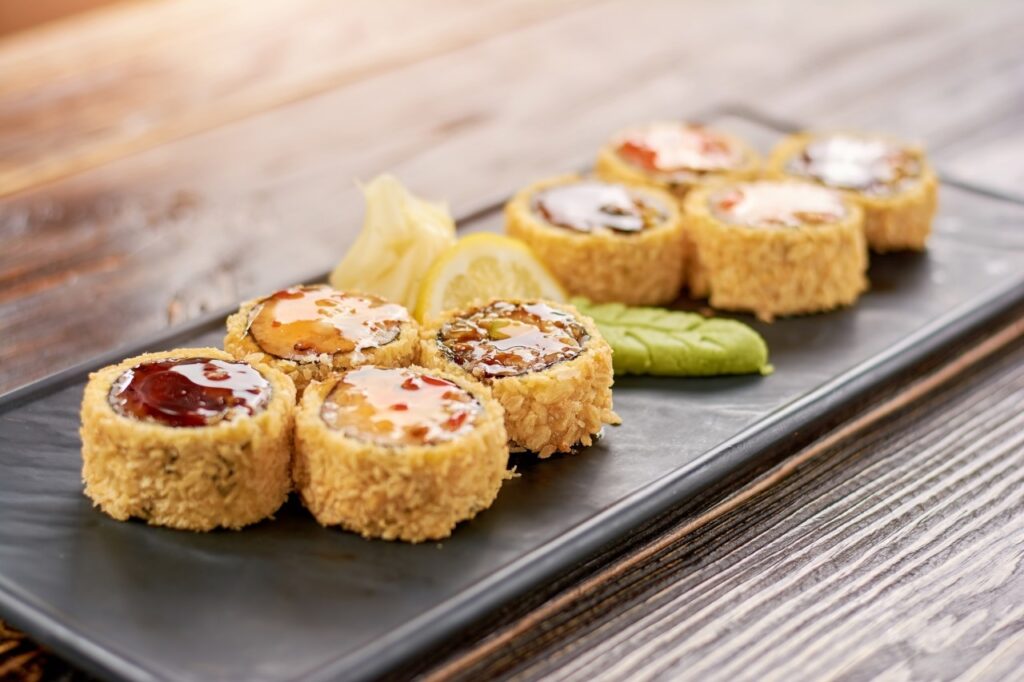
Deep-fried sushi rolls replace restraint with crunch. The entire roll is battered and fried, turning the exterior crisp while warming the interior. This style feels indulgent because it adds oil and heat to a dish traditionally valued for freshness. The frying softens fish and rice, blending textures into something closer to comfort food. Despite this, it remains popular because the contrast between crunchy coating and soft center is satisfying. It appeals to diners who enjoy familiar fried foods but want the flavors of sushi. While far from traditional, it succeeds by being unapologetically fun.
8. Truffle Sushi
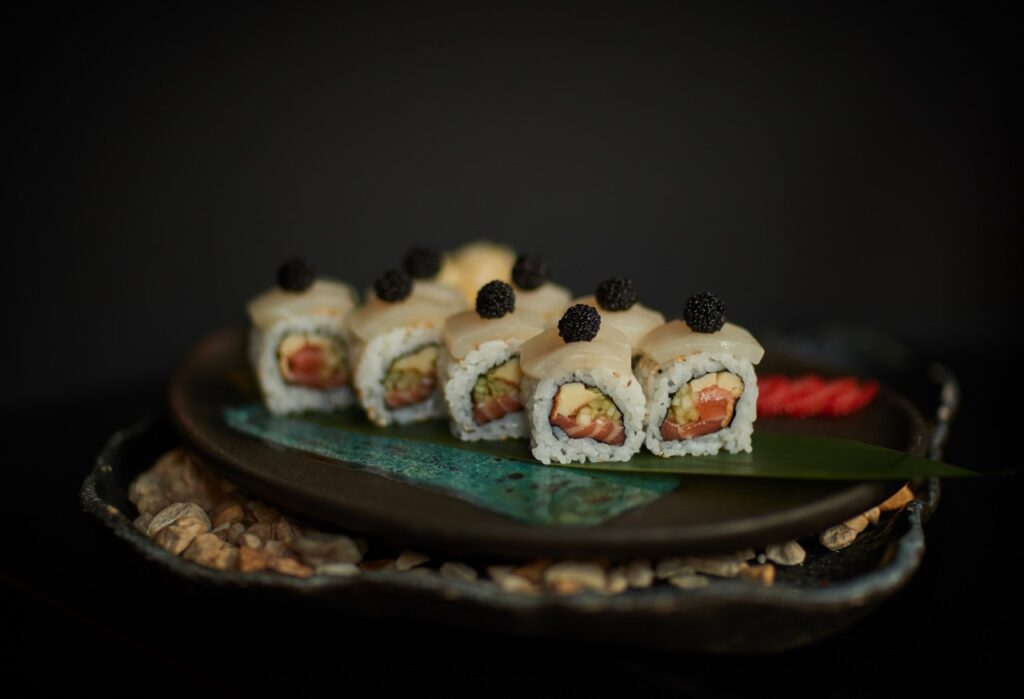
Truffle sushi introduces luxury aroma into an otherwise clean dish. Truffle oil or shaved truffle is added sparingly, though sometimes not as sparingly as intended. The smell is intense and can easily dominate delicate fish. This is what makes it feel excessive. When balanced carefully, truffle adds earthiness that complements fatty fish like tuna or scallop. When overused, it overwhelms everything else. The appeal lies in the drama of aroma hitting before flavor. Trying it is enjoyable because it challenges expectations and highlights how scent alone can redefine sushi. It turns sushi into a sensory experience driven as much by smell as by taste.
9. Lobster Roll Sushi
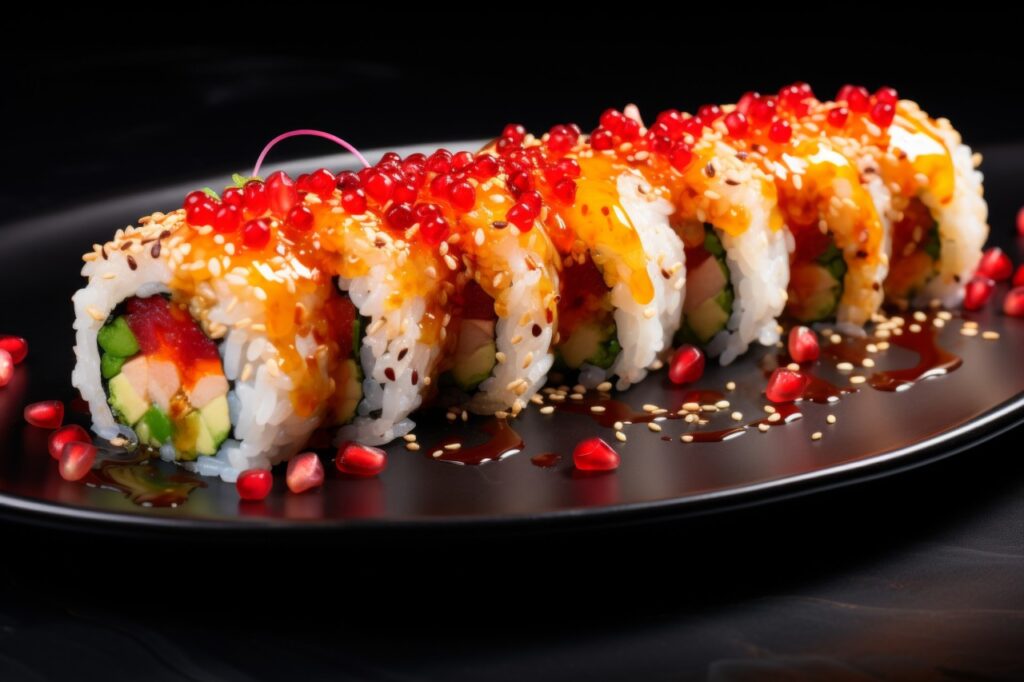
Replacing fish with lobster instantly raises the sense of occasion. Lobster is sweet, firm, and associated with celebration rather than everyday dining. In sushi form, it is often paired with rich sauces or butter, amplifying indulgence. The roll feels over the top because lobster already carries status, and sushi adds another layer of craft. Texturally, lobster provides a different chew compared to fish, making each bite distinct. It is fun to try because it combines two luxury foods into one playful format. The experience is less about subtlety and more about treating sushi as a special event.
10. Sushi Pizza
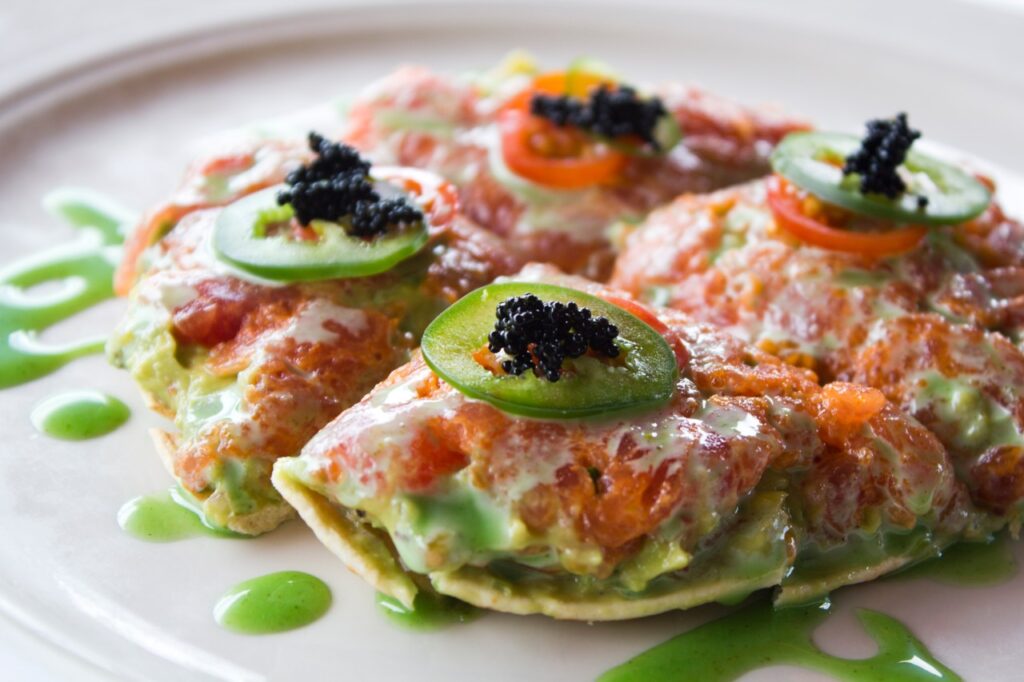
Sushi pizza abandons nearly every rule. A crispy rice base replaces dough, and toppings mirror sushi ingredients layered like pizza. What makes it feel outrageous is how far it strays from tradition while still borrowing familiar elements. The rice is often pressed and fried, creating crunch and structure. Toppings can include raw fish, sauces, and garnishes. The result is a dish meant for sharing and visual impact. It works because the crisp base adds contrast and supports bold flavors. It is fun precisely because it does not try to be authentic. It tries to be entertaining. The format encourages experimentation, allowing chefs to play freely with flavors and textures.
11. Tower Sushi
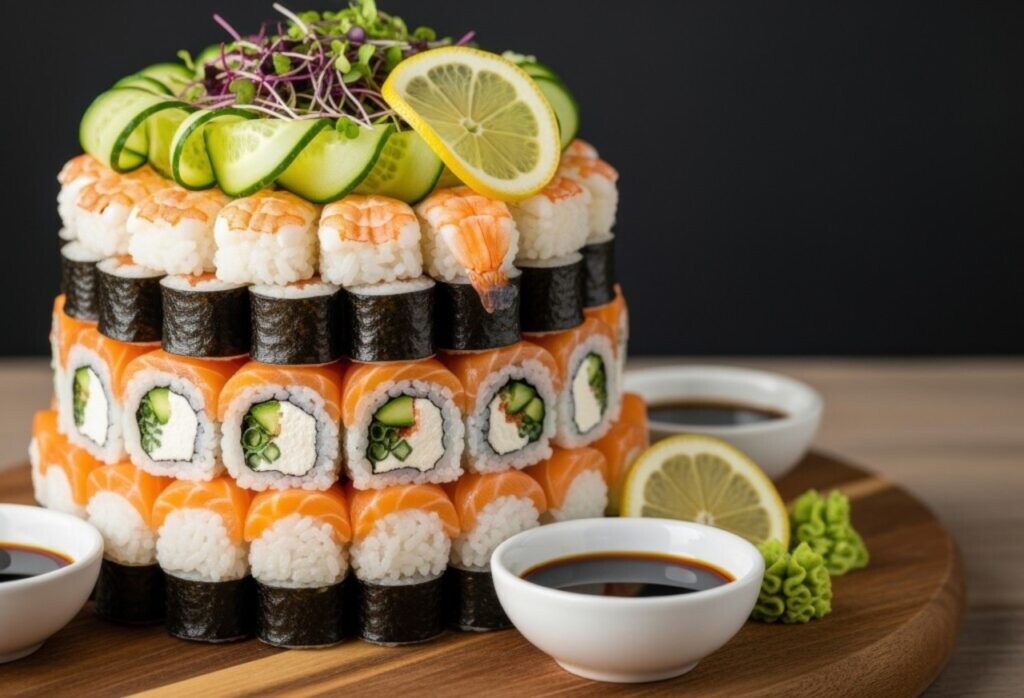
Tower sushi focuses on height and layering rather than rolling. Ingredients are stacked vertically, often using a mold, creating a dish that looks more like a sculpture than sushi. What makes it feel over the top is the emphasis on presentation over practicality. Each layer is visible, showcasing fish, rice, and toppings separately. Diners mix bites themselves, controlling flavor balance. This style encourages sharing and conversation, making it social rather than formal. It is fun because it turns eating into an interactive experience. While impractical for purists, it highlights sushi as both food and performance.