10 Home Cooking Habits That Increased Because of Remote Work

Working from home didn’t just change where we answer emails. It quietly reshaped how we eat. Without commutes, office snacks, or rushed takeout runs, the kitchen became part of the daily rhythm. People started cooking more often, prepping ahead, experimenting with recipes, and relying less on convenience food. What began as a necessity slowly turned into habit. From batch cooking to midday baking breaks, these small shifts added up, transforming home kitchens into the center of everyday life. Here’s a closer look at the cooking habits that grew naturally once remote work became the norm.
1. Cooking More Meals From Scratch Became the New Default Routine
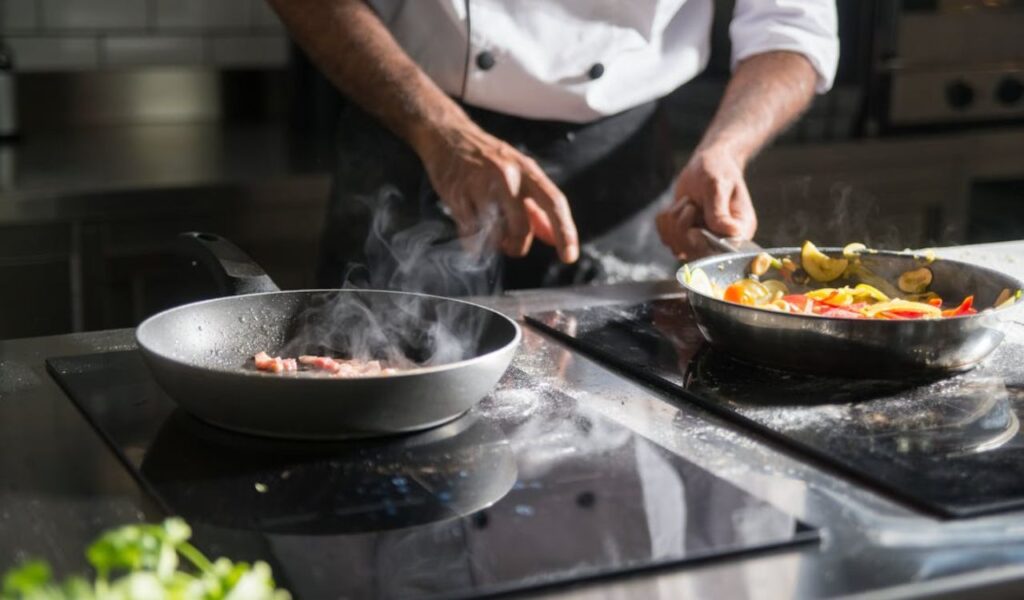
Here’s the thing. Once the commute disappeared, people suddenly gained an extra hour or two each day. That extra time naturally drifted toward the kitchen. Instead of grabbing fast food between errands or picking up takeout on the way home, many remote workers started cooking breakfast and lunch themselves. Eggs replaced breakfast sandwiches, and simple stovetop meals replaced delivery apps. Preparing food from whole ingredients also gave people better control over salt, oil, and portion sizes. Over time, scratch cooking stopped feeling like a weekend project and became an everyday habit. The shift was practical, not trendy. Cooking at home costs less, reduces packaging waste, and feels more predictable during uncertain schedules. What this really means is that the kitchen has gone from a backup plan to the main source of daily meals.
2. Batch Cooking Turned Weekdays Into Reheat and Relax Days

One smart strategy quietly took over remote kitchens. Cook once, eat several times. With fewer interruptions at home, people began preparing larger quantities of soups, grains, roasted vegetables, and proteins at the start of the week. This approach saved both time and mental energy. Instead of deciding what to cook three times a day, meals were already half done. Containers of rice, chicken, or chopped vegetables made it easy to build lunches in minutes. Batch cooking also reduced food waste because ingredients were used with intention rather than forgotten in the fridge. The appeal was simple. Spend one focused hour cooking, then coast through busy days without stress. For many households, this method felt like a quiet productivity hack that made healthy eating realistic rather than idealistic.
3. Snacking Increased Because the Kitchen Was Always Within Reach

Working from home changed one basic reality. The fridge was only a few steps away. Without an office structure, many people found themselves grazing throughout the day. Instead of fixed meal breaks, they grabbed yogurt, fruit, toast, or leftovers between emails and meetings. This led to more homemade snacks replacing vending machine or convenience store options. People started prepping cut vegetables, boiled eggs, trail mixes, and dips because it was easier to reach for something ready than to cook repeatedly. The downside was mindless eating, but the upside was better ingredient quality and fresher food. The habit revealed how the environment shapes behavior. When your kitchen is part of your workspace, food becomes more accessible and more frequent, for better or worse.
4. Health Focused Cooking Felt Easier Without Office Temptations
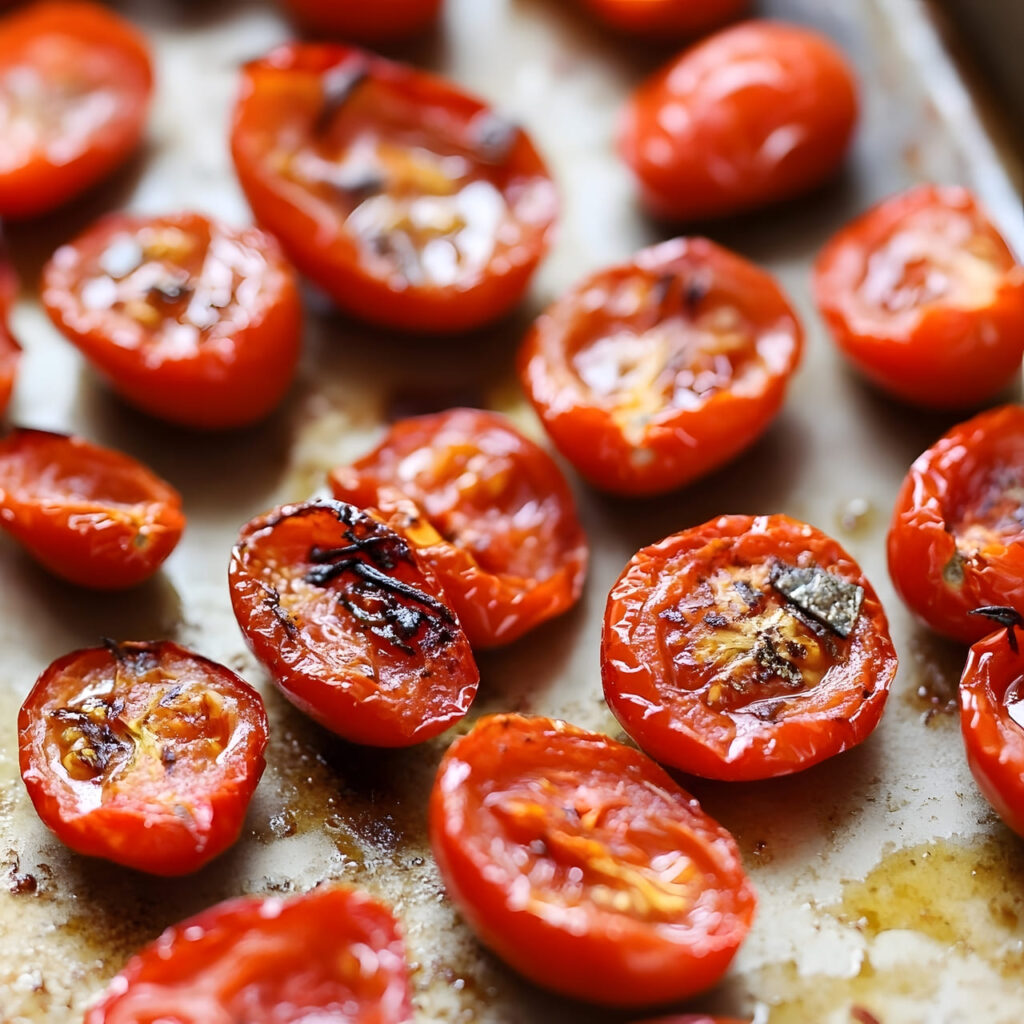
Remote work quietly removed a lot of common food traps. No office donuts. No last-minute takeout runs. No vending machines. With those distractions gone, people began cooking meals that aligned more closely with their health goals. More vegetables, lean proteins, and home-prepared dishes showed up on plates simply because they were available. Reading labels became easier when groceries were at home, and portion control felt more manageable without oversized restaurant servings. Many households also started experimenting with lighter cooking methods such as roasting, steaming, and air frying. The change was not about strict dieting. It was about convenience. When healthy food is already in your kitchen, it naturally becomes the easiest choice.
5. Trying New Recipes Became a Low-Risk Hobby

With extra time between meetings and fewer evening commitments, cooking turned into a small creative outlet. People who once stuck to the same five meals began exploring new cuisines and techniques. Homemade pasta, stir fries, breads, and international dishes suddenly felt achievable. The stakes were low. If a recipe failed, there was always another chance tomorrow. Online tutorials and social media made experimenting even easier by breaking complex dishes into simple steps. This habit added variety to weekly menus and helped people build real kitchen confidence. Instead of cooking only for necessity, many started cooking for curiosity. That shift changed the relationship with food from routine maintenance to something a bit more enjoyable and personal.
6. Kitchen Gadgets Finally Earned Their Counter Space
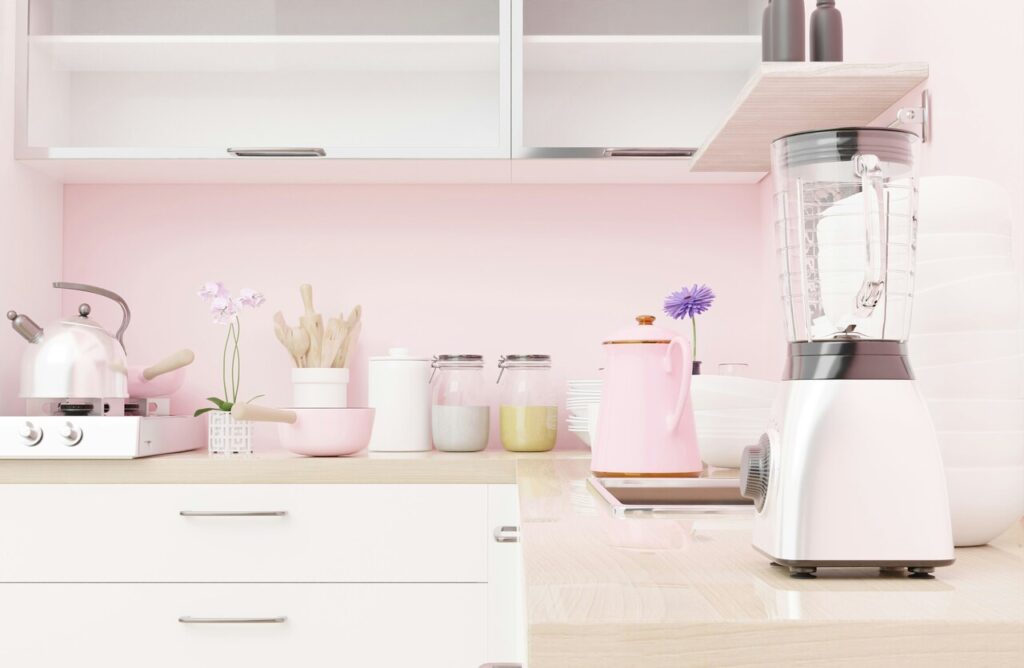
Remote work also increased the use of appliances that once gathered dust. Slow cookers, pressure cookers, and air fryers became daily tools rather than occasional novelties. These gadgets fit perfectly into a home workday. You could start a meal in the morning and let it cook while answering emails. By lunchtime or dinner, food was ready with minimal effort. This hands-off approach made home cooking feel less demanding. It also helped people avoid the temptation to order delivery when work ran late. The practicality is what made these tools stick. They saved time, reduced cleanup, and produced consistent results. For many households, they turned complicated meals into something almost automatic.
7. Homemade Lunches Replaced Midday Takeout Runs
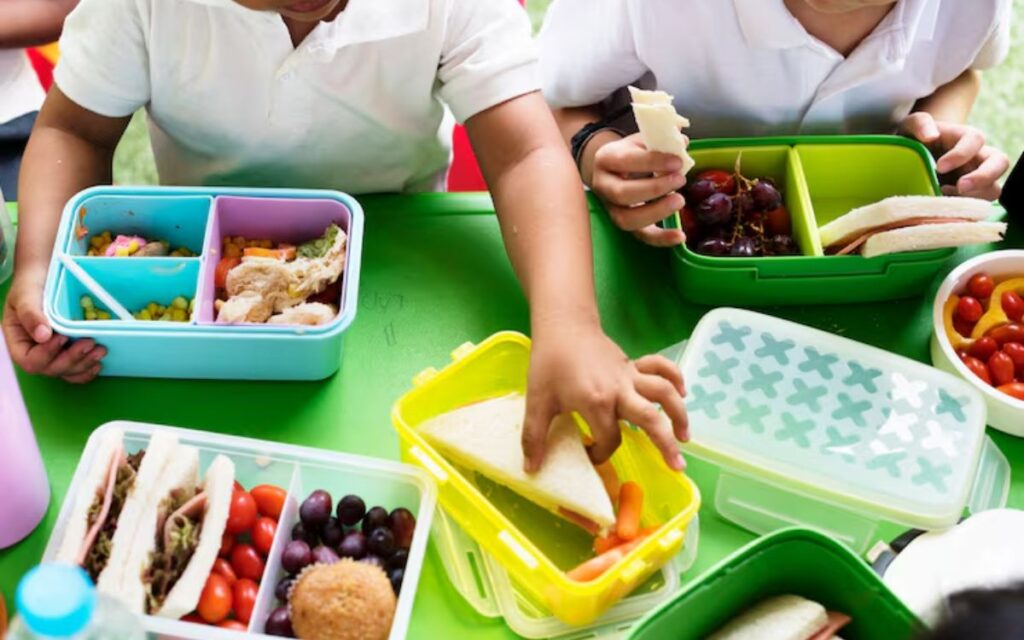
Lunch used to mean stepping out of the office or ordering something quick. Working from home changed that rhythm entirely. Suddenly, leftovers or simple homemade meals were faster than delivery. People began assembling grain bowls, sandwiches, soups, or salads using whatever was already in the fridge. This saved money and trimmed down excess calories that often come with restaurant portions. It also cut down on wasted time waiting for food to arrive. Preparing lunch became part of the daily routine, much like making coffee. Over time, this small shift added up. Fewer impulse purchases, less packaging waste, and more balanced meals became the norm rather than the exception.
8. Baking Became a Comfort Ritual Rather Than a Special Occasion
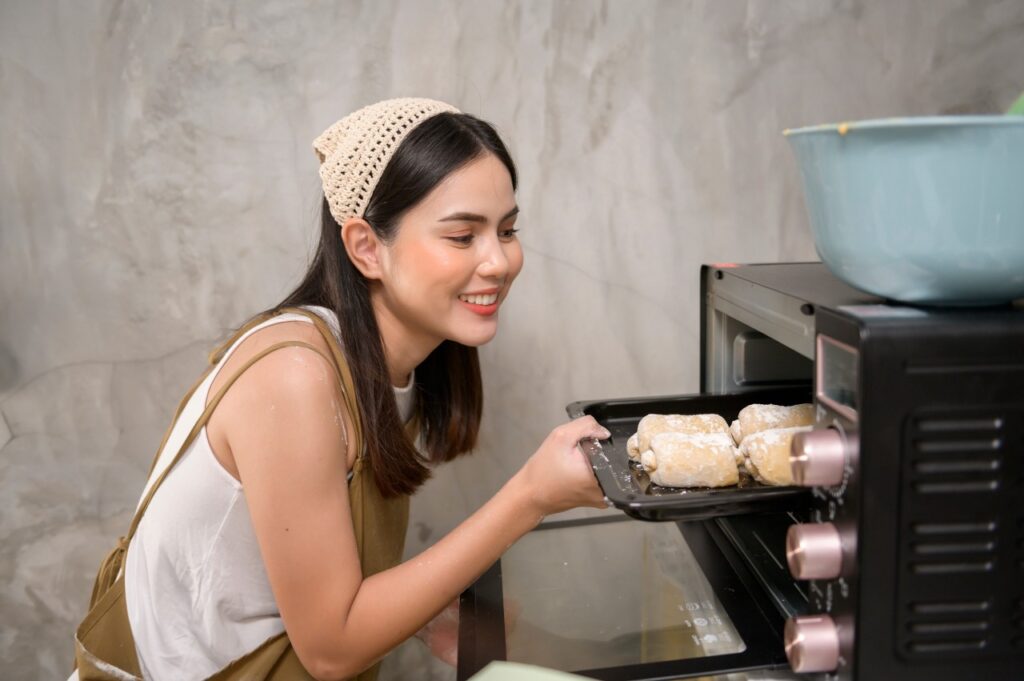
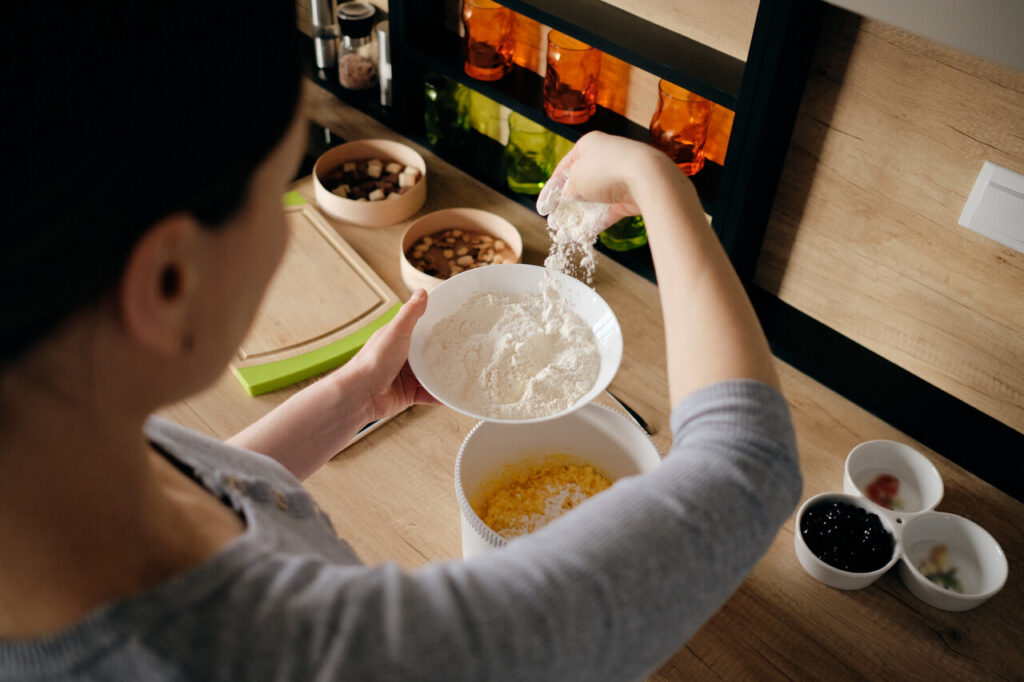
Something about being home all day made baking feel comforting. The smell of bread or cookies in the oven created a sense of normalcy and warmth, especially during stressful periods. Many people started baking simple loaves, muffins, or cakes during breaks because the process felt calming and hands-on. Baking also provided treats for the household without needing store-bought desserts. The activity-filled downtime was productive and delivered a clear reward at the end. Unlike complex cooking, baking follows predictable steps, which makes it approachable even for beginners. For a lot of families, it became less about indulgence and more about creating small daily pleasures.
9. Home Coffee and Drinks Replaced Expensive Cafe Stops

When commuting stopped, so did daily coffee shop visits. Instead, people began recreating their favorite drinks at home. Basic drip machines, French presses, and milk frothers suddenly saw heavy use. Some even experimented with cold brew, smoothies, or fresh juices. Making drinks at home saved a surprising amount of money over time and allowed better control over sugar and portion sizes. It also fit neatly into the remote work routine. Brew a cup between calls and get back to work. This small habit made mornings feel more relaxed and intentional. What used to be a rushed purchase became a simple, personal ritual.
10. Family Meals Happened More Often Because Everyone Was Home

Perhaps the most meaningful change was timing. When people stopped commuting in different directions, they were simply around the table more often. Shared breakfasts, lunches, or dinners became easier to coordinate. Cooking for the household felt worthwhile because everyone was actually there to eat together. These regular meals encouraged planning and made home cooking more consistent. Families talked more, ate fresher food, and relied less on separate convenience meals. The benefit was not just nutritional. It was social. Eating together created structure in days that otherwise blurred together. In many homes, the dinner table quietly became the anchor of the entire routine.