10 Shady Restaurant Tactics Seen Outside the U.S.

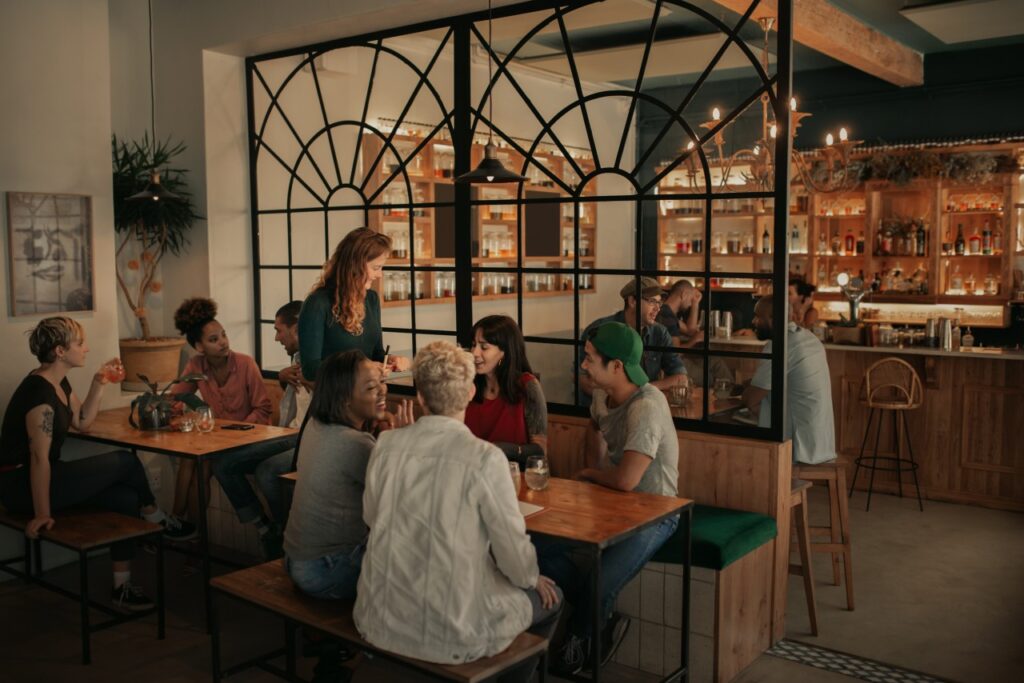
Eating out while traveling is often one of the most anticipated parts of the experience. Food feels like a gateway into local culture, daily life, and traditions you cannot access any other way. Yet in many tourist-heavy destinations, restaurants quietly take advantage of unfamiliarity, language barriers, and social pressure. What seems like normal service on the surface can hide tactics designed to increase spending, reduce transparency, or rush decisions before guests have time to think. Understanding how these tactics work does not ruin the joy of dining abroad. Instead, it restores balance.
1. Menus Without Prices in Tourist Areas
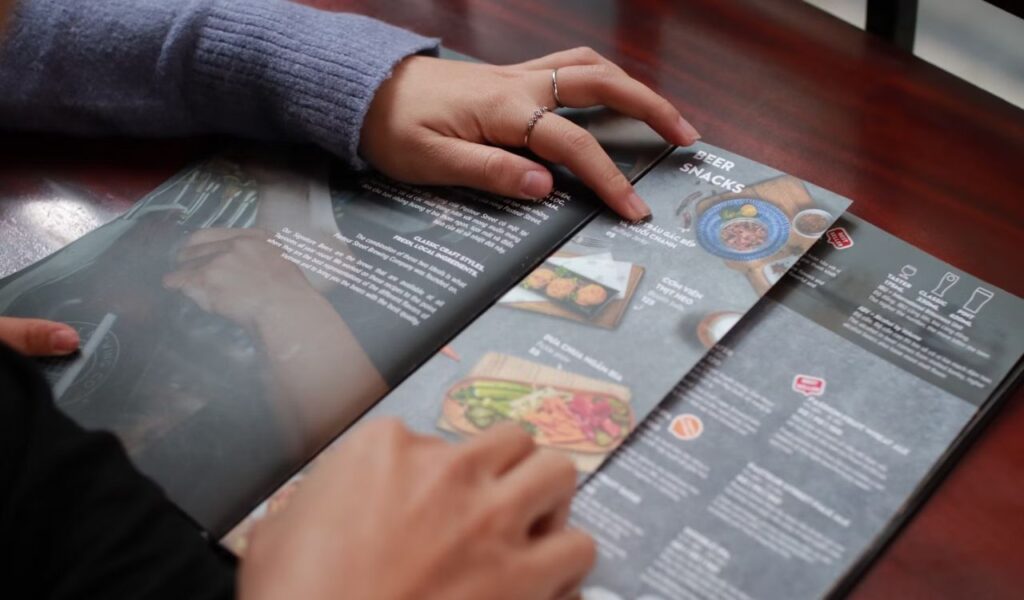
In many popular travel destinations, menus without prices are designed to shift control away from the diner. When costs are hidden, visitors are encouraged to order based on description, setting, or social pressure rather than value. Tourists often hesitate to ask about prices because they fear appearing rude or inexperienced, especially in unfamiliar cultures or languages. This hesitation works in the restaurant’s favor. Without numbers to anchor expectations, diners are more likely to order freely and only confront the cost when the bill arrives. At that point, embarrassment or confusion can prevent complaints.
2. Different Menus for Locals and Tourists
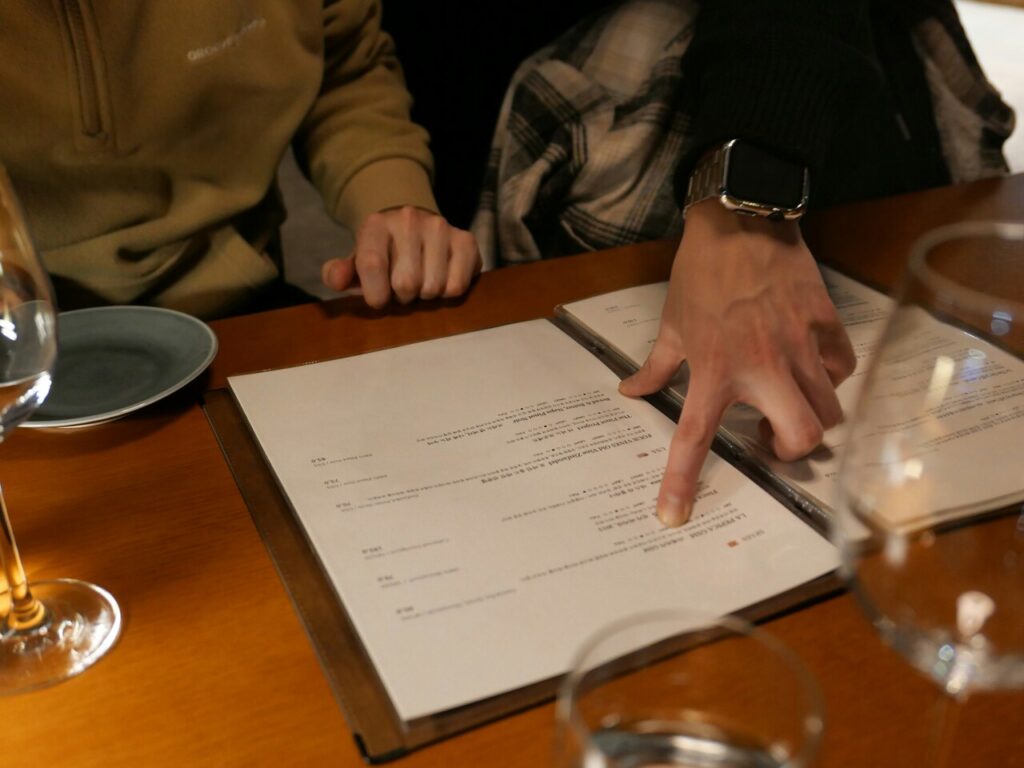
Offering separate menus for locals and tourists is a tactic rooted in information imbalance. Visitors are handed menus with higher prices, fewer options, or inflated descriptions, while locals receive simpler and cheaper versions. Because tourists often cannot read the local language fluently, they may never realize another menu exists. Even when the food is identical, pricing differences can be significant. This practice relies on the assumption that visitors will not question what they are given. Locals, aware of standard pricing, would never accept the tourist version. The result is unequal treatment based purely on perceived familiarity.
3. Automatic Bread or Water Charges
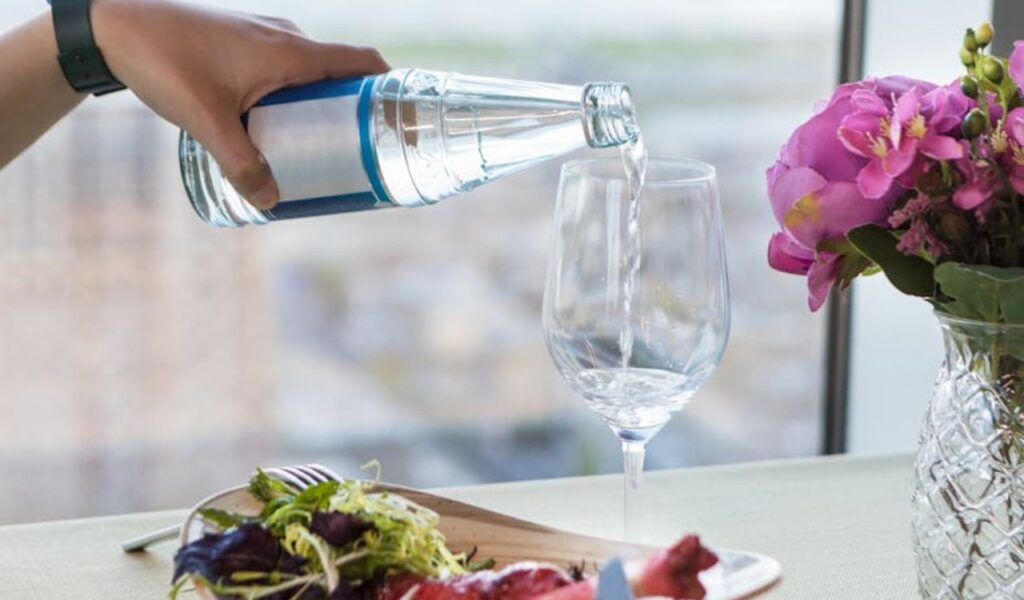
In many countries, bread baskets or bottled water appear at the table without any explanation. Tourists often assume these items are complimentary, especially when nothing is said during service. The surprise comes later when they appear on the bill as charged items. This tactic relies on default acceptance. Once food is placed in front of guests, few will send it back. Cultural differences play a role, as some regions routinely charge for bread or water, but problems arise when this is not communicated clearly. Visitors unfamiliar with local customs feel misled rather than informed. Clear verbal notice would remove confusion entirely.
4. Inflated Currency Conversion Rates
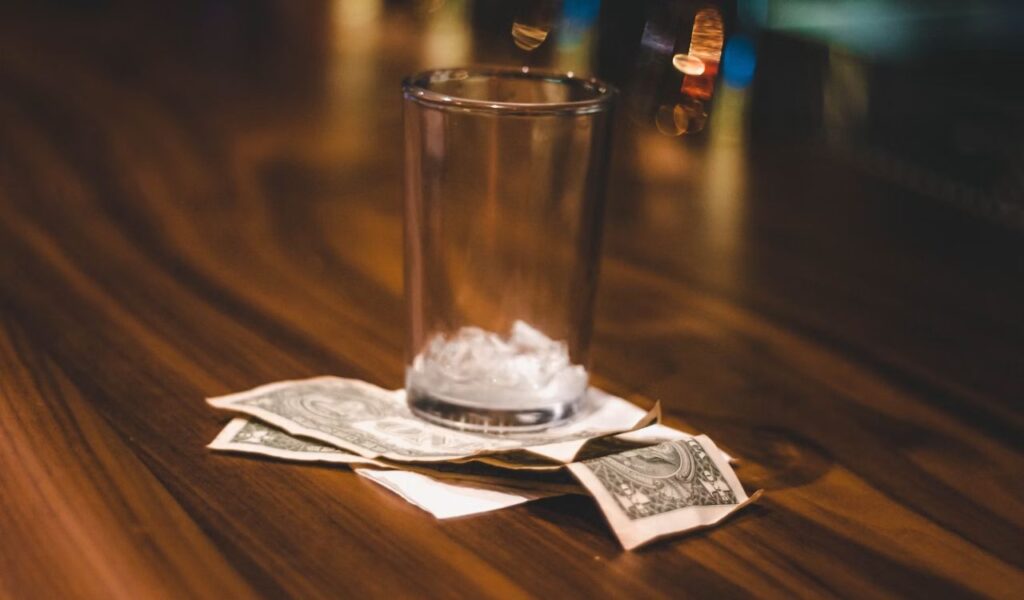
Some restaurants catering to tourists apply their own currency conversion rates, which are often far worse than official exchange rates. Prices may look reasonable in local currency, but become inflated once converted on the bill or card machine. Visitors unfamiliar with current rates may not notice the discrepancy until much later. This tactic exploits confusion, jet lag, and unfamiliar numbers. In some cases, diners are offered the choice to pay in their home currency, which sounds convenient but locks in an unfavorable rate. While conversion fees exist legitimately, exaggerating them for profit crosses ethical lines.
5. Service Charges Added Without Explanation
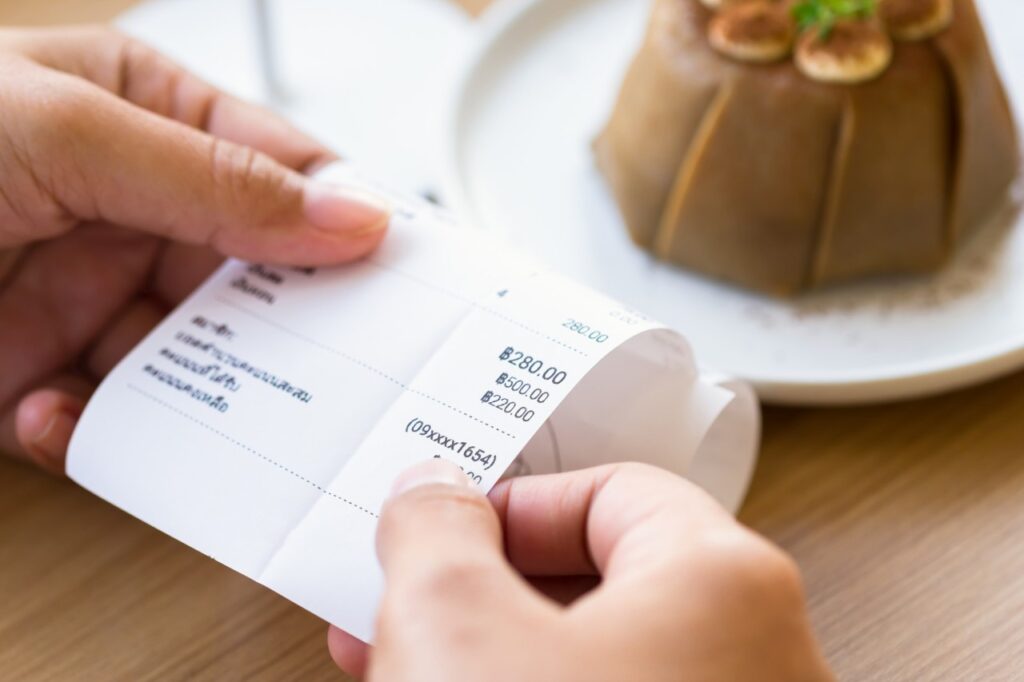
Service charges added without explanation are particularly confusing for travelers. Labels like cover fee, table charge, or service cost may appear with no context. Tourists may not know whether these charges replace tipping, supplement it, or go directly to staff. Without explanation, guests risk tipping on top of mandatory fees or paying for services they did not receive. In some regions, service charges are standard, but clarity is essential. When fees are not disclosed upfront, diners feel blindsided. This damages trust and overshadows the meal itself. Transparent communication allows visitors to understand local customs and budget accordingly.
6. Portion Shrinkage for Foreigners
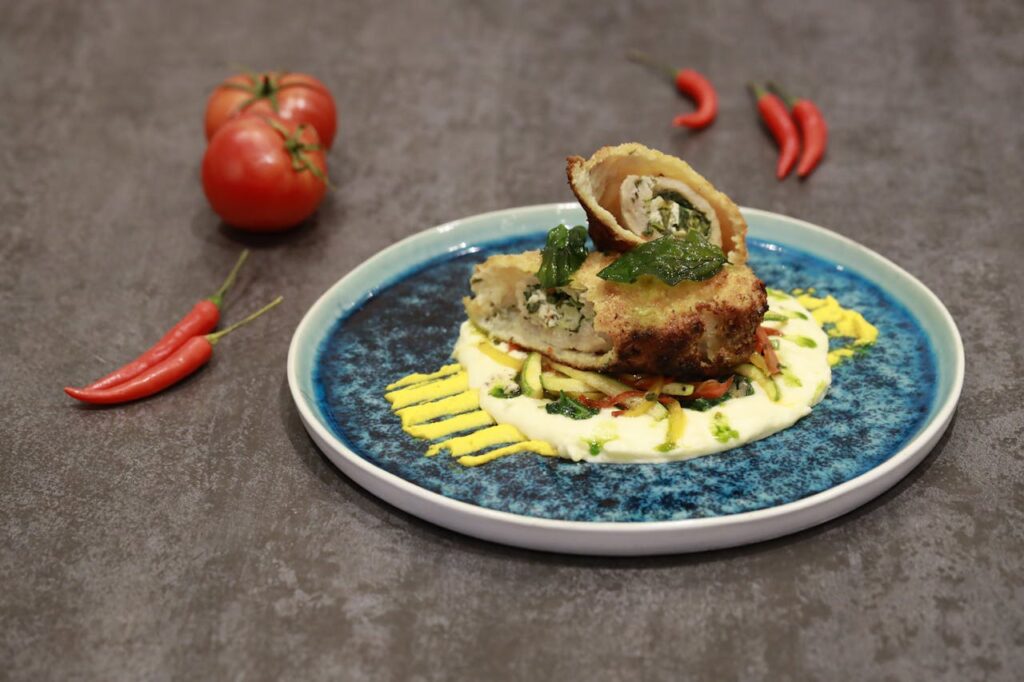
In some tourist-heavy areas, portions served to visitors are noticeably smaller than those given to locals. The dish may look identical on the menu, but the plate tells a different story. This tactic relies on tourists lacking a reference point for standard serving sizes. Locals would immediately recognize the difference, but visitors often assume the portion is normal. Combined with higher prices, this results in poor value. Shrinking portions without disclosure feels deceptive, especially when presentation is used to mask quantity. When portion size changes based on who is ordering, it undermines trust and turns dining into a transactional imbalance rather than a shared experience.
7. Fake “Local Specialty” Claims
Tourist menus often highlight dishes labeled as traditional, regional, or authentic, even when the food is mass-produced or imported. These claims appeal to travelers seeking cultural experiences through food. In reality, some of these dishes are frozen, factory-made, or adapted heavily for convenience. The issue is not modernization but misrepresentation. Calling something a local specialty implies history, technique, and cultural significance. When that promise is false, diners feel misled. Authentic food does not need exaggeration. Honest descriptions allow guests to enjoy a dish for what it is, not what it pretends to be.
8. Pressure Ordering Tactics
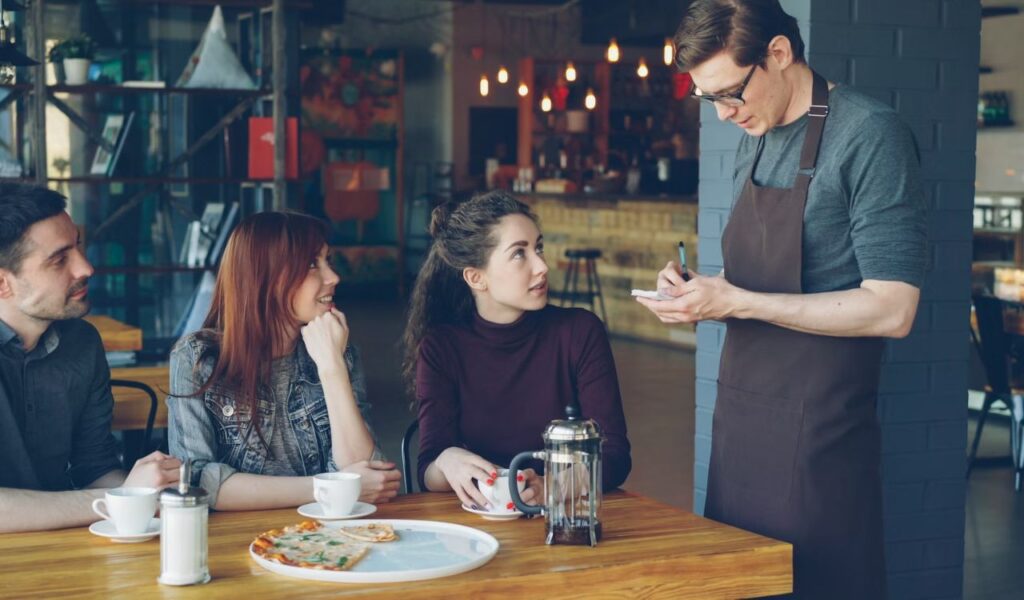
Pressure ordering is common in busy tourist zones where rapid turnover matters. Servers may rush guests to order, suggest expensive items immediately, or discourage questions. This approach limits comparison and reduces the chance diners will notice pricing or portion concerns. Tourists, already navigating unfamiliar settings, may comply to avoid seeming difficult. Rushed decisions often lead to higher spending and lower satisfaction. Dining should feel welcoming, not hurried. When pressure replaces patience, guests lose control over their choices. Good service allows time for understanding, especially when language or cultural differences exist.
9. Desserts or Drinks Added Without Consent
Some restaurants add desserts, drinks, or extras to the bill without clear confirmation that they were ordered. This can happen through vague suggestions or assumptions made by servers. Tourists may not notice until payment, especially if language barriers exist. The tactic relies on confusion and reluctance to challenge charges in a foreign place. Even small items add up, especially when repeated across many tables. Clear confirmation protects both sides. When consent is assumed rather than given, the dining experience becomes stressful. Guests should never feel pressured to pay for something they did not clearly choose.
10. Refusal to Provide Itemized Bills
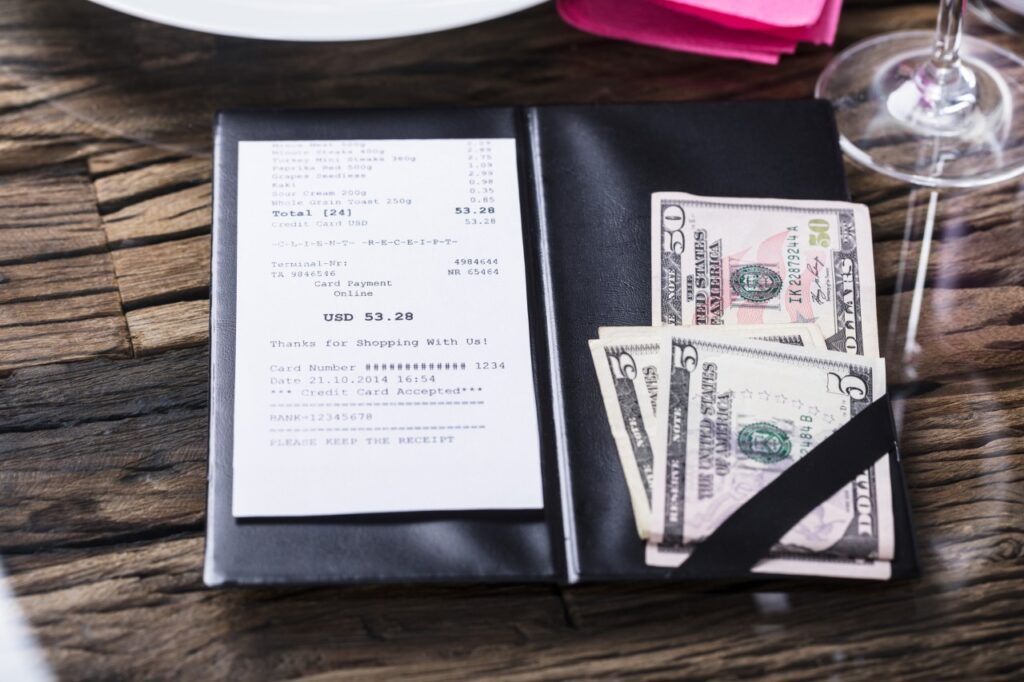
Refusing to provide itemized bills makes it difficult for diners to understand what they are paying for. Tourists may receive a total without breakdown, preventing them from questioning added charges or mistakes. This tactic discourages scrutiny and speeds payment. While some small eateries operate informally, deliberate refusal raises red flags. An itemized bill is a basic form of transparency. It allows guests to verify accuracy and feel confident about their payment. When restaurants avoid clarity, diners are left with doubt. Trust in service depends on openness, especially when visitors are far from home and unfamiliar with local practices.