Protein Fortified Foods Are Expanding Rapidly and Sales Data Shows a Deeper Trend

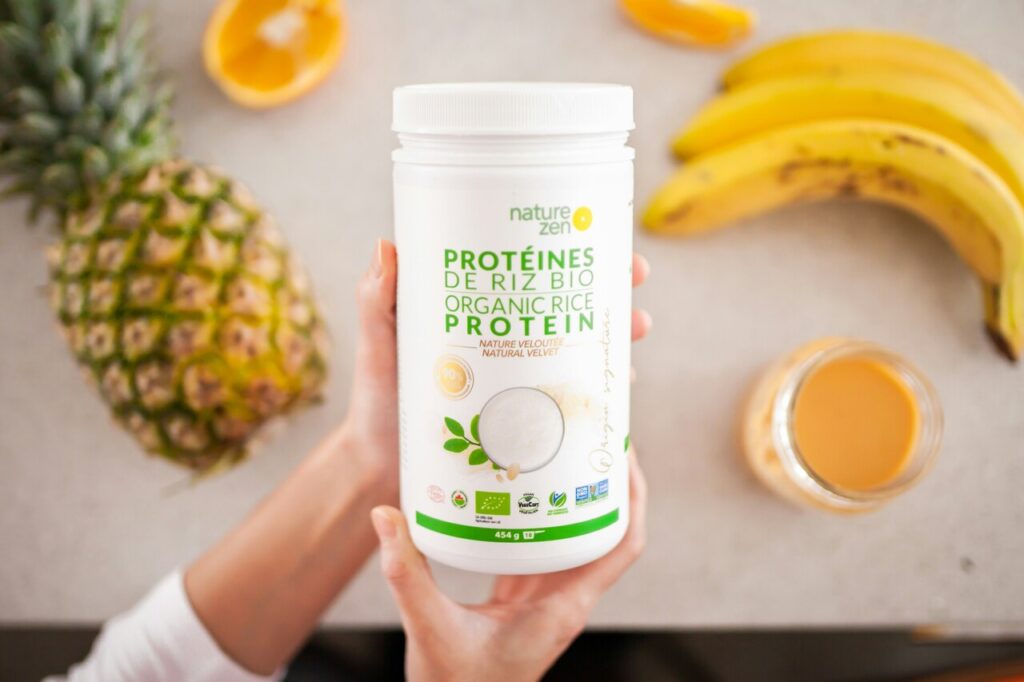
Protein has moved far beyond gym culture and sports nutrition. Across supermarkets, everyday foods are quietly being reformulated with added protein, from snacks and cereals to desserts and ready meals. What began as a niche trend for athletes has expanded into a mainstream shift in how consumers think about nutrition. Sales data now show that protein fortified products are growing faster than many traditional food categories. This surge reflects deeper changes in health awareness, convenience-driven eating habits, and the increasing demand for foods that combine flavor with functional nutrition.
The Protein Boom

Protein has become one of the most talked-about nutrients in the modern food industry. Grocery shelves now feature a wide range of products that highlight protein content as a key selling point. From breakfast cereals to snack bars, many everyday foods are being reformulated to include additional protein. This shift reflects growing consumer interest in nutrition and overall wellness. Many shoppers now look for products that provide functional health benefits rather than simply satisfying hunger. Protein fits well into this demand because it is widely associated with muscle development, energy, and satiety.
Another factor behind this boom is the influence of fitness culture and health awareness. Gyms, wellness programs, and digital fitness communities often emphasize protein as an essential nutrient. As a result, consumers have become more conscious of how much protein they consume each day. Food companies have responded by making protein easier to access through a variety of packaged products. This approach allows shoppers to meet nutritional goals without dramatically changing their eating habits. Fitness influencers and health media frequently discuss the importance of protein intake. These discussions reach millions of consumers through social platforms and wellness blogs.
The expansion of protein-focused foods also reflects broader changes in how people view diet and nutrition. Rather than focusing only on calories, many consumers now pay attention to the quality and composition of their food. Protein has become a convenient symbol of nutritional value. Products that highlight protein content often appear healthier and more satisfying in comparison with traditional alternatives. Consumers increasingly seek foods that deliver benefits beyond basic nourishment. The idea of functional nutrition has become central to modern eating habits. Shoppers often look for labels that communicate specific health advantages.
The Fortified Food Surge

A noticeable trend in the food industry is the growing number of products fortified with protein. Instead of limiting protein enrichment to sports supplements, manufacturers are now incorporating it into everyday foods. Yogurt, cookies, pasta, and even ice cream are appearing in protein-fortified versions. This strategy allows brands to offer familiar products with an added nutritional benefit. Consumers can continue eating foods they enjoy while gaining additional protein. These innovations help bridge the gap between indulgence and health. Many shoppers appreciate foods that provide both enjoyment and nutritional value.
Food manufacturers view fortification as an effective way to add value to existing product categories. By reformulating recipes and adjusting ingredient blends, companies can increase protein content without drastically changing the taste or texture of the product. This innovation allows brands to stand out in crowded supermarket aisles. Protein labeling also creates a clear message for shoppers who are actively seeking healthier options. Companies often invest in research to ensure the flavor remains appealing. Taste remains an important factor in repeat purchases. Manufacturers, therefore, focus on balancing nutrition with sensory experience.
The surge in fortified foods is supported by steady market growth across multiple regions. As more consumers adopt protein-focused diets, the demand for these products continues to expand. Retailers are responding by dedicating more shelf space to high-protein snacks and meals. This visibility further reinforces the trend and encourages new shoppers to explore protein-enriched options. Supermarkets often create special sections highlighting high-protein products. These displays help customers quickly identify relevant items. Over time, this exposure encourages more shoppers to try protein-fortified foods.
The Health Motivation
One of the strongest drivers behind the popularity of protein-fortified foods is the belief that protein supports overall health. Nutrition experts frequently highlight its role in muscle repair, immune function, and energy balance. Because protein contributes to several essential bodily processes, many consumers view it as a beneficial addition to their daily diets. Foods that contain higher protein levels often appear more nutritious and satisfying. Consumers frequently associate protein with strength and vitality. Health messaging from experts reinforces these associations. Educational campaigns also emphasize the importance of balanced nutrient intake.
Fitness culture has also played a significant role in shaping consumer attitudes toward protein. Athletes and active individuals often emphasize protein intake as part of their training routines. This message has gradually spread to mainstream audiences who are interested in maintaining strength and vitality. As a result, protein is no longer seen as a nutrient only for bodybuilders or athletes. Everyday consumers now include protein as part of balanced meals. Social media discussions frequently highlight protein-rich recipes and snacks. These conversations influence daily food choices. The message that protein supports active living continues spreading.
Another reason protein attracts attention is its connection with satiety. Many people believe that protein-rich foods help them feel full longer than foods dominated by simple carbohydrates. This perception has encouraged consumers to incorporate more protein into their meals and snacks. Food companies have responded by highlighting protein content prominently on packaging to attract health-conscious shoppers. Satiety is an important factor for people trying to manage hunger. Foods that reduce frequent snacking are seen as beneficial. Protein, therefore, fits into broader dietary strategies focused on balance.
The Convenience Factor
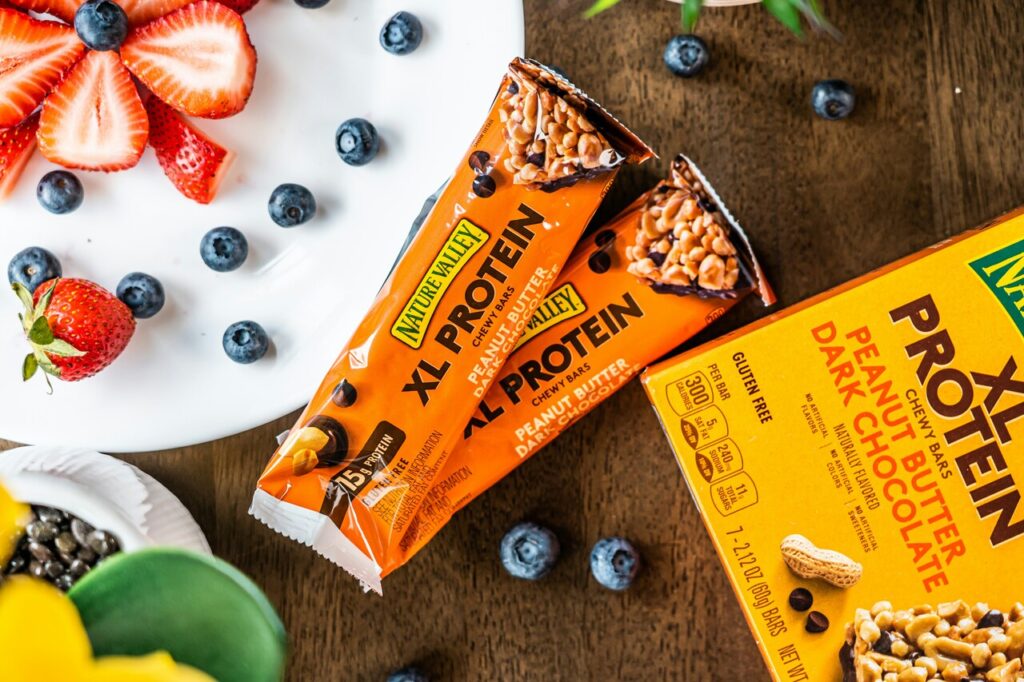
Modern lifestyles often leave little time for elaborate meal preparation. As a result, consumers increasingly look for foods that provide both convenience and nutrition. Protein fortified products meet this demand by delivering functional benefits in ready-to-eat formats. Snack bars, drinks, and packaged meals allow people to consume protein quickly without needing to cook or plan complex recipes. Busy professionals often rely on quick meals during workdays. Portable snacks fit easily into daily schedules. Convenience, therefore, becomes a major selling point. Protein fortified products align perfectly with this need.
Convenience plays a crucial role in the success of these products. Many shoppers want simple solutions that fit easily into busy schedules. A protein-enriched yogurt or beverage can serve as a quick breakfast or midday snack. These products provide an efficient way to meet daily nutritional goals without disrupting routine activities. On-the-go lifestyles continue to influence food choices. Consumers appreciate foods that require little preparation. Ready-to-eat options reduce the time spent planning meals. Protein fortified snacks, therefore, become practical daily solutions. They fit easily into commutes, office breaks, or post-workout routines.
Manufacturers have also invested in packaging innovations that support on-the-go consumption. Single-serve containers and portable packaging formats make protein foods easy to carry. This approach aligns with the growing popularity of flexible eating habits. Consumers increasingly prefer foods that can be eaten at work, during travel, or between daily tasks. Portable packaging improves convenience even further. Many products are designed to fit easily into bags or backpacks. This design encourages consumption throughout the day. As a result, protein fortified foods become part of everyday routines.
The New Protein Sources
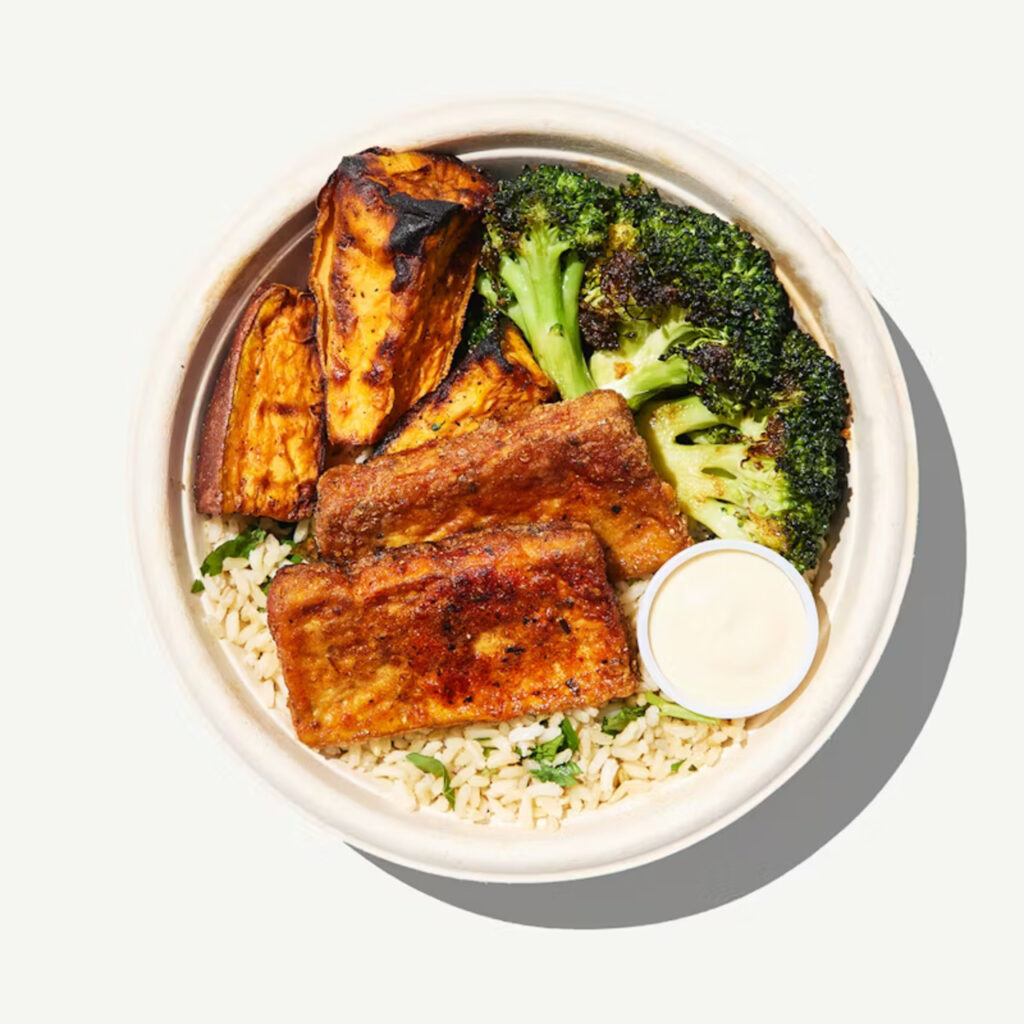
Innovation in protein ingredients has created new opportunities for food manufacturers. Traditional sources such as dairy and eggs still play a major role in fortified foods. However, plant-based proteins are becoming increasingly important in product development. Ingredients derived from peas, soy, lentils, and other legumes now appear in a wide range of packaged foods. These options appeal to consumers who prefer plant-focused diets. Food companies are investing heavily in research to improve these ingredients. Advances in processing technology have improved their texture and flavor. This progress allows plant proteins to compete more effectively with traditional sources.
Plant-based proteins also align with growing consumer interest in sustainability. Many shoppers are concerned about the environmental impact of food production. Plant ingredients often require fewer natural resources compared with animal-based proteins. This perception encourages companies to highlight plant-derived proteins in their marketing. As a result, many protein-fortified foods now feature labels that emphasize plant ingredients. These products appeal to both health-conscious and environmentally aware consumers. The trend reflects a broader shift toward alternative protein sources. Innovation in this area continues to accelerate.
Food scientists are also experimenting with blended protein formulations. Combining plant and animal proteins can improve nutritional balance and flavor. These blends help manufacturers create products that meet both taste expectations and dietary needs. The ability to adjust protein combinations opens new possibilities for product design. This flexibility encourages continued experimentation within the protein fortified food market. As technology improves, new protein sources will likely appear in even more food categories. Researchers continue studying how these ingredients behave during cooking.
The Consumer Behavior Shift
Consumer attitudes toward protein have changed dramatically in recent years. Protein was once associated mainly with bodybuilding and sports nutrition. Today it has become a widely recognized component of everyday healthy eating. Many shoppers now actively check protein content when comparing products. This shift reflects a growing interest in understanding the nutritional value of food. Consumers want to know how different nutrients contribute to their overall well-being. Protein has emerged as one of the most recognizable indicators of quality. This awareness has transformed how people approach grocery shopping.
Different age groups have adopted protein-enriched foods for various reasons. Younger consumers often associate protein with fitness and energy. Middle-aged shoppers may view it as part of a balanced diet that supports active lifestyles. Older adults often focus on protein for maintaining muscle strength and overall health. These diverse motivations create a wide consumer base for protein-fortified foods. The nutrient has become relevant across multiple life stages. This broad appeal helps explain the continued growth of the category. Many households now include protein foods in everyday meals. The trend reflects a wider cultural focus on health.
Another factor influencing behavior is the growing transparency of food labeling. Nutrition panels and front-of-package claims provide clear information about protein content. Consumers can quickly compare products and make informed decisions. This transparency encourages companies to highlight protein levels more prominently. As shoppers become more familiar with nutritional information, they begin prioritizing foods that align with their health goals. The result is a marketplace where protein claims carry significant influence over purchasing choices. Clear labeling builds trust between brands and consumers.
The Future of Protein Fortification
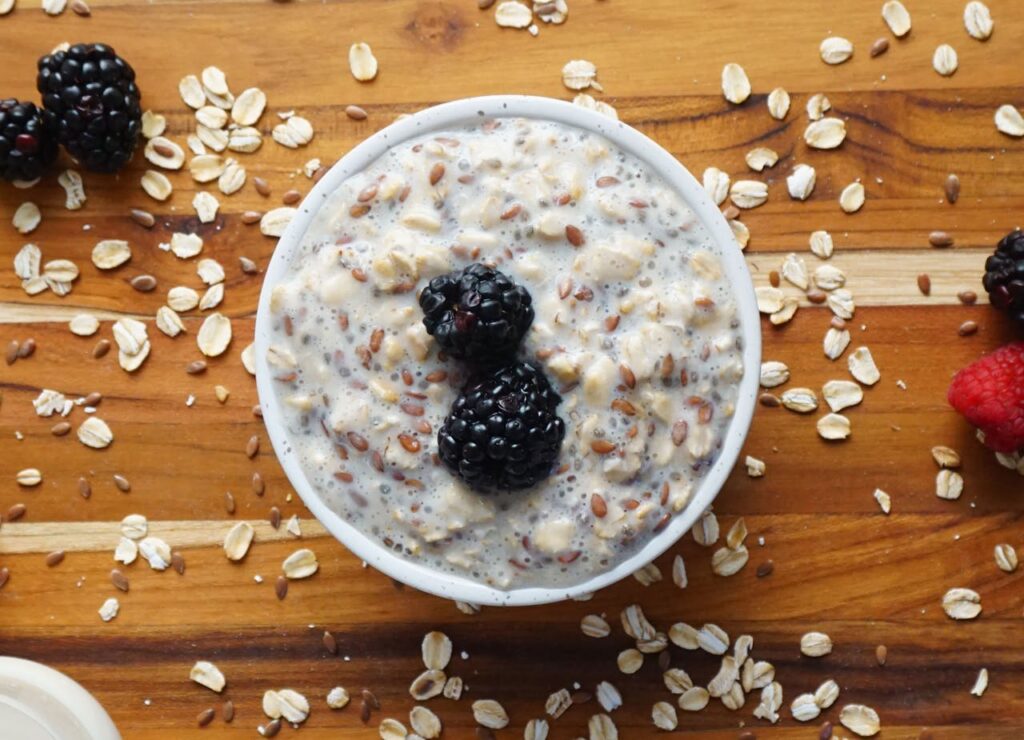
The future of protein fortified foods appears closely tied to continued innovation. Food manufacturers are constantly exploring new ways to integrate protein into familiar products. Advances in ingredient technology make it easier to maintain flavor and texture while increasing protein content. These improvements allow fortified foods to compete directly with traditional versions. As the technology improves, consumers may find it difficult to distinguish between fortified and regular products. This seamless integration will likely accelerate adoption. Manufacturers continue investing heavily in research.
Another direction for the industry involves combining protein with other nutritional enhancements. Some foods already include added fiber, vitamins, or minerals alongside protein. This approach creates multifunctional products that deliver several health benefits at once. Consumers increasingly appreciate foods that provide comprehensive nutrition. The combination of multiple nutrients can strengthen a product’s appeal. Manufacturers, therefore, continue experimenting with new formulations. The trend reflects a broader interest in balanced nutrition. Future products may focus on multiple health benefits simultaneously.
Consumer awareness will also influence how protein-fortified foods evolve. As shoppers learn more about nutrition, they may demand higher-quality protein sources and clearer labeling. Transparency about ingredients and production methods may become more important. Brands that respond to these expectations will likely gain stronger customer loyalty. The protein trend, therefore, reflects a deeper shift in how people approach everyday eating habits. It is no longer simply about adding nutrients, but about creating foods that align with broader health goals. Educated consumers will shape future product development.