10 McDonald’s Secrets Former Workers Claim Customers Never Hear


McDonald’s may be one of the most familiar restaurant chains in the world, but much of how it really operates stays behind the counter. Former employees have shared insights that rarely reach customers, from how certain foods are prepared to why some machines seem perpetually unavailable. These behind-the-scenes details reveal how consistency, speed, and food safety shape everyday decisions in the kitchen. Together, they paint a clearer picture of what actually happens between order and pickup.
1. The Freshest Eggs Are Reserved for McMuffins
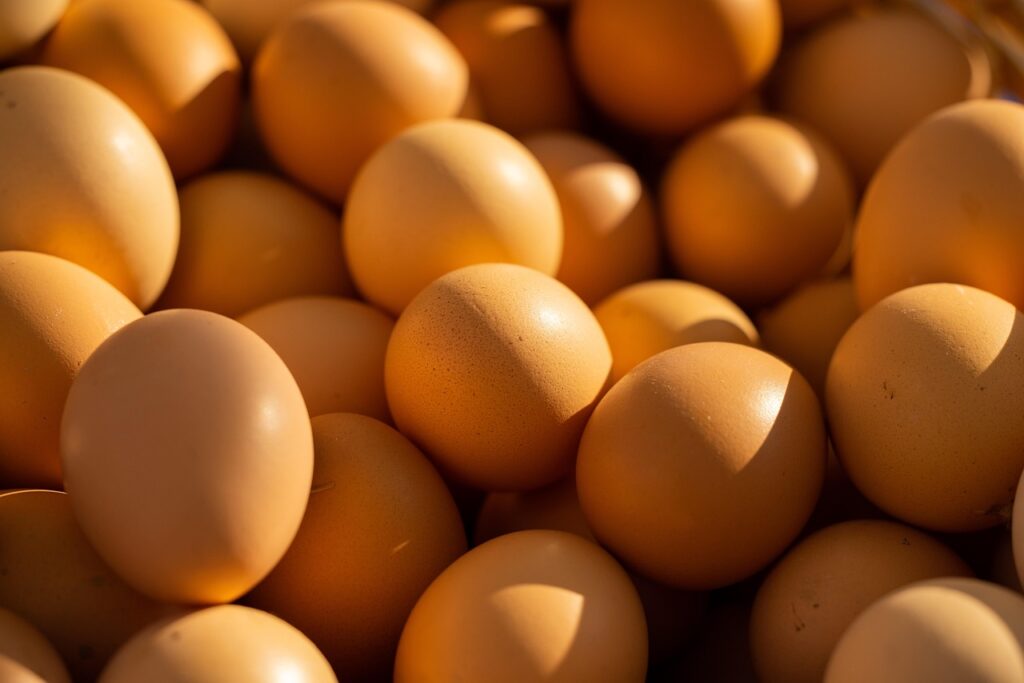
Many customers assume all eggs at McDonald’s are prepared the same way, but former workers say that is not the case. Eggs used in Egg McMuffins are cracked and cooked fresh on the griddle, giving them a texture and flavor closer to what you would make at home. Other egg products, such as folded eggs used in breakfast sandwiches, are pre-cooked and reheated. This distinction explains why McMuffin eggs look fluffier and taste cleaner. The choice comes down to consistency and speed during busy breakfast hours. McMuffins are a flagship item, so extra care goes into keeping them uniform and visually appealing.
2. Some McDonald’s Locations Quietly Sell Birthday Cakes

McDonald’s birthday cakes are real, but they are not advertised or available everywhere. Former employees say certain locations keep frozen sheet cakes decorated with familiar characters, usually reserved for parties or special requests. Because demand varies by region, many stores do not promote them openly. Customers often learn about the cakes through word of mouth rather than signage. The cakes are typically simple in flavor and decoration, designed to be easy to store and serve. This quiet availability allows locations to meet occasional requests without committing to a full dessert rollout.
3. McDonald’s Coke Is Engineered to Taste Better

McDonald’s Coca-Cola stands out for a reason, and former workers say it is not imagination. The chain uses a specialized system that pre-chills water and syrup separately before mixing, which helps maintain carbonation and consistency. The syrup is delivered in stainless steel containers rather than plastic bags, protecting flavor integrity. Even the straws are slightly wider, allowing more soda to hit the tongue at once. These small technical choices combine to create a sharper, more refreshing taste. While the recipe itself is the same Coca-Cola used elsewhere, the delivery system changes the experience. It is a calculated effort to make a familiar drink feel noticeably better.
4. Ice Cream Machines Are Often Down for a Reason
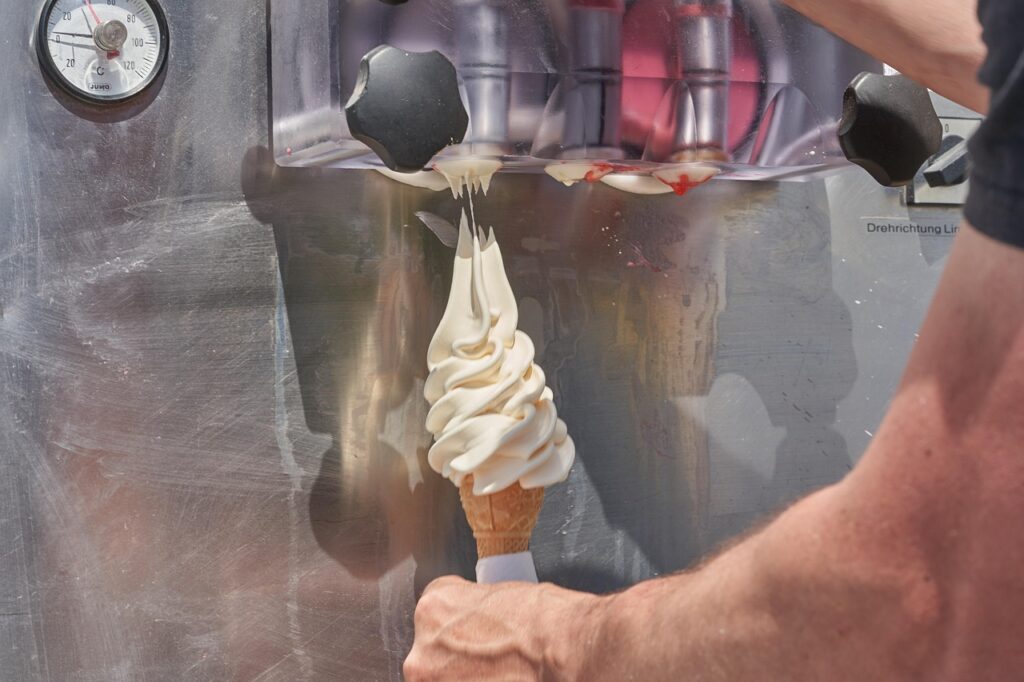
The infamous ice cream machine problem is less about neglect and more about complexity. Former employees explain that these machines require long, detailed cleaning cycles that can lock them out of service for hours. Skipping or interrupting cleaning can cause the machine to shut down automatically. During busy shifts, staff may not have time to restart the process properly. This leads to the perception that the machine is always broken. In reality, it is often mid-clean or waiting for a reset. The system is designed to prioritize food safety, but its rigidity creates frustration for both customers and workers.
5. Burger Seasoning Is Simpler Than People Expect
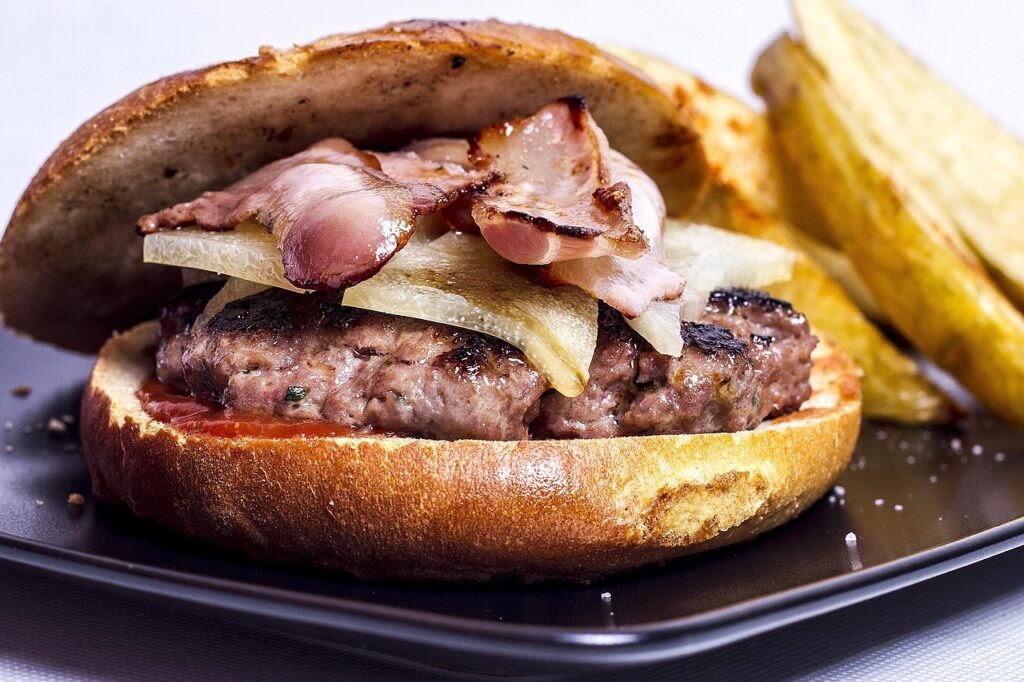
McDonald’s burger seasoning is not a closely guarded mystery blend. According to former workers, it is primarily a mix of salt and pepper applied in a specific ratio. The simplicity is intentional, allowing the flavor of the beef to come through without overpowering it. Consistency matters more than complexity in fast food kitchens, and a straightforward seasoning ensures uniform taste across locations. This also makes training easier and reduces room for error during high-volume service. Customers often assume there is something special in the seasoning, but its effectiveness comes from restraint rather than secrecy.
6. Sweet Tea Contains a Surprising Amount of Sugar
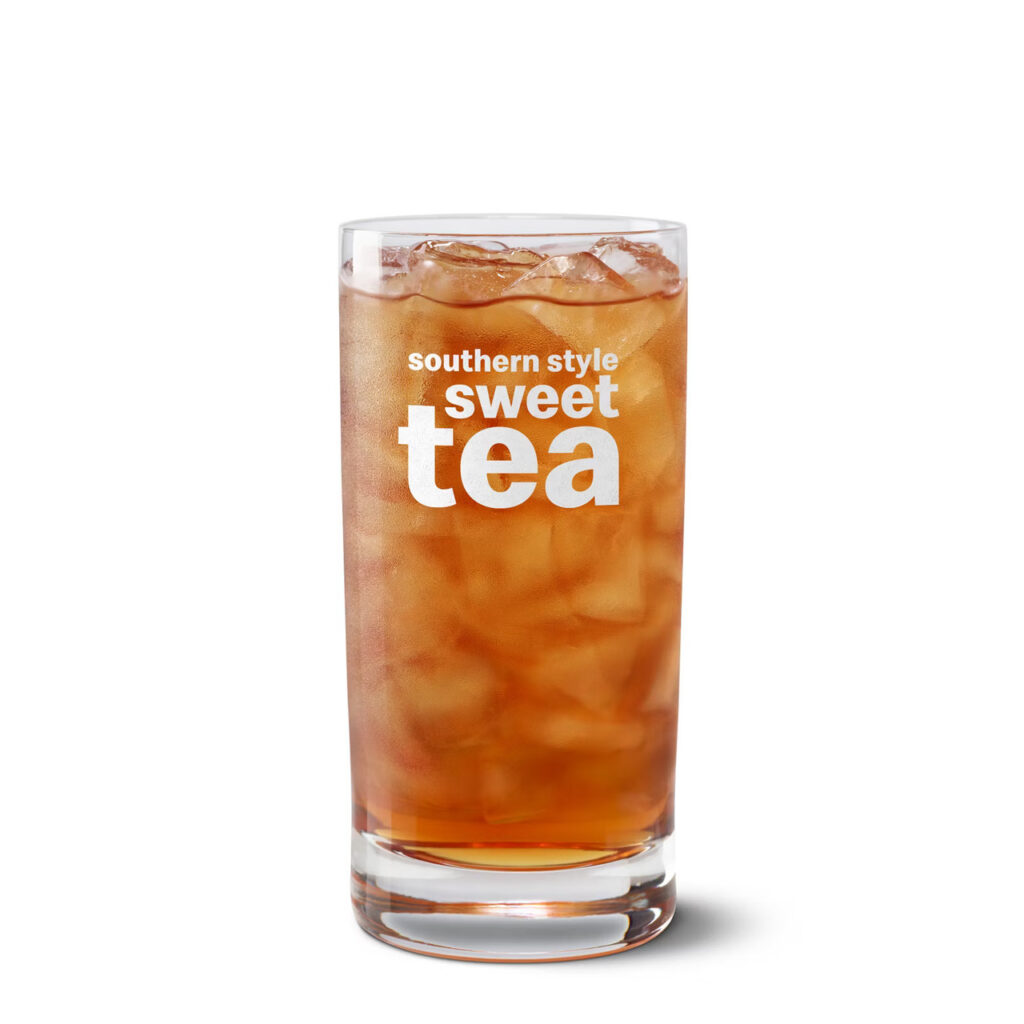
Sweet tea at McDonald’s is made in large batches using a preset amount of sugar designed to deliver consistent sweetness. Former employees say the quantity is much higher than most customers realize. The sugar is added while the tea is still hot so it dissolves fully, creating an evenly sweet result. This method ensures taste consistency, but also means the final drink is very sugary. Because sweet tea is often seen as lighter than soda, customers may underestimate its sugar content. Many customers underestimate its sugar content because it feels lighter than soda, but nutritionally it can be just as impactful.
7. Big Mac Sauce Does Not Contain Ketchup

Despite common assumptions, Big Mac sauce is not just ketchup mixed with mayonnaise. Former workers say the sauce has its own formula, featuring ingredients like relish, vinegar, and spices. This combination creates a tangy, slightly sweet profile that stands apart from standard condiments. The sauce is portioned carefully to avoid overpowering the burger. Its distinct flavor is one of the Big Mac’s defining traits. The misconception likely comes from the sauce’s color and sweetness, but its taste complexity comes from a broader ingredient base. The misconception likely comes from its color and mild sweetness, but its taste profile is more complex.
8. There Is No Official Secret Menu

McDonald’s does not maintain an official secret menu, even though customers frequently talk about one. Former employees explain that most so-called secret items are simply custom orders built from existing ingredients. The ordering system allows flexibility, but staff are trained only on the standard menu. If an item can be assembled without disrupting workflow, employees may accommodate the request. This approach keeps operations efficient while still allowing creativity. The lack of an official secret menu helps McDonald’s maintain consistency across thousands of locations. This explains why some custom orders succeed while others are declined.
9. Fries Are Not Vegan in Many Locations
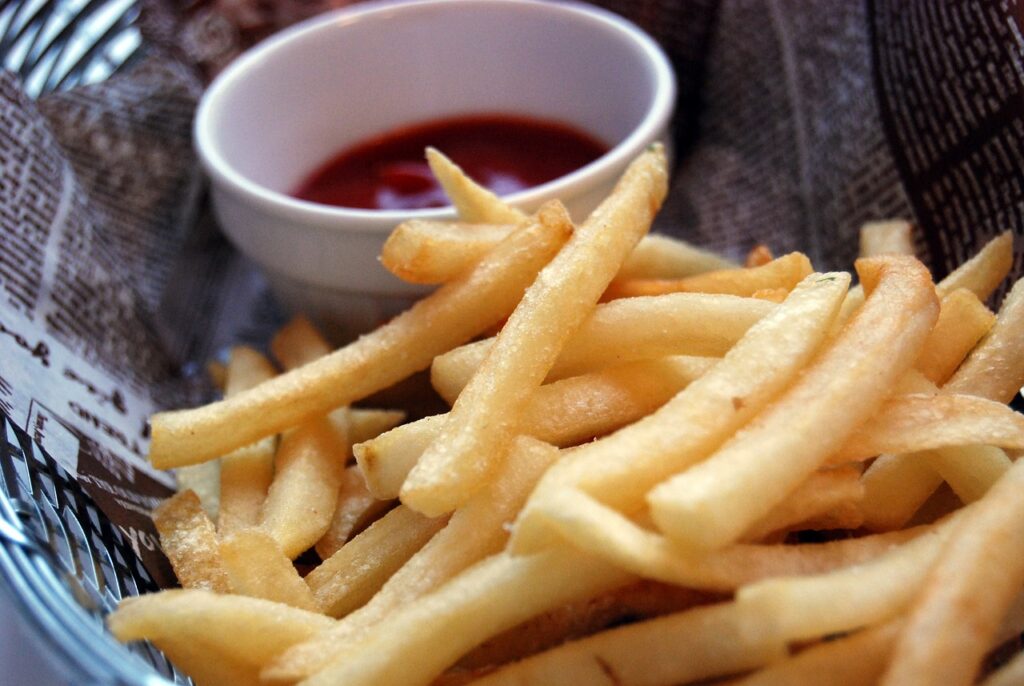
Many customers assume McDonald’s fries are plant-based, but former workers clarify that this is not always true. In some regions, fries contain natural beef flavor and milk derivatives, which disqualify them from being vegan. These ingredients are added to enhance taste and aroma. While the fries themselves are made from potatoes, the flavoring process introduces animal-based components. This detail is often overlooked because the fries do not visibly contain meat. For customers with dietary restrictions, this information is important but rarely highlighted. For diners with strict dietary requirements, this information can be especially important.
10. Ordering No-Salt Fries Forces a Fresh Batch
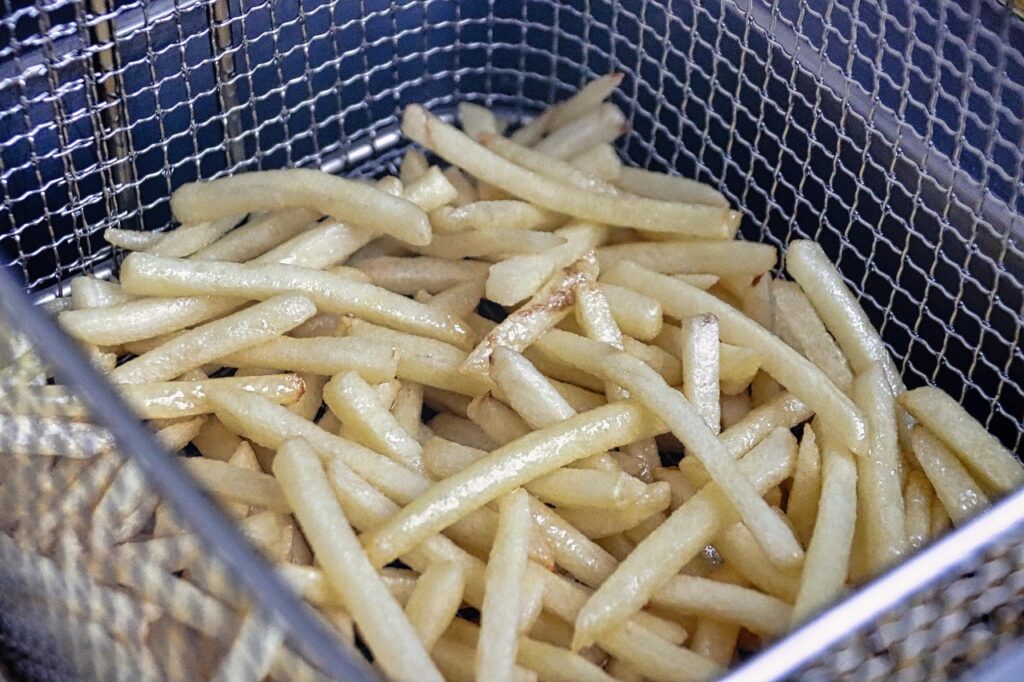
Asking for fries without salt often results in a fresh batch because salted fries are prepared in advance. Former employees say this request triggers extra steps, including cleaning the fry station and frying a new batch separately. While it does deliver hotter fries, it can slow service and disrupt workflow during busy periods. Employees may find the request frustrating, not because it is wrong, but because it adds complexity. This explains why reactions to no-salt orders vary. The practice works, but it is not as simple as many customers think. Employees may appear hesitant not out of annoyance, but because it disrupts a tightly timed process.