8 Food Trends That Will Dominate 2026 (According to Chefs)

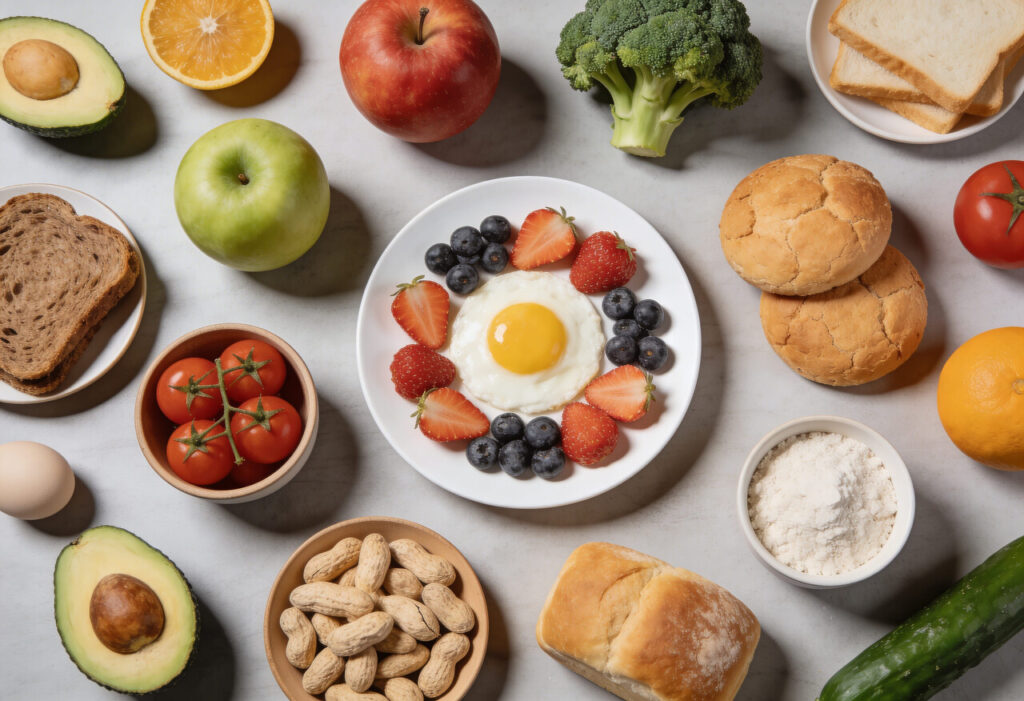
What ends up on our plates next year will be shaped by more than viral recipes. Chefs are watching costs, climate, customer cravings, and global flavor curiosity all at once, and those pressures are producing some fascinating shifts. From smarter comfort food to bold pantry staples, these are the food trends many chefs believe will define 2026.
Vegetables Take Center Stage
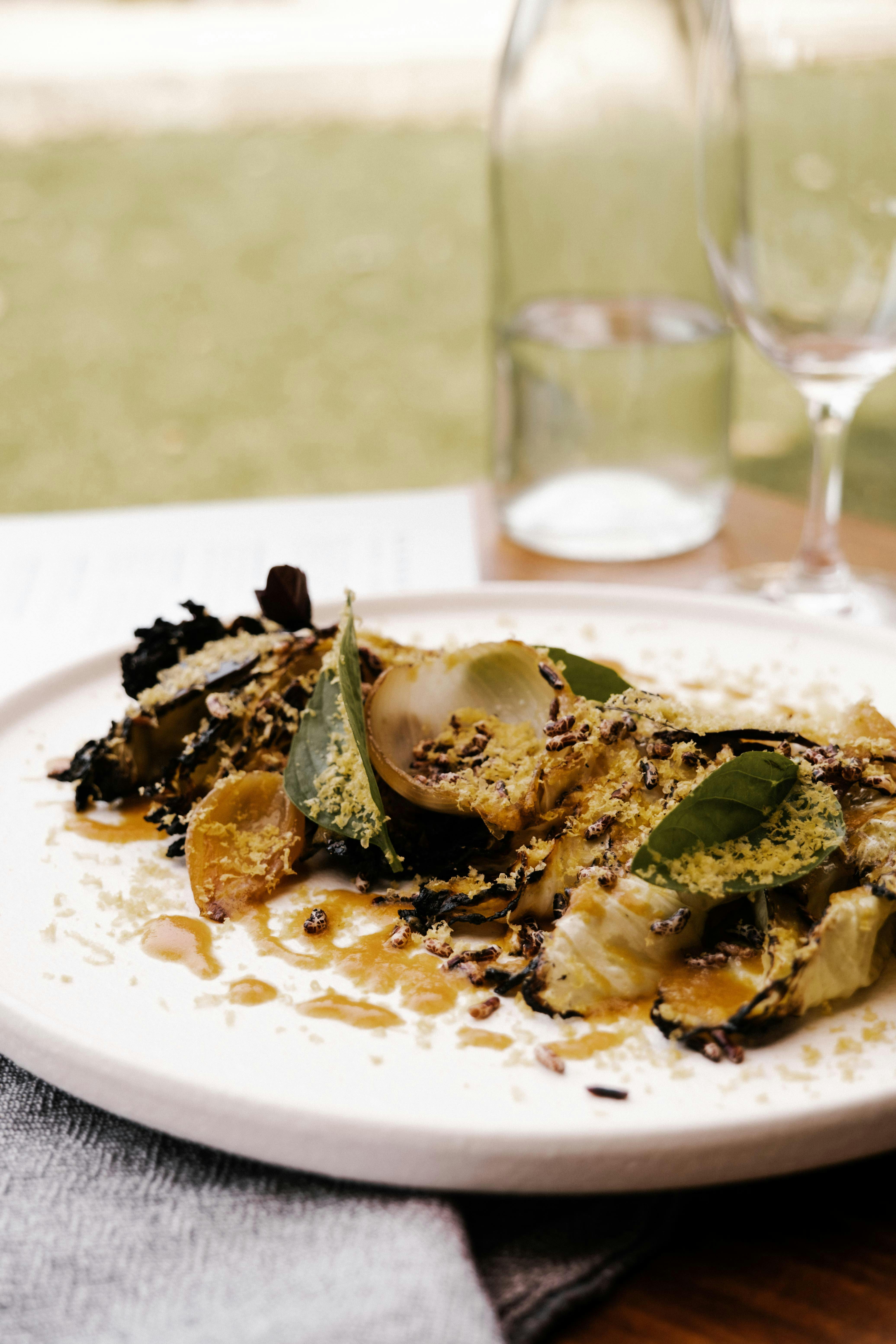
Chefs say vegetables are moving beyond side-dish status and becoming the main event. Expect to see whole roasted cauliflower, charred cabbage, smoked squash, and mushrooms treated with the same care once reserved for steak or seafood. The goal is not imitation, but deeply satisfying flavor built from technique.
This shift is being driven by diners who want lighter meals, more sustainability, and better value. In 2026, restaurants are likely to spotlight produce by season, region, and cooking style, turning humble ingredients into craveable dishes that feel special rather than sacrificial.
At home, that could translate into more vegetable-forward dinner parties, restaurant-style plating, and a renewed interest in farmers market finds.
Global Pantry Flavors Go Mainstream
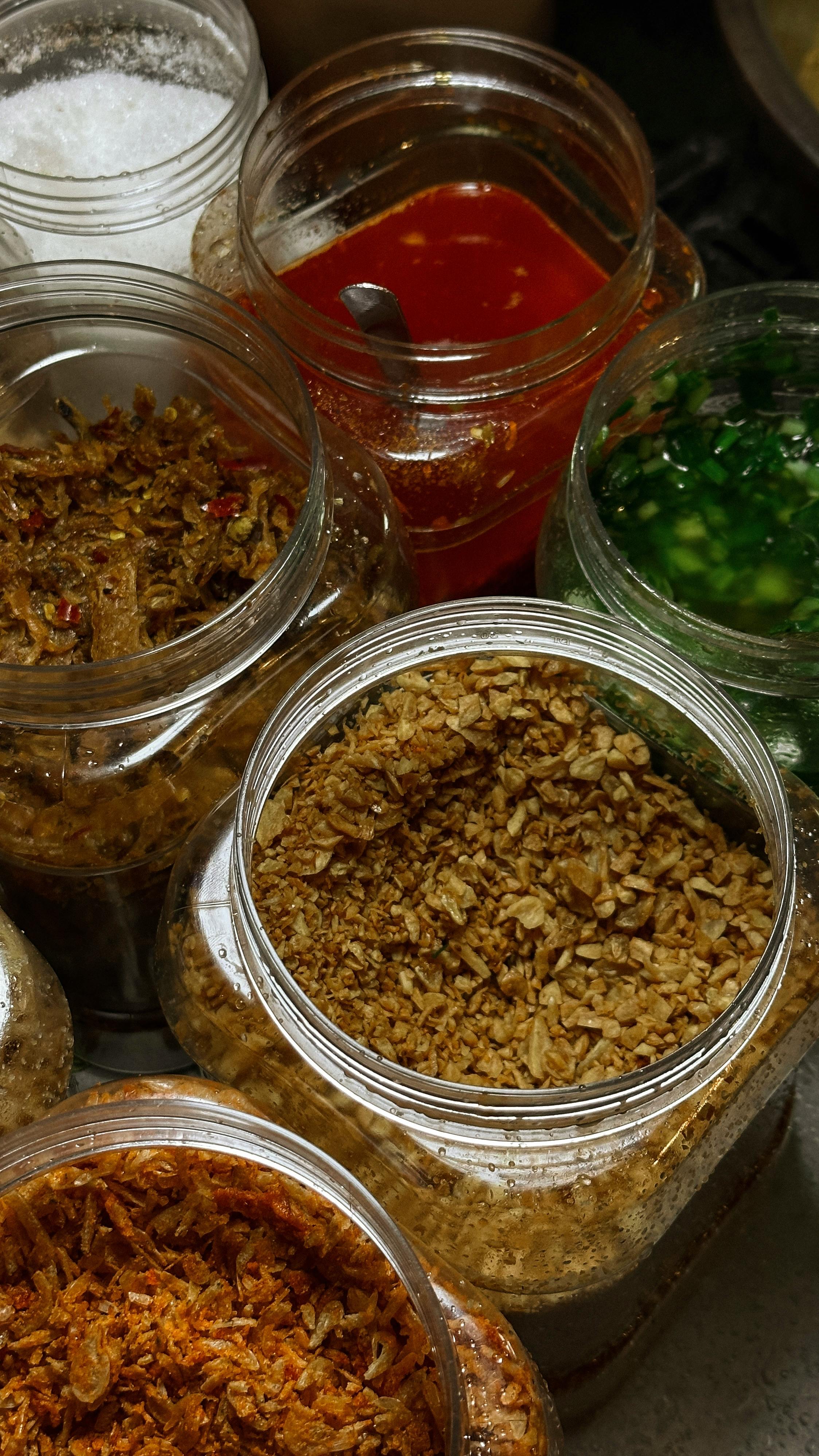
Chefs are increasingly building menus around pantry ingredients that deliver instant personality, from chili crisp and yuzu kosho to tamarind, black garlic, harissa, and preserved lemon. These are the flavors that can transform familiar dishes without making them feel inaccessible.
What is changing in 2026 is how seamlessly these ingredients are being folded into everyday eating. A sandwich might get a swipe of labneh and zhug, while roast chicken could come with miso butter or tamarind glaze. The appeal is boldness with ease.
For diners, that means more layered flavor in dishes that still feel recognizable. For cooks, it opens the door to experimentation without needing a full culinary overhaul.
Savory Breakfast Expands
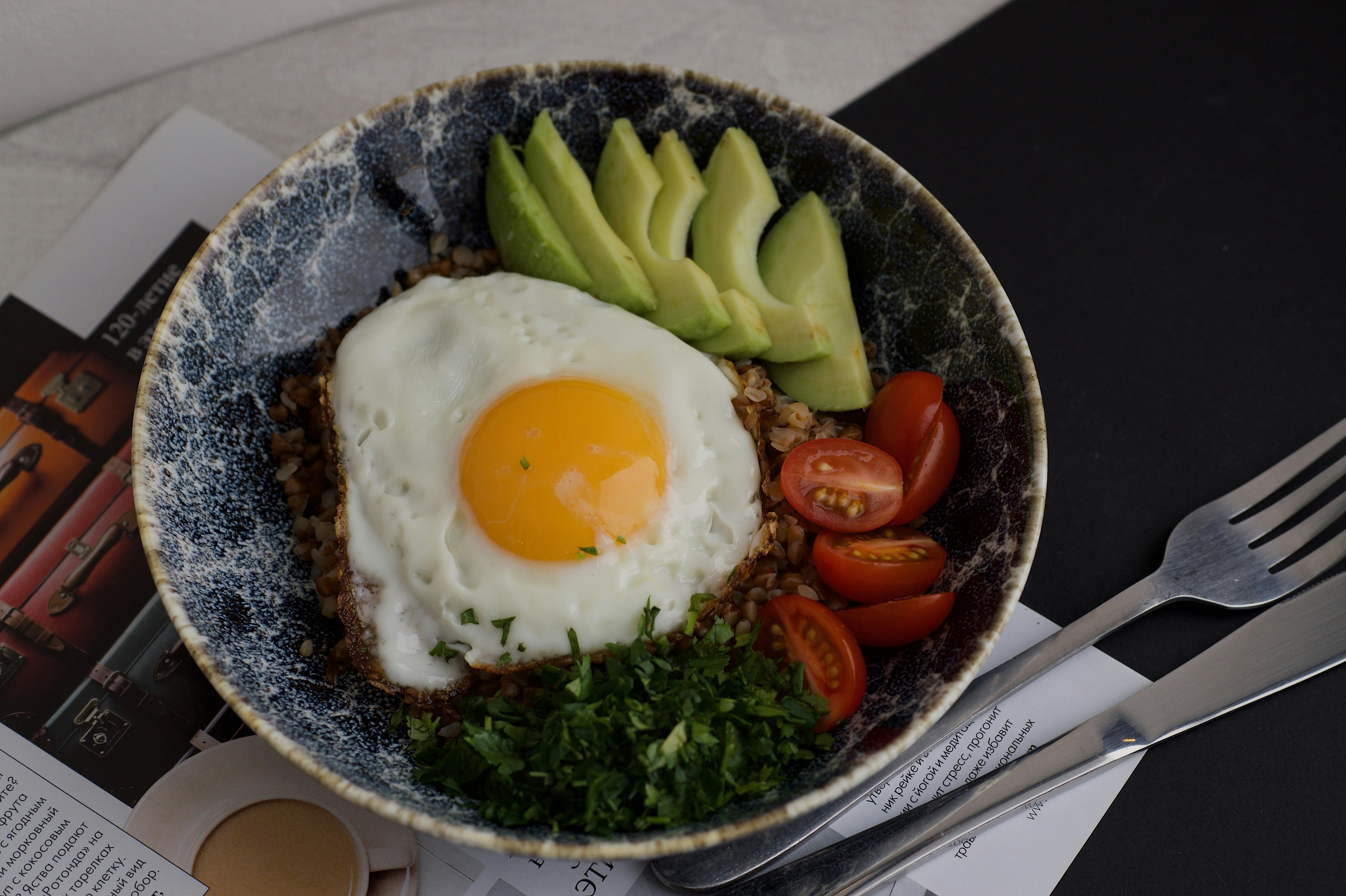
Breakfast is getting more complex, and chefs believe savory morning meals will keep gaining traction in 2026. Instead of defaulting to pastries or sugary options, diners are looking for bowls, wraps, eggs with vegetables, brothy grains, and sandwiches with serious flavor.
Part of the appeal is practical. Savory breakfasts feel more sustaining, and they blur the line between breakfast and lunch in a way that suits modern schedules. Think congee with toppings, shakshuka-inspired plates, breakfast tacos, or greens tucked into omelets and grain bowls.
Restaurants are responding with menus that make the first meal of the day feel more worldly and less rigid. It is breakfast, but with a chef’s sense of possibility.
Low-Waste Cooking Becomes a Selling Point
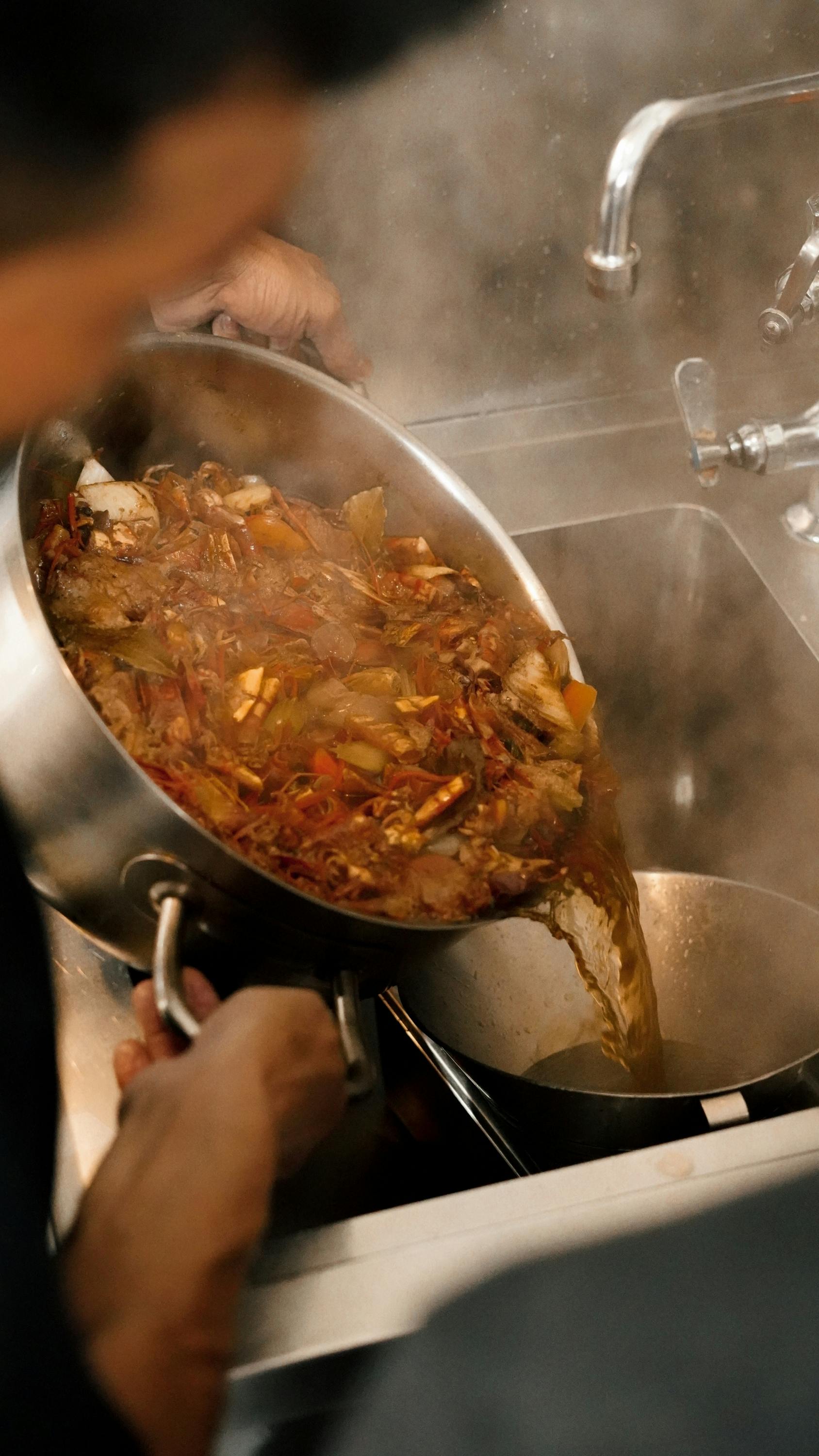
Chefs have long talked about using ingredients more efficiently, but in 2026 low-waste cooking is expected to become more visible to diners. Stocks from trimmings, desserts from overripe fruit, pickles from stems, and sauces built from scraps are turning kitchen discipline into menu appeal.
This trend is about creativity as much as responsibility. Guests increasingly appreciate restaurants that tell a smart story about how food is sourced and used, especially when that approach produces something delicious rather than preachy.
The best versions do not feel like compromise. They feel clever, generous, and modern, proving that thoughtful cooking can lower waste while actually deepening flavor and character.
Comfort Food Gets Lighter and Smarter

Comfort food is not going away, but chefs say it is being refined for how people want to eat now. In 2026, expect classics like mac and cheese, pot pie, noodles, and fried chicken to show up with brighter sauces, more vegetables, cleaner ingredients, and less heaviness overall.
The idea is to preserve emotional satisfaction while making dishes feel more balanced and contemporary. A creamy pasta might lean on pureed vegetables for body, while a sandwich could pair indulgent fillings with sharper pickles or fresh herbs.
That balance is especially appealing in uncertain times. Diners still want food that feels reassuring, but they also want meals that leave them energized rather than weighed down.
Tinned Fish and Sea Snacks Keep Rising
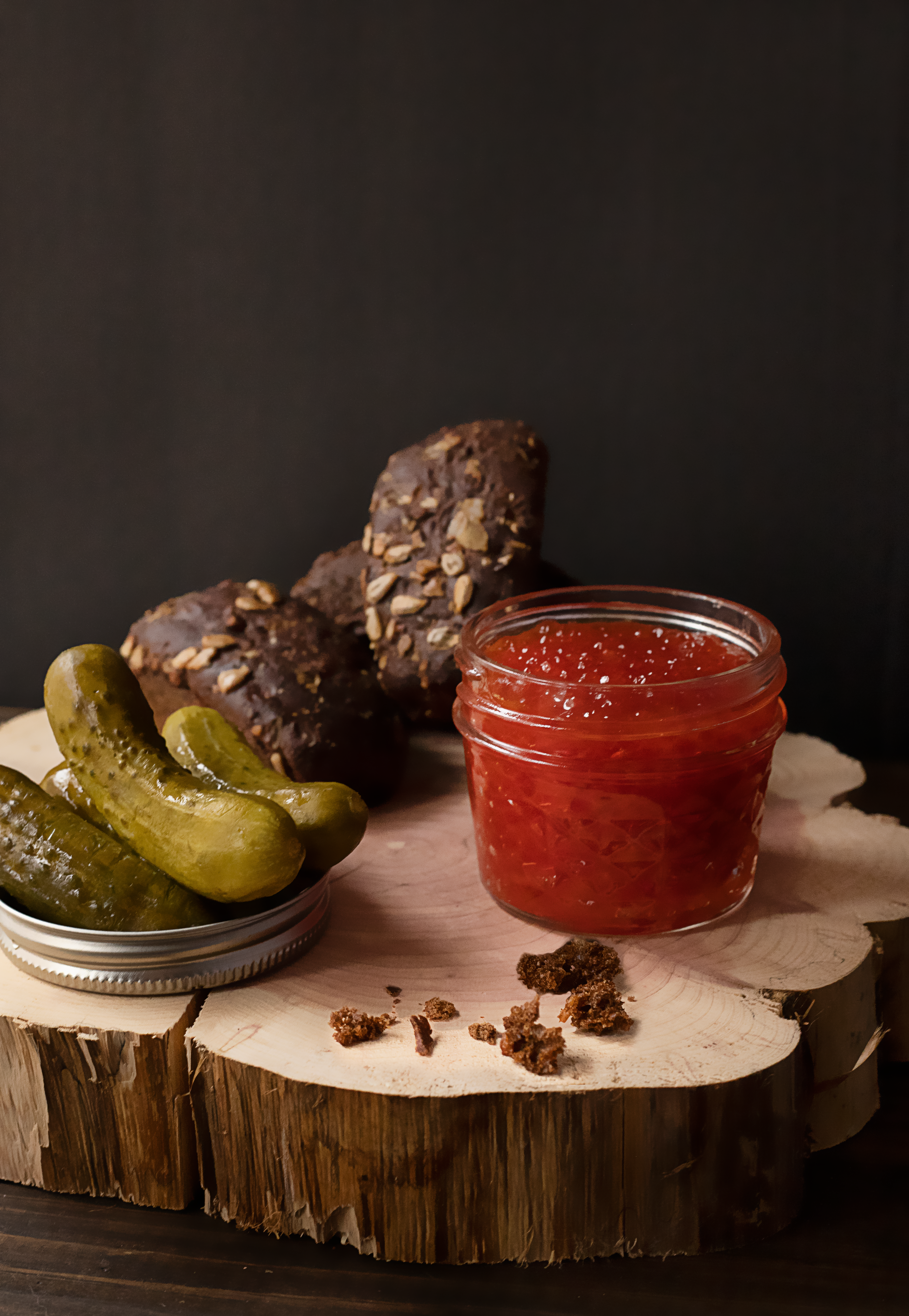
What started as a niche board-friendly obsession is evolving into a broader seafood moment. Chefs see tinned fish, marinated mussels, smoked trout, and other sea snacks continuing to rise in 2026 because they offer convenience, strong flavor, and a sense of casual sophistication.
Restaurants are using them in toast, pasta, salads, and snack plates, often pairing them with good bread, butter, pickles, and bright acids. The format feels both old-world and current, which is part of the charm.
For home cooks, these products also solve a familiar problem: how to make something fast feel intentional. A pantry tin can become lunch, aperitif hour, or an easy dinner starter.
Desserts Turn Nostalgic but Less Sweet
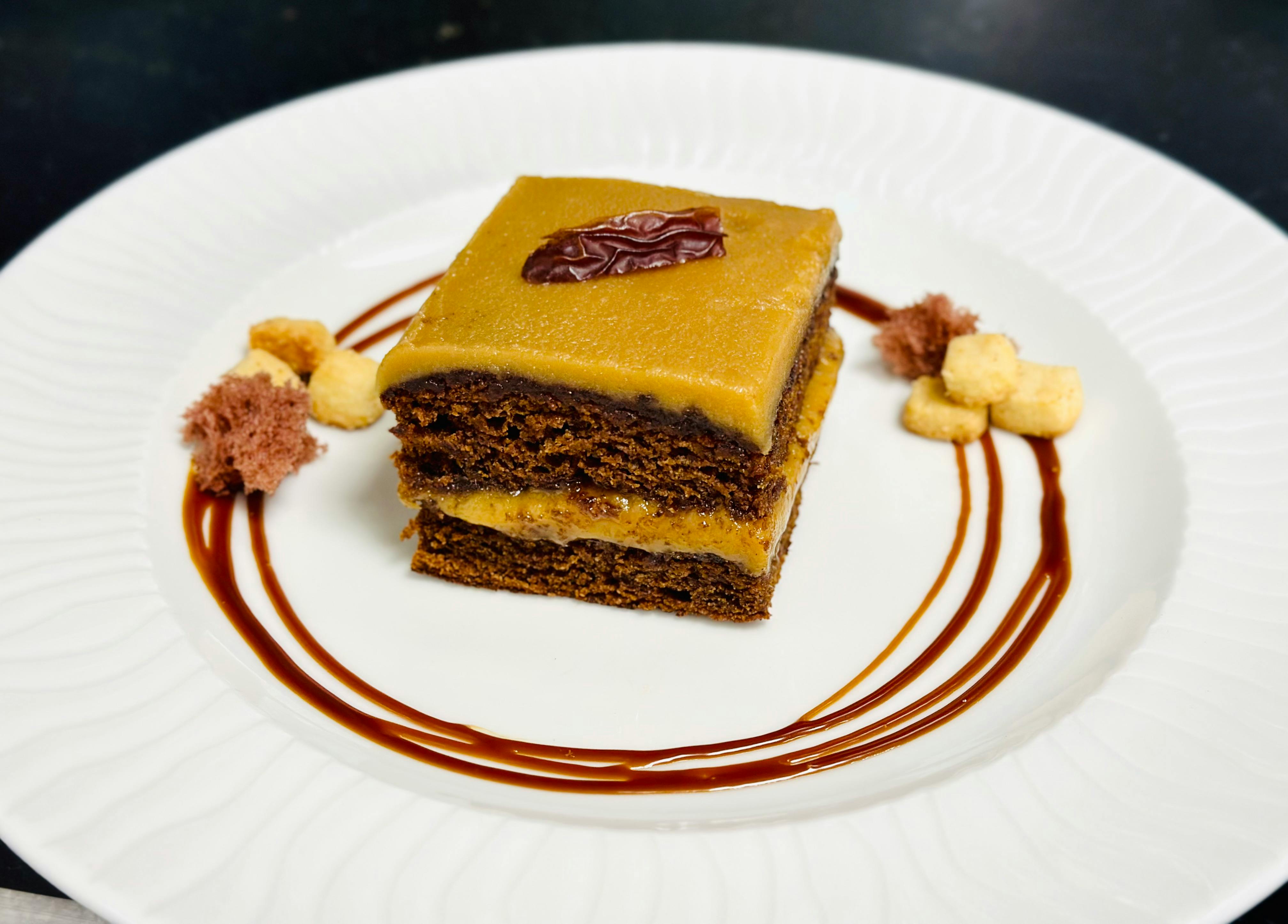
Chefs predict dessert menus will lean harder into nostalgia in 2026, but with more restraint. Think pudding, soft-serve, sheet cake, rice treats, and fruit cobblers reworked with better ingredients, sharper textures, and a sweetness level that feels more grown-up.
Brown butter, toasted grains, olive oil, citrus zest, tahini, sesame, and cultured dairy are helping pastry chefs add complexity without relying on sugar overload. The result is dessert that comforts first and impresses second.
That balance matters to diners who still want a treat but do not always want the heaviness of old-school finale portions. Familiar forms with cleaner edges are likely to win big.
Regional American Cooking Gets a Fresh Look
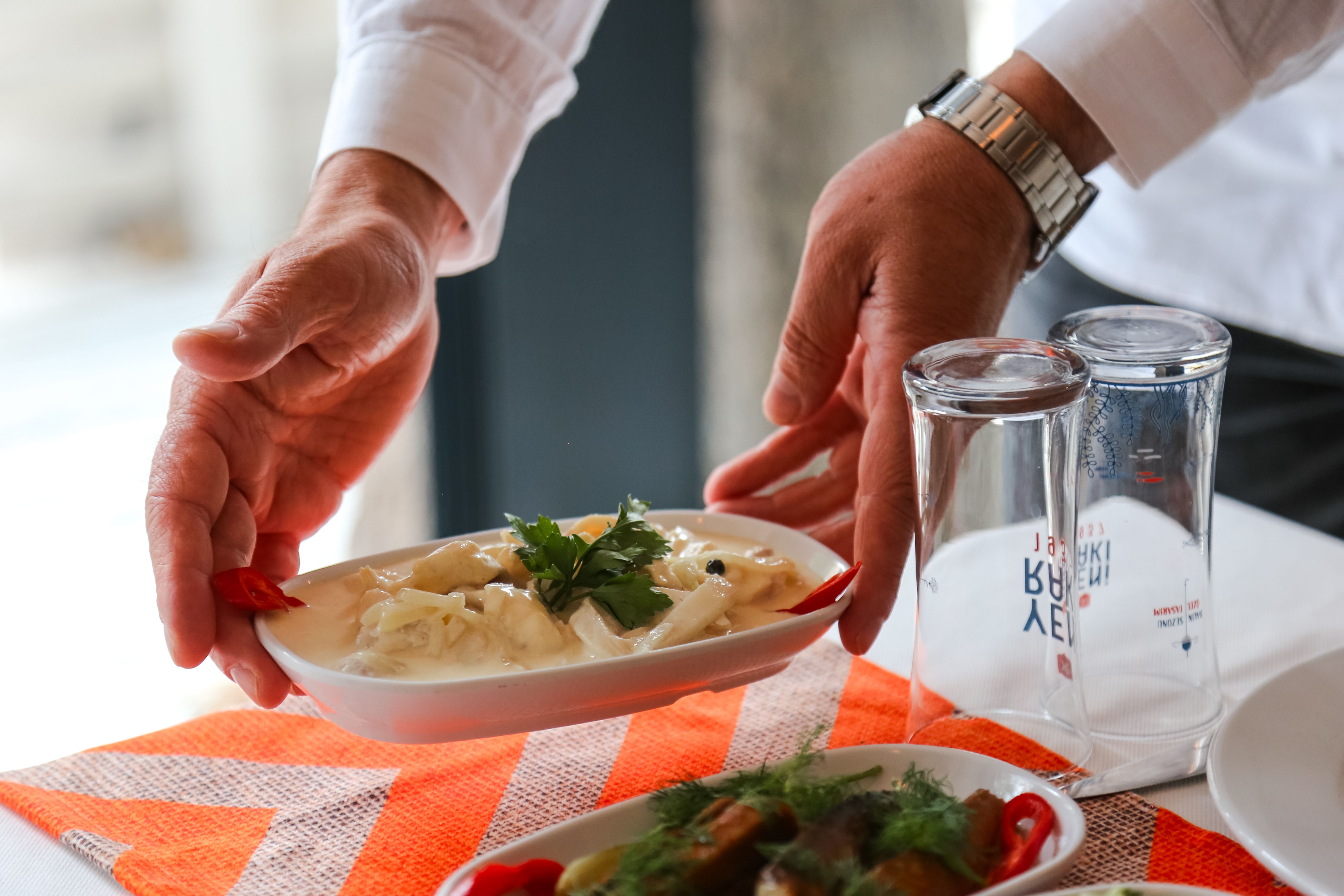
Chefs are looking closer to home for inspiration, and in 2026 that means a deeper interest in regional American cooking. Expect more menus that highlight Gulf Coast seafood traditions, Appalachian ingredients, Southwestern chiles, Midwestern supper-club classics, and lesser-known local foodways.
This is not about retro theming. It is about rediscovering techniques, stories, and ingredients with respect, then presenting them in ways that feel current. Chefs are increasingly drawn to the richness of place and the appetite diners have for authenticity with context.
The result could be one of the year’s most exciting shifts: food that feels rooted, specific, and proudly local while still delivering the creativity people expect from modern dining.