8 Vegetable Juices From Around the World That Miss the Mark

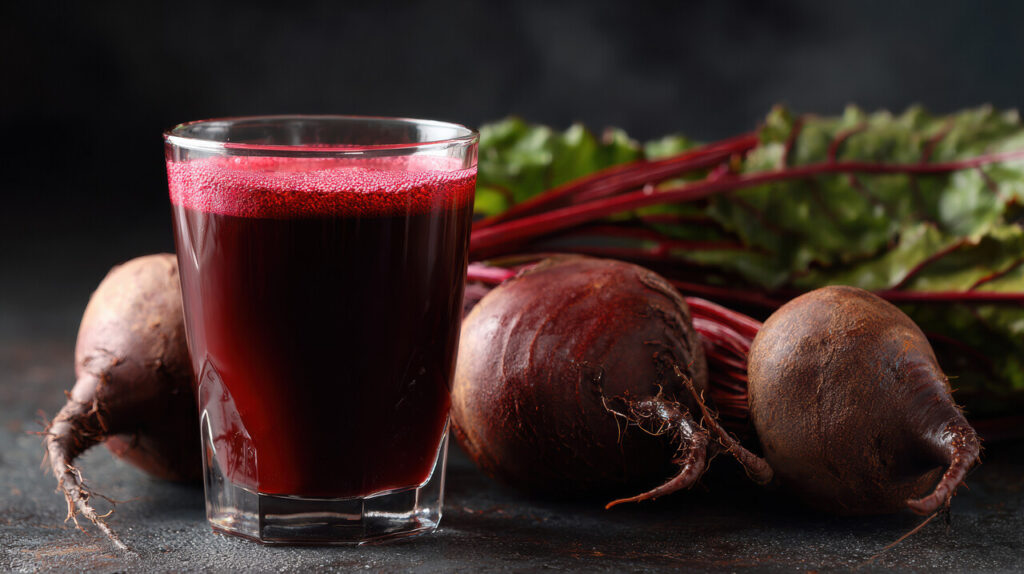
Vegetable juices promise energy, clarity, and a clean reset. On paper, they sound like the easiest way to flood your body with nutrients in a single glass. Here’s the thing. Not every vegetable behaves kindly once it’s crushed into liquid form. Some flavors intensify in unpleasant ways, textures turn murky or gritty, and digestion can feel heavier than expected. What looks vibrant in a blender often delivers a sharp, bitter, or oddly hollow taste, making consistency hard to maintain. A juice can be technically healthy and still miss the mark as something you actually enjoy drinking. These vegetable juices show how good intentions don’t always translate into good experiences, especially when balance, flavor layering, and drinkability get overlooked.
1. Pure Kale Aojiru
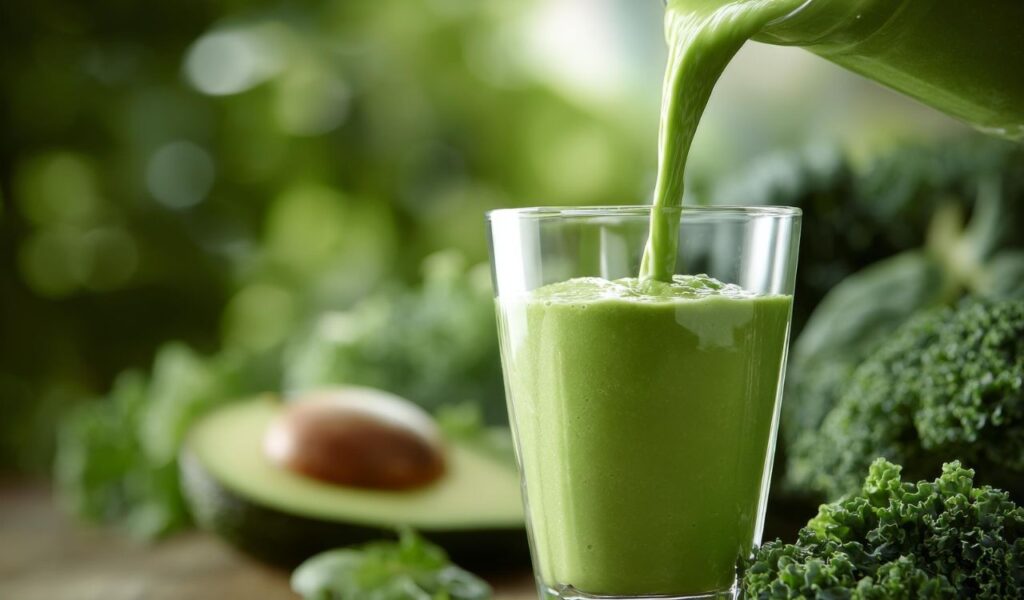
There’s something admirable about a drink that refuses to pretend it’s dessert, and pure kale aojiru is exactly that. Traditionally consumed in Japan as a concentrated health tonic, this deep green juice delivers a dense hit of vitamins, minerals, and chlorophyll. The problem is that kale, especially when juiced alone without fruit or citrus, leans heavily into bitterness and grassy sharpness. For many first-time drinkers, the flavor feels medicinal rather than refreshing, which makes consistency hard even for people who genuinely care about nutrition. Texture can also work against it. Kale fibers break down into a slightly chalky or murky liquid that settles quickly, requiring constant stirring to avoid an uneven mouthfeel. Another challenge is digestibility. Highly concentrated raw greens can trigger bloating or mild stomach discomfort in people who are not used to them. What this really means is that aojiru delivers on nutrients but often misses on enjoyment and habit-forming appeal. Many people eventually dilute it, blend it with apple or lemon, or abandon it entirely because the experience feels like a chore rather than a pleasure.
2. Straight Beet Juice
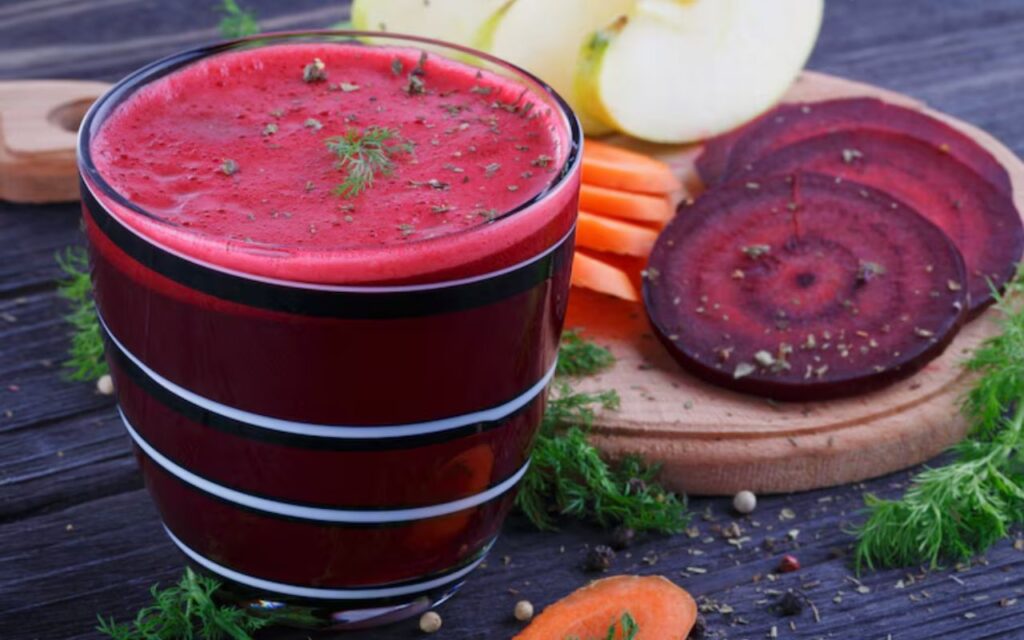
Beet juice looks like a jewel in a glass, but its flavor profile can surprise even adventurous drinkers. Beets carry a strong earthy compound that some people perceive as clean soil or metal, and when juiced straight, that character becomes intense. Instead of bright sweetness, the dominant note can feel heavy and almost medicinal. The natural sugars also concentrate quickly, which can make the drink feel cloying without balancing acidity. Texture adds another hurdle. Beet juice tends to be thick and slightly pulpy, leaving a coating on the mouth that lingers longer than expected. There is also the visual side effect that catches people off guard, including temporary changes in urine color, which can feel alarming if you’re not prepared. While beets offer nitrates that support circulation and endurance, the sensory experience often limits how often people want to drink it. Many end up diluting it with citrus, carrot, or ginger to soften the earthiness, which quietly acknowledges that straight beet juice rarely succeeds as a standalone beverage for daily enjoyment.
3. Cabbage Juice Alone
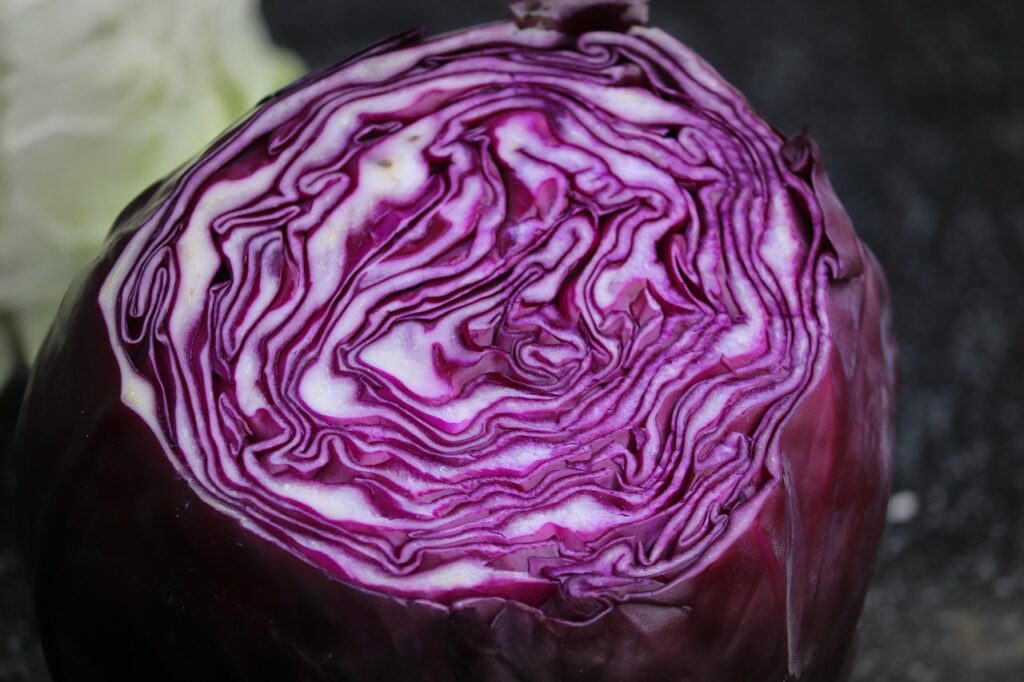
Cabbage juice sounds mild on paper, but once blended into liquid form, its sulfur compounds become more noticeable. That faint cooked-cabbage aroma can come across even when the juice is raw and chilled, which affects appetite before the first sip. Flavor-wise, cabbage alone tends to be thin and slightly bitter, lacking natural sweetness or acidity to create balance. The result is a drink that feels nutritionally responsible but emotionally unrewarding. Texture can also feel watery and hollow, giving the impression of drinking something unfinished. Cabbage does offer digestive support and vitamin C, but the payoff does not match the effort for most people unless it’s combined with brighter ingredients like apple, lemon, or cucumber. Another issue is freshness. Cabbage juice oxidizes quickly, which dulls its flavor even further if not consumed immediately. Over time, many people abandon pure cabbage juice because it feels more like a supplement than a beverage, and the sensory gap between expectation and reality becomes hard to justify.
4. Bitter Gourd Karela Juice
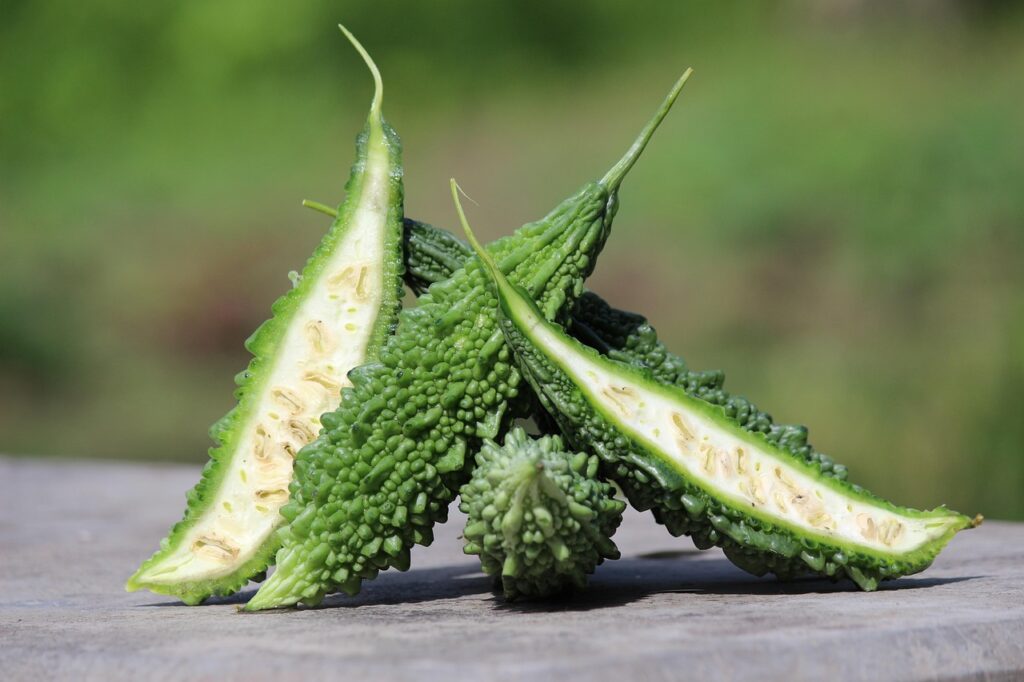
Bitter gourd juice is famous for its bold medicinal reputation and equally bold flavor. The bitterness is not subtle or polite. It arrives sharply and lingers long after swallowing, which can make even small servings feel like endurance training. This bitterness comes from natural compounds that are linked to its blood sugar and metabolic benefits, but taste tolerance varies widely across cultures and individuals. Texture can be another challenge, as karela pulp produces a slightly foamy, fibrous liquid that separates quickly. Many people experience mild nausea or stomach sensitivity when consuming it on an empty stomach, which adds another barrier to routine use. The flavor is often masked with lemon, salt, or diluted water, yet even these adjustments rarely eliminate the underlying bite. What starts as a motivated health experiment often fades because daily enjoyment matters more than theoretical benefits. The drink earns respect for its functional value but struggles to earn loyalty as something people genuinely look forward to drinking.
5. Pure Celery Juice With No Add-Ins
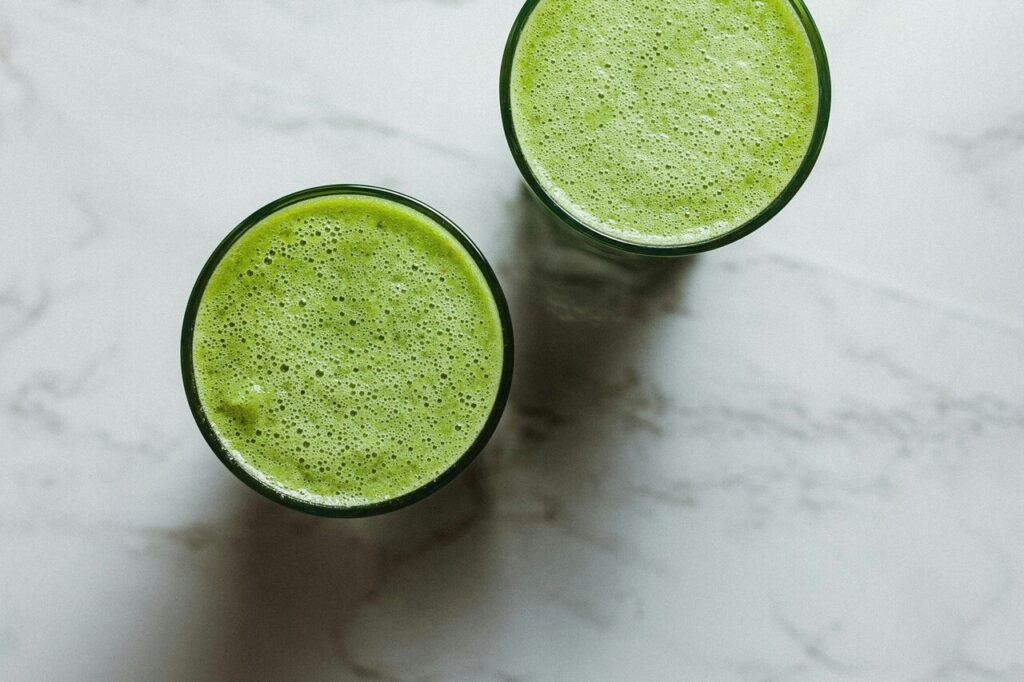
Celery juice gained popularity for its clean image and hydrating appeal, but taken on its own, it frequently disappoints expectations. The flavor is lightly salty and vegetal, which sounds refreshing until the monotony sets in. Without sweetness or acidity, the taste can feel flat and one-dimensional, especially for people accustomed to fruit-forward juices. Texture also plays a role. Celery fibers create fine pulp that can feel stringy or foamy, requiring careful straining to avoid a gritty mouthfeel. Another practical issue is volume. Celery contains a lot of water, so you need a large bunch to produce a modest glass, which can feel wasteful and expensive over time. While celery delivers potassium and hydration, many drinkers notice little difference in energy or digestion compared to plain water, which weakens motivation to keep making it. Over time, the novelty fades, and people quietly move on to more flavorful blends that deliver similar hydration with greater enjoyment.
6. Straight Spinach or Collard Greens Juice
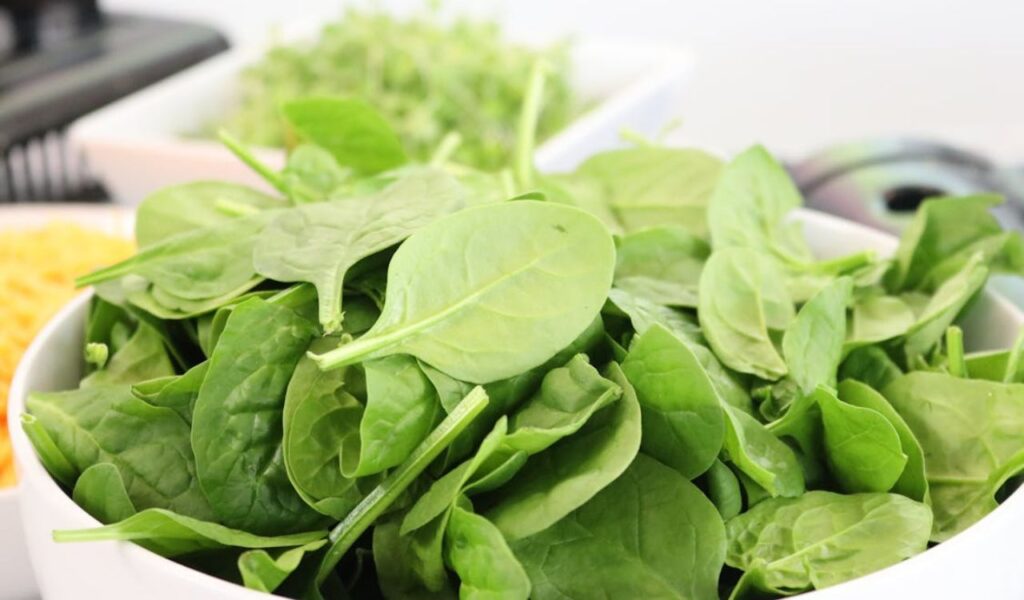
Dark leafy greens bring undeniable nutritional value, but when juiced alone, their flavor profile becomes challenging. Spinach and collards release bitter chlorophyll notes that dominate the palate, especially without natural sweetness to soften the edge. The color often turns murky green-brown rather than vibrant, which can affect appetite before the first sip. Texture can feel thick and slightly muddy, particularly if the juice sits even briefly before drinking. Another issue is oxalate concentration in some greens, which can irritate sensitive stomachs or contribute to mineral absorption concerns when consumed excessively. Many people also experience a grassy aftertaste that lingers longer than expected. While these greens shine in blended smoothies or mixed vegetable juices, on their own they rarely feel refreshing or crave-worthy. What this really means is that nutritional strength alone does not guarantee drinkability, and most people eventually modify or abandon pure leafy green juices.
7. Lettuce Variety Juices Like Iceberg
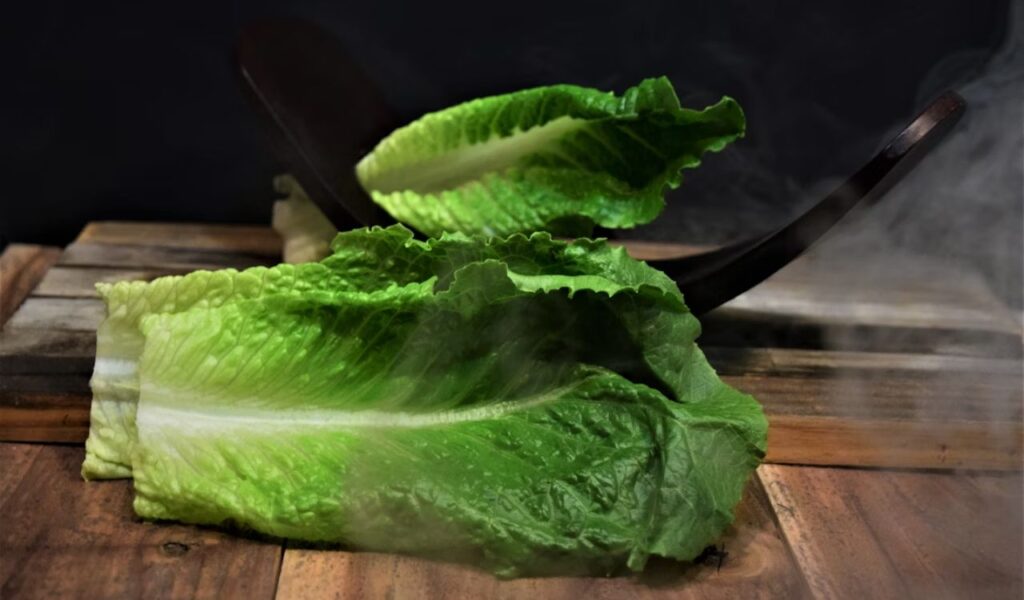
Not all greens are created equal for juicing, and iceberg lettuce highlights the limits of low-nutrient produce in liquid form. Iceberg is mostly water, which means the resulting juice tastes diluted and thin with little character. There is almost no sweetness, acidity, or depth to anchor the flavor, so it feels more like flavored water than a meaningful drink. Nutritionally, iceberg offers fewer vitamins compared to darker lettuces, which weakens the perceived benefit of the effort. Texture is also unimpressive, often separating quickly and creating a bland drinking experience that fails to satisfy thirst or hunger. For people seeking a refreshing juice, the payoff simply does not justify the prep, cleanup, and ingredient cost. While iceberg works well for crunch in salads, it does not translate into a rewarding beverage. Most people abandon it quickly after realizing that better greens deliver both flavor and nutrition more effectively.
8. Overly Complex Root Vegetable Juice Blends
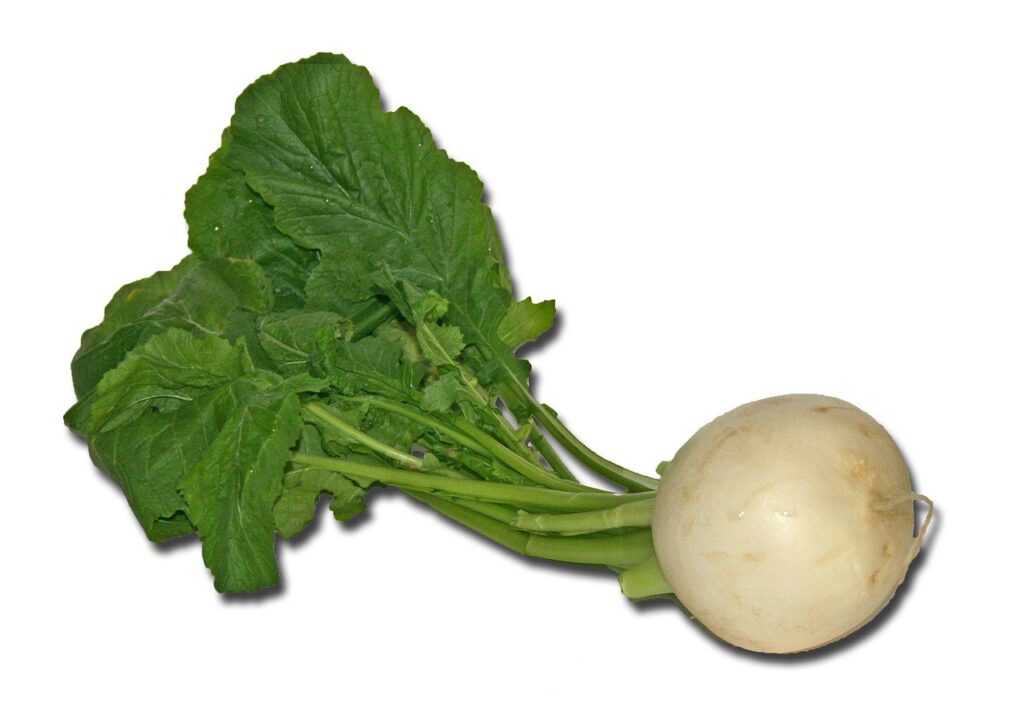
The idea of packing multiple root vegetables into one powerhouse juice sounds efficient, but in practice, it often creates a heavy and confusing flavor profile. Combining beet, carrot, turnip, celery, and other roots can result in a drink that feels thick, overly sweet, earthy, and sometimes muddy all at once. Instead of clarity, the flavors compete, leaving no single note to enjoy. Texture becomes dense and filling, which can make the drink feel more like a chore than a refreshment. Digestively, large amounts of raw root fiber can cause bloating or discomfort for some people. There is also the issue of sugar concentration from carrots and beets, which can spike sweetness faster than expected. Many home juicers learn that restraint creates better balance, but overly ambitious blends often discourage repeat use. What begins as a health experiment often ends in half-finished glasses and a renewed appreciation for simpler, more focused combinations that actually taste good.