11 Party Dishes That Almost Always Go Untouched

Every party table has a few dishes that look familiar, even comforting, yet somehow remain untouched as the night goes on. These foods are not bad by default. They simply miss the mark in texture, timing, temperature, or expectation. Guests gravitate toward snacks that feel rewarding, easy to eat, and clearly delicious. When something feels risky, dull, or unfinished, it gets skipped. This list breaks down the party staples that almost always stall out and explains why they fail to compete once the room fills and the plates start piling up. Small details make the difference between a dish that disappears and one that quietly lingers.
1. Vegetable Platters with Ranch Dip
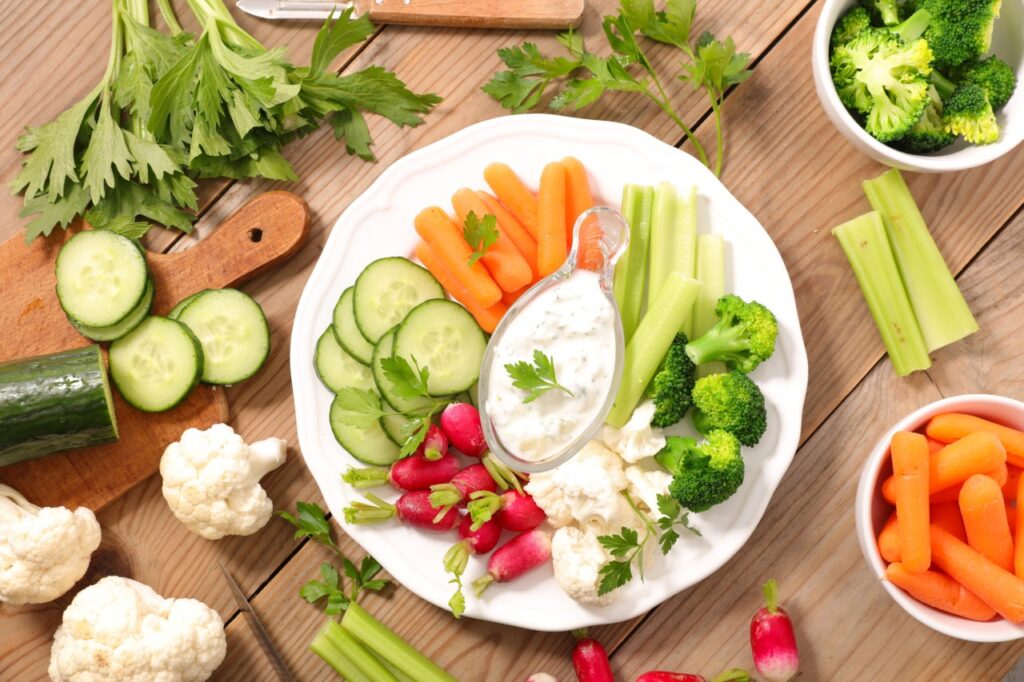
A raw vegetable platter looks like a responsible and familiar option, which is exactly why it struggles to attract attention at parties. Carrots, celery, broccoli, and cherry tomatoes are foods many guests already eat during the week, so they lack novelty in a celebratory setting. Ranch dip is meant to boost appeal, yet it often tastes flat or overly processed and rarely provides enough contrast to excite the palate. When left out too long, the dip thickens or separates, quietly discouraging people from scooping it. The vegetables themselves dry out under warm lights, losing their crisp snap and fresh appearance.
2. Plain Potato Salad
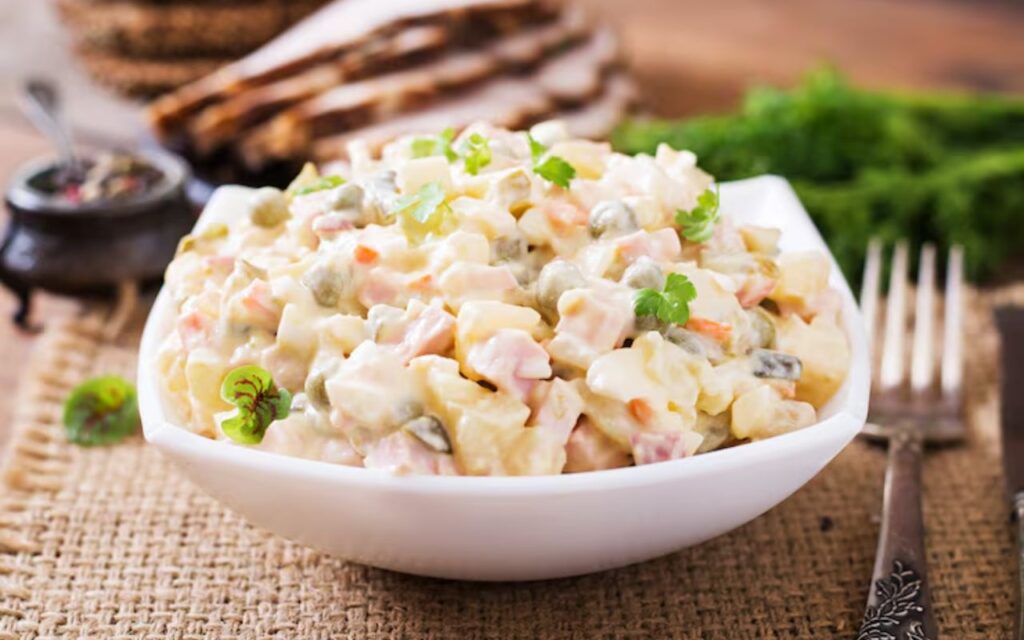
Plain potato salad fades into the background because it plays things too cautiously. Potatoes are naturally mild, so without enough seasoning, acidity, or texture, the dish tastes flat and uninspiring. At parties, potato salad often sits out for long periods, causing starches to tighten and the mixture to become heavy or gluey. Guests may also hesitate due to uncertainty about how long it has been unrefrigerated, especially when mayonnaise is involved. Visually, pale potatoes offer little contrast or color, which reduces appetite appeal. Partygoers tend to choose foods that look bold and intentional.
3. Dry Pasta Salad
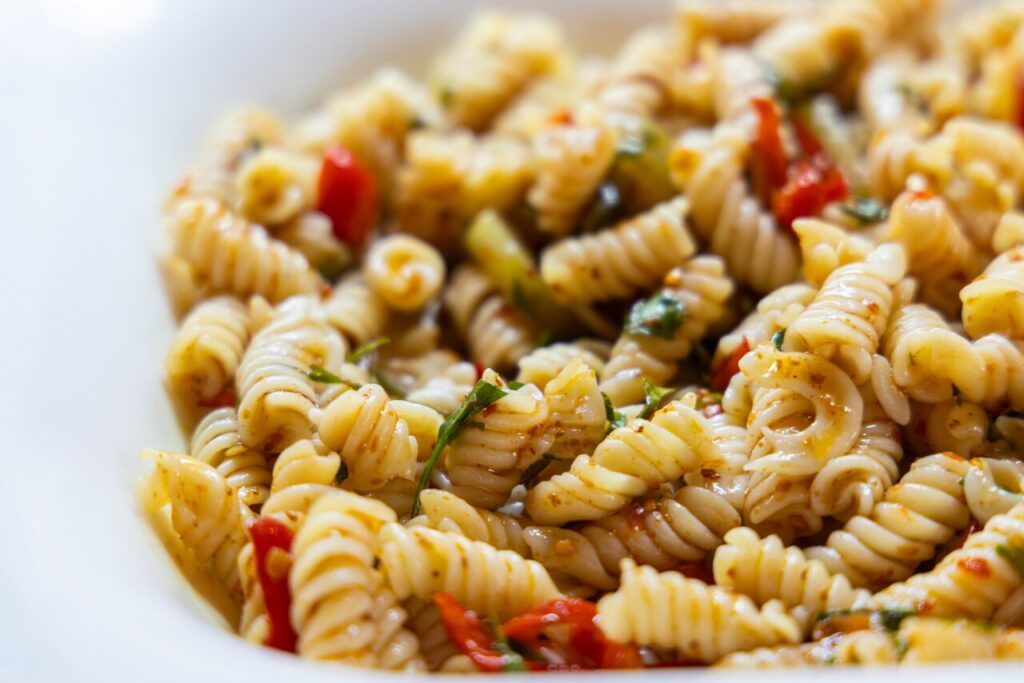
Pasta salad suggests comfort but frequently disappoints in practice. When pasta absorbs dressing too early, it swells and dries out, creating a chalky or sticky texture. Without enough oil, acid, or seasoning, flavors fail to coat each bite evenly. Many versions rely heavily on overcooked noodles with few vegetables, making the dish dense yet unsatisfying. Temperature also works against it. Served cold, pasta loses much of its flavor impact, and guests often associate pasta with warm meals. Visually, pale noodles dominate, and without herbs or colorful ingredients, the dish lacks appeal. At parties, guests want foods that feel indulgent or special.
4. Store-Bought Hummus with Pita
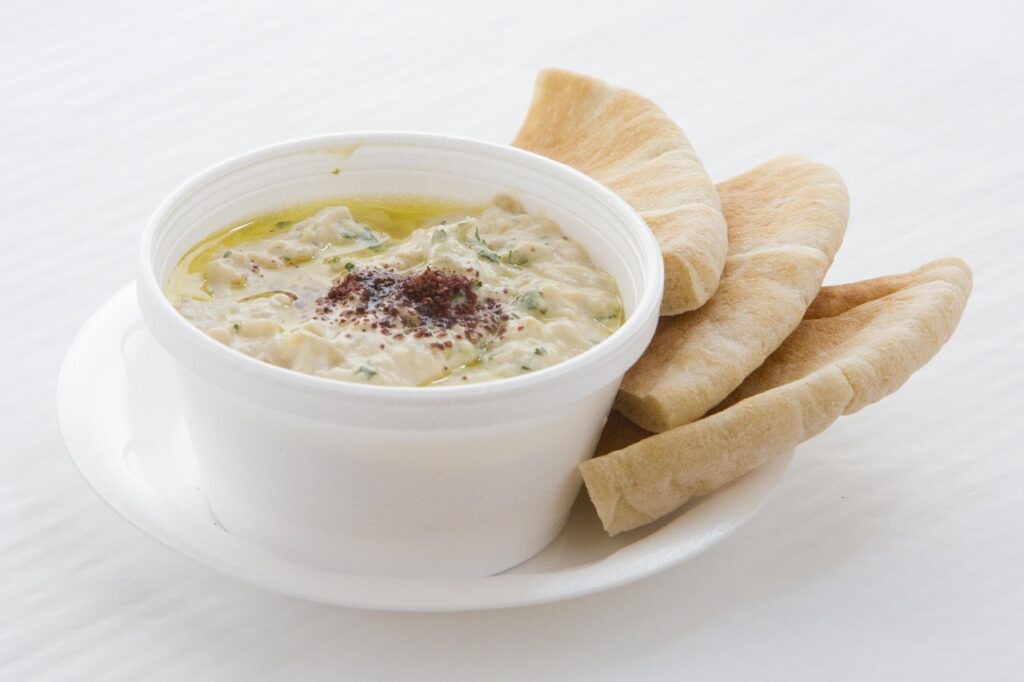
Store bought hummus has become so common that it rarely excites party guests. Many versions are thick, under-seasoned, and served straight from the container without any effort to enhance flavor or texture. When paired with dry or stale pita, the experience feels functional rather than enjoyable. Hummus also dries out quickly once exposed to air, forming a skin that signals neglect. Most guests have eaten hummus many times before, so unless it offers exceptional freshness or presentation, it blends into the background. At parties, repetition dulls interest. People subconsciously skip foods they expect to taste the same as usual.
5. Cheese Cubes Without Accompaniments
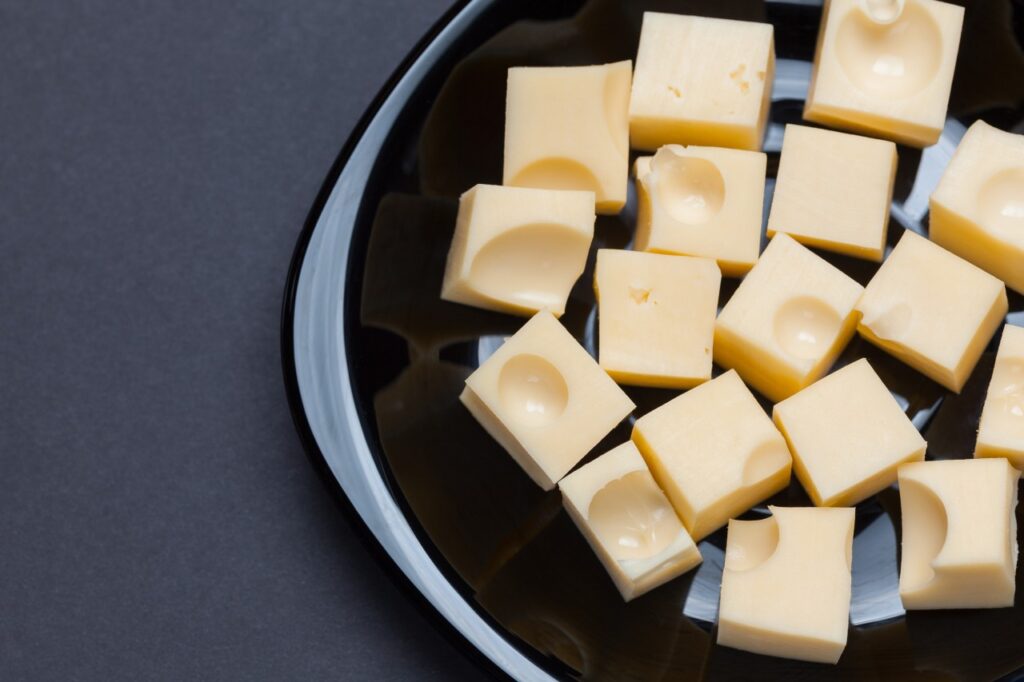
Cheese should be an easy crowd-pleaser, yet plain cubes often go untouched. Pre-cut cheese dries out quickly, forming a dull, waxy surface that reduces flavor and texture. Without crackers, fruit, or spreads, the cheese feels incomplete and one-dimensional. Guests may also hesitate because they cannot identify the type of cheese or anticipate its taste. Cheese is at its best when paired with sweetness, acidity, or crunch. Alone, it becomes monotonous after a bite or two. Presentation matters as well. A loose pile of cubes looks utilitarian rather than inviting. Party guests respond to visual cues that suggest care and intention.
6. Deviled Eggs
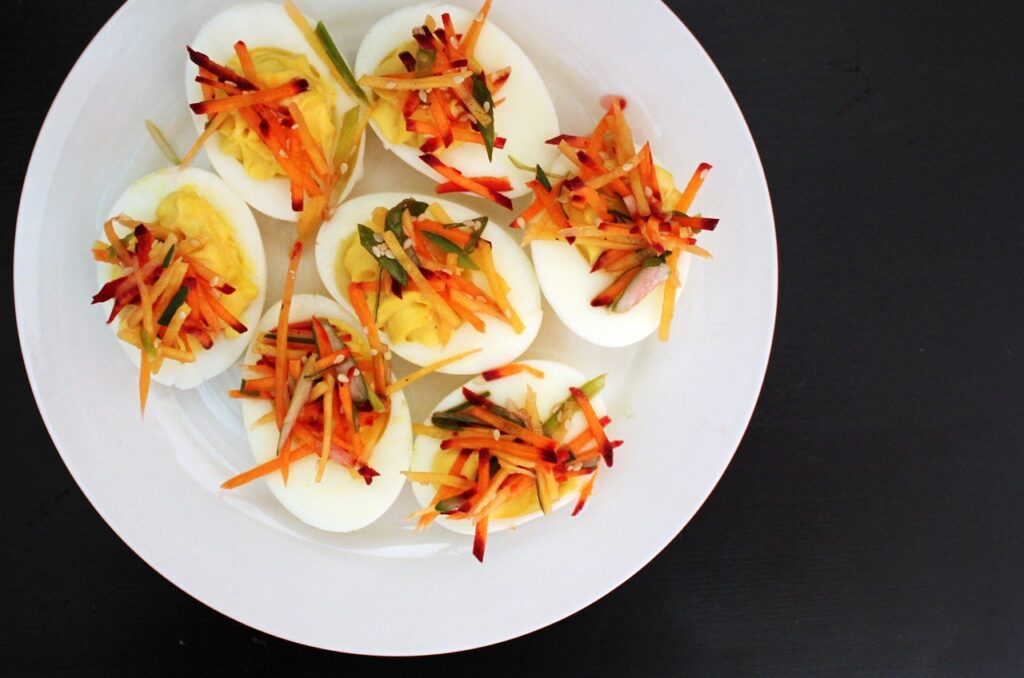
Deviled eggs are appealing in theory, but difficult to maintain at a party. When freshly made, they are creamy and balanced, yet they degrade quickly. The filling can dry out, discolor, or form an unappealing surface. Eggs also absorb surrounding odors, subtly altering flavor in a crowded buffet. Cold egg whites firm up over time, making the texture less pleasant. Some guests are cautious about eating eggs that have been sitting out, even when food safety is not an issue. Visually, deviled eggs lose their structure and shine as they age. With many other options available, guests often skip foods that feel fragile or time-sensitive, leaving deviled eggs behind.
7. Unseasoned Shrimp Cocktail

Shrimp cocktail carries an air of elegance, but unseasoned versions rarely deliver satisfaction. Shrimp are naturally mild and depend on proper salting and cooking for flavor. Overcooked shrimp become rubbery, while under-seasoned ones taste watery and bland. Cocktail sauce is meant to compensate, yet many versions rely on sweetness instead of balance. Served cold, shrimp also firm up, reducing tenderness. Guests may hesitate due to seafood sensitivities or concern about freshness if the shrimp have been sitting out. As they dry, shrimp lose their glossy appearance, making them less appealing. Without bold seasoning, a shrimp cocktail feels like a risk rather than a reward.
8. Cold Cuts Without Bread or Condiments
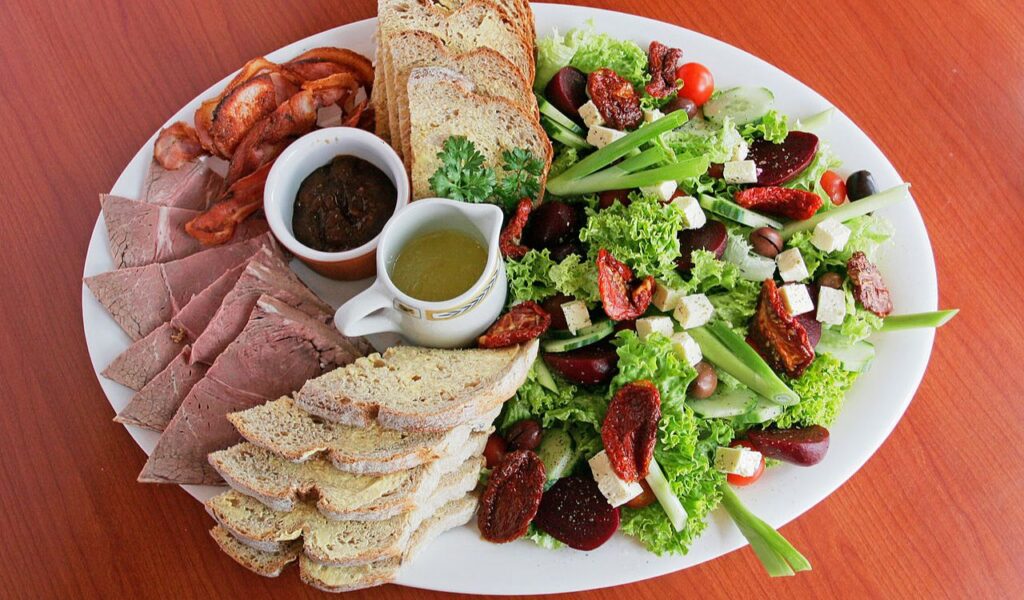
Cold cuts on their own feel incomplete and awkward. Slices of ham, turkey, or salami are meant to be paired with bread, mustard, or texture. Without those elements, guests are left with salty protein that feels unfinished. Cold cuts dry out quickly, curling at the edges and losing aroma. People associate them with sandwiches, so seeing them stripped of context creates hesitation. Portion uncertainty also plays a role, as guests may not know how much to take or how to eat them politely. Without structure or pairing, cold cuts lose their purpose and are easily overlooked. They read more like leftovers than an intentional party offering.
9. Jell-O Salads
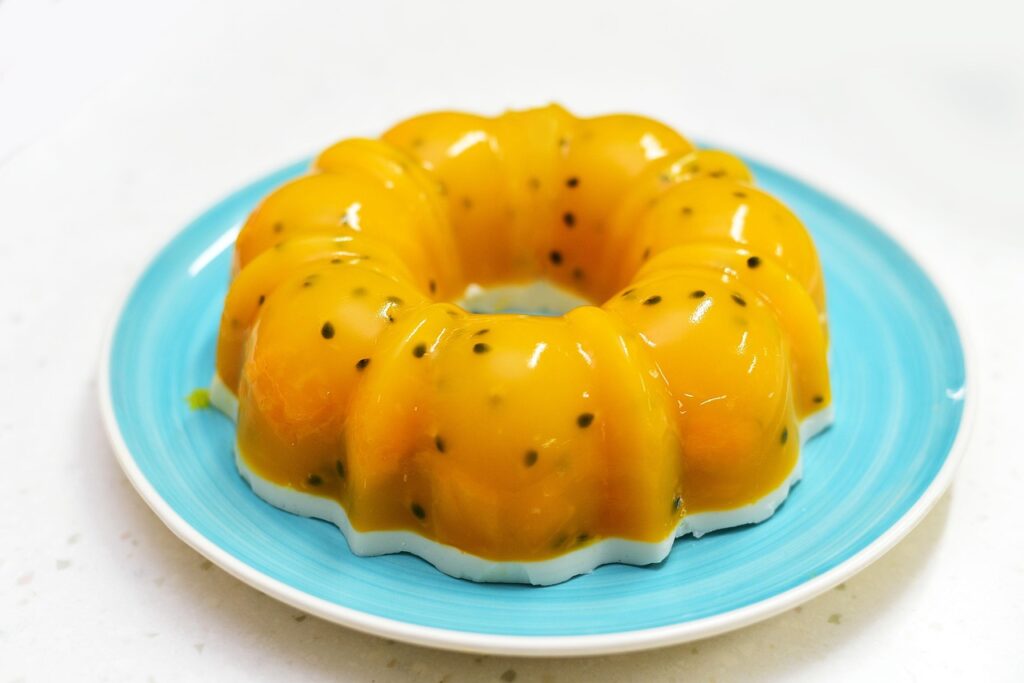
Jell-O salads rely heavily on nostalgia, which does not always translate to appetite. Their bright colors can feel artificial, and suspended ingredients create uncertainty about texture and flavor. Many guests associate them with outdated food trends rather than modern tastes. Sweet and savory elements often clash, leaving people unsure what to expect. Texture is a major barrier. Gelatin lacks chew or crunch, making each bite slippery and unsatisfying. At parties, guests gravitate toward foods they can quickly understand and enjoy. Jell-O salads require explanation, and in a crowded buffet, confusion usually leads to avoidance.
10. Plain Chips Without Dip

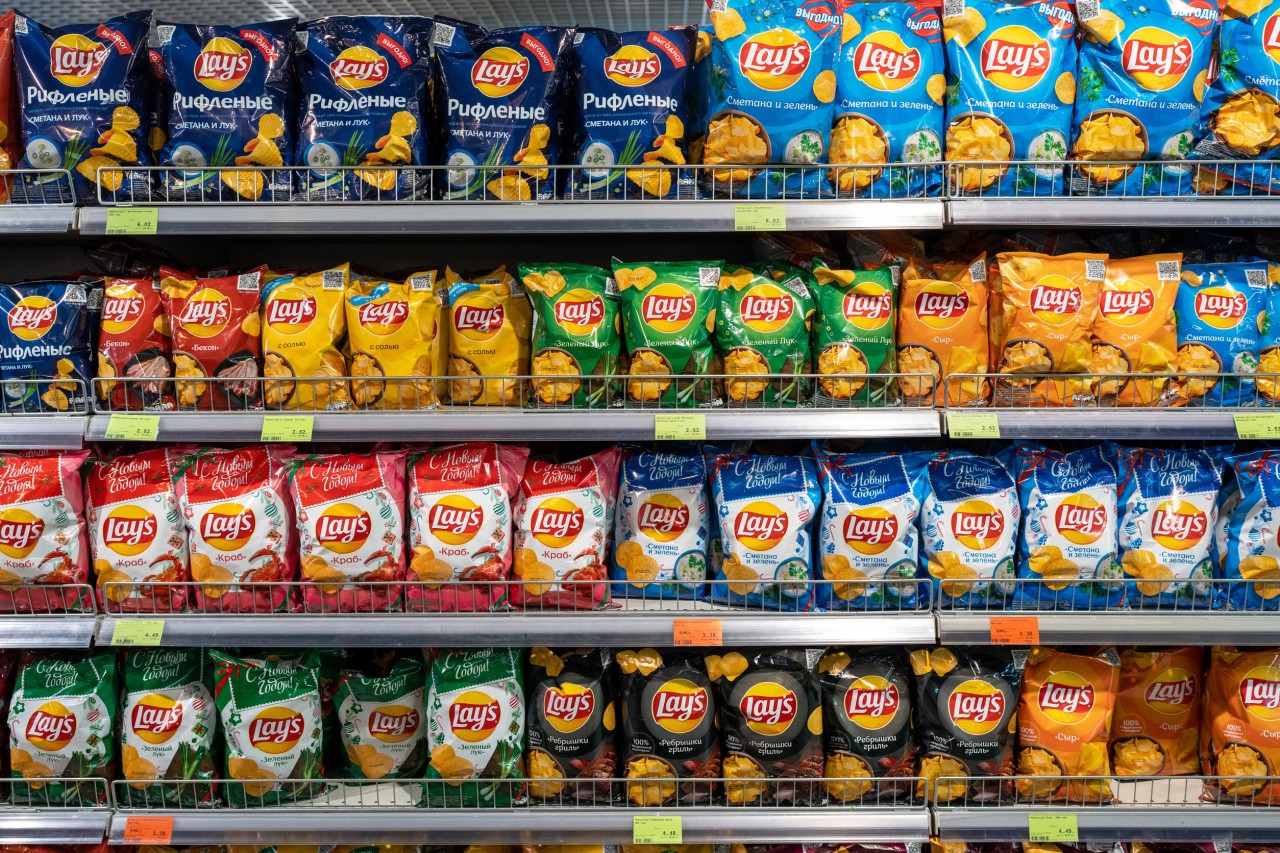
Plain chips depend entirely on salt and crunch, which becomes repetitive quickly. Without dip, they offer little variation or richness. Guests may grab a few out of habit but rarely return for more. Chips also stale rapidly once exposed to air, losing crispness and appeal. Visually, an open bowl of chips signals casual snacking rather than a party highlight. Surrounded by foods with stronger aromas and textures, plain chips fade into the background. Dip provides balance and purpose, and without it, chips struggle to hold attention. They become an afterthought rather than a destination on the snack table.
11. Generic Store-Bought Cupcakes
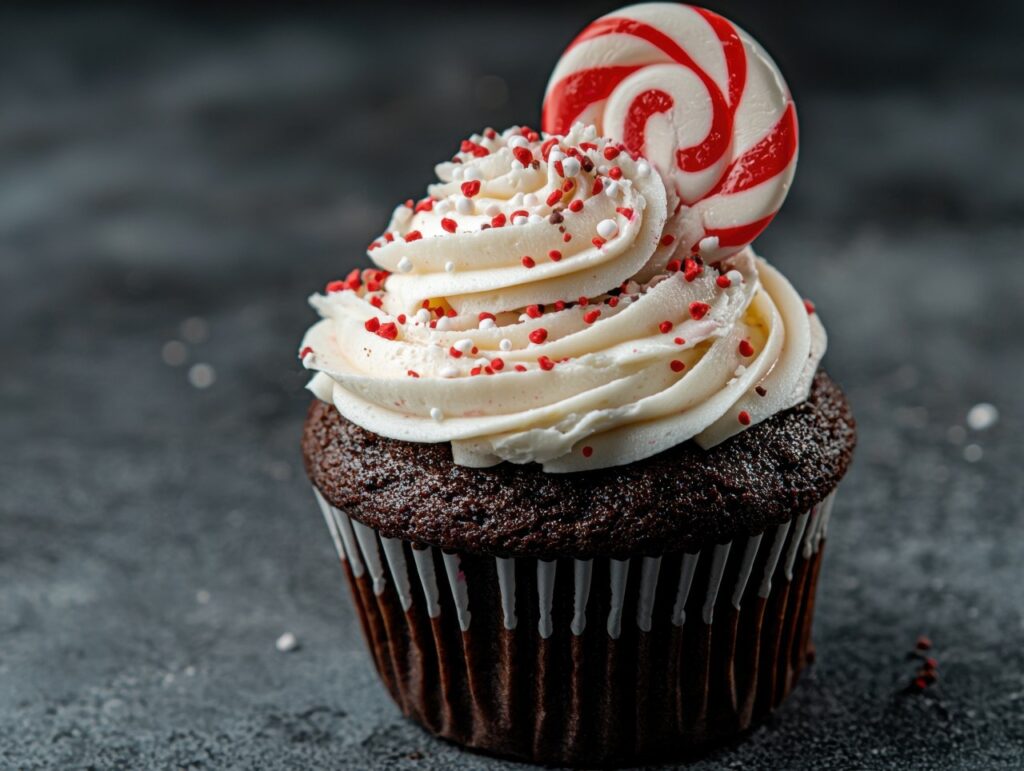
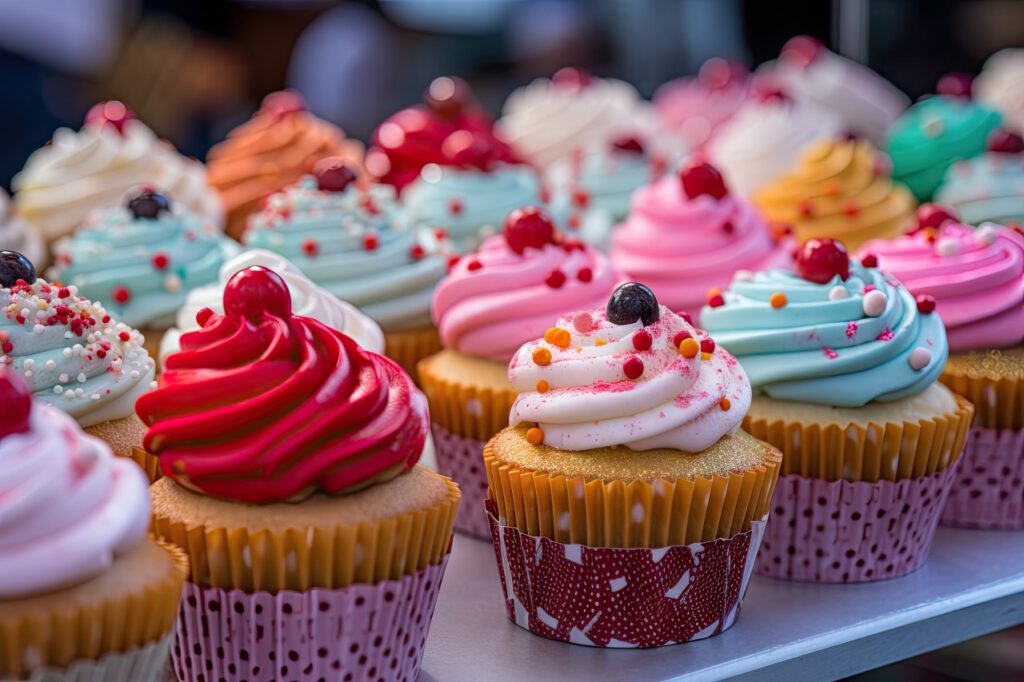
Generic store-bought cupcakes promise indulgence but often deliver predictability. Frosting is usually overly sweet, masking any real cake flavor beneath. The texture tends to be dense or dry due to shelf stability requirements. Guests recognize them instantly as mass-produced, which reduces excitement. At parties, people often wait for something that feels special or homemade. Cupcakes also feel like a commitment compared with smaller bites, making guests hesitant to choose them early. When dessert lacks surprise or character, it becomes optional, and generic cupcakes are often left untouched.