10 Familiar Foods That Lost Flavor After Going Mass Market


Many familiar comfort foods that once delivered rich, home-style flavors now taste noticeably milder after becoming mass-produced staples. As dishes moved from family kitchens and regional restaurants into factory production, recipes often shifted to prioritize consistency, shelf life, and broad appeal. While convenience improved, seasoning depth and ingredient quality sometimes declined. For longtime fans, these changes make beloved classics feel less satisfying than the versions remembered from earlier decades.
1. Homestyle Chicken Pot Pie
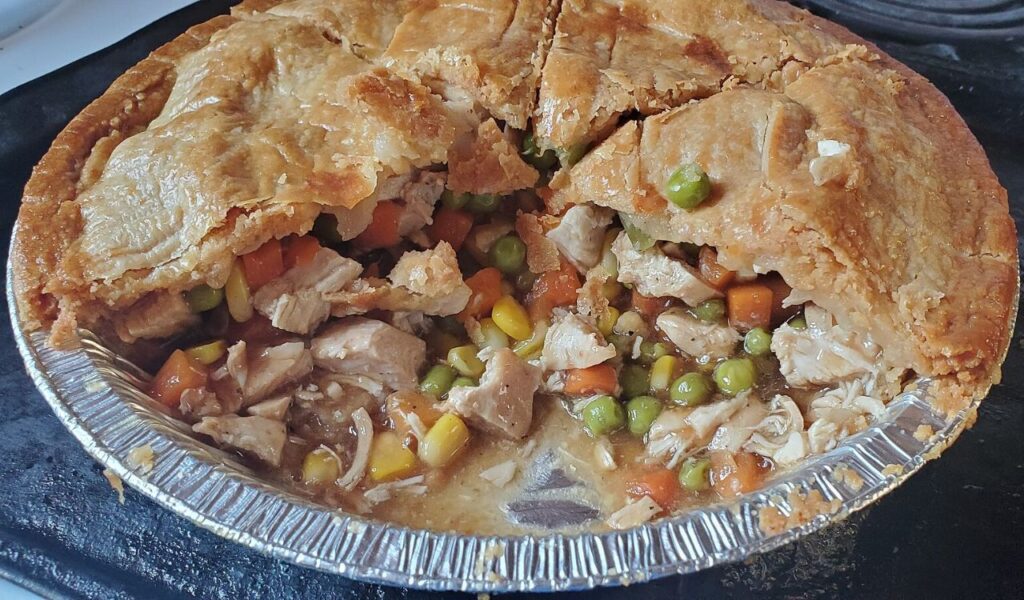
Chicken pot pie once served as the ultimate comfort food, layering tender cuts of chicken, rich gravy, and vegetables beneath a buttery crust. In local kitchens and small bakeries, cooks used fresh herbs and flavorful stock to build complexity that lingered long after the first bite.
As pot pies transitioned into frozen and mass-produced versions found in supermarkets, many of those traditional elements faded. This shift reduced the depth of savory notes that defined classic versions.
Shoppers often find that modern packaged pot pies lack the bold, layered flavor once common in homestyle versions. While still filling, these pies rarely match the rich character of their original counterparts.
2. Classic Meatloaf
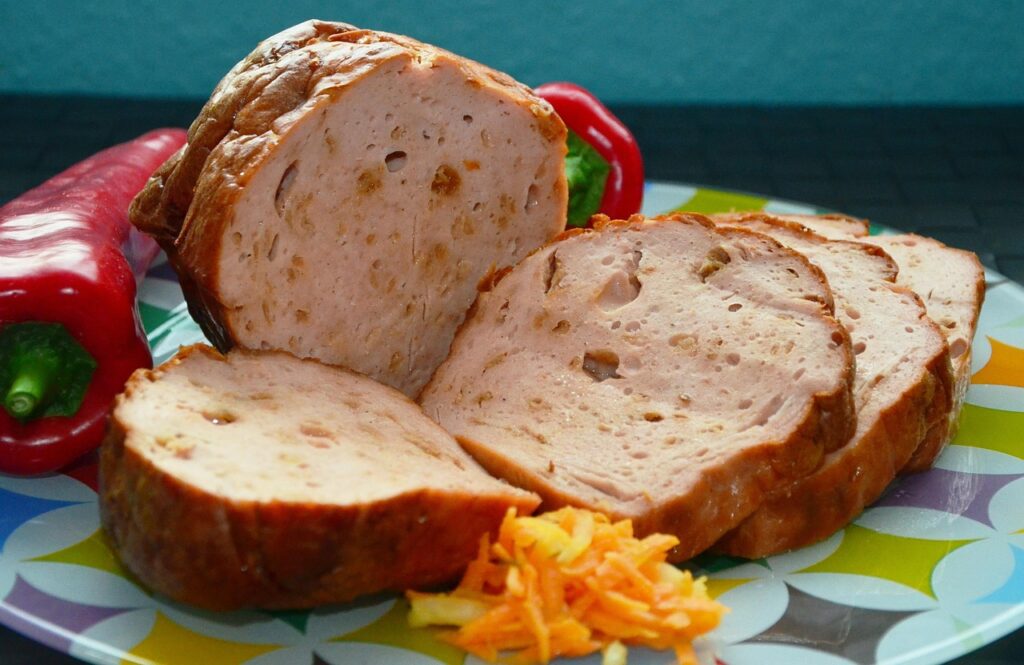
Meatloaf began as a savory, personality-rich dish built from a mix of ground meats, herbs, and breadcrumbs soaked in flavorful sauces. Regional recipes often reflected local spice blends and a home cook’s touch.
When meatloaf appeared in frozen dinners or pre-made meal lines, manufacturers simplified recipes for broad appeal. Bold herbs, caramelized vegetables, and slow-cooked gravy were replaced with streamlined seasoning packets and uniform meat blends.
Today’s mass versions may satisfy hunger, but they deliver a muted flavor profile compared with classic homemade meatloaf. Without the depth built from varied textures and rich seasoning, many diners feel these ready-to-heat meals lack character.
3. Old-School BBQ Ribs
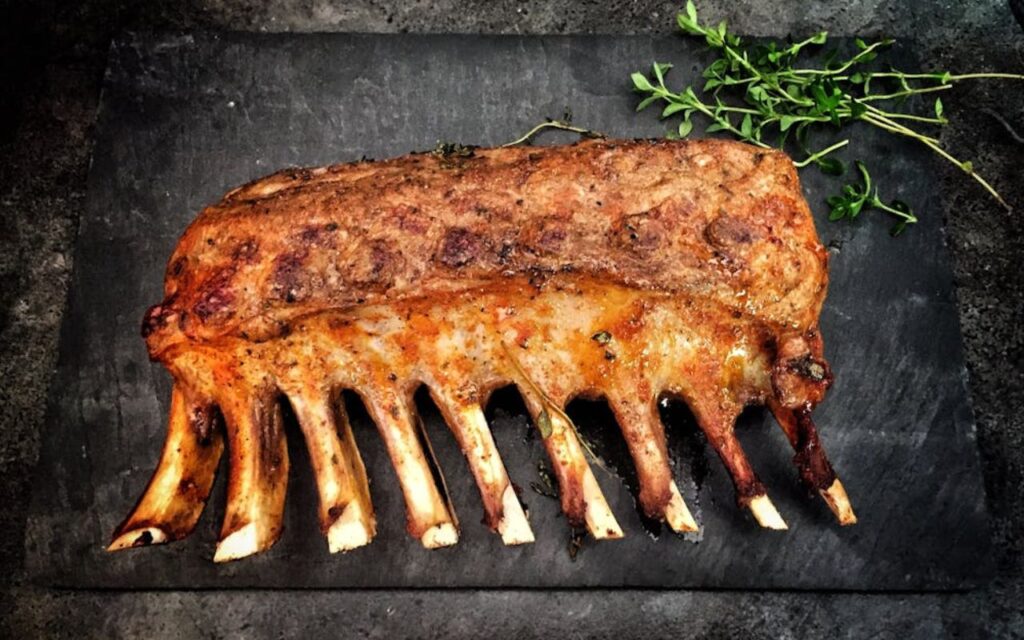
Barbecue ribs once embodied regional traditions, whether smoked low and slow in Texas, glazed with sweet molasses in Kansas City, or spiced with vinegar and pepper in Carolina pits. Each style offered layers of smoky, tangy, and spice-rich flavor developed through time and fire.
As barbecue moved into national markets and prepared food cases, producers standardized recipes for consistency. Ribs sold pre-sauced or pre-cooked now lean toward familiar sugary profiles rather than rich local depth.
The result leaves many barbecue lovers feeling that mass-market ribs have lost the soul of traditional pit cooking. While convenient, these standardized versions rarely capture the slow-smoke complexity or bold seasoning mixes that made regional barbecue distinctive.
4. Traditional Apple Pie

Apple pie has long stood as an American classic, layering tart apples with cinnamon, nutmeg, and sugar beneath a flaky pastry that crisps in the oven. Home bakers used fresh apples and balanced spices to create a warm, complex sweetness.
In mass-produced pies, however, manufacturers often rely on concentrated apple fillings and heavier sugar blends to guarantee consistency across production batches.
The result is a pie that looks familiar but tastes noticeably sweeter and less nuanced. The delicate interplay between tart apple and spice character is often lost, replaced by generalized sweetness that sacrifices the layered flavor once defined by fresh ingredients.
5. Classic Beef Stew
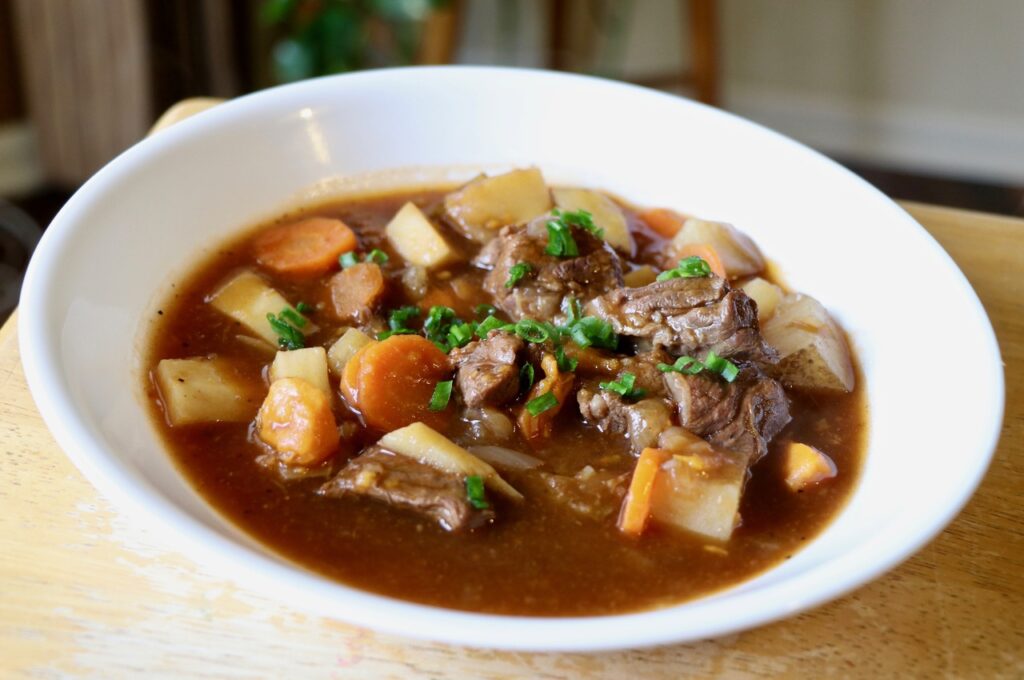
Beef stew once simmered for hours, allowing meat, root vegetables, and sturdy herbs to meld into a rich broth that carried deep savory flavor. Slow cooking techniques encouraged collagen release from meat.
Commercial versions of beef stew in cans or frozen trays often shortcut this process, using thickeners and simplified flavor profiles to meet shelf-life and production cost demands. Reduced simmer time, reliance on basic seasonings, and less complex stock make these versions less robust.
Consumers who grew up on homemade stew report that modern mass-market options taste flatter and less meaty, lacking the savory bouquet developed through long cook times. While convenient, these stews rarely match the rich depth of slow-cooked originals.
6. Gourmet Grilled Cheese Sandwich
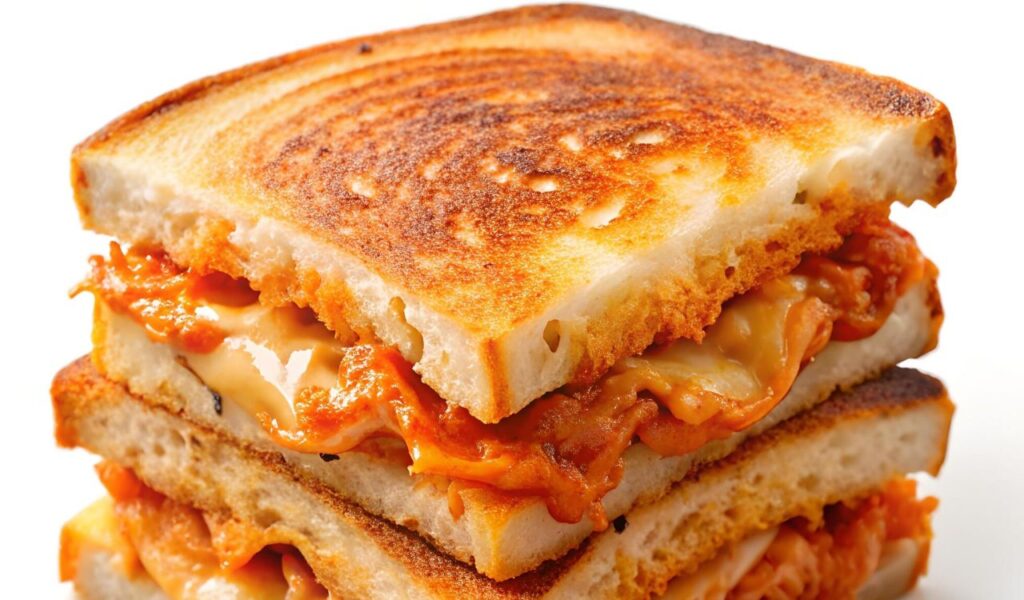
The classic grilled cheese once balanced gooey, rich cheese melting between thick slices of crusty bread, delivering robust flavor in every bite. Locally sourced cheeses and butter-basted bread created layers of texture.
As grilled cheese sandwiches entered fast-food menus and pre-packaged offerings, components shifted toward processed cheeses and standardized breads. These ingredients prioritize shelf stability and mass appeal, but they lack the bold flavor of artisanal cheese blends and freshly baked breads.
As a result, many diners find mass versions lack the rich, creamy character that once made the dish comforting. While still satisfying in a pinch, the flavor is often more uniform and less memorable than its traditional handcrafted counterpart.
7. Flaky Buttermilk Biscuits

Buttermilk biscuits once emerged from ovens with rich tang and buttery layers that flaked easily with a fork. Bakers used real buttermilk and fresh flour, creating subtle complexity in texture and flavor that paired beautifully with savory and sweet meals.
Mass-produced biscuits, whether frozen or pre-packaged, often depend on preservatives and simplified dough formulations to maintain shelf life and uniform appearance. This approach sacrifices the delicate buttermilk tang and tender layers that defined classic biscuits.
Diners often notice a heavier, denser texture and less nuanced flavor. The sweet spot between crisp exterior and fluffy interior becomes muted under mass production’s constraints, leaving biscuits that satisfy hunger.
8. Homemade Meatballs

Homemade meatballs once reflected the art of seasoning garlic, parsley, breadcrumbs, and cheese blended into a mix that delivered flavor with every bite. Regional variations added herbs and spices that created unique profiles rooted in family tradition.
Packaged and pre-made versions often scale back seasoning to appeal to general tastes and ensure consistency across markets. Herbs may be minimal, seasonings moderate, leaving meatballs that deliver texture without bold flavor.
Regular consumers of classic recipes frequently note that pre-made meatballs lack the savory depth of their homemade counterparts. While convenient, the flavor becomes more uniform and less robust, reflecting how mass production prioritizes broad acceptance over rich, handcrafted tastes.
9. Classic Sausage Rolls

Sausage rolls once featured seasoned ground meat wrapped in rich pastry, with spices and herbs that reflected local baking traditions. The seasoning blend created a savory punch that distinguished them from simpler meat snacks.
Mass-market sausage rolls often emphasize uniform texture and moderate seasoning to please a wider audience. Strong spice notes get muted, and flavor depth from quality meat or specialty blends is replaced with a milder, more generic taste.
Consumers tasting both versions often find mass-produced rolls flatter and less exciting. While still satisfying as a snack, they lack the savory richness that once defined the comfort of biting into a freshly baked, well-seasoned sausage roll.
10. Old-School Root Beer

Root beer once carried distinctive spice blends, sassafras, wintergreen, and herbal notes that created a layered taste profile unique among soft drinks. Smaller breweries crafted recipes that delivered rich aromatic character and sweetness.
As mass brands dominated the market, formulations shifted toward simplified sweetness using sugar or high-fructose blends, often softening or removing original herbal complexity. The result creates a sweeter, smoother drink that lacks the bold spice interplay of earlier versions.
Many root beer enthusiasts note that modern mass-market root beer feels sweeter and less flavorful than classic small-batch recipes. While still enjoyable to many, the shift toward sweetness and uniformity sacrifices its character.