11 Everyday Foods That Taste Flat for a Very Specific Reason

Sometimes a food tastes fine, yet it lacks the depth you expect. The sweetness is there, the salt is present, and the texture seems right. Still, the flavor does not open up or linger, leaving the experience slightly muted.
In many everyday foods, the cause is specific. Cold storage slows enzyme activity. Oxygen strips volatile aromas. Reduced fat limits flavor release. Shorter cooking times reduce browning reactions that build complexity.
What seems like blandness is often chemistry. Small changes in processing or storage can quietly reshape how familiar foods develop and deliver flavor.
1. Pre-Cut Fruit

Convenience slices away more than peel. The moment fruit is cut, cell walls rupture, and enzymes meet oxygen. Oxidation begins immediately, dulling aroma compounds that give fruit its bright, fresh character.
Producers often use anti-browning agents such as ascorbic acid to slow discoloration. While effective at preserving appearance, these treatments do not fully protect volatile flavor molecules that gradually dissipate during storage.
Refrigeration slows microbial growth but also suppresses aroma release. By the time pre-cut fruit reaches the fork, it can taste noticeably flatter than fruit sliced just before eating.
2. Refrigerated Tomatoes
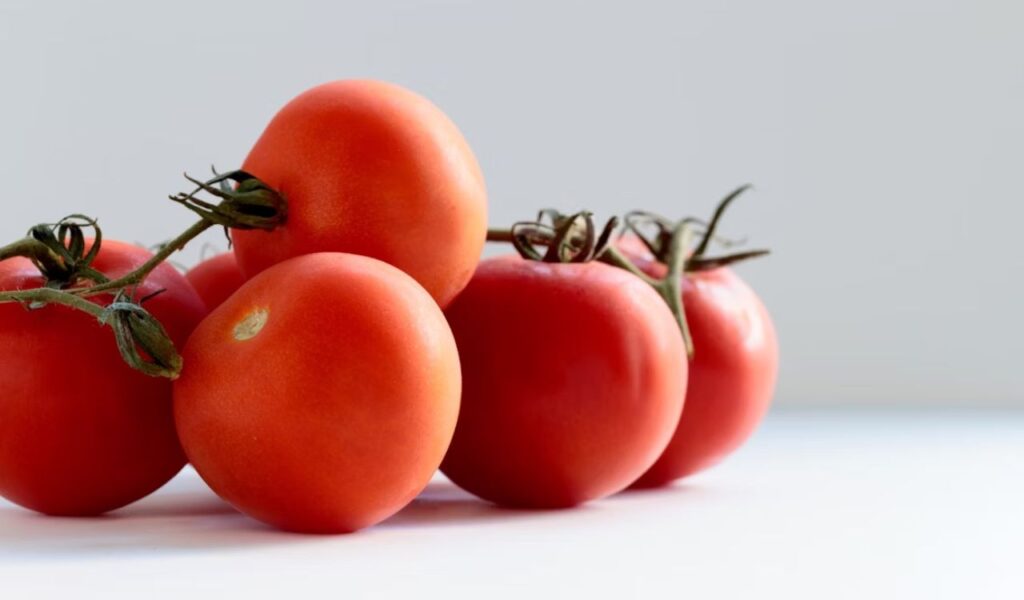
Tomatoes are built for warmth. Their flavor depends on enzymes that continue working after harvest, converting sugars and acids into aromatic compounds at moderate temperatures.
When stored below about 10°C, these enzyme systems slow dramatically. Cold temperatures also alter cell membranes, which can affect texture and lead to a mealy consistency once the tomato returns to room temperature.
The tomato still looks red and ripe. Yet chilling interferes with the chemical pathways that create its characteristic fragrance, leaving flavor less expressive than vine-ripened fruit kept at room temperature.
3. Pre-Ground Black Pepper
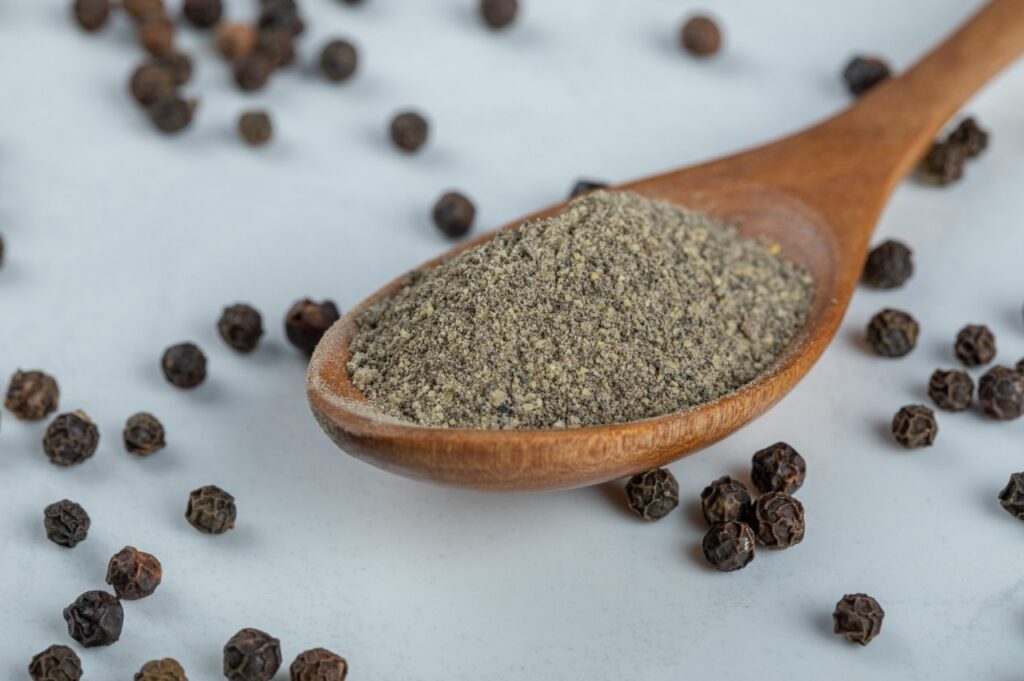
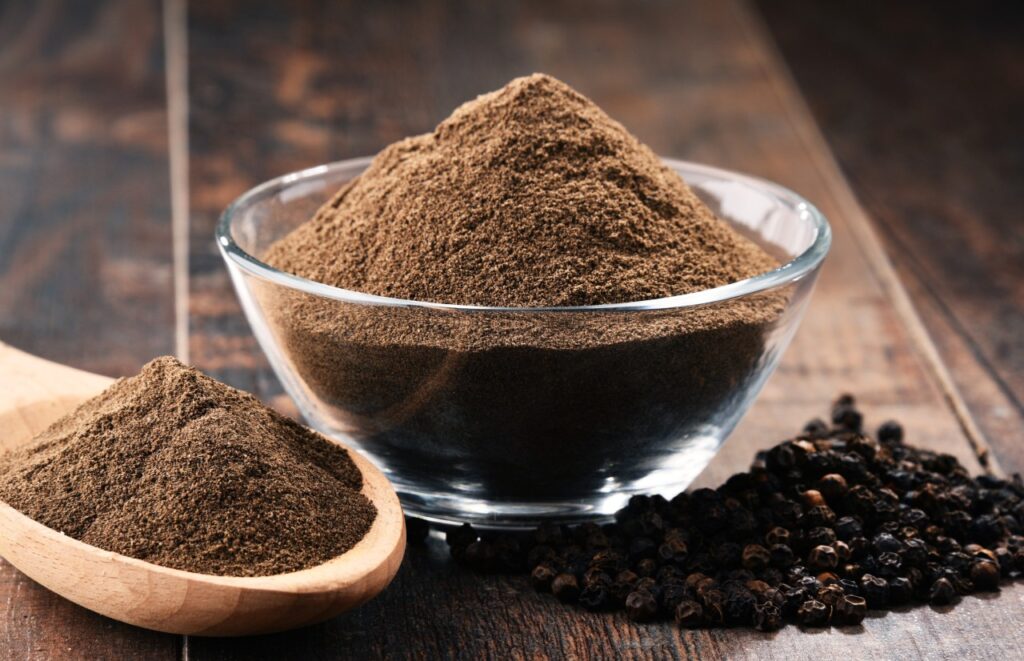
Pepper’s boldness depends on fragile aromatic oils locked inside each peppercorn. When freshly cracked, compounds such as piperine and essential oils are released at once, delivering sharp heat and layered spice.
The moment pepper is ground, those oils are exposed to air, light, and moisture. Oxidation and evaporation begin immediately, steadily reducing aroma and complexity even in sealed containers.
What remains is still peppery, but softer and less vivid. Fresh grinding preserves volatile compounds until the last second, which is why it produces brighter fragrance and more defined heat at the table.
4. Bottled Lemon Juice

Fresh lemon juice delivers more than acidity. When a lemon is squeezed, tiny oil glands in the peel release aromatic compounds that shape how sourness is perceived. Those volatile elements create the bright, almost floral lift people associate with real citrus.
Bottled lemon juice is usually pasteurized and often produced from concentrate for stability. Heat treatment and storage reduce many of those delicate aroma compounds, even though the citric acid level remains largely unchanged.
The result is dependable and sharply tart. Yet without the same aromatic complexity, bottled juice tends to taste one-dimensional compared to lemon squeezed directly over food.
5. Microwave Bacon
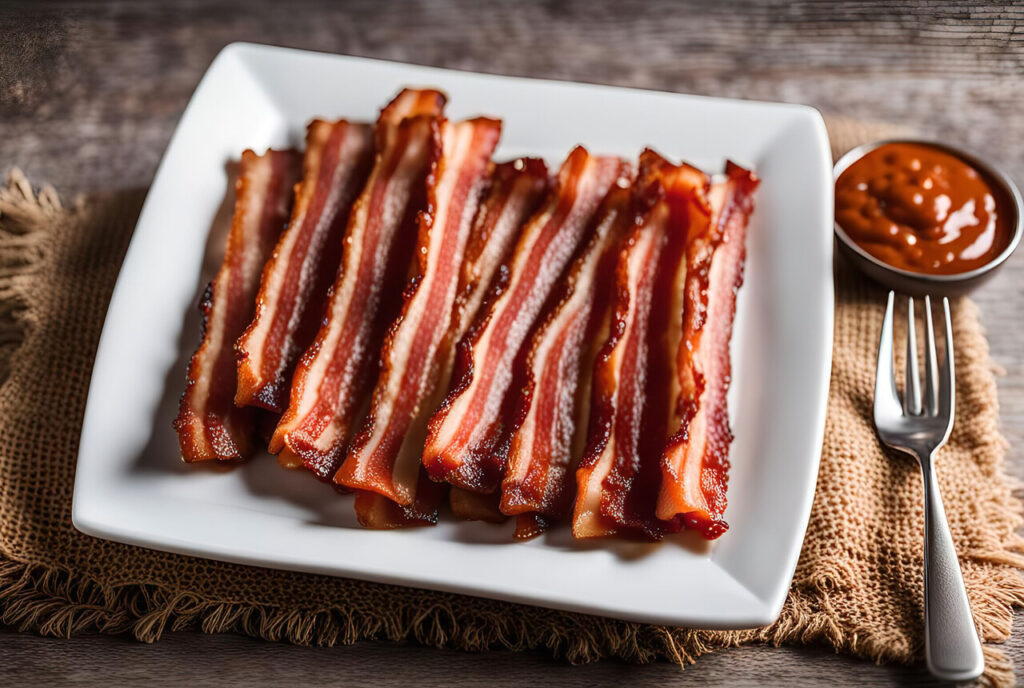
Bacon builds its signature flavor through time and contact with dry heat. In a skillet or oven, fat renders gradually while the surface browns, allowing proteins and sugars to react and form complex savory compounds through the Maillard process.
A microwave cooks differently. It excites water molecules inside the meat, heating it quickly but limiting sustained surface browning. Without steady external heat, caramelization is reduced and flavor compounds form in smaller amounts.
The strips may turn crisp and fully cooked. Yet without prolonged rendering and browning, the smoky sweetness and layered savoriness associated with pan-fried bacon are noticeably less developed.
6. Low-Sodium Broth
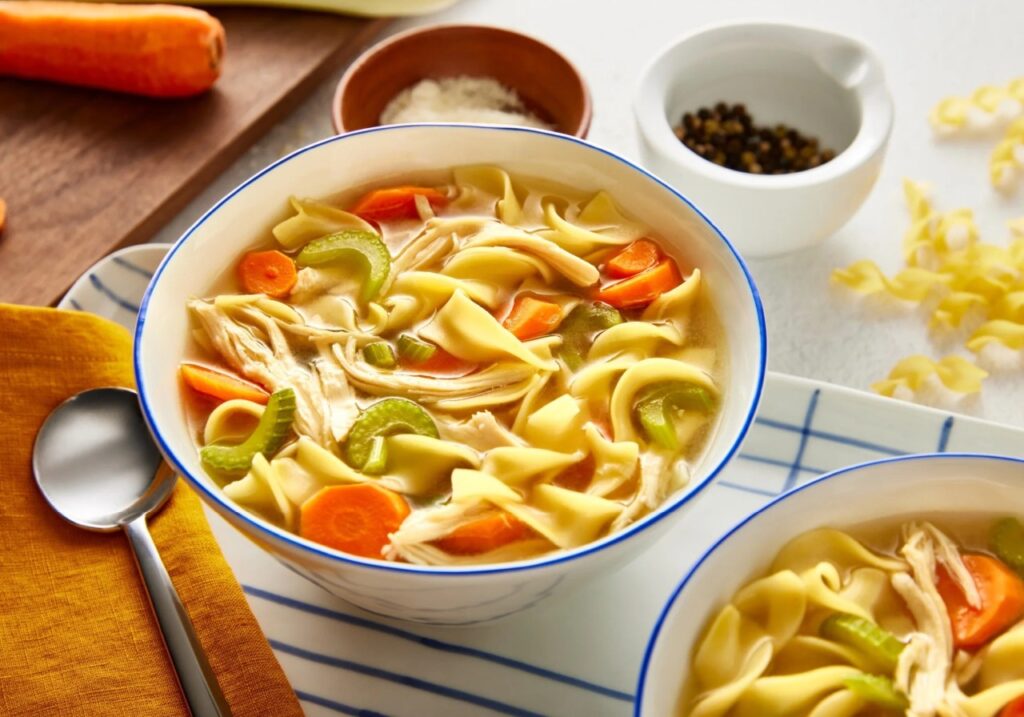
Salt is not just a seasoning. It shapes how the tongue perceives sweetness, bitterness, and umami by enhancing some signals while suppressing others, especially in savory liquids like broth.
When sodium is significantly reduced, those balancing effects weaken. Even if vegetables, herbs, and meat remain unchanged, the broth can taste thinner because flavor compounds feel less integrated and less amplified.
Low-sodium versions provide flexibility for dietary needs. However, without enough salt to unlock and connect existing flavors, the broth often seems flatter than its full-sodium counterpart.
7. Skim Milk
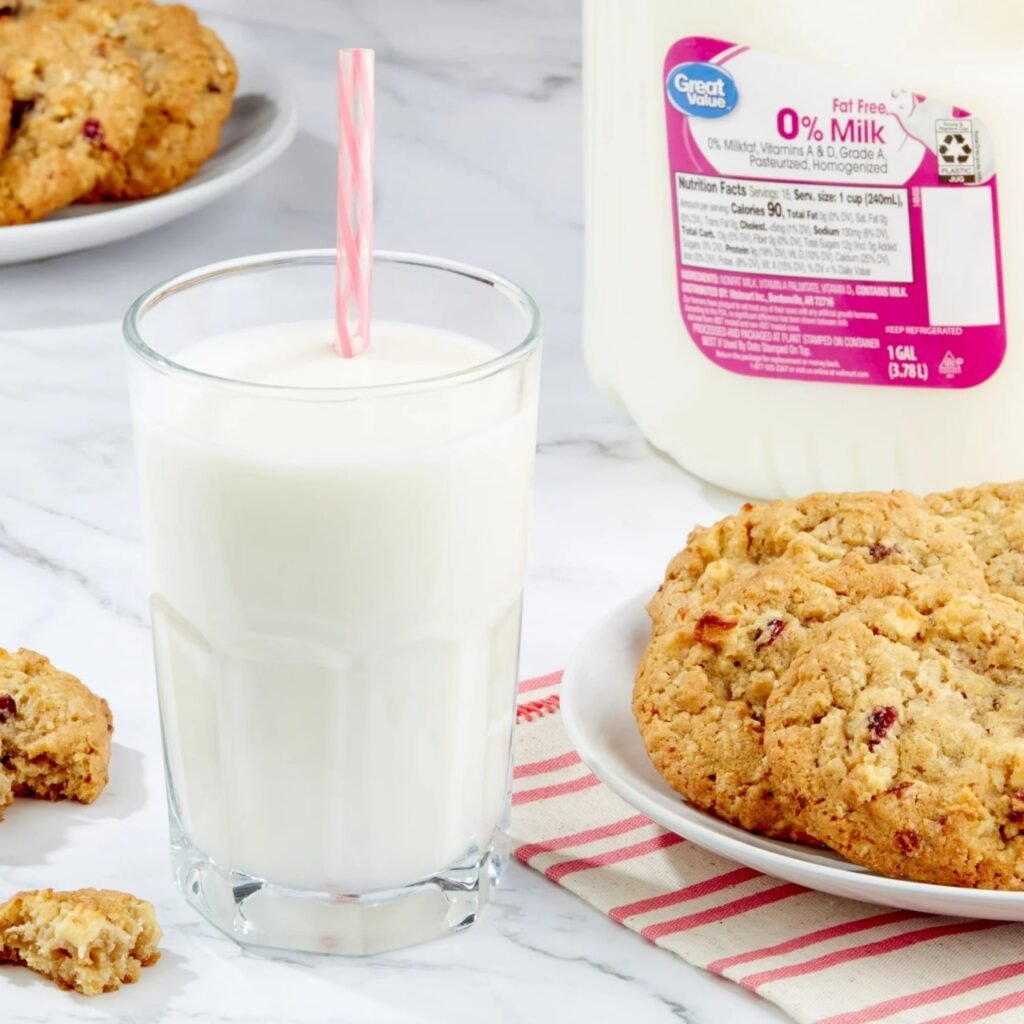
Milk fat does more than make milk creamy. It acts as a carrier for fat-soluble aroma compounds, helping release them gradually across the palate. That slow release creates the rounded, lingering flavor many people associate with whole milk.
When milk is skimmed, most of that fat is removed. Proteins, lactose, and minerals remain, but the primary vehicle for many aromatic compounds is greatly reduced. As a result, flavor dissipates more quickly and feels thinner.
Skim milk still delivers strong nutritional value, especially protein and calcium. Yet without fat to provide body and sustain aroma, it often tastes noticeably lighter and less full than whole milk.
8. Frozen Fish Fillets
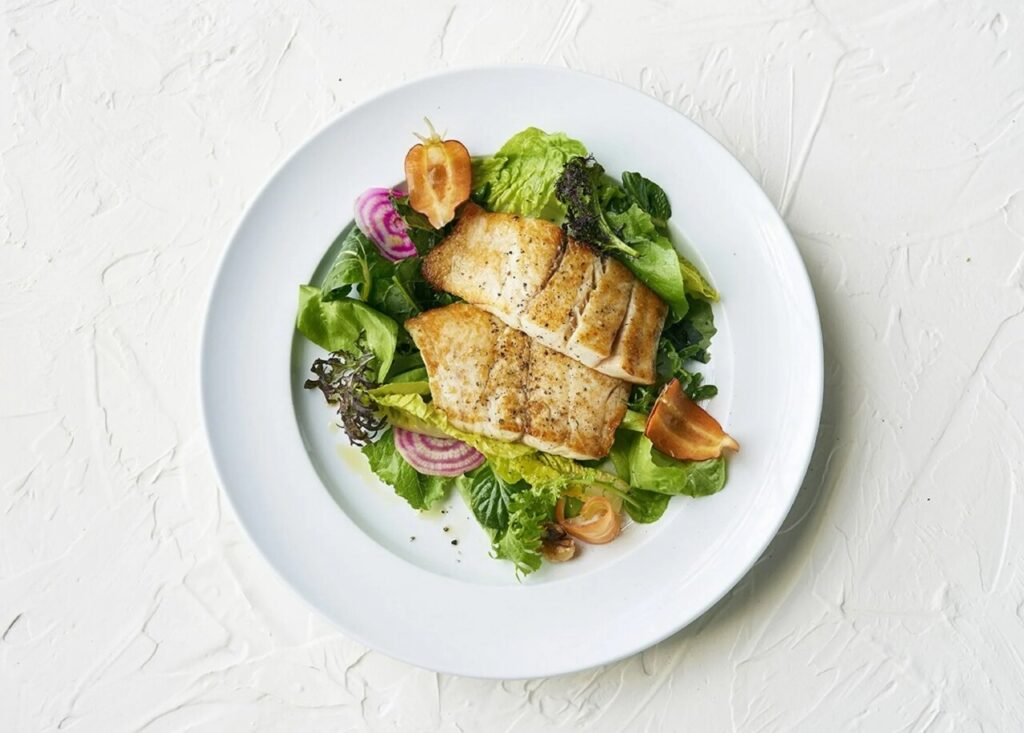
Freezing is one of the most effective ways to preserve fish, slowing microbial growth and extending shelf life dramatically. However, the process changes the flesh at a microscopic level as water inside muscle fibers turns into ice.
If freezing happens slowly or storage continues for long periods, larger ice crystals can form and puncture delicate cell walls. This structural damage affects how the fish holds moisture once it is thawed.
During defrosting, some natural juices escape, carrying dissolved flavor compounds with them. Subtle marine aromas may also fade if sensitive fats oxidize slightly over time, leaving the cooked fillet tasting milder than very fresh fish.
9. Pre-Minced Garlic
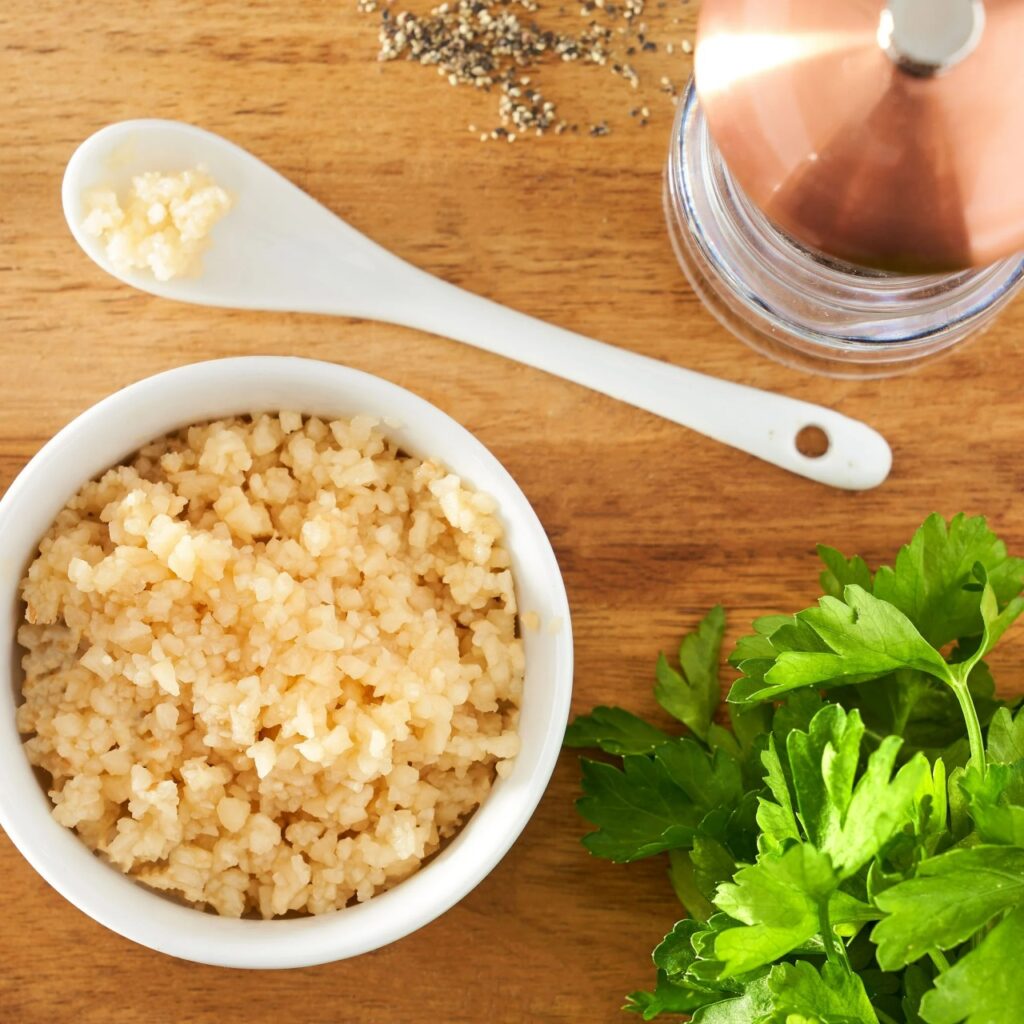
Garlic’s signature bite is created in seconds. When a clove is crushed, the enzyme alliinase converts alliin into allicin, a reactive compound responsible for garlic’s sharp aroma and heat.
In jarred minced garlic, cloves are chopped, sometimes briefly heated, and stored in water or oil. Processing and time reduce active allicin, which gradually breaks down into milder sulfur compounds that lack the same intensity.
The flavor is still recognizable and useful in cooking. However, freshly chopped garlic tastes stronger and brighter because its most pungent compounds are formed and released immediately before use.
10. Shelf-Stable Tortillas
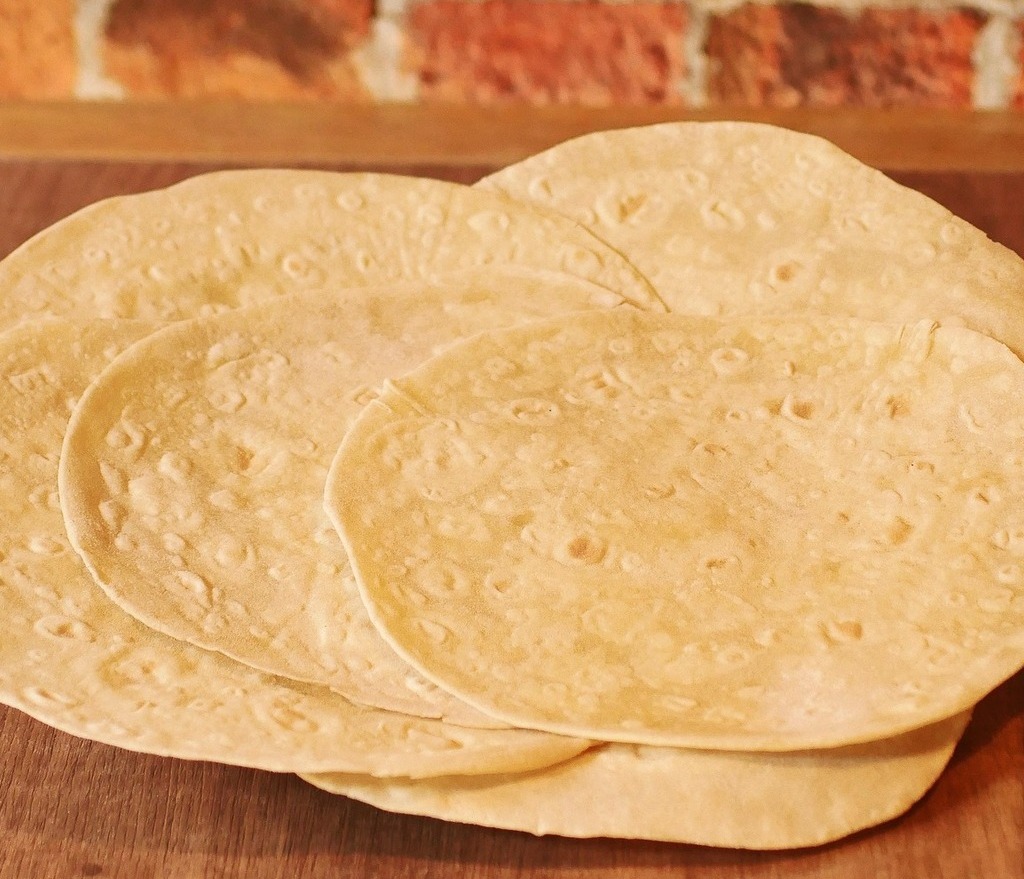
A tortilla tastes best when it leaves the griddle. Direct heat triggers light browning on the surface, producing toasted aromas that highlight the natural sweetness of corn or wheat flour.
To survive transport and weeks on store shelves, commercial tortillas are adjusted for durability. Preservatives, emulsifiers, and tightly controlled moisture levels help prevent mold and staling while maintaining flexibility.
These protections extend shelf life but gradually mute freshness. As tortillas sit packaged, the volatile compounds responsible for warm, toasted notes fade, leaving a softer grain flavor than one found in tortillas eaten shortly after cooking.
11. Instant Oatmeal Packets
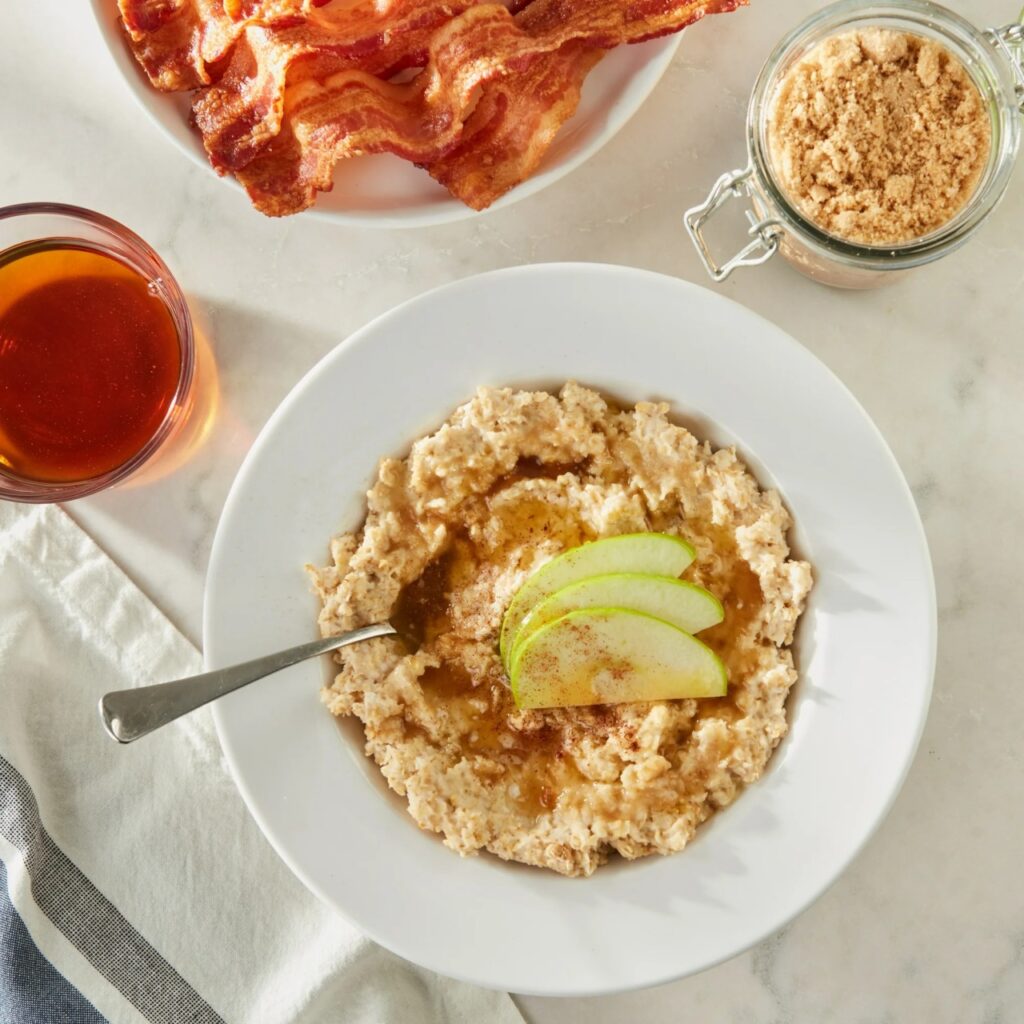
Oats build depth through time and heat. Traditional rolled or steel-cut oats simmer long enough for starches to swell gradually and for subtle nutty flavors to develop.
Instant oats are pre-cooked, rolled thinner, and dried to speed preparation. Because much of the cooking has already occurred, they require only brief hydration, limiting additional flavor development during preparation.
Many packets also include added sugars or flavorings that dominate the bowl. The result is warm and efficient, yet the layered grain character found in slower-cooked oats often feels less pronounced.
Without extended simmering, fewer roasted and toasted notes have time to emerge.