Alternative Flours Are Expanding Across U.S. Stores and Most Shoppers Haven’t Noticed

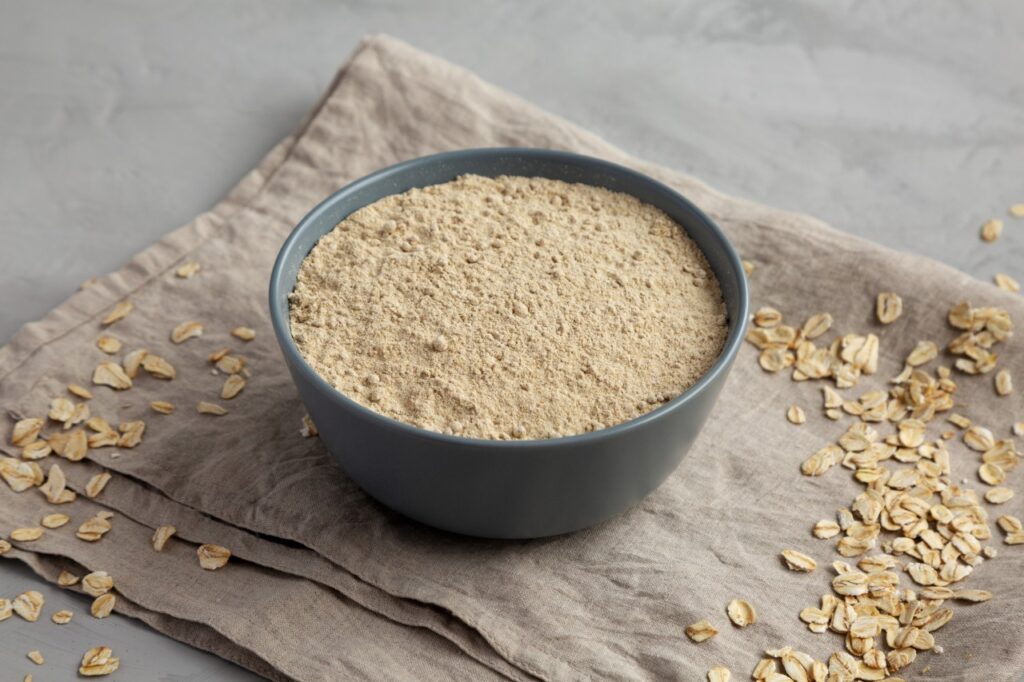
The baking aisle in many U.S. grocery stores has begun to look a little different, even if most shoppers have not fully noticed the shift yet. Traditional wheat flour still holds the central spot on the shelf, but it is increasingly surrounded by bags made from almonds, oats, chickpeas, cassava, and other plant ingredients. These alternative products often sit quietly beside familiar staples, which makes the change feel gradual rather than dramatic. Over time, however, the growing variety reflects a steady expansion of the flour category, bringing new grains and plant sources into everyday baking choices for curious home cooks and enthusiastic bakers.
Behind the scenes, the flour market has been evolving as food brands, ingredient suppliers, and home bakers explore a wider range of possibilities. Alternative flours can offer different textures, subtle flavors, and unique nutritional qualities compared with refined wheat flour. Some appear as standalone baking ingredients, while others are blended into packaged foods such as crackers, tortillas, and snack bars. As curiosity about diverse grains and plant-based ingredients continues to grow, these products are quietly becoming a regular and practical addition to modern American kitchens and pantry shelves.
The Quiet Rise of Alternative Flours
Walk through the baking aisle of many American grocery stores today, and the selection looks noticeably broader than it did just a decade ago. Alongside traditional wheat flour, shoppers can now find options made from almonds, oats, chickpeas, rice, cassava, and even coconut or sorghum. These products often sit quietly beside familiar staples, which means the shift can be easy to overlook during a routine grocery trip. Yet the expanding shelf space reflects a gradual transformation in how flour is produced, marketed, and used in everyday cooking and baking across the United States, especially as consumers grow more curious about diverse ingredients.
Food manufacturers and retailers have introduced these alternative flours slowly as interest in diverse ingredients has grown among home cooks and health-conscious shoppers. Some appear as standalone baking products, while others are blended into packaged foods such as crackers, tortillas, pasta, and snack bars. Because this transition has happened step by step over many years, many shoppers continue their usual routines without realizing how many different flour options have quietly entered the market and expanded the range of ingredients available in modern kitchens and everyday pantry staples.
Why Shoppers Are Exploring New Grain Options
Consumer curiosity has become an important force behind the growing interest in alternative flours across U.S. grocery stores. Many shoppers today enjoy experimenting with ingredients that connect to global cuisines or traditional food cultures. Flours made from grains such as sorghum, millet, and rice, along with options made from chickpeas, lentils, or cassava, offer distinct textures and subtle flavor differences. These qualities allow home cooks to add variety to everyday meals, whether they are preparing breads, pancakes, flatbreads, or baked snacks that benefit from slightly different tastes and structures.
These products also attract shoppers who want greater flexibility in the kitchen when preparing different kinds of recipes. Some alternative flours perform well in gluten-free baking, while others naturally contain more protein, fiber, or minerals than refined wheat flour. Because of these characteristics, home cooks often combine several flours to achieve the texture they want in baked goods. As more people explore cooking techniques and recipes from different culinary traditions, these ingredients provide additional choices that help expand the range of meals that can be prepared at home.
Health Trends Are Changing Baking Habits
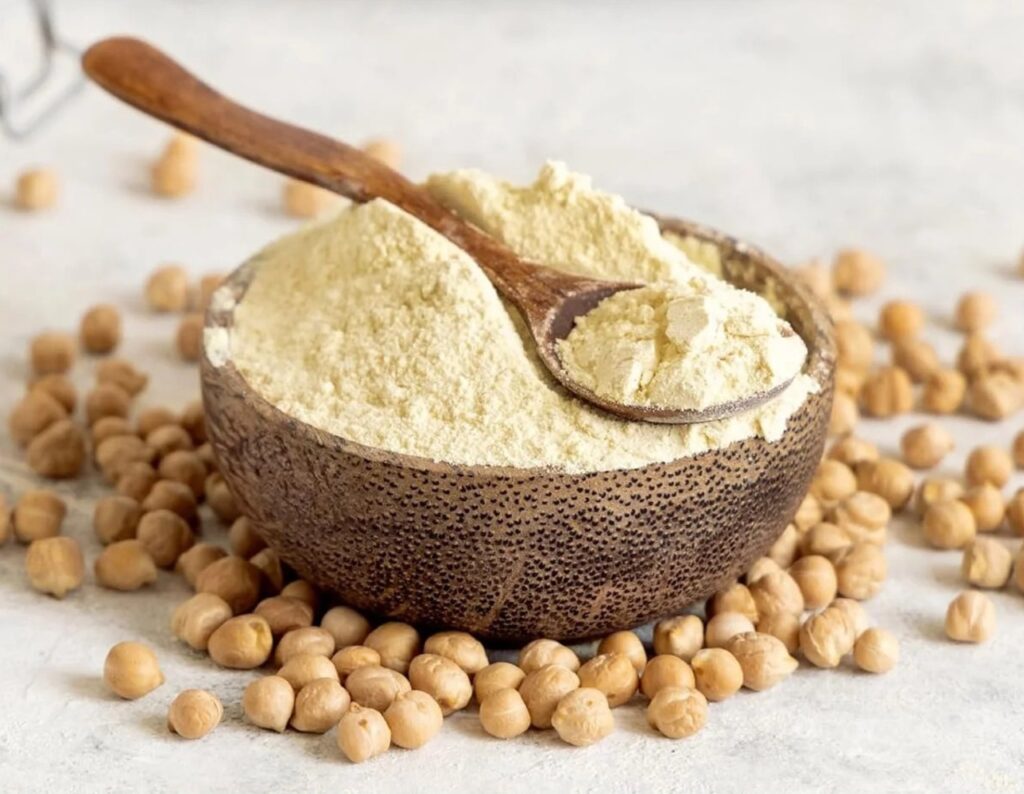
Growing awareness about nutrition has begun to reshape how many Americans approach everyday baking. In recent years, more consumers have started reading ingredient labels and comparing the nutritional value of common pantry staples. Traditional refined white flour is still widely used, but many shoppers are now curious about ingredients that offer additional fiber, protein, or micronutrients. Flours made from whole grains, legumes, nuts, or seeds often provide different nutritional qualities, which has encouraged people to consider them as part of a more balanced approach to cooking and baking at home.
Because of this interest, many home bakers are gradually experimenting with alternative flours in familiar recipes. Instead of replacing wheat flour completely, people often combine two or more types of flour to adjust texture, flavor, and nutritional value. A pancake recipe might include oat flour, while bread dough could contain a portion of chickpea or whole grain flour. This step-by-step experimentation allows cooks to explore new ingredients without losing the taste and structure they expect from traditional baked goods, making the transition feel natural and approachable in everyday kitchens.
Food Brands Are Embracing Diverse Ingredients
Food manufacturers have responded quickly to the growing curiosity around alternative flours and diverse plant ingredients. Many packaged foods now include flours made from almonds, oats, chickpeas, cassava, or lentils as part of their recipes. These ingredients appear in a wide range of products, including gluten-free crackers, pasta, snack bars, tortillas, and ready-to-bake mixes. By incorporating different flour sources into familiar foods, companies can offer products that appeal to shoppers interested in trying new ingredients while still enjoying convenient and recognizable snacks found across grocery store shelves.
For food brands, alternative flours provide an opportunity to respond to changing consumer expectations while introducing new product ideas. Companies often highlight these ingredients on packaging, drawing attention to qualities such as whole grains, plant-based proteins, or gluten-free formulations. This messaging helps attract shoppers who are curious about nutrition, variety, or dietary flexibility. As a result, alternative flours are gradually becoming more visible across many parts of the grocery store, extending beyond the baking aisle into snacks, prepared foods, and everyday pantry staples.
The Future of Flour in American Kitchens
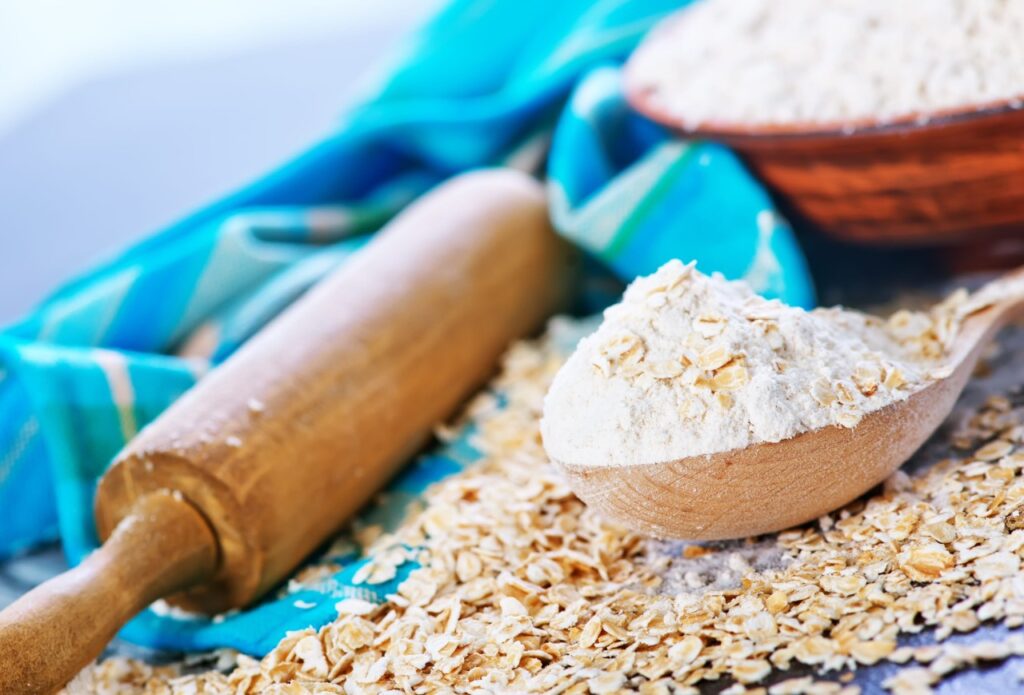
Looking ahead, the role of flour in American kitchens may continue to broaden as consumers explore more plant-based ingredients and diverse grains. Wheat flour will almost certainly remain a familiar staple, especially for traditional baking recipes like bread, cakes, and pastries. At the same time, grocery shelves are gradually making room for a wider range of alternatives made from oats, almonds, chickpeas, rice, and cassava. As shoppers become more comfortable using these options, flour may begin to feel less like a single pantry staple and more like a flexible category filled with many culinary possibilities.
At the same time, improvements in food processing and ingredient sourcing are helping manufacturers produce alternative flours with better texture and more reliable baking performance. These advances make it easier for both home cooks and professional bakers to experiment with unfamiliar grains or plant ingredients without sacrificing the quality of their recipes. As these products continue to improve, the quiet expansion of alternative flours may slowly reshape how people approach baking, cooking, and everyday pantry planning in American households. This gradual shift could also encourage more experimentation with global recipes and diverse cooking styles.